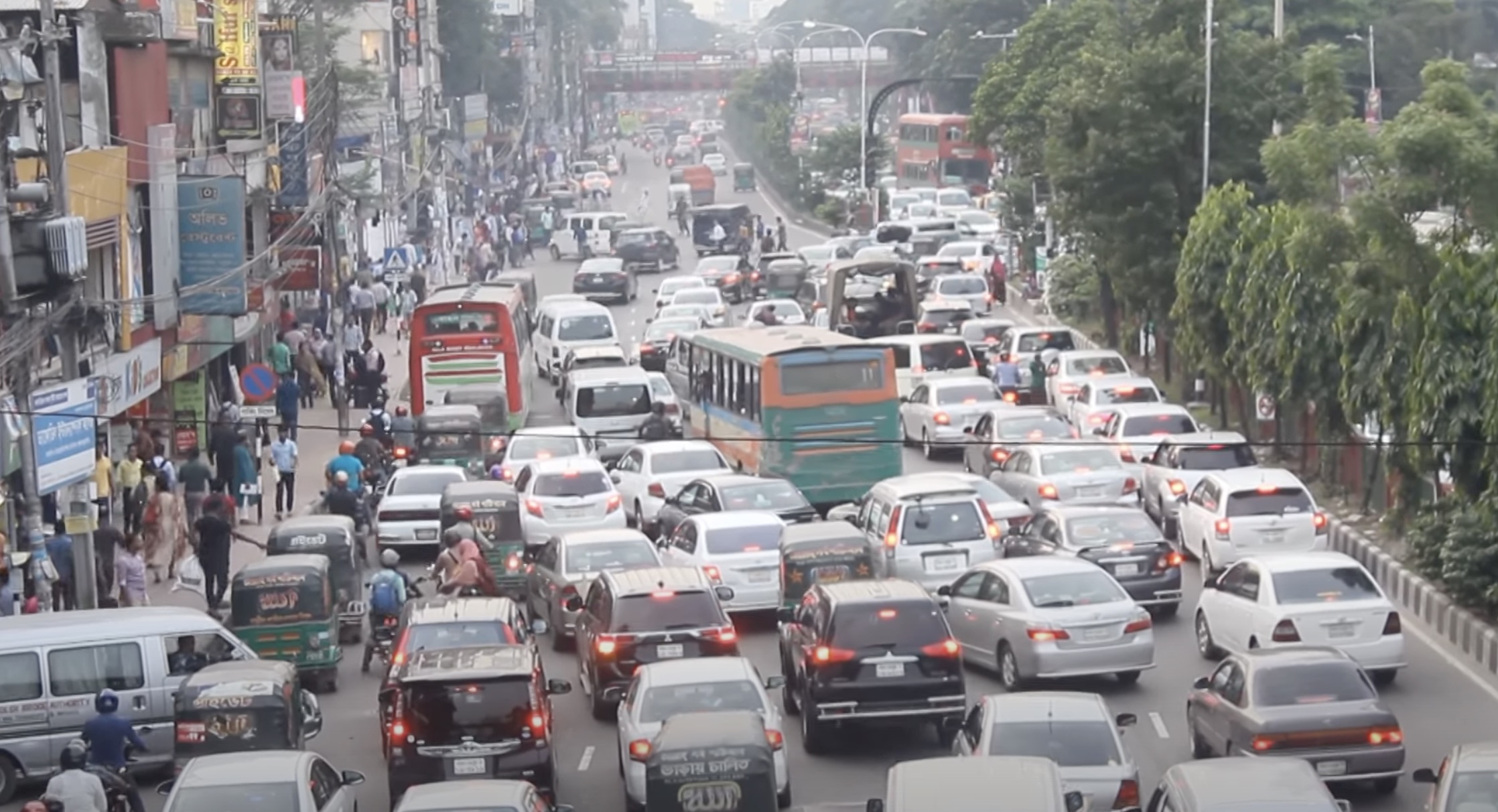
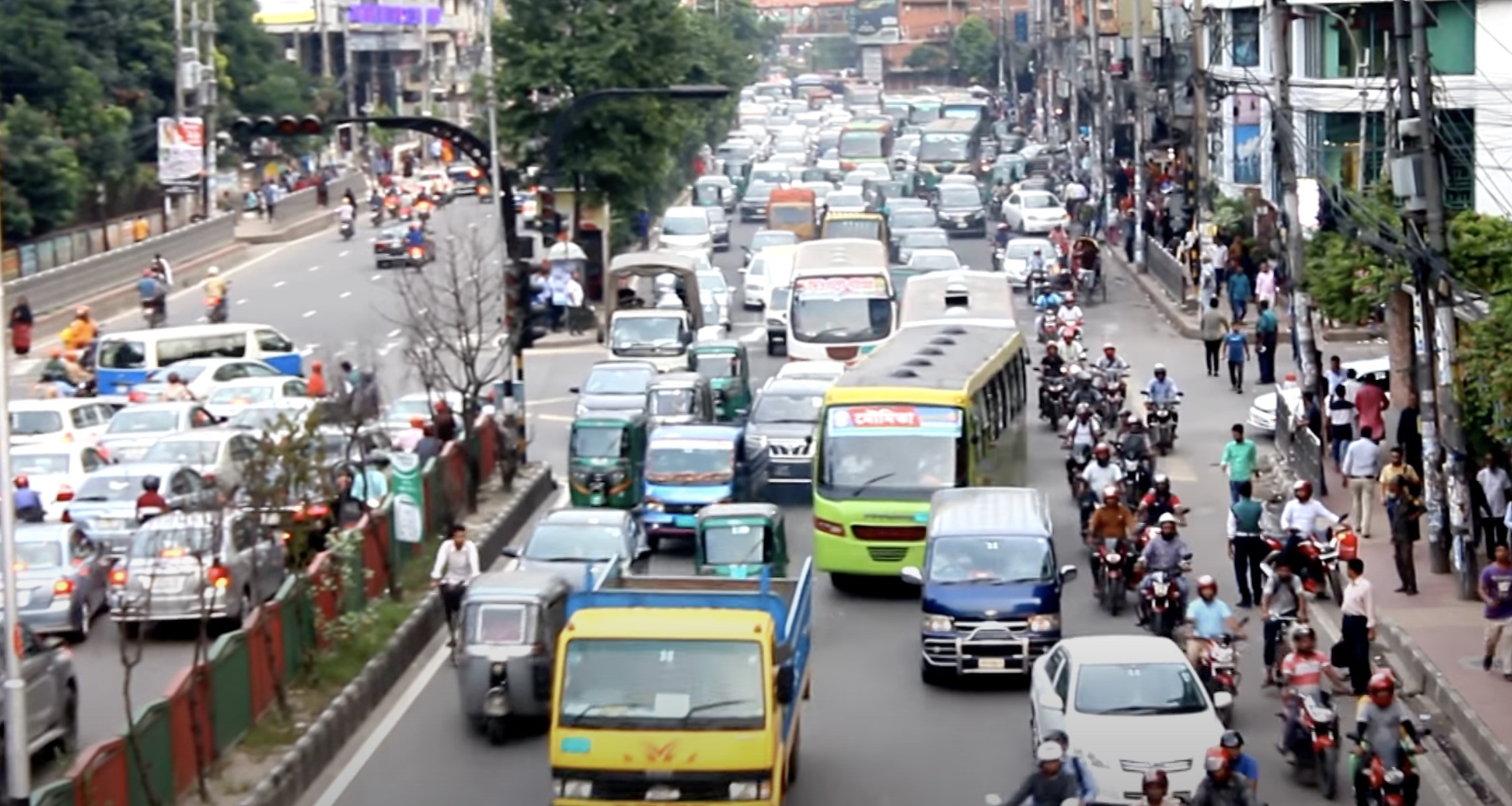
Photo: Screenshot from YouTube channel AnantaArtBD
It’s not a secret that China is a continuously expanding automotive market, and chances are it will remain so as long as a growing number of companies are attracted by cheap labor costs and state incentives.
But the downside of this breathtaking boom is actually the always-increasing number of cars that end up on public roads in China. According to official sales, the number of passenger vehicles sold in China in 2020 reached 2.375 million units, an increase of no less than 7.2 percent from the previous year.
Furthermore, commercial vehicle sales got close to 510,000 units, up 2.3 percent as compared to 2019.
It goes without saying that these numbers can’t be good news in the long term. Authorities have been trying to convince residents to stop buying cars and use public transportation, mostly in an attempt to reduce pollution and ease traffic, but their efforts have so far been mostly useless.
Beijing drivers, for example, were at one point required to leave their cars at home one day per week, based on a scheme that involved the last digit of the number plate. And despite this aggressive push, local reports claim that the daily Chinese driver spends two or three hours per day in the car, as a direct consequence of the insane bumper-to-bumper traffic.
The obvious eventually happened, and it’s hard to find someone to blame. Back in August 2010, China was crowned the unofficial “home” of the mother of all traffic jams, with a huge ad-hoc car parking that stretched for more than 62 miles (100 km) and lasted for 12 days. On a public road, that is.
The traffic jam was caused by trucks carrying coal to Beijing, with unofficial sources claiming that each vehicle moved at the insane speed of 2 miles per day! For our European friends, this means just a little over 3 kilometers every 24 hours.
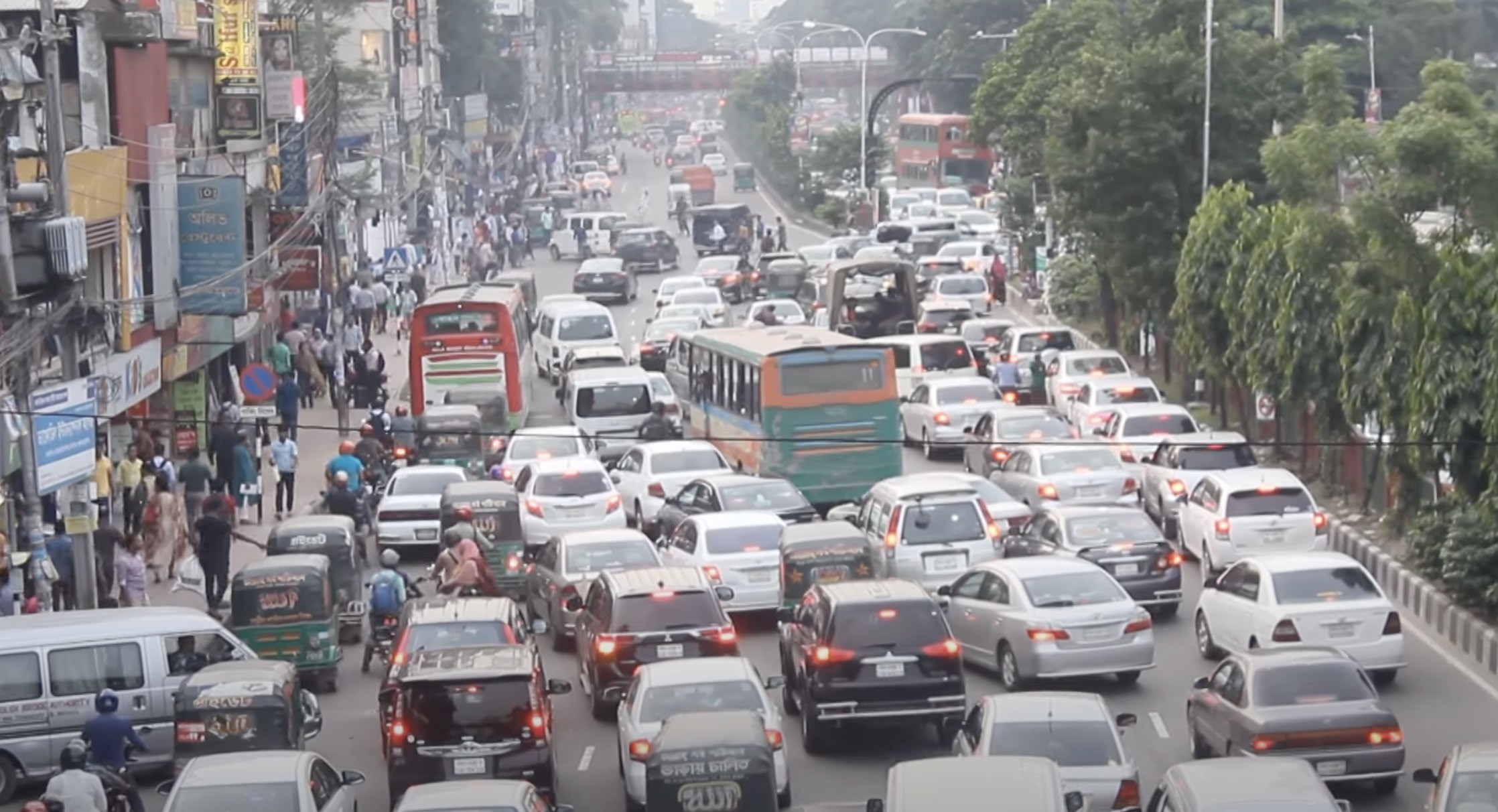
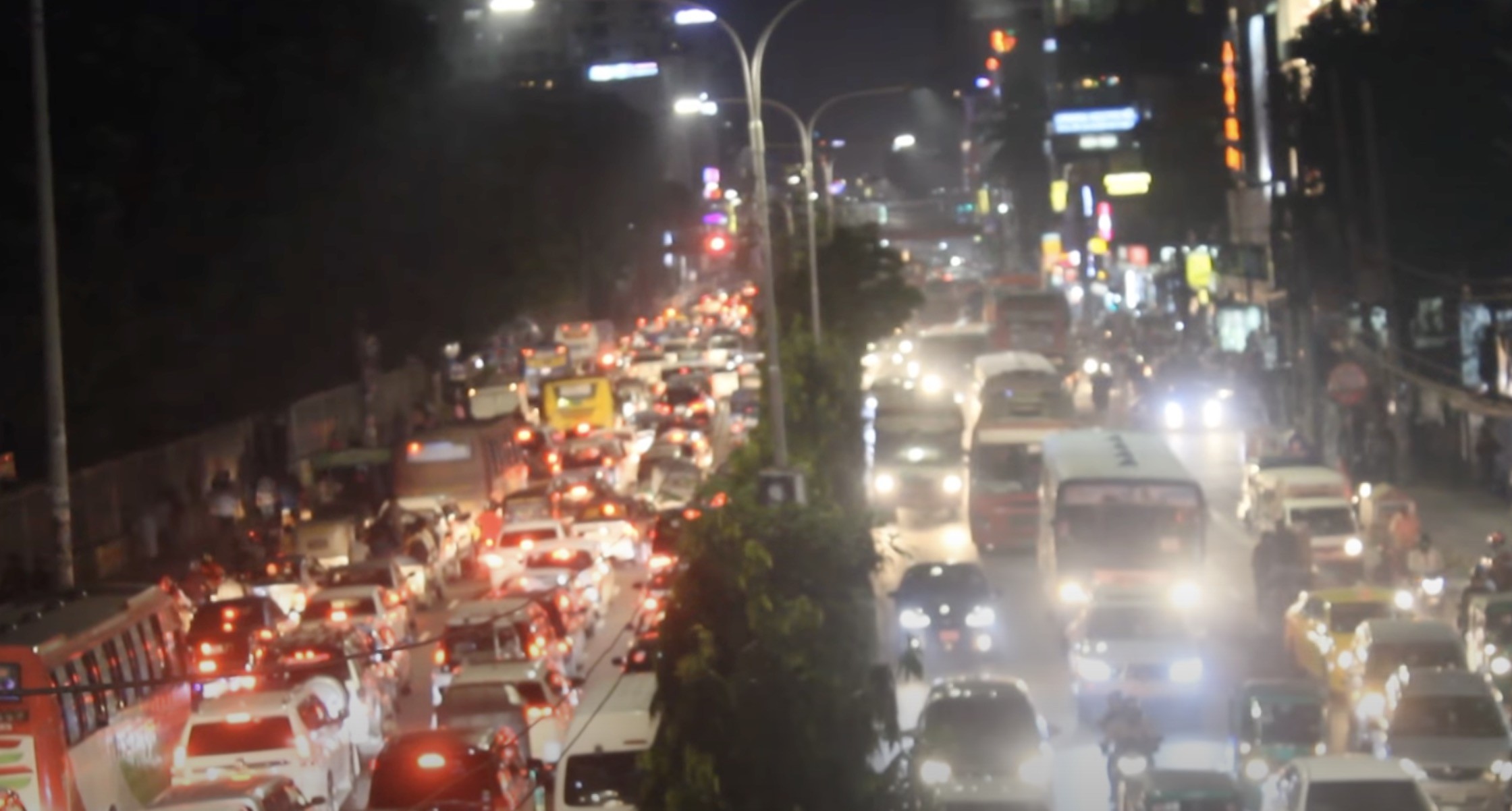
Photo: Screenshot from YouTube channel AnantaArtBD
It all happened on the Beijing-Tibet Expressway near Beijing and, ironically, the cause of the huge traffic jam was the roadwork on the highway. Trucks carrying construction supplies to Beijing, most of them supposed to be used on the expressway in order to ease the traffic, were blocked at the exit, thus causing a traffic jam that lasted over 12 days.
On paper, the highway was supposed to be used exclusively by trucks, but as we said earlier, the number of vehicles on Chinese roads means such plans can always change overnight. So eventually, pretty much everybody who wanted to go to Beijing ended up using the highway anyway. And as it’s already obvious, the whole thing backfired in the most awful way.
Since it’s China we’re talking about here, there are no clear statistics concerning the number of stranded drivers, but on the other hand, various reports published on the web at that time claimed that the last vehicles in the jam didn’t even move for days. That’s insane, there’s no doubt about it, but at the end of the day, such a huge gathering actually produced some surprisingly positive effects on the local region.
For instance, people living in the region saw the massive traffic jam as a great opportunity to make lots of money overnight. Selling food and water to drivers, therefore, became the main activity of the local wannabe entrepreneurs, though most of them asked for shocking prices that were sometimes 10 times higher than the typical cost in a supermarket.
As a result, it’s not a surprise that most drivers refused to buy the goodies. It all backfired in a horrible way, pretty much because some people couldn’t take no for answer. The friendly improvised market occasionally turned into a violent encounter, with some drivers getting robbed or even stabbed when they refused to pay 10 times the typical price of a bottle of water.
Twelve days in a traffic jam is a lot, that’s pretty clear, and even if some drivers already had bread and cigarettes just because they expected to spend a very long time on the road, everybody eventually had to buy at least a bottle of water.
On the other hand, the traffic jams ended up generating a rather negative impact on drivers’ health. Ever heard of the Traffic Stress Syndrome? It’s a disease that affects drivers and makes them feel scared whenever they’re stuck in slow traffic. In the worst-case scenario, those experiencing this syndrome end up driving recklessly and pressing the throttle for absolutely no reason. More commonly, drivers end up struggling with sweaty palms, especially when spending such a long time stuck in traffic.
Of course, the Chinese living in the area tried to take the most out of this unfortunate moment and raised prices as much as possible, with reports claiming that a cup of water cost 3 yuan, which is 0.4 American dollars. If drivers were starving, they had to pay 2 yuan (around $0.3) for an egg, while those who wanted cigarettes were almost ripped off: the price was nearly $8 a packet.
Lorry drivers were the most affected. While water and food were indeed shockingly expensive, truck drivers were also concerned with their own safety, especially as night robberies became way too common. What’s more, residents siphoned gasoline out of their vehicles, with one driver even requiring medical assistance after getting stabbed in the arm.
In an effort to prevent this ad-hoc road rage, authorities sent more than 400 police officers to the region, but thieves were still impossible to stop during the night.
Ironically, nobody wanted to leave and although some of the lorries were carrying fruits and vegetables, drivers refused to take a detour because of the high gas prices.
Playing cards was the only effective way to kill time, although doing that for 12 consecutive days probably became a nerve-racking experience anyway. Others preferred to read, while some spent their spare time sleeping under their lorries, thus trying to stop thieves from stealing gasoline. It was a dangerous solution, there’s no doubt about it, as several truck drivers ended up face-to-face with thieves in the middle of the night.
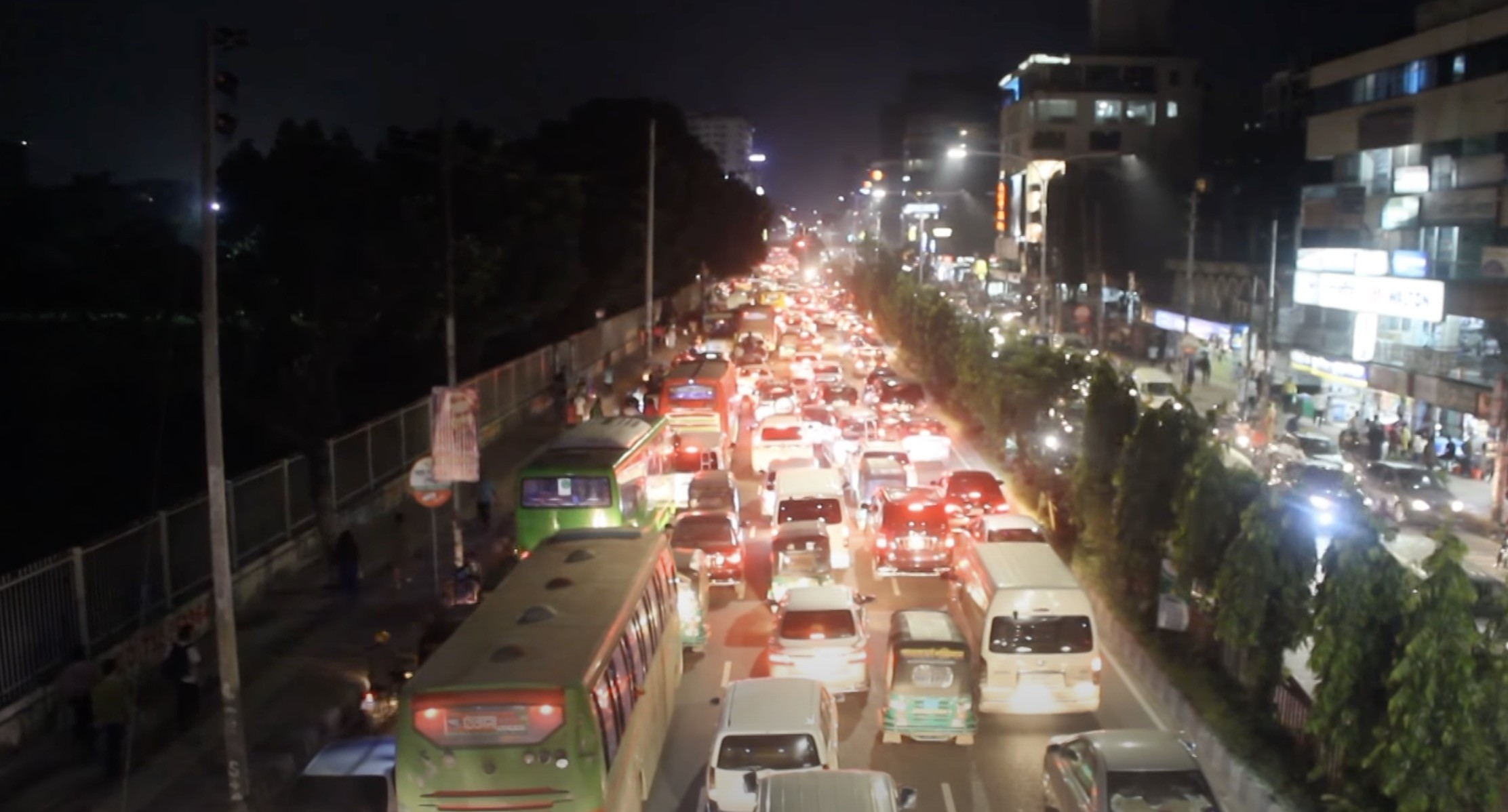
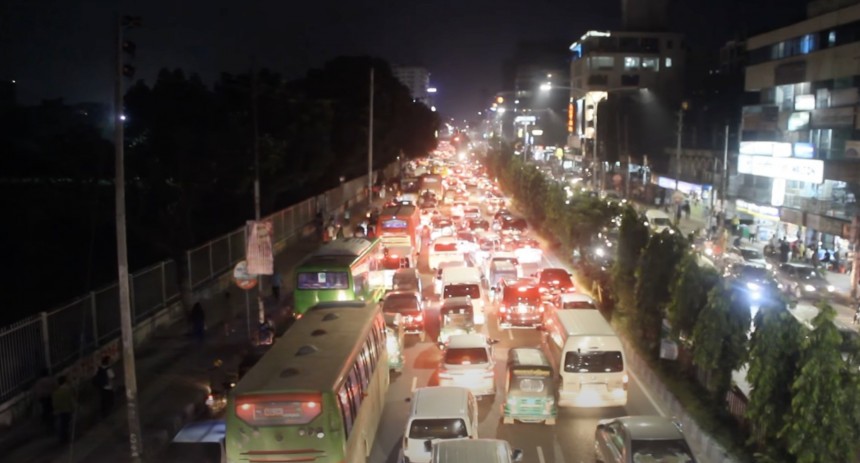
Photo: Screenshot from YouTube channel AnantaArtBD
Surprisingly, the Guinness World of Records claims this wasn’t even the longest traffic jam in history. A previous episode that took place in France, spanning from Lyon to Paris, is considered the biggest jam ever. It stretched for 109 miles (175 km) and took place on February 16, 1980. The reason this time is a mix of poor weather and the huge number of cars on the French Autoroute, so once again, the ridiculous number of motorists on the road was a factor that turned a simple journey into a nightmare experience.
It's pretty clear that the authorities weren’t prepared to deal with such a horrible traffic jam. While nobody talked about how the local officials coped with the 12 days spent by drivers under the clear sky, it’s not a secret they failed to meet the demand for essential goods, including water and bread. This is probably why the people living in the region tried to sell everything at ridiculous prices in the first place.
But that’s not even the worst part when it comes to the way authorities handled the whole thing. The local officials originally estimated the traffic jam would last about a month, so drivers who managed to squeeze out of the area after only 12 days were very, very lucky.
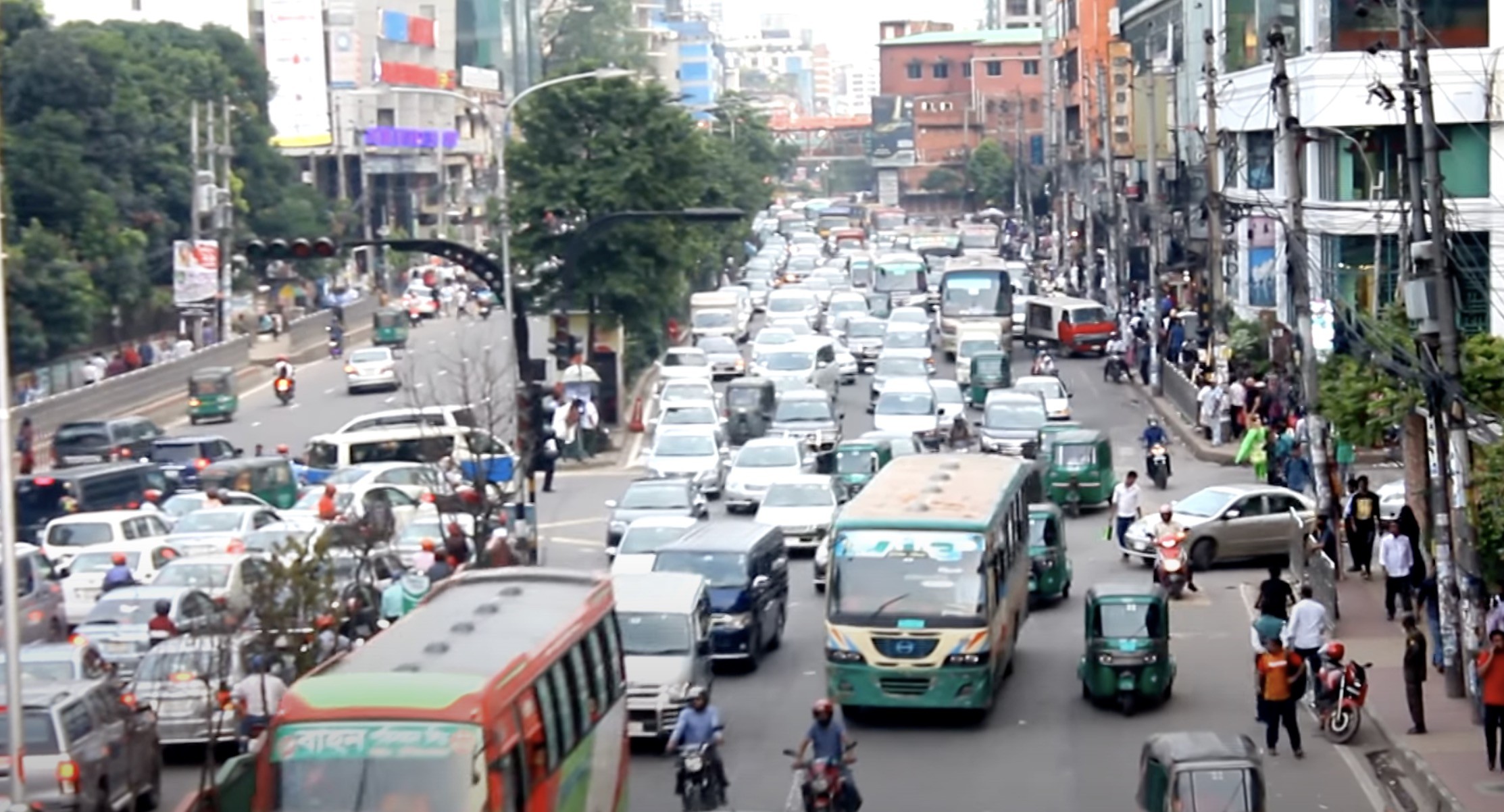
At the end of the day, you’d better stop whining about the extra 10 minutes you spend in traffic every day when you go to work and just think about the drivers that had to face 12 days in a traffic jam without water, food, and toilets. But this doesn’t mean that authorities shouldn’t do something about it - it’s all because of the increasing number of cars and unless carpooling becomes a much more popular program, such traffic jams could take place anywhere, anytime around the globe.
Bogdan keeps an eye on how technology is taking over the car world. His long-term goals are buying an 18-wheeler because he needs more space for his kid’s toys, and convincing Google and Apple that Android Auto and CarPlay deserve at least as much attention as their phones. Full profile
Would you like AUTOEVOLUTION to send you notifications?

 Google News