MCLAREN MP4-12C Review
OUR TEST CAR: MCLAREN MP4-12C 2012
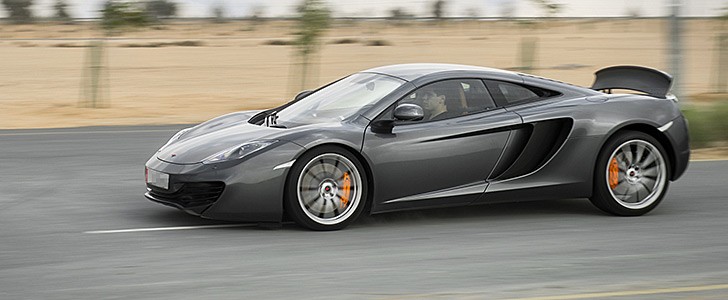
The British model gifts the supercar world with a suite of tech solutions that were previously reserved for the hypercar class, with these destined to bring both a performance and an image boost. The MP4-12C’s list of class-firsts includes the carbon fiber chassis and the air brake, among others.
Nevertheless, McLaren didn’t stop here, as it used its Formula One pedigree to make the MP4-12C a completely unconventional proposal. The British model does away with sine qua non technical features such as a limited slip differential and stabilizer bars, replacing these with motorsport-bred solutions.
The main target of the Mac is the Ferrari 458, which also makes full use of the Prancing Horse’s F1 expertise, but while the Italian vehicle only sharpens its driving systems via racing-borrowed assets, the McLaren completely redefines them.
Then again, it was in McLaren’s blood to use such an approach. Last time the British carmaker was to be found in a showroom, this had the Mercedes star on it, as the two companies had joined forces for developing the 2004 SLR - the Germans brought all the benefits of the collaboration’s “car” part, while the British only handled the “super” bits.
The Mercedes-Benz SLR McLaren was the British company’s second road car, following the iconic 1993 McLaren F1. The F1 followed uncompromising rules set by Great Circus designer Gordon Murray. The result was a hypermachine that held a plethora of production car records for many years.
McLaren’s three-seater 240 mph (386 km/h) F1 is still more technically advanced than many new supercars, but all these gifts pushed the price through the sky, turning the F1 into more of a trophy than an actual car.
This is the reason for which McLaren now wants to play a similar game, but on a much larger scale. All the aforementioned class-first developments present on the MP4-12C normally push the car into a superior financial league, but the British carmaker has found a way of making it work in junior supercar world.
Nevertheless, we’re not talking about track-only vehicles here, so the fact the McLaren MP4-12C beats the Ferrari 458 Italia, its main target, in most acceleration tests may not be worth all that much in the real world - by definition, a supercar has to bond the collection of impressive numbers it offers with special adhesives called “thrills”.
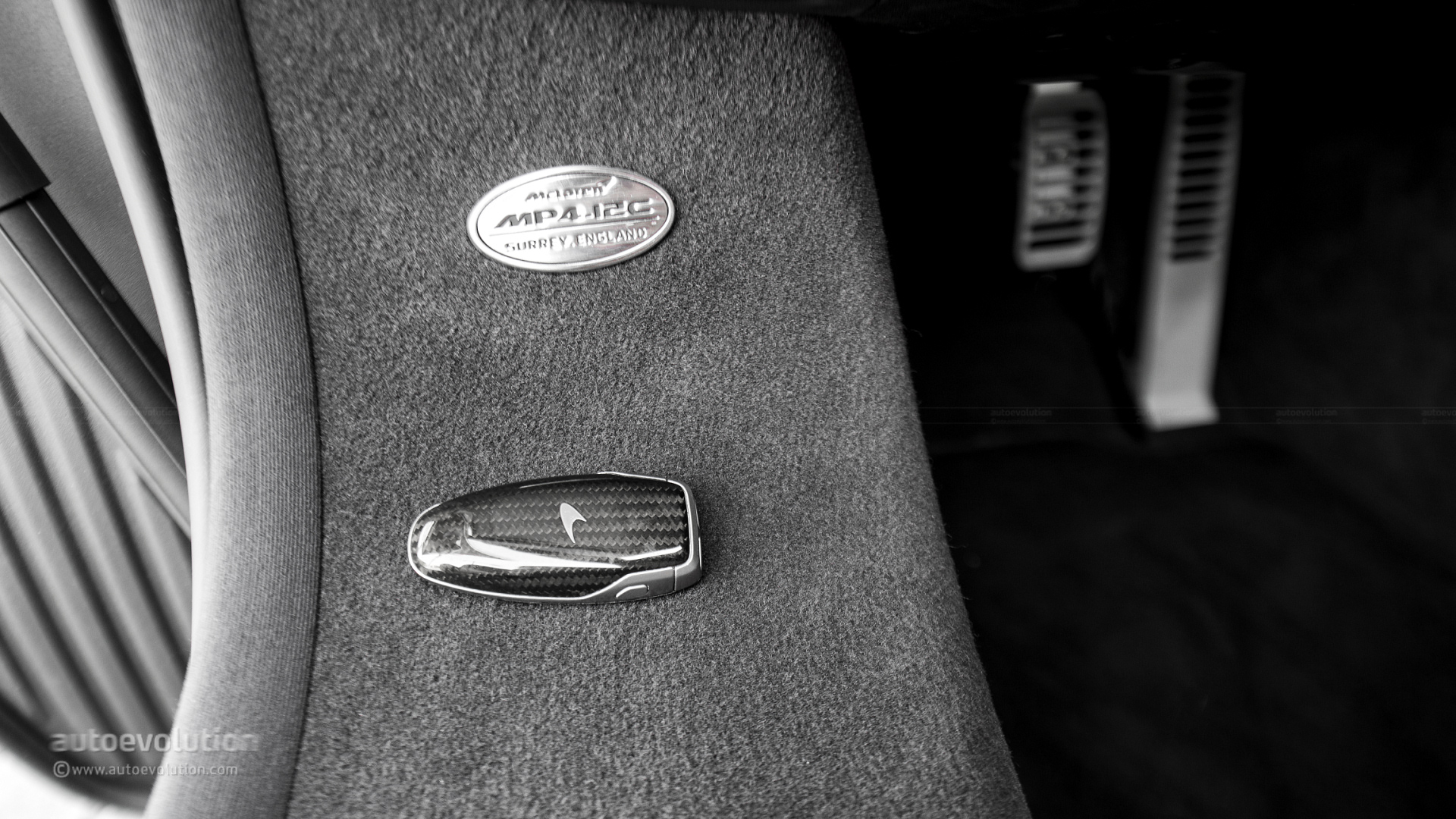
We grabbed the carbon fiber key to an MP4-12C in order to find out if it could match its physics score when it came to literature and we have confess that we had great expectations.
The McLaren MP4-12C project didn't have too many past image element to refer to, so the designers were presented with a blank screen that only displayed the word "aerodynamics". In the corner, written in a small font, lied one or two mentions of McLaren F1 styling elements.
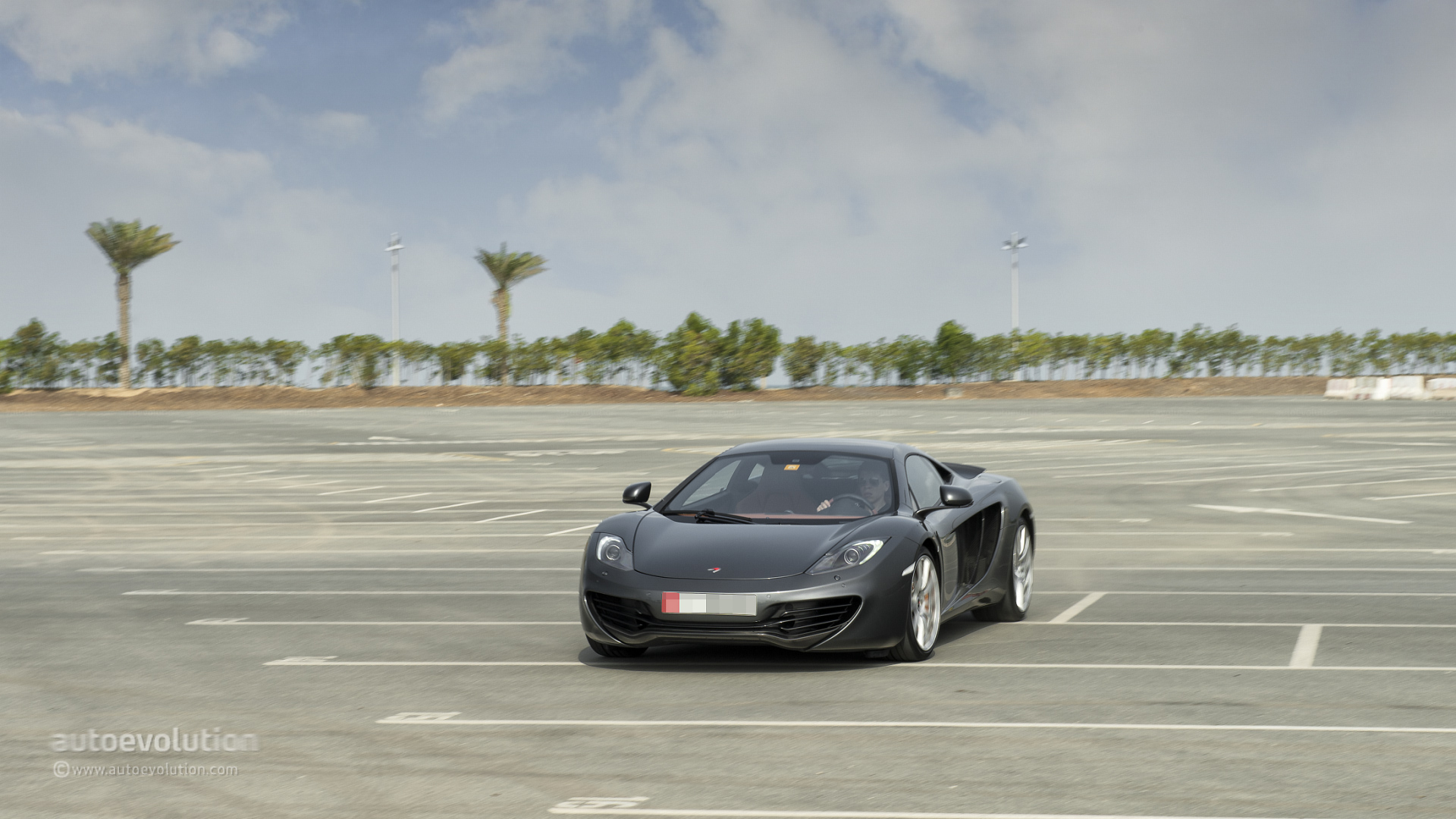
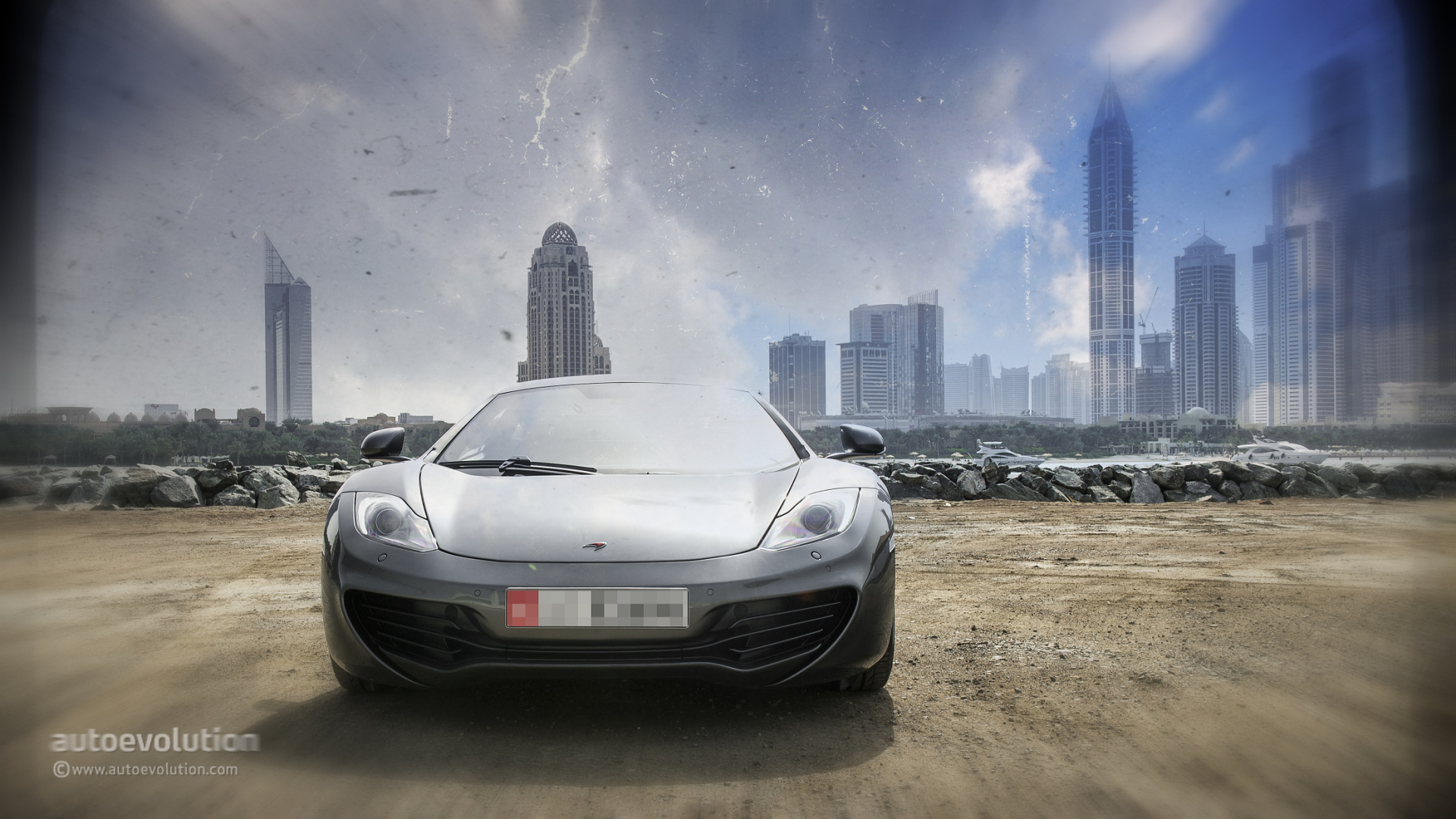
The front end of the MP4-12C has a low presence, thanks to the fact that it doesn't have to accommodate the engine cooling radiators, which are found on the sides of the supercar. Instead, the nose of the supercar accommodates the intercoolers for the turbochargers. Unlike the Ferrari 458 or the Lamborghini Gallardo, which have front-mounted radiators, the McLaren MP4-12C needs less piping and coolant.
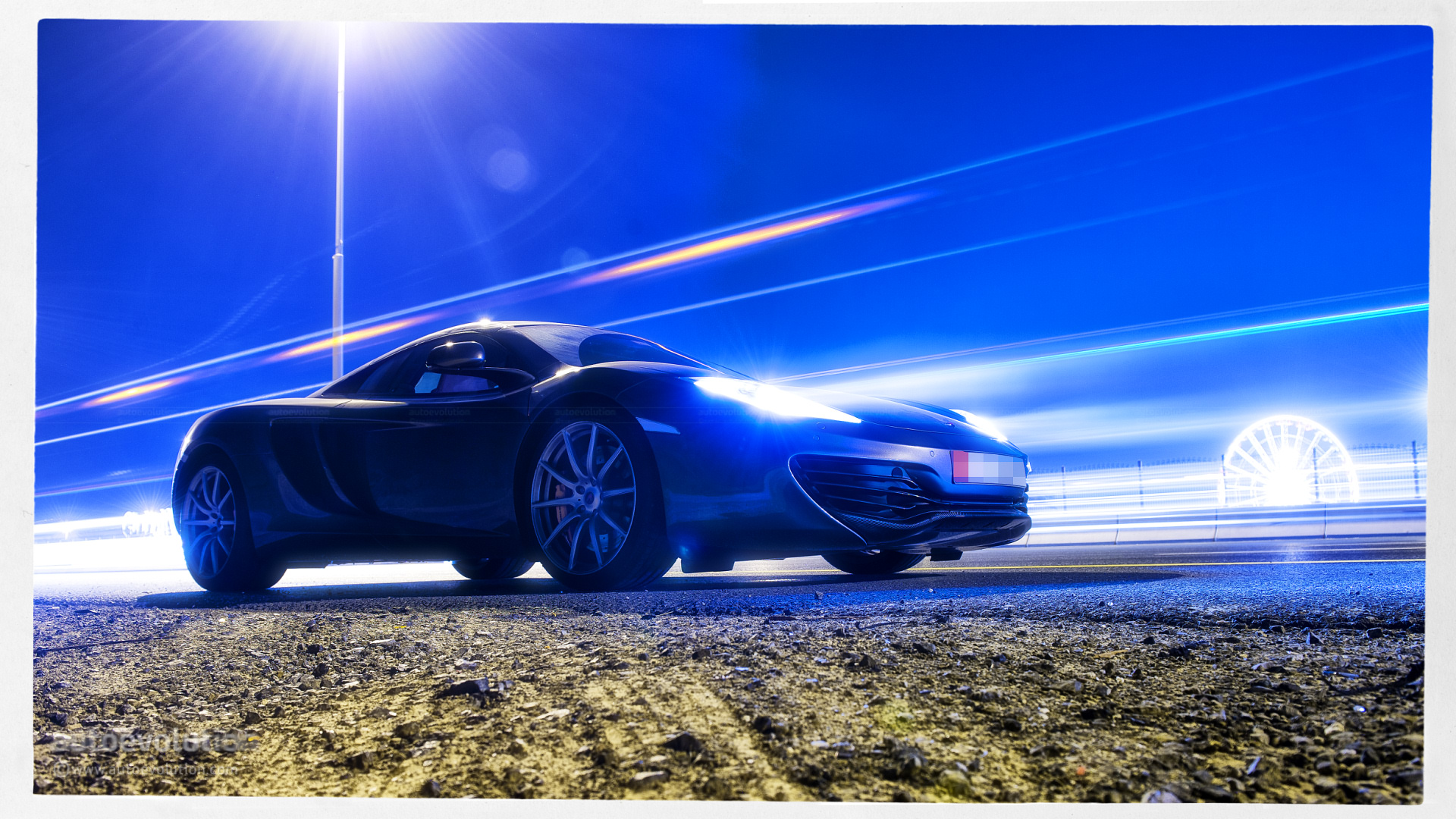
The front apron features greedy air intakes, as well as Bi-Xenon headlights with LED daytime running lights that resemble the McLaren logo.
In spite of using the aforementioned feature, to our eyes, it seems that the front fascia of the MP4-12C somehow resembles that of the Ferrari 458 Italia. Speaking of this, we've been assaulted with requests to mention that our guest editor Lou Cheeka has a strong opinion on this.
We’ll move on to the windscreen of the MP4-12C, which is low and uses a pantograph wiper in order to save weight, just like in the case of the McLaren F1.
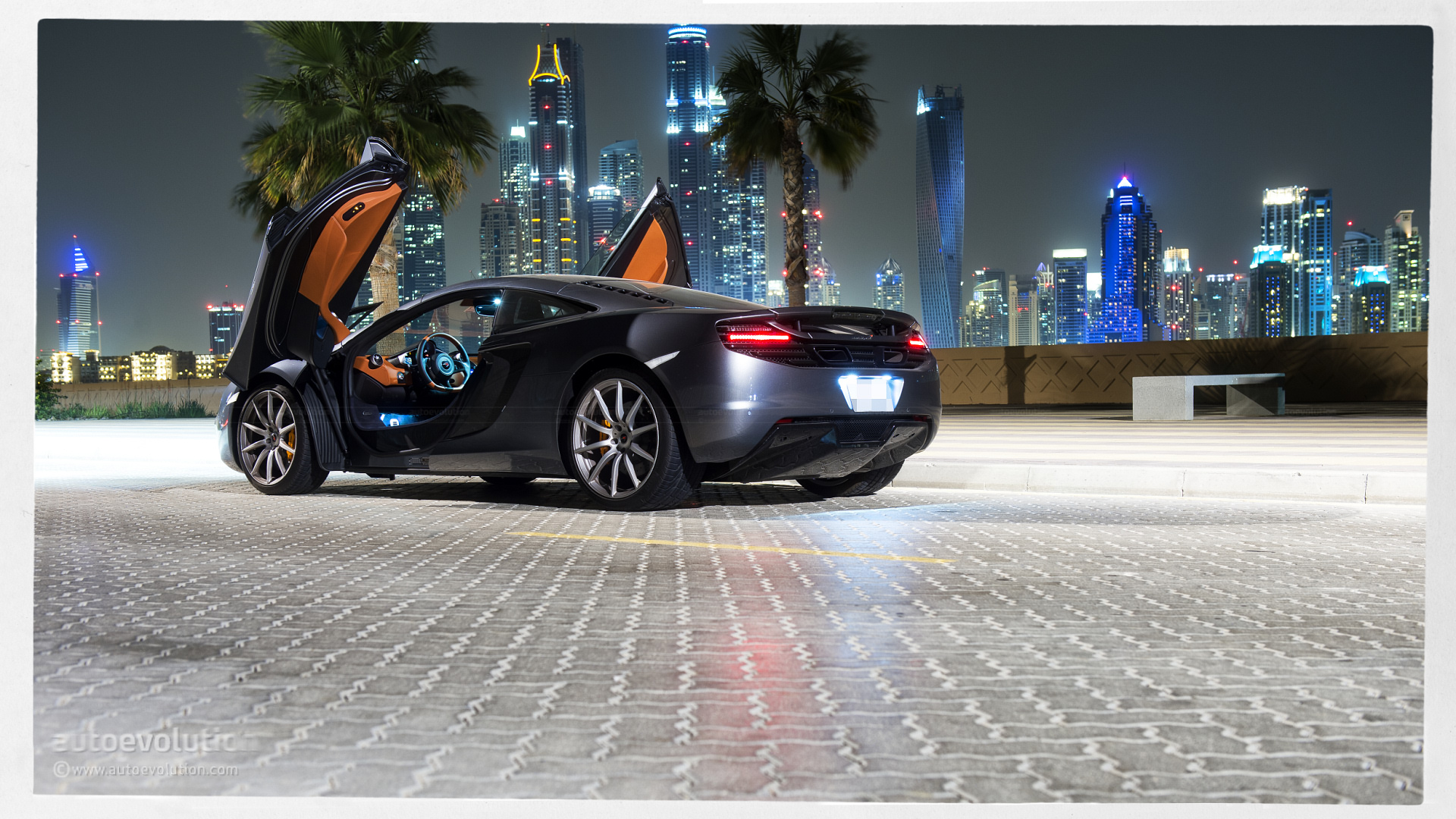
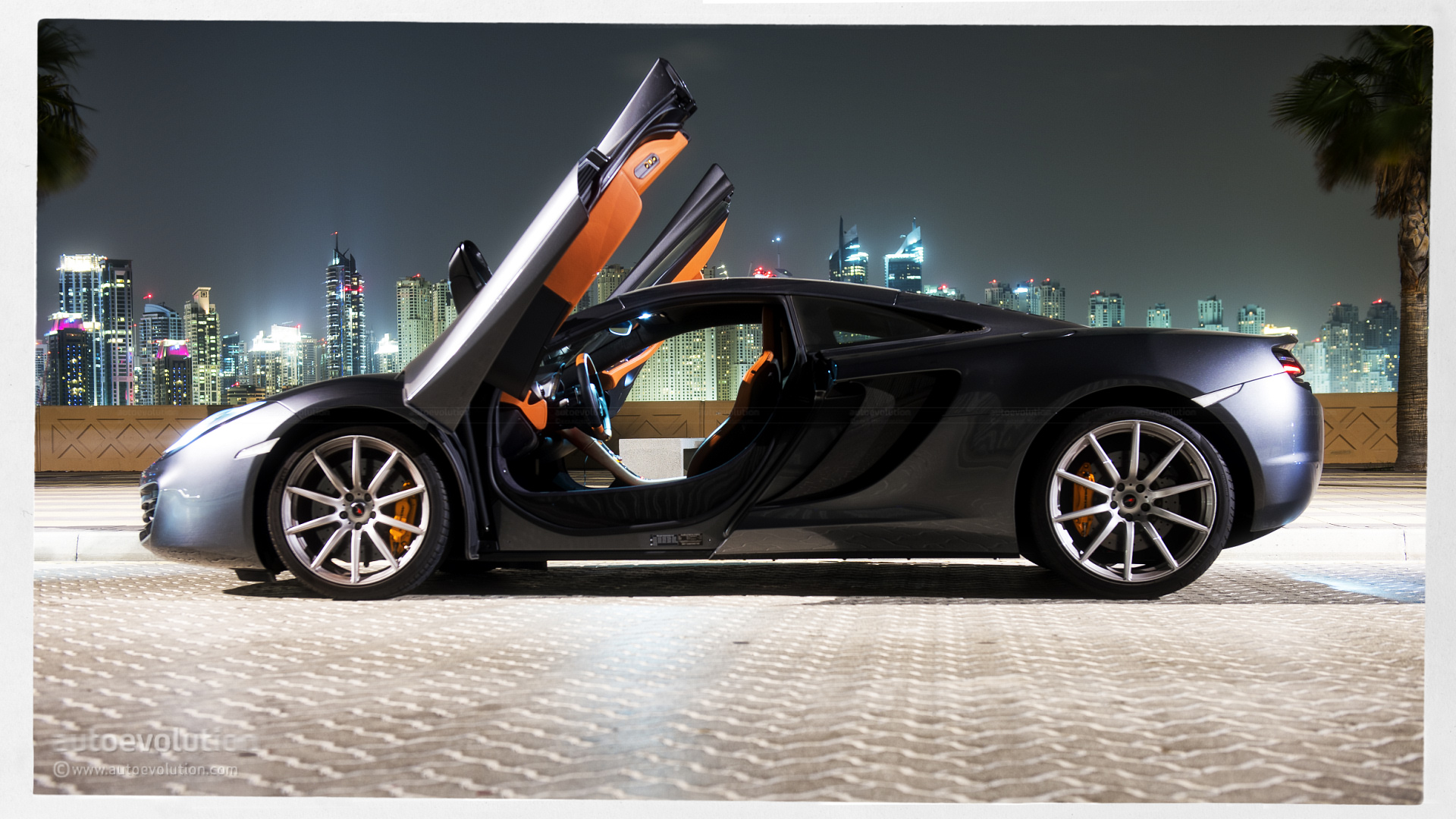
Another feature inherited from the F1 comes in the form of the dihedral doors. This solution requires a smaller door opening than in the case of conventional doors and brings special access benefits in extra tight parking situations.
As we said above, McLaren has placed the engine cooling radiators on the sides of the MP4-12C. This means that the supercar features two imposing air intakes. These use a dual-opening design with curves that once again remind us of the McLaren logo.
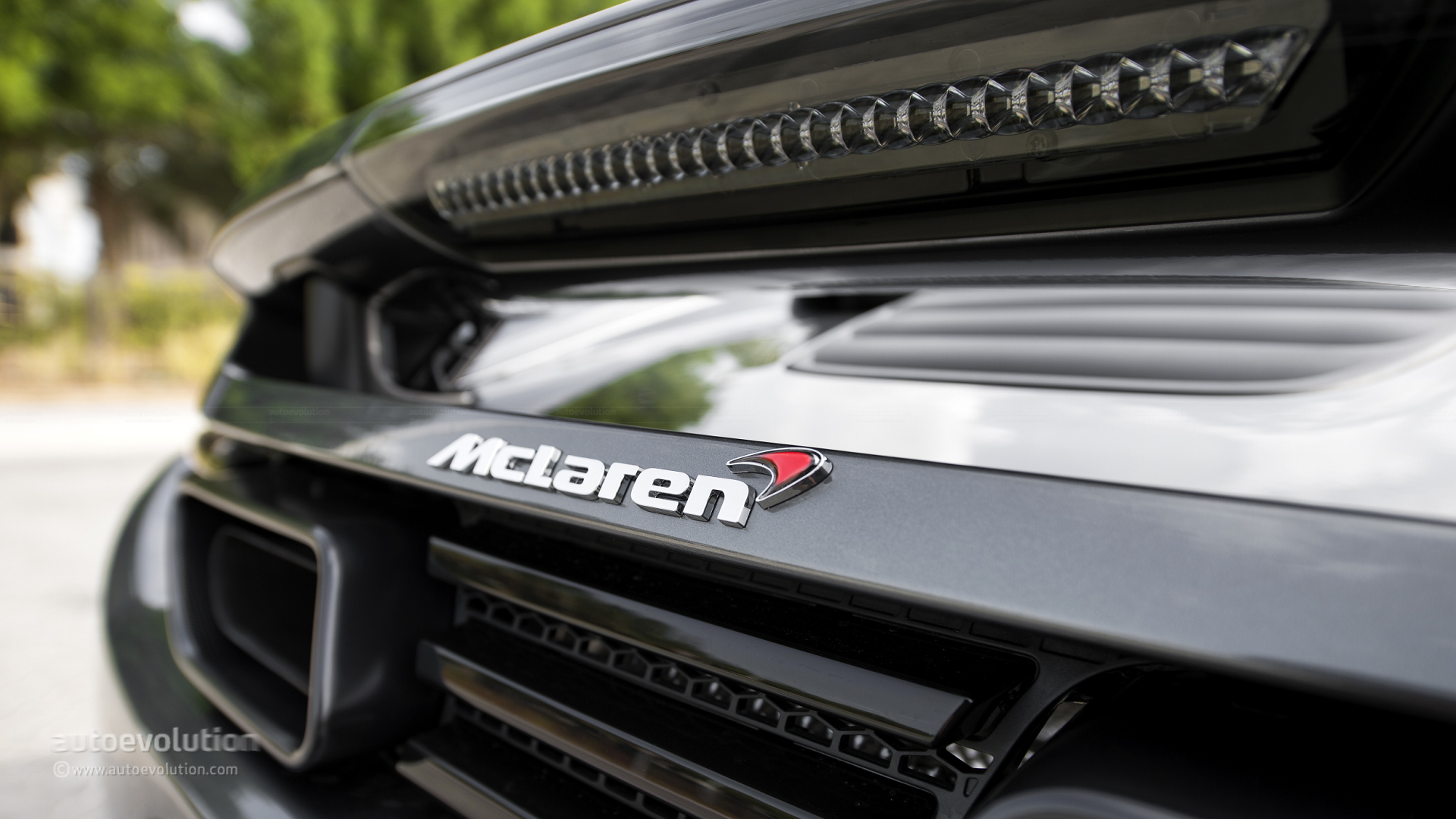
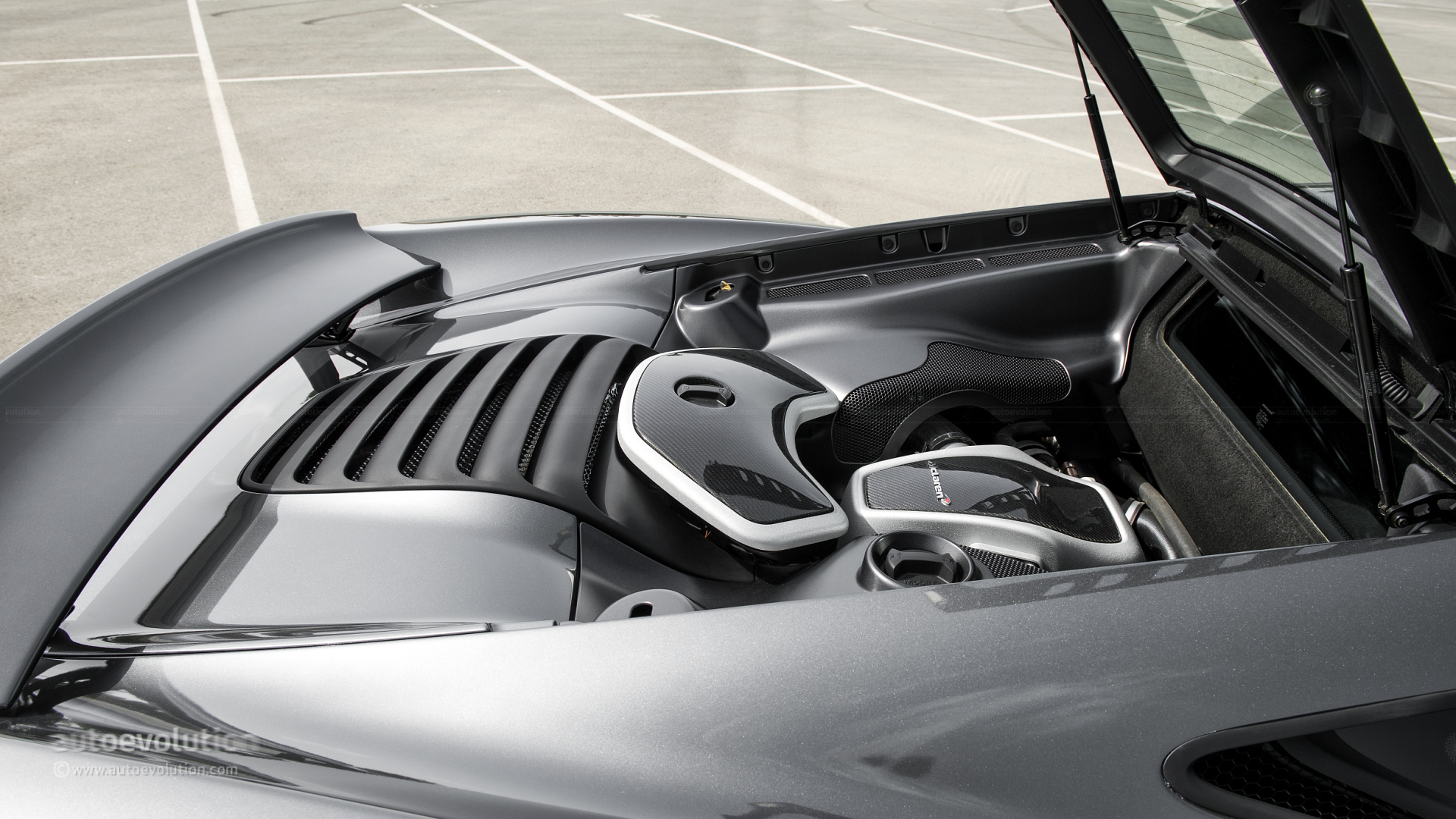
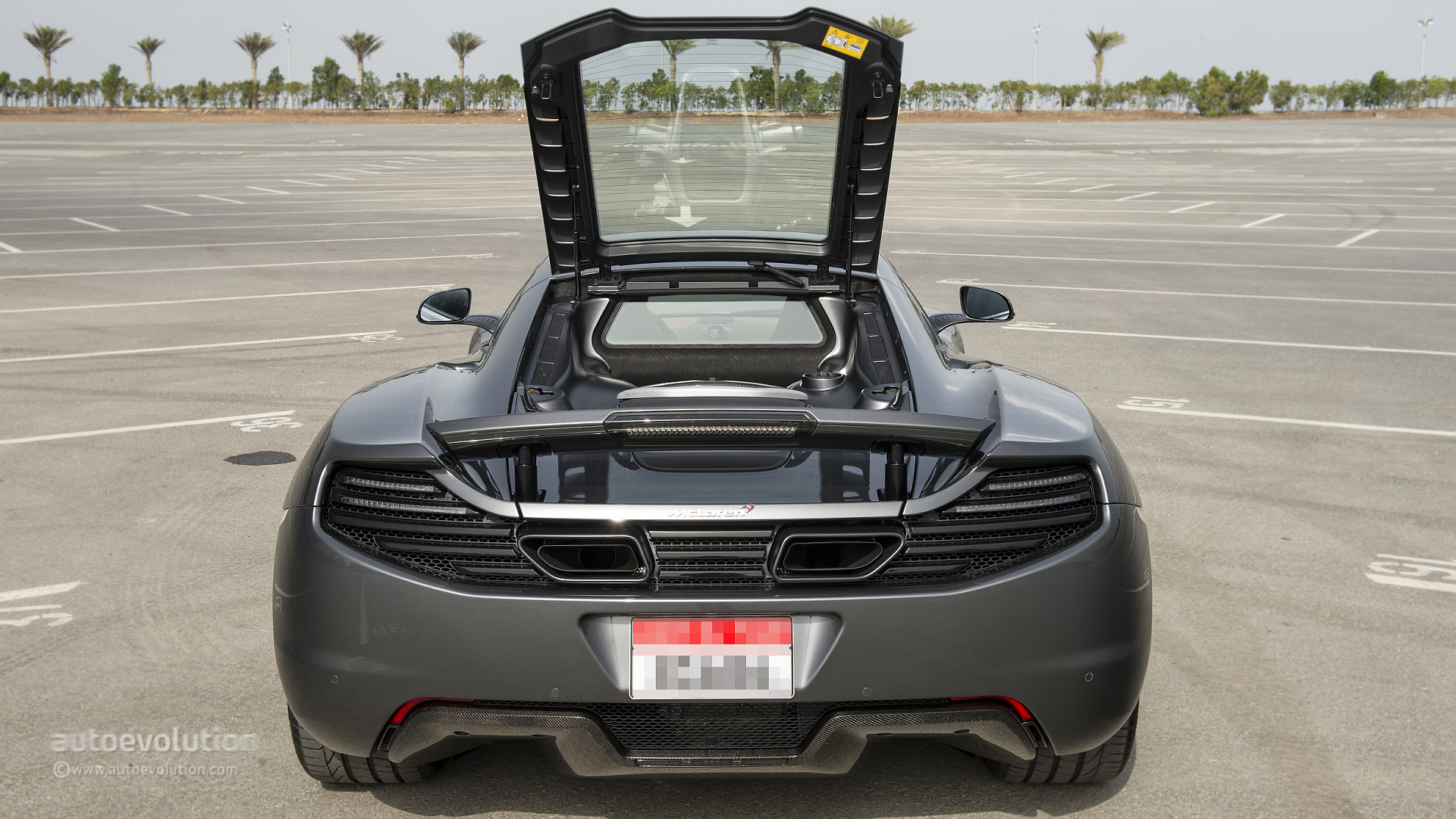
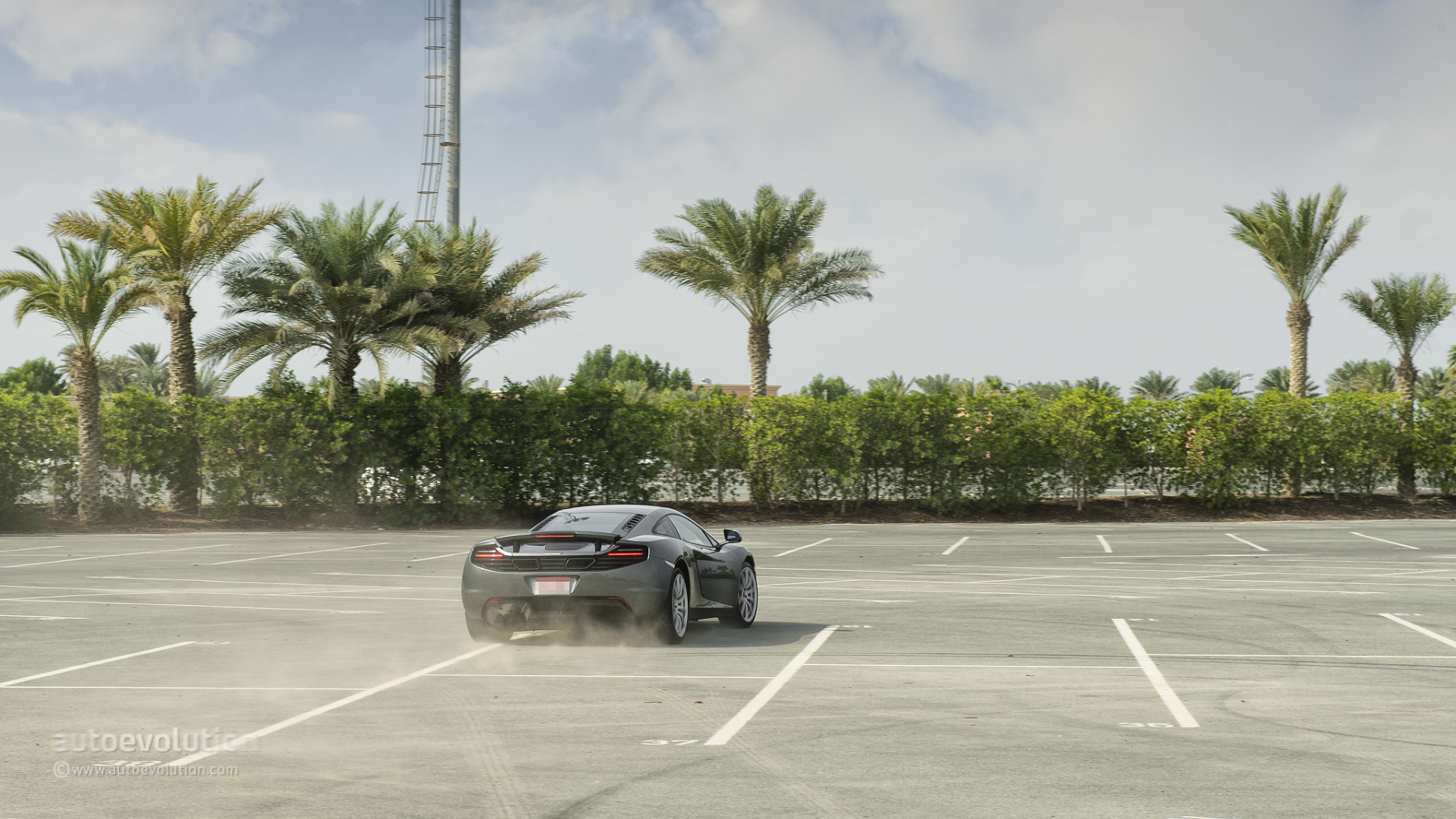
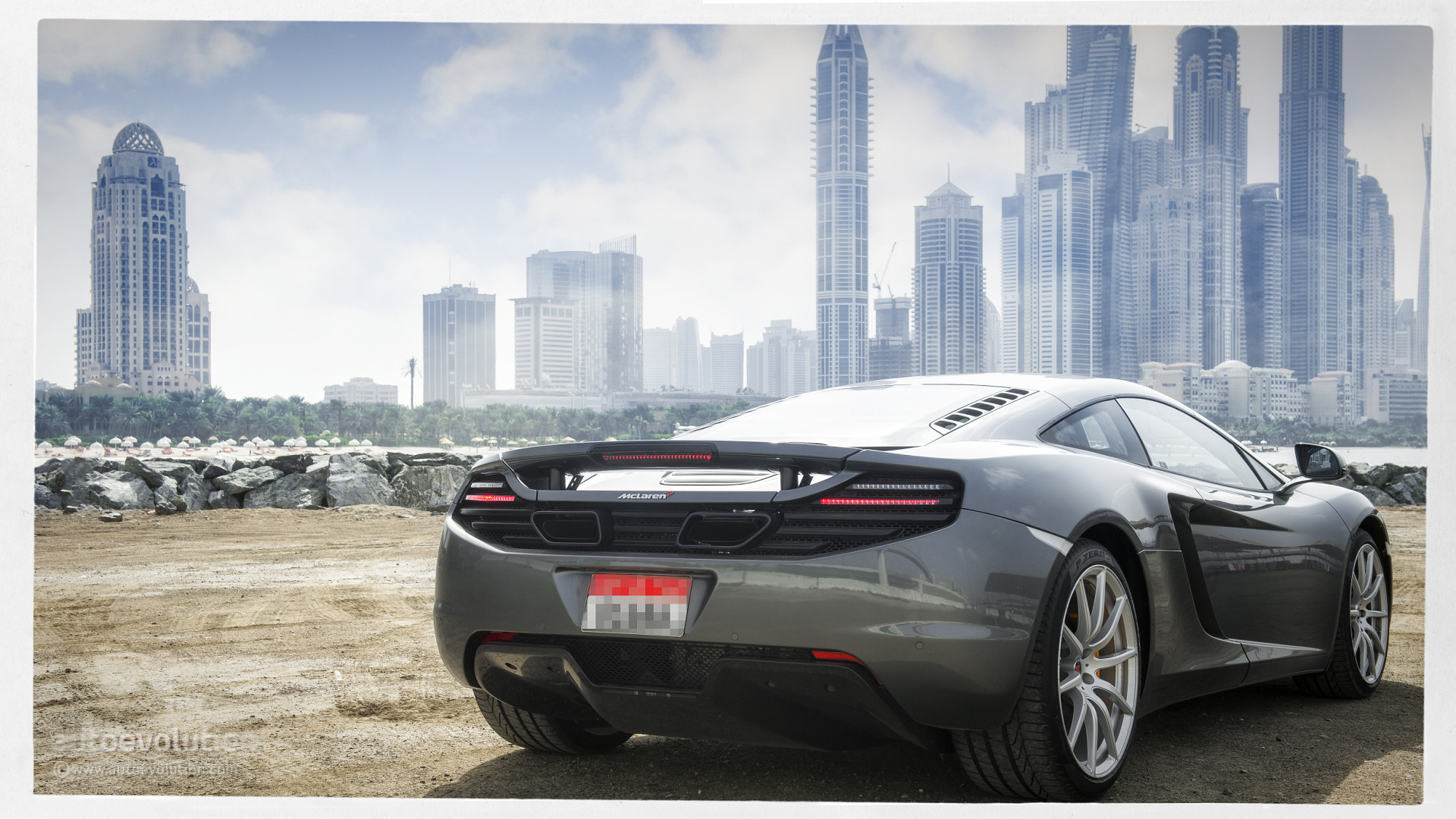
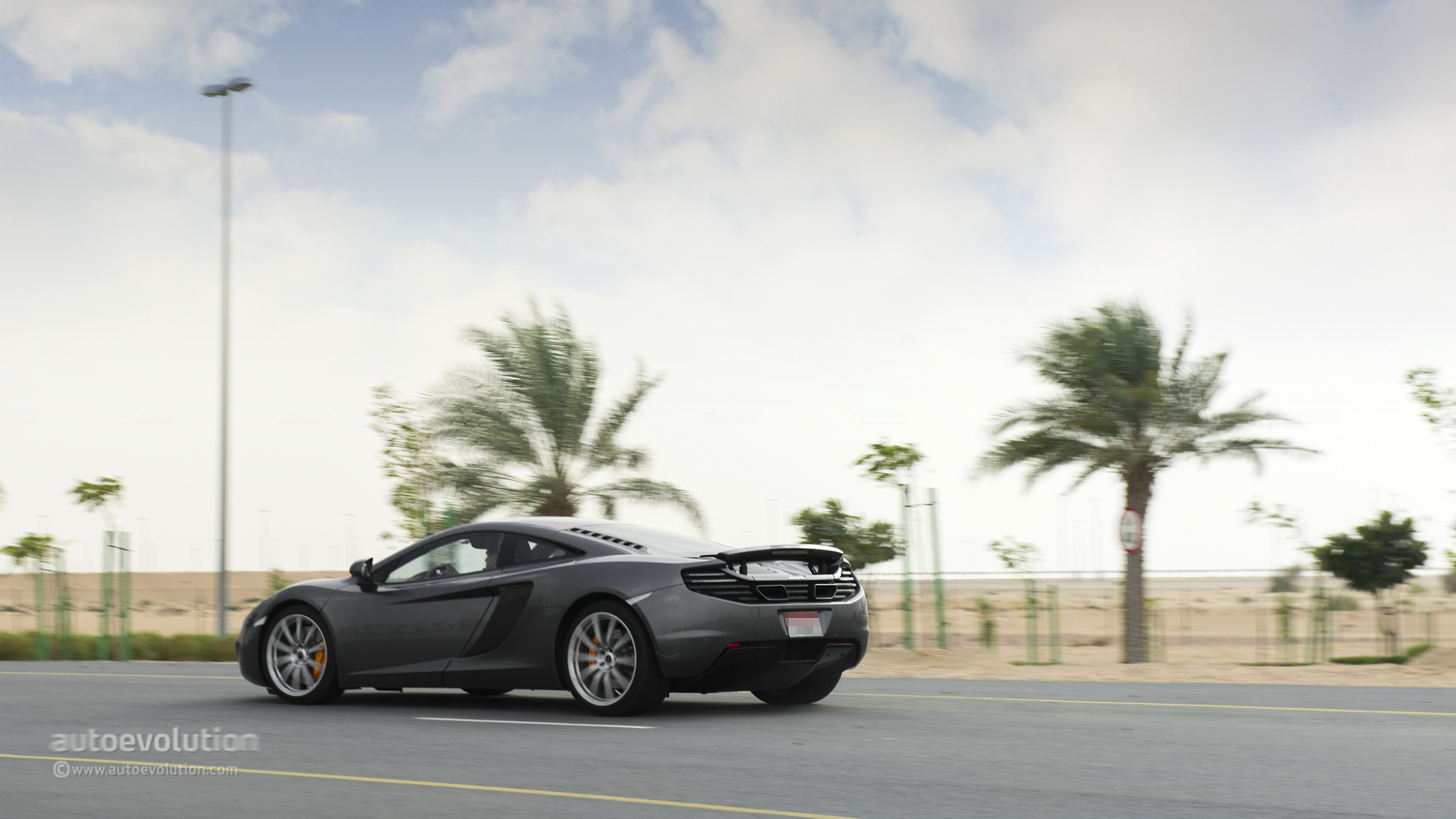
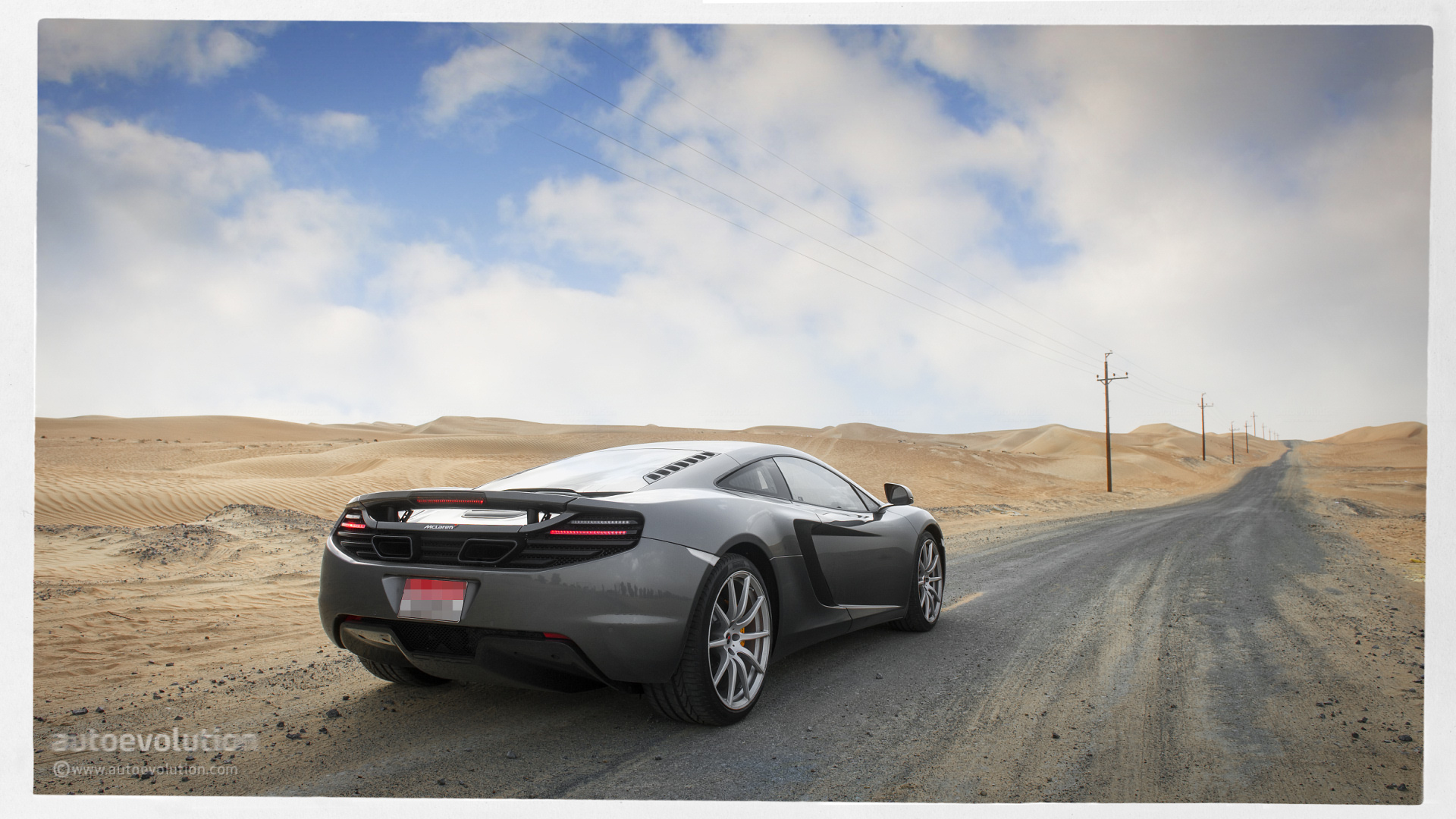
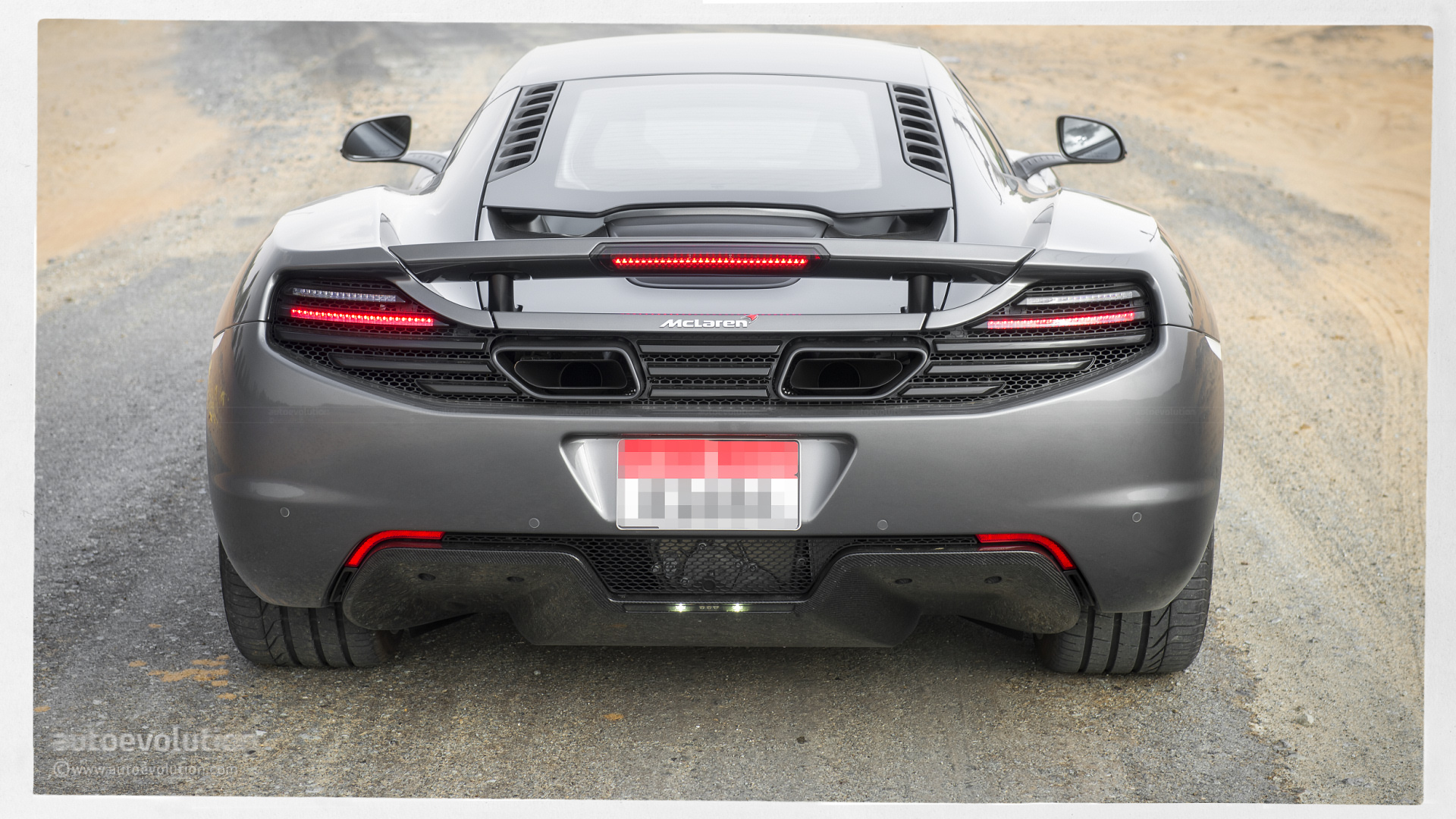
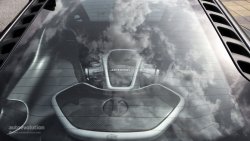
The rear of the McLaren MP4-12C is the most special part of the car, in terms of both visual and aerodynamic effects. This is also where the MP4-12C puts the serious attitude aside an pulls a few striptease moves. The rear deck allows us to get a glimpse of the V8 engine, while the lower rear fascia allows us to guess the silhouette of the rear diff though a mesh grille. The rear end design of the McLaren MP4-12C shows even more tech skin by using high-mounted exhaust tips.
We didn't expect to use the word "sexy" for this codec-named car, but the geeks inside of us were electrified by these features.
To surround the aforementioned tailpipes, the designers have chosen a horizontal black bar setup that conceals slim all-LED rear lights - there are five horizontal bars, with the upper two also serving as light clusters, but the latter are only visible when they’re on.
The rear lighting setup provides plenty of eye candy, but the LEDs aren’t totally visible during daytime. This reminds us of the Lamborghini Gallardo’s thin LED taillights, which showed similar characteristics.
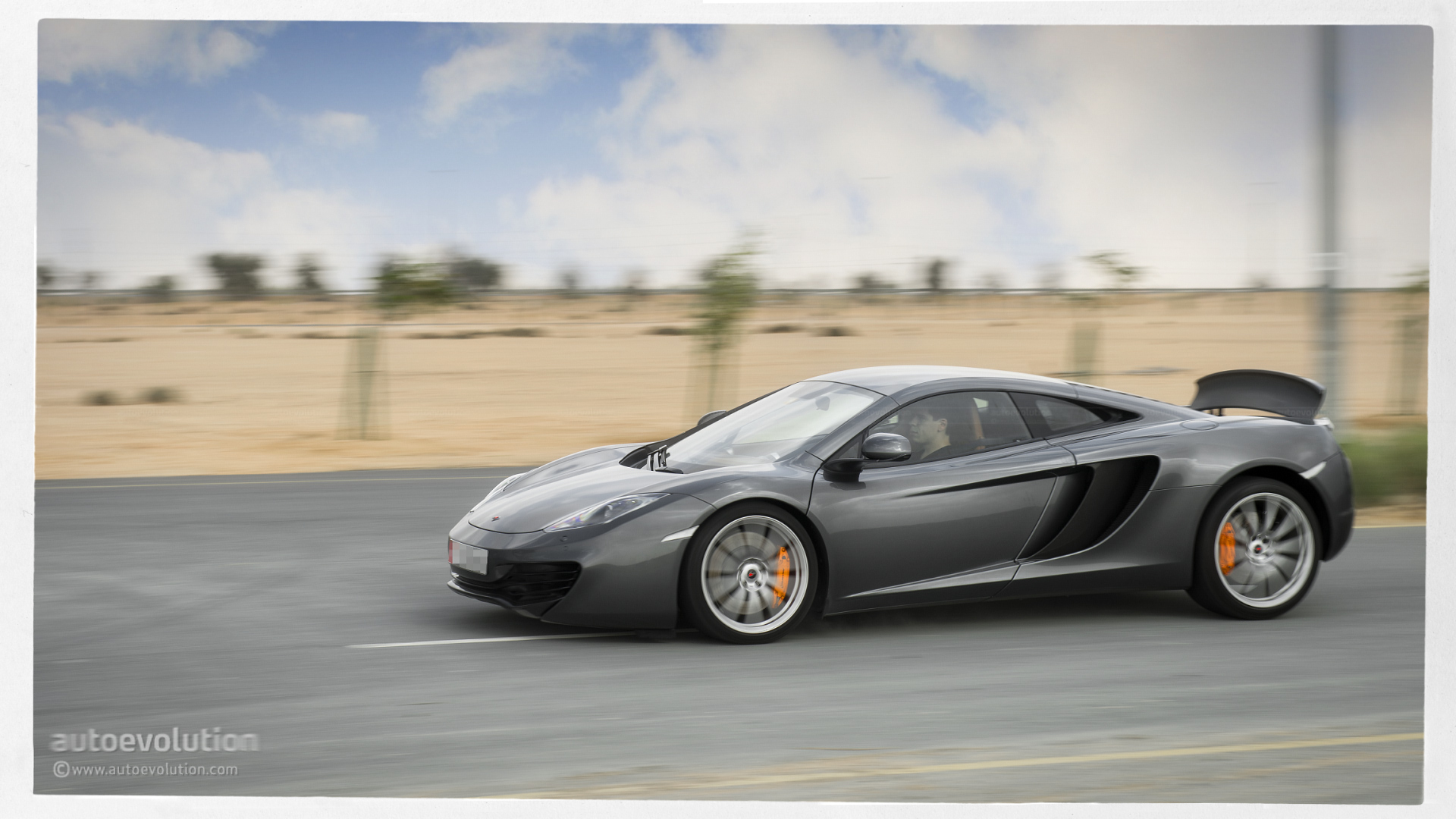
The British carmaker has also gifted the MP4-12C with an Airbrake, a feature shared with the McLaren F1 and Mercedes-Benz SLR McLaren.
The MP4-12C’s Airbrake raises to an angle of 32 degrees to provide downforce - you can set it free using a dedicated button on the center console. The wing is hydraulically deployed during braking, when it goes all the way up to 69 degrees.
The Airbrake is activated via a piston operated by transmission hydraulics. However, in order to save weight, the piston only raises the wing up to a certain angle, where a small amount of it enters the airflow and this raises to its maximum position.
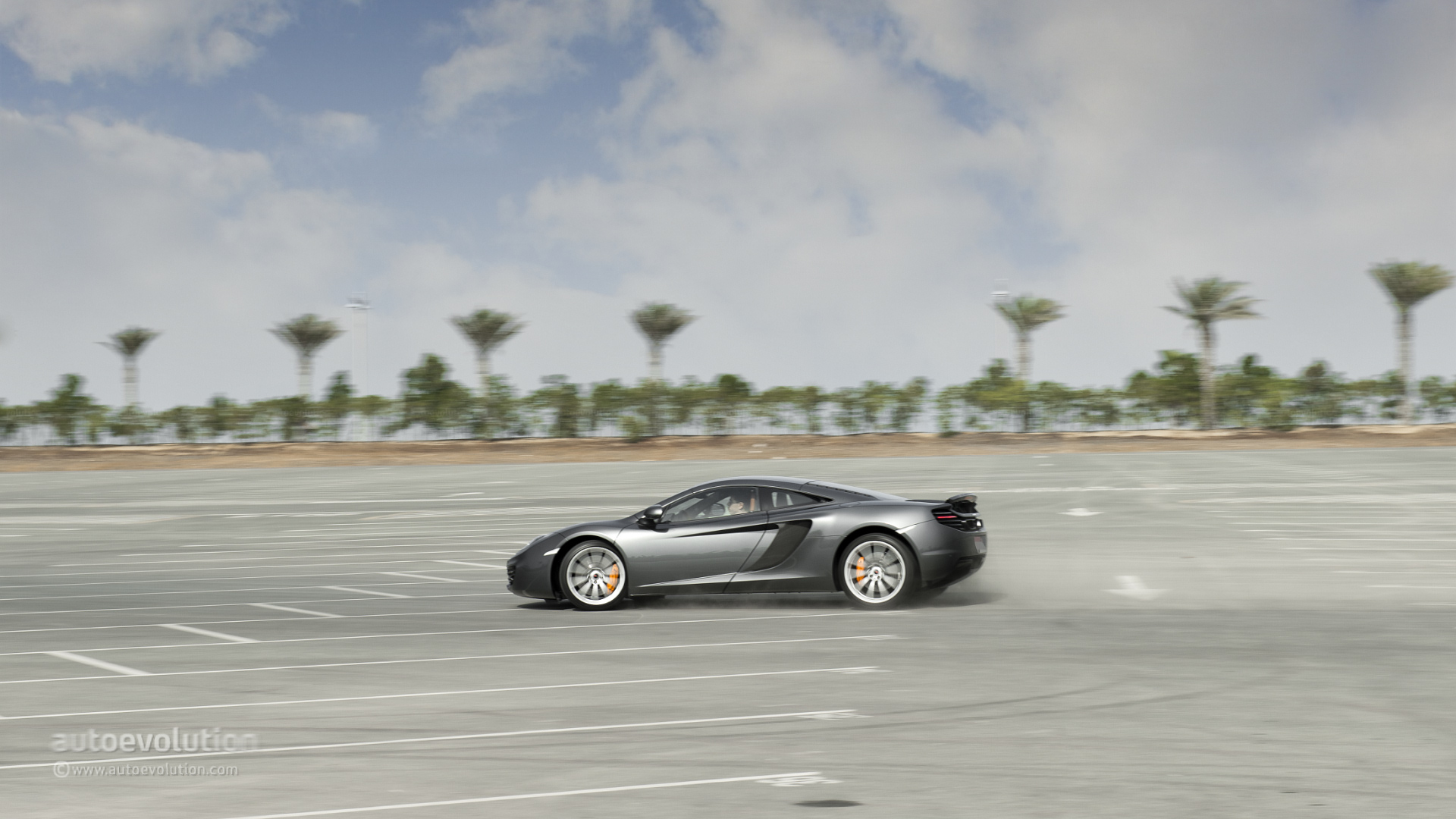
When it comes to MP4-12C aerodynamics, the Airbrake works together with multiple passive elements: a nose splitter that provides front end downforce, a flat underbody, as well as front and rear wheels guide vanes that send air towards the rear diffuser.
In the end, when it comes to styling drama, the McLaren MP4-12C doesn’t quite manage to match its intoxicating level of technical complexity.
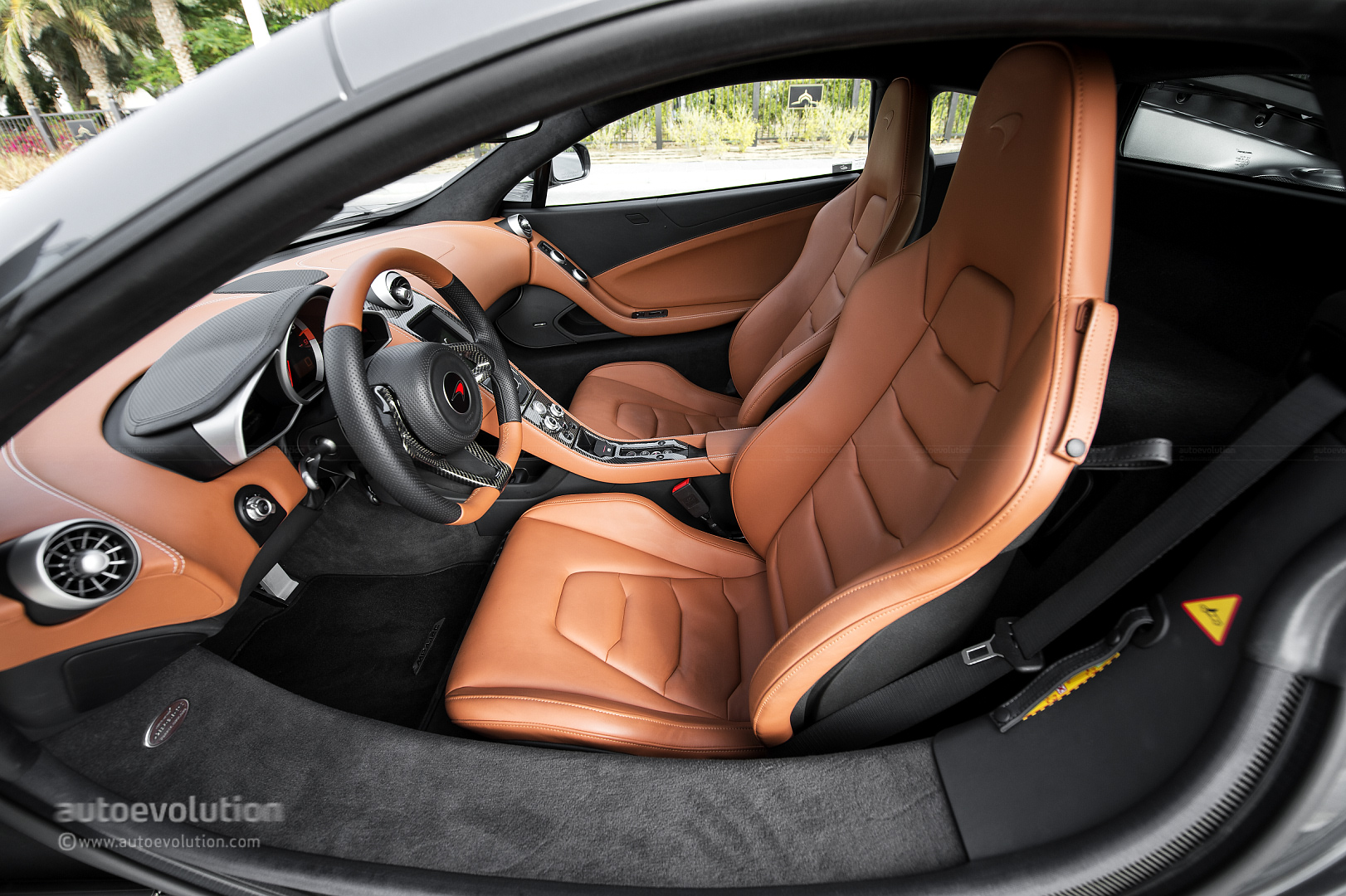
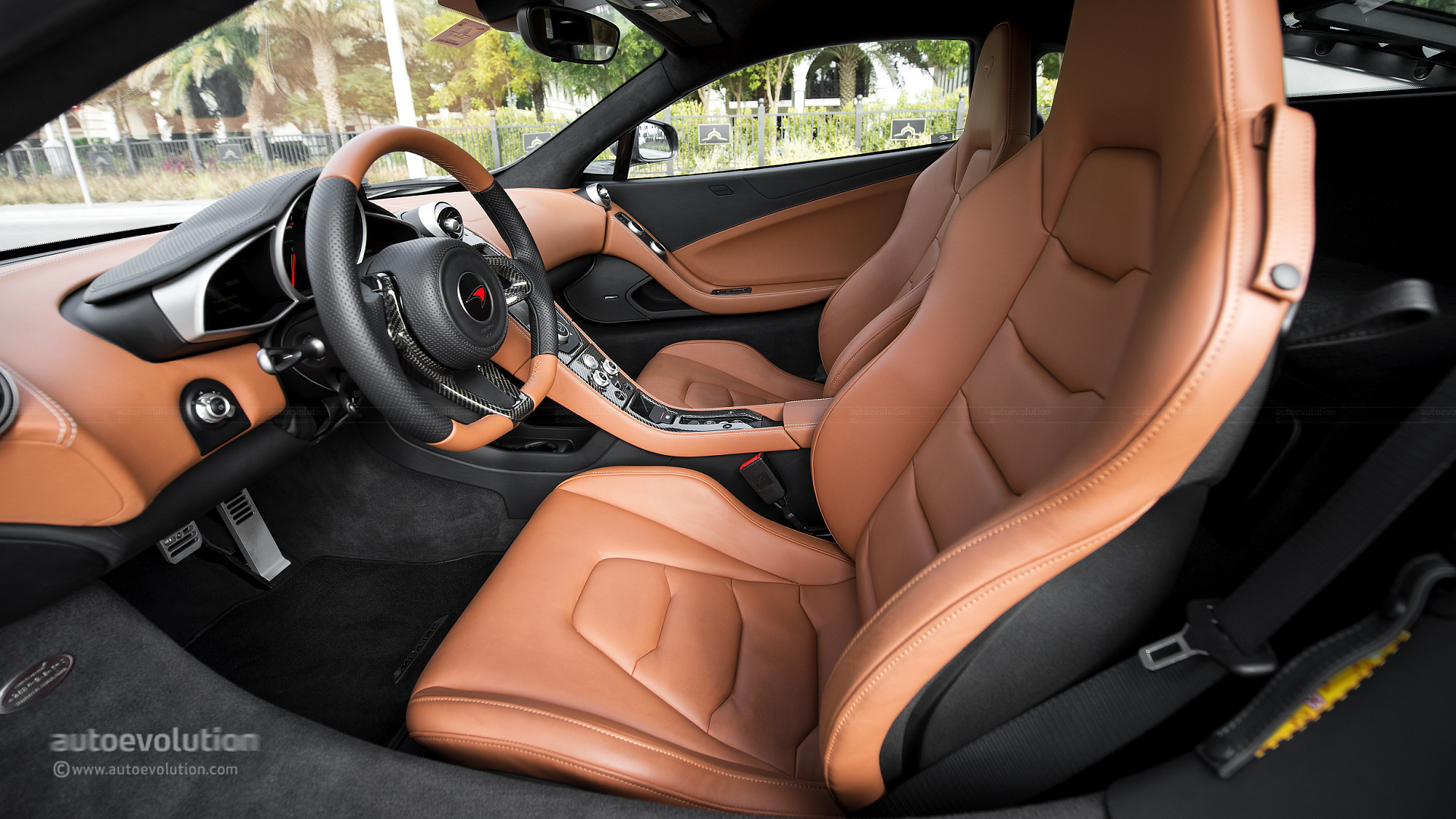
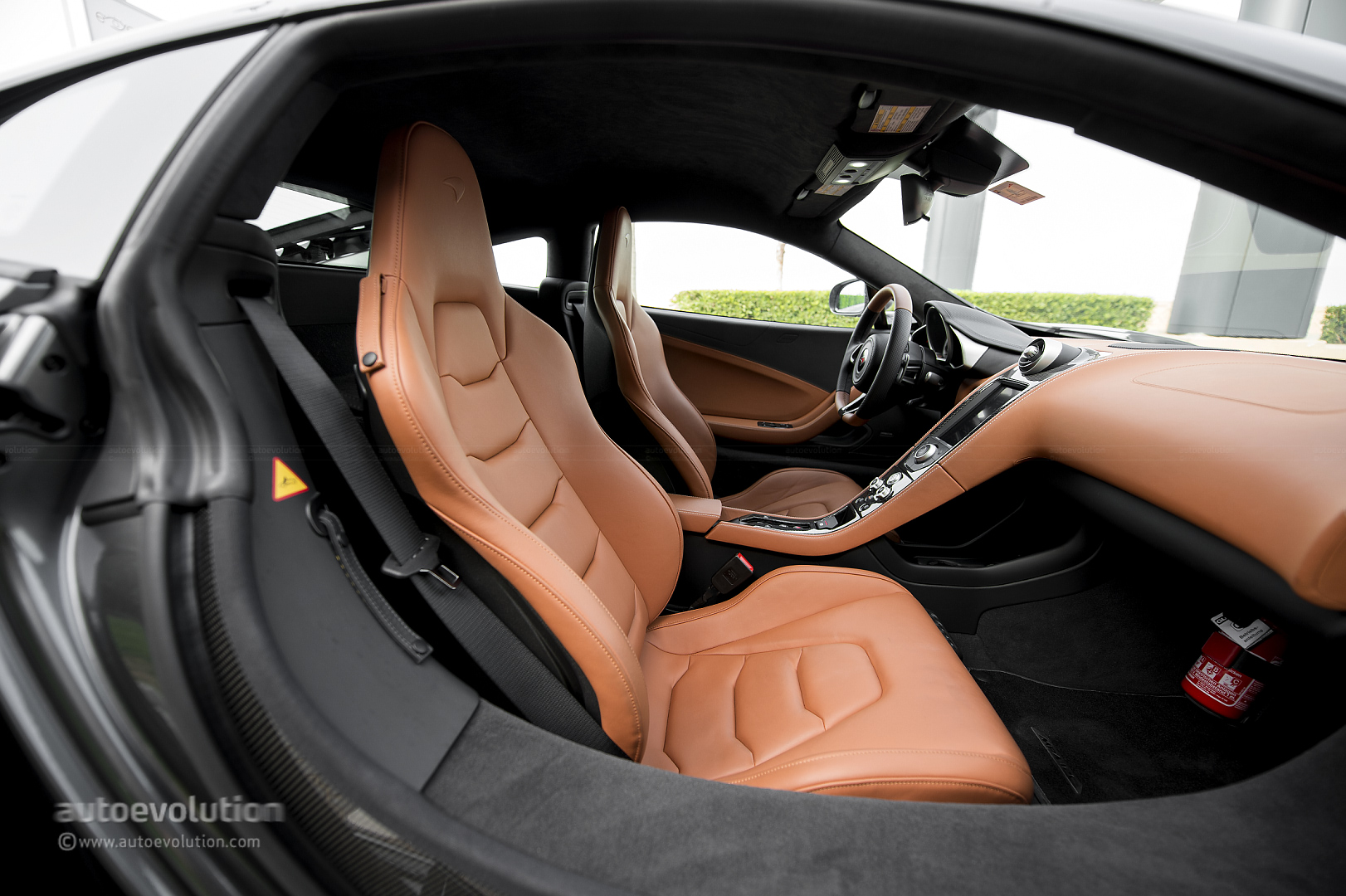
The interior of the McLaren MP4-12C has a genuine motorsport aroma, starting from the ultra-tidy control arrangement and going as far as offering the driver and the passenger important roles in the weight distribution play.
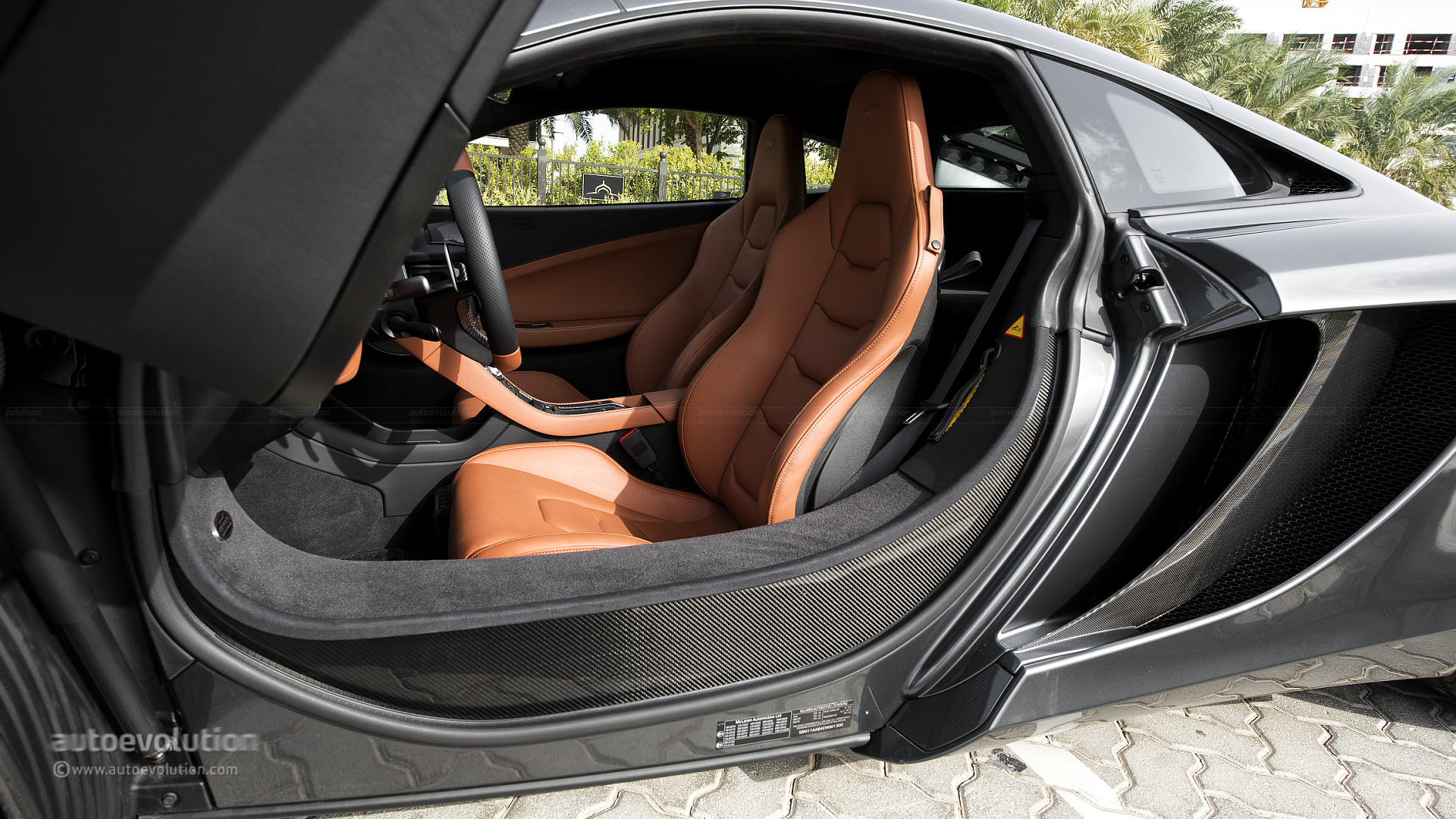
As you open the dihedral doors, you come across the impressively thick entry sills, which are part of the MP4-12C’s carbon fiber structure. Thus, if you want to access the cabin, you’ll have to choose between loosing fat or dignity.
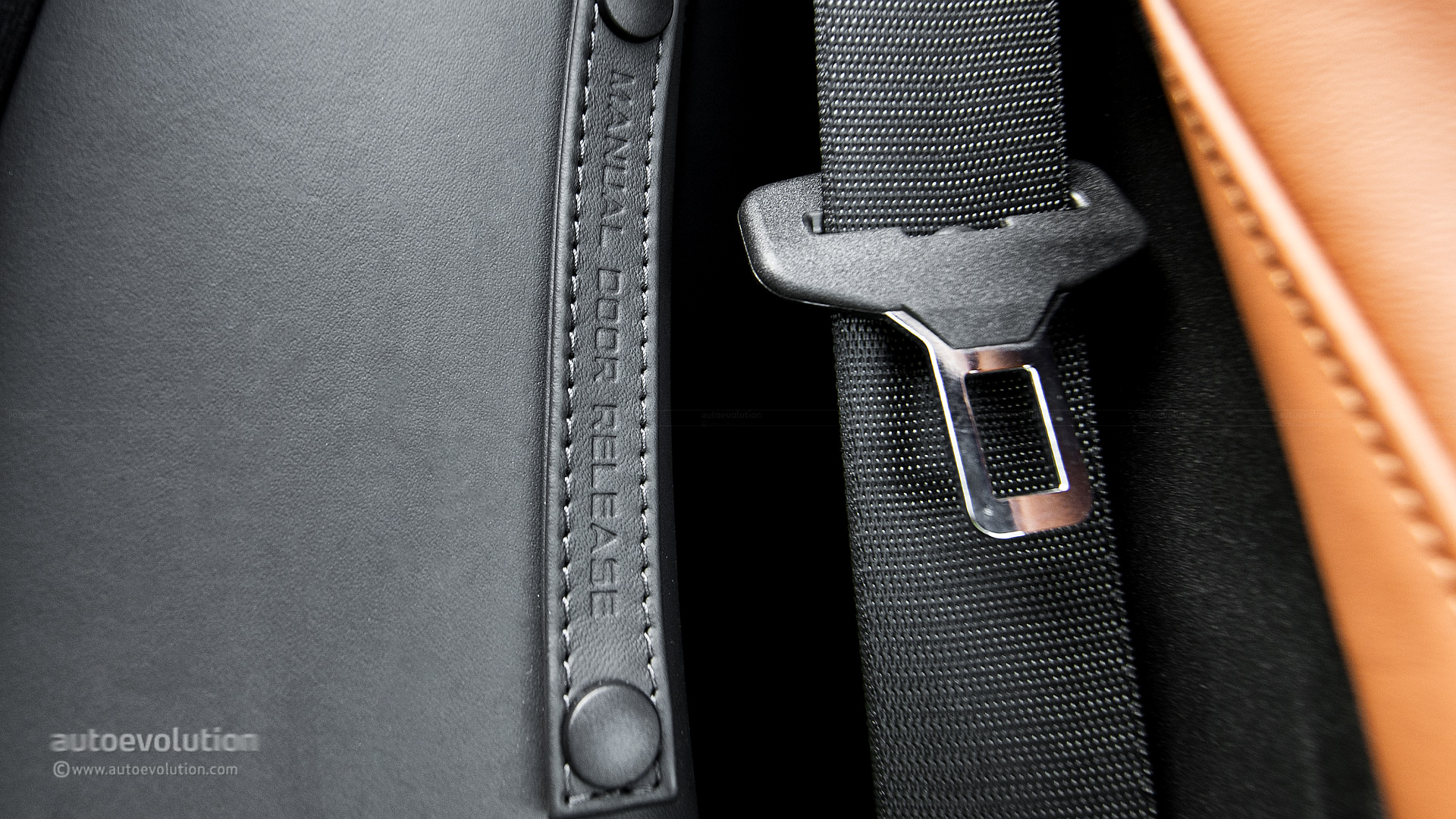
The McLaren MP4-12C's doors use an awkward sensor-based opening system, which sometimes needs 2-3 tries to actually work and can get your fingers dirty. While this has been replaced by a button for the 2013 model year, you still have to slam the doors in order to properly close them.
Once you climb aboard you’ll notice that the two seats are placed towards the center of the passenger area, both longitudinally and laterally - Like we said, McLaren wanted to get the weight distribution as close to perfect as possible.
Apart from the obvious feeling of unconventional, a feature that perfectly describes the all of the cabin’s aspects, this seating layout brings both advantages and disadvantages.
We enjoyed the fact that the positioning brings the driver closer to the center of the car, which allows one to have a better perception of where the extremities exactly are. The highest point of the front wheel arches was placed above the middle of the wheel, so positioning this supercar on the track won't be a problem. Couple this with the good front and side visibility and you end up with a feeling of freedom.
Alas, the positioning of the seats means that certain controls, which are placed on the center console, aren't perfectly within your reach - the best example are the center buttons for the gearbox control, for which you have to extend your arm too much towards the rear in order to operate.
Apart from that, the ergonomics are top notch - the McLaren MP4-12C's interior manages to double its original details with perfect control positioning.
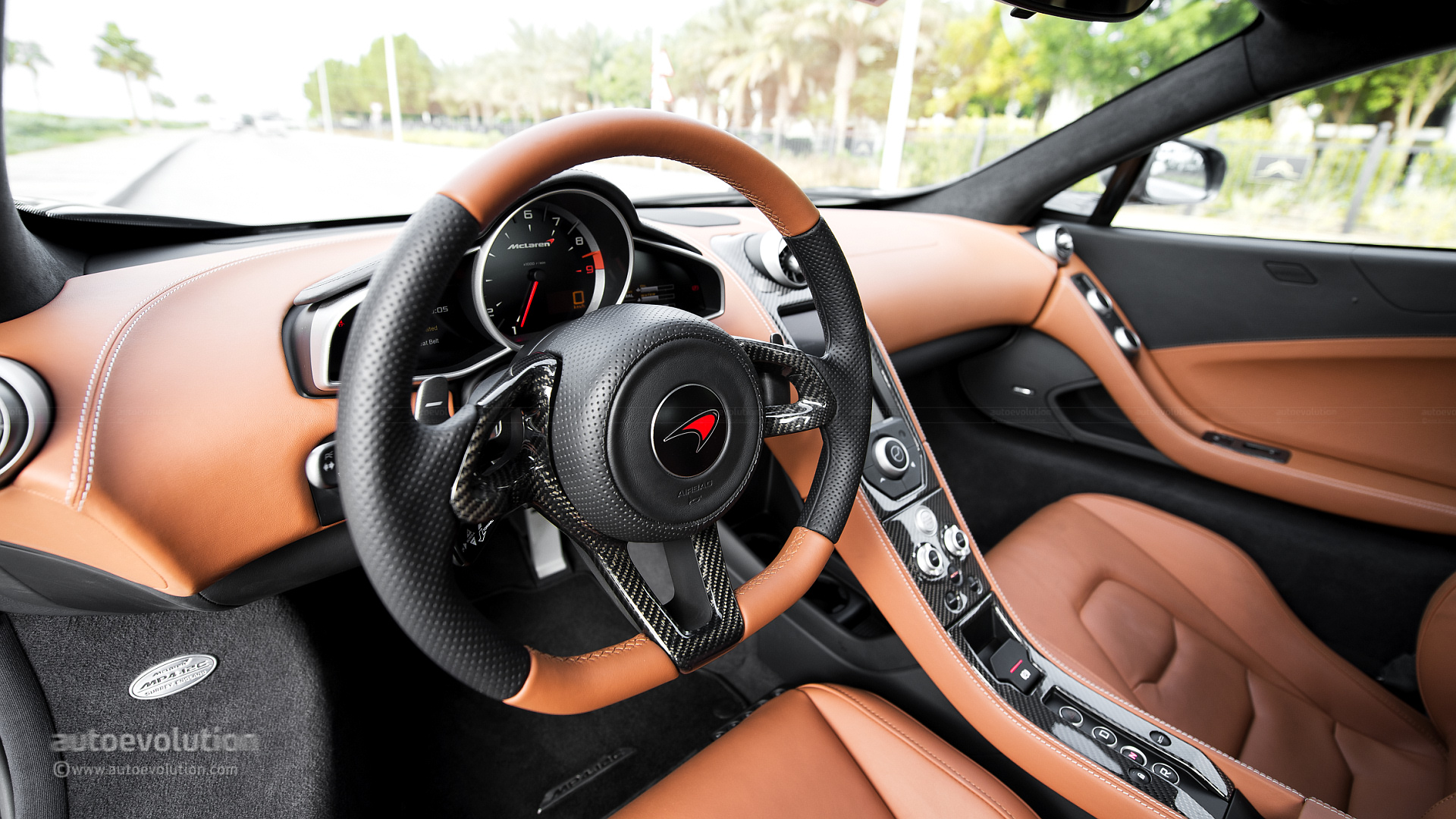
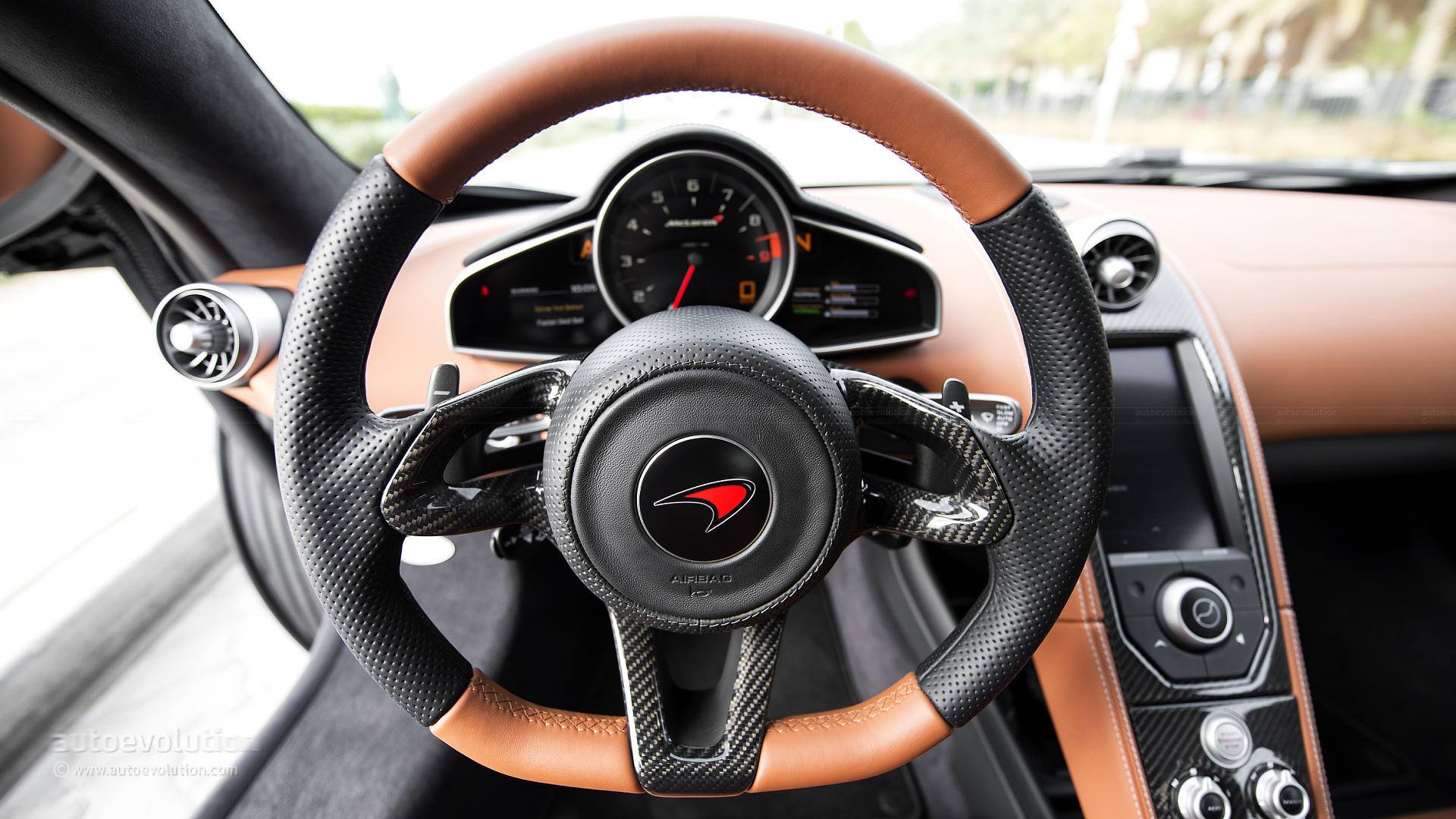
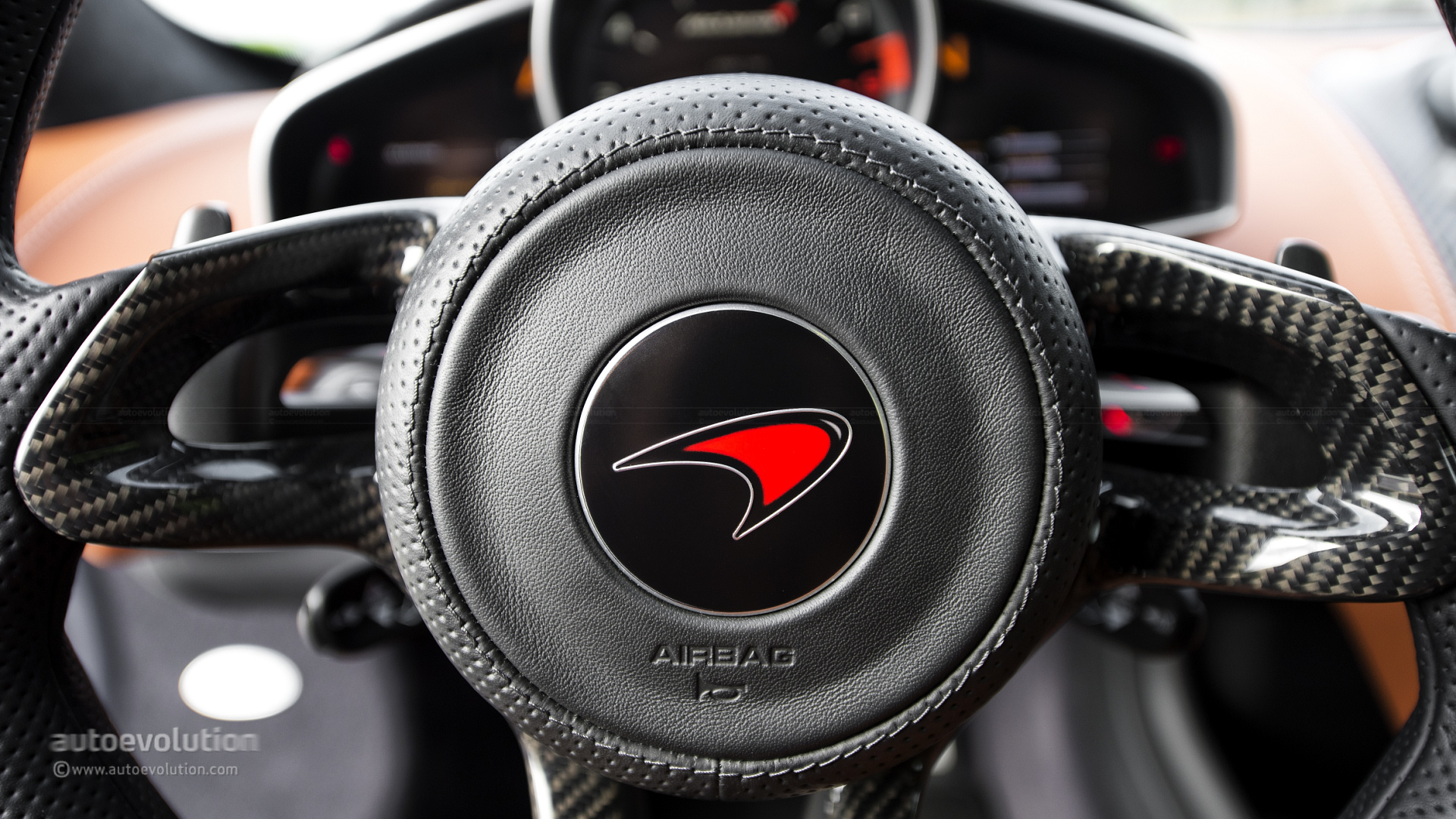
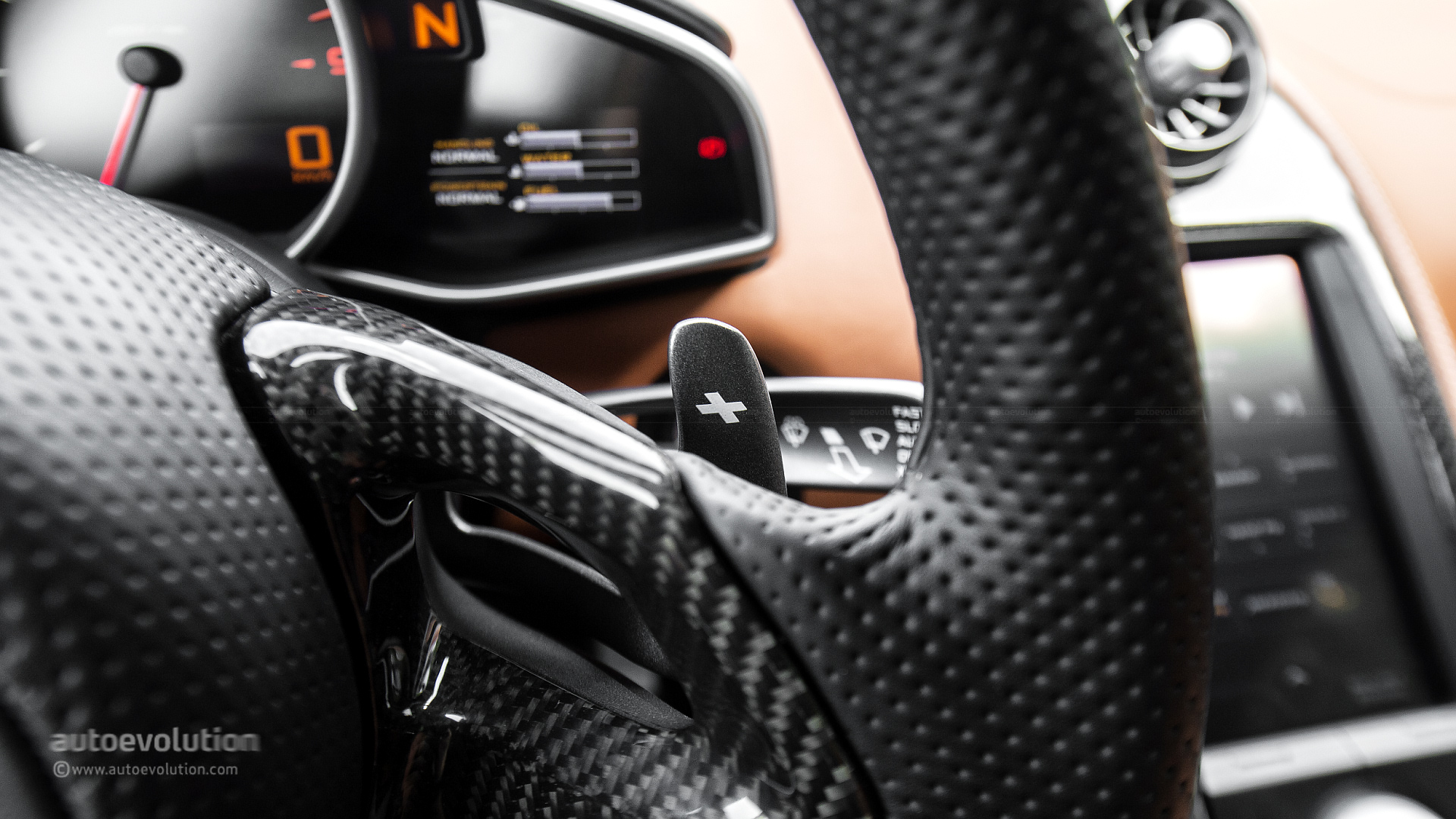
As you grab the steering wheel, which is claimed to have the same thickness as that of an F1 car, you experience a feeling of perfect control. The base is flat and the lower section is a tad thicker than the superior one. The paddles have also drawn inspiration from the world of Formula One - you're using a rocker with a metallic construction. This pivots with the steering wheel and allows the driver to change gear either by pulling or pushing it - the right side shifts up, while the left side downshifts.
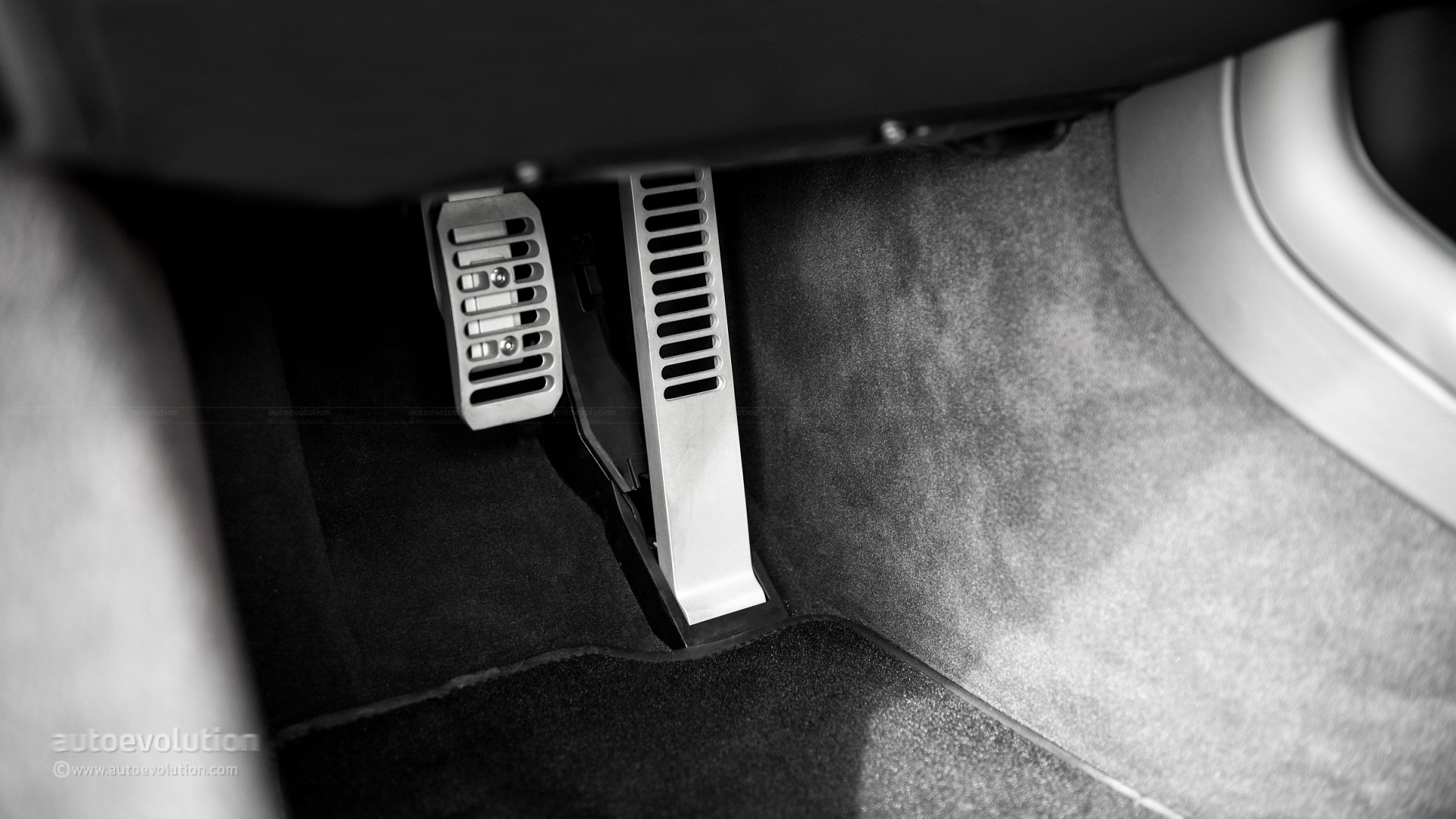
The steering column offers generous adjustment and the pedals, which use a design that saves weight, are perfectly positioned - if this car had a third pedal, the throttle and the brake would be perfect for heel and toe shifting. All the aforementioned elements work together to offer the driver a perfect position for controlling the MP4-12C.
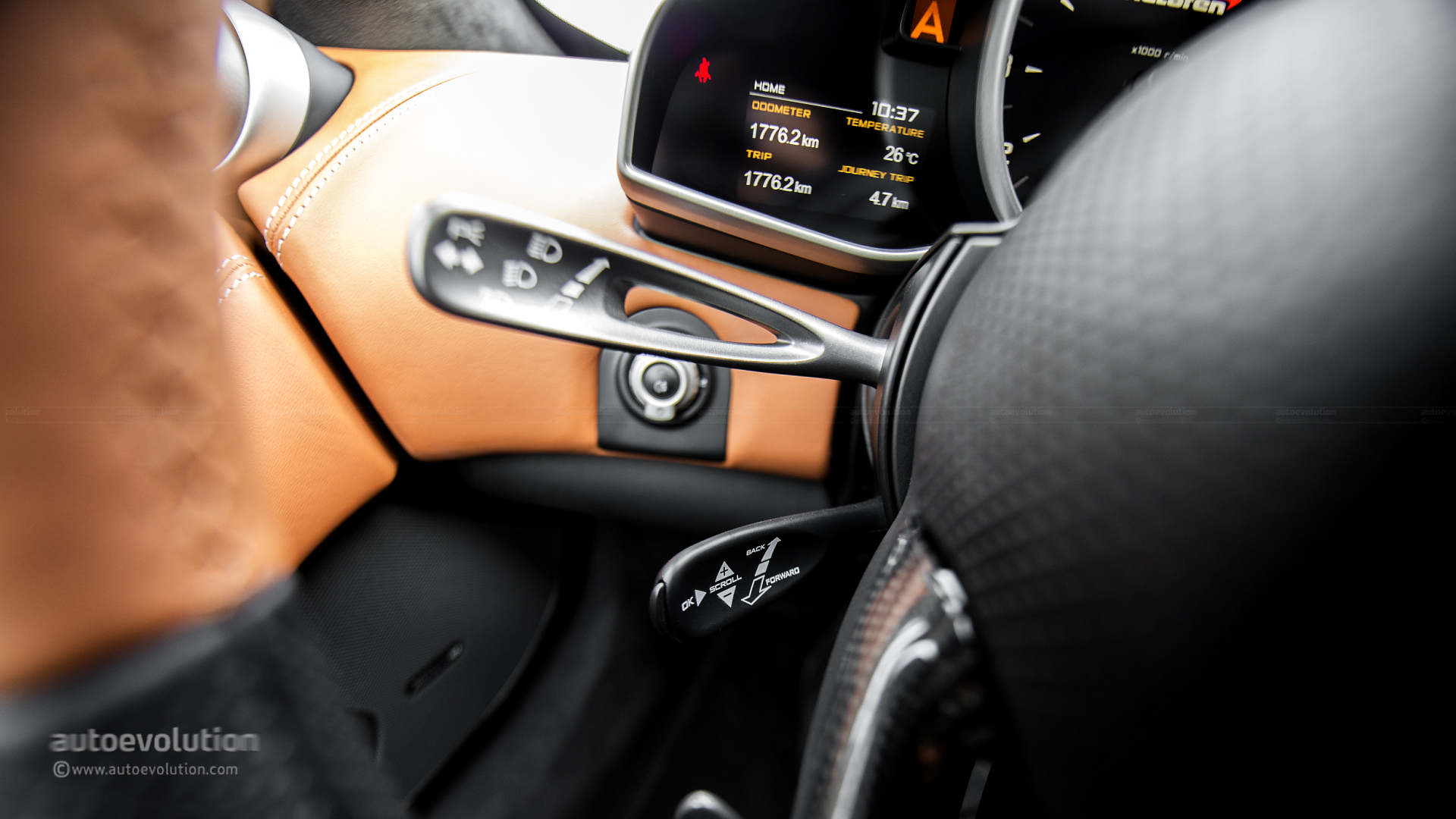
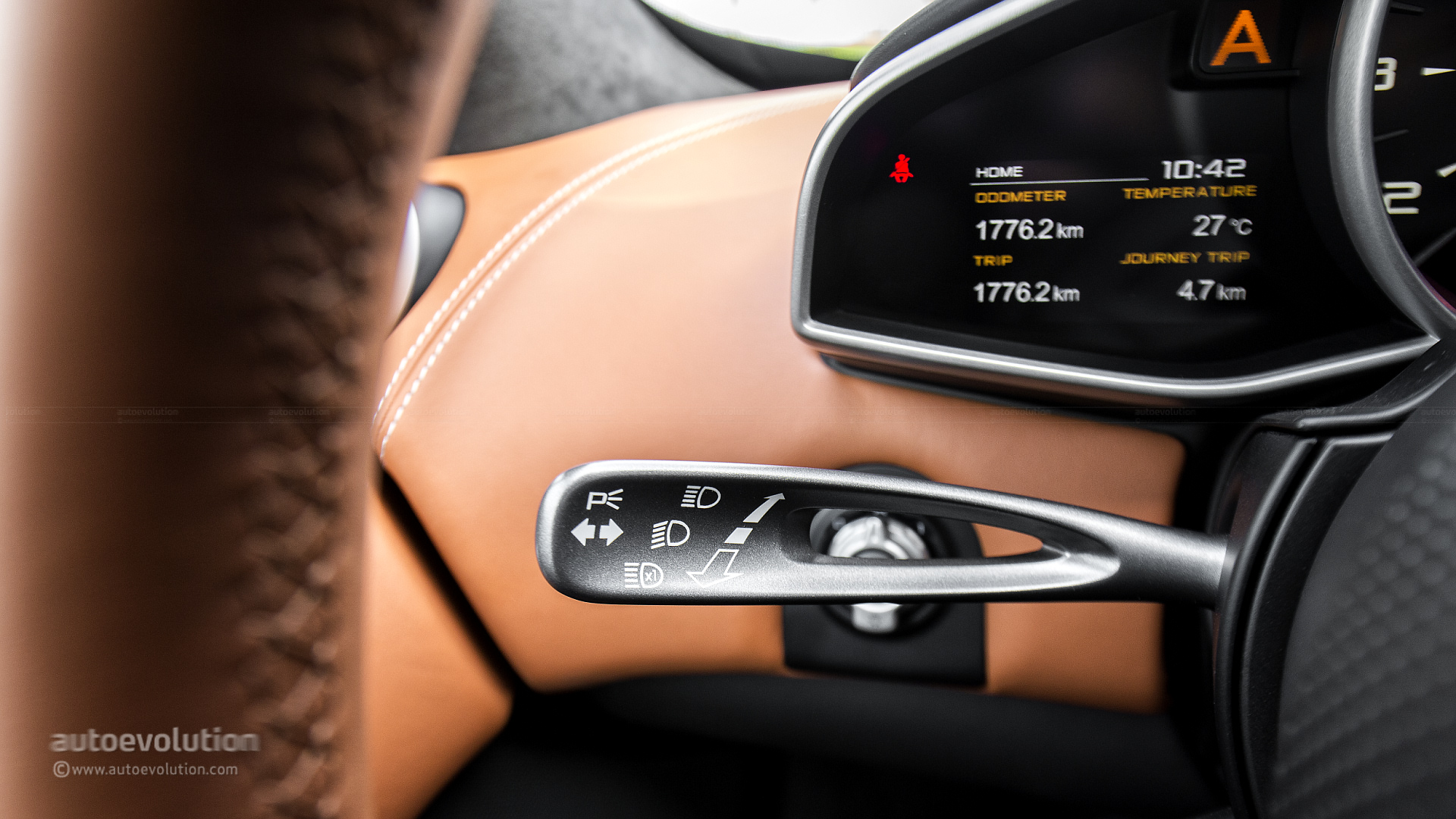
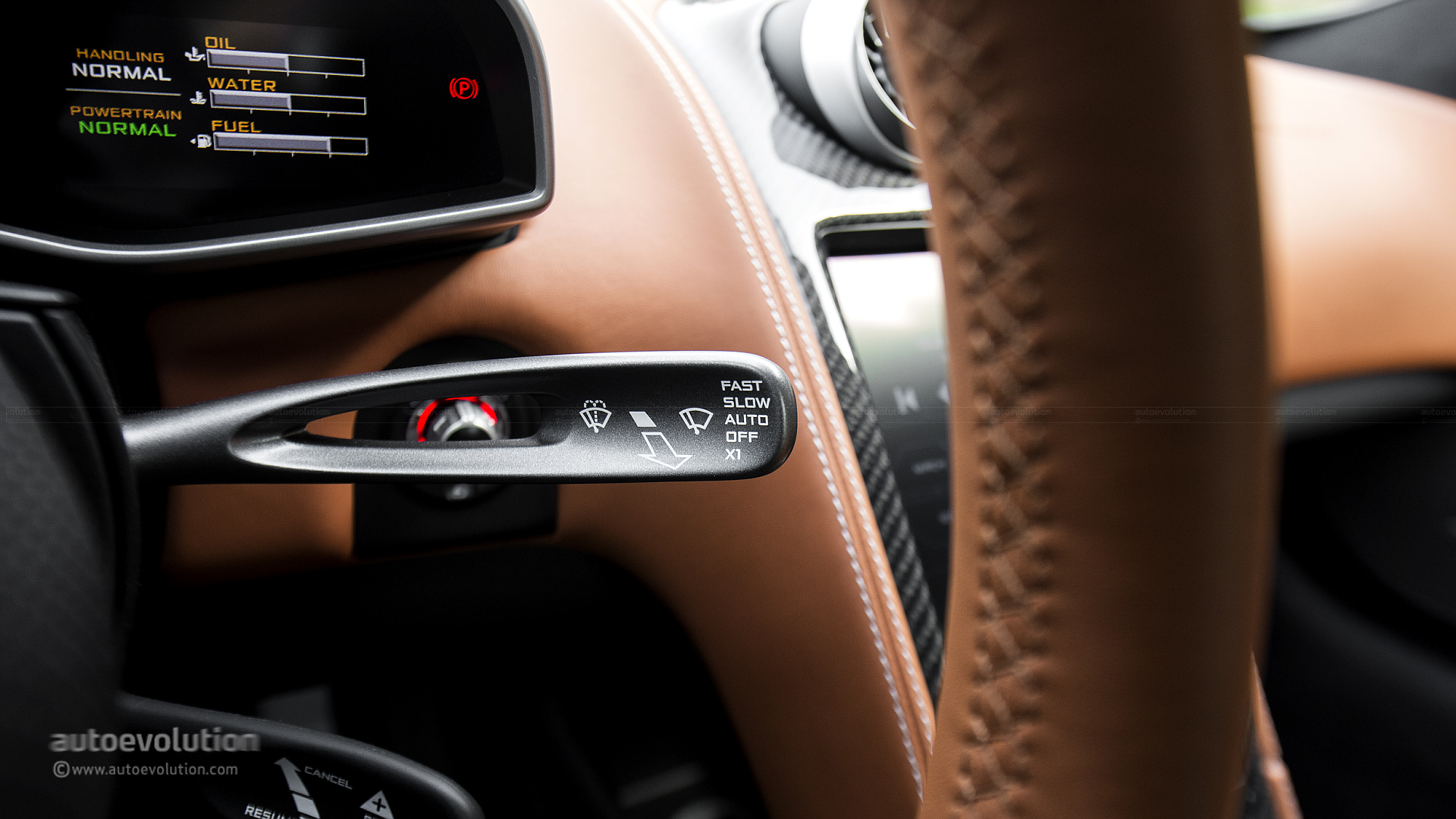
The column holds both metallic and plastic controls and offers one of the best layouts we've ever seen - you're not forced to use a cluttered steering wheel as in the Ferrari 458, but you won't end up putting you wiper on when shifting as you may do in a Lamborghini Gallardo.
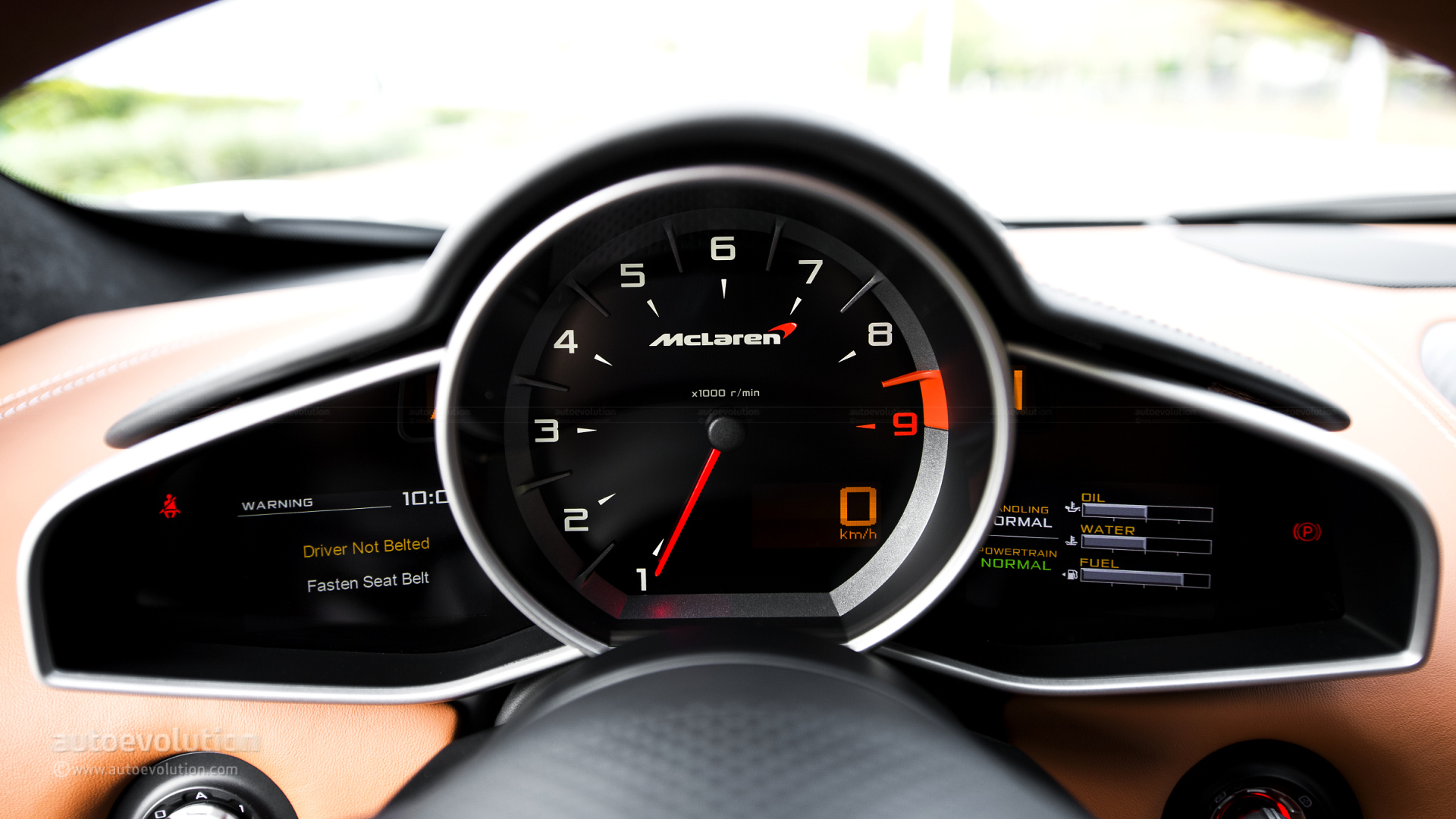
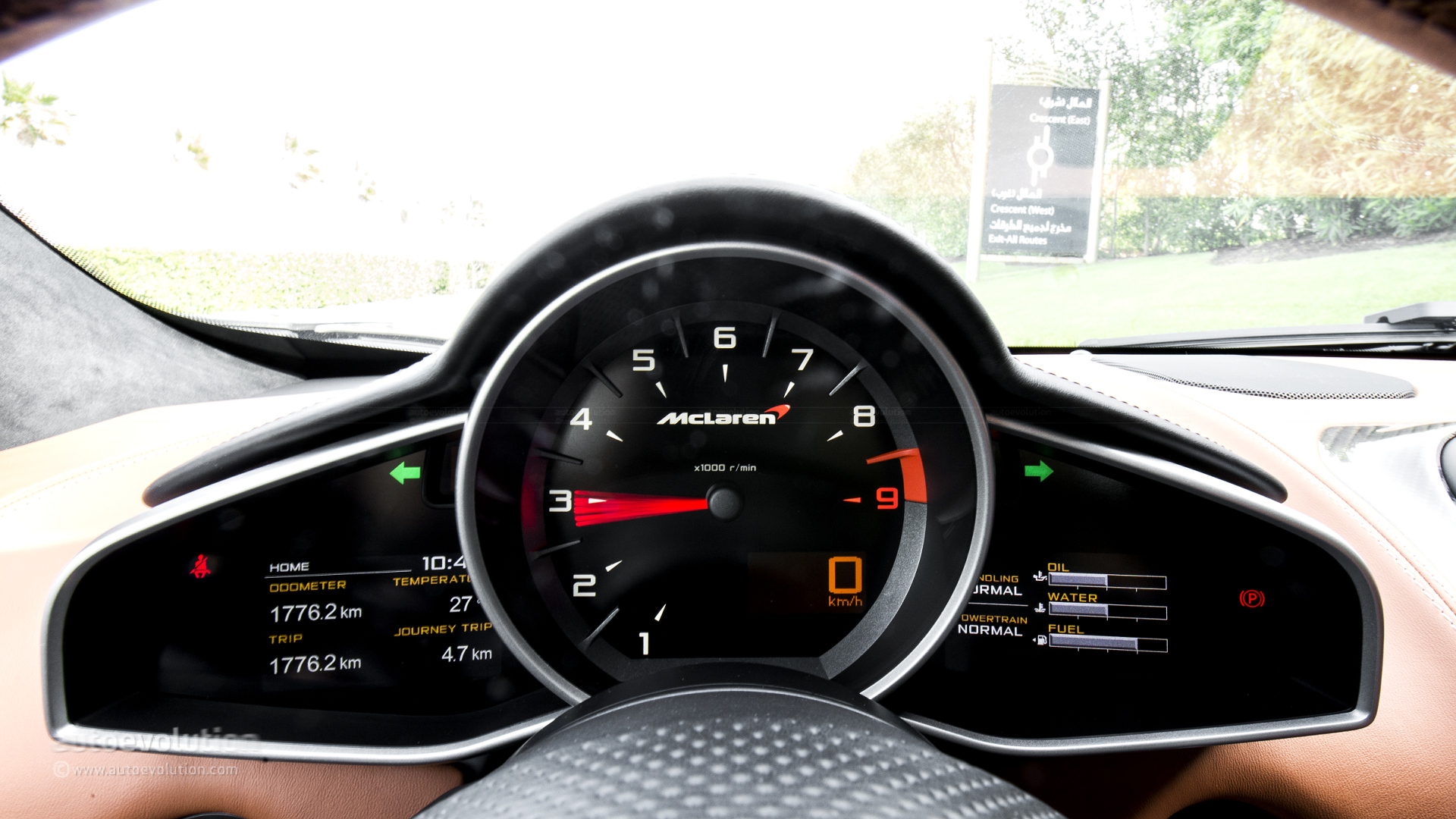
Speaking of the 458, the dashboard instrument layout in the McLaren brings strong memories from the Ferrari’s test drive. McLaren has made the design better by placing a leather cover over it, but it's still amusingly close to that of its Italian rival.
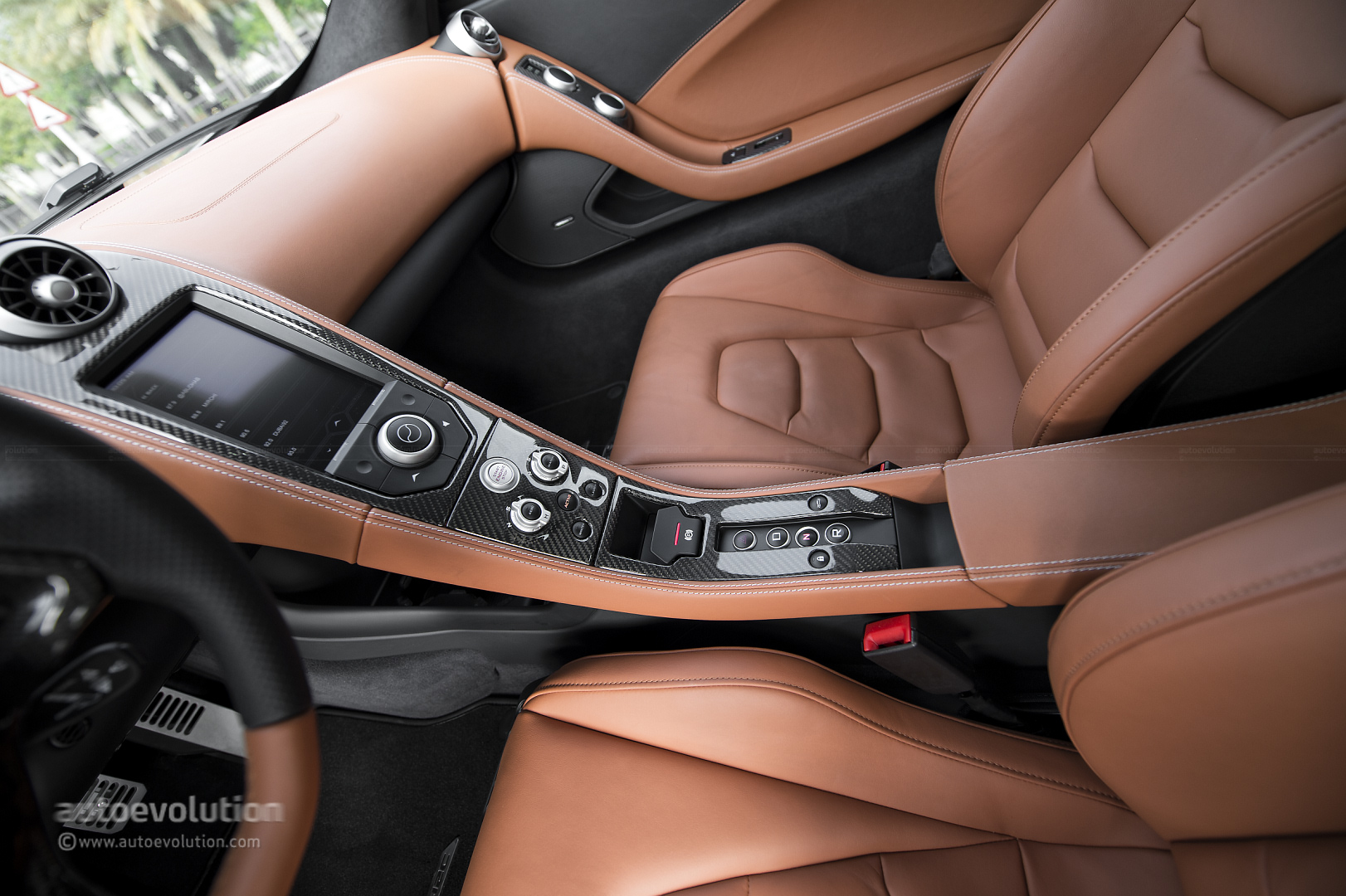
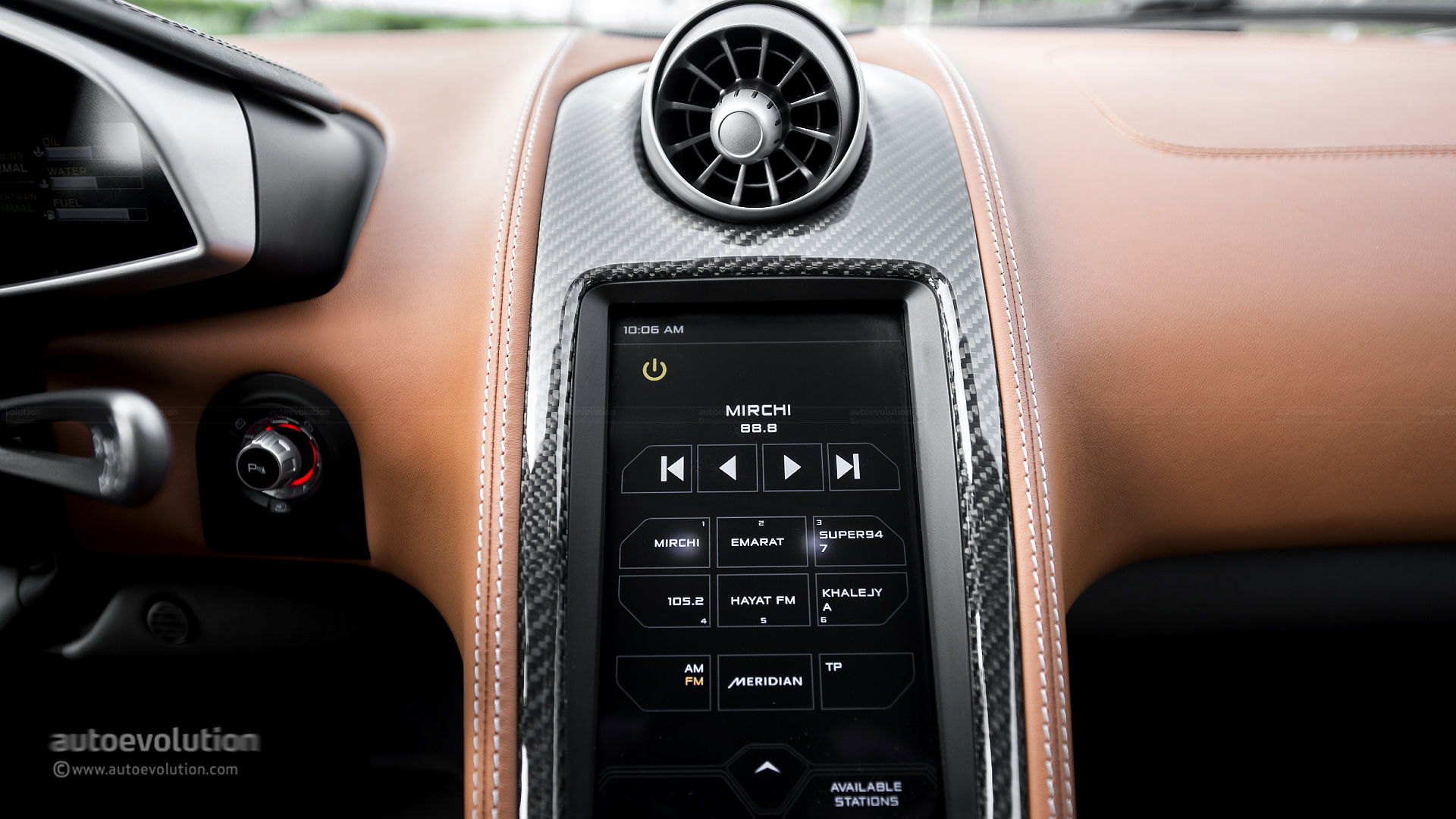
The center console is dominated by a 7-inch touchscreen. This uses a "portrait" layout, which, together with its special menus, give one the impression of using a smartphone. The screen can be used to control the radio, navigation and telephone functions of the McLaren MP4-12C. The display seems to be too sensitive to scratches, while we can also say we find the usual "landscape" orientation more useful for navigation, especially inside the city.
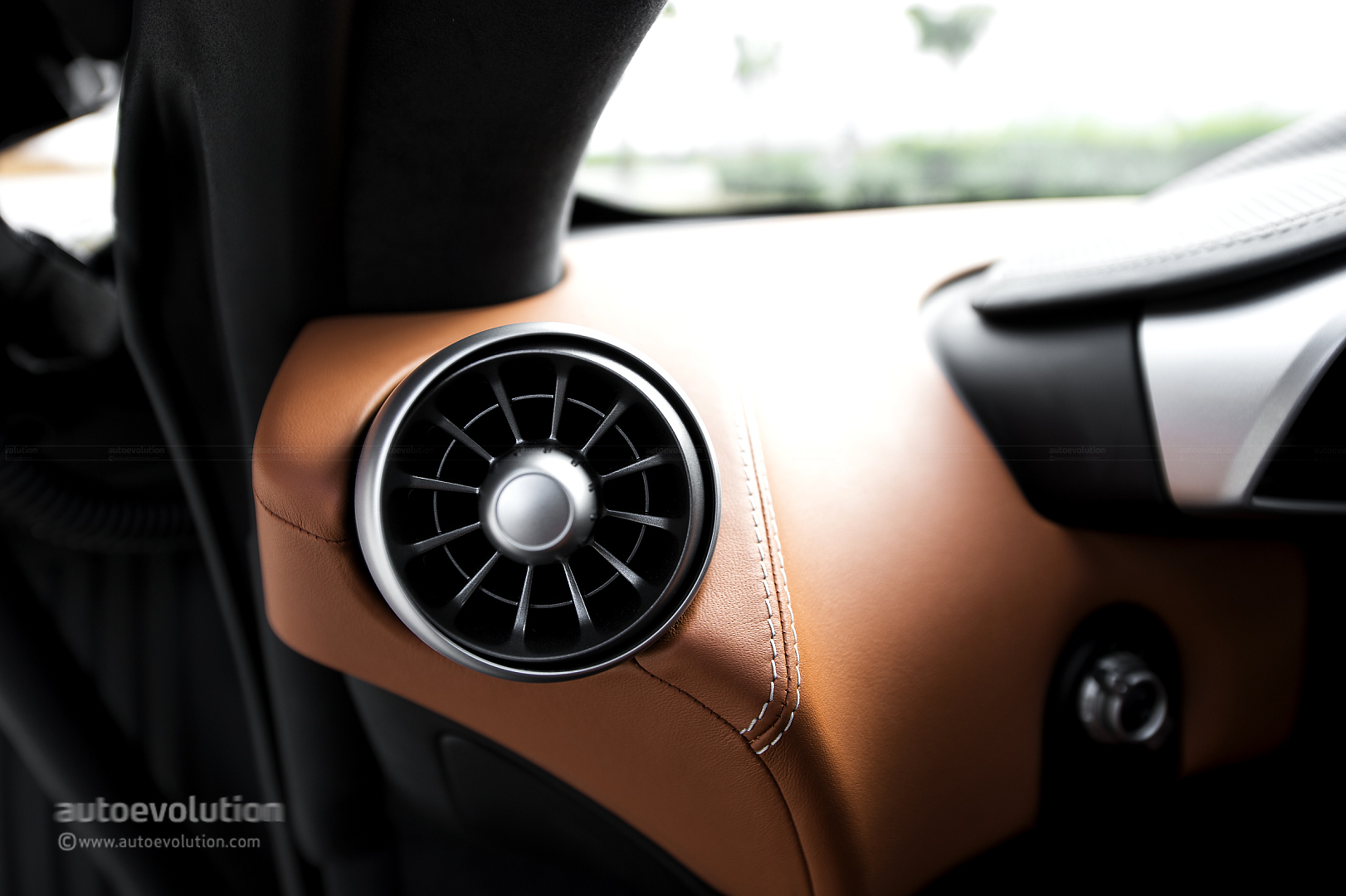
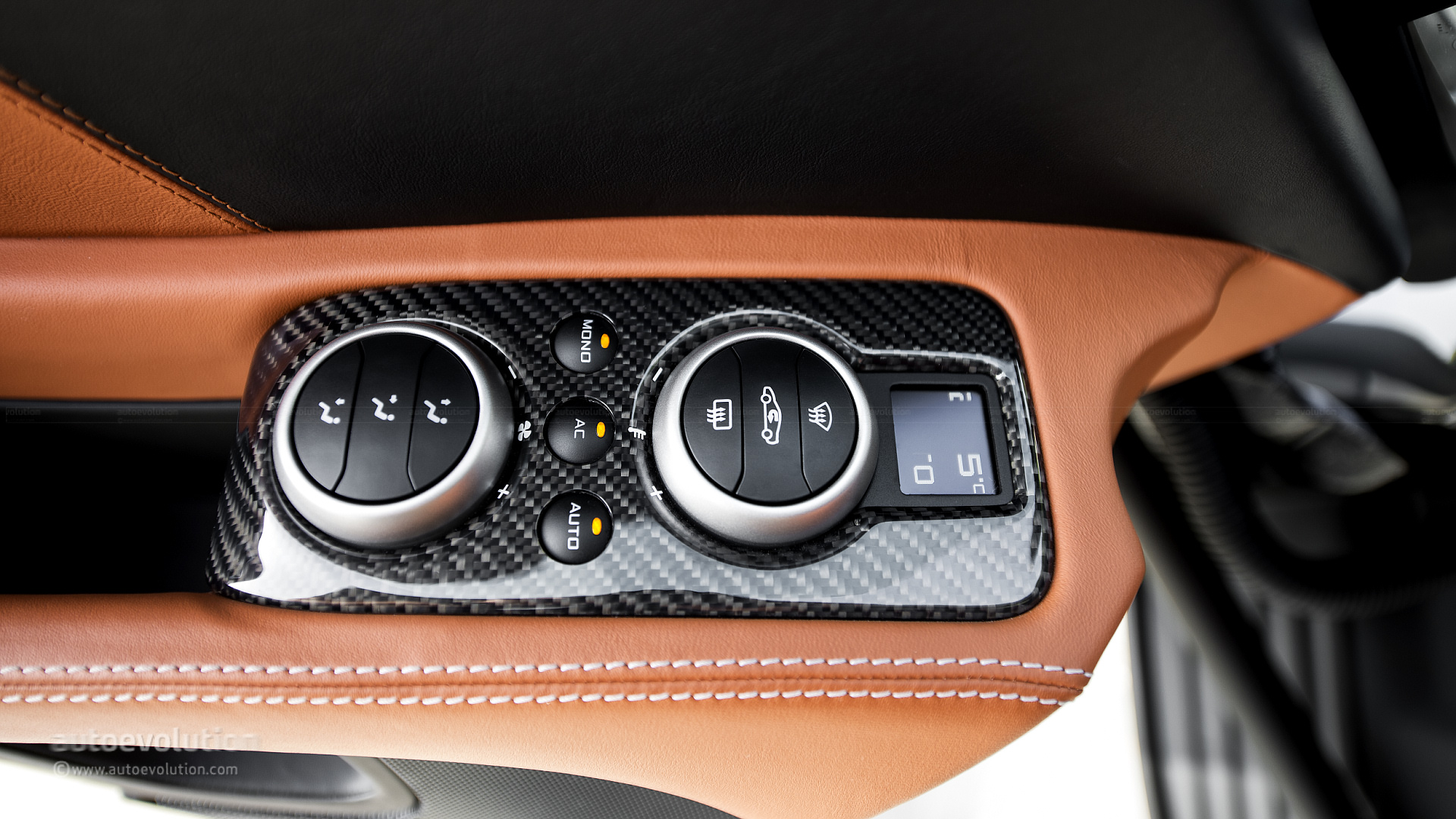
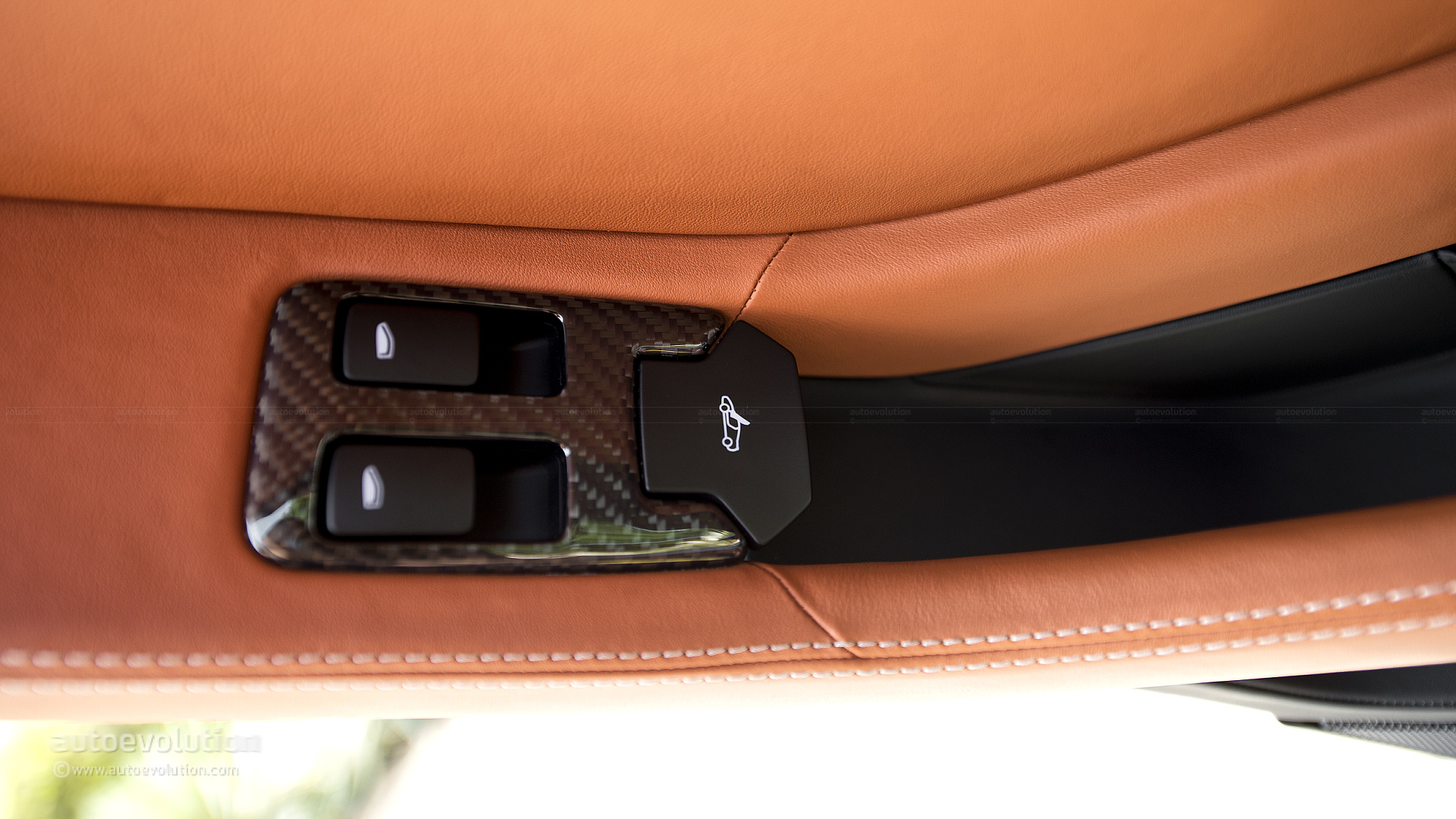
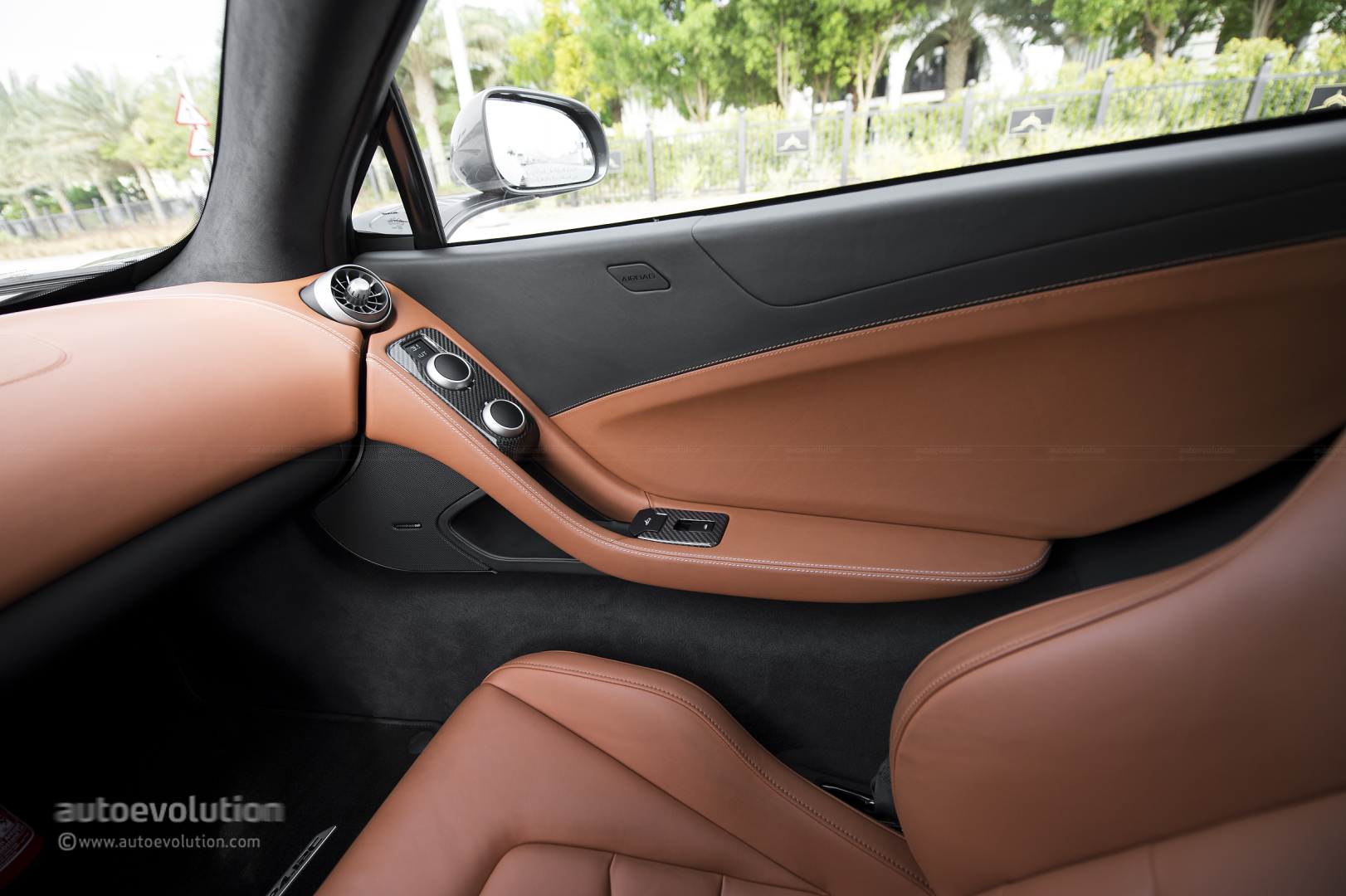
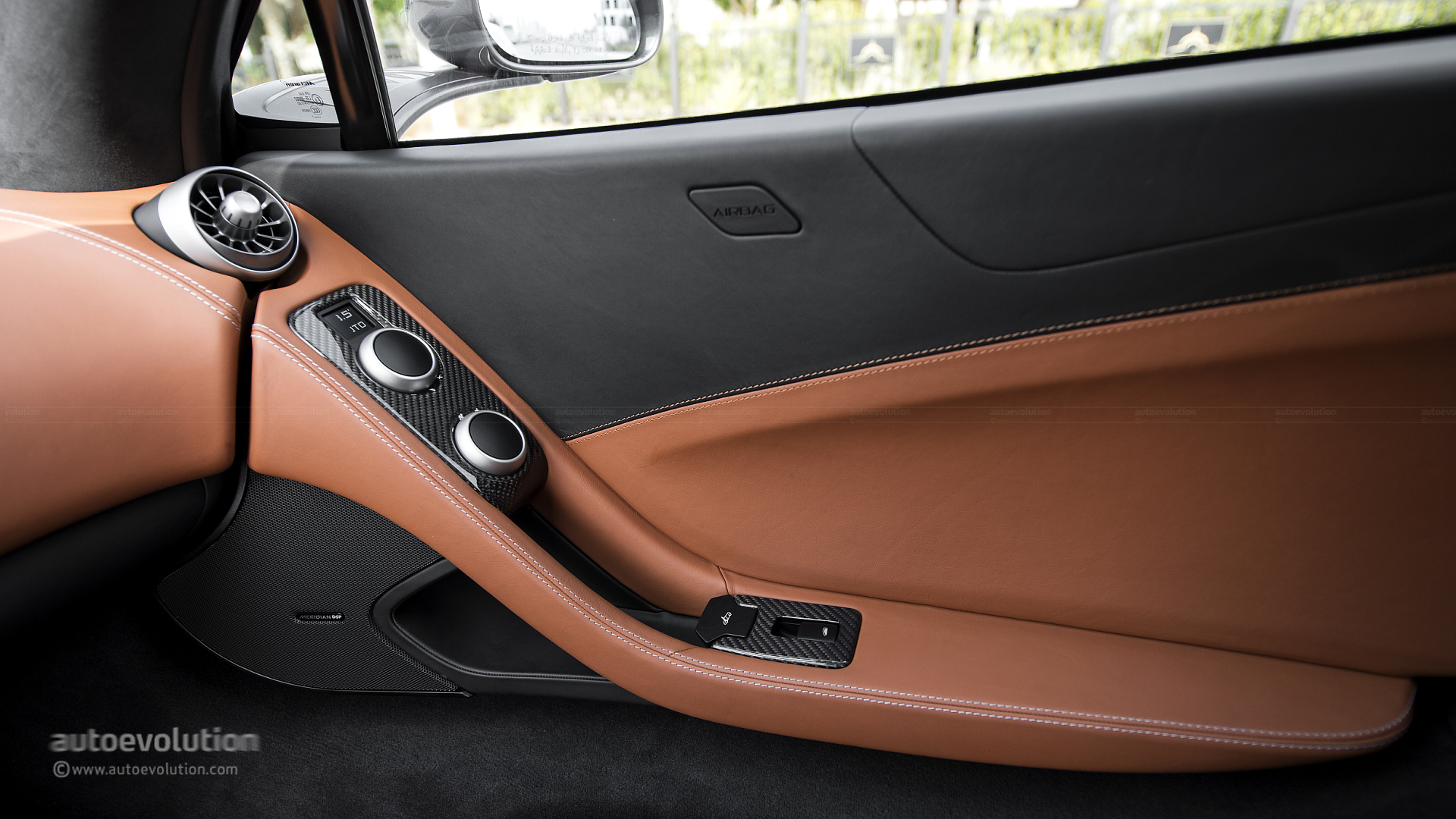
Going further, we notice that all the controls are neatly stacked - the center console accommodates the gearbox buttons, while its middle section features the Active Dynamics Panel that controls the aerodynamics and powertrain settings. The door consoles hold the climate controls, but you'll find yourself opening the window while simply wanting to place your elbow on the armrest.
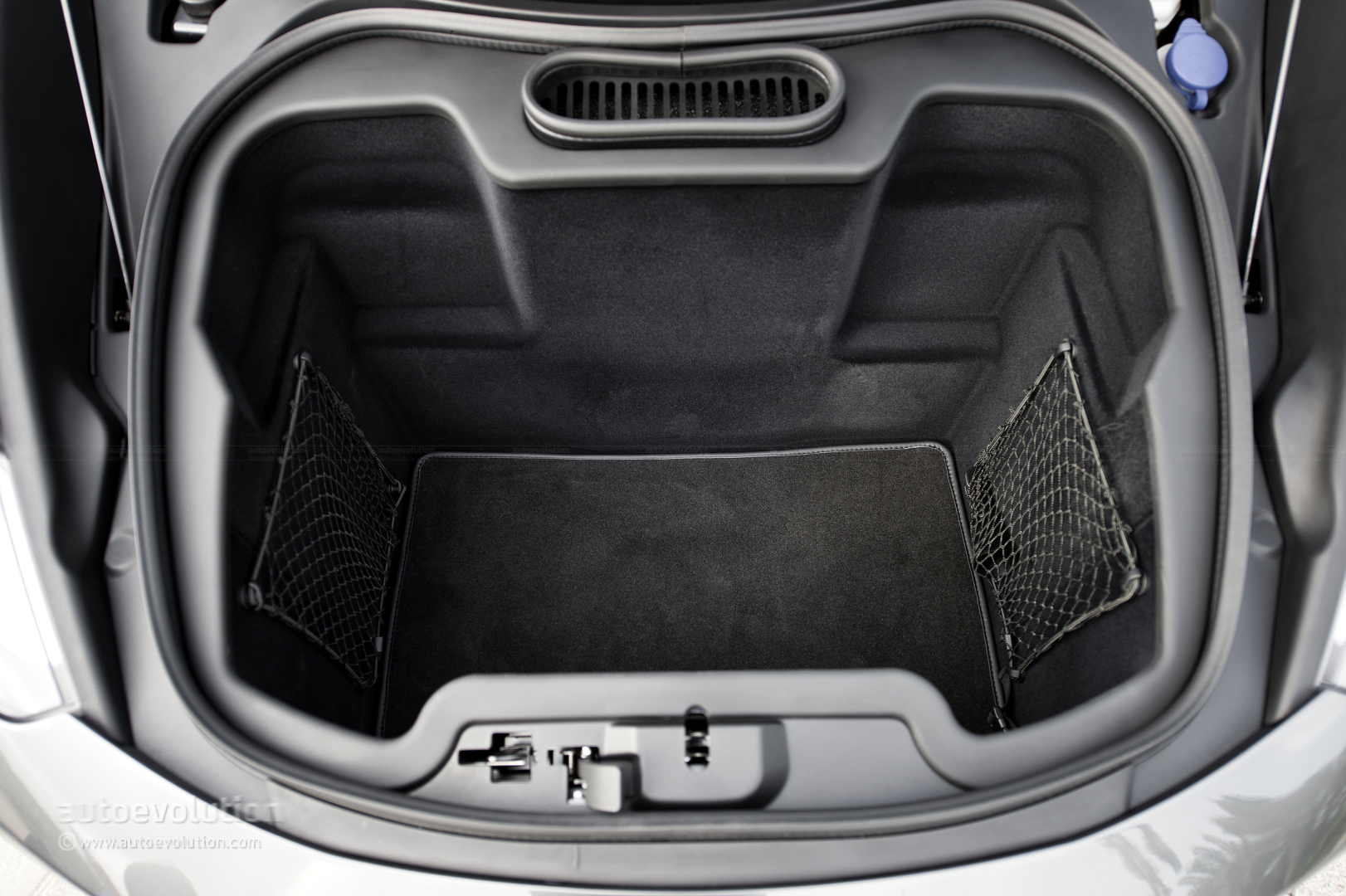
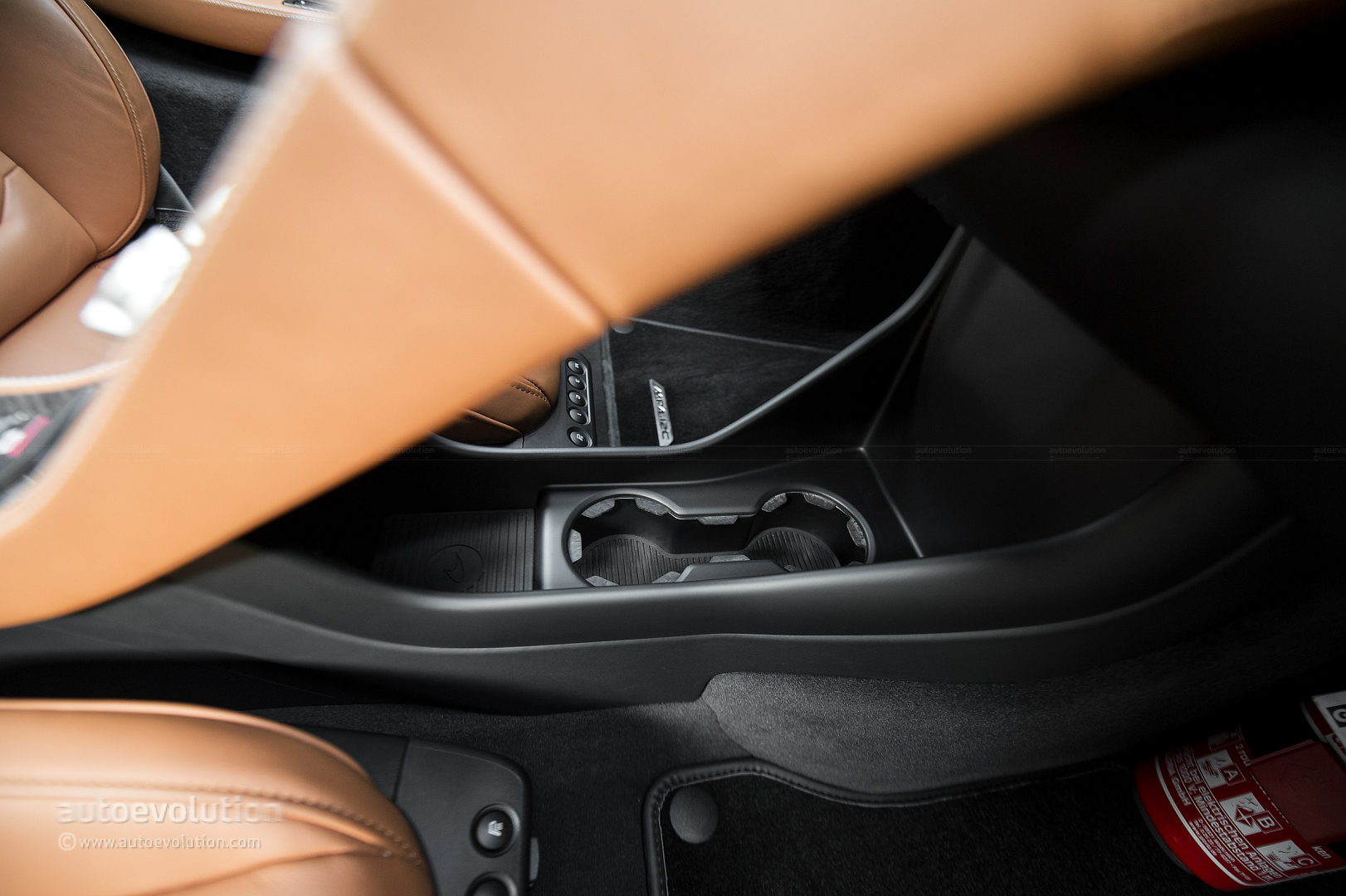
In terms of storage spaces, the cabin of this McLaren offers a floating center console, which leaves room for two cup holders behind it. On the other hand, the space behind the seats is minuscule and you'll have to struggle to access it.
The McLaren MP4-12C's cabin is just as unconventional as its powertrain, but only offers limited practicality. The interior offers an exotic experience via its layout, despite being mainly focused on the functional side.
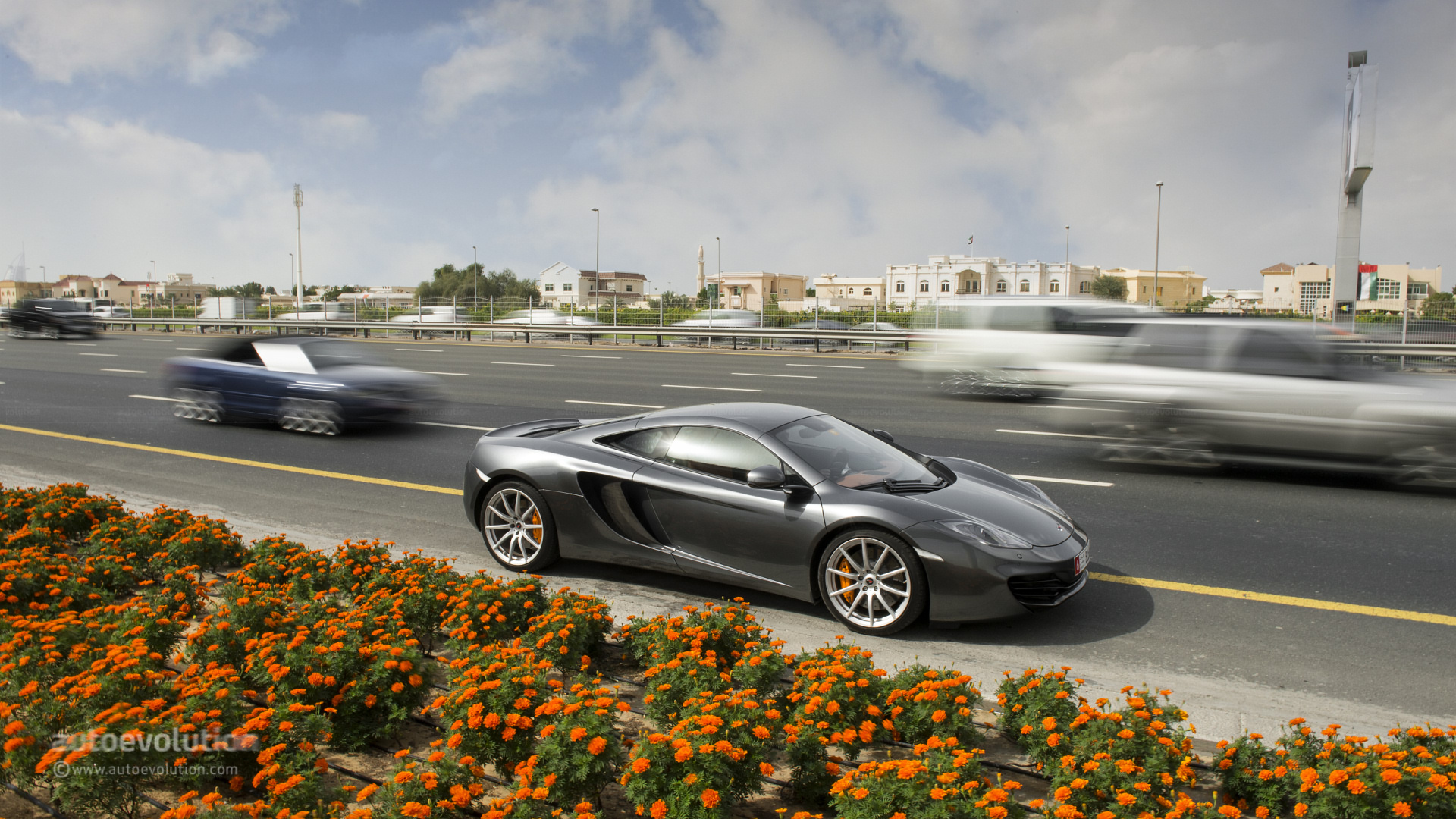
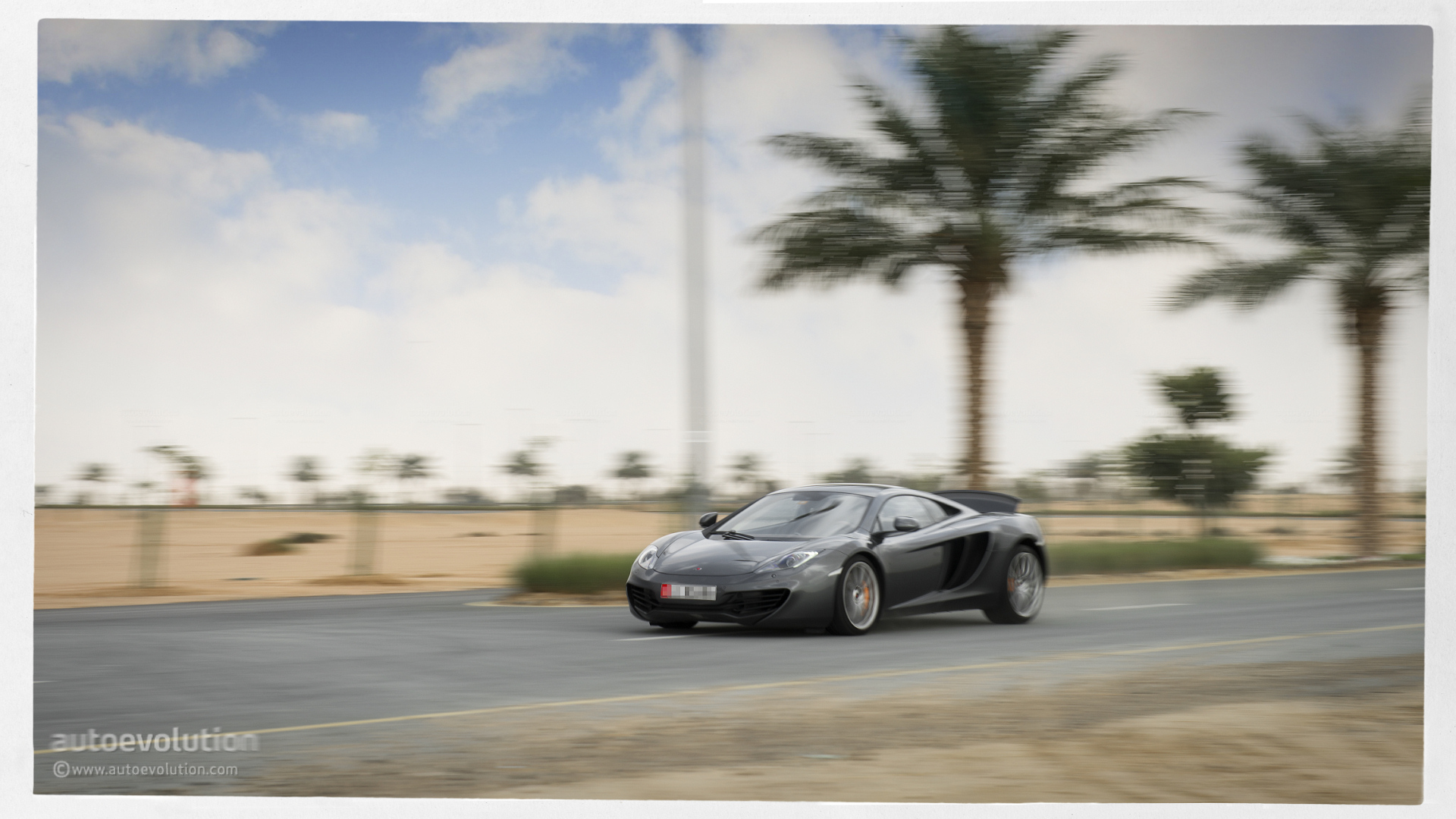
Here we are, waiting for the traffic light to turn green. We've only been driving the McLaren MP4-12C on urban roads for about 20 minutes now, but we're already looking for a way out.
That's because while the MP4-12C can handle city driving, it won't bring too much pleasure inside the cabin while it's inside the city.
The adaptive technical side of this McLaren means that the downsized V8 or the dual-clutch gearbox aren't intimidated by busy or stop'n go traffic. However, this kind of setup doesn't bring a smile on your face unless you allow it to show some violence and since you wouldn't want to get arrested, you can't do this inside the city.
The active hydraulic dampers, which are all linked to each other, make an excellent job at dealing with typical urban asphalt irregularities, so you can count on the suspension for being a good friend to you and your passenger. Nevertheless, the suspension can't really handle larger obstacles and it will send the force of the impact underneath to the car.
When we drove the MP4-12C, the vehicle was still offered in its launch configuration, which meant that it was a total stranger to the notion of "lift". Since the MP4-12C comes with one of the tiniest ground clearances in the automotive world, we were absolutely bullied by typical city driving obstacles such as speed bumps.
Neither the nose, nor the rear diffuser of the car, will experience any scraping. Instead, you'll scratch the two flexible skirts that channel air under the car. These are placed behind the front wheels and to keep them safe you'll need to generate a small traffic jam every time you reach a bump. The 2013 model year MP4-12C does feature an optional lift system, which operates up to a speed of 37 mph (60 km/h). McLaren didn't want an extra button in the cabin, so this can be activated using the trip computer menu.
The steering is light enough for city use, but the racing-focused shape of the steering wheel will stand in between you and effortless parking maneuvers. Fortunately, the parking sensors allow you to complete this kind of maneuvers in a decent manner.
It's obvious that the dihedral doors provide quite a show to whomever happens to be around the MP4-12C when you park, so you'd better practice your elegant egress.
One must assume a proper driving position when traveling at speed, with the back being well in contact with the seat, so that any lateral movement of the car is instantly felt. The McLaren MP4-12C takes this basic performance driving rule to a new level, as it also requires the driver to pay extra attention to the position of the neck.
At full blast in a straight line, this thing is so fast that the back of your neck will receive an undesired form of massage, one that will send you searching for a HANS device.
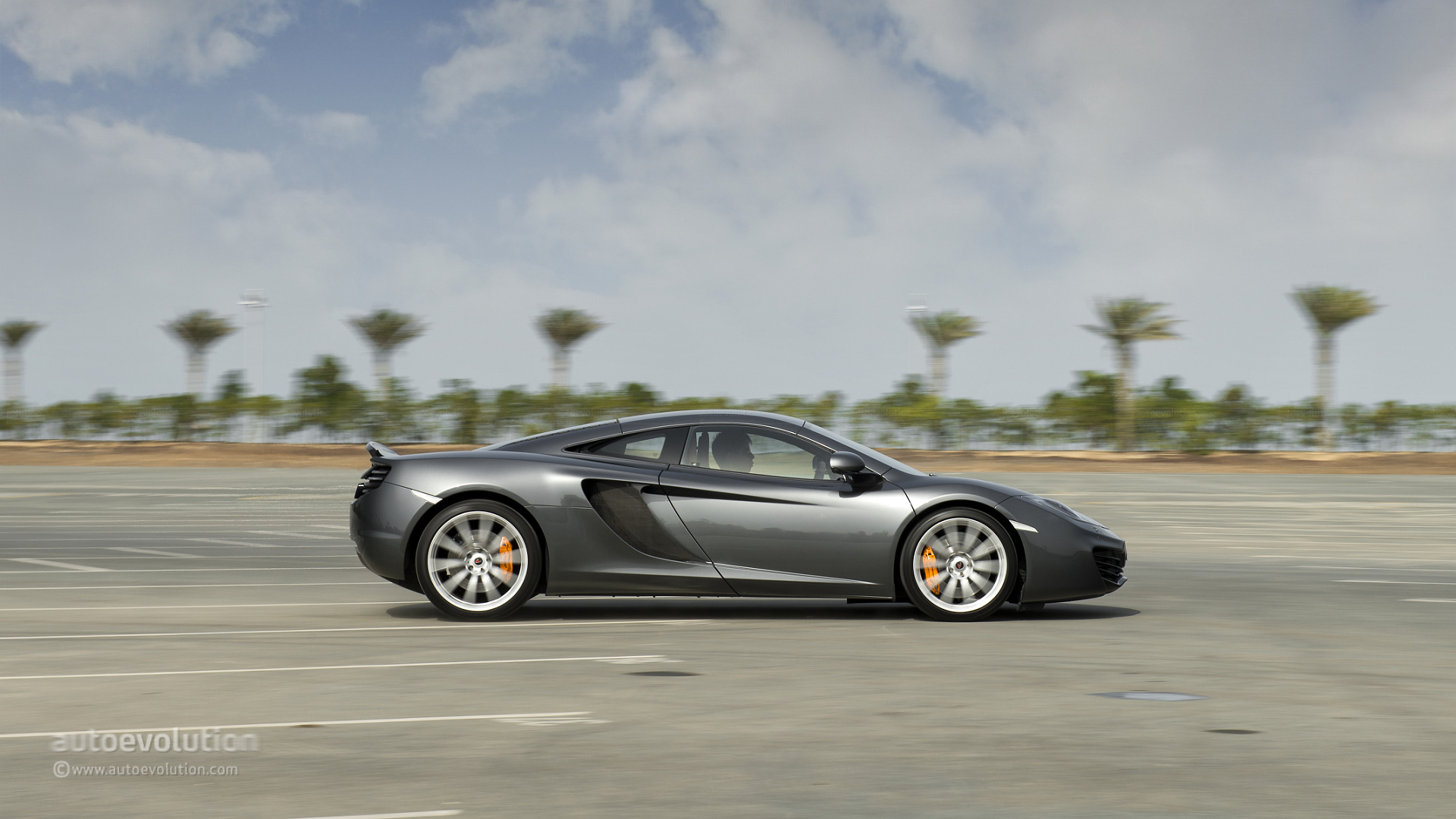
The McLaren MP4-12C is a tad lighter and slightly more powerful compared to the Ferrari 458 it aims to beat. The Brit manages to put the power down just as well as its Italian rival, so it obviously accelerates quicker. Place the two on a drag strip and you’ll notice that the MP4-12C needs 10.9 seconds to play the quarter mile game, while the 458 Italia takes 11.2 seconds for the job.
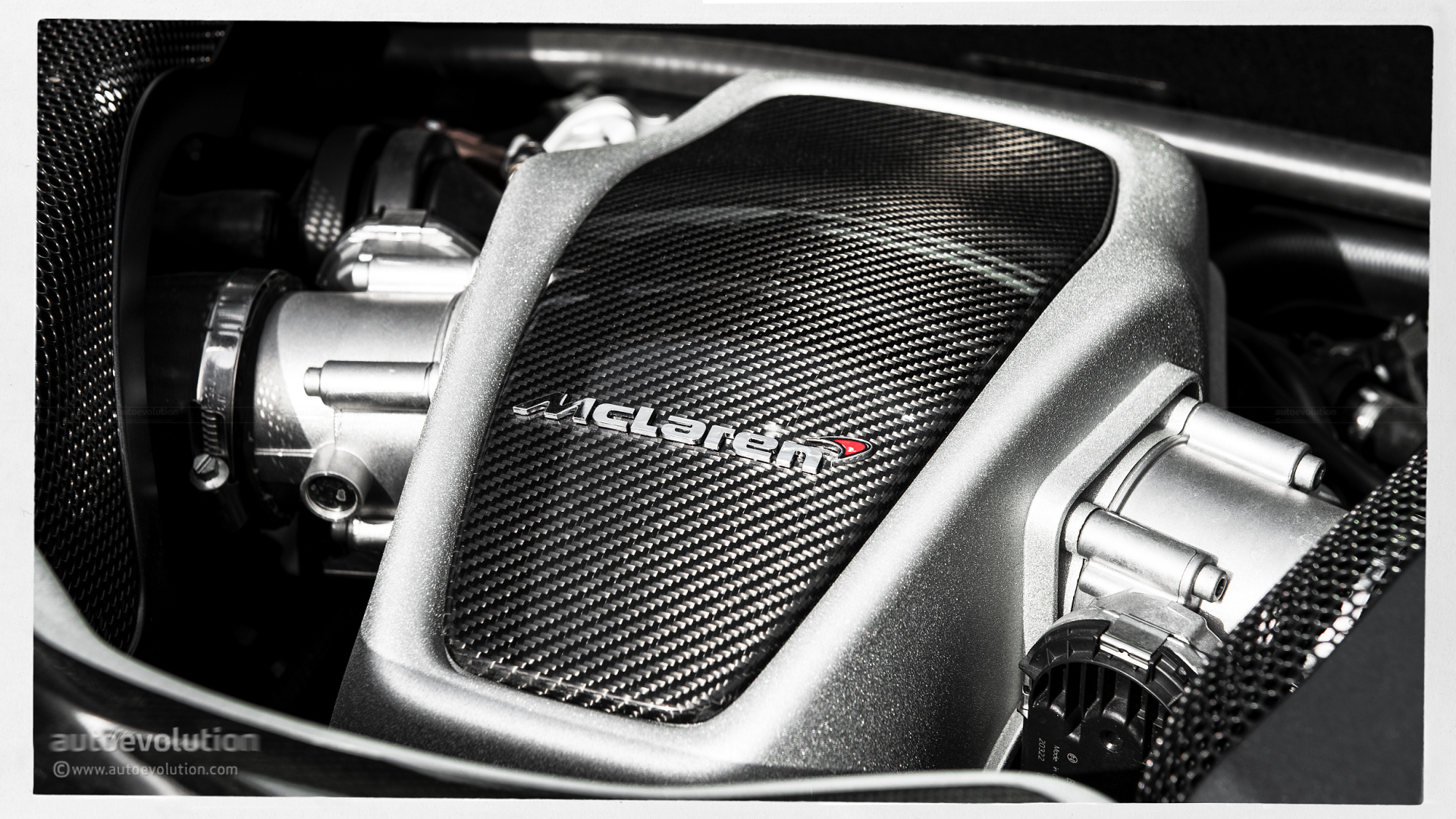
The 3.8-liter twin-turbo V8 shows that it means business right up from its rather irregular idle, when it emits a menacing burble. Since this is a rear-wheel drive car, the launch control doesn’t bring too much drama, but you are asked to keep the throttle welded to the floor for two or three seconds in order for the boost to build up.
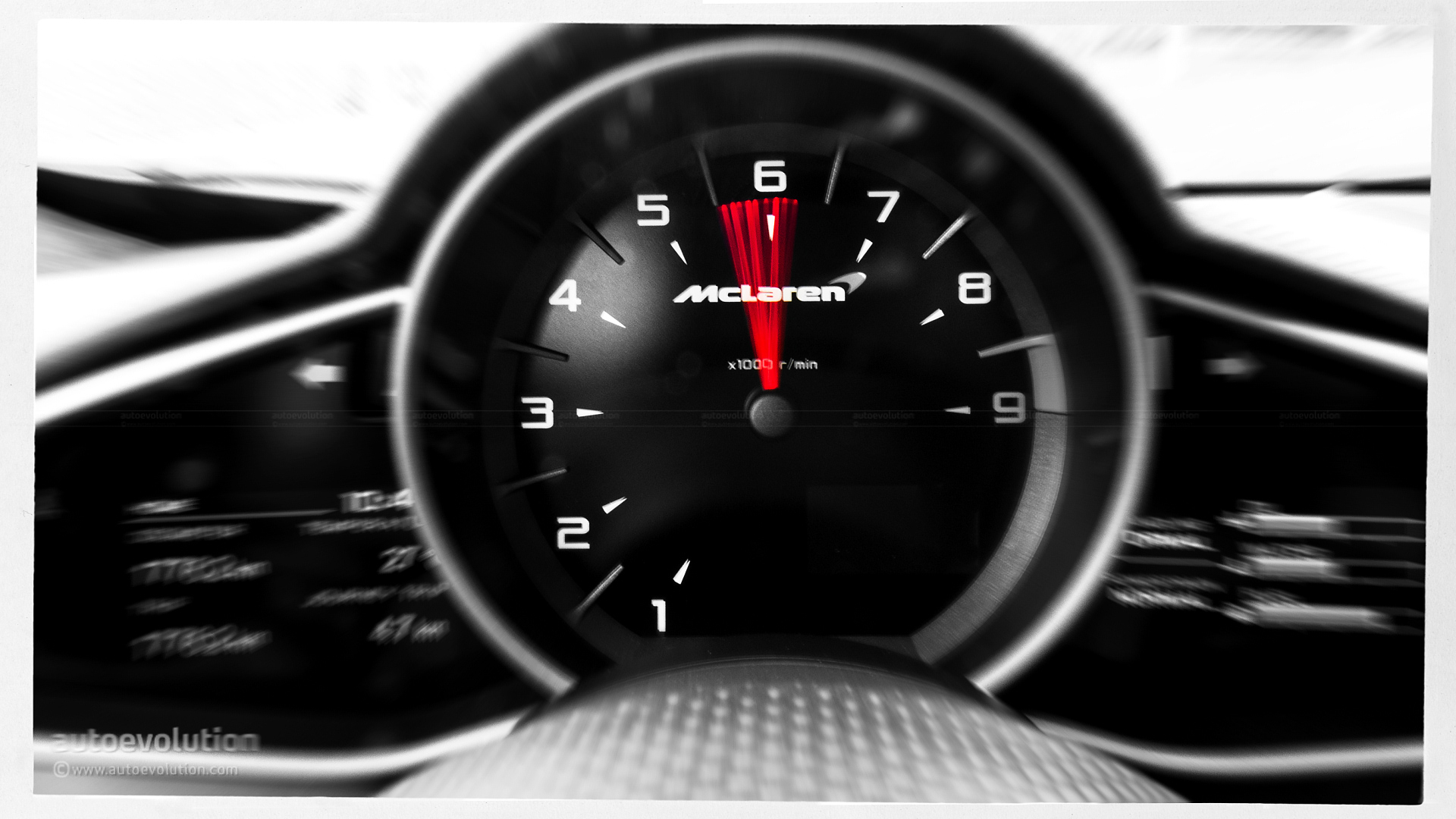
Once you release the brake, an endless g force assault starts. The engine pulls well starting from under 2,000 rpm, but its full force can be felt from 3,000 rpm onwards. Despite the fact that this is a turbocharged unit, it can rev up to 8,500 rpm, falling only 500 rpm short of the naturally-aspirated V8 in the 458 - it also feels excellent in the stratosphere of the rev counter.
On the road you won’t feel any turbo lag and you’ll also enjoy the linear power delivery, as well as the double-clutch gearbox. The pre-cog function is fun for a while, as it’s nice to be able to prepare your shifts. To put it shortly, this works similar to a photo camera’s shutter button, which has two positions. This is McLaren’s way of dealing with the dullness issue of double clutch transmissions.
Unfortunately, this is a feature that you’ll only randomly use, but it does come with a drawback - since the rocker used to shift gears must have two pressure points, the shifting process requires a considerably more firm action from the driver and this can become a bit tiring.
The shifts feel just as quick as the ones in the 458, but there is one drawback: the throttle blip on the downshift is not as precise as in the Ferrari - a turbocharged engine is more difficult to keep in the optimum rev range compared to a naturally aspirated one.
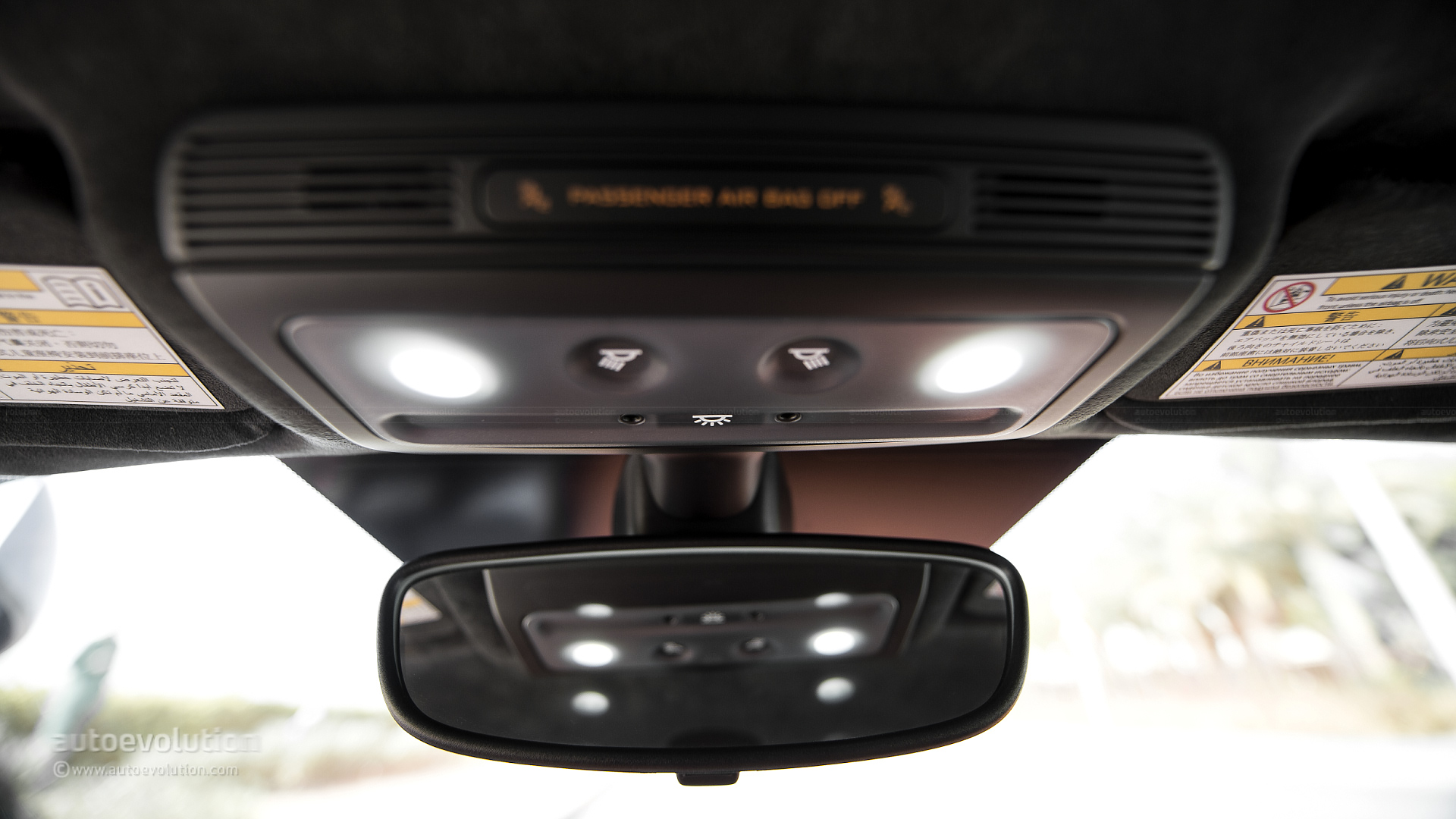
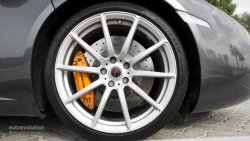
The standard brakes offer superb modulation and stopping power and you feel your confidence growing when the Airbrake is deployed. Just make sure to look in the door mirrors when braking, as the interior one is filled by the silhouette of the Airbrake. As for the ceramic brakes, these offer an unpleasant modulation, using a short active pedal travel that makes it difficult to get a proper feel.
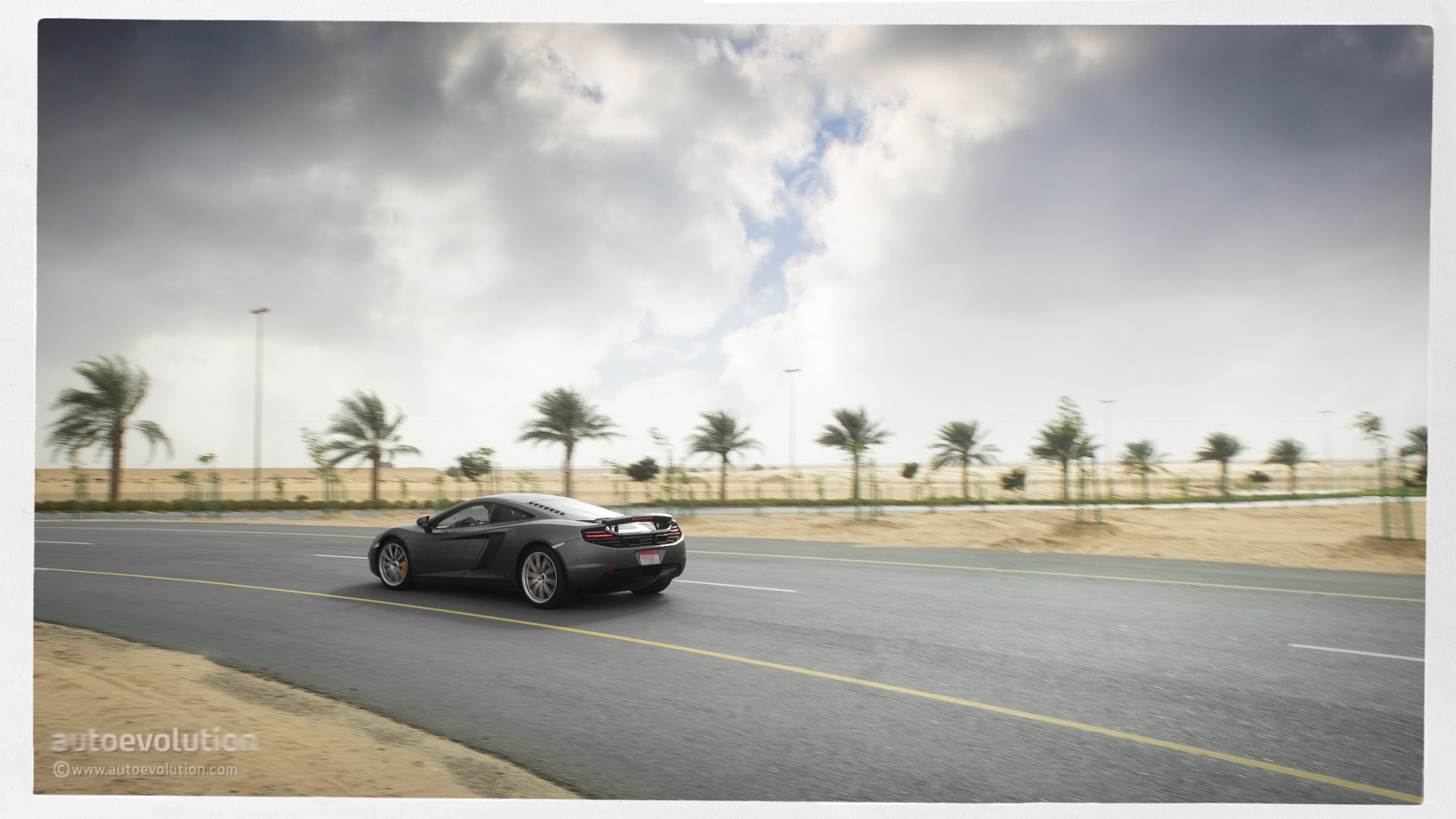
Placing the carbon fiber supercar on a track will reveal that the engine does have a bit of turbo lag, but this drawback is quickly forgotten thanks to the MP4-12C’s excellent steering and suspension.
The steering definitely deserves a place on the podium of the supercar world, offering perfect weight and adaptability and being generous in terms of feedback. Couple this with the hyper-ergonomic F1-inspired steering wheel, which also offers a gear shifting rocker, and you’ll get plenty of excitement.
We’ll remind you that in the 458 Italia the steering wheel, which Ferrari brags benefited from Michael Schumacher’s expertise, brought an overcrowded arrangement. This made the car difficult to use on the road - all the buttons migrated to the wheel in order to leave the are around the paddles clear.
When it comes to fuel efficiency, the McLaren MP4-12C has an EPA figure of 18 mpg (13 l/100km), while during our test drive, the vehicle returned 15 mpg (15.6 l/100 km).
As for the suspension, the interlinked hydraulic adaptive dampers manage to keep the car perfectly flat through the corners, boosting the handling and also giving you courage to push the car harder.
The same suspension manages to tackle road irregularities with incredible ease, doubling the incredible handling with a ride that’s just as impressive. Unfortunately, the system doesn’t know how to handle larger obstacles and will give you a rather nasty feeling when you encounter these. What’s more, hitting a more serious bump may also cause the suspension to become fidgety for a short while.
Since we mentioned the technical glitch above, we’ll go deeper into the implications brought by the core principle of the McLaren MP4-12C - robotization. This is most felt in terms of handling, where the supercar replaces the limited slip differential (LSD) with an advanced form of torque vectoring.
We’re referring to McLaren’s F1-borrowed Brake Steer system: this counteracts understeer by braking the inside wheel on a corner entry. As for the oversteer fight, it can apply brake pressure on the inner wheel on corner exit. Many modern cars have an ESP that’s able to do that, but the hardware in the MP4-12C is sharper. In addition to that, its software is set up to take far more advantage of this.
A Ferrari 458 Italia likes to go about the business of hard cornering by wagging its tail in a controlled way that fills the driver with emotion. Alas, this can become too much and lead to a crash on certain occasions.
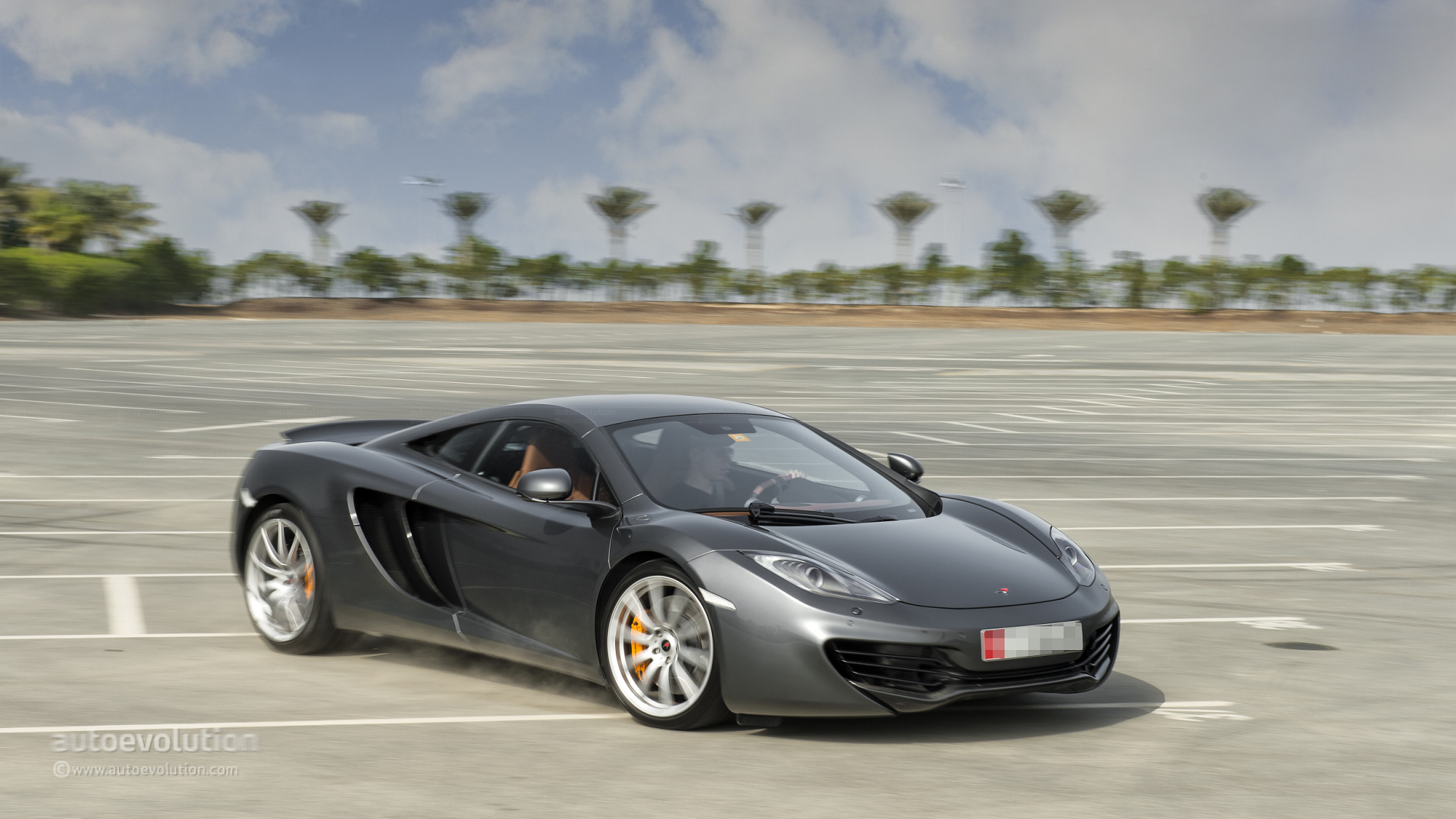
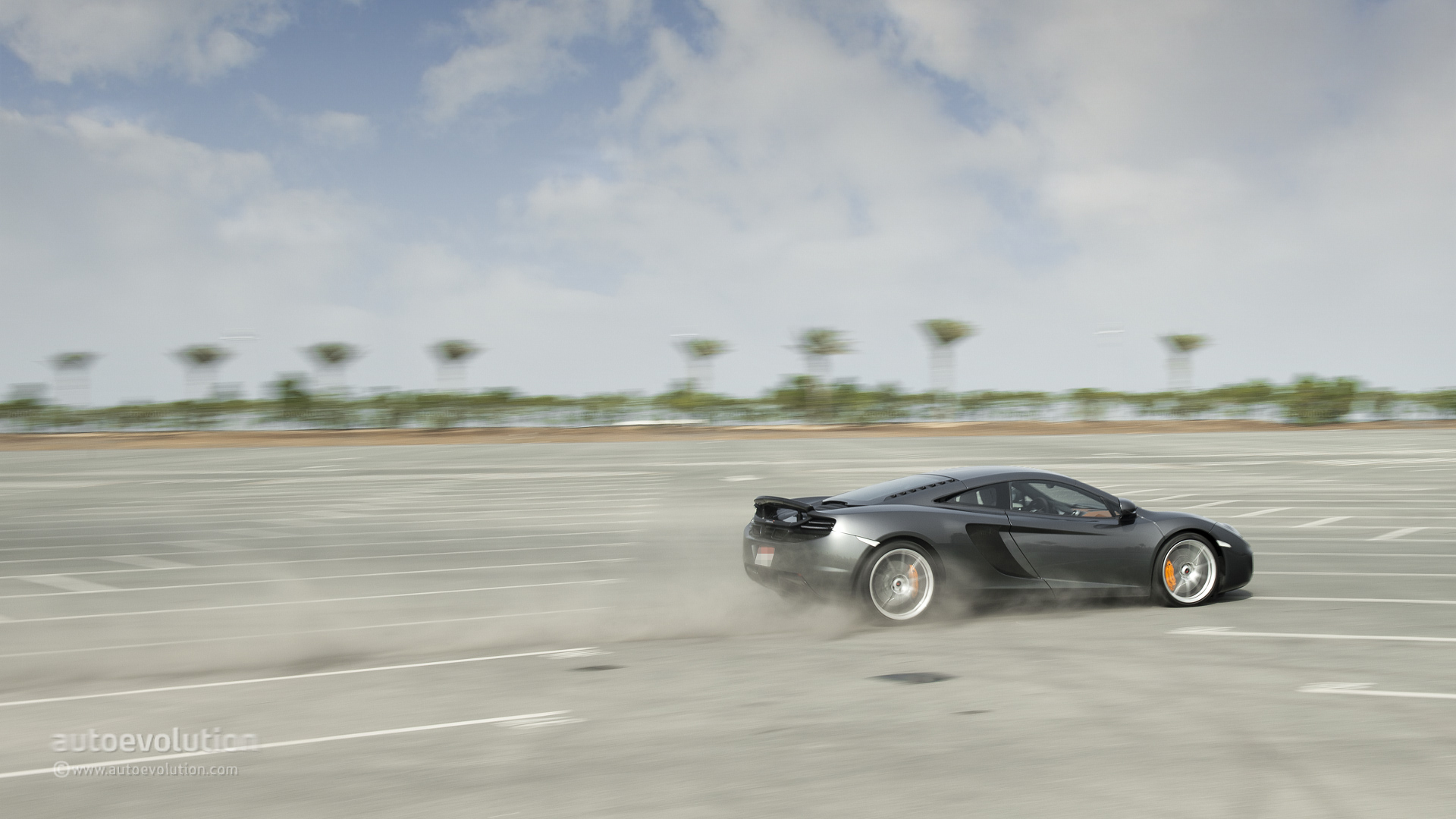
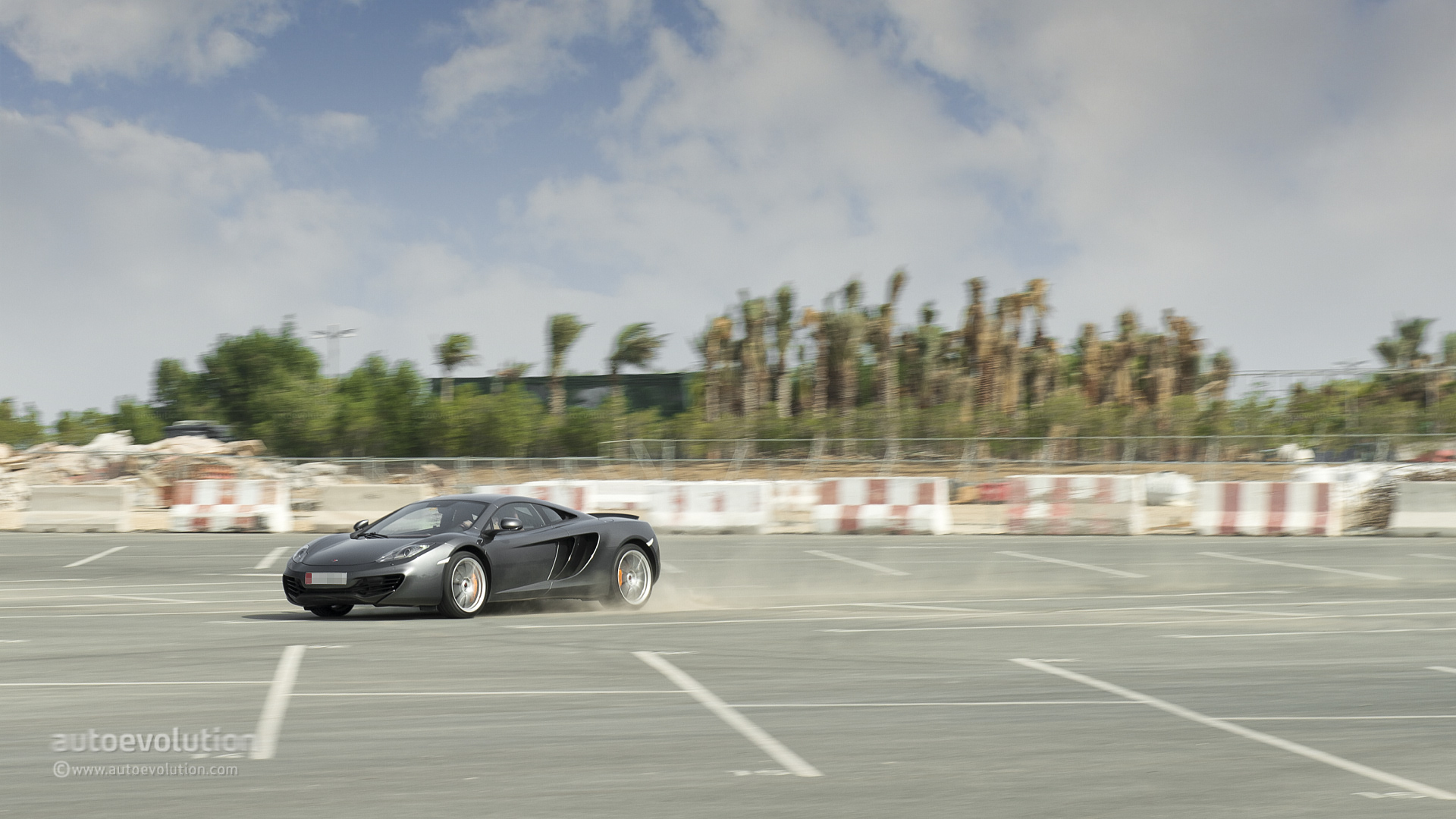
The McLaren MP4-12C offers the exact opposite handling at the limit - it stays firmly planted on the road - only the most extreme of the three handling modes, dubbed Track, allows a certain degree of rear end slip.
What’s more, you have to almost eliminate the usual countersteering maneuvers, as the Brake Steer sorts out the handling all by itself, so your steering wheel inputs will end up overcorrecting or interfering with the system.
One could say that the MP4-12C requires a certain degree of driving discipline - getting used to the way in which the system does its job and working with it. This would be excellent, as you can’t just climb aboard a supercar, floor it and expect everything to end well. Except there’s a little problem - while Brake Steer fights to cancel understeer, sometimes you have to push the throttle further than in a car fitted with a LSD in order to achieve the desired effect.
This can require one to overcome the conservation instinct. That’s just what race drivers do, but in the real world, where drivers obviously don’t have the same level of training as professionals, the approach can become dangerous.
Thus, while the McLaren MP4-12C is extremely easy to drive fast, things change once you go past eight tenths.
Nevertheless, when you have the perfect conditions (read: track), you’ll enjoy this electronic handling, as it offers a perfect balance, the kind that puts a Porsche to shame - while in the Zuffenhausen-built machine you know that a hard bite awaits at the end of the balance, the MP4-12C holds no such violent traps, despite the aforementioned issue.
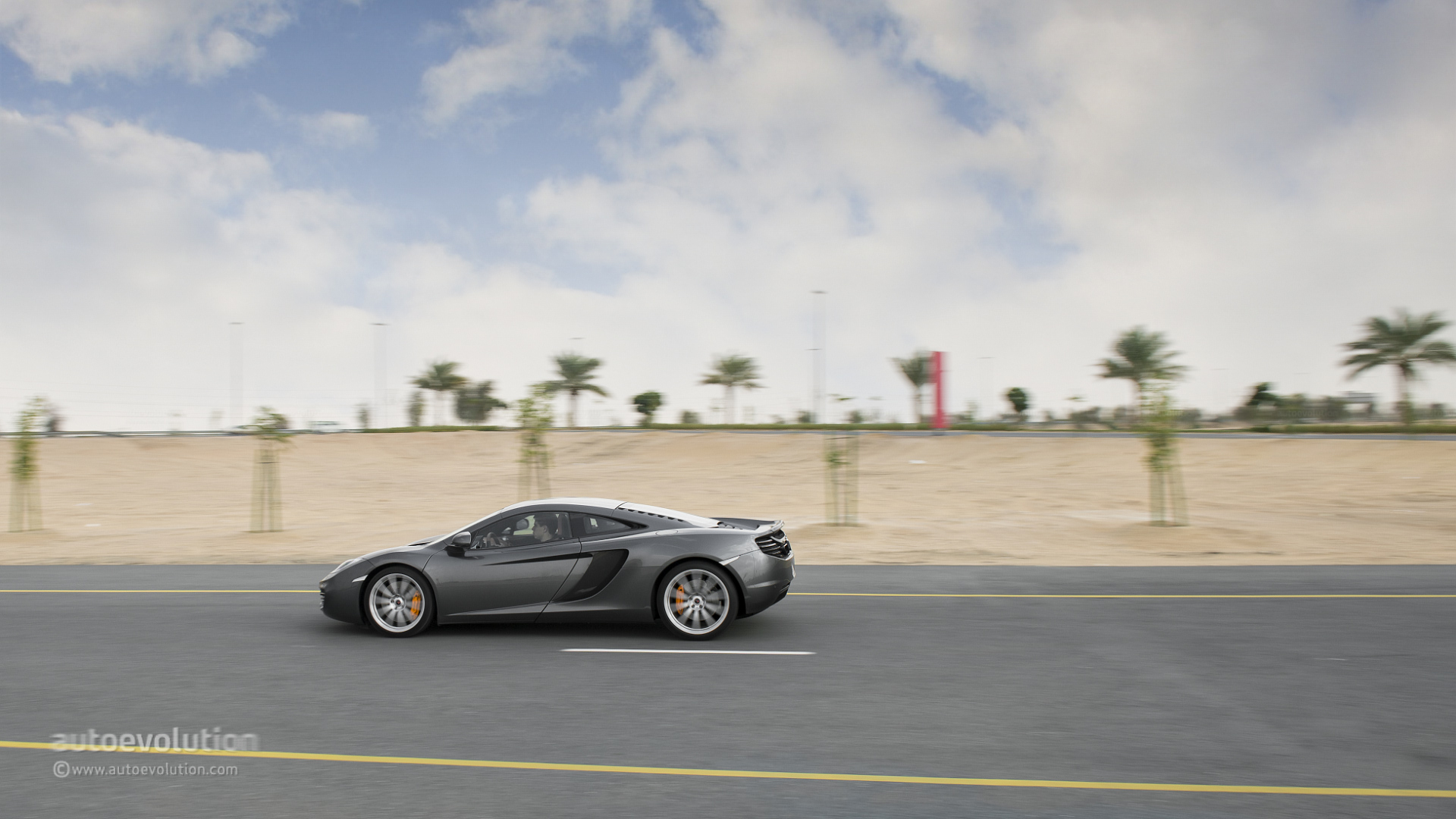
When used on the road, the McLaren MP4-12C supports daily driving though its highly adaptive powertrain - we often found ourselves cruising peacefully in seventh gear at just below 1,000 revs.
However, the limited ground clearance and aforementioned suspension glitch keep it from being easy to use though. The first problem may have been solved by the addition of an optional lift system and the second can be dealt with using more attention. Unfortunately, there’s apparently nothing that can be done for the exhaust sound.
The noise is simply too strong when you’re driving normally and even when you’re flooring it it’s still unpleasant. McLaren has spent a long time tweaking the exhaust, but the average tone is still uninspiring.
The MP4-12C features an intake sound generator (ISG), which, from the 2013 model year on, also offers three levels of intensity for each of the powertrain’s three modes. As you accelerate, you can hear the intake swiftly sucking out all the air in the world to feed that V8. And you’ll also hear the extra pressure being released once you lift off the throttle. The system is a sweet toy to have, but it can’t make up for the aforementioned exhaust voice issues.
You can clearly feel the motorsport roots while driving the McLaren MP4-12C. This does bring a special kind of pleasures, but when you’re not in attack mode, the passion level drops dramatically.
12
Our MCLAREN Testdrives:
Photo gallery (74)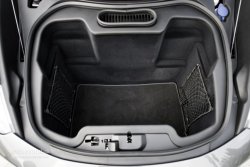





![MCLAREN MP4-12C interior air vent]()
![MCLAREN MP4-12C climate control]()
![MCLAREN MP4-12C door and window controlls]()
![MCLAREN MP4-12C]()
![MCLAREN MP4-12C cabin]()
![MCLAREN MP4-12C interior]()
![MCLAREN MP4-12C dashboard]()
![MCLAREN MP4-12C]()
![MCLAREN MP4-12C center console]()
![MCLAREN MP4-12C steering wheel]()
![MCLAREN MP4-12C - McLaren logo on airbag]()
![MCLAREN MP4-12C speedometer and rev counter]()
![MCLAREN MP4-12C handling and powertrain modes]()
![MCLAREN MP4-12C touch screen display]()
![MCLAREN MP4-12C door interior panel]()
![MCLAREN MP4-12C door console climate control]()
![MCLAREN MP4-12C interior lighting]()
![MCLAREN MP4-12C front seats]()
![MCLAREN MP4-12C leather interior]()
![MCLAREN MP4-12C cup holders]()
![MCLAREN MP4-12C manual door release]()
![MCLAREN MP4-12C trip computer controller]()
![MCLAREN MP4-12C Meridian audio system]()
![MCLAREN MP4-12C light controller]()
![MCLAREN MP4-12C paddles]()
![MCLAREN MP4-12C wiper controller]()
![MCLAREN MP4-12C dashboard instruments]()
![MCLAREN MP4-12C rev counter]()
![MCLAREN MP4-12C key]()
![MCLAREN MP4-12C front wheel]()
![MCLAREN MP4-12C engine bay]()
![MCLAREN MP4-12C engine cover lifted]()
![MCLAREN MP4-12C hot exhaust safety warning]()
![MCLAREN MP4-12C V8 engine]()
![MCLAREN MP4-12C]()
![MCLAREN MP4-12C]()
![MCLAREN MP4-12C]()
![MCLAREN MP4-12C]()
![MCLAREN MP4-12C]()
![MCLAREN MP4-12C grip]()
![MCLAREN MP4-12C speeding]()
![MCLAREN MP4-12C acceleration]()
![MCLAREN MP4-12C autocross driving]()
![MCLAREN MP4-12C]()
![MCLAREN MP4-12C in Dubai]()
![MCLAREN MP4-12C in the city]()
![MCLAREN MP4-12C on the track]()
![MCLAREN MP4-12C driving]()
![MCLAREN MP4-12C handling]()
![MCLAREN MP4-12C side view]()
![MCLAREN MP4-12C]()
![MCLAREN MP4-12C Airbrake in action]()
![MCLAREN MP4-12C heavy braking]()
![MCLAREN MP4-12C pedals]()
![MCLAREN MP4-12C profile]()
![MCLAREN MP4-12C in the desert]()
![MCLAREN MP4-12C rear details]()
![MCLAREN MP4-12C close up]()
![MCLAREN MP4-12C exhaust flames]()
![MCLAREN MP4-12C]()
![MCLAREN MP4-12C]()
![MCLAREN MP4-12C doors]()
![MCLAREN MP4-12C with doors open]()
![MCLAREN MP4-12C at night]()
![MCLAREN MP4-12C]()