FERRARI 458 Spider Review
OUR TEST CAR: FERRARI 458 Spider 2012
The story had all started one year before the release of the 458, when the California, the automaker’s new entry-level model, was released. Ferrari denies a rumor which states that the California was supposed to be a Maserati and ended up with a Prancing Horse badge in order to justify its high price.
We don’t know if this is actually true, but we’re extremely thankful for the California’s appearance. That’s because the introduction of a more mainstream model allowed the 458 to move one step past the natural evolution brought by the generation change, marking the debut of the aforementioned new Ferrari V8 era.
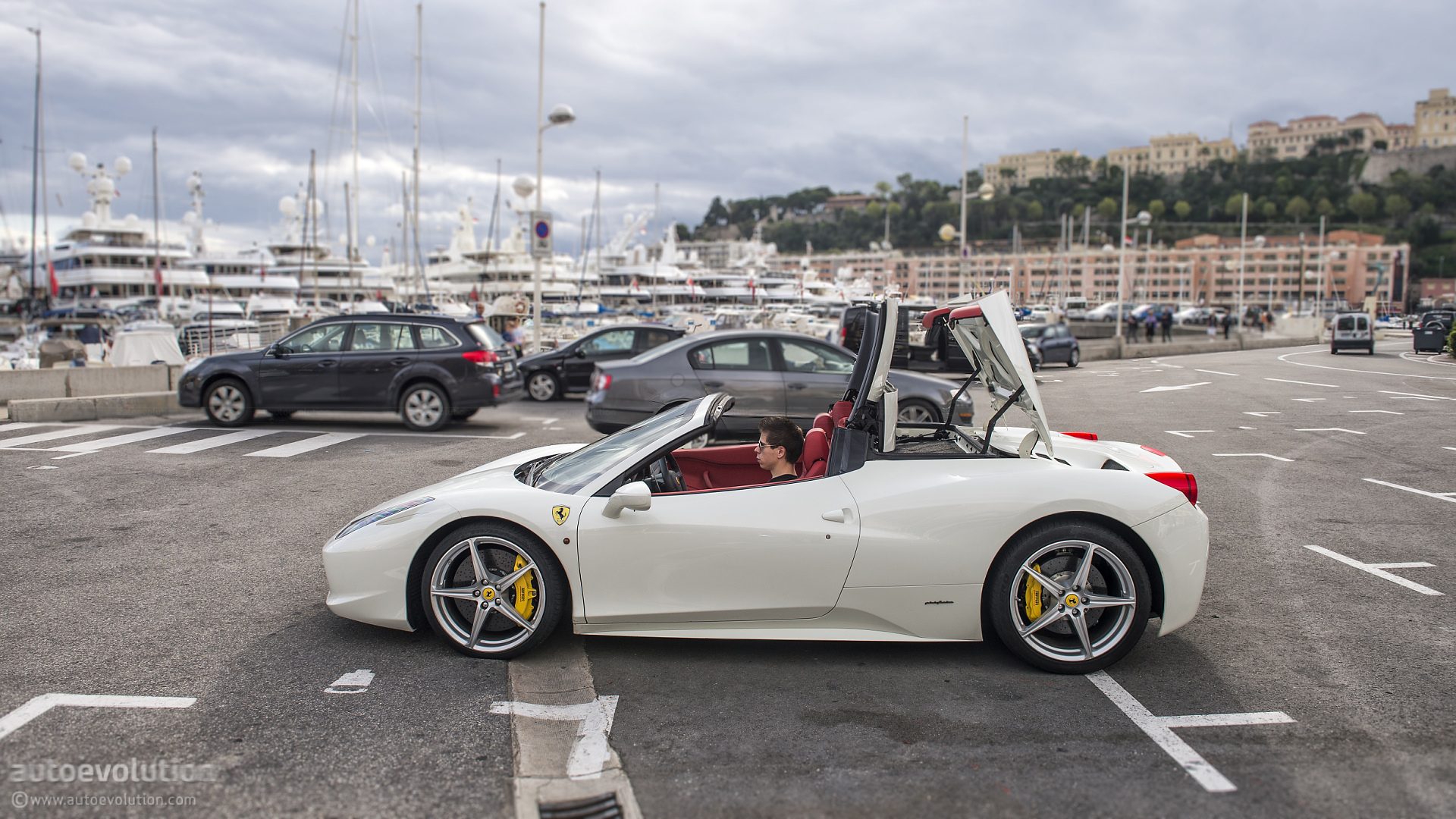
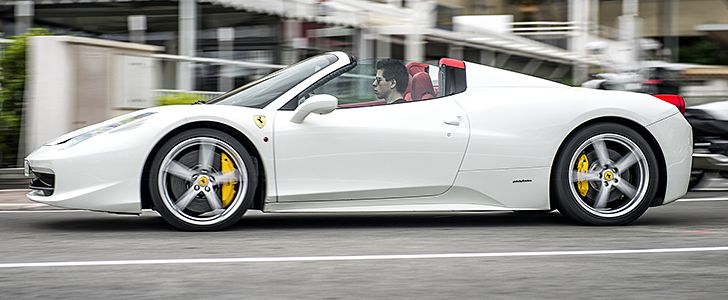
Ferrari reinforced the 458 with a Spider model in 2011 and the company knew that this had to be just as innovative as the Coupe. To achieve this, they came up with the world’s first mid-engined convertible that uses a folding metal roof.
On paper, this means that the 458 Italia Spider has all the right qualities, and a fair dose of extra assets, to deliver an overwhelming experience. We recently set out to see how the pages and pages of innovation that were written into this car can be read on the tarmac.
Before we start our drive, let's pay a virtual visit to the Ferrari archive, so we can trace the roots of the 458. In order to do so, we’ll have to get back to the late 1960s: the era saw the carmaker so determined to exploit the potential of models with less than 12 cylinders, that the company decided to introduced a sub-brand called “Dino”, which would be dedicated to these vehicles. The concept of selling cars without the Prancing Horse badge was dropped by the mid 70s’, but the smaller Ferraris had already become a hit, also marking the debut of volume production in Maranello, so the idea lived on.
The last model to be sold under this sub-brand name, which came from Enzo’s late son, Alfredo Dino Ferrari, was the Dino 308 GT4. This arrived on the market in 1973 and from 1976 onwards it was offered as a Ferrari, not a Dino. It was also the automaker’s first production V8 vehicle, so it's safe to say that it sits at the top of the 458 Italia’s family tree.
If we shift the focus to 458 predecessors that are a bit more likely to be seen on the street today, we’ll move on to 1994, when the Ferrari F355 was launched. This was a brilliant car for its time, but the true junior Ferrari that introduced a new approach for the Prancing Horse was the one that replaced it, the 1999 360 Modena. This was the first Ferrari to use an aluminum spaceframe chassis and it had also seriously upped the ante on the electronics integration and reliability fronts. The 2004 F430 that followed used a linear evolution for the upgrades it brought and it managed to become a benchmark for the supercar genre.
In the end, the Dino may have marked the debut of a new, more affordable and usable breed of Prancing Horses, but it is the 458 Italia that takes this bloodline to a whole new level from the technical point of view.
The Ferrari 458 might wear the Pininfarina signature, but the car was shaped by the airflow just as much as it was by the pencil. The design house learned quite a lot of lessons from the Prancing Horse’s Formula One activity. The result is obvious even before you get to drive the car, as the all-aluminum 458 doesn’t use any aerodynamic element that stands out.
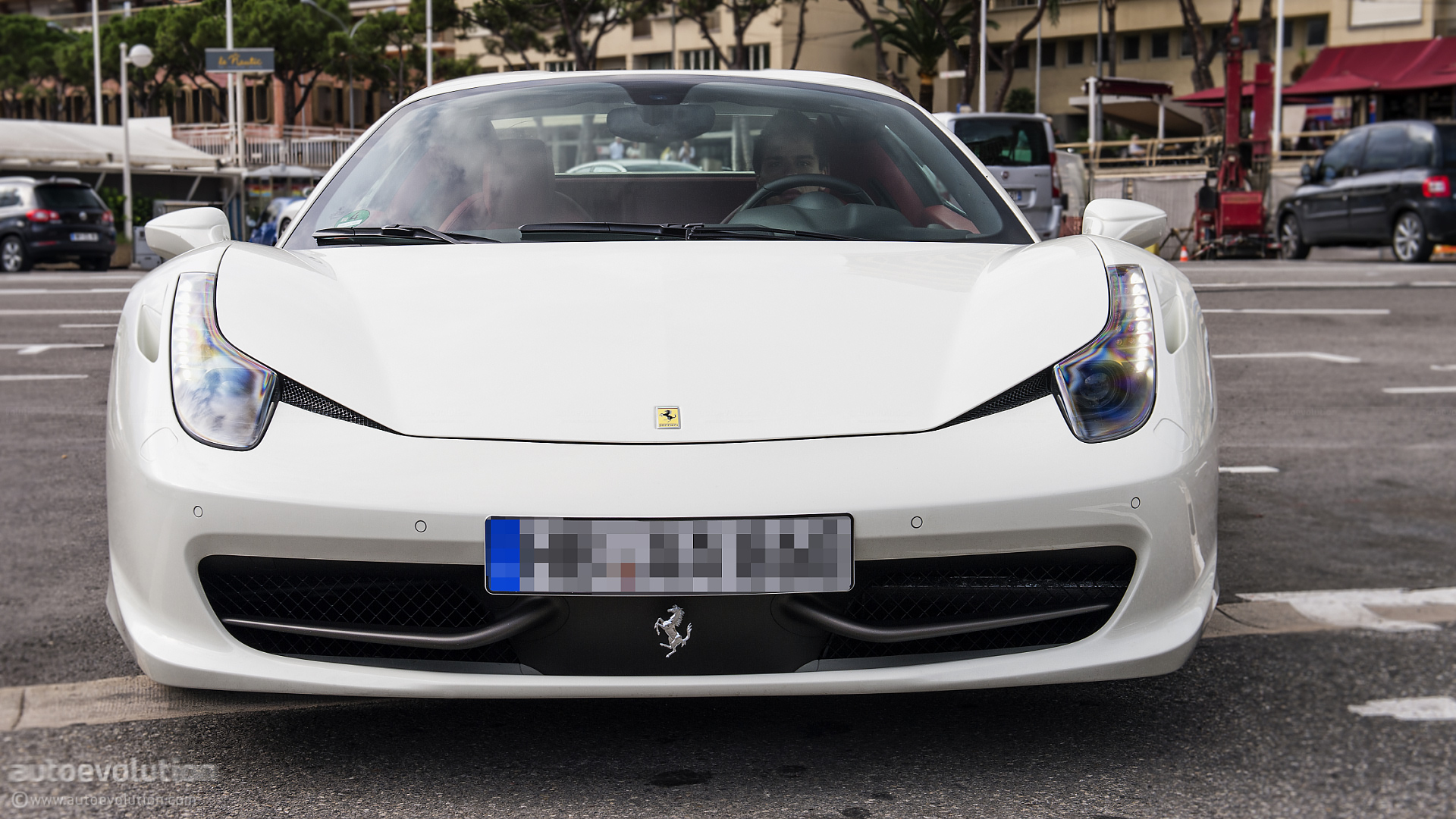
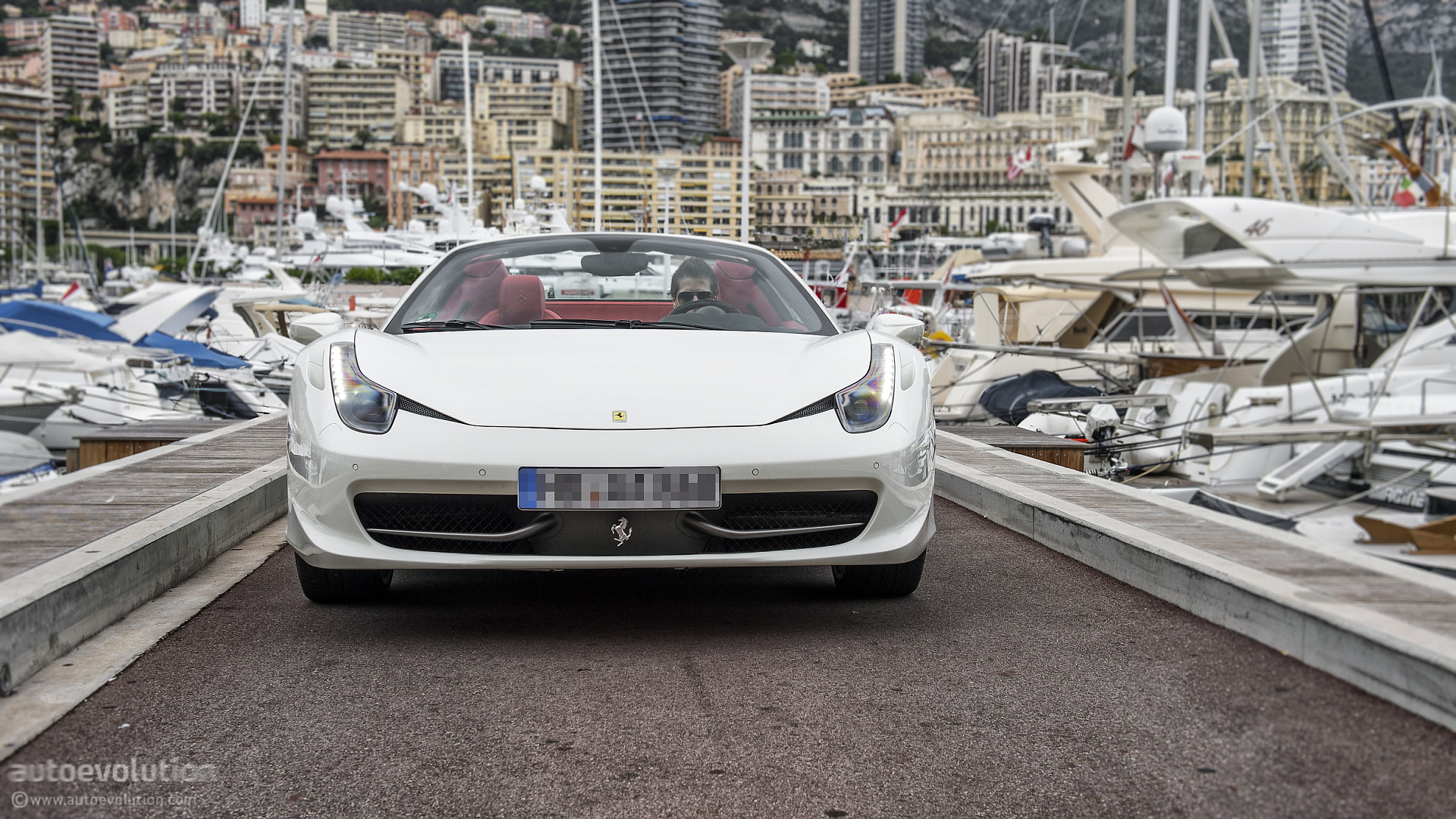
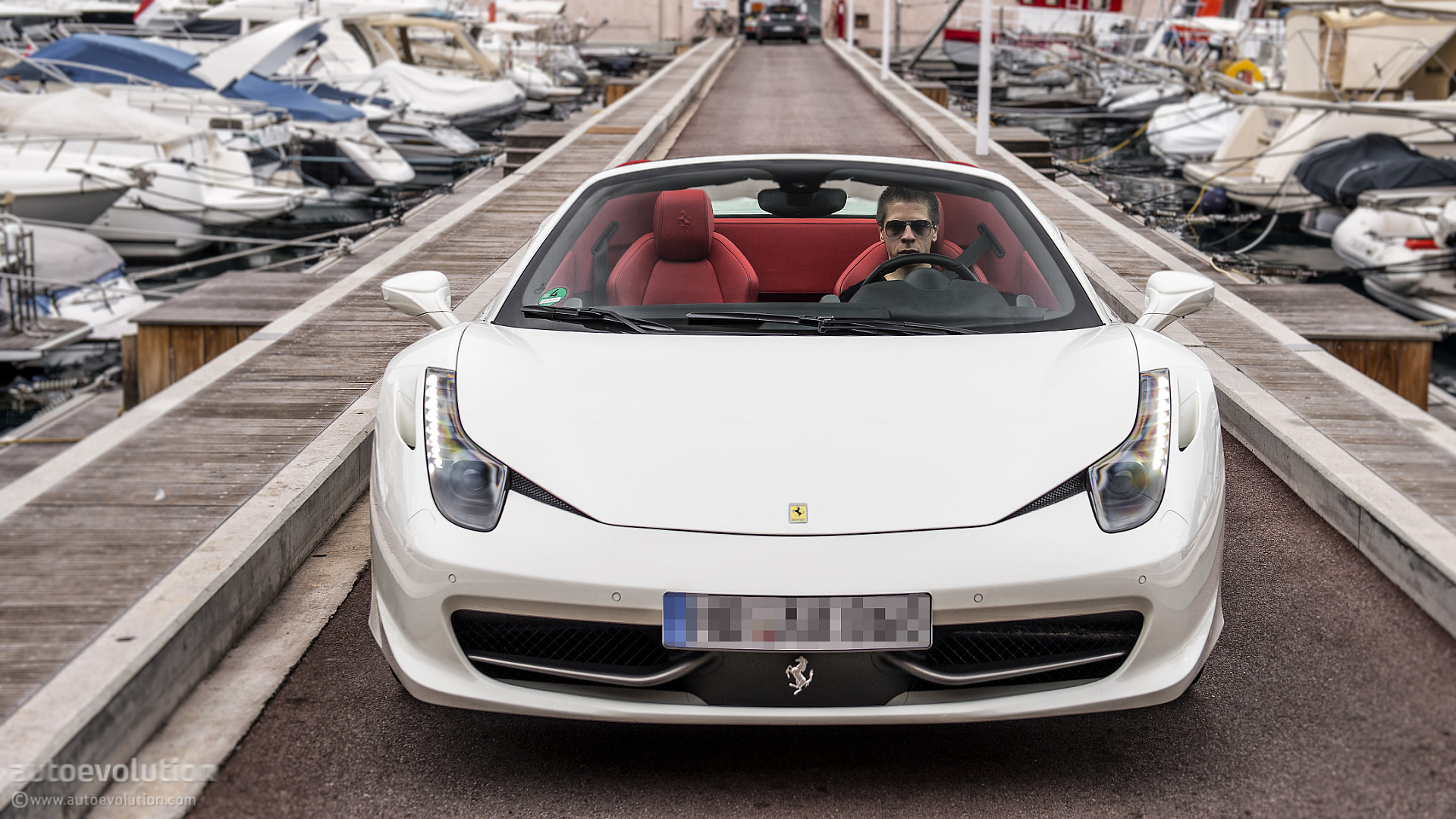
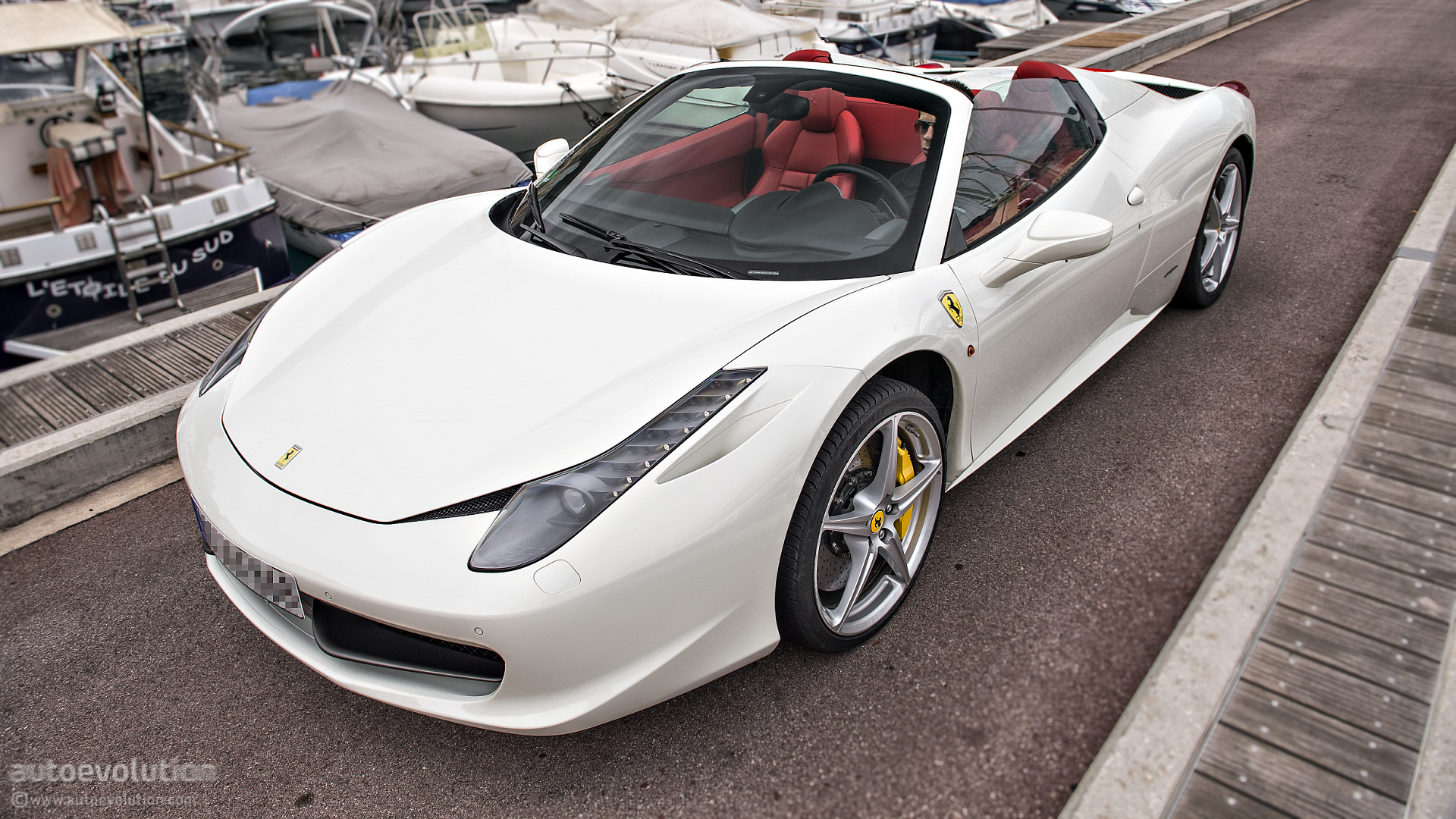
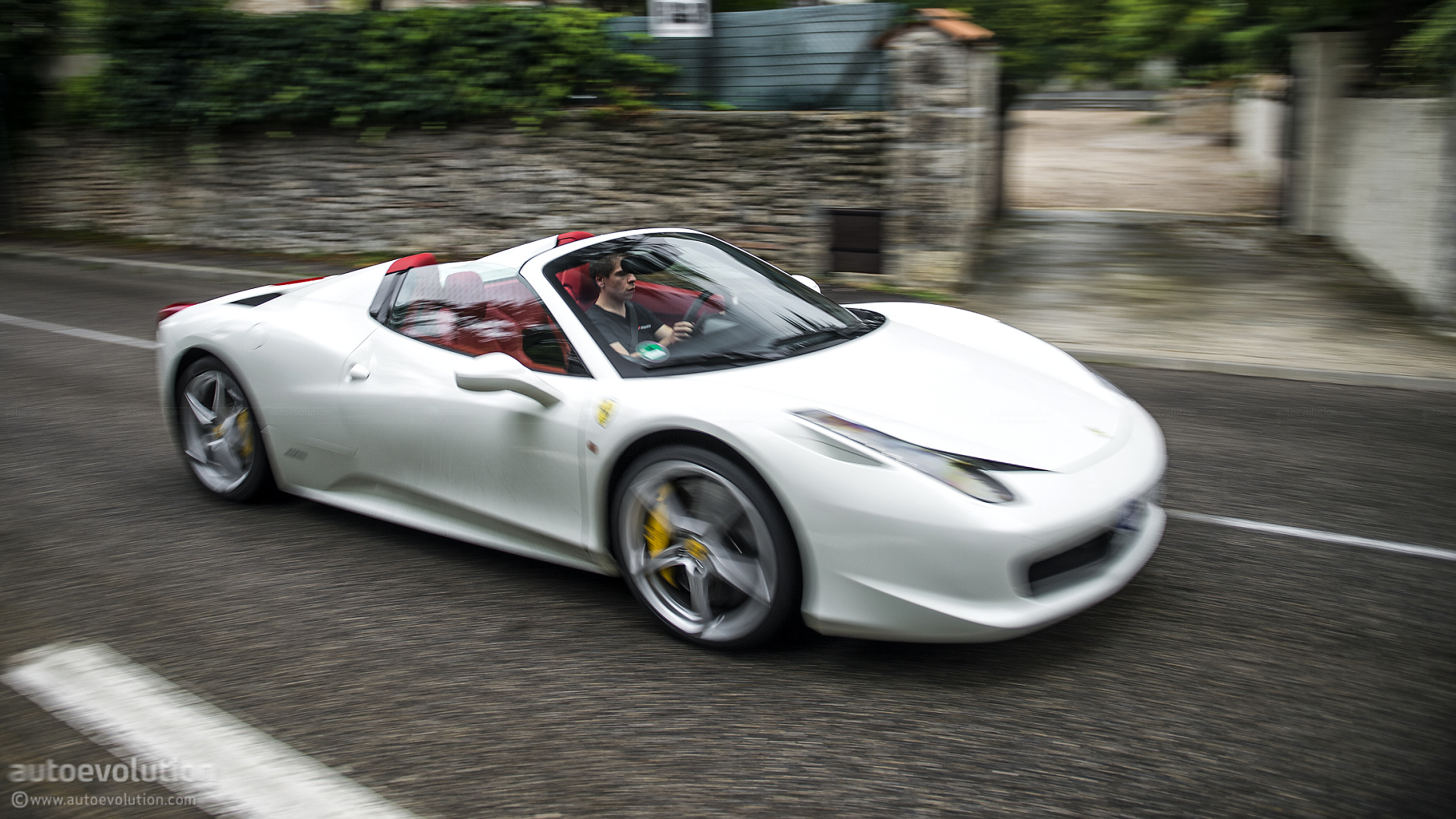
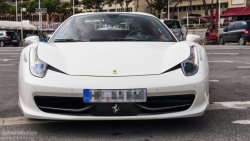
The front fascia uses both simple and complex elements. The front grille and side air intakes of the 458’s predecessors have merged into a single element, which features two generous air intakes that direct the air towards the engine cooling radiators and the flat underbody of the car. Ferrari also introduced intelligent aerodynamics, with the front bumper housing two elastic winglets. These generate downforce and, as you go faster, they change their shape and create a smaller section through which air enters the radiator intake, thus reducing drag.
Moving on to the air intakes placed on the inside of the headlights, we have to tell you that these channel the air towards the front brakes and then send it outside, using two vents located on the exterior of the headlights. Aside from cooling the brakes, this scheme also minimizes lift over the front wheel arches. As for the headlights themselves, these have an elongated shape that includes the actual eyes of the car -the Bi-Xenon pivoting main lens (optional), as well as eyelashes - two stacks of 20 LEDs used for the daylight running lights.
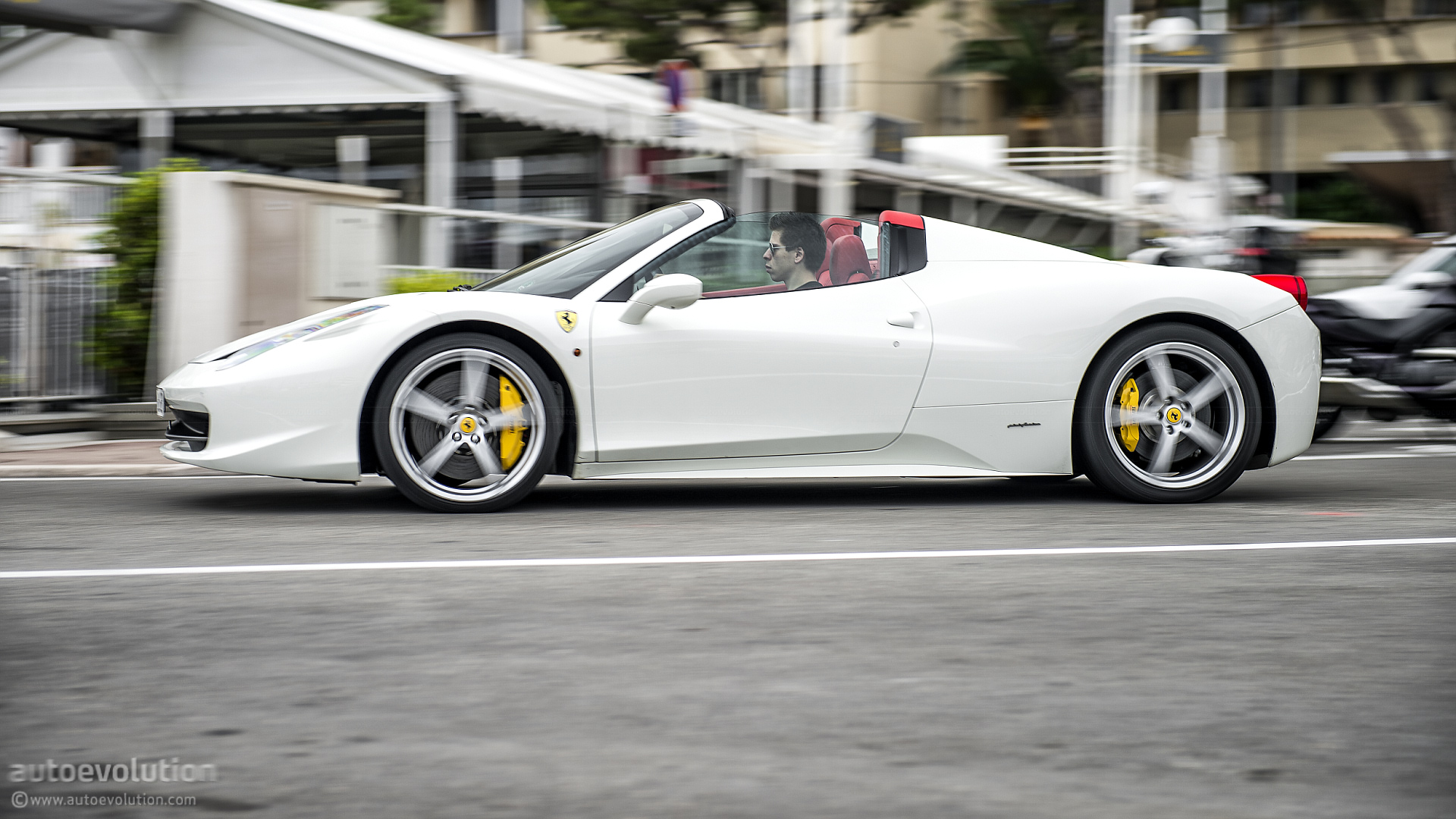
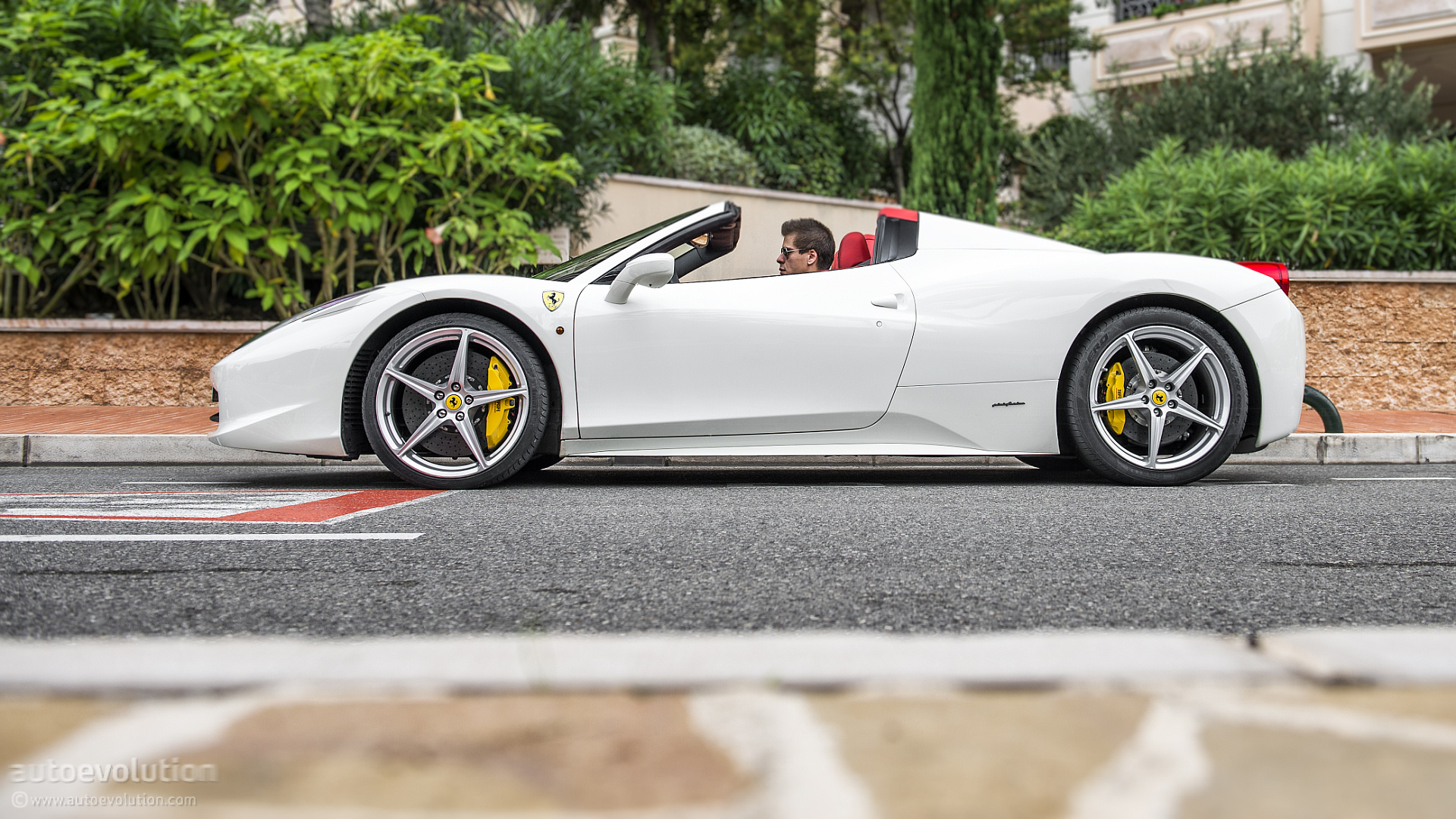
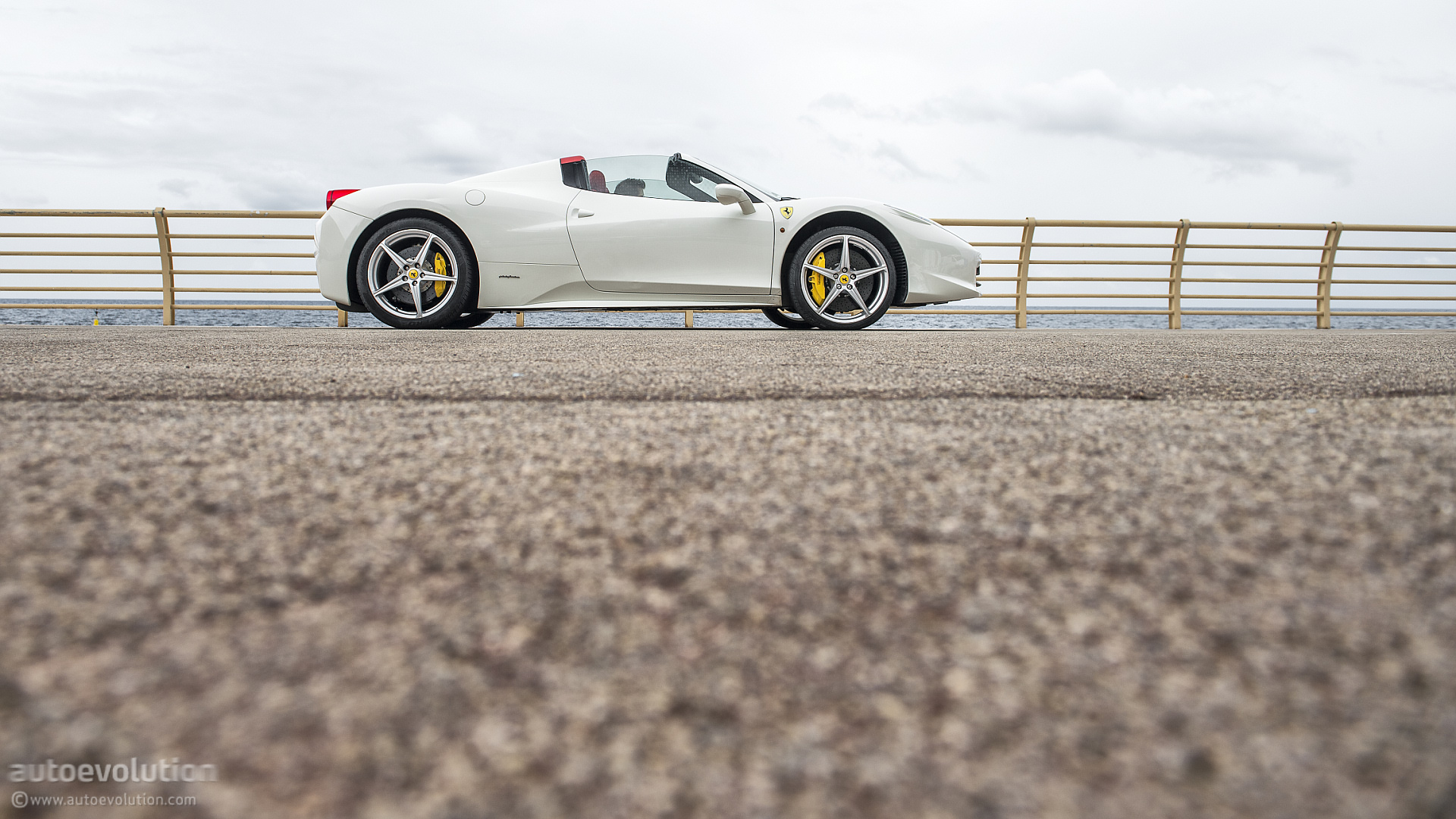
The front of the supercar didn’t require any modifications for the vehicle to be transformed into a convertible, with the changes starting from the A pillars onwards. The 458 Italia Spider is the first mid-engine convertible in the world to use a folding metal top. We are talking about a two-piece aluminum roof that can be folded not in between the engine and the passenger cell, but over the powerplant.
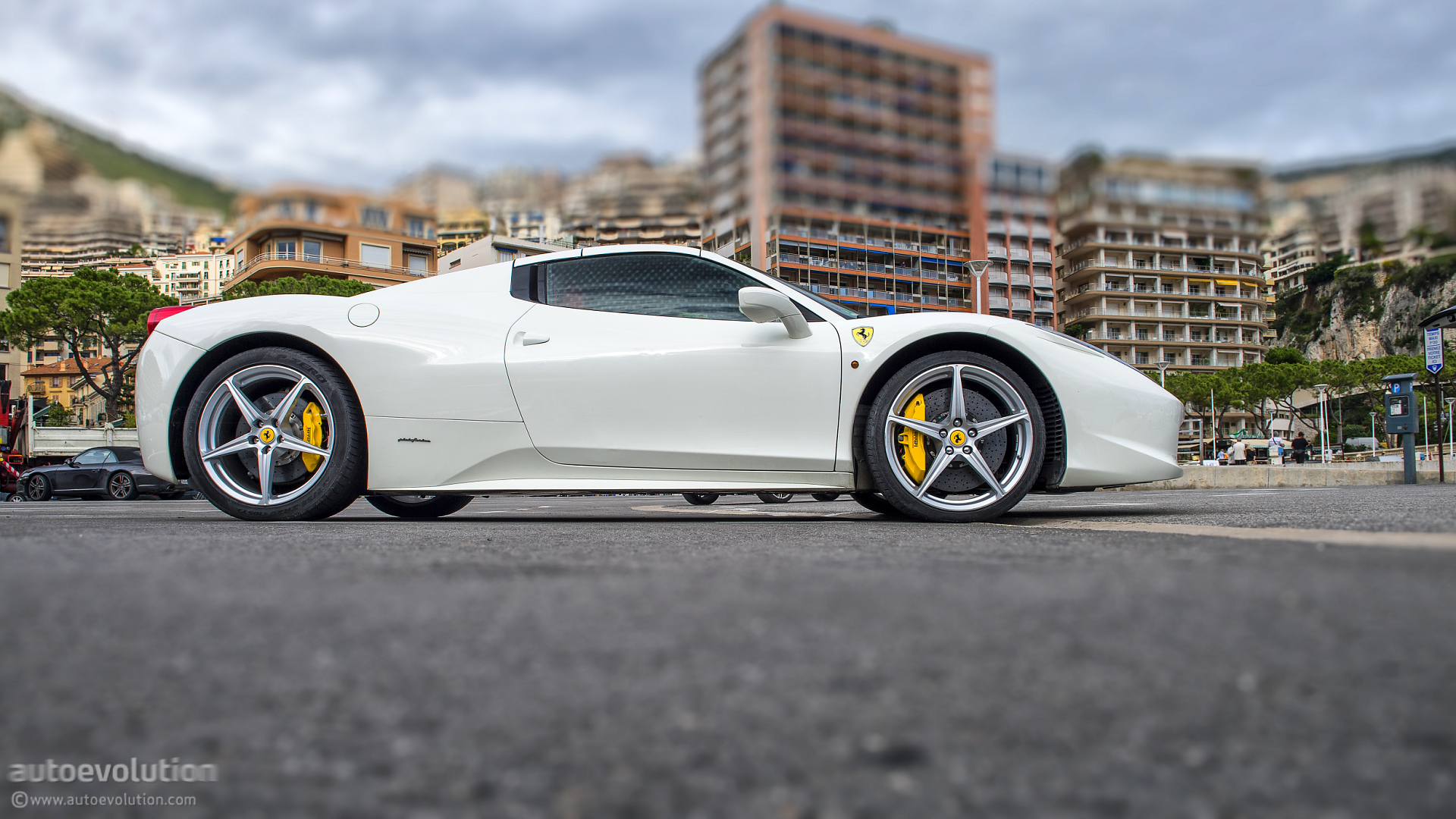
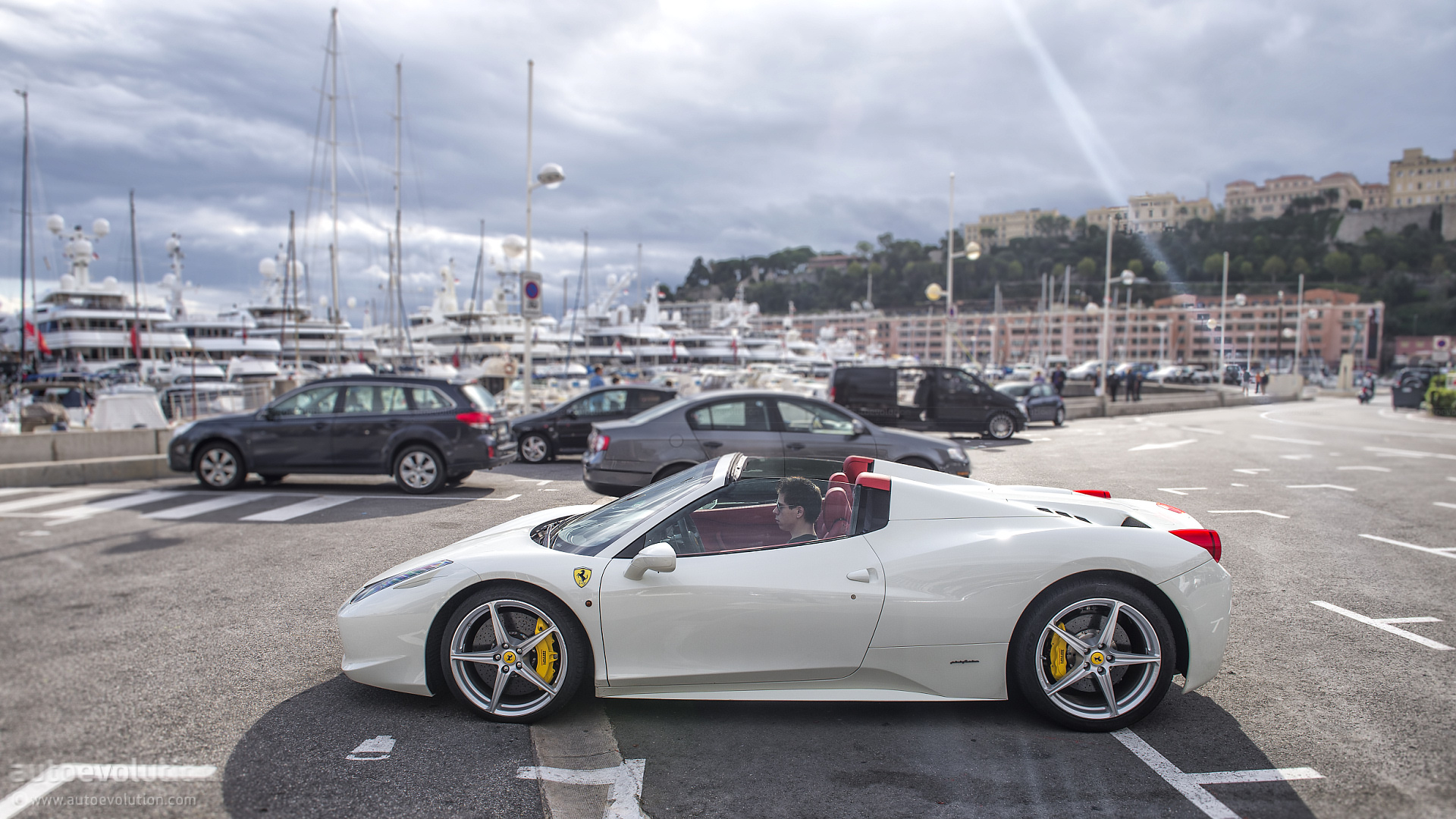
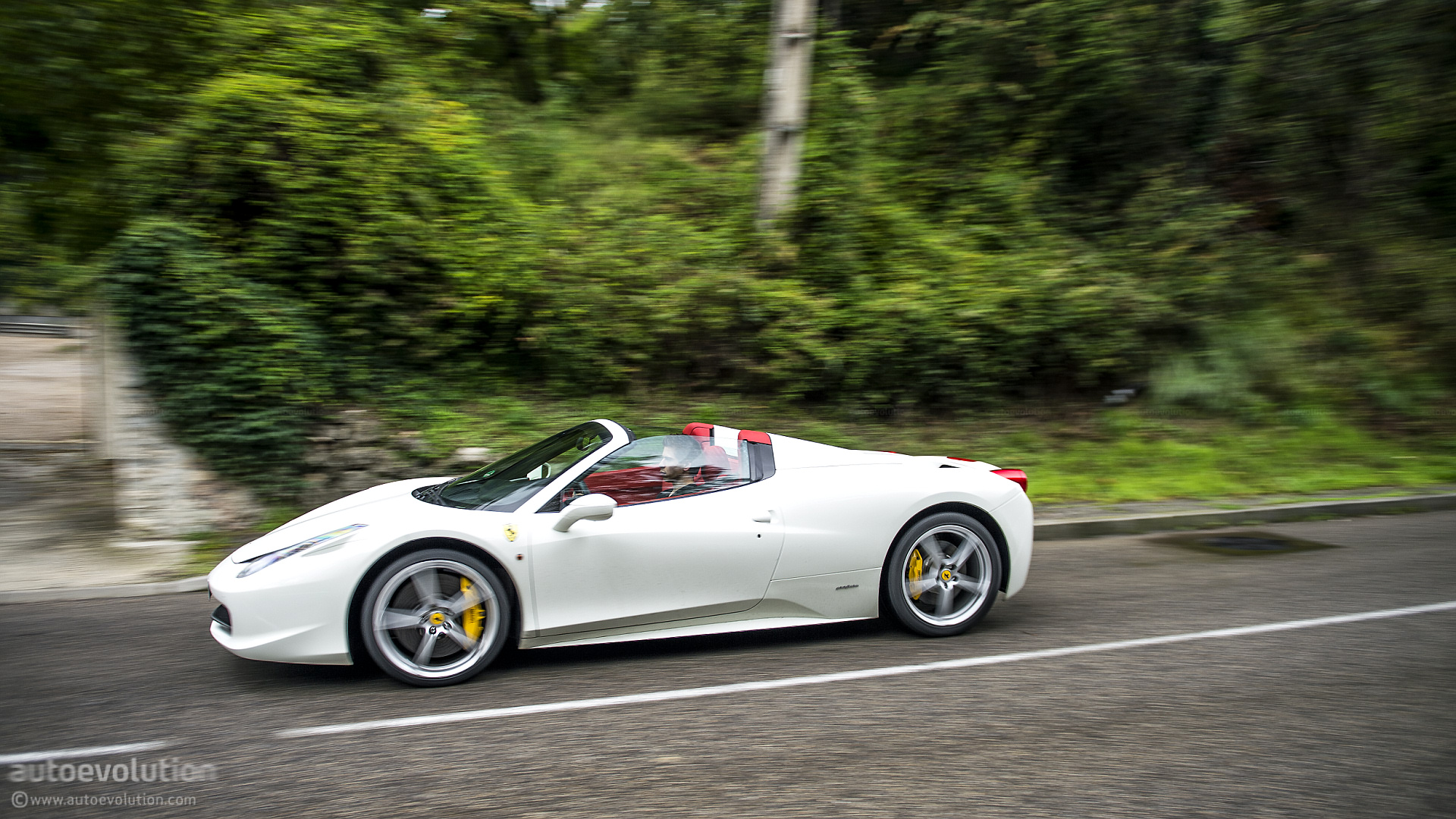
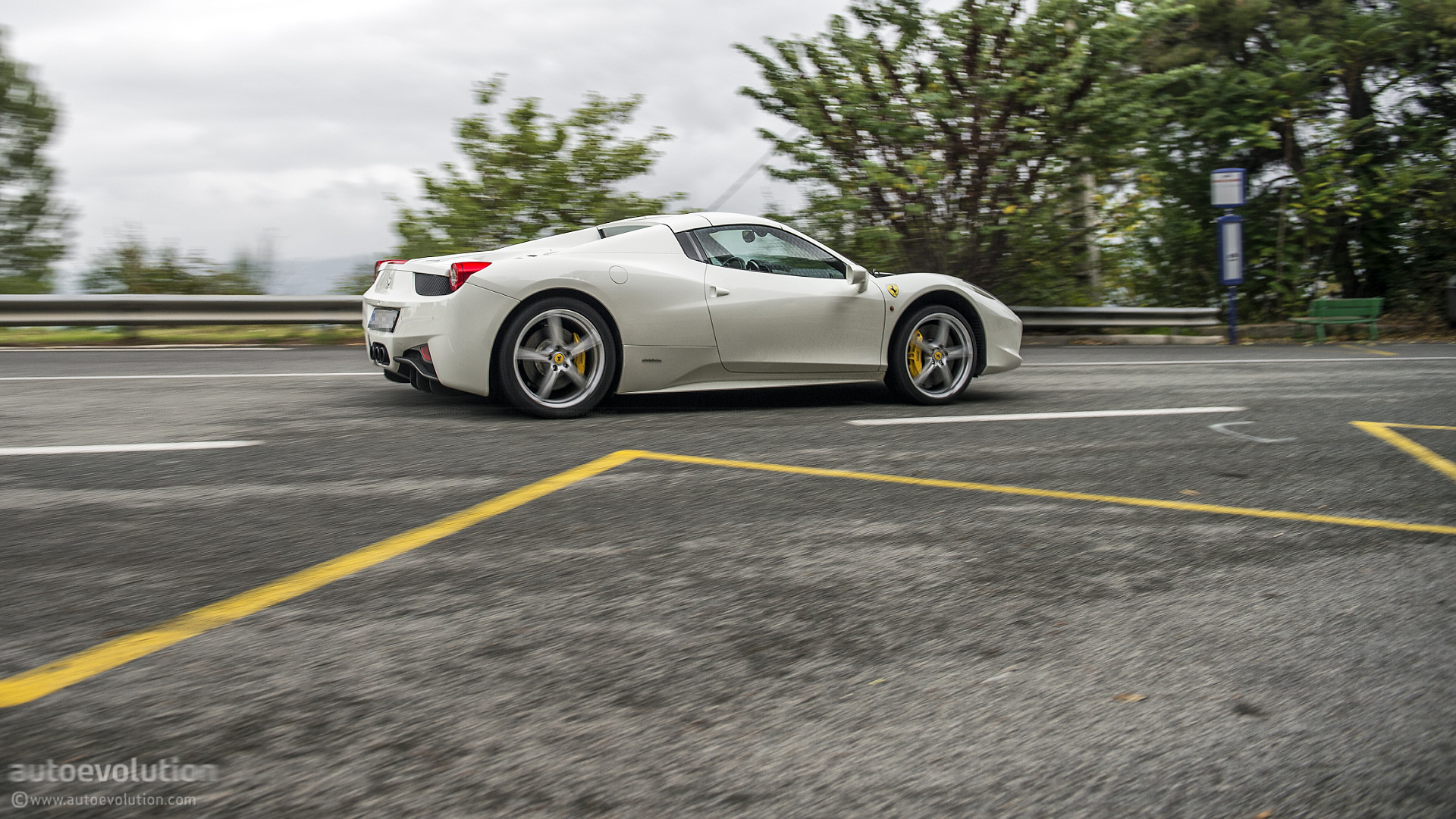
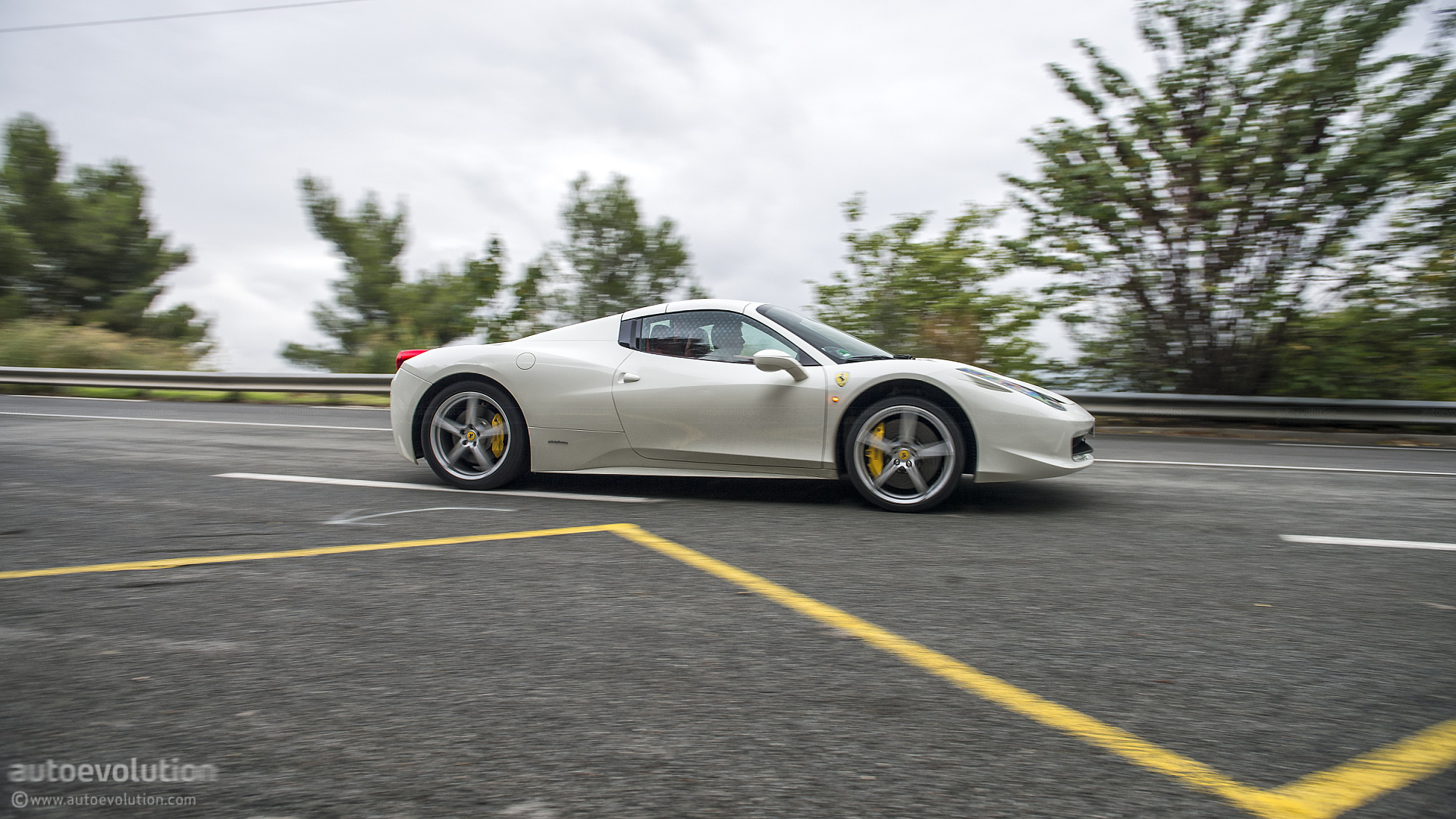
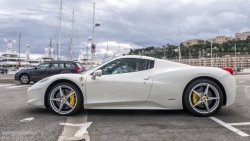
Speaking of the 458 Spider’s roof, the first impression you get when see a Ferrari 458 Spider with its top down is that you’re looking at a Targa machine. This idea partially fades away as you get closer to the car and notice that it actually offers a fair degree of open-air space.
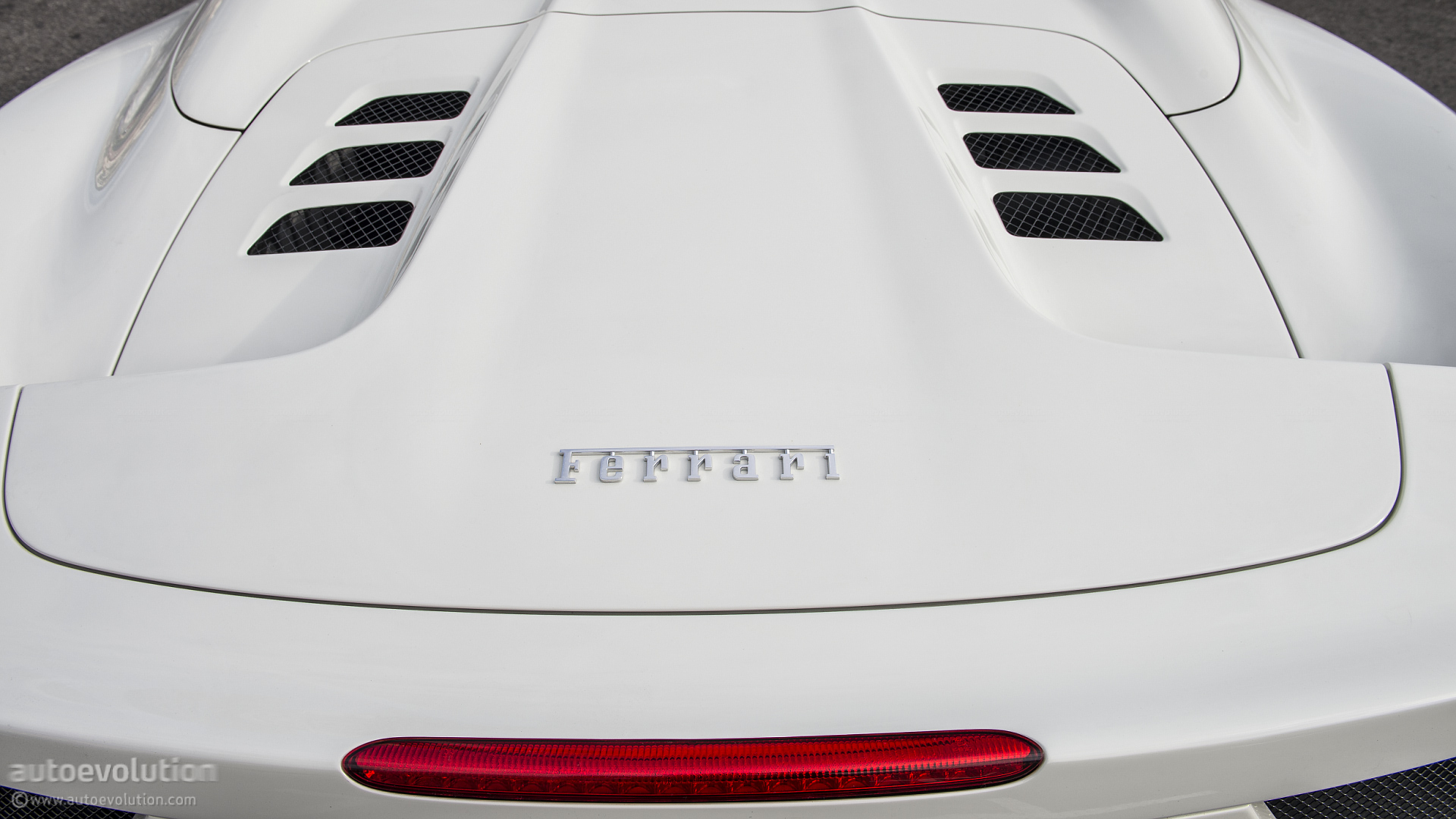
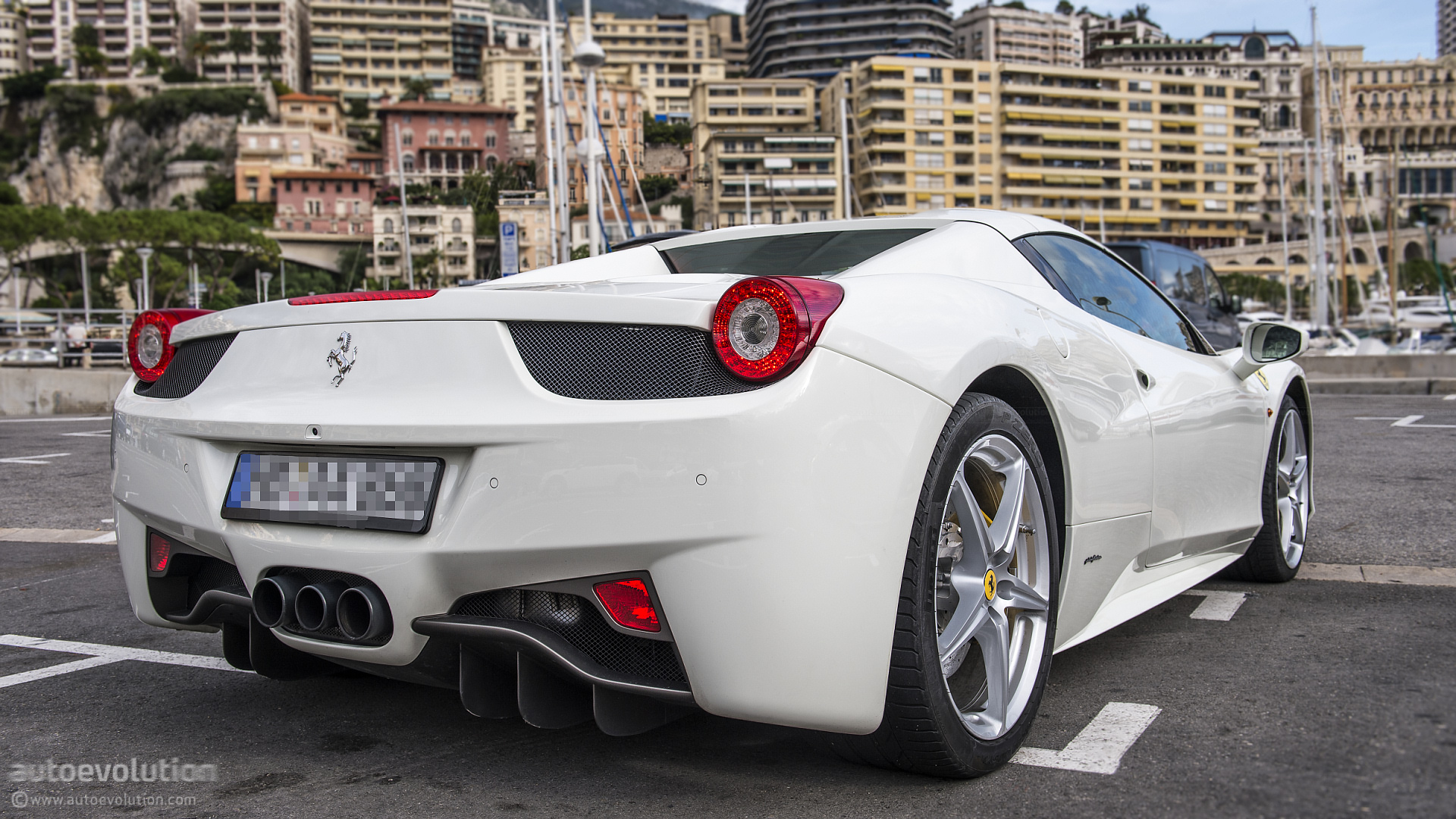
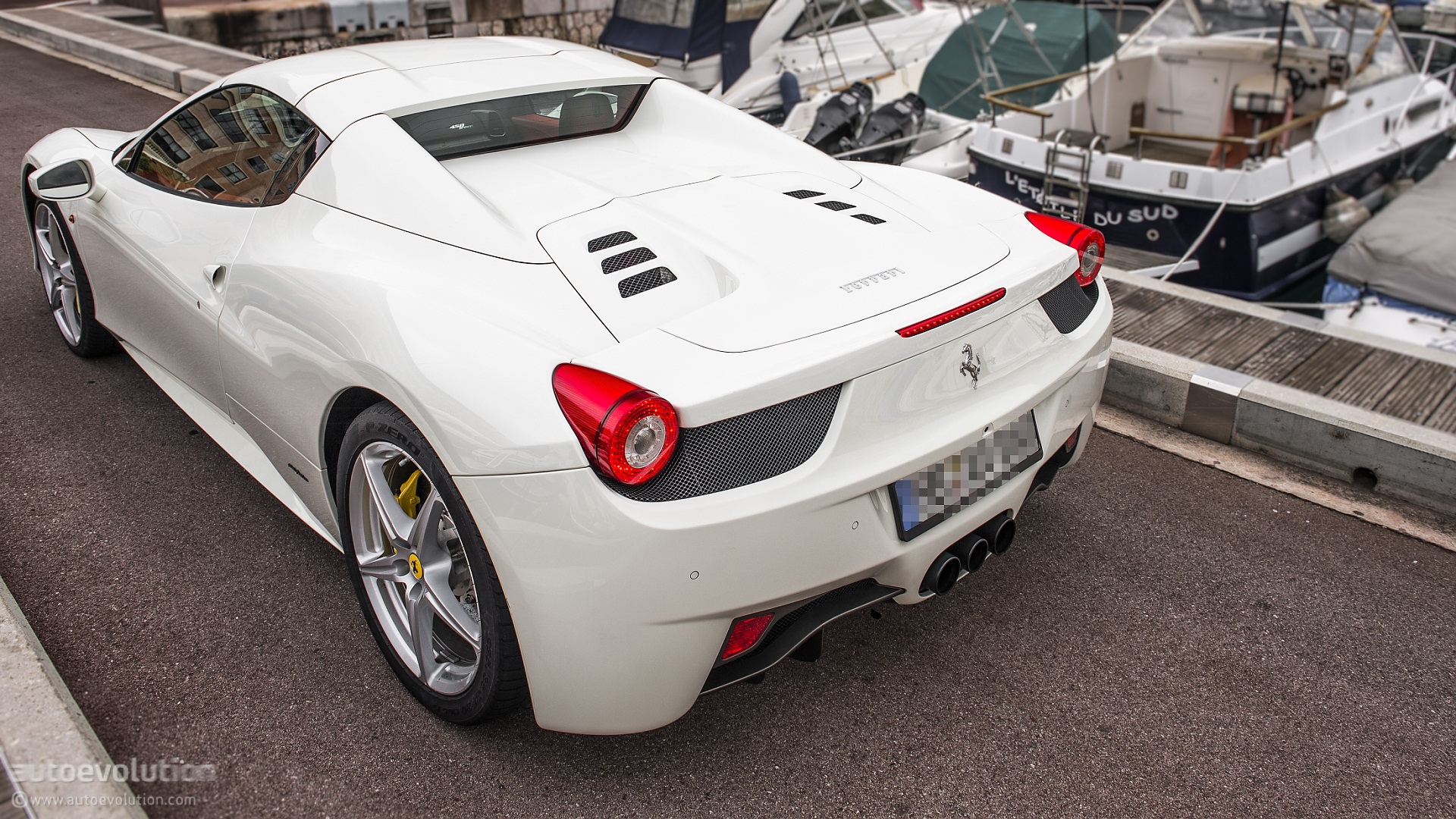
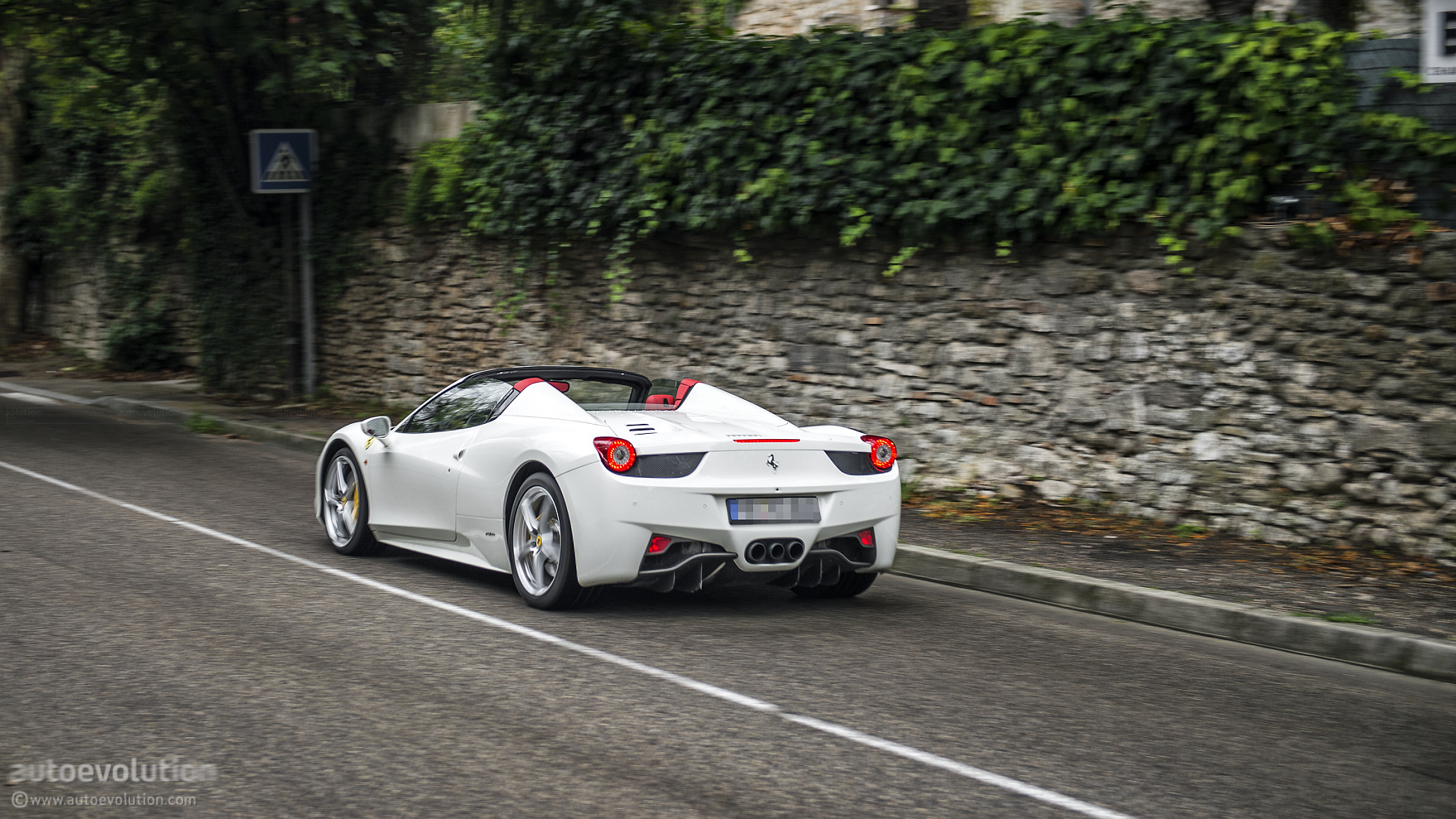
Once your eyes go past this point of the car, you notice the differences found at the rear of the vehicle. First of all, the glass engine cover is gone, since the top of the engine compartment is now occupied by the folding metal roof.
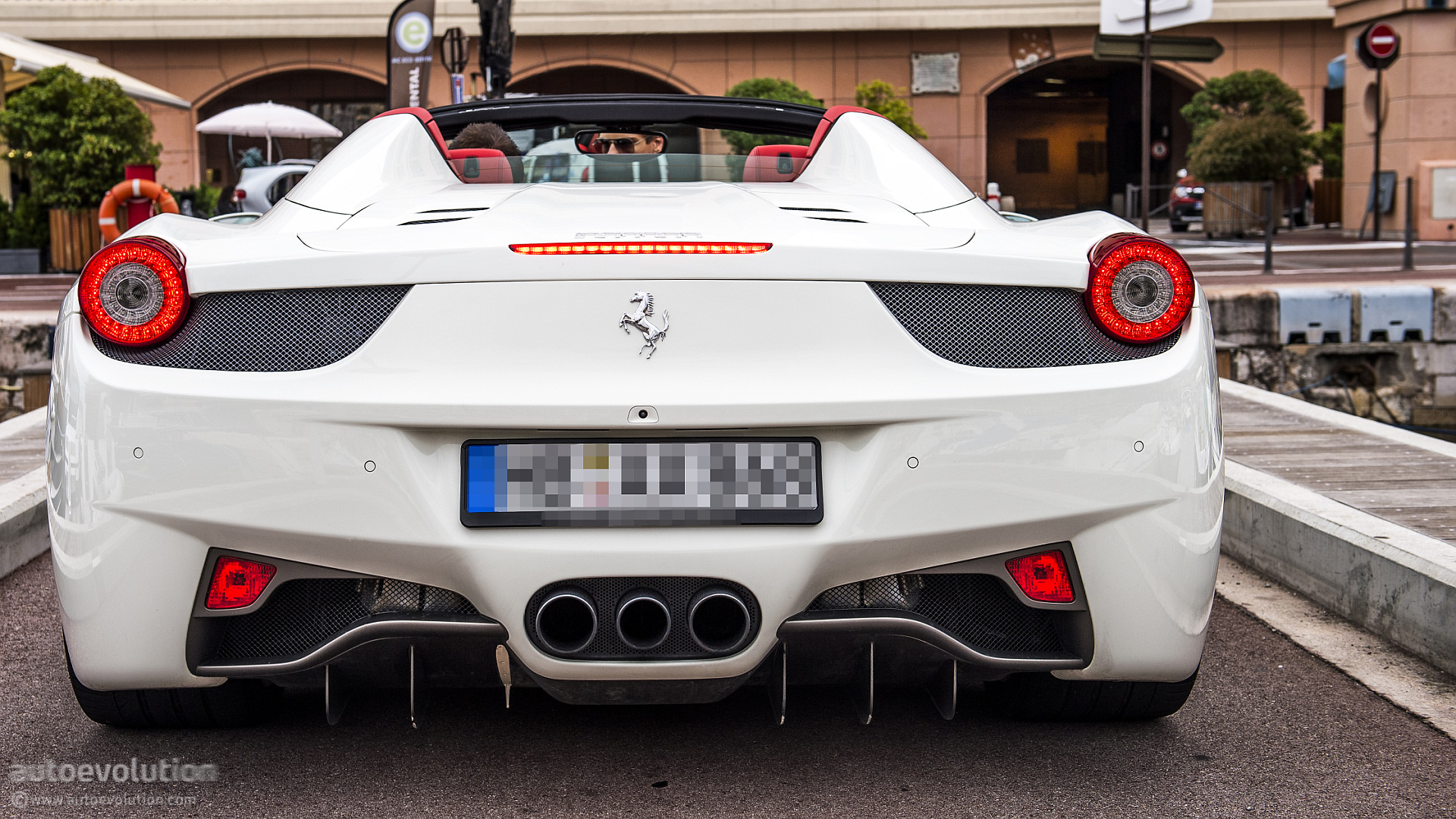
The cabin ends in a pair of buttresses, hence the aforementioned Targa appearance of the car. These not only reduce turbulence, but also act as roll-bars and channel the air towards the intakes located at the back of the vehicle. Five of the 458’s 570 hp come from the ram effect brought by these air intakes at full speed, so the increase in size for the Spider also boosts this, but apparently not by a quantifiable amount. The scoops also serve for cooling the clutch and gearbox oil, while the hot air that comes out of the radiators hidden behind them is sent directly into the slip stream to reduce drag.
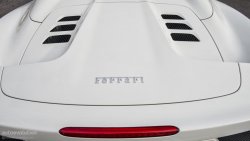
We also find six air vents on top of the engine cover and since we’ve reached this point of the car, we mustn’t forget the keel shapes on the vehicle’s sides, which channel air past the rear wheels.
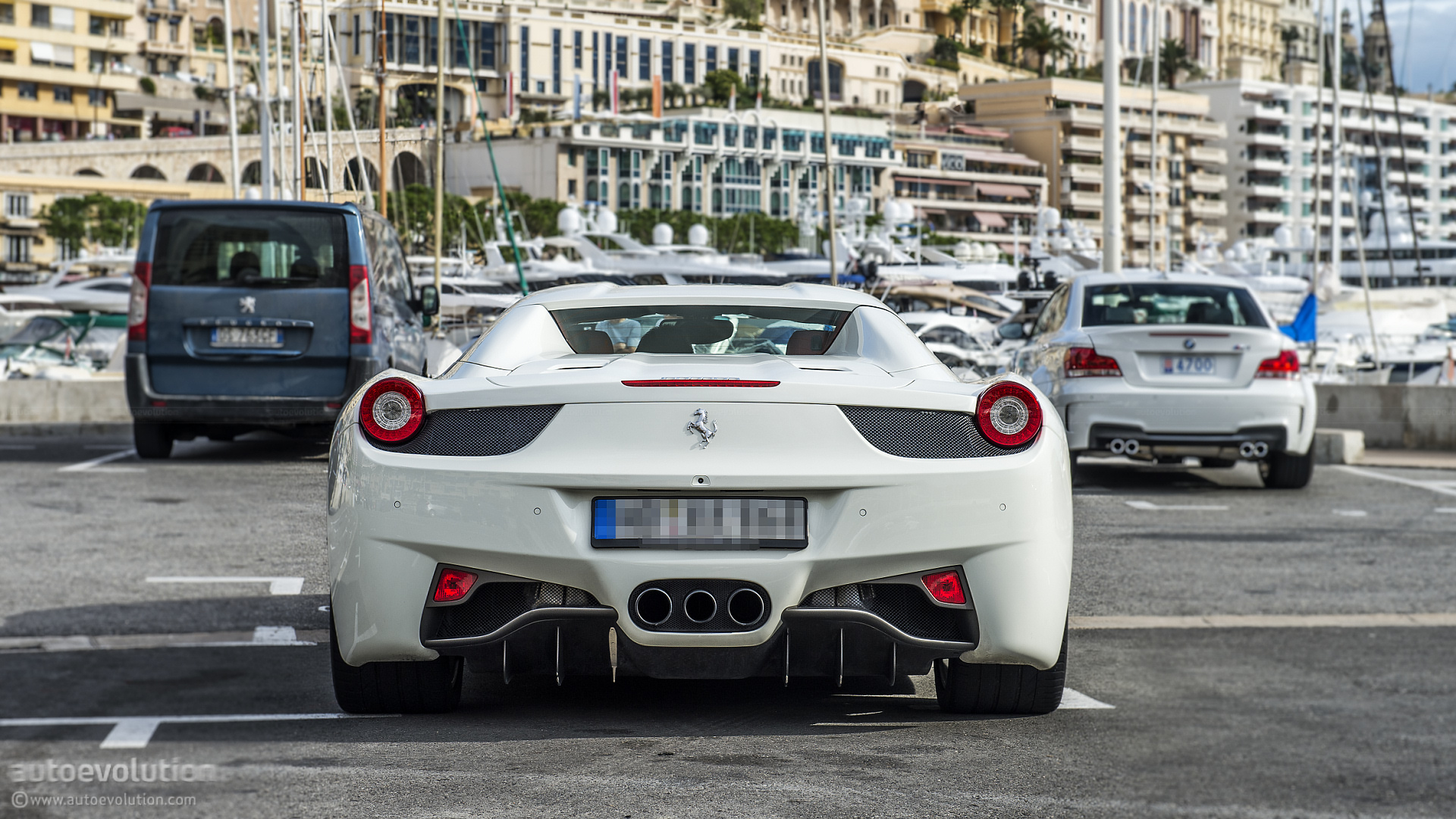
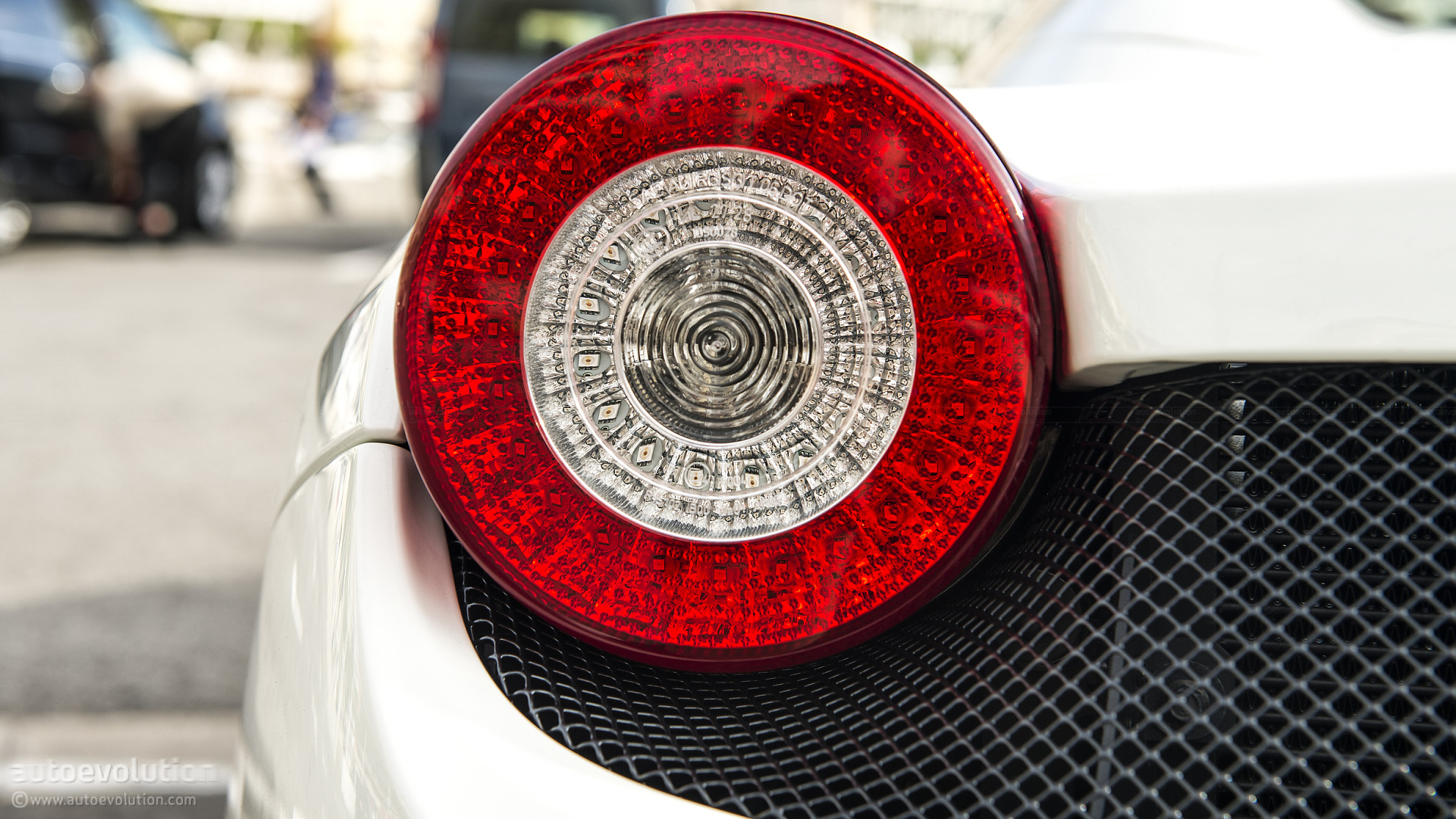
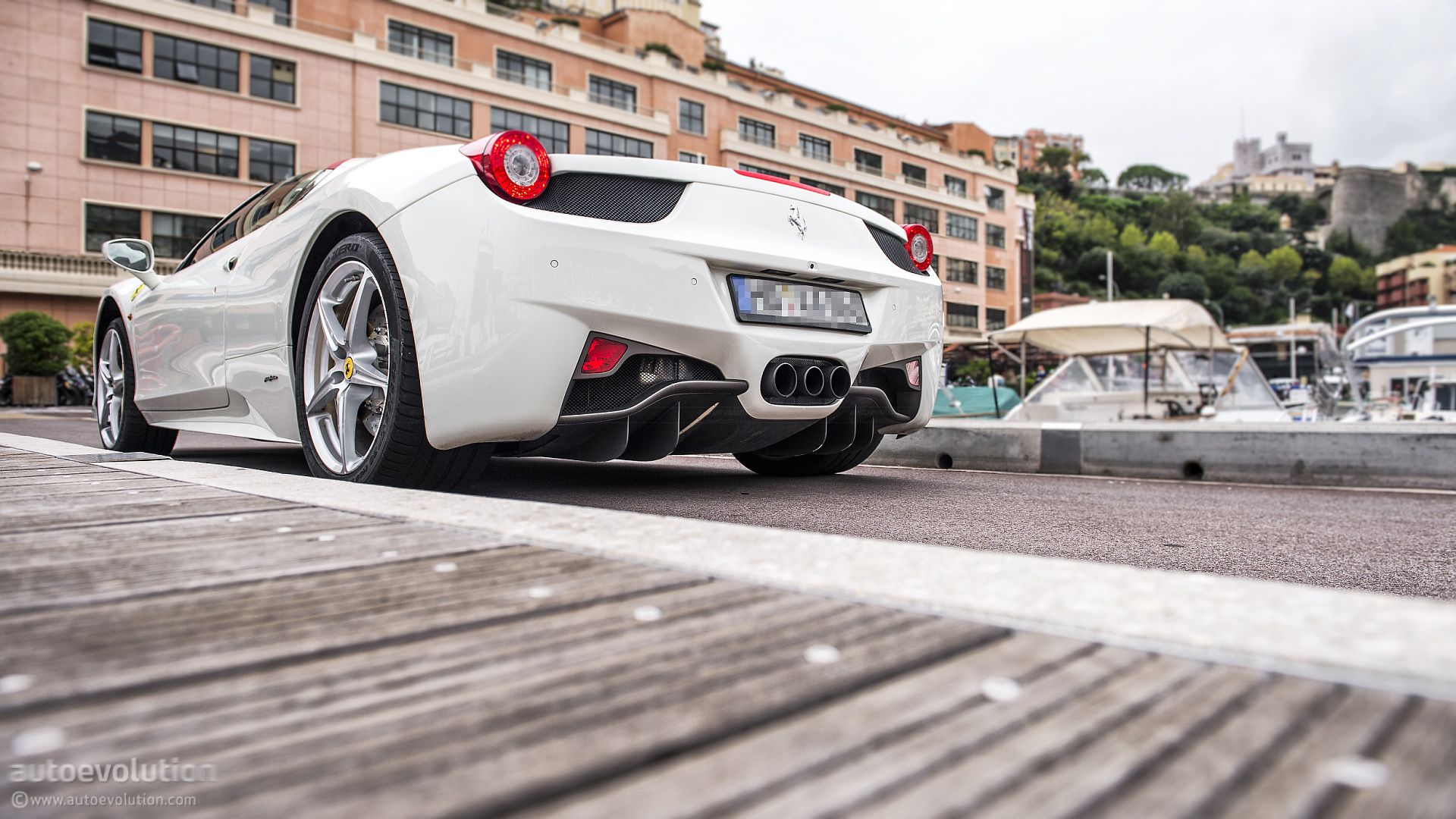
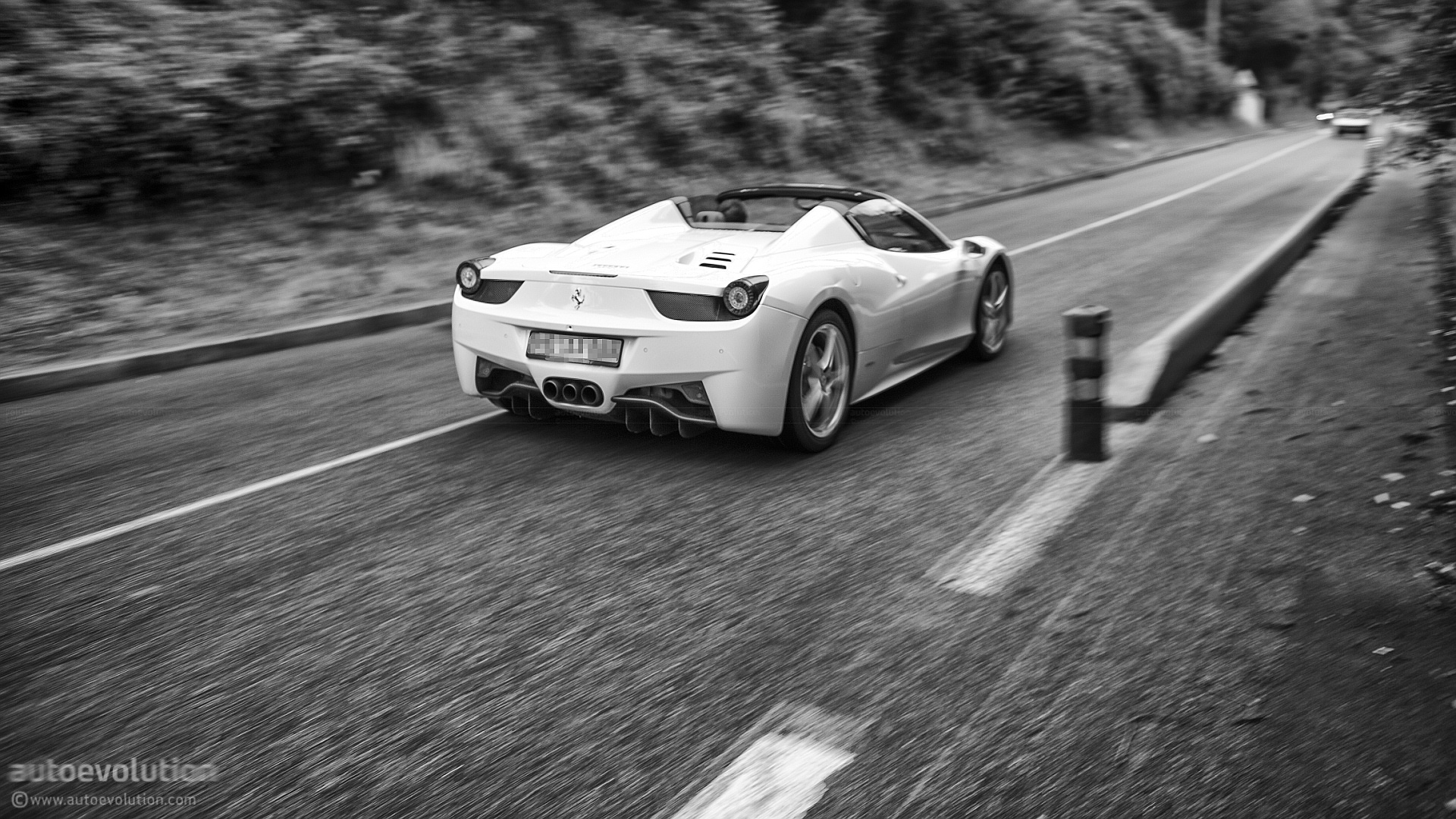
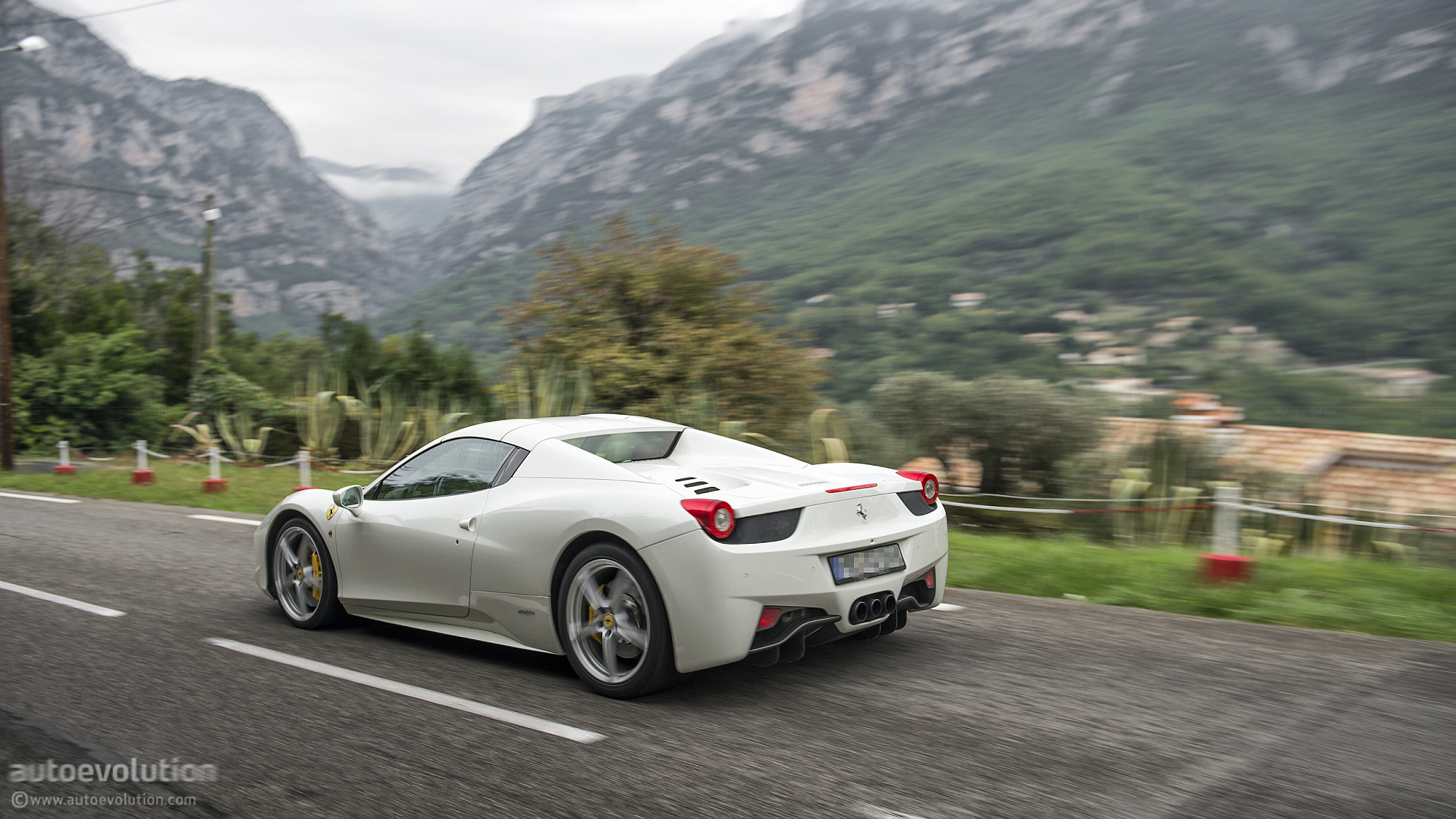
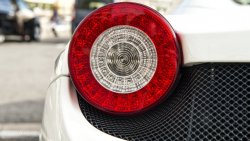
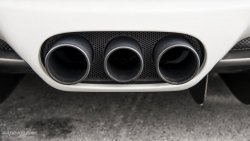
Moving to the rear end of the 458, we notice the lack of any wing, be it big or small, fixed or mobile. Ferrari tells us that there’s no need for one. Below we find a pair of rear lights that remind us of the Enzo, but now we have two instead of four. Going even lower, we see the F40-inspired triple exhaust design and the all-important diffuser.
We didn’t mention the air intakes that feed the engine bay because these aren’t found on the car, but under it. They can be found on the flat underbody, with the air pressuring differences sending a breeze straight into the engine compartment. They’re placed at the back of the car and also increase downforce.
The result of all that hidden work is the fact that, despite the massive downforce generated by the car, its lines stay clean. Thus when you think of the 458, you have a distinct silhouette in your mind, without any visual disturbance. Goal achieved.
When it came to developing the interior of the 458, Ferrari once again made extensive use of the blood, sweat and tears it has shed on F1 tracks throughout its history. This has brought both positive and negative results for the supercar’s cabin and we shall start with the first.
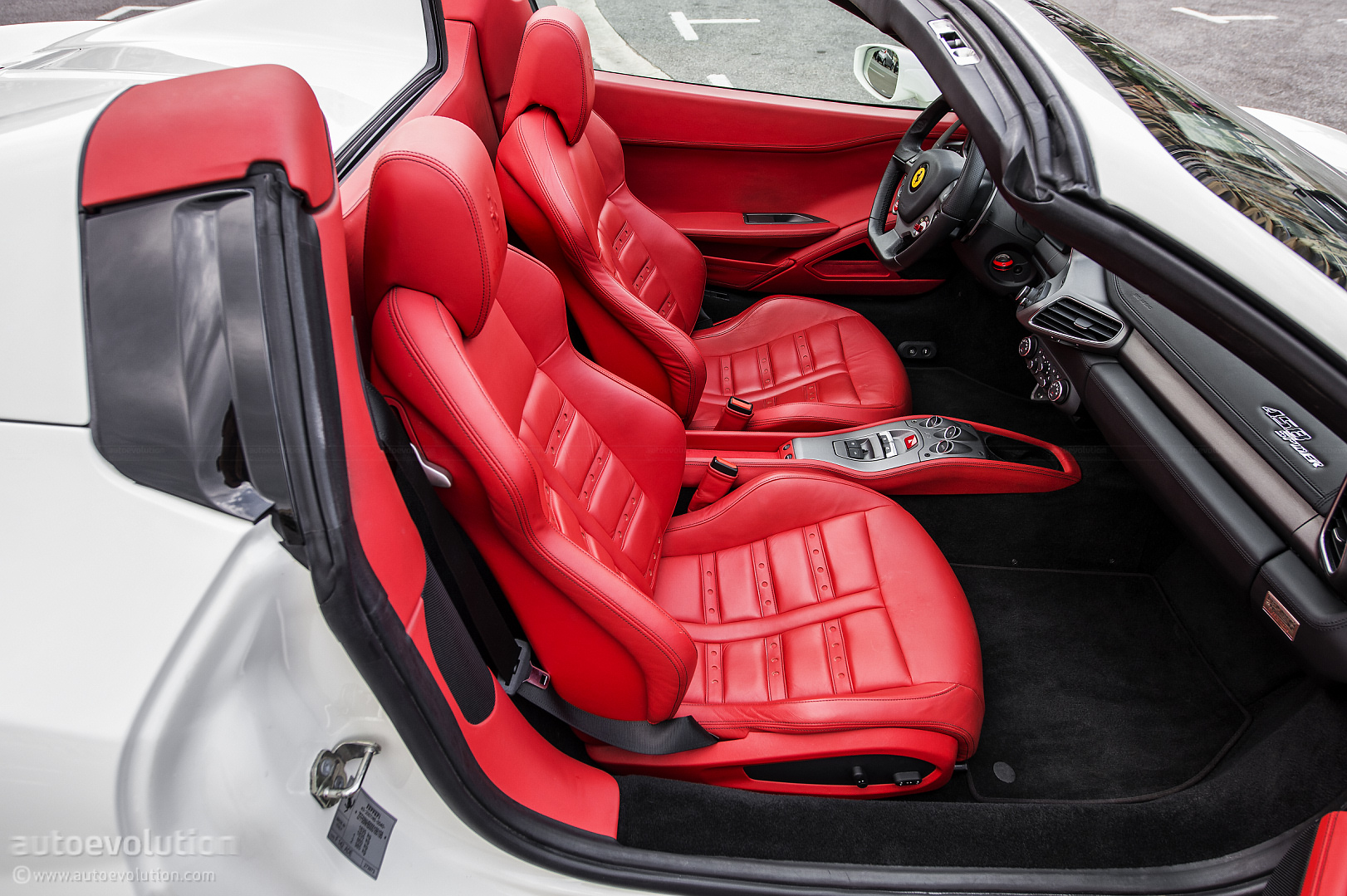
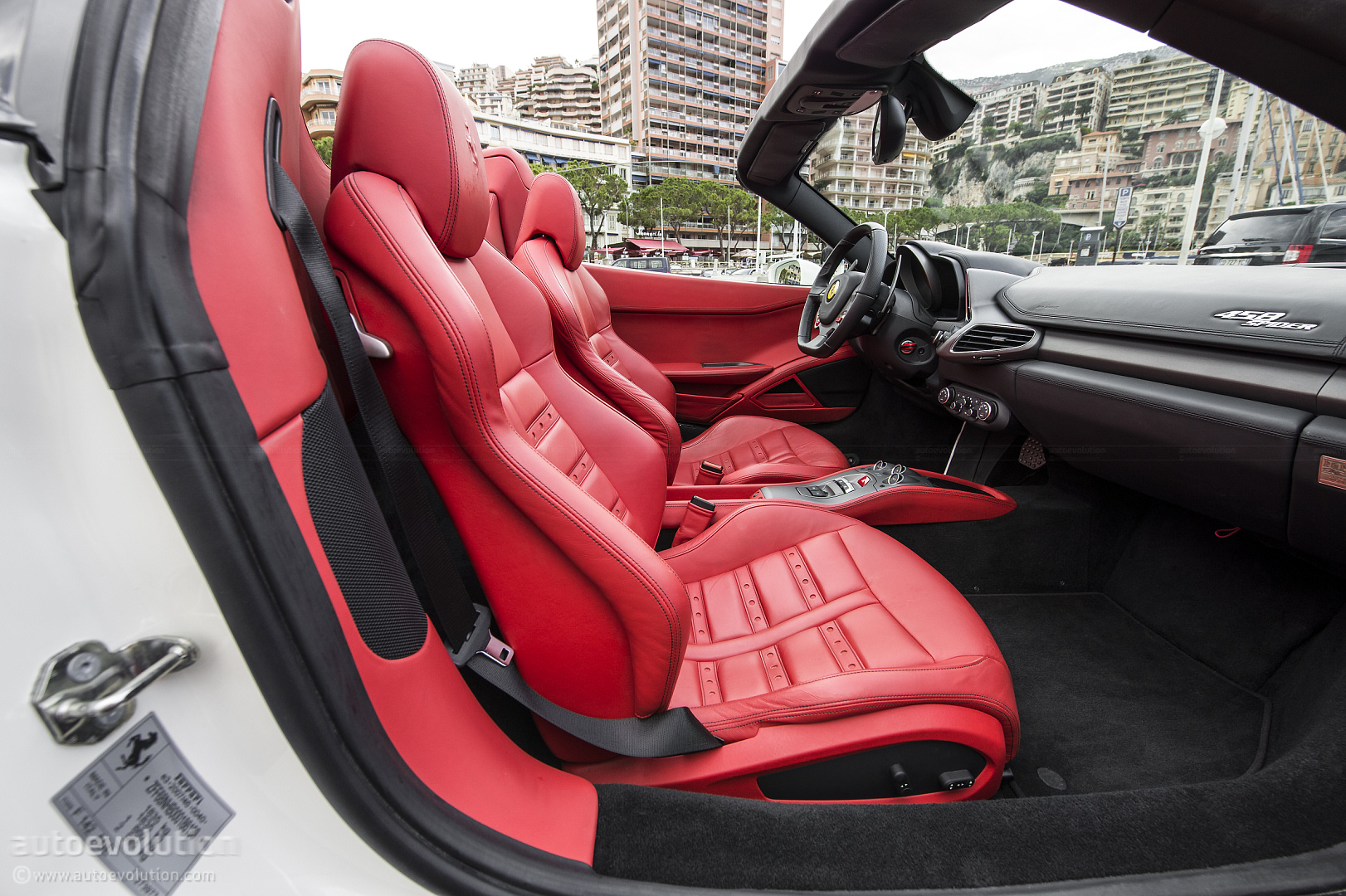
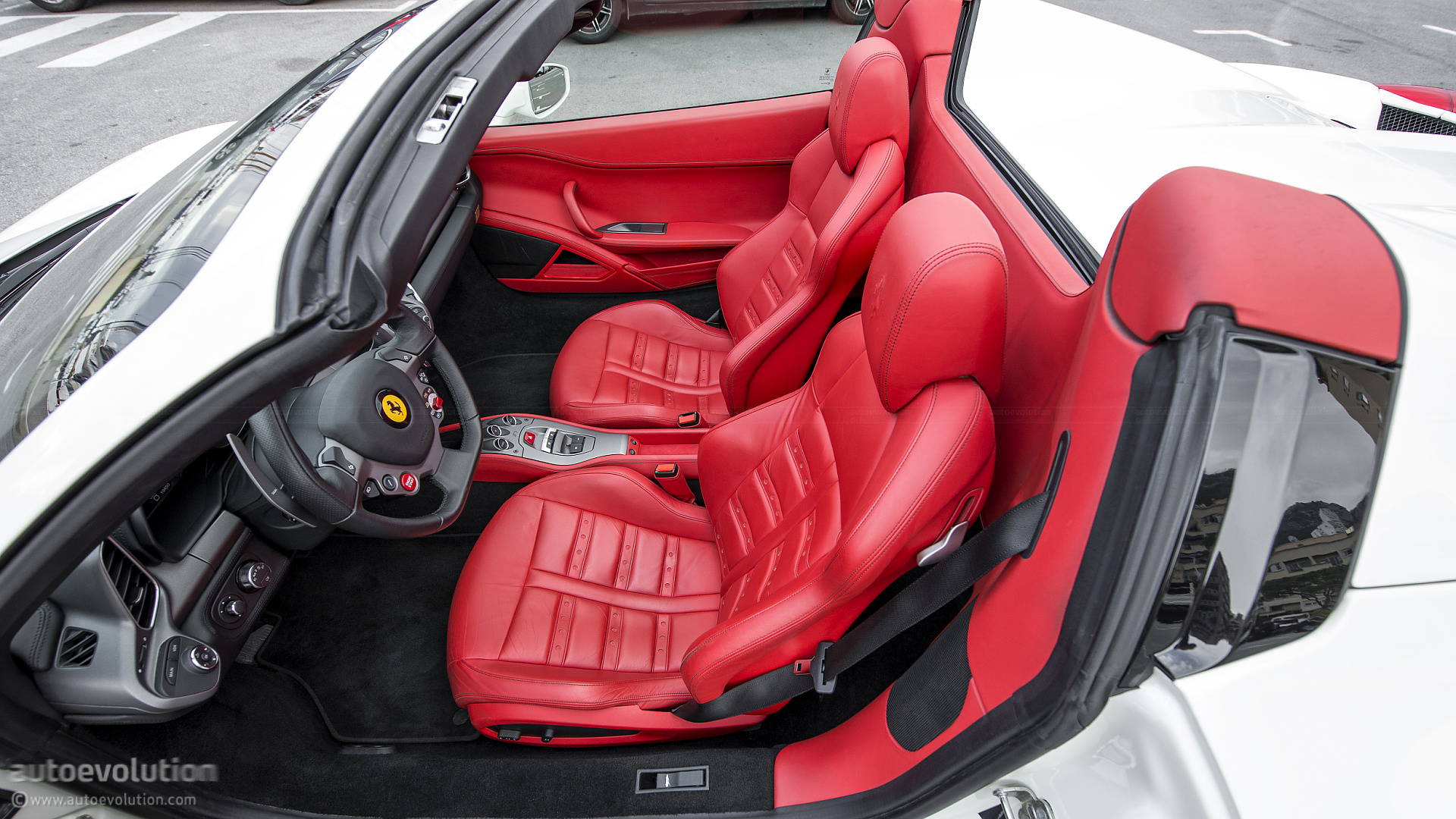
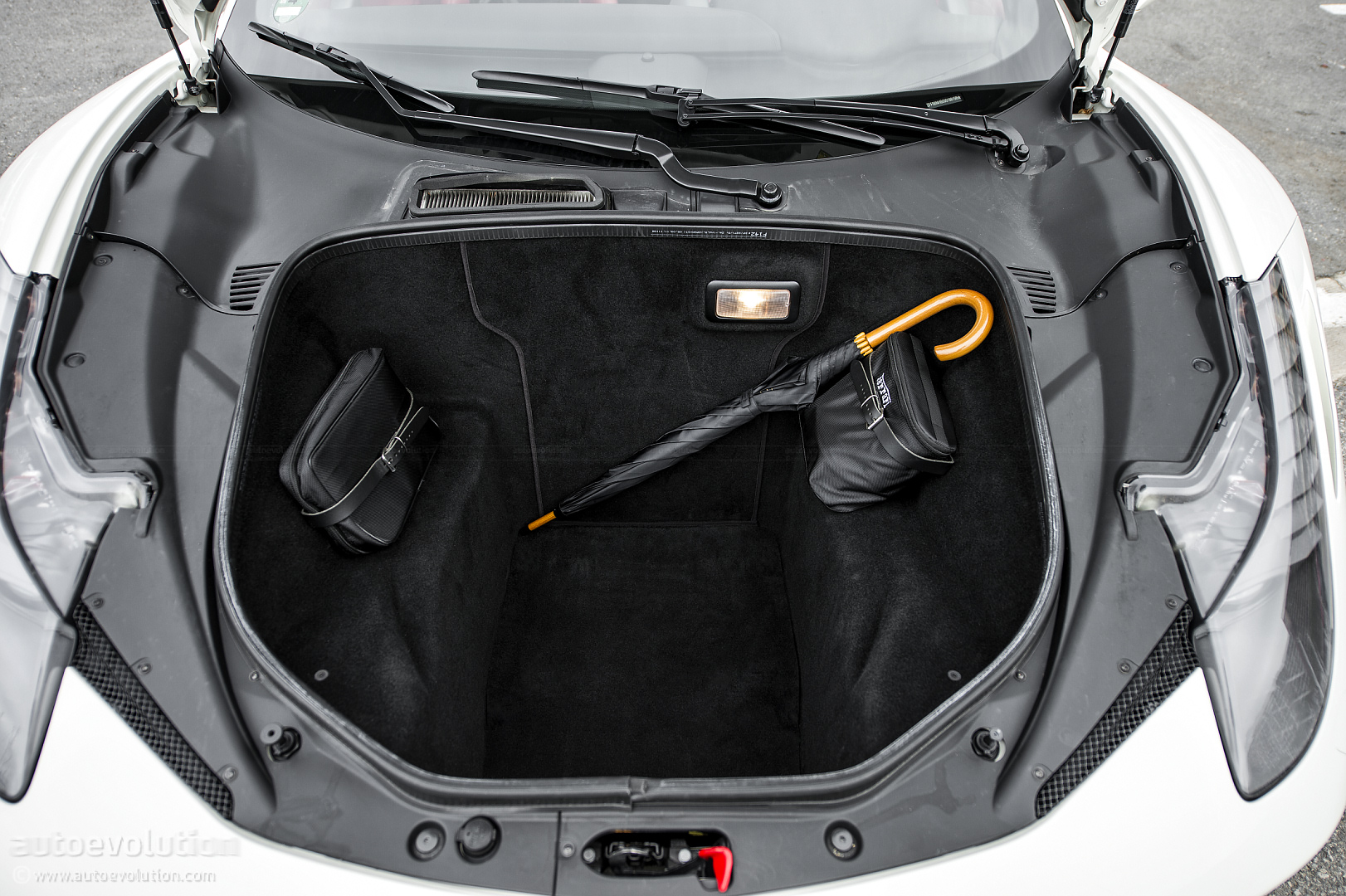
Once you’re inside the seat, you’ll notice that you have plenty of space in all areas and you can feel how all the unnecessary elements were trimmed down, like in a race car. Since the top is stowed over the engine, not in front of it, there's even some storage space behind the seats, albeit with less volume and more difficult access compared to that in the Coupe.
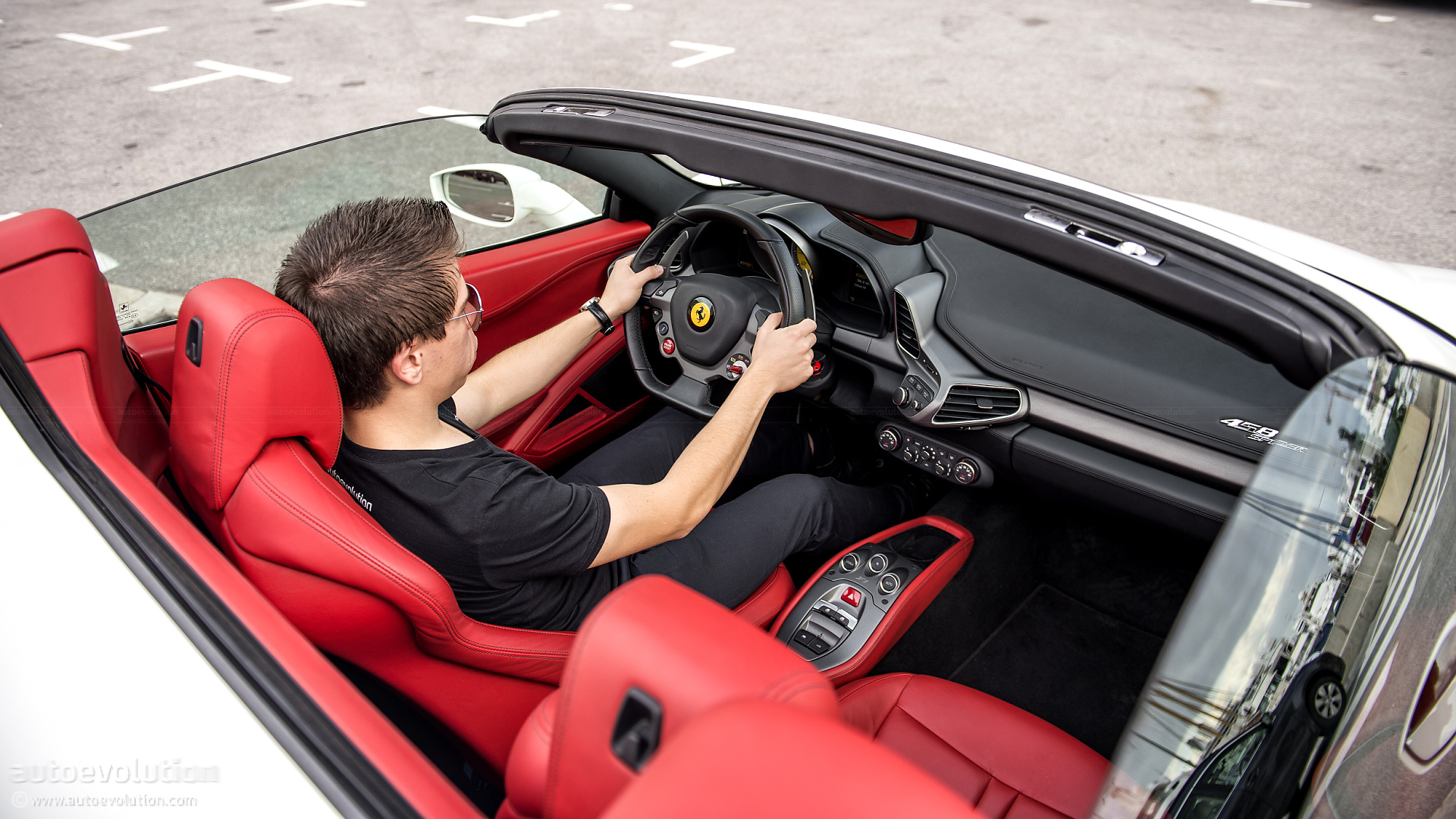
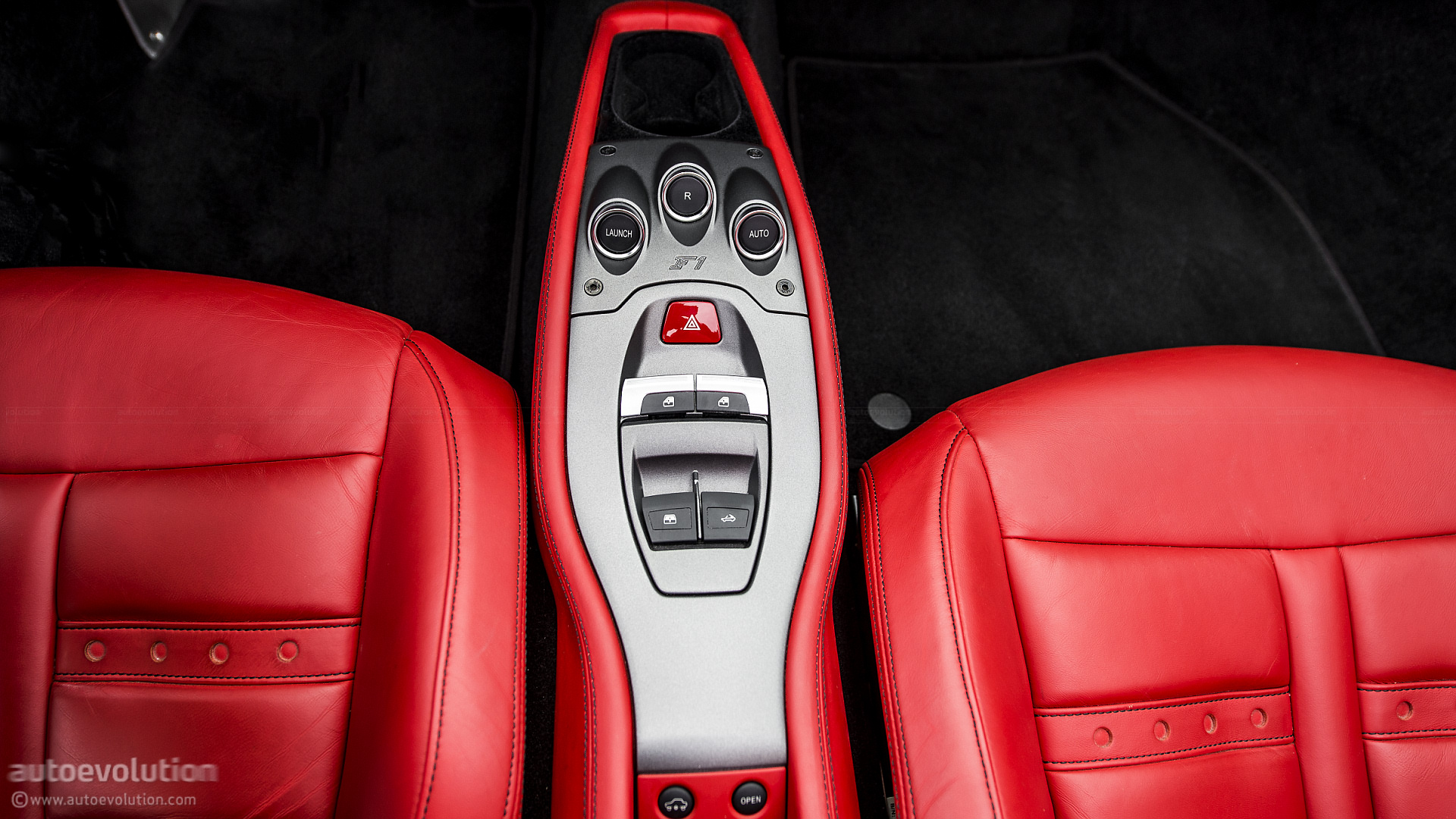
The driving position using the comfortable standard seats is excellent and, if you go for the optional carbon fiber seats, you’ll be get closer to the floor. You’ll also be pleased by the straight-ahead visibility, but the A-pillars enter your line of sight a bit too much in certain corners. The center console comes with a minimalist design and, despite its compact dimensions this has no less than five areas. It offers two cupholders and serves multiple functions, from housing the gearbox controls to including a small storage compartment.
Moving to the dashboard, you might get the impression that this has a complicated layout at first, but once you spend some time inside the car, you'll realize that it’s pretty easy to use, with excellent ergonomics.
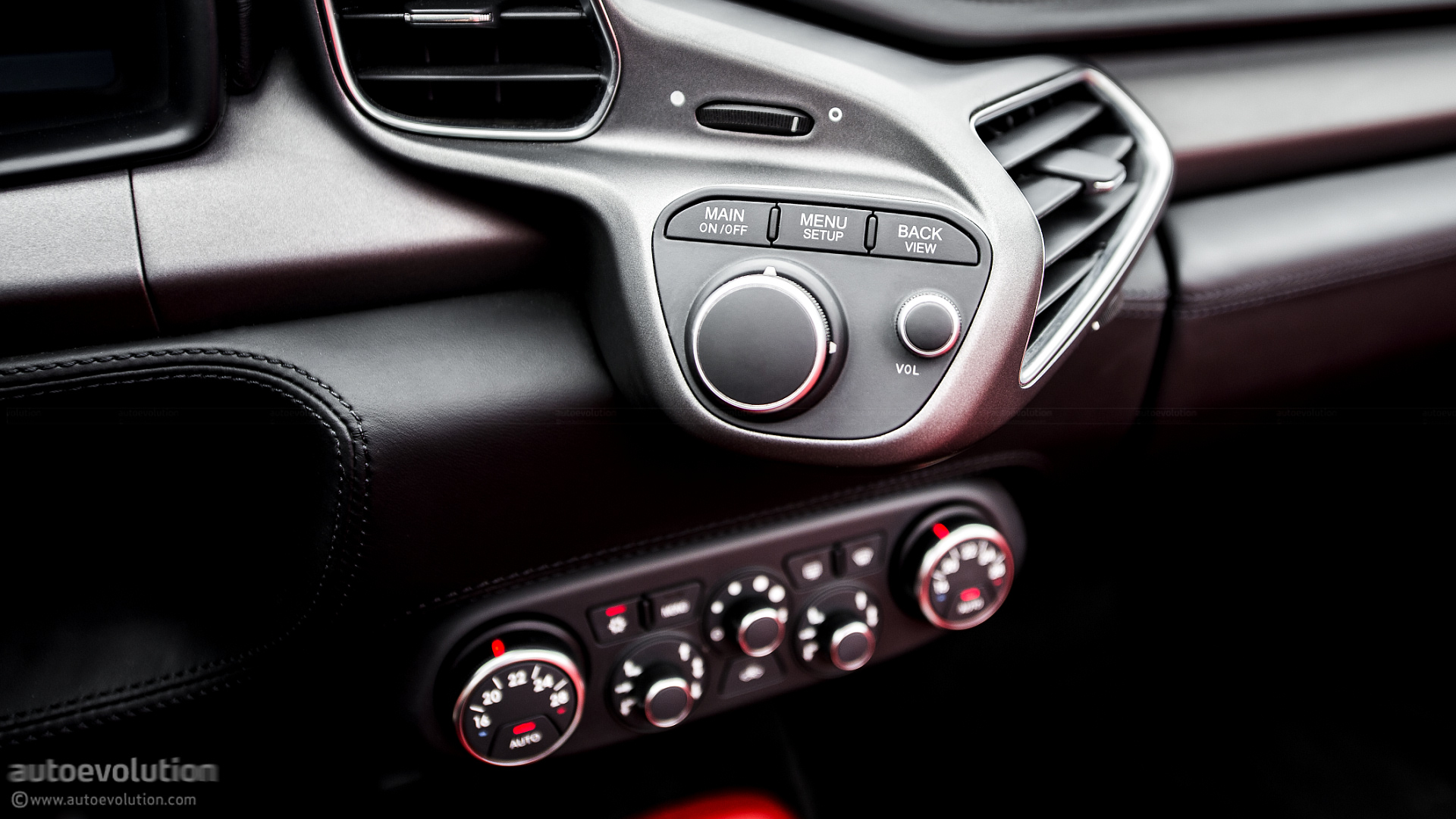
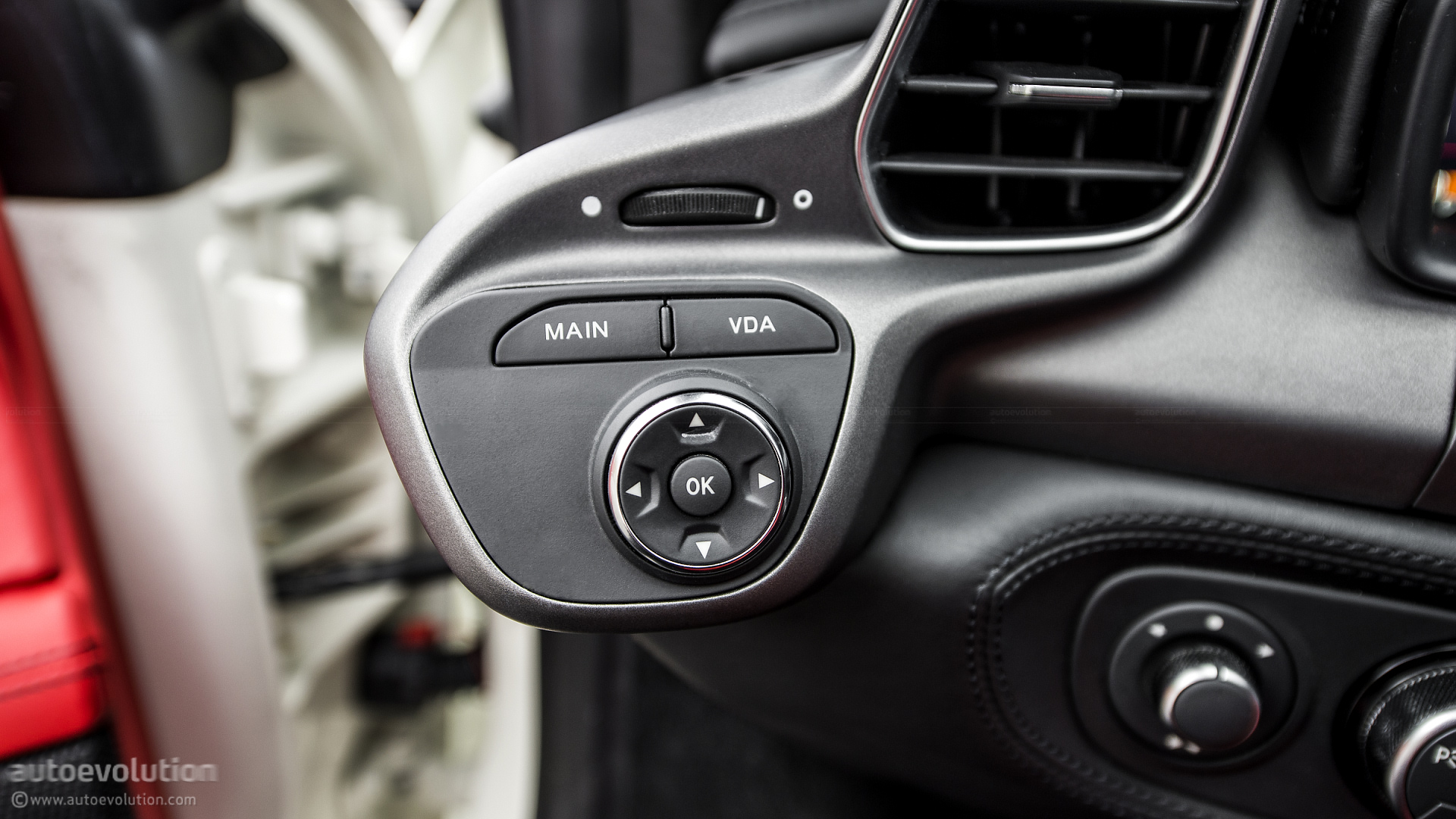
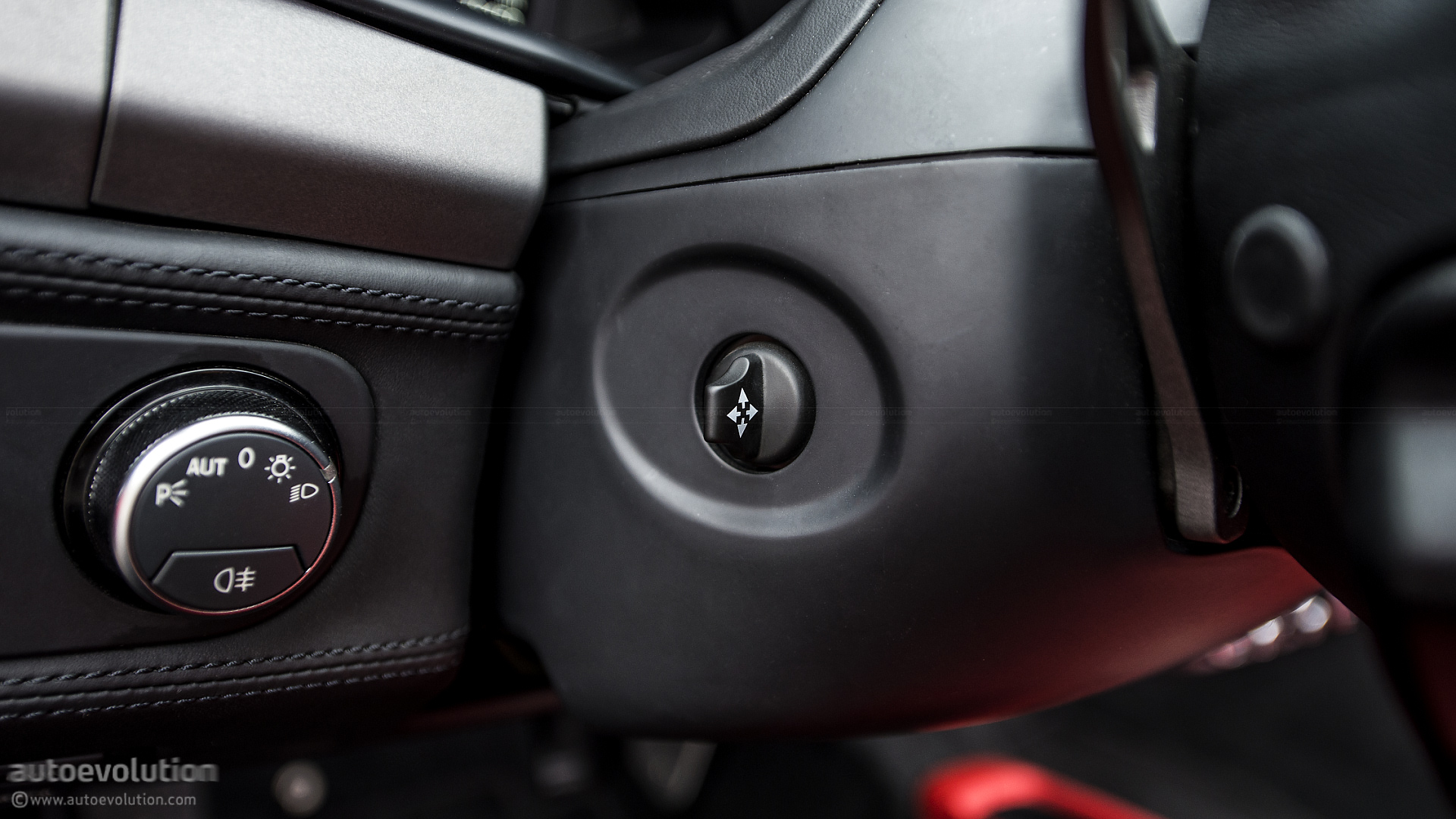
Basically, there are two pods on the sides of the instrument cluster. On your left, you can find the controls for operating the Vehicle Dynamics Assistance (VDA), a system that displays information about various parameters of the car. On the same side of the wheel, below the aforementioned pod, you can find the controls for the lights and electric mirrors. As for the pod on the right, this holds the controls for the infotainment system, while bellow, in the center of the lower dash area, we find the buttons and knobs of the dual-zone climate control system.
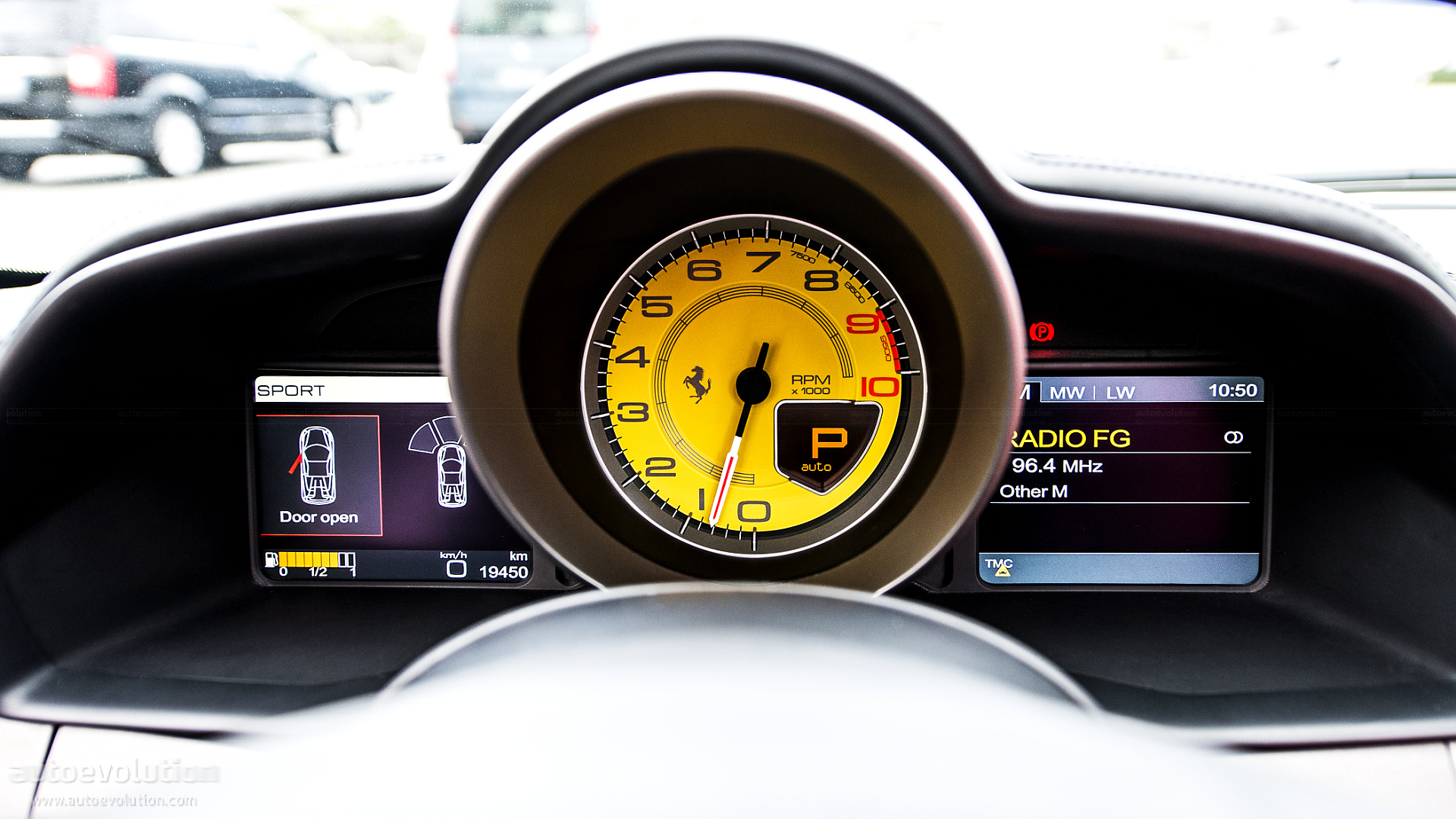
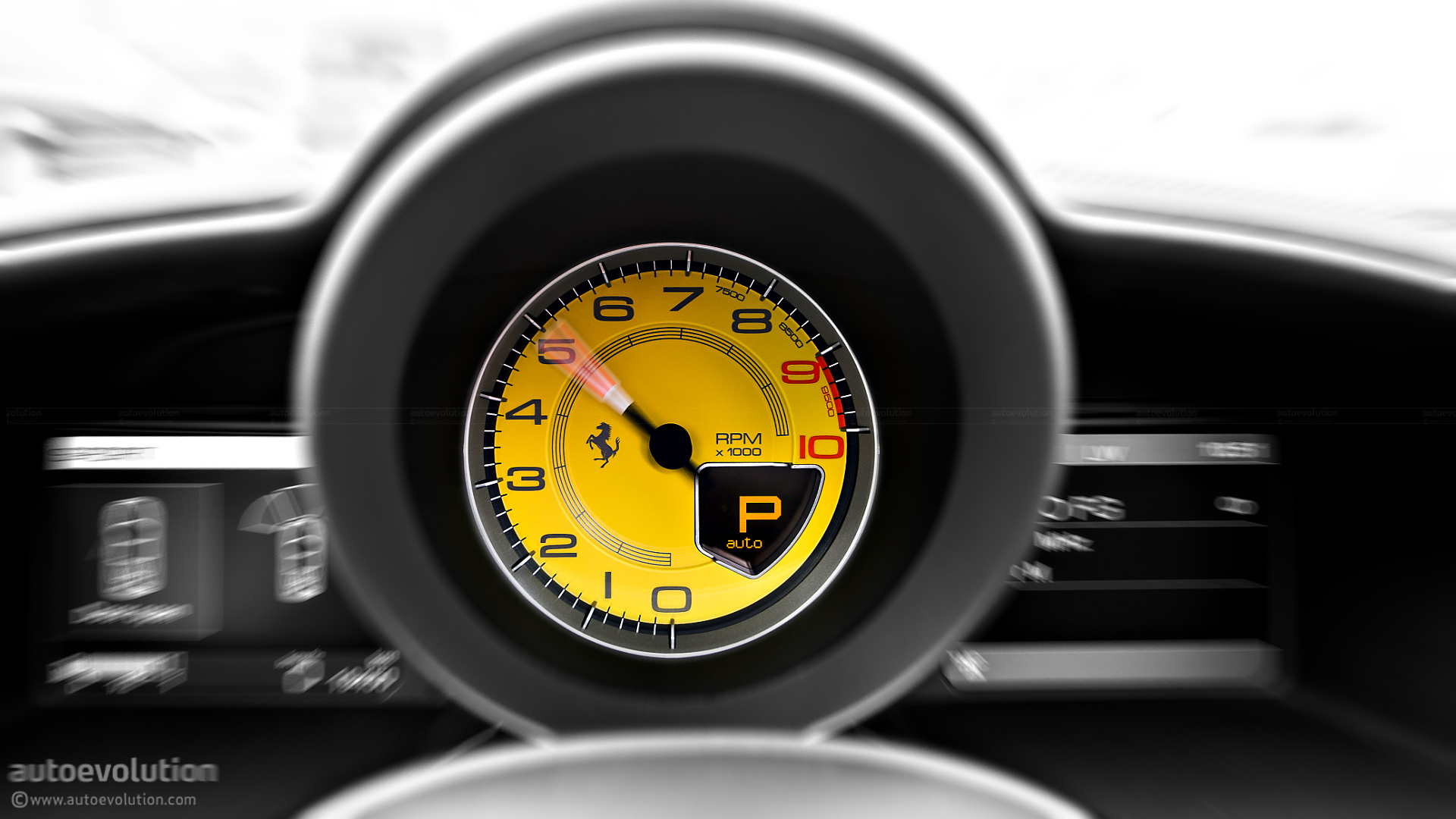
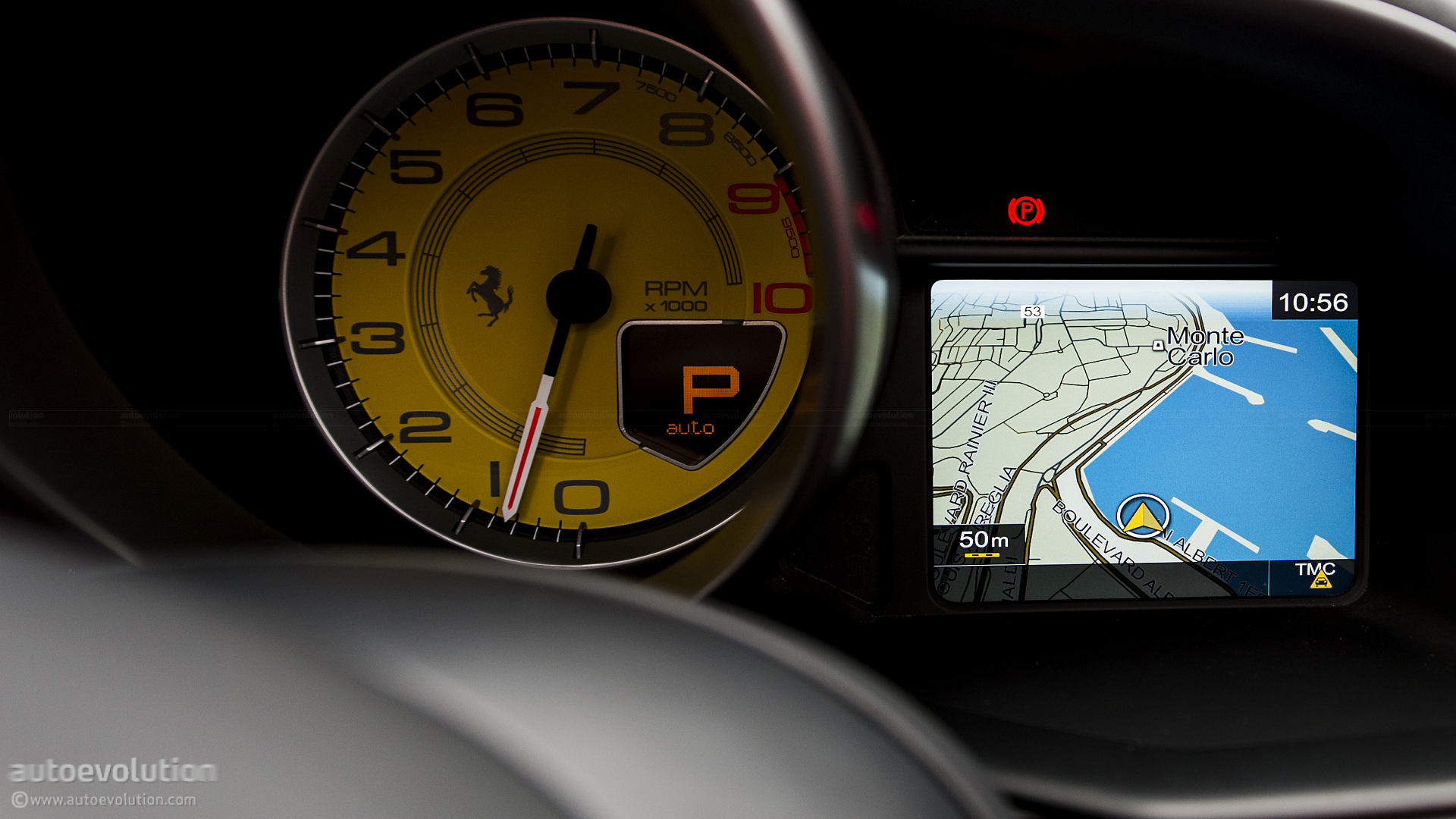
A massive rev counter sits at the center of the instrument cluster and there are four colors to choose for its background when you order the car. There are small displays on either sides: the one on the right is used for the aforementioned VDA and other vehicle info, while the one on the right is connected to the sound system. The last one is also used by the navigation system, if you choose this optional extra.
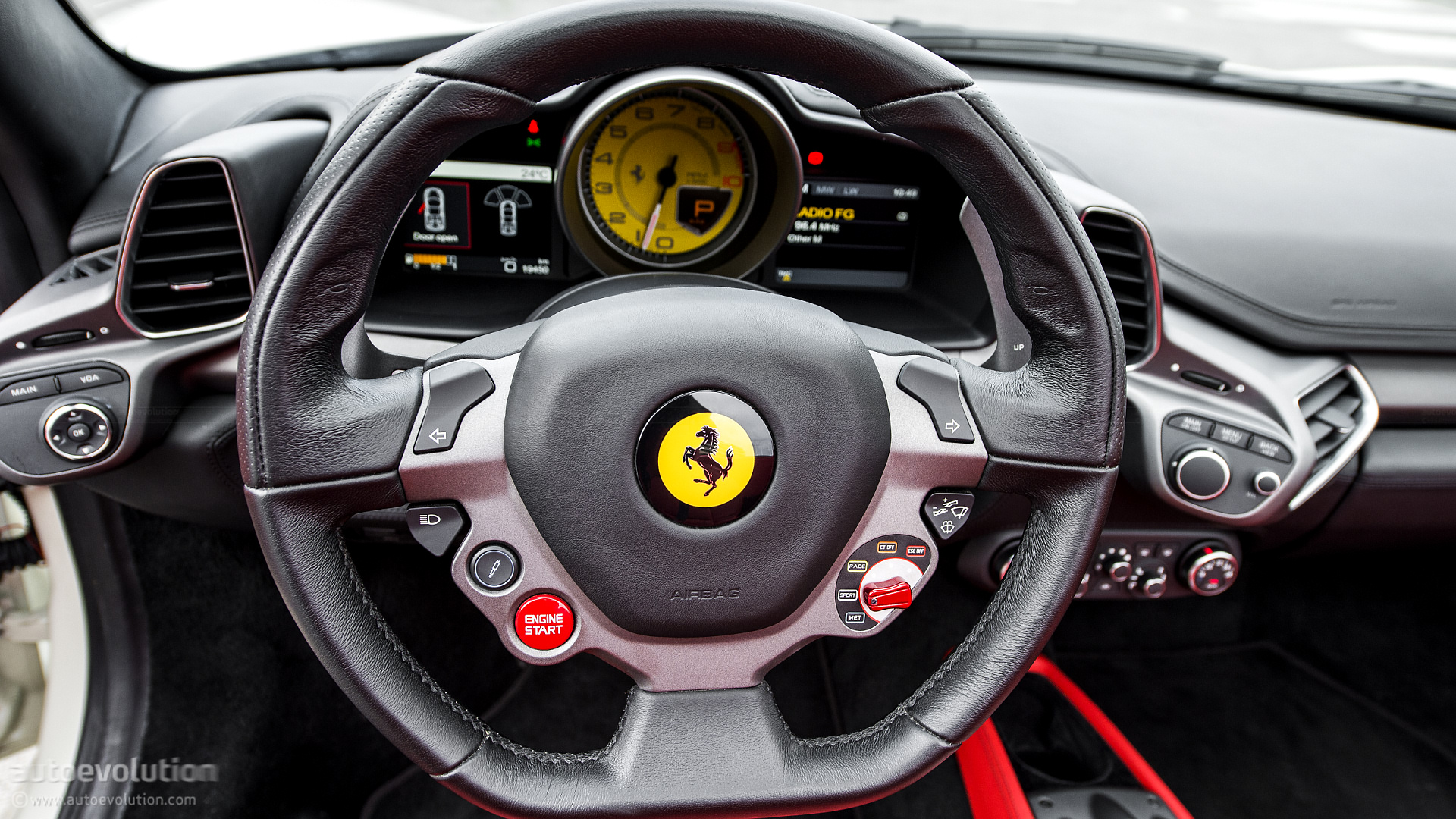
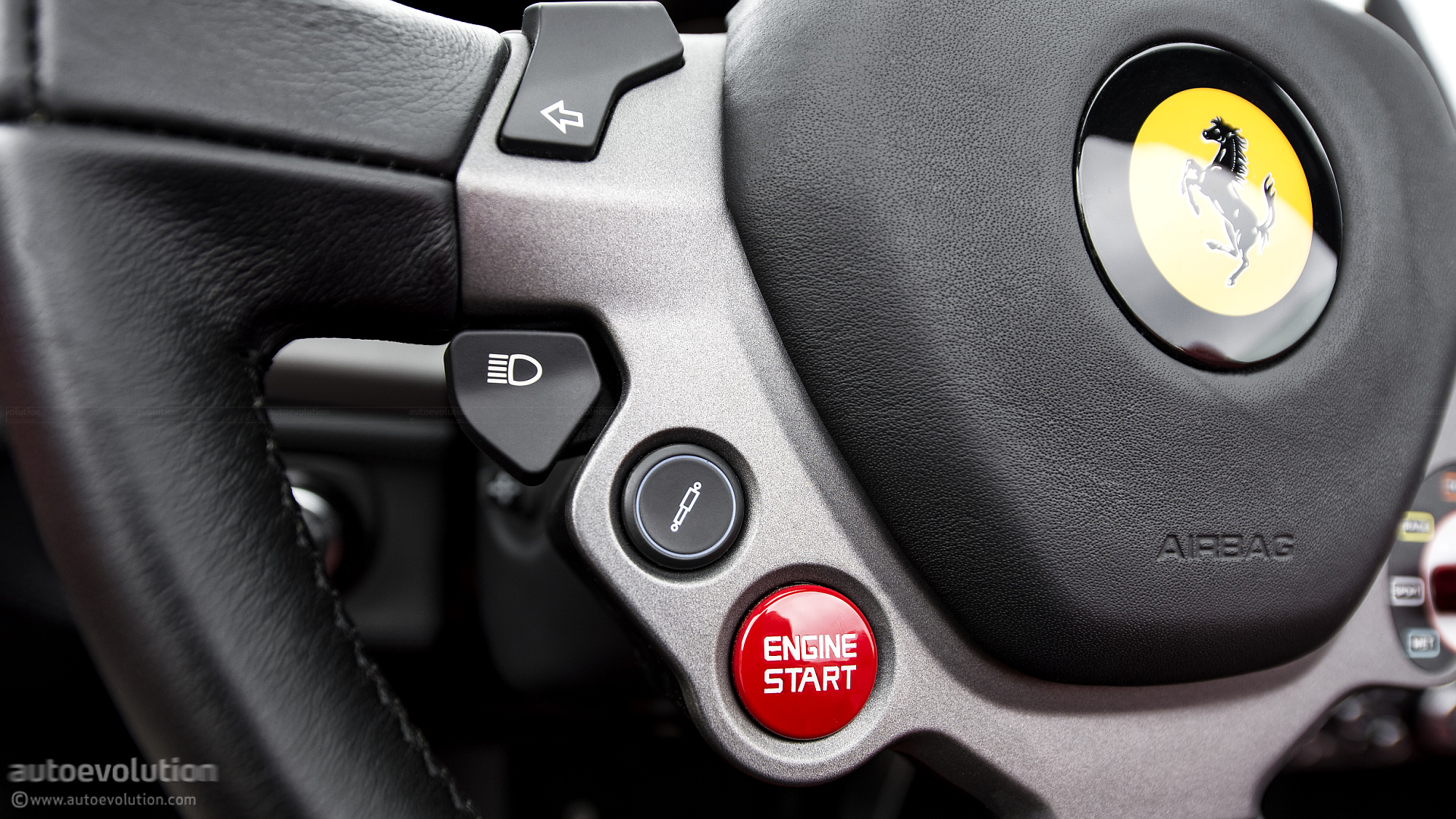
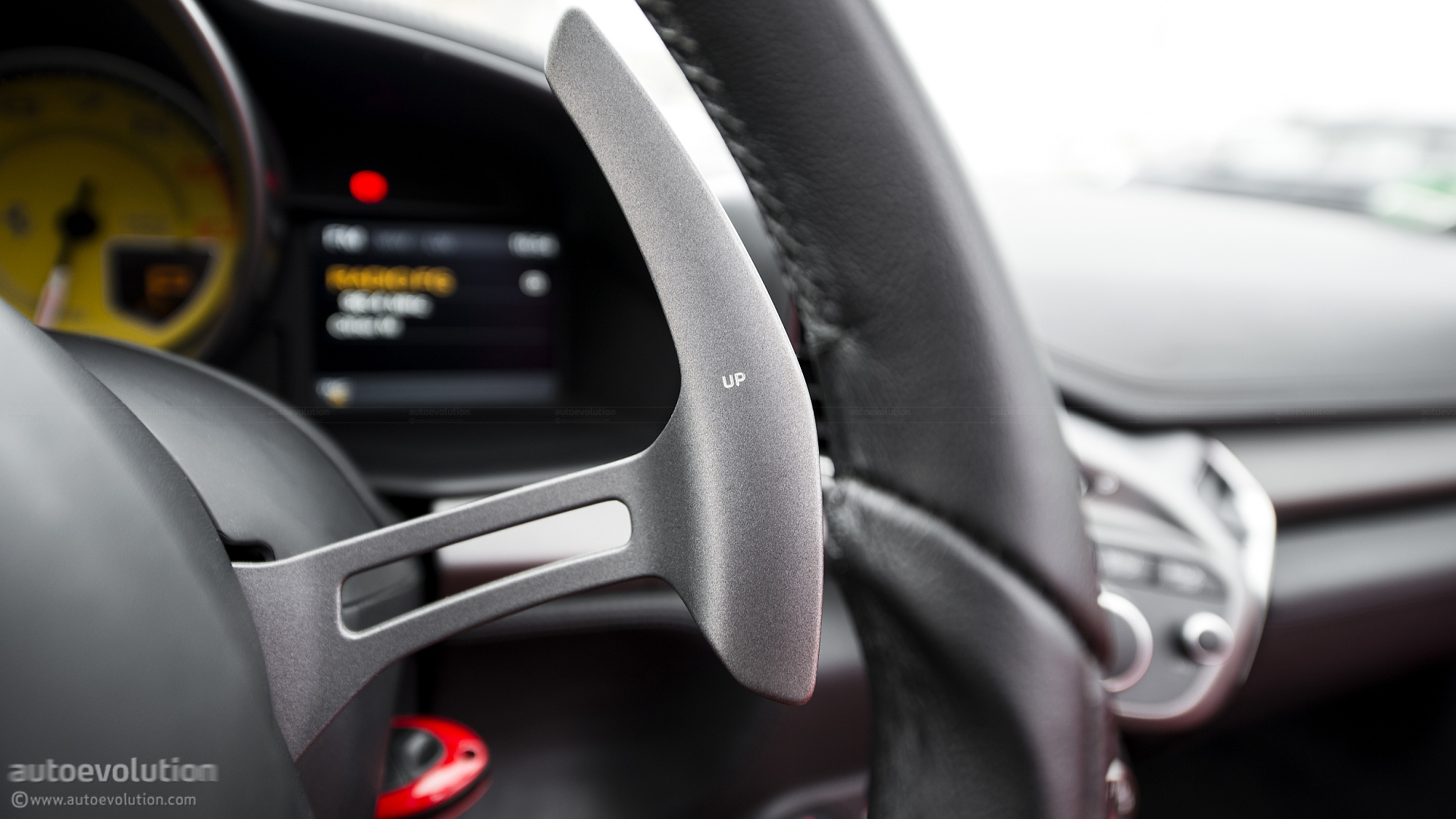
The steering wheel marks the switch from good to bad F1-inspired elements,as we mentioned in the introduction. It has an ergonomic shape, with flat top and bottom section and offers perfect grip. Here’s where Michael Schumacher’s contribution to the development of the 458 Spider’s cabin becomes obvious. Like an F1 car steering wheel, the one in this supercar is flooded with controls, so the steering wheel column holds nothing but the carbon fiber gearshift paddles.
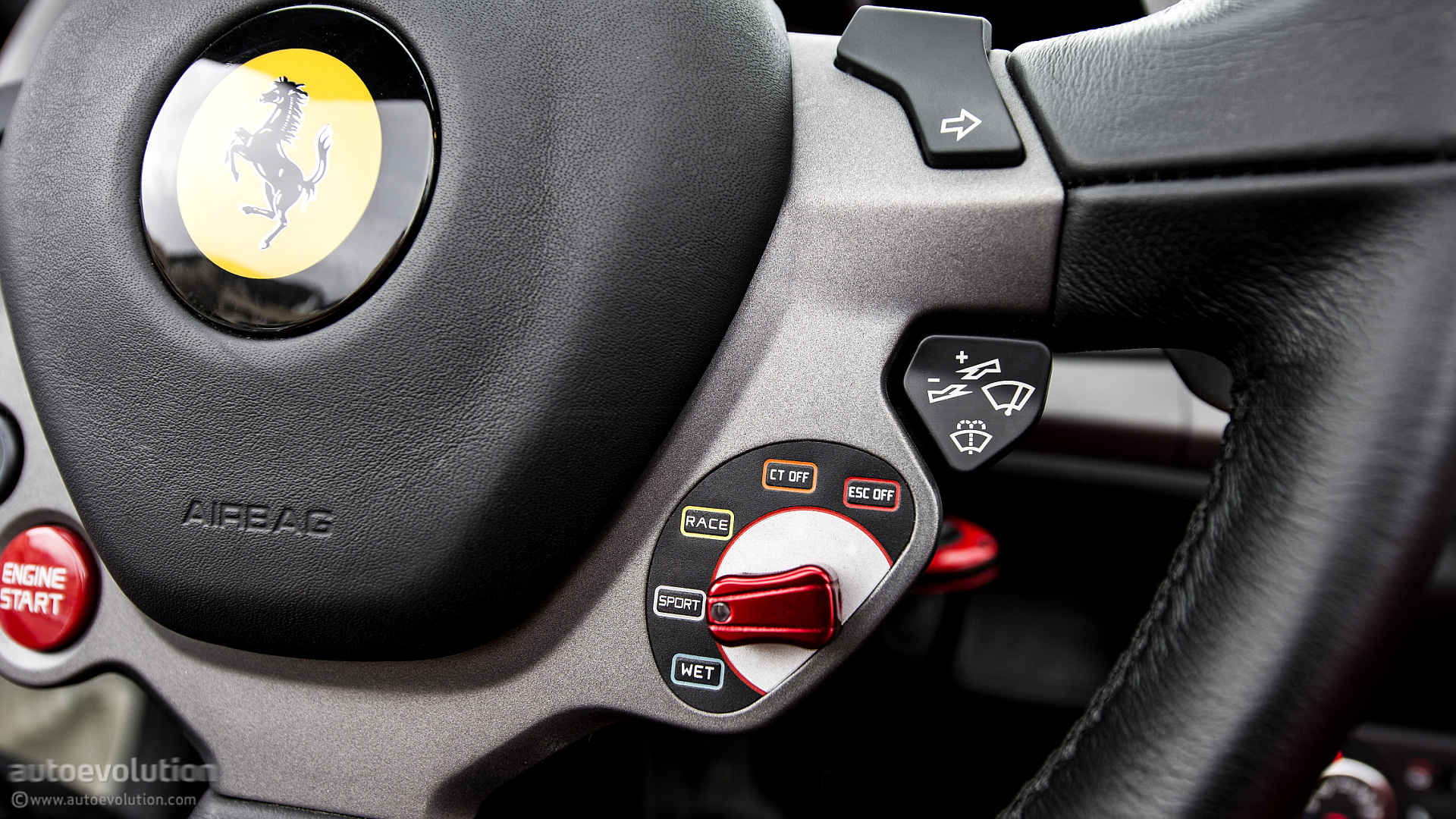
The engine start and suspension “bumpy road” mode buttons, as well as the Manettino stability & traction control switch, the wipers and the high-low beam controls are definitely a pleasure to use.
However, the rest of the items placed on the steering wheel can become annoying. You do get used to having the turn signals on the wheel, but, for example, when you’re inside the city with the wheel turned upside down and you’re in a hurry, you may be confused about which signal operates right / left. The same goes for the horn controls, which are exactly where you want them in most driving situations, but the panic induced by an emergency might make you confused and you can have trouble finding them quickly.
Another area where the cabin leaves certain things to be desired is the fit and finish one. The personalization program that was launched at the same time with the 458 Spider allows you to use exotic materials on various surfaces, but this can’t fully make up for the mediocre details. For example, the design and the finish of the climate control buttons remind us of those of another vehicle that comes from Fiat-Chrysler, the Jeep Wrangler. And then there are the basic protection elements from the driver’s footwell, which look like they’ve come from stripped-down track cars.
The folding aluminum top provides plenty of headroom and, when you want to get rid of it, 14 seconds are enough, but you have to be stationary. The wind deflector consists of a glass panel that automatically raises at around 5 cm (2 inches). If you want to ignore the algorithms that determined this is the optimal value, you can fully raise it using a dedicated button placed next to the one that controls the roof.
The B-pillar buttresses do not take away any of the open-top driving experience, so while the car might look like a Targa from the outside, it feels like a proper convertible when you drive it.
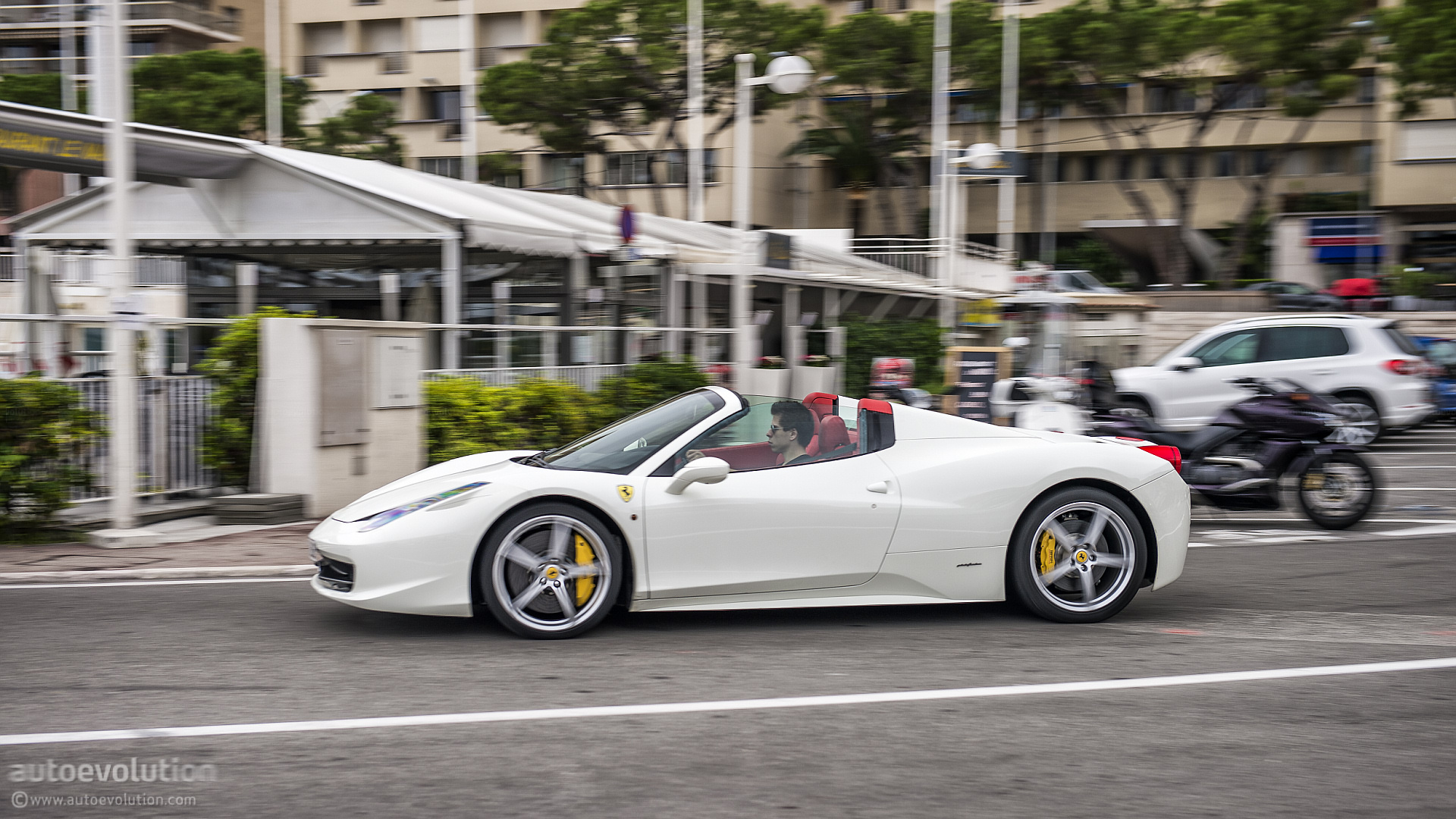
All the predecessors of the 458 were extremely fast for their time, that’s why they wore Ferrari Badges, but the 458 is also incredibly easy to drive around town. Apart from the dimensions and visibility, you could say that this supercar is as fit inside the city as a Fiat 500.
All the technology hidden inside the 458 makes it fully deserve the multi-purpose title and if you’re in heavy stop&go traffic that requires endless powertrain and steering adjustments, the car is happy to comply. Compared to the Coupe, the Spider comes with a more relaxed approach for the gas pedal map and shock absorbers, just what you need for urban driving.
The almost 127 hp/liter V8 has no problem working at low revs all day long and the double-clutch transmission shows smoothness on all occasions. Furthermore, the steering is a good friend of parking maneuvers, while the ceramic brakes offer a pleasant pedal modulation.
As for the magnetorheological suspension, this has a “bumpy road” setting and also treats you with an optional nose lift system. Despite the presence of the aforementioned system, its implementation isn’t the best one. For example, if you have a longer stretch of road with speed bumps placed at a considerable distance between each other, you’ll have to re-activate the system each time you reach one.
Of course, you can’t simply ignore the aforementioned visibility and size of the 458. The latter doesn’t bring too many problems during city driving, but when you’ve got the top up, looking over your shoulder can be an issue.
Once you’ve reached your destination and you have to park, the docile steering makes a good team with the front & rear parking sensors and the rear-view camera, so the job will be handled swiftly.
The 458 also offers relatively easy access, so stepping out of the car in a crowded area feels perfectly normal. You just have to take the low ground clearance into consideration and an elegant exist is guaranteed.
The same technological assets that make the 458 Spider a smooth urban machine demonstrate their enormous flexibility by keeping the vehicle sharp when you hit the open road.
Here is where you’ll be able to enjoy every hundred of the 9,000 rpm the 4.5-liter V8 is capable of. This was also true for the F430, for example, but the 458’s engine doesn’t need to be pushed too hard to show its heavenly nature. The powerplant’s natural aspiration and is willingness to rev guarantee a linear power delivery. On the road, this means that climbing close to the red line for more power is a matter of choice, not a necessity. Just as important is the fact that 80 percent of the 540 Nm (398 lb-ft) peak torque delivered by the unit arrive as early as 3,250 rpm.
The engine’s best friend, a Getrag seven-speed dual-clutch unit, delivers seamless shifts during normal driving and makes the most out of full-throttle gear changes, without being too harsh on your body. This setup trades the thrills of a single-clutch robotized manual for considerably superior shift efficiency.
There’s also a launch control function that sends your 1,430 kg (3,153 lbs) Spider past the 100 km/h (62 mph) mark in 3.4 seconds. This is virtually the same time as the Coupe’s one, with the fixed roof model being 50 kg (110 lbs lighter).
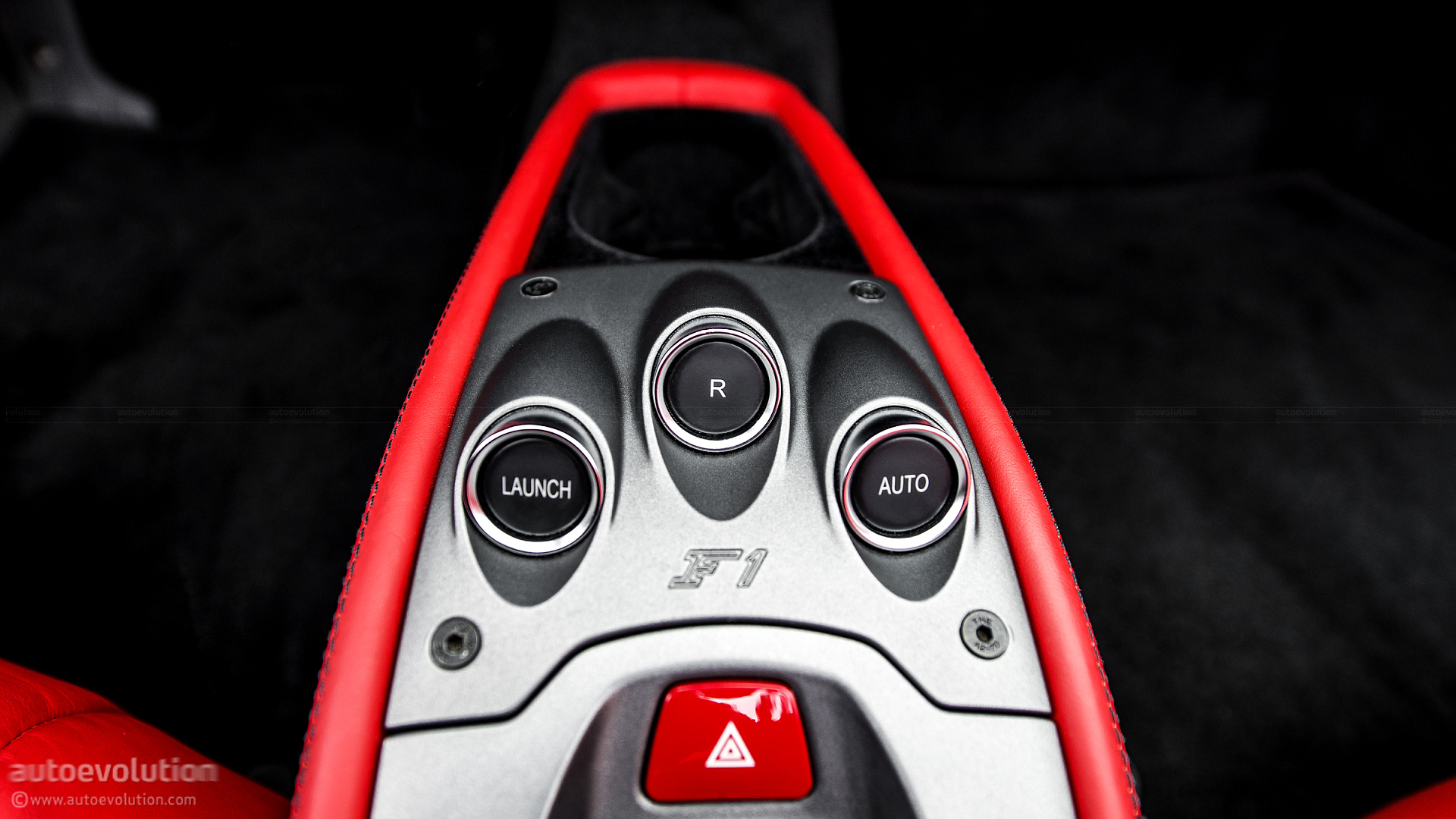
To use the launch control, you have to stick to the manettino’s Race mode, keep you left foot on the brake, place the gearbox in manual mode and select 1st gear. Then press the dedicated button on the center console until the car produces a beep and put the gas pedal to the metal. Once the revs climb to 3,000 rpm, give the car 2 or 3 seconds and then feed you inner demons by releasing the brake. If you keep on mashing the throttle, you’ll reach 320 km/h (198.7 mph), while if you do this in the Coupe, you'll climb to 325 km/h (202 mph).
The Spider doesn’t just receive damper and throttle pedal mapping setting that are a tad softer, it also has a livelier exhaust note. So if you drive with the top folded, or with it on, but lowering the little window at the back, the high-revving V8 will deliver an electrifying scream. At full blast this is even more memorable than a Lamborghini’s voice, for example. However, lower in the revs, where you usually find yourself while on public roads, Ferrari’s setup is far less convincing.
If you go past the engine and gearbox on the power delivering pathway, you’ll discover Ferrari’s E-Diff 3 electronically controlled wet-clutch limited slip diff, as well as the F1-Trac traction and stability control system.
You can control them using the little red dial on the steering wheel, the manettino. We have to mention that this also plays with the suspension, the exhaust valves, as well as the engine and throttle pedal mapping. You can choose between five different settings and each one of the dramatically alters the car’s behavior. The Sport mode of the manettino is for the daily use, while the Race one allows a bit of lateral fun.
The two aforementioned systems are so good that they’re in a league of their own, even in the world of supercars. To really get to feel this, you have to introduce the car to a corner. In the “Sport” mode, you’ll find out just how non-intrusive the electronics are. Moving to the “Race” mode, this will allow a bit of slip, but the diff and the individual braking will bring the car back faster than you can react. Just as important is the fact that everything works with incredible speed and effectiveness.
The “CT Off” mode allows deep powerslides, with the car having the same instantaneous comeback once this is asked. All you need to do is apply a bit of countersteer and the 458 magically returns to a straight driving state. Basically, this mode doesn’t cut the power, but it does offer individual braking. In the “CST Off” mode you won’t just put the traction, but also the stability control to sleep. Thus, it’s just you, 570 hp and the E-Diff.
Regardless of the manettino mode used, during our test drive, which combined full-throttle moments with more relaxed parts, the 458 Spider returned an efficiency of 14.5 l /100 km (16.2 US mpg).
During all the aforementioned maneuvers, you’ll be using the a steering that requires only 2 turns from lock to lock. Despite this, the vehicle doesn’t feel unstable when you enter a bend, thanks to the fine tuning of the rear suspension. The Spider uses the same springs and anti-roll bars as the Coupe in order to offer the offer an unaltered steering response. In the usual Ferrari manner, the steering is pretty light and offers a good feedback, but not a perfect one.
And when it comes to stopping power, the 458 provides monumental levels of it, thanks to carbon-ceramic brakes that also come with a perfect pedal feel regardless of the driving conditions.
Given the fact that the car is so capable, it’s a pity that none of the manettino modes provides a perfectly safe experience. It is obvious that the capability is all there, but the Prancing Horse chose not to offer any setup that simply doesn’t have anything to do with oversteer.
Sure, you’re going to be driving hard on many occasions and you’ll enjoy the effervescence of the rear end and the balance of the car. However, there are also situations when you want to move fast without the lateral bits. For example, we were pulling away from a tool booth using the “Wet” manettino mode, the most restrictive one, due to the moist road. The transmission smoothly shifted into the second gear at low revs, at which point we used about one third of the pedal’s travel. The result was a noticeable fuss coming from the rear end, not exactly what you want when you’re in between other cars.
12
Our FERRARI Testdrives:
Photo gallery (73)
![FERRARI 458 Spider profile with roof up]()
![FERRARI 458 Spider]()
![FERRARI 458 Spider rear view with top on]()
![FERRARI 458 Spider]()
![FERRARI 458 Spider]()
![FERRARI 458 Spider cabin]()
![FERRARI 458 Spider door entry sill]()
![FERRARI 458 Spider matricola numbered plaque]()
![FERRARI 458 Spider badge]()
![FERRARI 458 Spider seats]()
![FERRARI 458 Spider leather interior]()
![FERRARI 458 Spider interior]()
![FERRARI 458 Spider steering wheel]()
![FERRARI 458 Spider instruments]()
![FERRARI 458 Spider rev counter]()
![FERRARI 458 Spider center console]()
![FERRARI 458 Spider F1 gearbox controls]()
![FERRARI 458 Spider climate control system]()
![FERRARI 458 Spider audio system controls]()
![FERRARI 458 Spider manettino]()
![FERRARI 458 Spider engine start button]()
![FERRARI 458 Spider VDA controls]()
![FERRARI 458 Spider electric steering wheel adjustment]()
![FERRARI 458 Spider gearshift paddle]()
![FERRARI 458 Spider interior lights]()
![FERRARI 458 Spider navigation]()
![FERRARI 458 Spider navigation system]()
![FERRARI 458 Spider pedals]()
![FERRARI 458 Spider V8 engine]()
![FERRARI 458 Spider engine closeup]()
![FERRARI 458 Spider door handle]()
![FERRARI 458 Spider headrest]()
![FERRARI 458 Spider boot]()
![FERRARI 458 Spider paint]()
![FERRARI 458 Spider wow factor]()
![FERRARI 458 Spider]()
![FERRARI 458 Spider in the city]()
![FERRARI 458 Spider]()
![FERRARI 458 Spider open top driving in city]()
![FERRARI 458 Spider city driving]()
![FERRARI 458 Spider]()
![FERRARI 458 Spider front details]()
![FERRARI 458 Spider nose lift in action]()
![FERRARI 458 Spider closeup]()
![FERRARI 458 Spider]()
![FERRARI 458 Spider rear details]()
![FERRARI 458 Spider with top on]()
![FERRARI 458 Spider profile details]()
![FERRARI 458 Spider side view]()
![FERRARI 458 Spider front fascia]()
![FERRARI 458 Spider carbon ceramic brakes]()
![FERRARI 458 Spider open road speed]()
![FERRARI 458 Spider driving with top down]()
![FERRARI 458 Spider open top driving]()
![FERRARI 458 Spider black and white photo]()
![FERRARI 458 Spider rear details]()
![FERRARI 458 Spider on mountain road]()
![FERRARI 458 Spider launch]()
![FERRARI 458 Spider in roundabout]()
![FERRARI 458 Spider front fascia details]()
![FERRARI 458 Spider top speed]()
![FERRARI 458 Spider speeding]()
![FERRARI 458 Spider accelerating]()
![FERRARI 458 Spider launch control]()