MERCEDES-BENZ SLS AMG Roadster Review
OUR TEST CAR: MERCEDES-BENZ SLS AMG Roadster 2012
The fact that the Mercedes-Benz SLS feels so American is literally a world-class irony. That's because this car is here today as a result of World War II.
You might be tempted to believe that the SLS is the successor of the SLR McLaren, which went out of production in 2010, but the car was actually conceived as a spiritual successor for the mid-1950s 300SL, the famous Gullwing. The Flugelturen, as Germans called it, also sat at the top of the Mercedes-Benz SL family tree, but none of the following SL generations managed to reach its status and performance (it was the fastest production car of its time). This is why the SLS AMG was born, to bring back the spirit of the original Gullwing.
Like we said, the whole story is connected to the War. The W198 1954 Mercedes 300SL, the original Gullwing, didn't come out of nowhere, the car was a road-going incarnation of the carmaker's W194 racecar. The idea of translating the W194 racer to the road came from Max Hoffman, who was the German automaker's importer in America during the 50s. Hoffman asked the Germans to build a street version of the W194, guaranteeing that the US market can swallow 1,000 units and thus making the project happen.
Let's go back another step and talk about the origin of the W194 racecar. The vehicle was Mercedes-Benz's way of returning to racing after the war. Since the less-than-perfect economical situation created by the war touched all the companies in the country, including Mercedes, the automaker had to make its motorsport comeback using a limited budget. This, together with the Formula 1 regulation instability, determined the company to choose sportscar racing.
The financial difficulties didn't allow the carmaker to build everything from the ground up, so they had to start the project using the six-cylinder engine in the type 300 sedan model used by government officials. In came a new cylinder head and triple Solex carburetors and the unit was ready to compete.
However, since the powerplant hadn't been created from the ground up, it was pretty heavy for motorsport standard and so was its gearbox. In order to produce a competitive car, the engineers had to cut weight, which is why they came up with the tubular frame chassis, which, in turn, forced them to create the gullwing doors, as the generous side of the frame's cross section didn't leave enough room for conventional doors. This was the price they had to pay for the fact that the space-frame structure was light enough to be carried by one man alone.
We have to tell you that the doors were not the only unusual part of the car that were used as dictated by the chassis - the engine was canted at an angle of 45 degrees in order to bring the hoodline lower.
The entire package was wrapped in an aluminum body and an appropriate name was found for it: SL, which stood for "Sport Leicht" (Sports Light). The W194 was one of the most important racing cars of its era, but it's time to leave the track behind and return to the road story now.
The W198 300SL, which came to life in 1954 had some important particularities compared to the racer it was based on. First of all, the carburetors were ditched in favor of fuel injection, with the six-cylinder unit being the first in the world to offer direct fuel injection.
As for the body of the Gullwing, this was made out of steel, with the only parts that used aluminum, like the racecar, being the doors, hood and boot lid. However, Mercedes also offered an extremely pricey all-aluminum body.
The vehicle proved to be a huge success and when production ended in 1957, Hoffman intervened again, seeing the potential of a version that was closer to the boulevard needs. Thus, the 300SL Coupe was replaced by the 300SL Roadster one year later. Unlike the Coupe, the Roadster was a car you could actually get in and out of with little hustle and Americans had the open air sportscar in their blood, so it became a hit despite the lack of Gullwing doors.
All these history lessons were well-learned by the AMG engineers, who used a different approach when they created the new Gullwing. This was the first AMG vehicle created from the ground up, not based on a Mercedes model and they wanted to make everything perfect. Thus, the SLS AMG was designed from the very beginning both as a coupe and as a convertible.
You couldn't tell that from the market launch schedule, but now that they're both available, the Roadster promises to make up for the lack of wings by offering a bouquet of assets which we set out to discover in the following chapters. There's no need to stretch out to reach the handle like in the case of the coupe, you can simply close the door like any any normal car and let the chapters unfold in front of you.
Imagine a very muscular human body. Not the overgrown type, but the athletic one. Now take a look at the torso. Can you see how the stomach is concealed in a way that brings out the envy in most people, especially of the same gender? How can those forms be so sculpted, with no fat at all? Does this person ever eat anything?
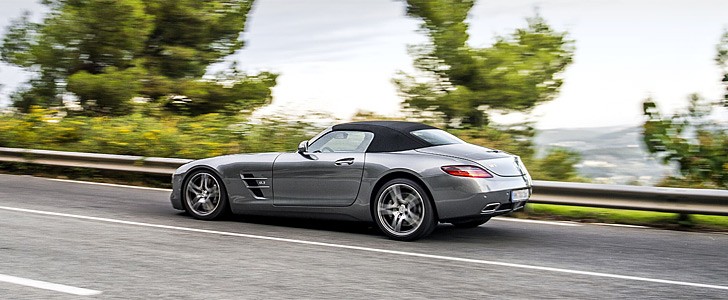
That's exactly the kind of feeling many cars have when they see the SLS. In the case of the Coupe, those Gullwing doors take the car into a league of its own, but the Roadster allows us to better focus on the rest of the car, which, to our eyes, tips the balance from flamboyance towards elegance.
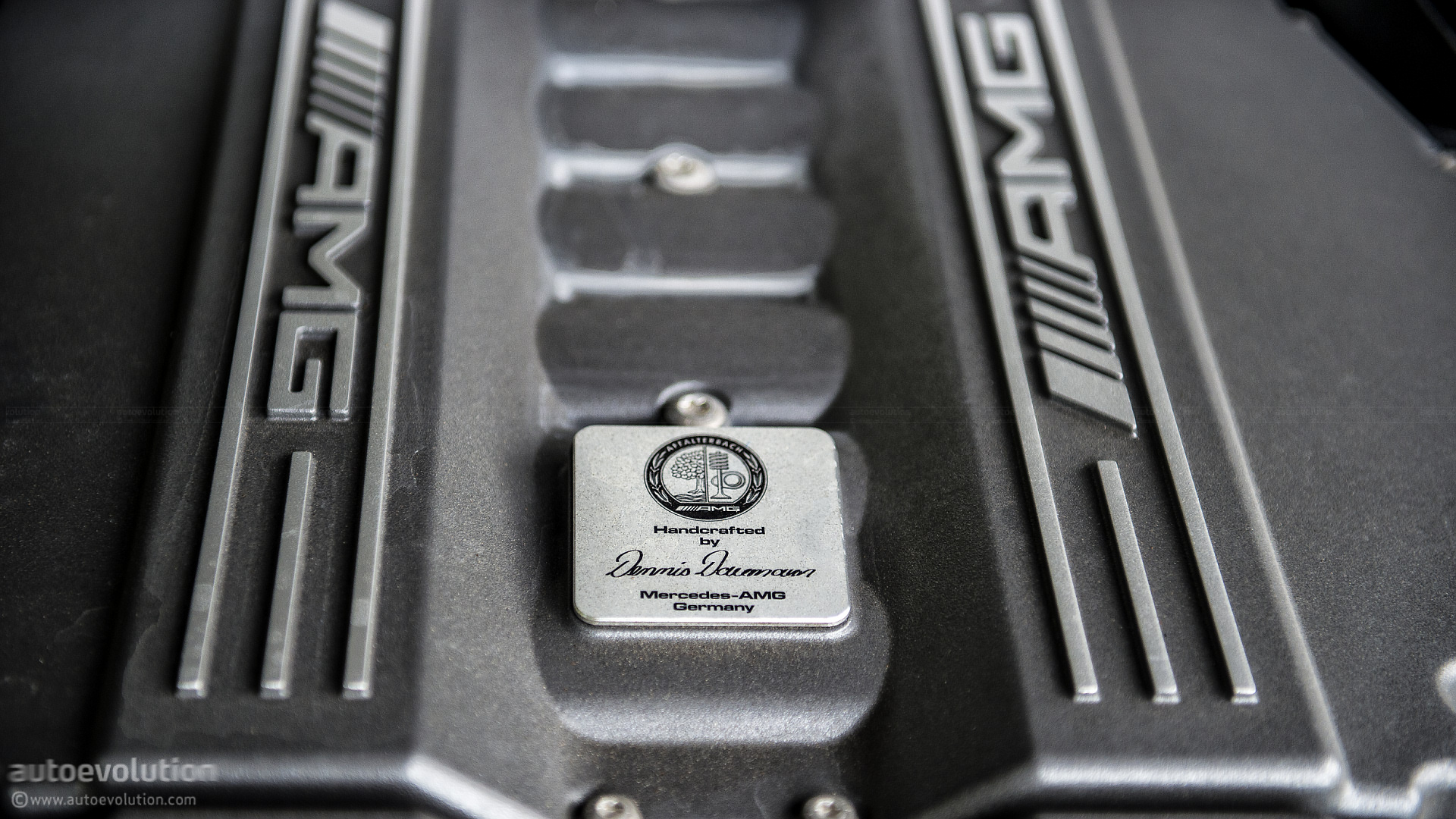
The SLS is born in two main stages: the body comes alive at Graz, Austria and is then shipped to Sindelfingen, the largest Mercedes-Benz factory in the world. Before the body is painted, a process that's being handled by both men and robots, they clean it by hand and during that process, each part of the car is caressed, receives all the attention it needs. The engine comes from nearby in Affalterbach, where the AMG HQ is located.
Fast-forwarding to the moment when you see an SLS Roadster on the street, if you're into cars, or simply appreciate the finer things in life, you'll get this impulse to get close to it and feel those lines with your palms. Do not worry about society, after all, who could blame you for repeating a procedure that took place at the factory?
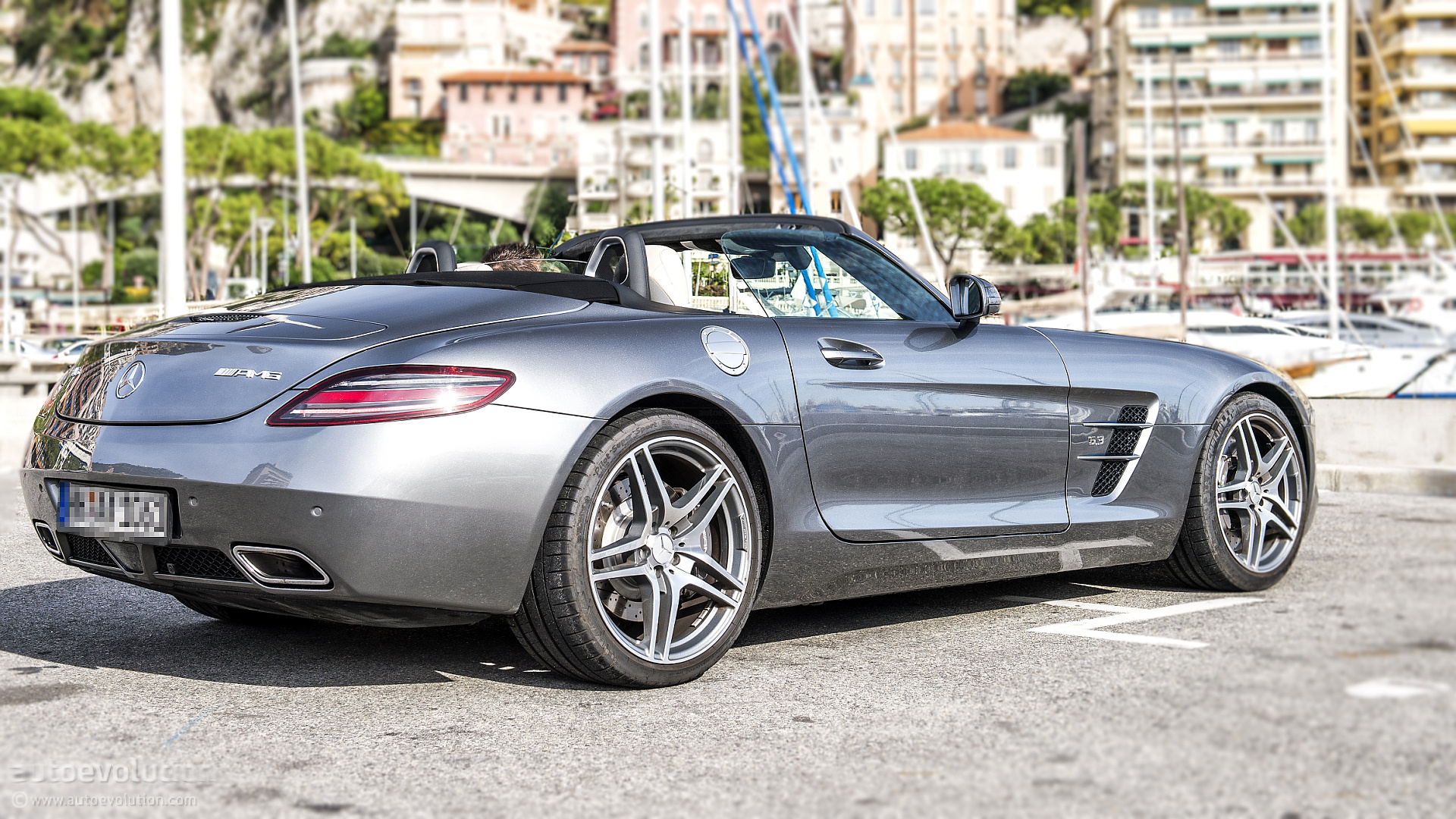
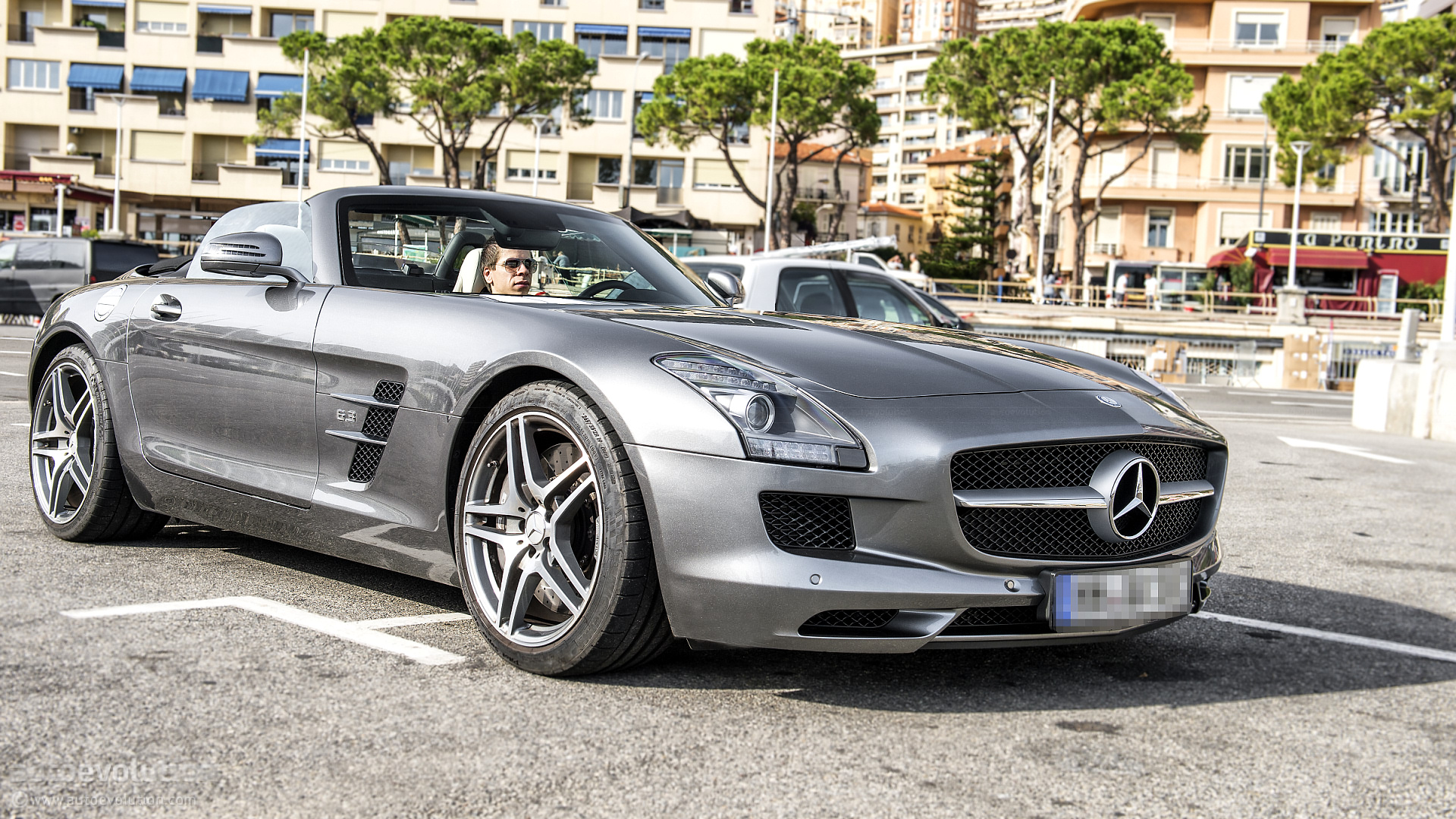
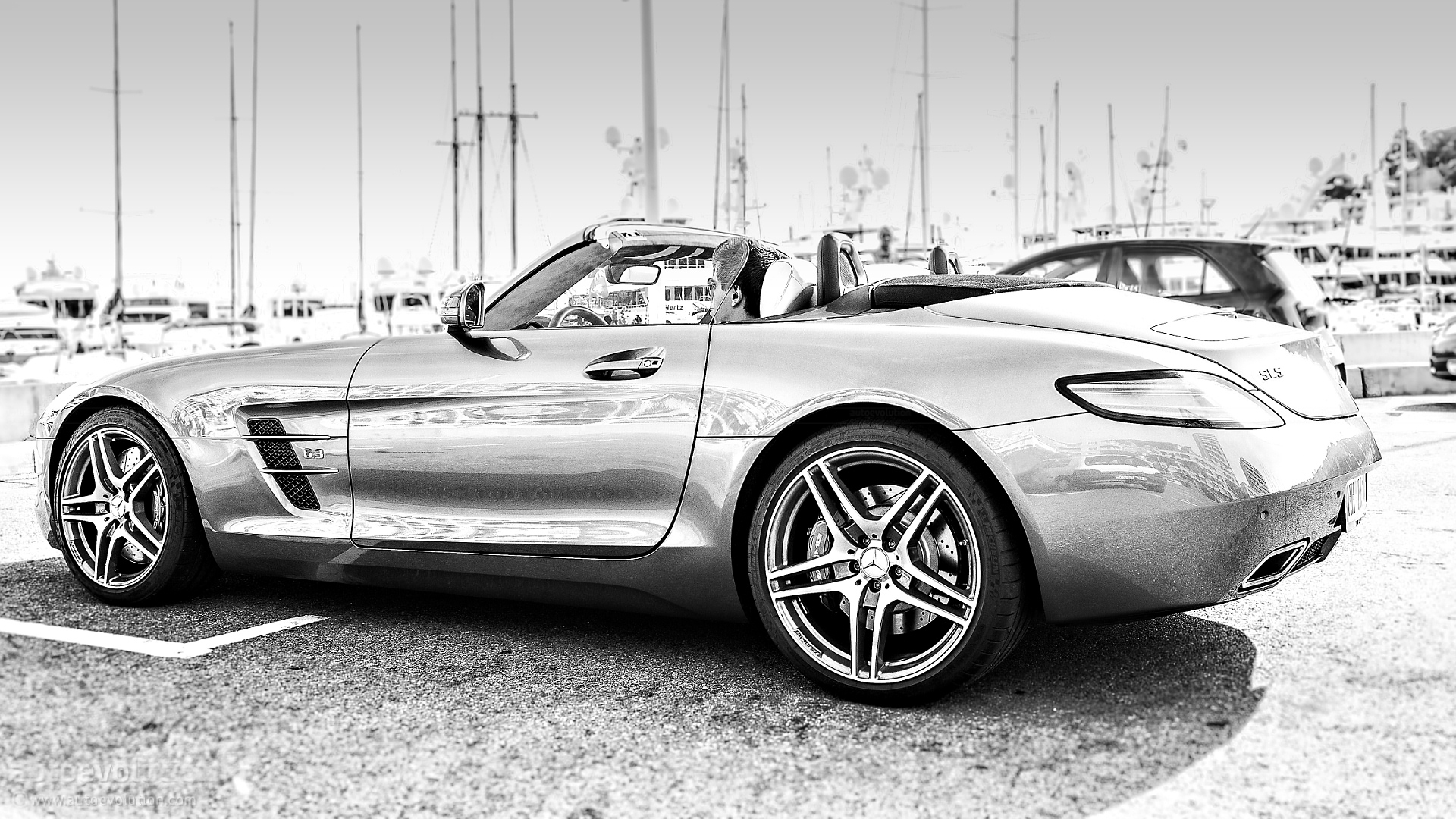
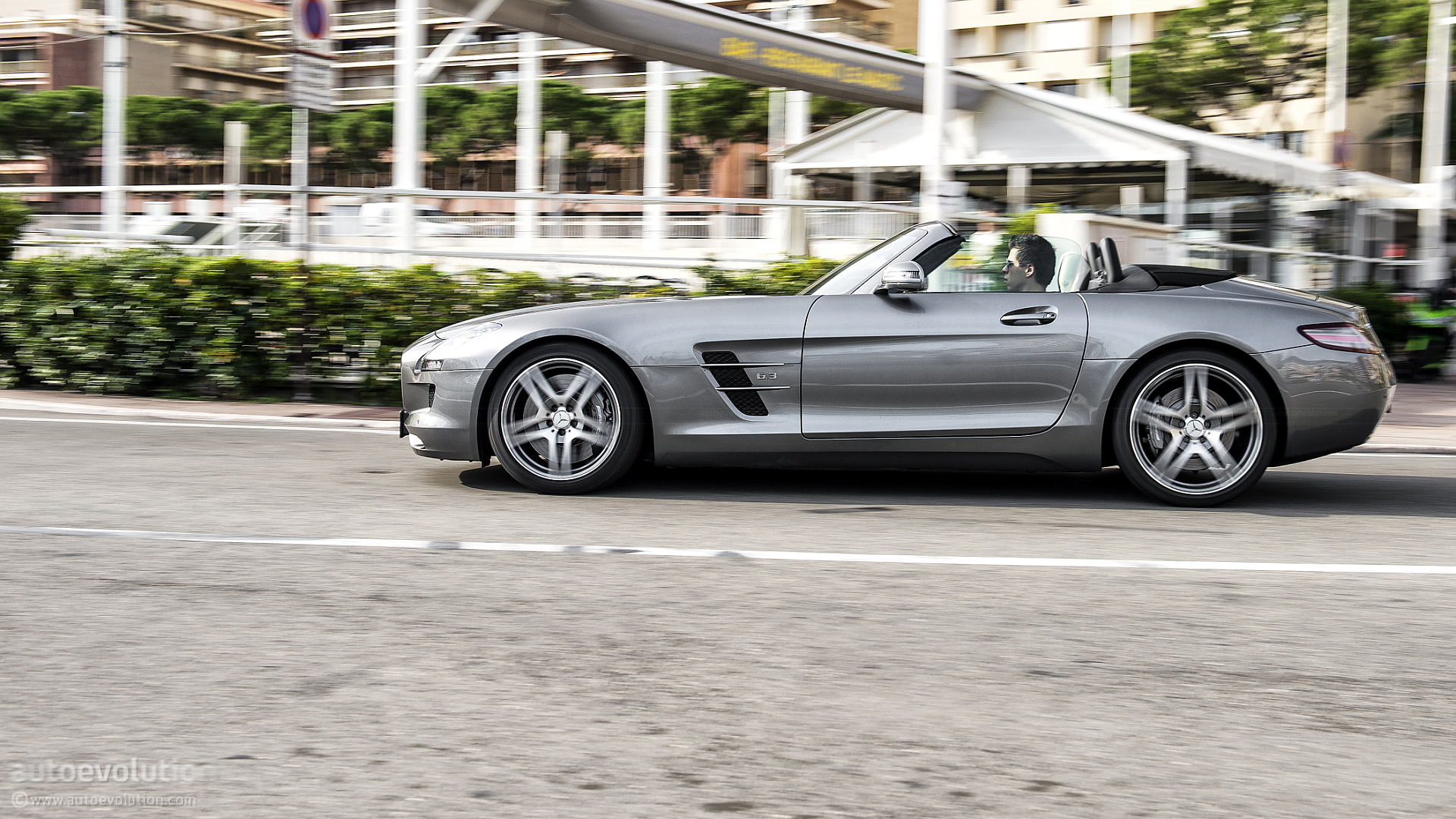
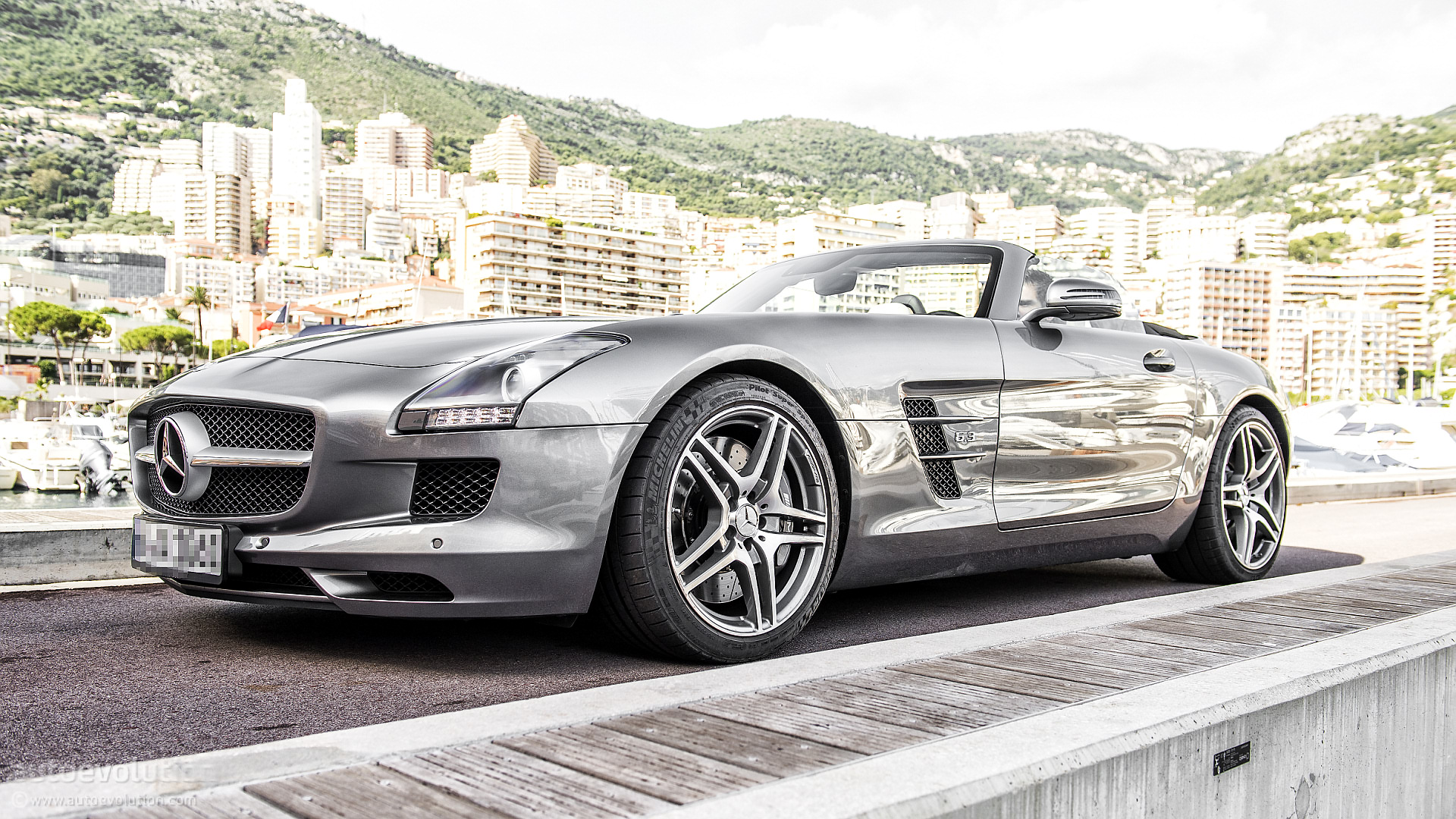
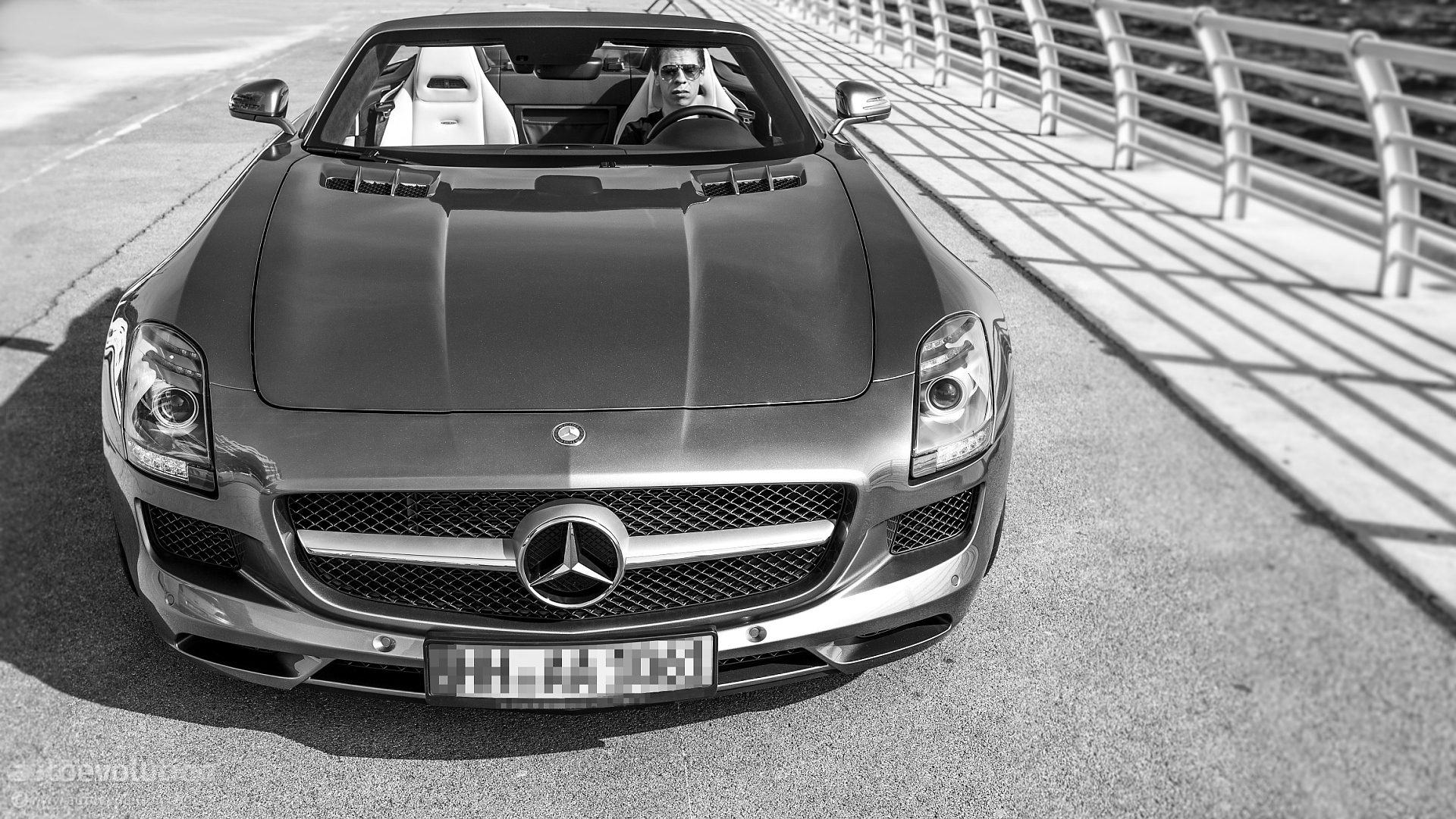
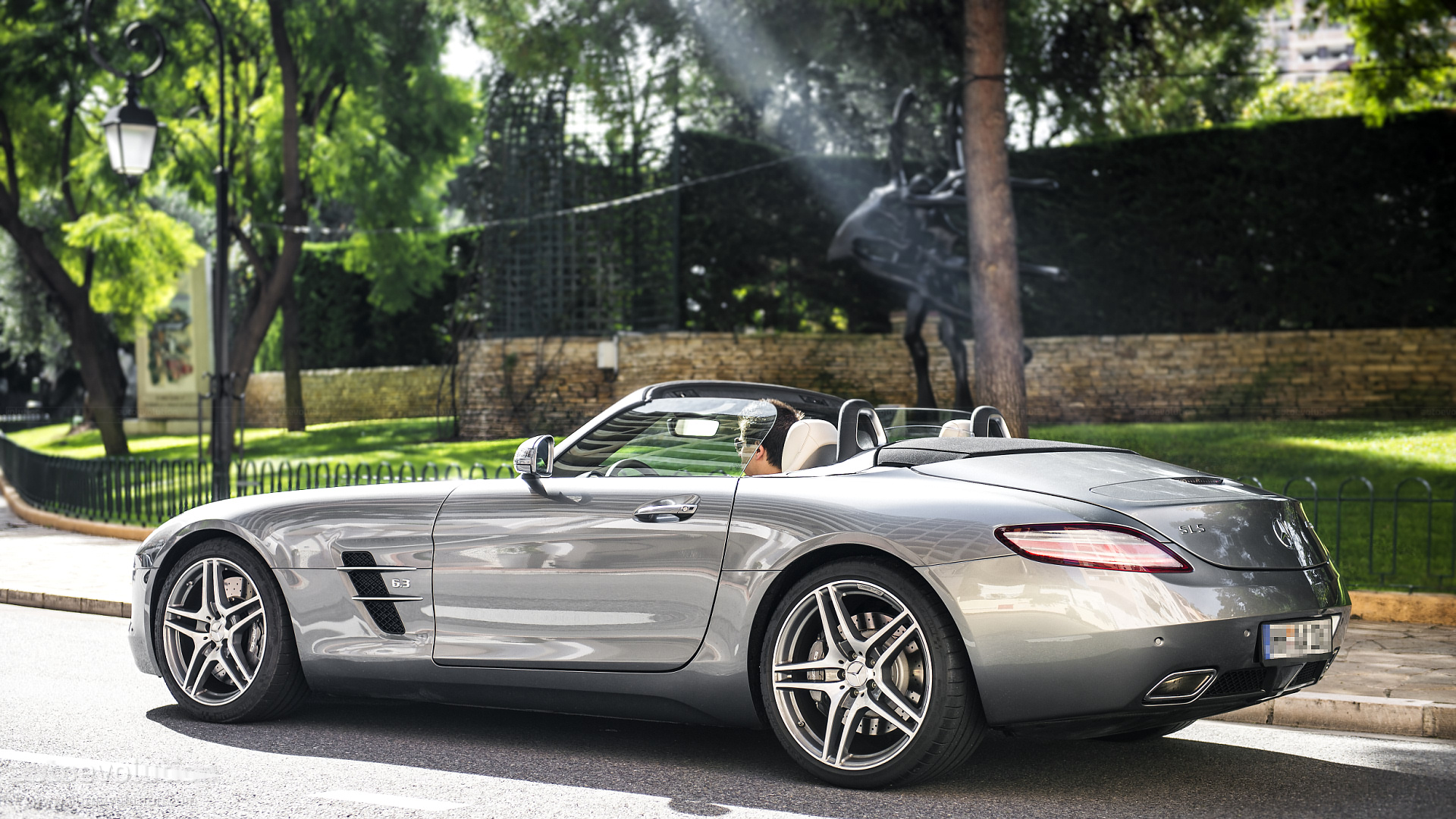
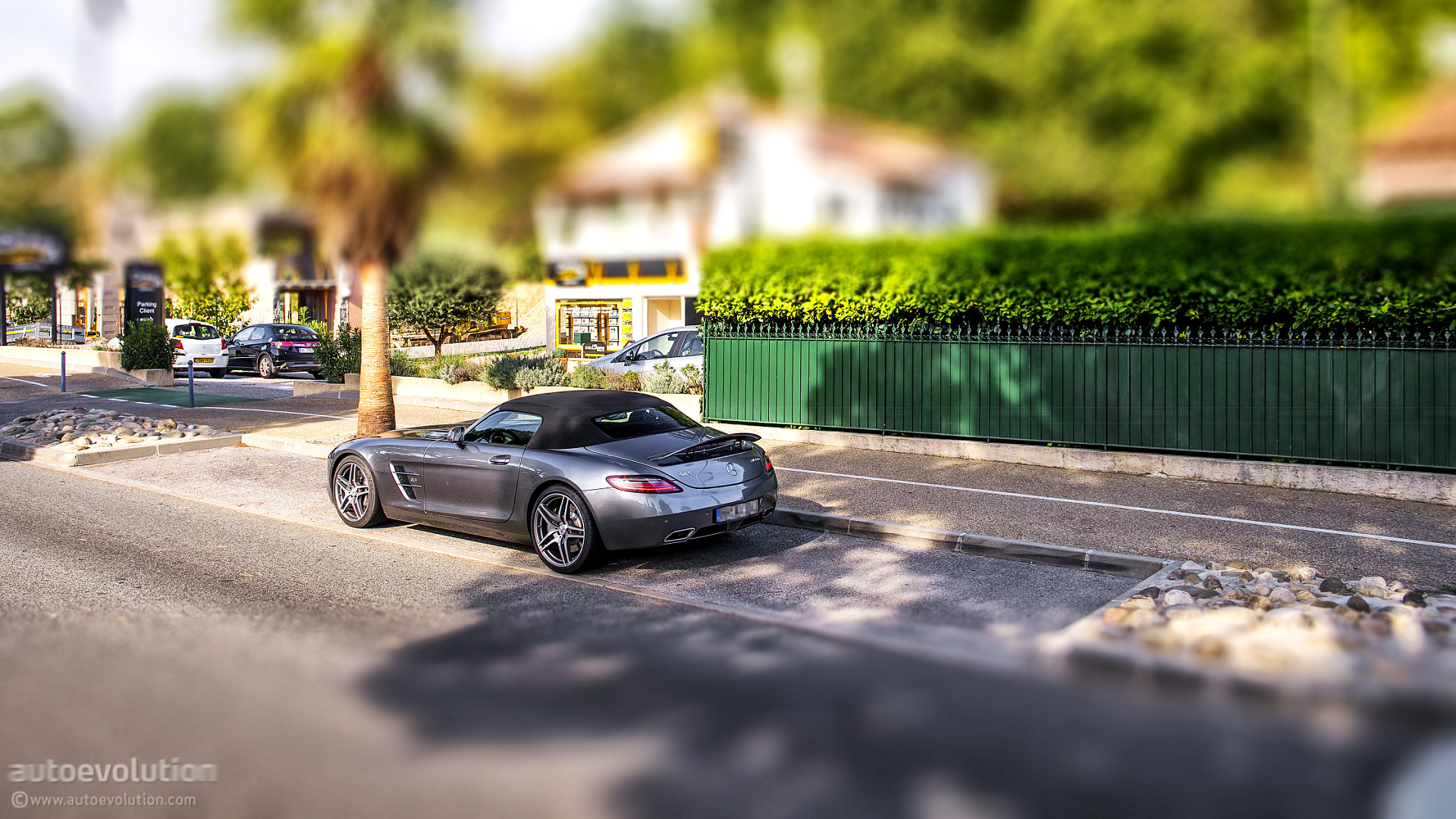
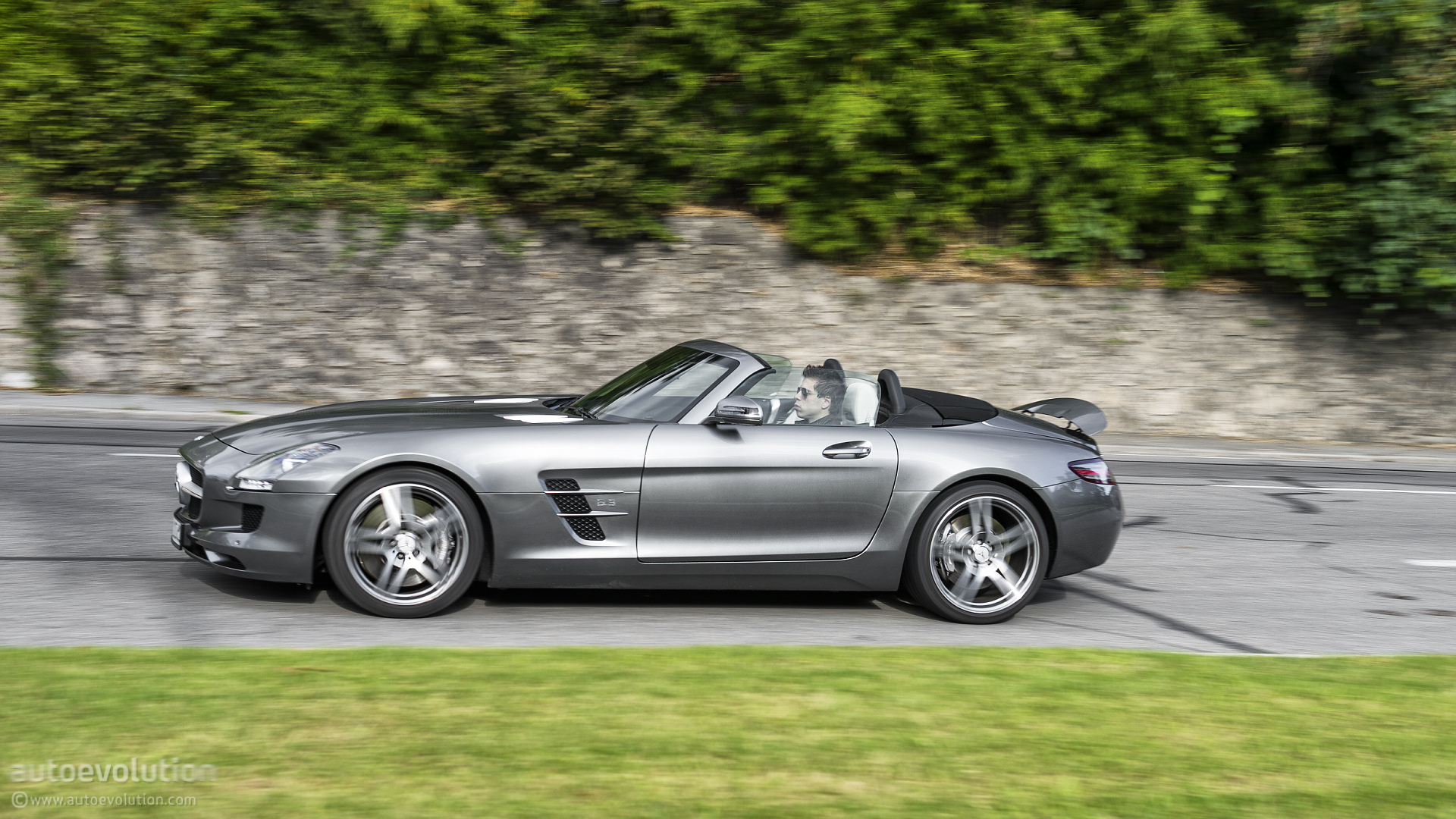
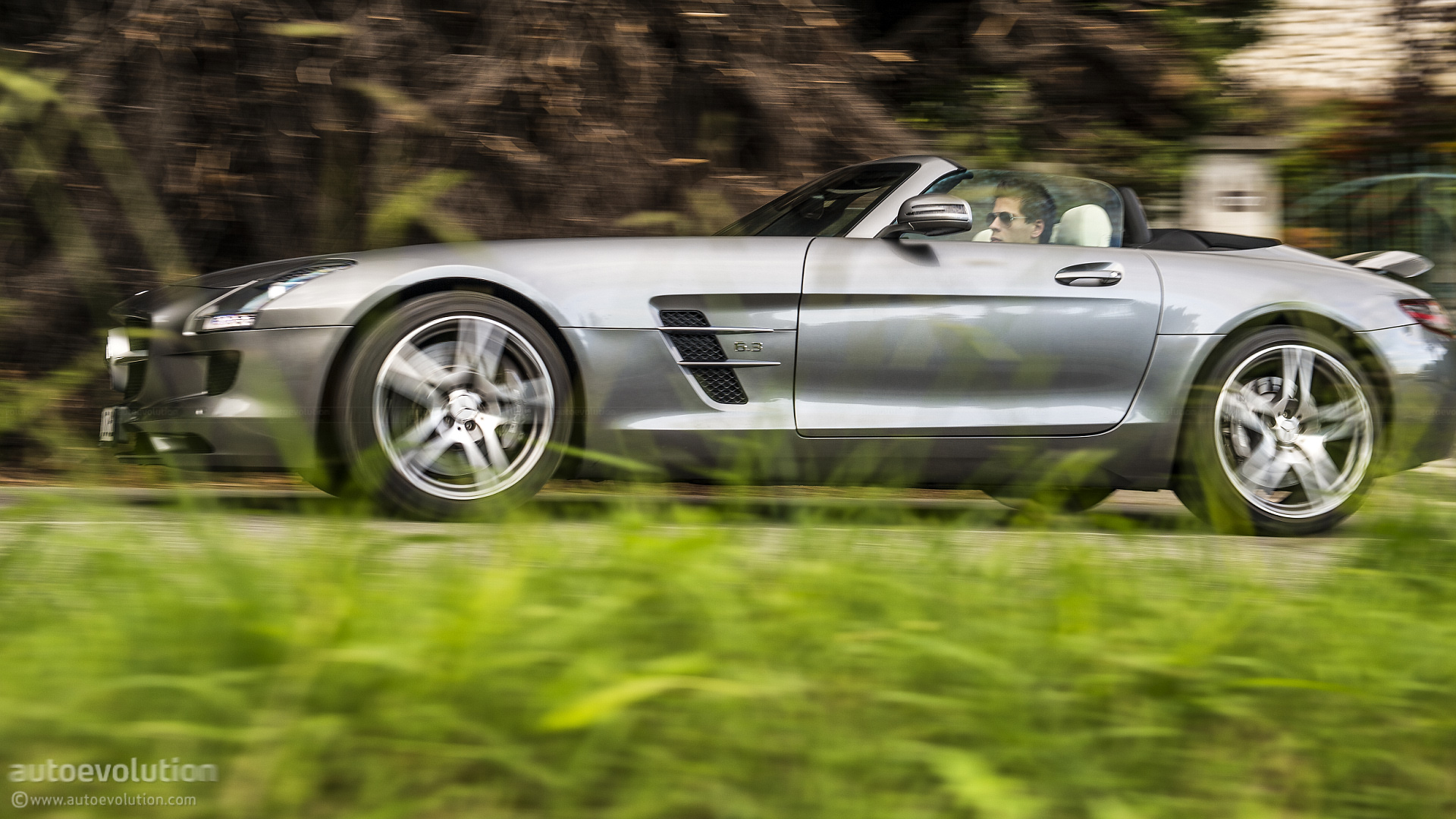
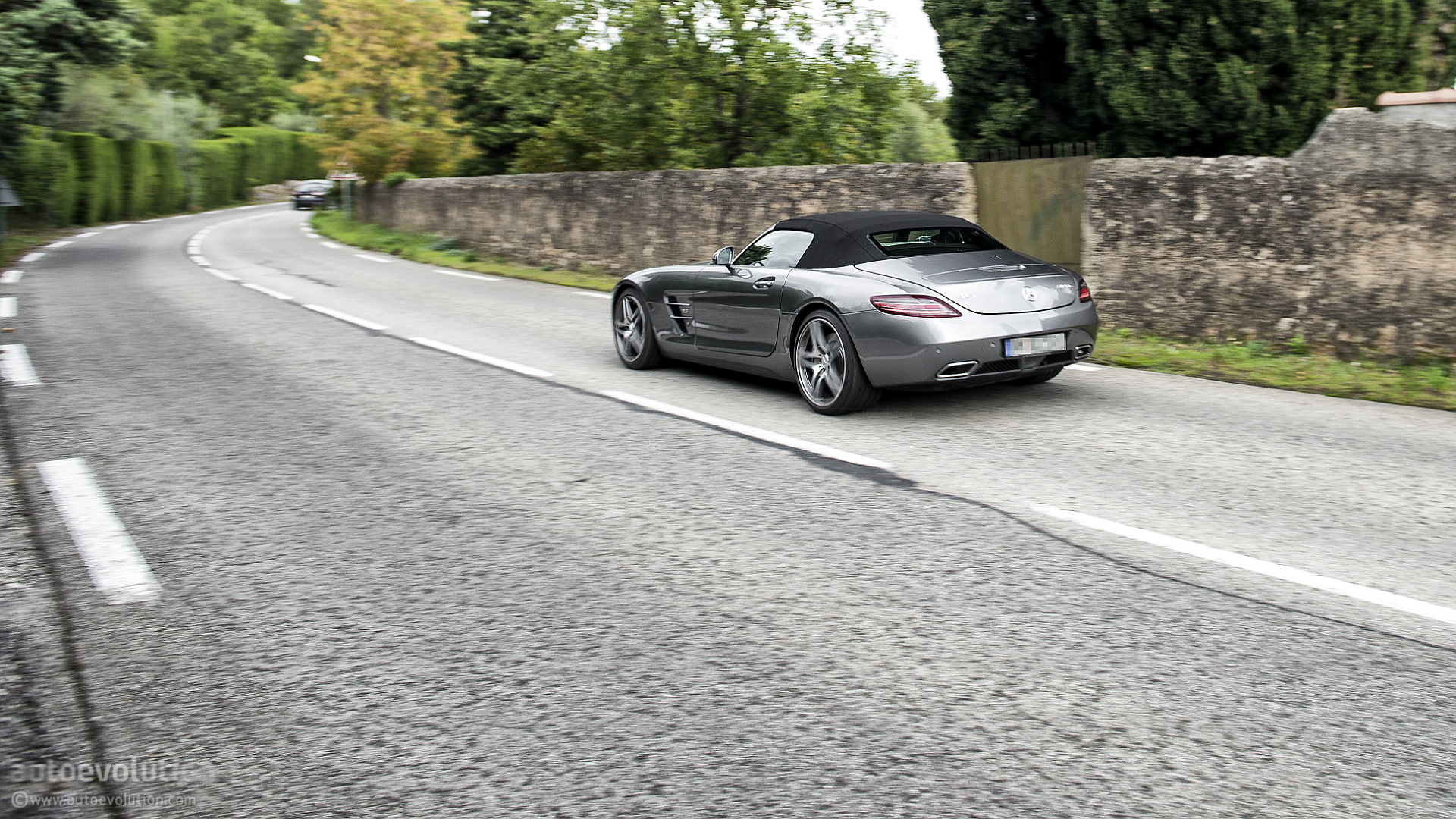
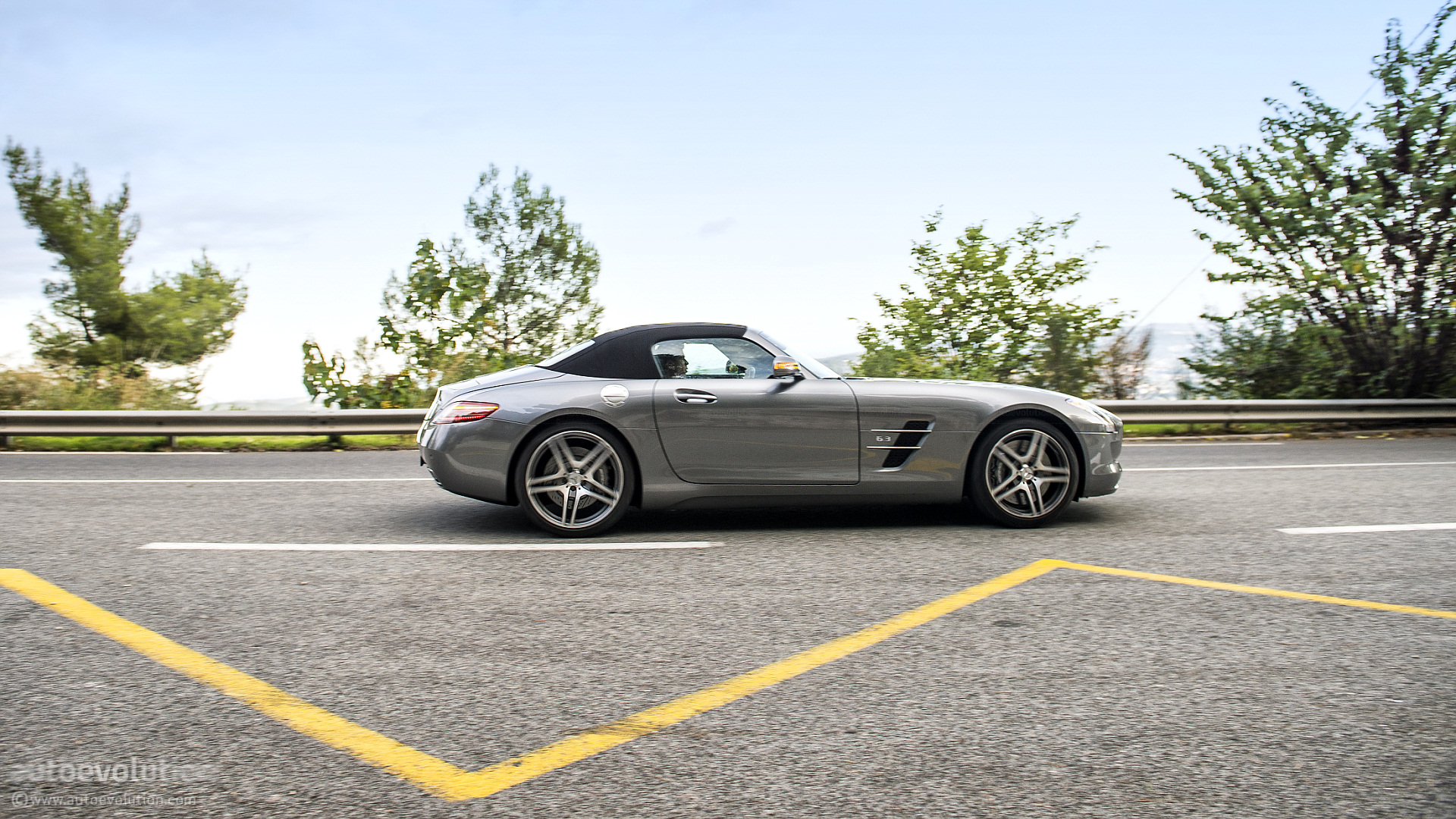
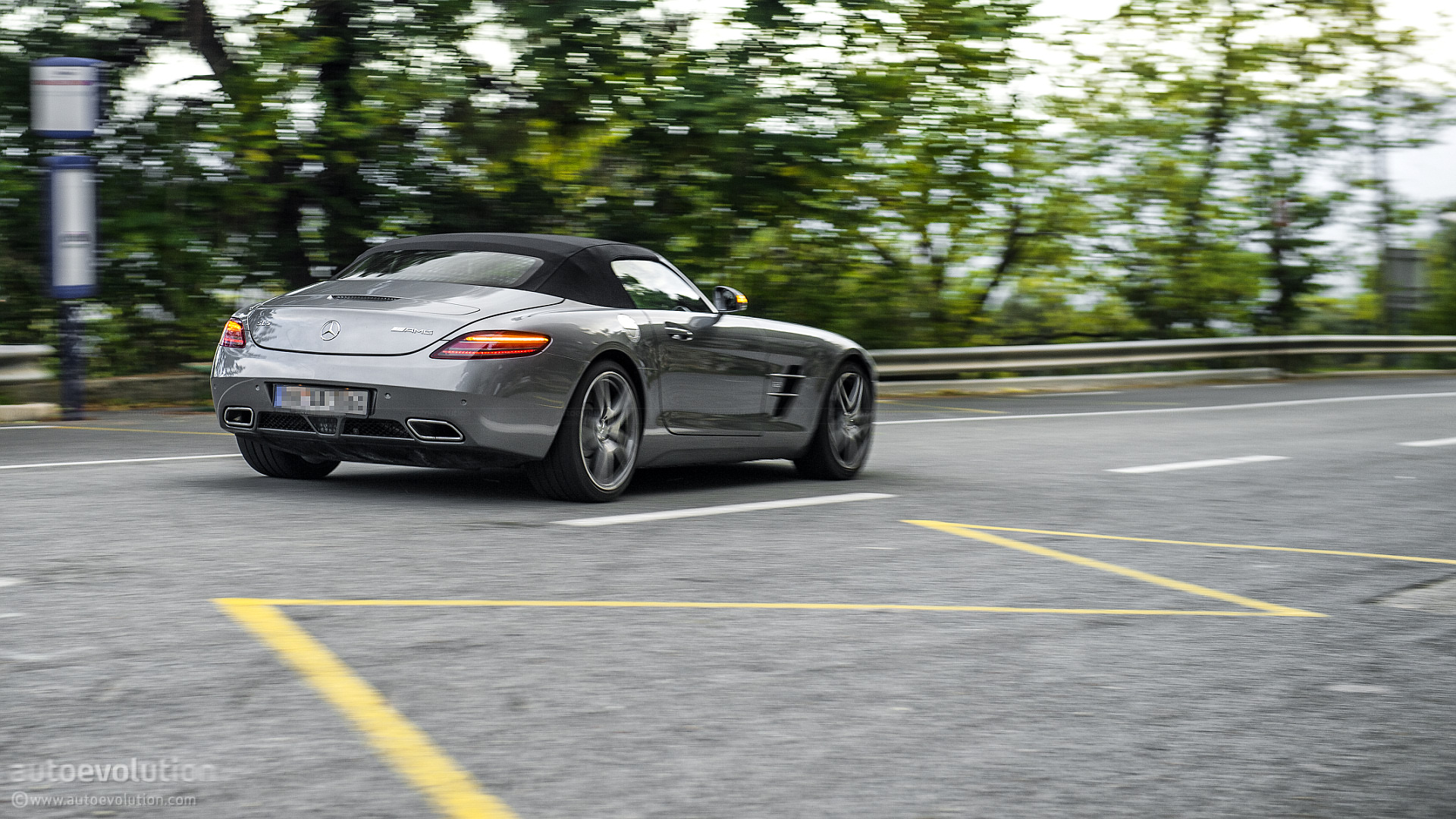
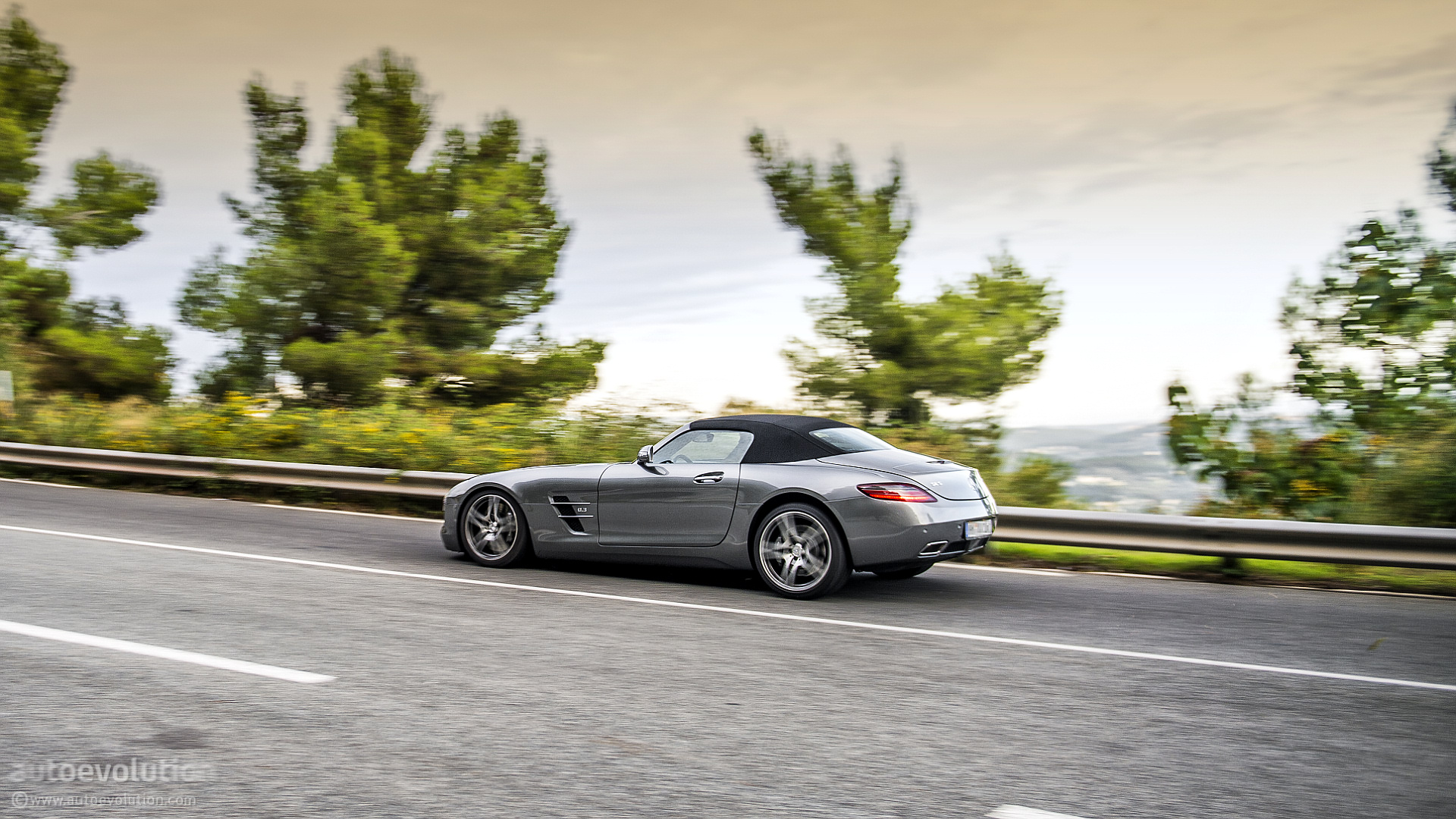
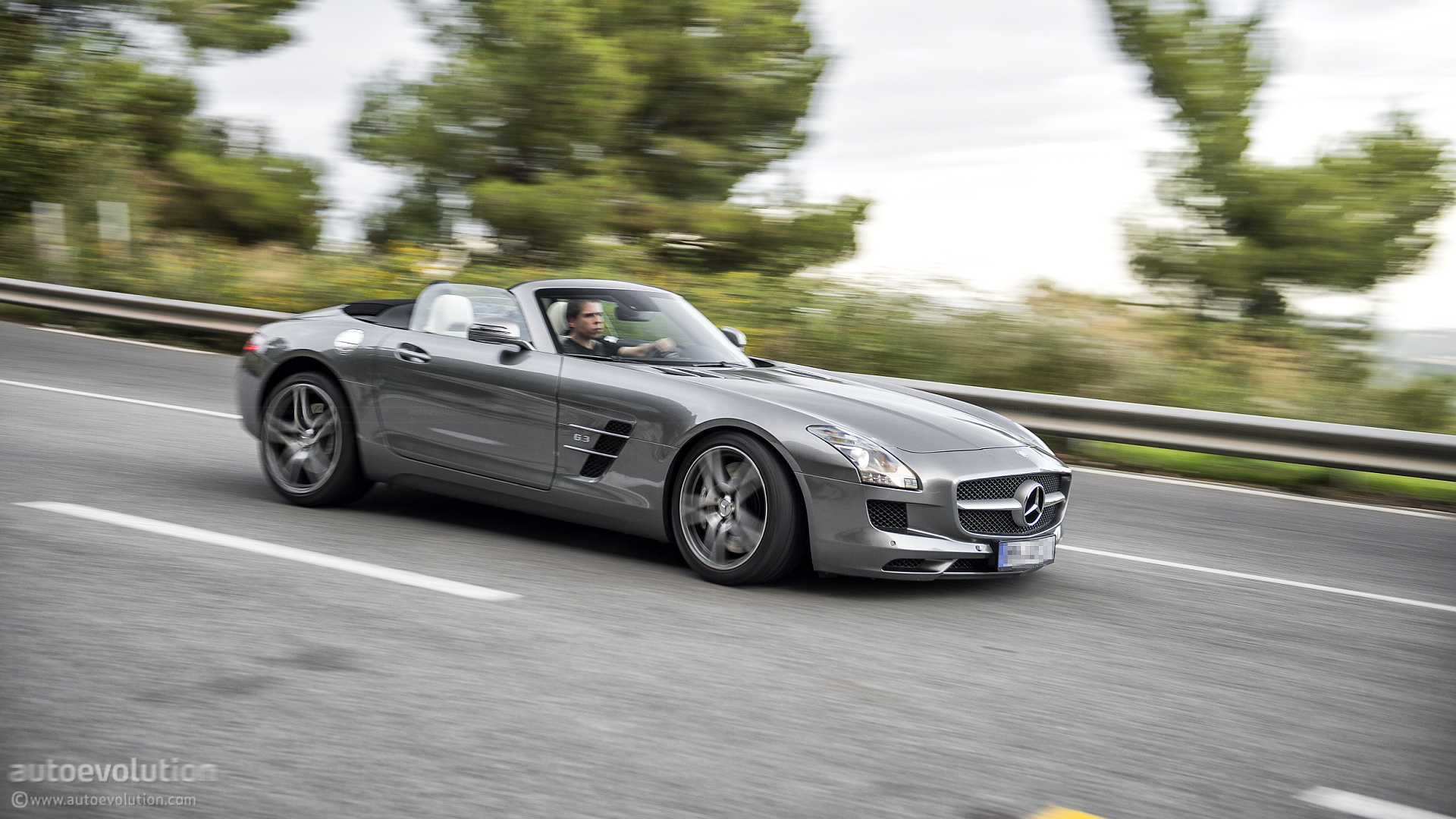
The magic starts long before you approach the car, as the perfect proportions immediately catch your eye. The width of the vehicle is simply stunning (it's wider than an S-Class!), you have two meters of bonnet, the cabin sits lows and towards the back and then there's the short rear overhang, which makes absolutely no compromise, just like the aforementioned abdomen of a very athletic person.
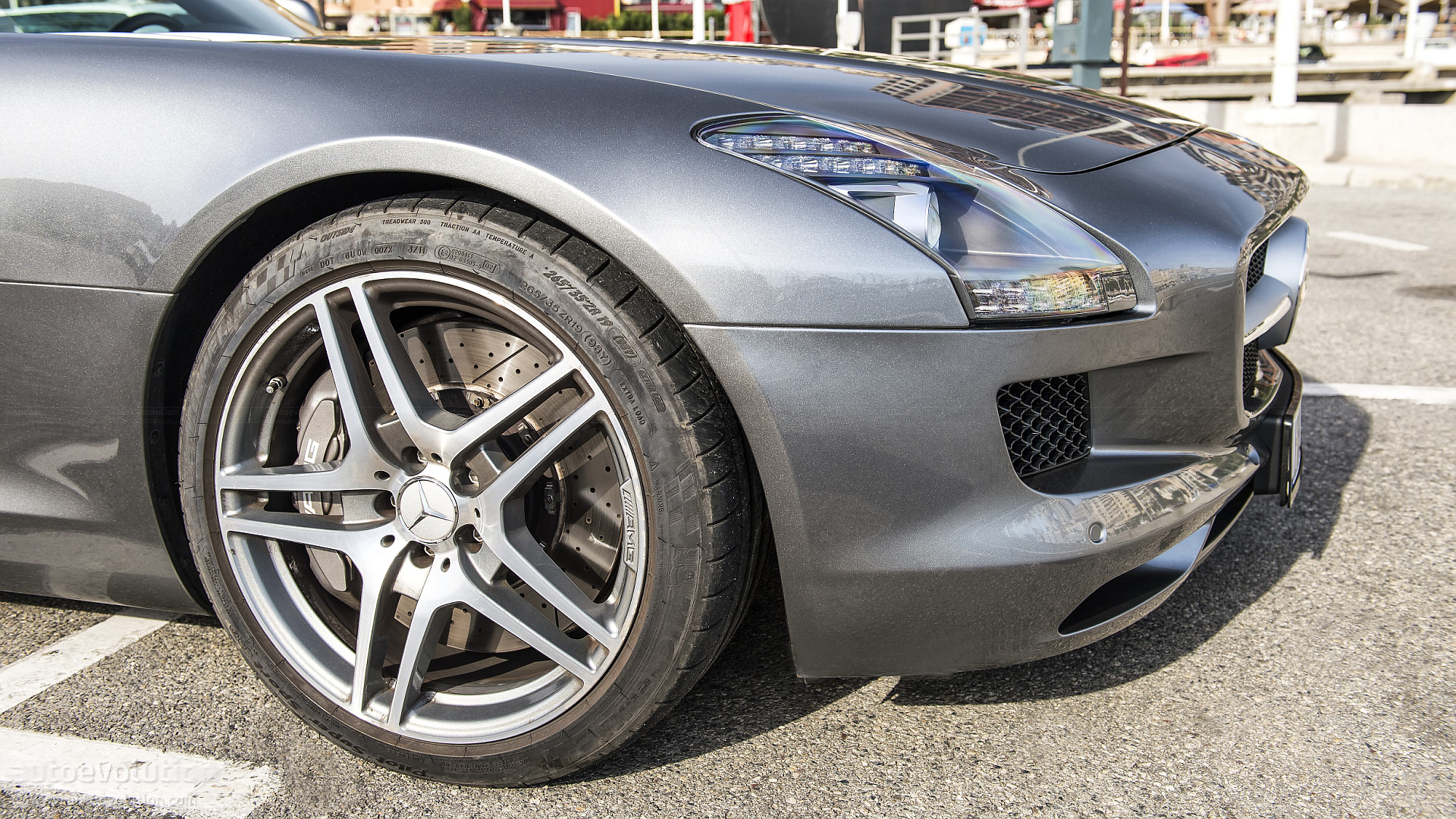
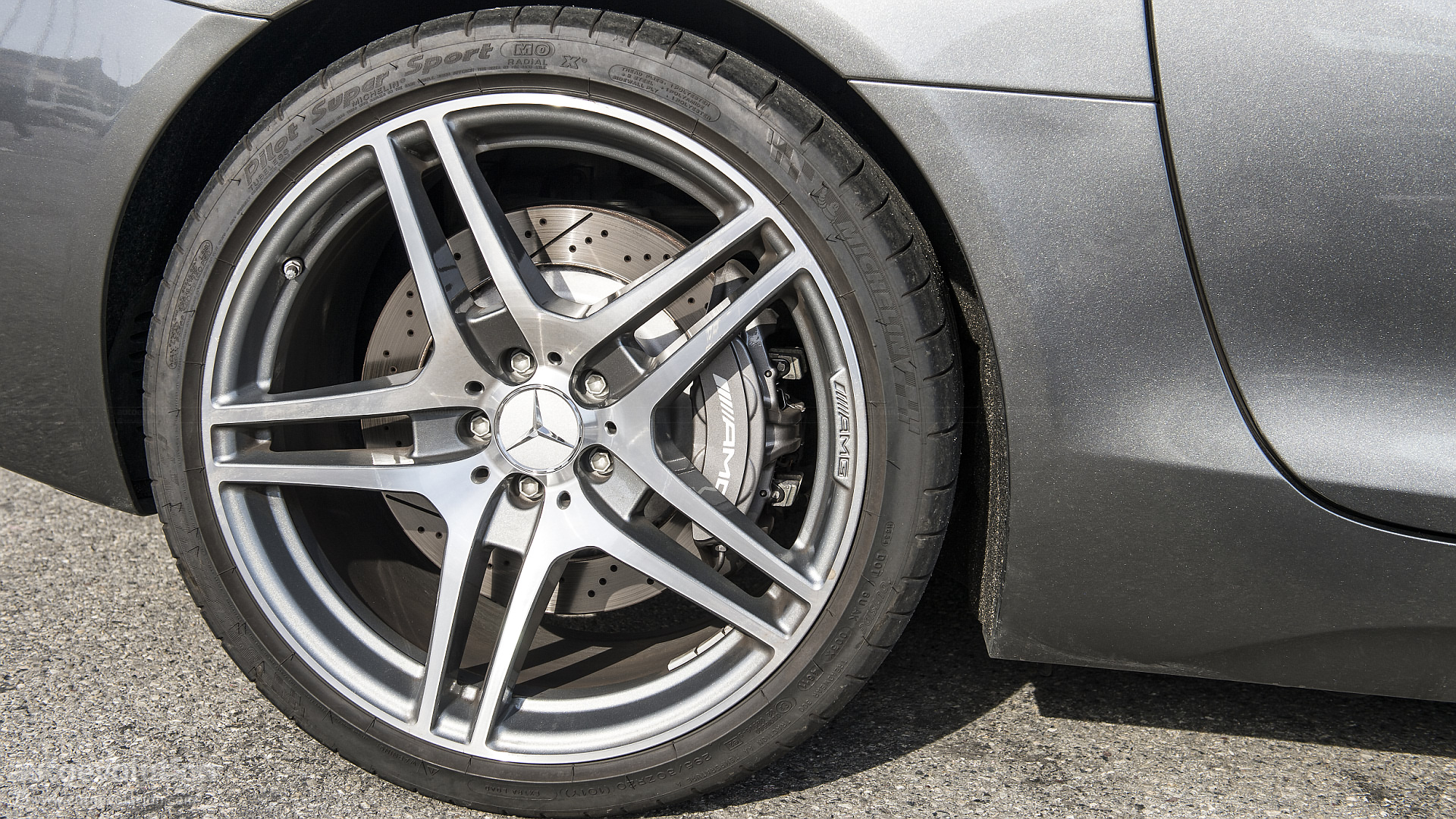
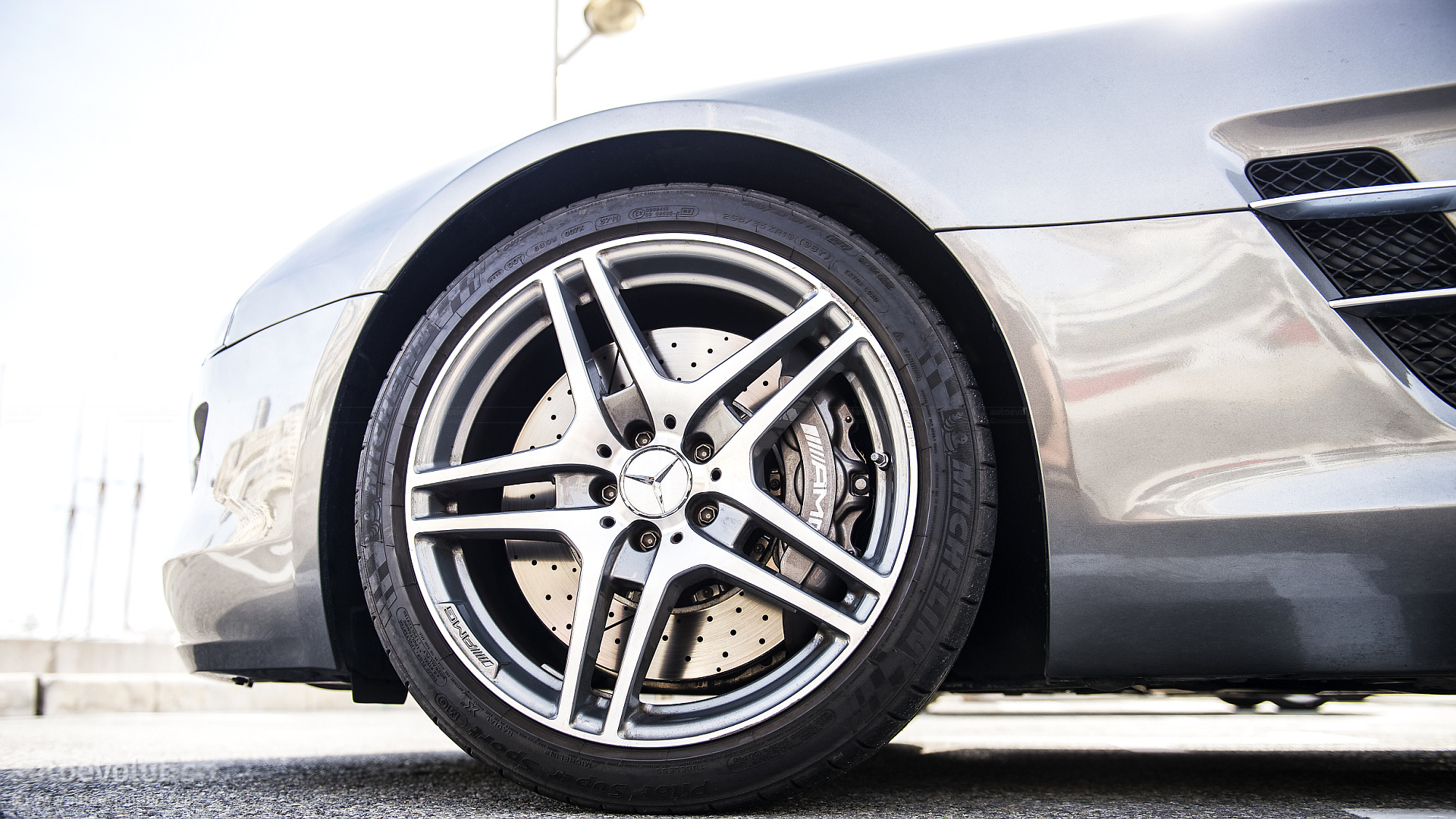
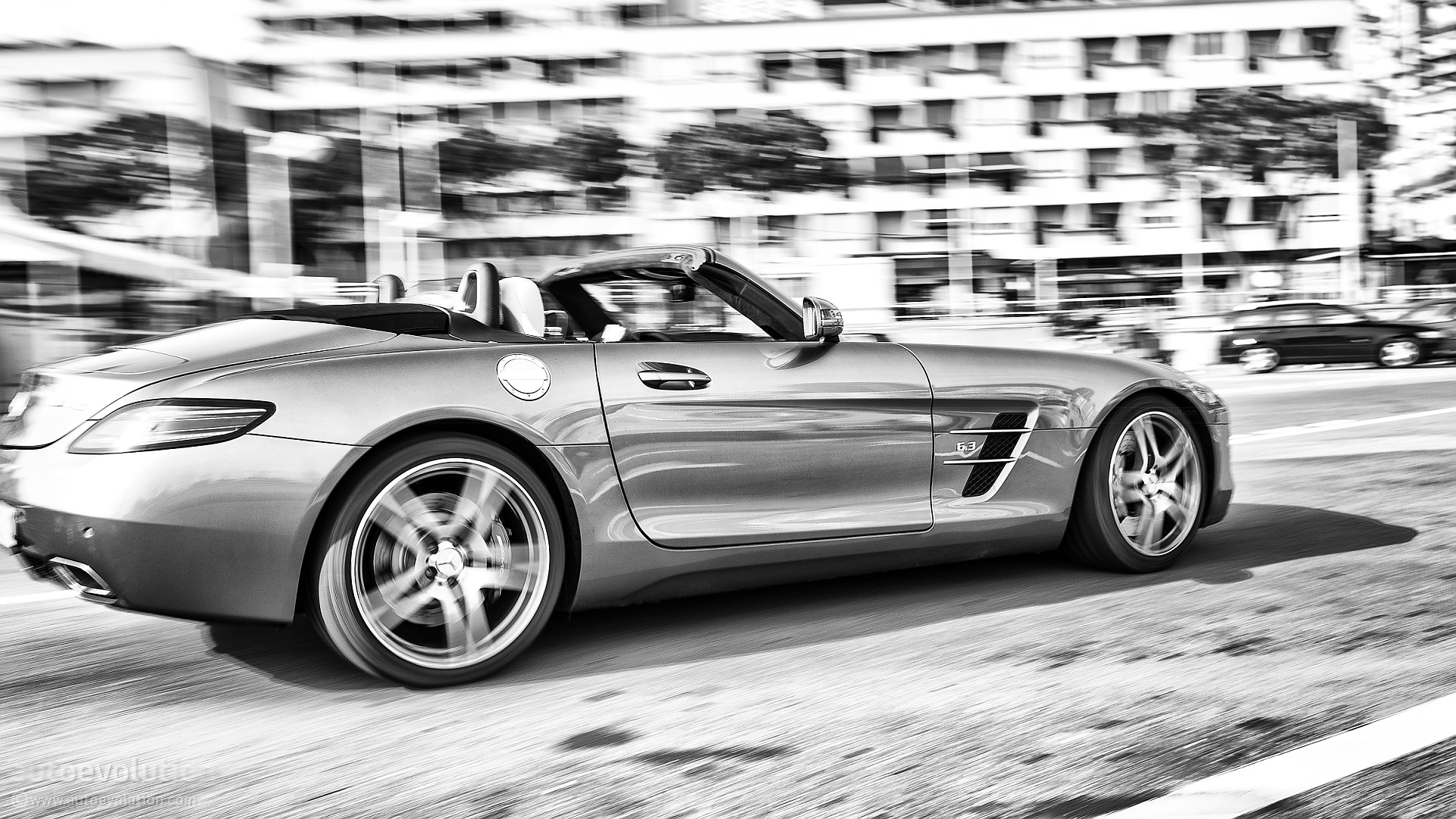
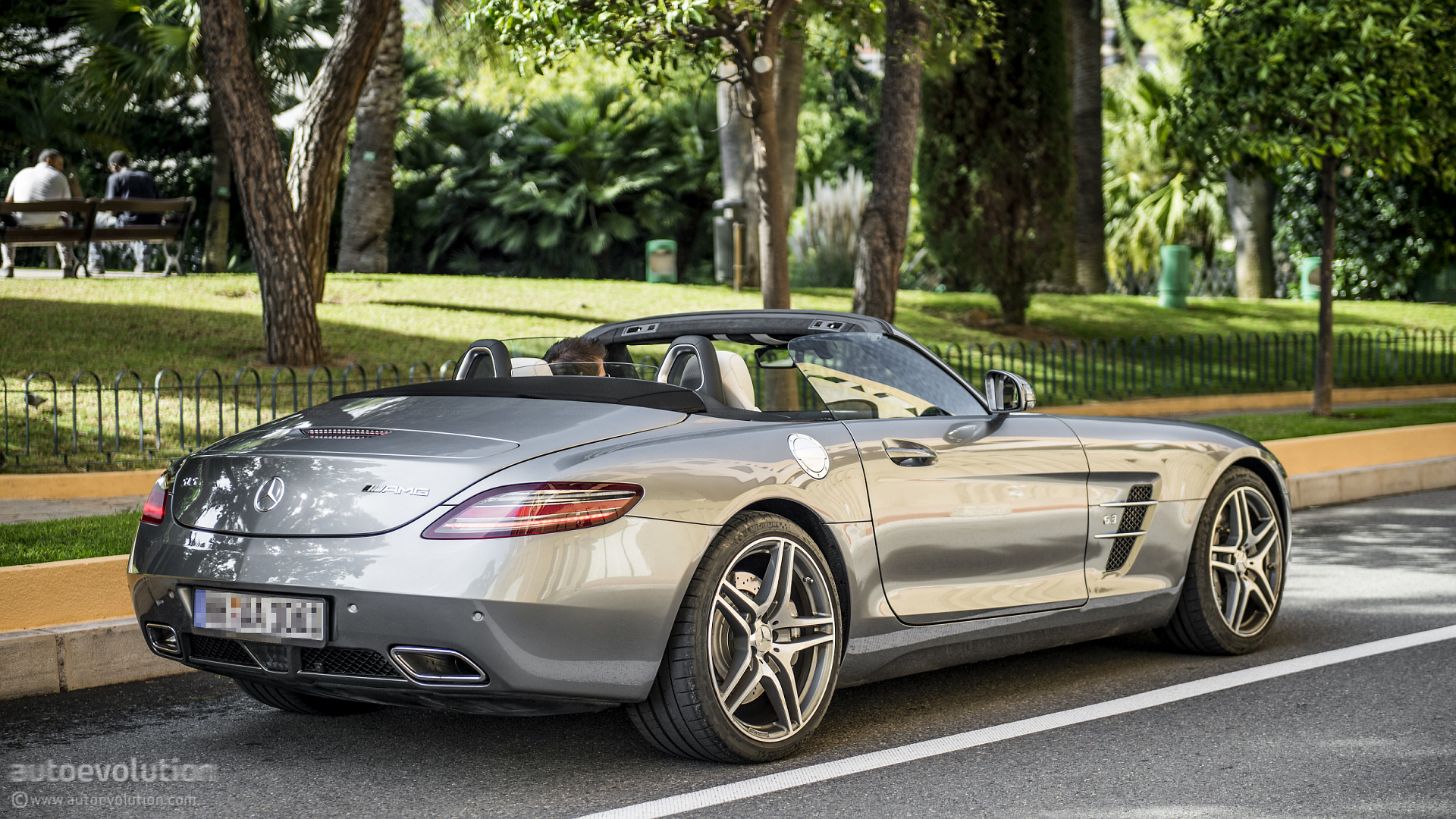
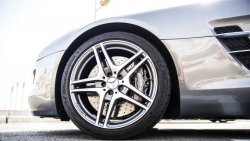
The Roadster takes this proportions even further into the artistic zone, as, especially with the roof down, it exaggerates the positioning of the cabin we were talking about, reminding us of a fighter plane. Mercedes was well aware of this and it even used tricks to plant this idea in our minds, such as the use of 20-inch wheels at the back and 19-inch wheels up front, which further underlines the proportions we are talking about.
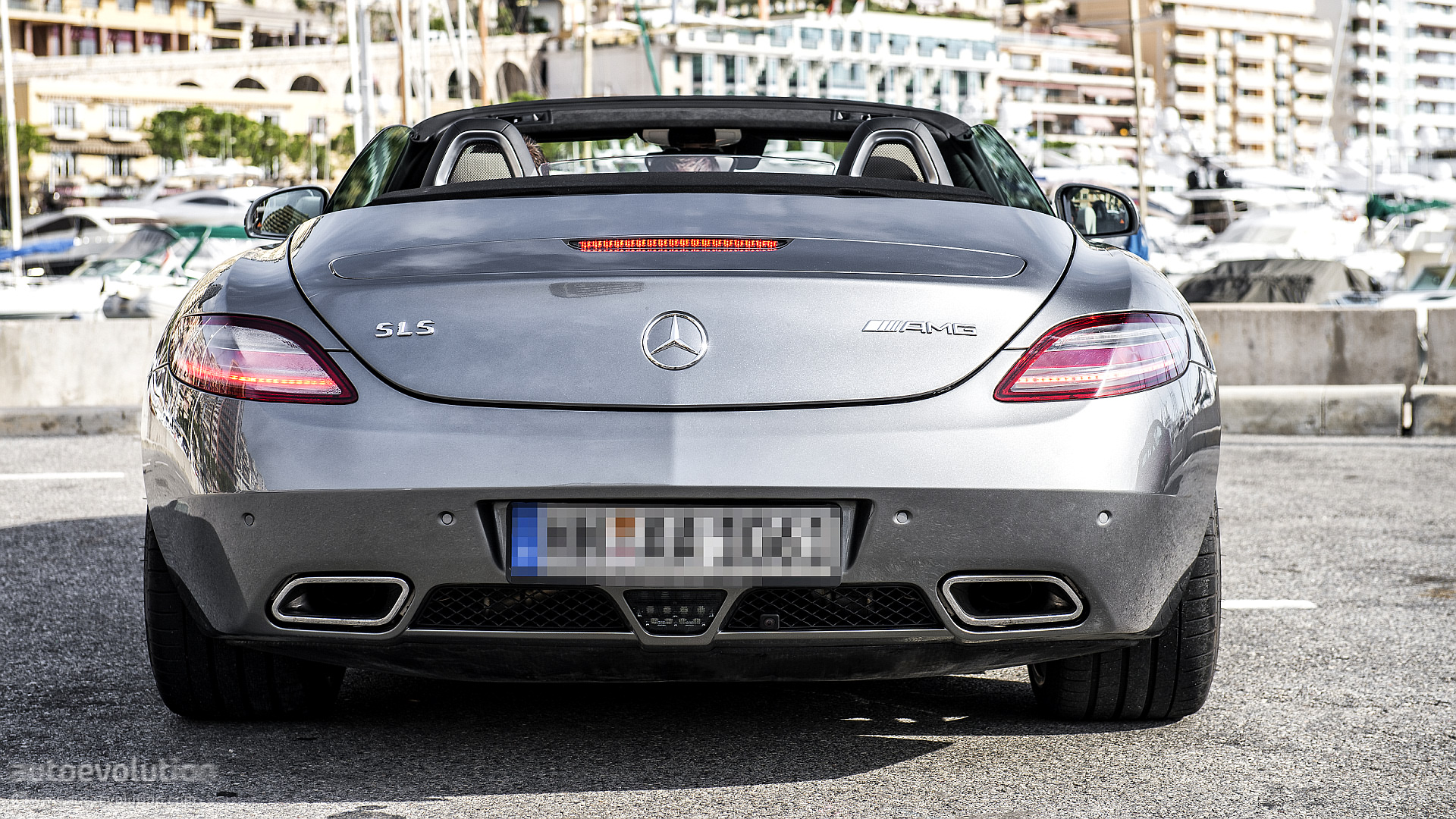
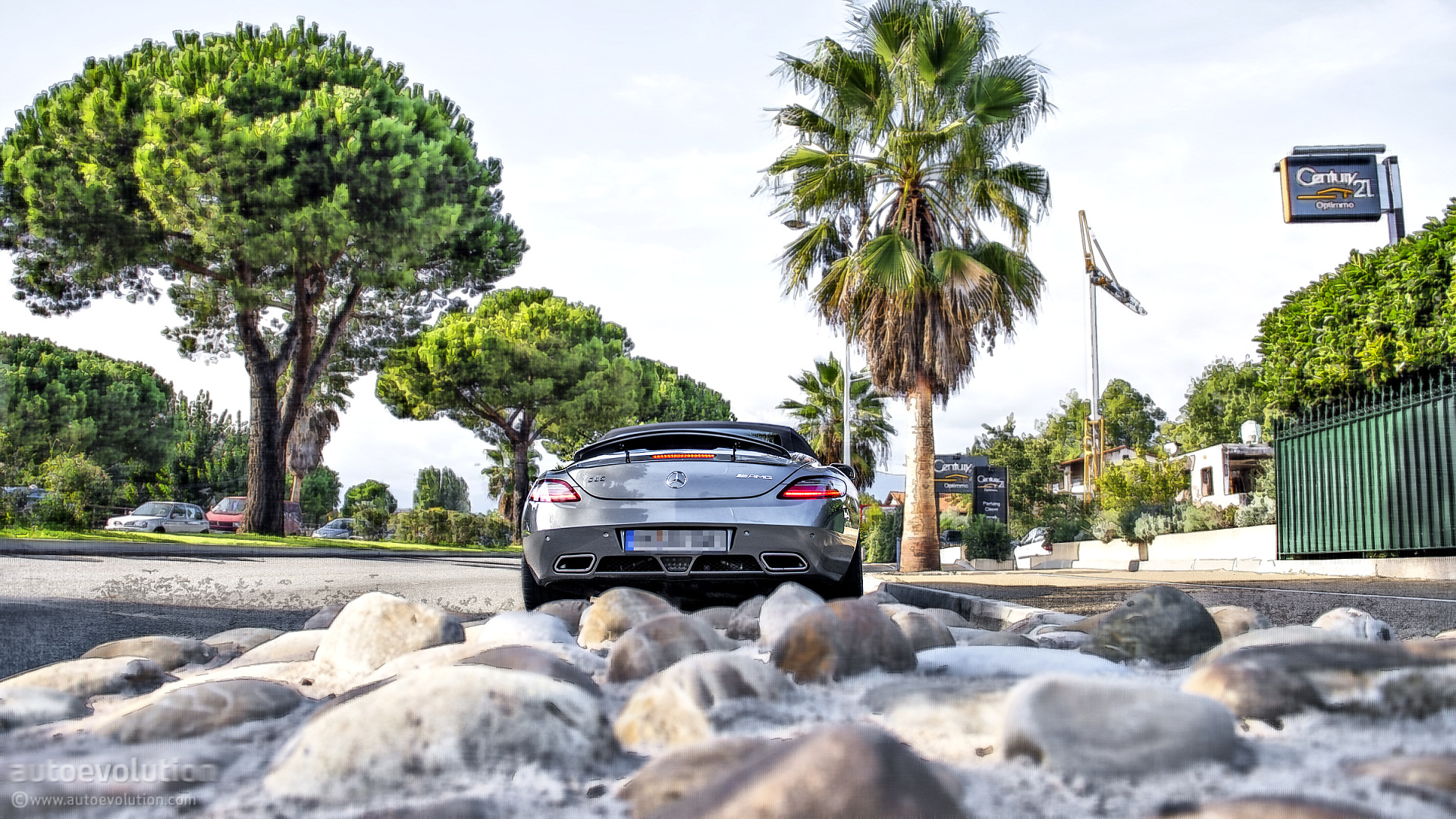
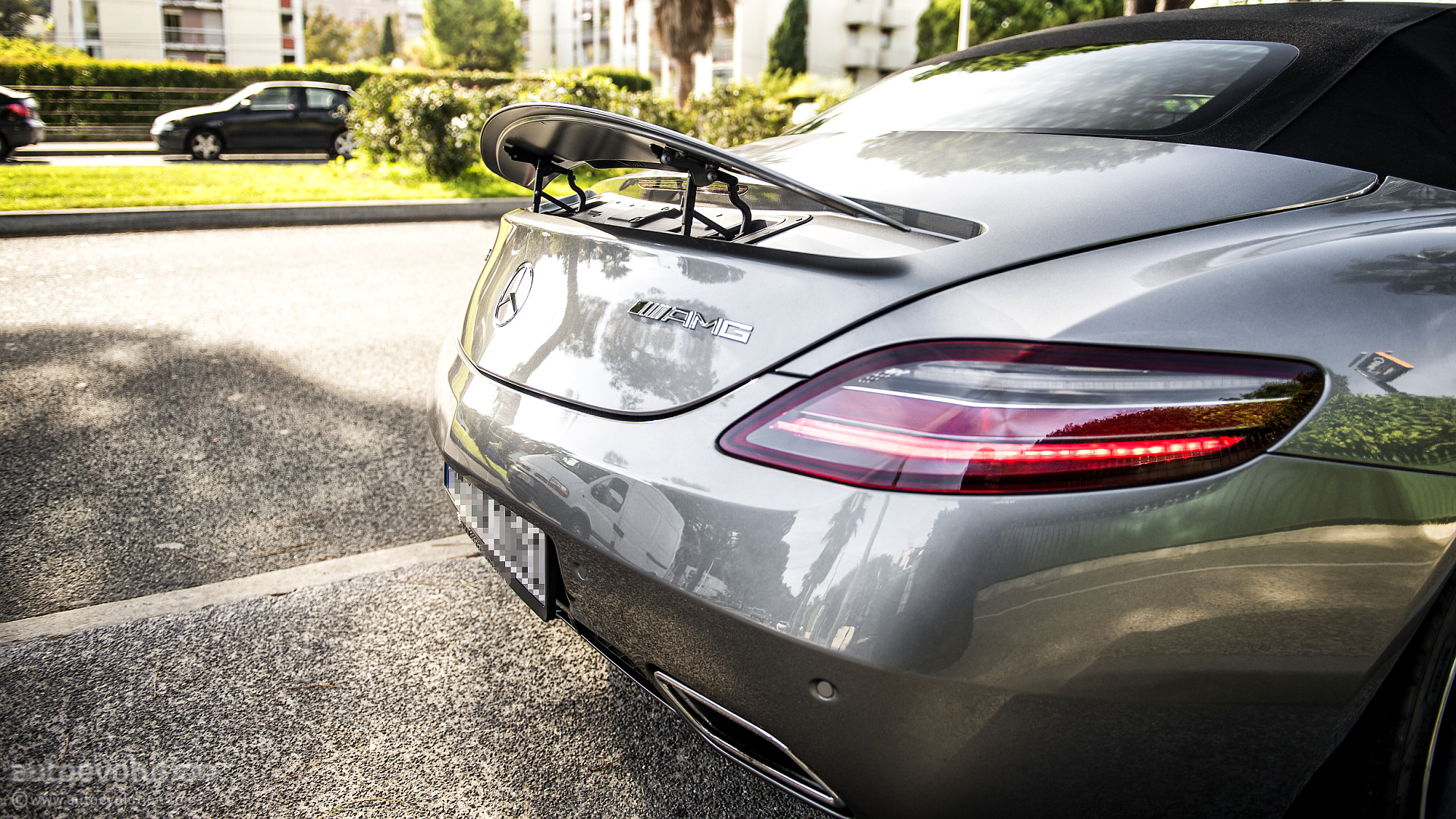
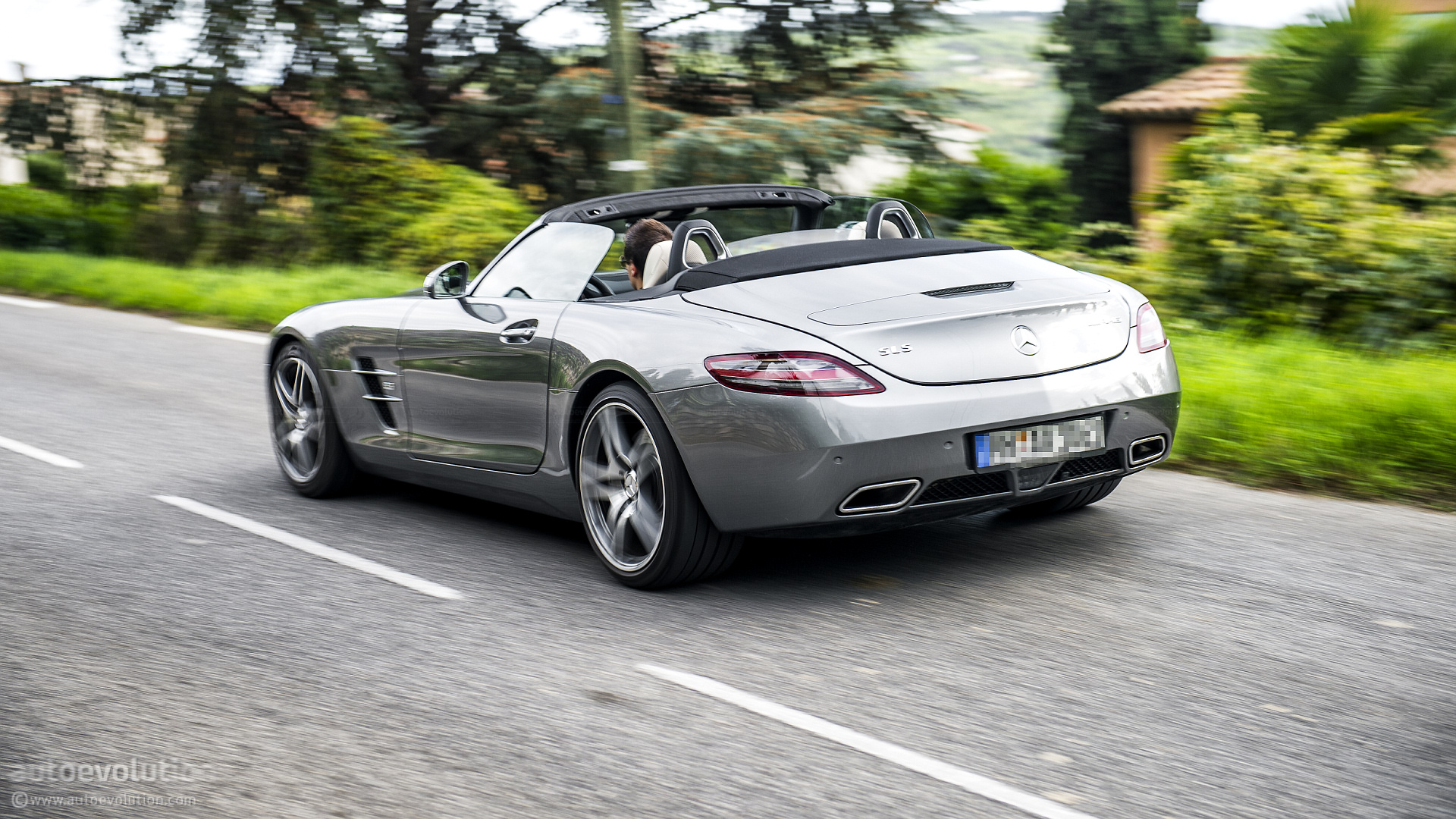
The aforementioned scheme is common among supercar producers, but in the case of the SLS it gets a new meaning, one that accentuates the finesse of the car. The same asset, finesse, also applies to the rear wing, a discrete presence that appears once you go past 120 km/h (75 mph) or when you push a dedicated button on the center console.
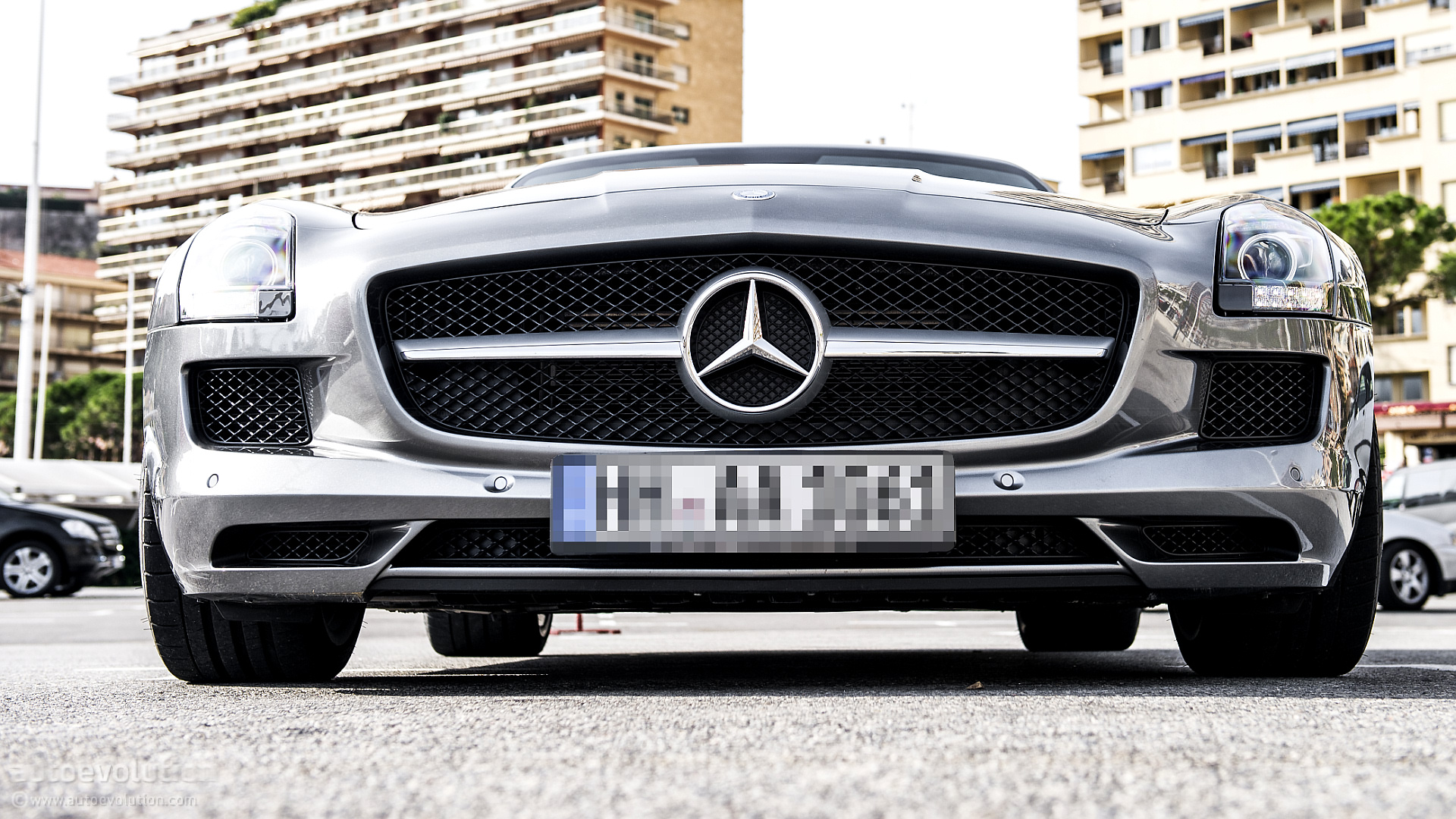
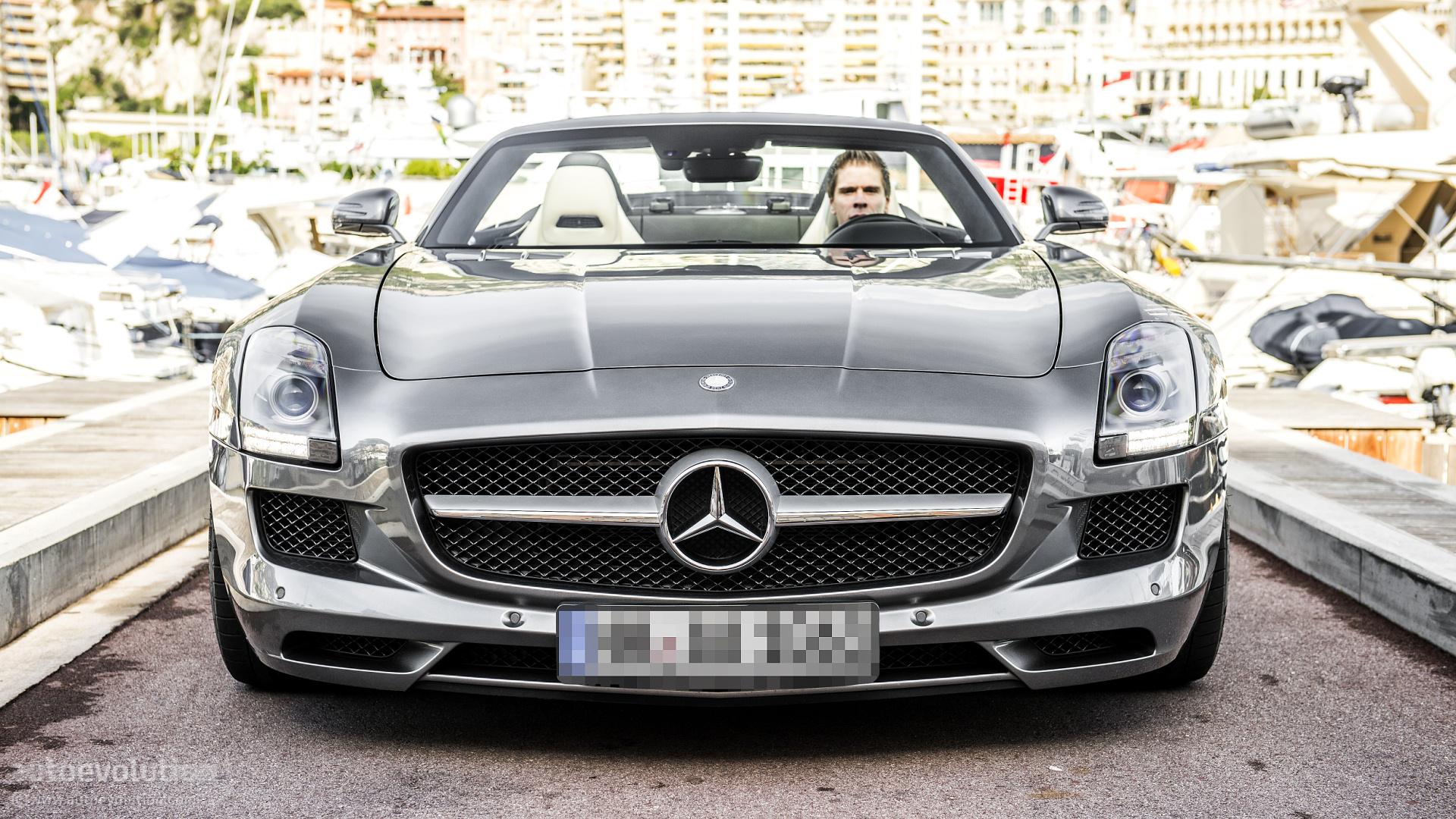
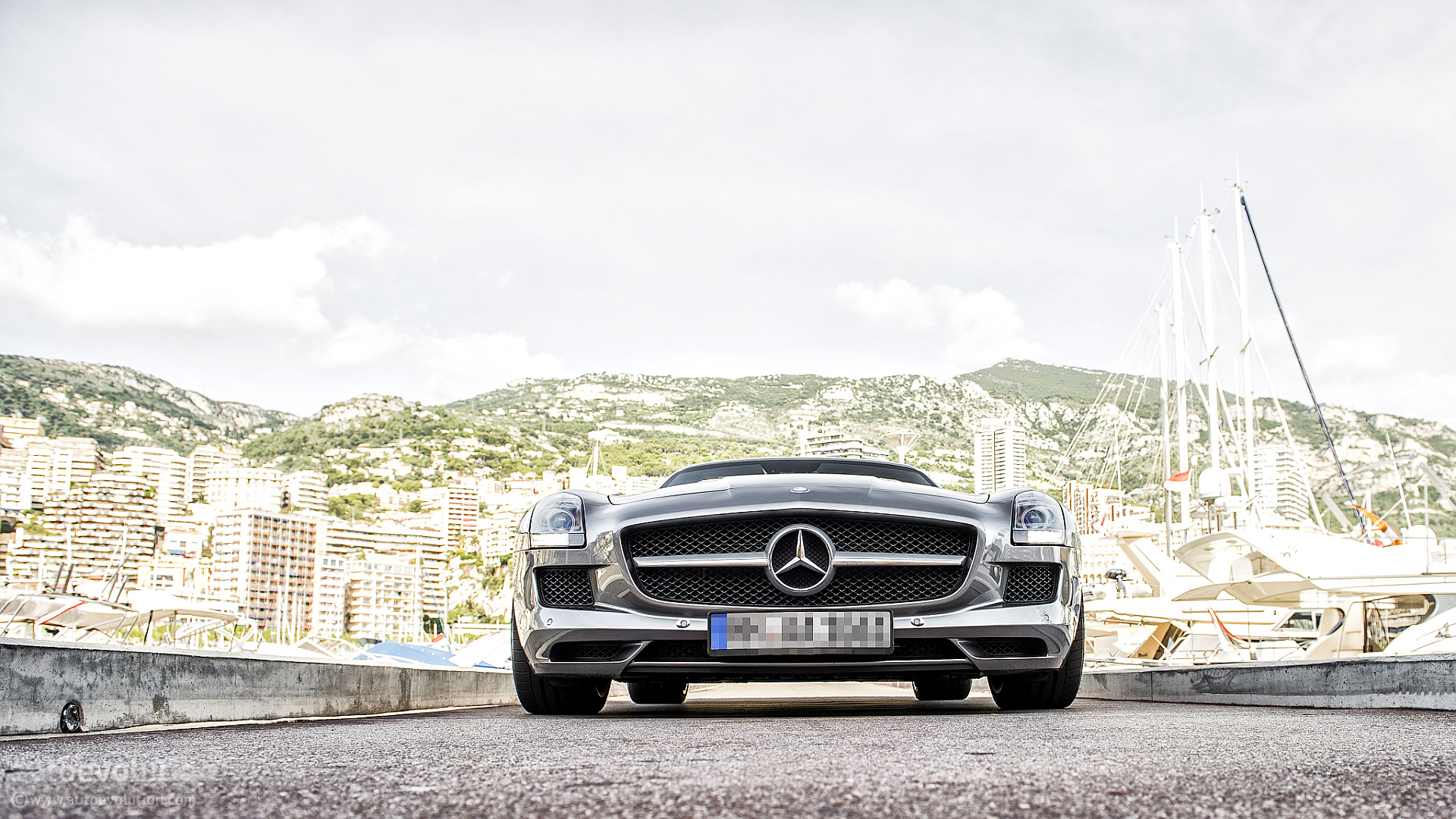
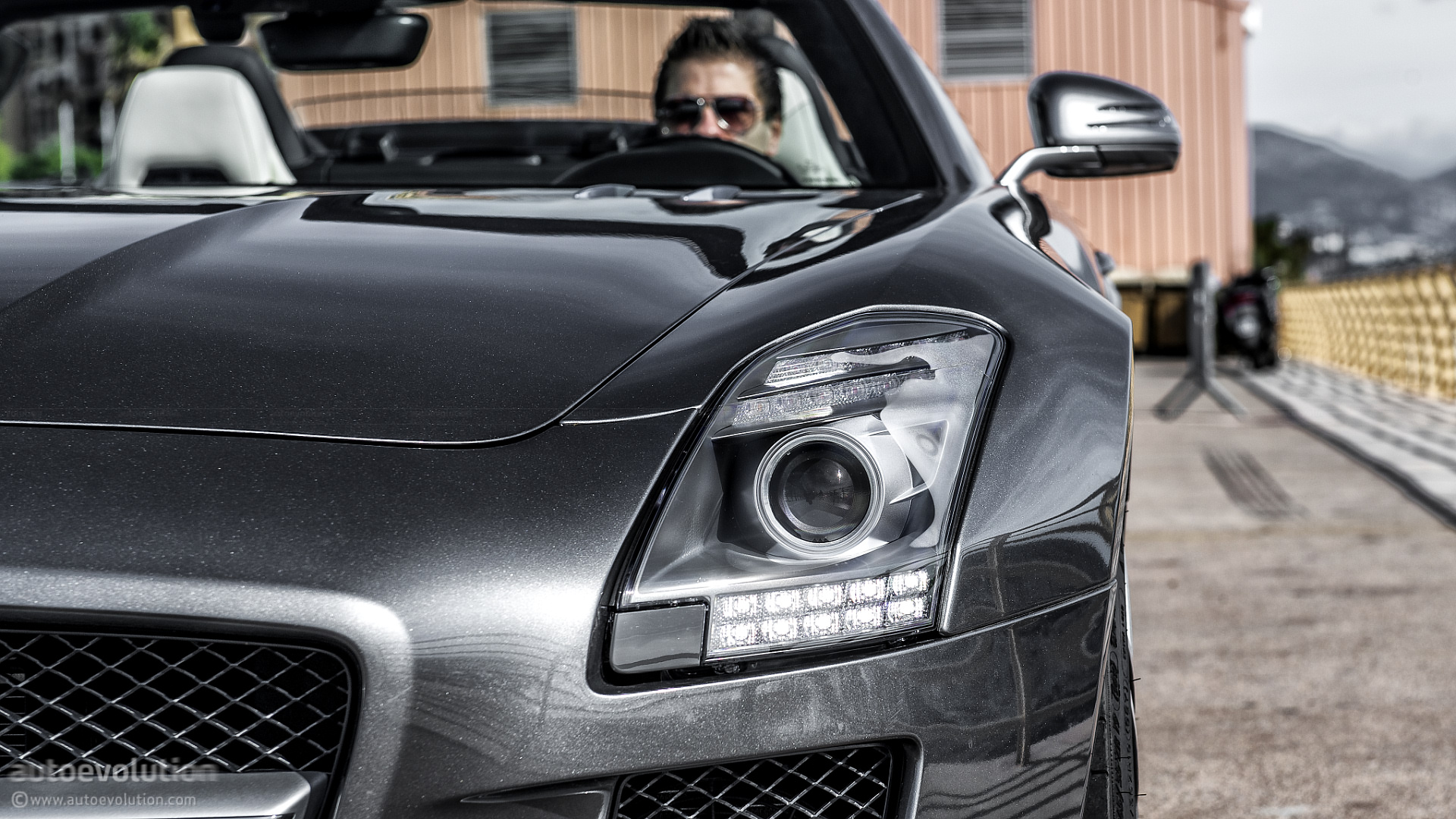
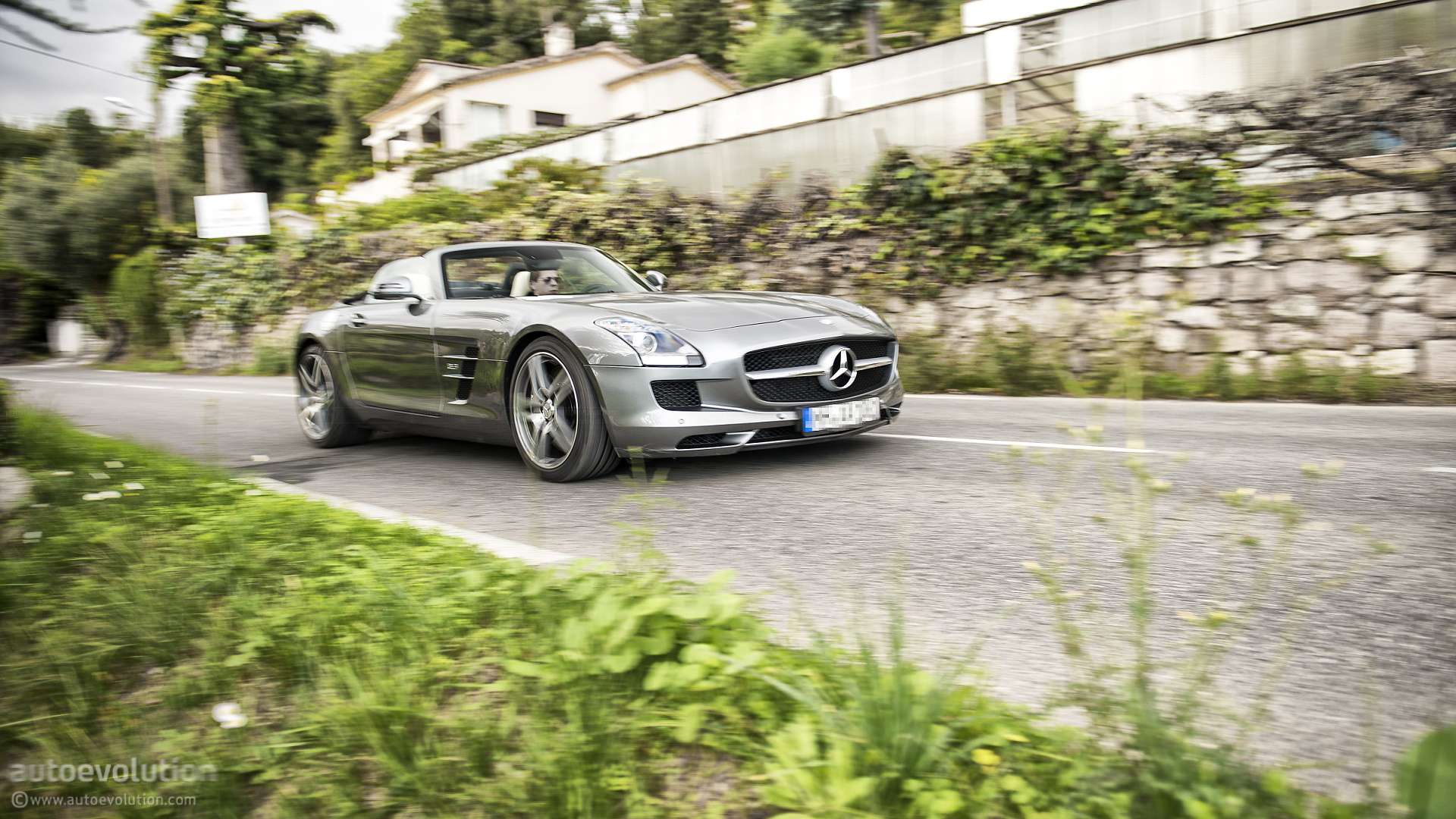
And if we go past the proportions and focus on the details, we'll be even more thrilled. We have to tip our hats to the front end, which manages to mix the 300SL-evoqing radiator grille, whose upright position is being incorporated into the design of more and more Mercedes models, with modern-day elements, such as the LED daytime running lights.
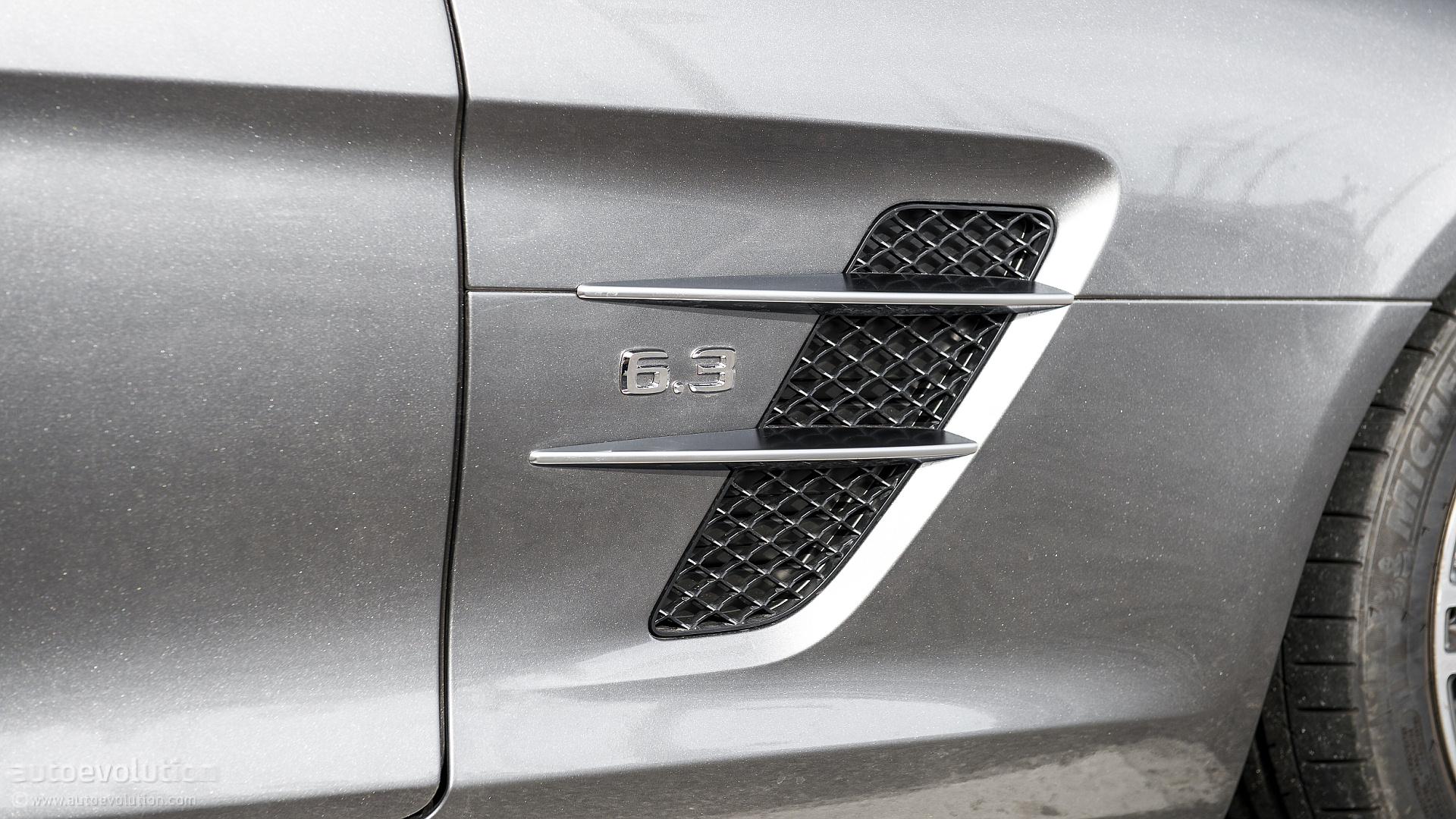
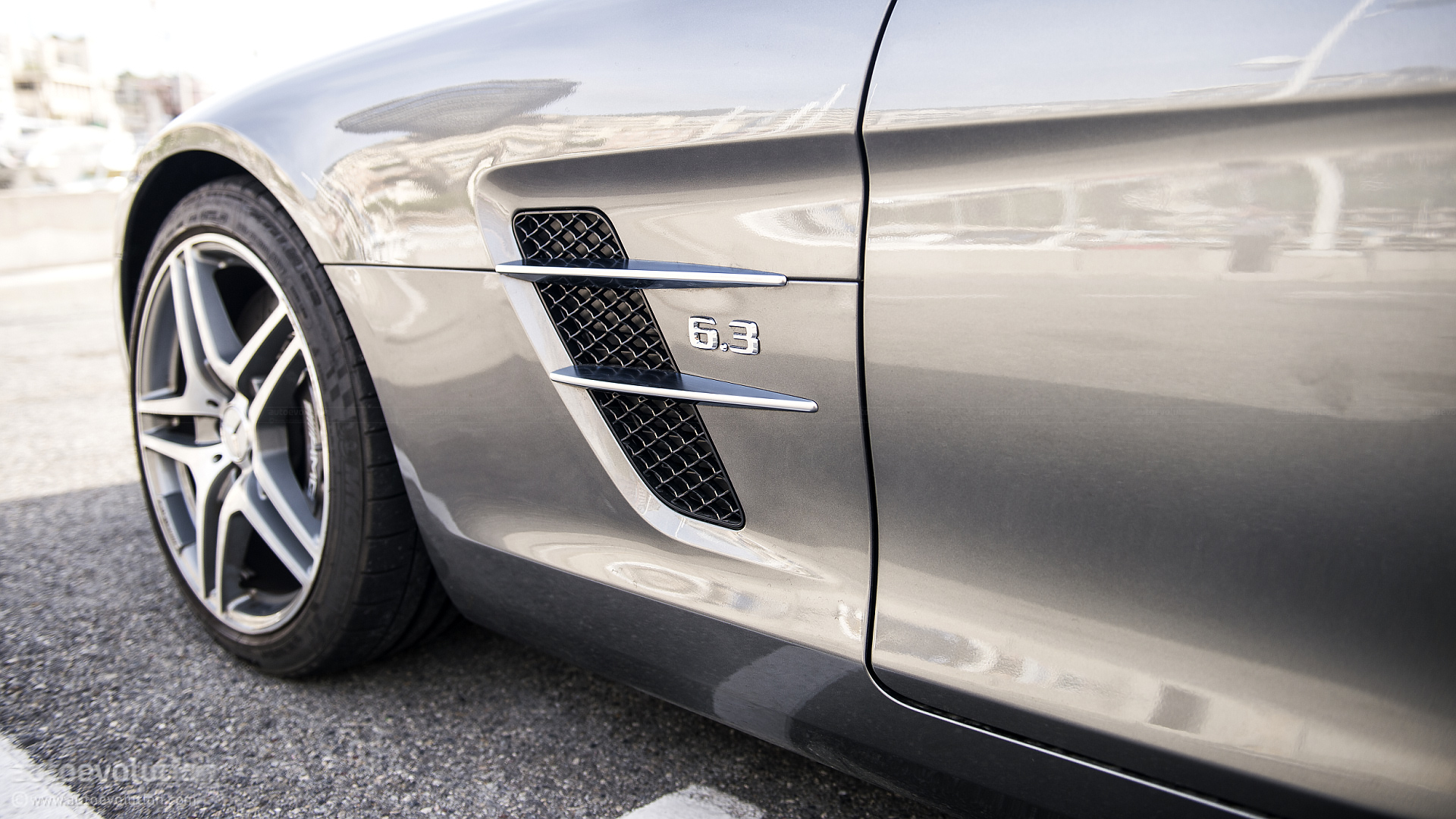
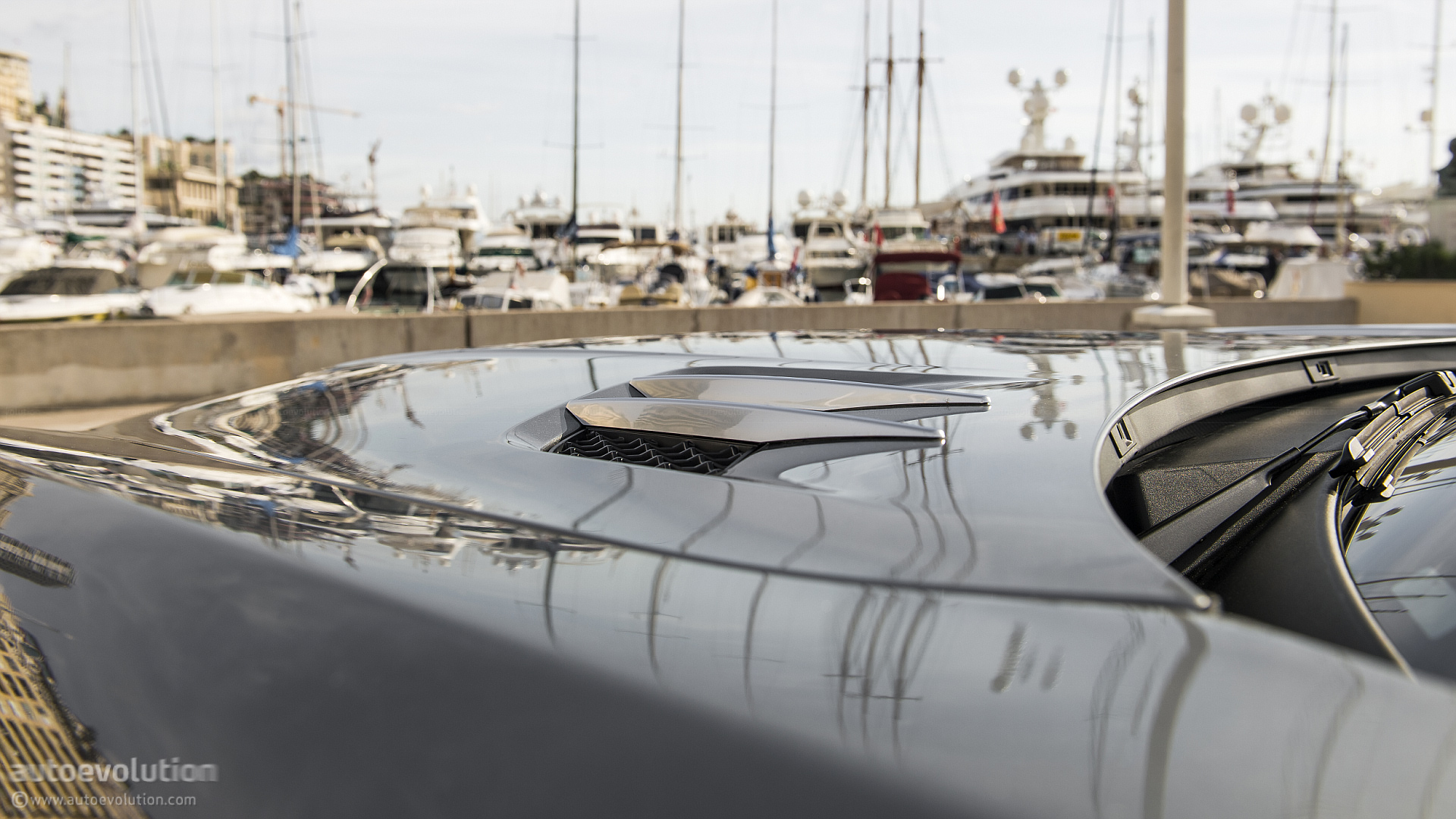
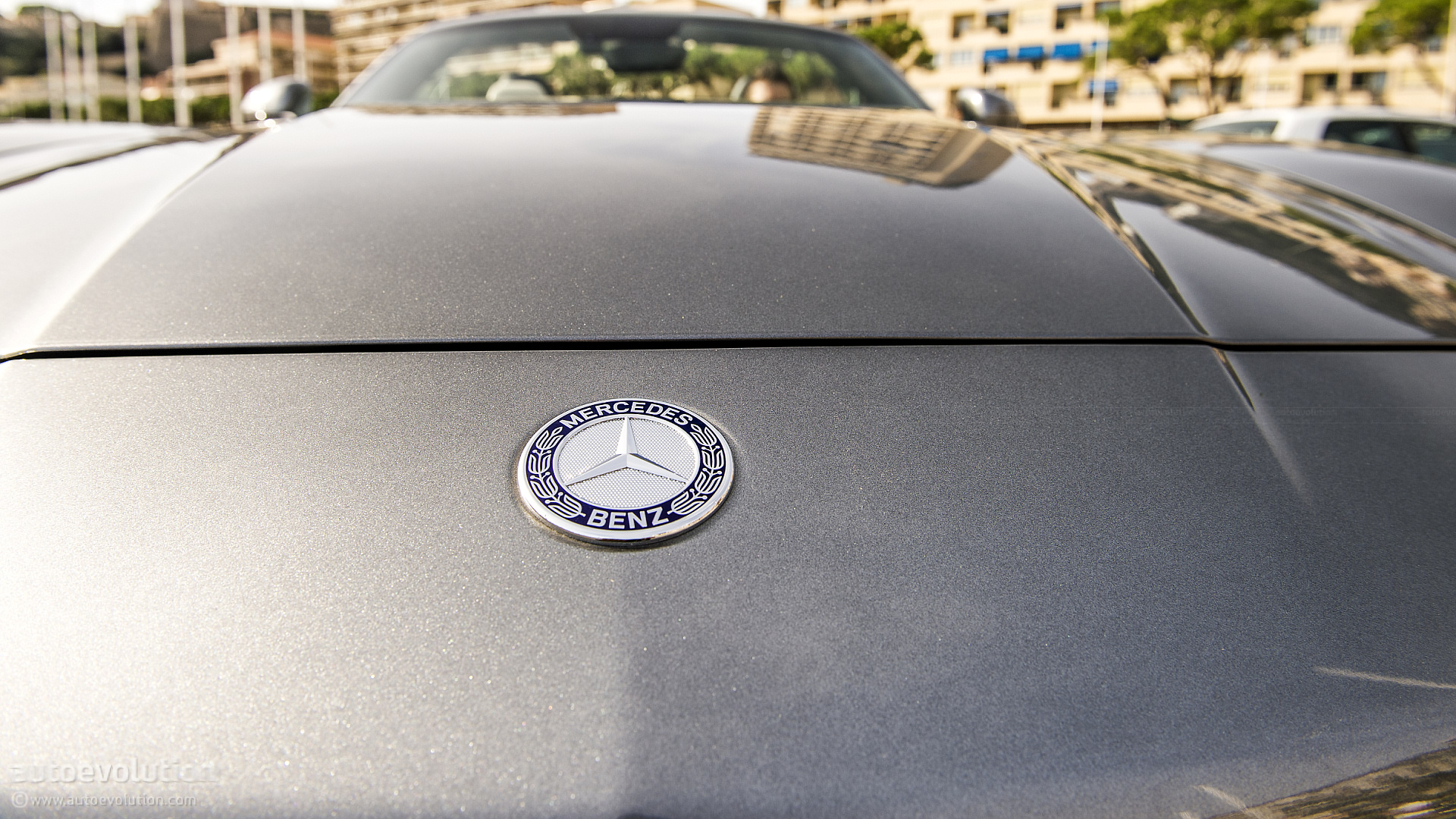
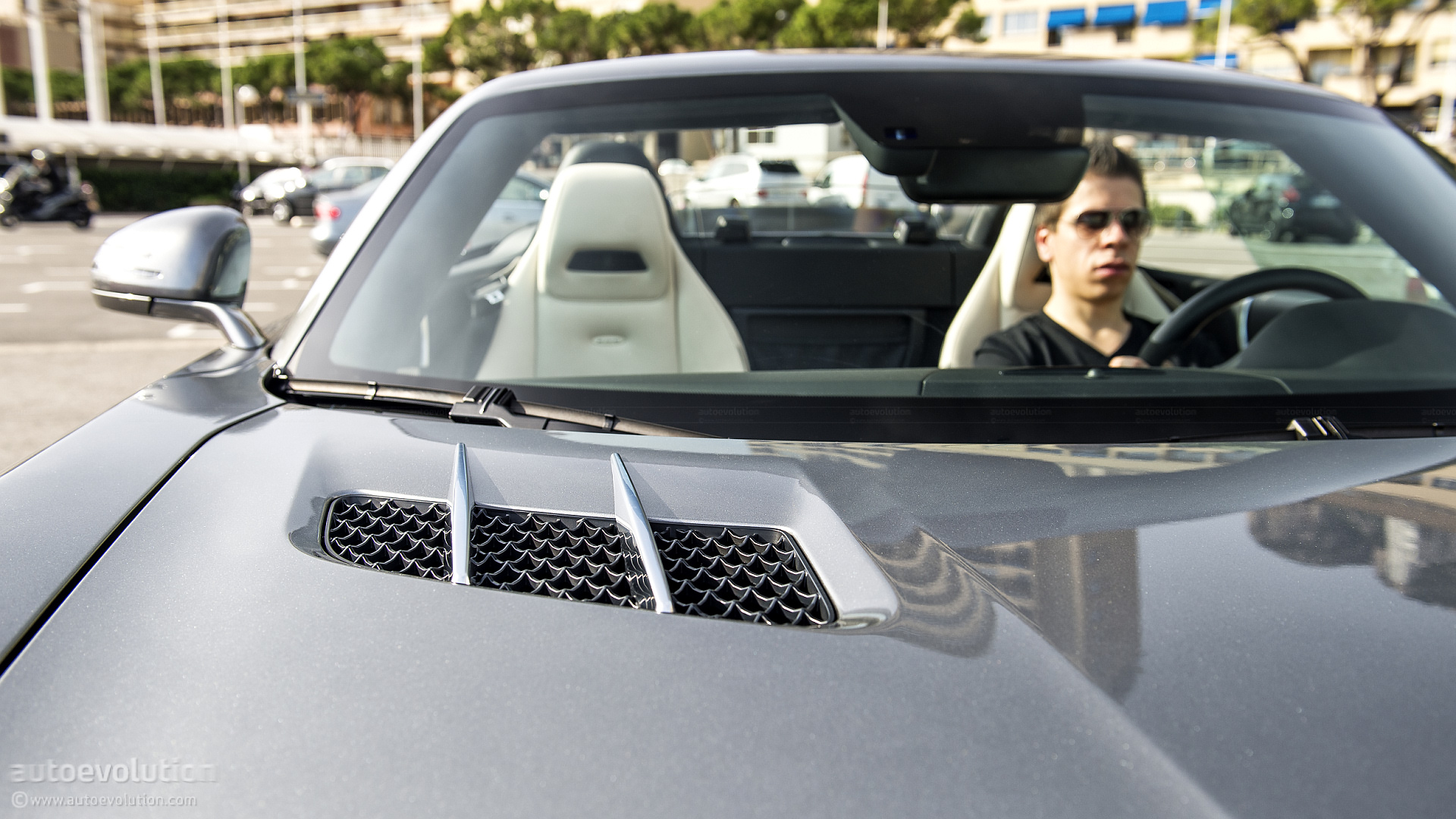
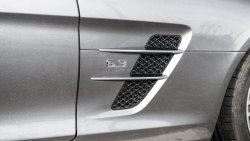
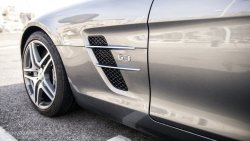
While most supercars manage to look fast even when standing still, the SLS has an ace up its aviator jacket sleeve: from the tubular section of the three-pointed star on the front grille, to the air outlets on the bonnet, as well as those on the sides, the car borrows styling cues from the aviation industry.
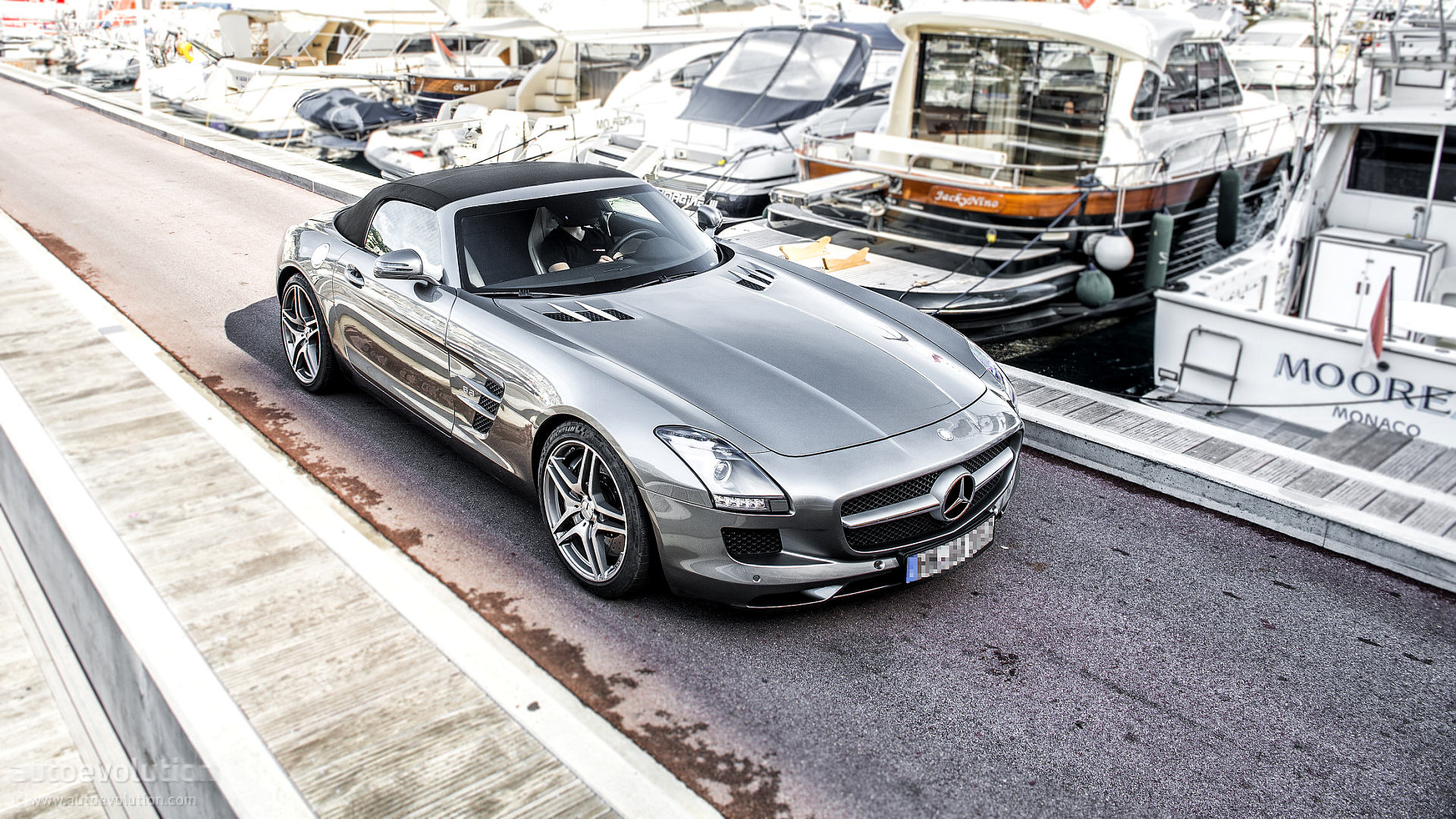
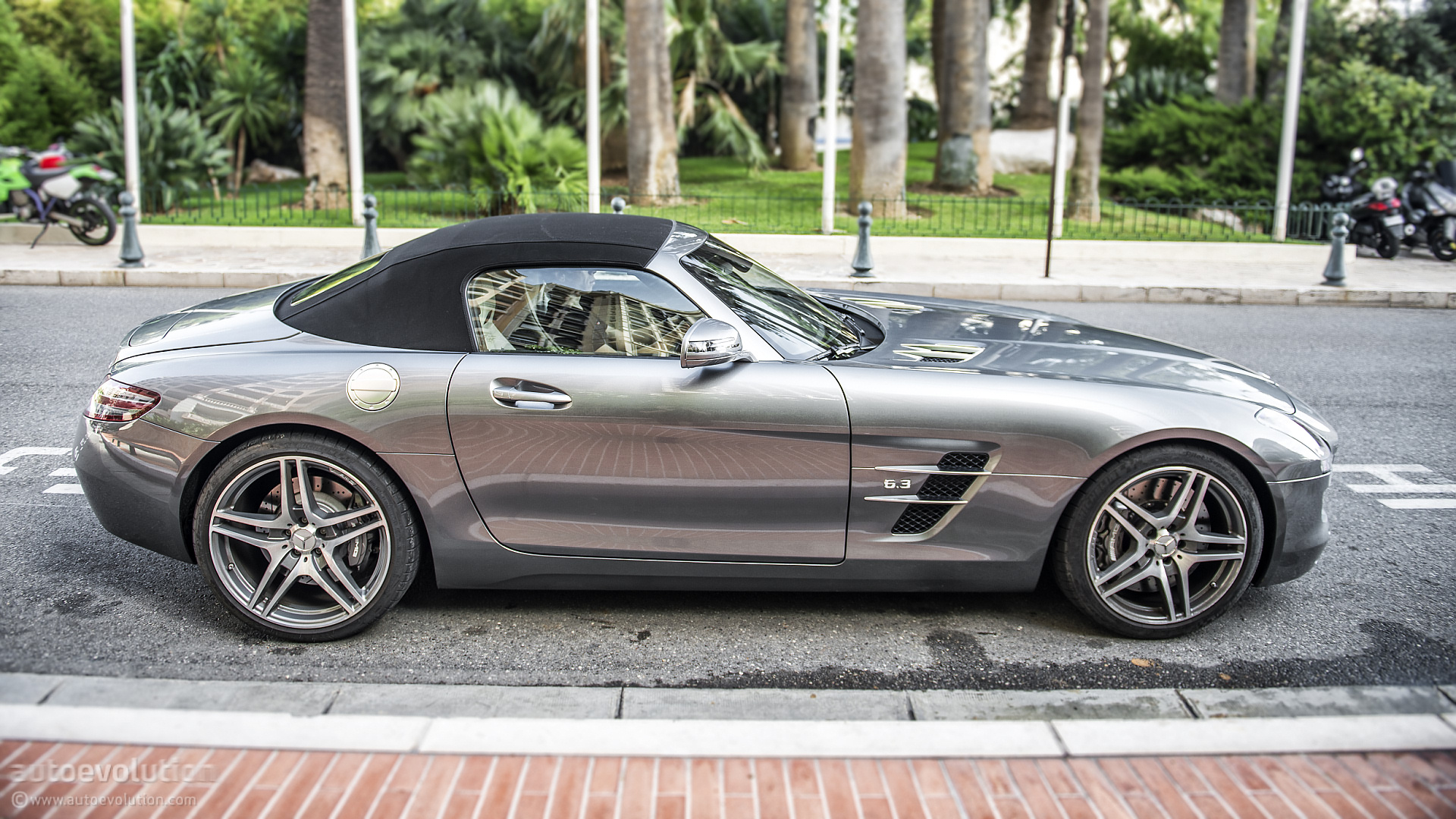
As for the times when you withdraw the soft top from its lair, the impression of elegance becomes even stronger. Mercedes certainly knows its way around a folding metal roof, but the canvas fits the profile of the SLS much better as far as the eye is concerned. We're not finding excuses for the canvas top here, but we have to give the carmaker credit for offering us such a refined vehicle and this idea expands to multiple areas of the SLS. For example, a carbon fiber construction would have probably been superior from an engineering point of view, but the facts that the SLS's body is mostly made of aluminum suits its character better.
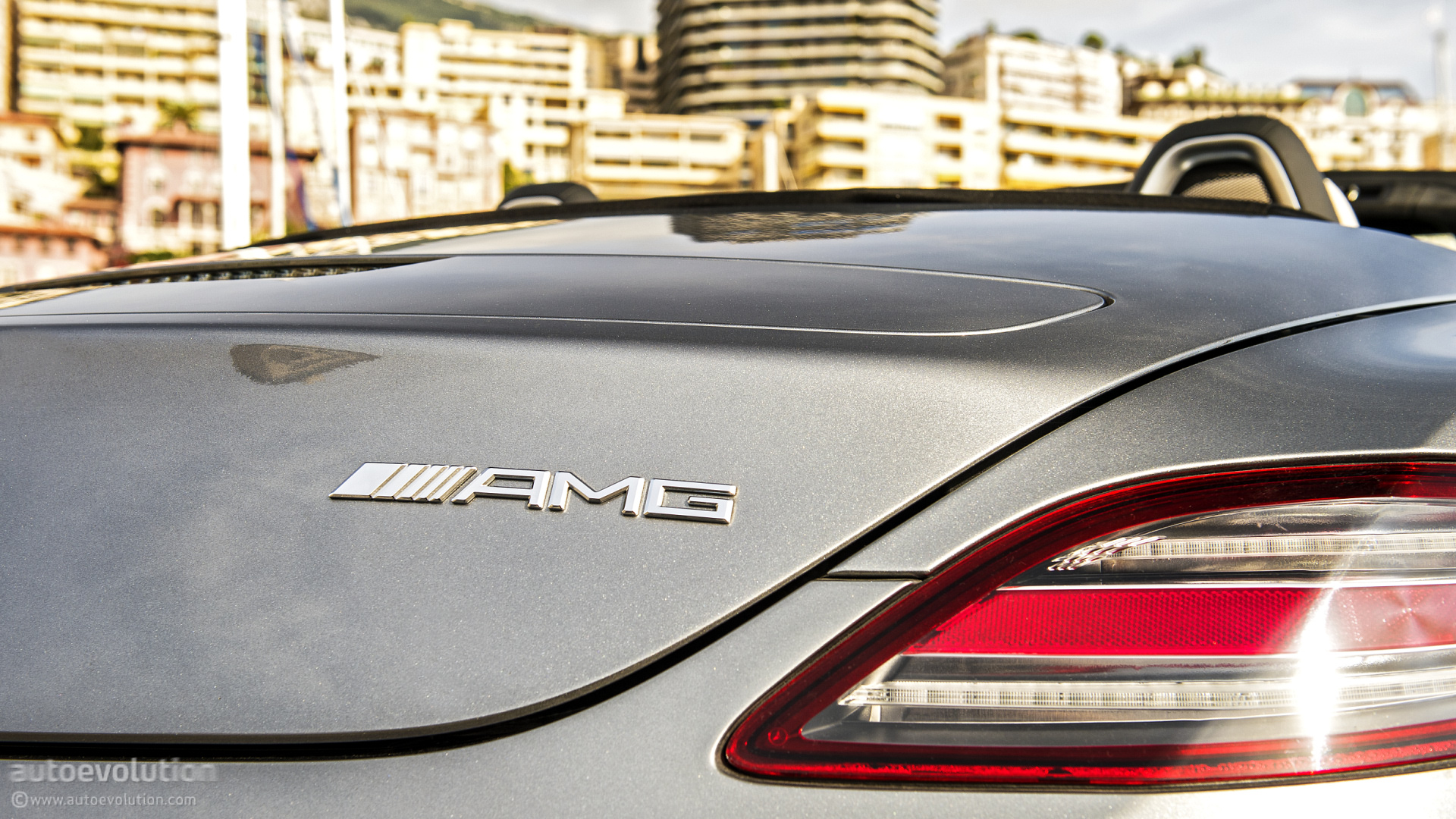
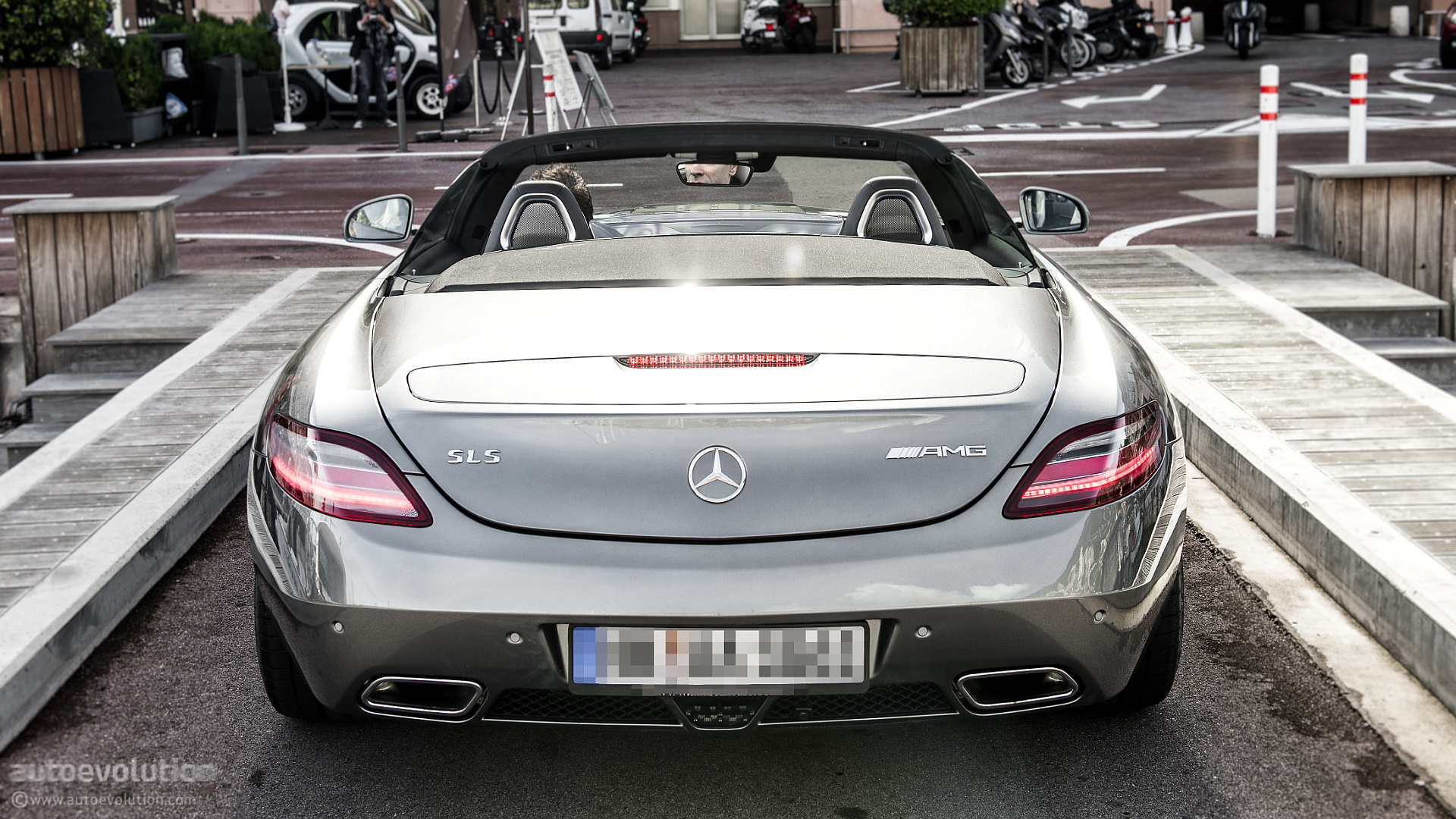
The doors and the roof are not the only exterior elements that make the Coupe and the Roadster nonidentical twins. If you go for the air-in-the-cabin version, you'll also get a third brake light in the bootlid, as well as restyled rear
As you reach the actual end of the SLS, you wil zoom in and out of the car, as this is a creation that captures your full attention, wherever it goes.
Mercedes-Benz tells us that, with the the Gullwing doors, you need less space around the car in order to get in or our of it, assuring us that the wingspan is not an issue for a normal garage.
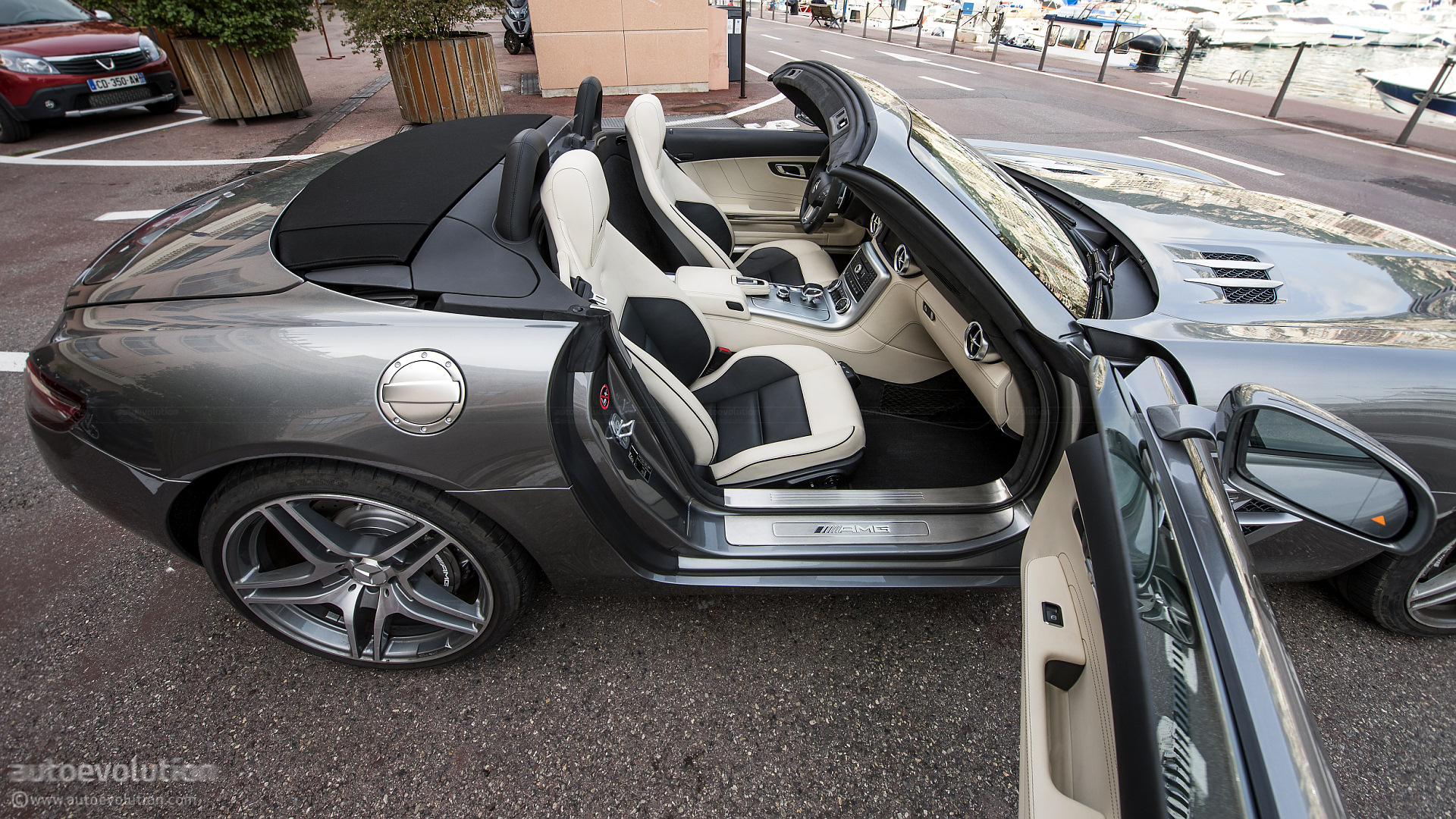
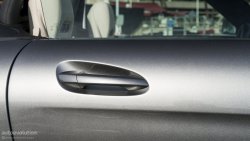
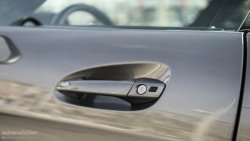
However, what the Germans don't tell us is that access is easier with the normal doors of the Roadster, as you don't have to be careful not to hit your head against the door above and you don't have to feel like a gymnast when coordinating your moves in order to grab the door handle on you way into the seat.
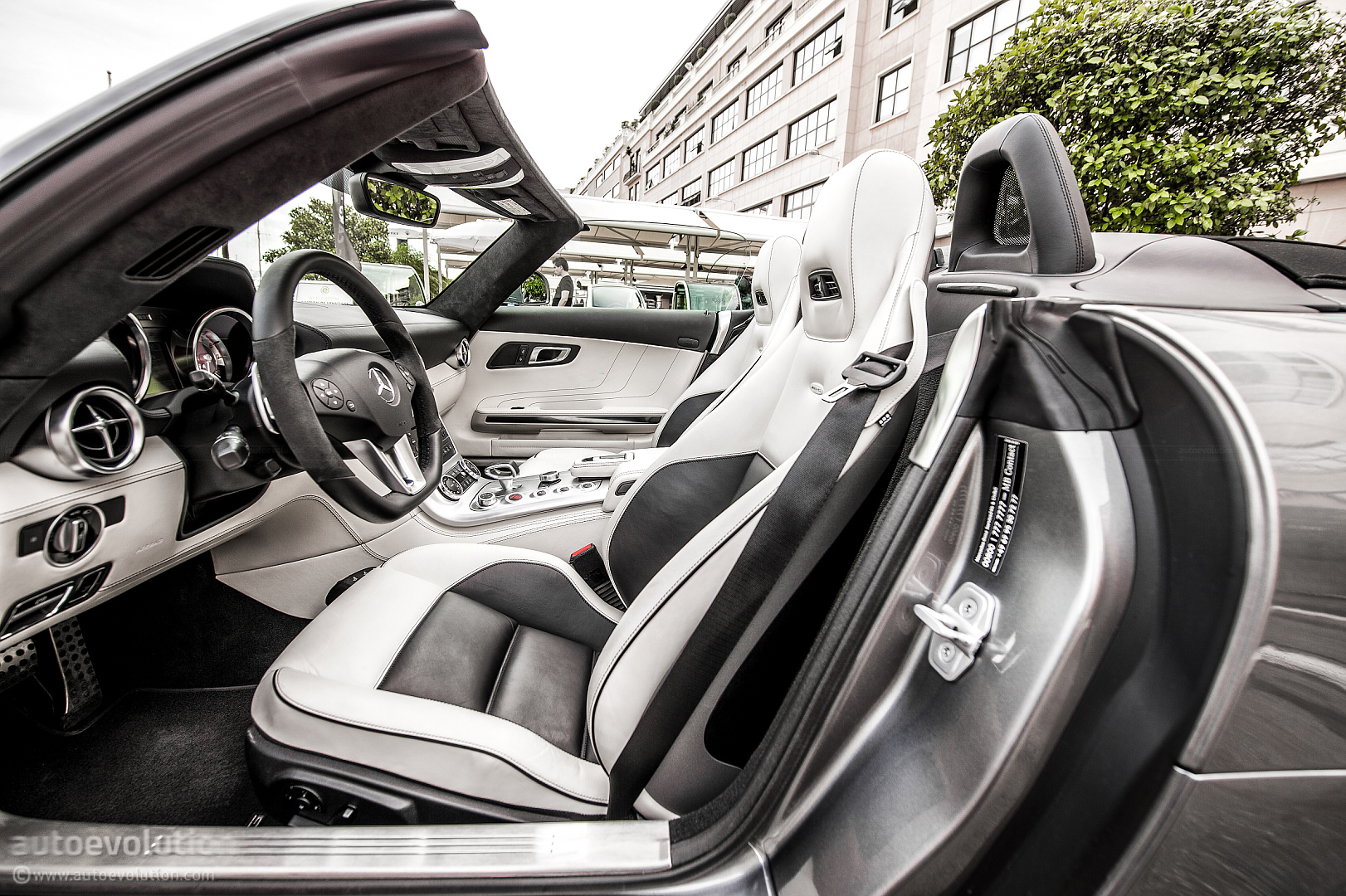
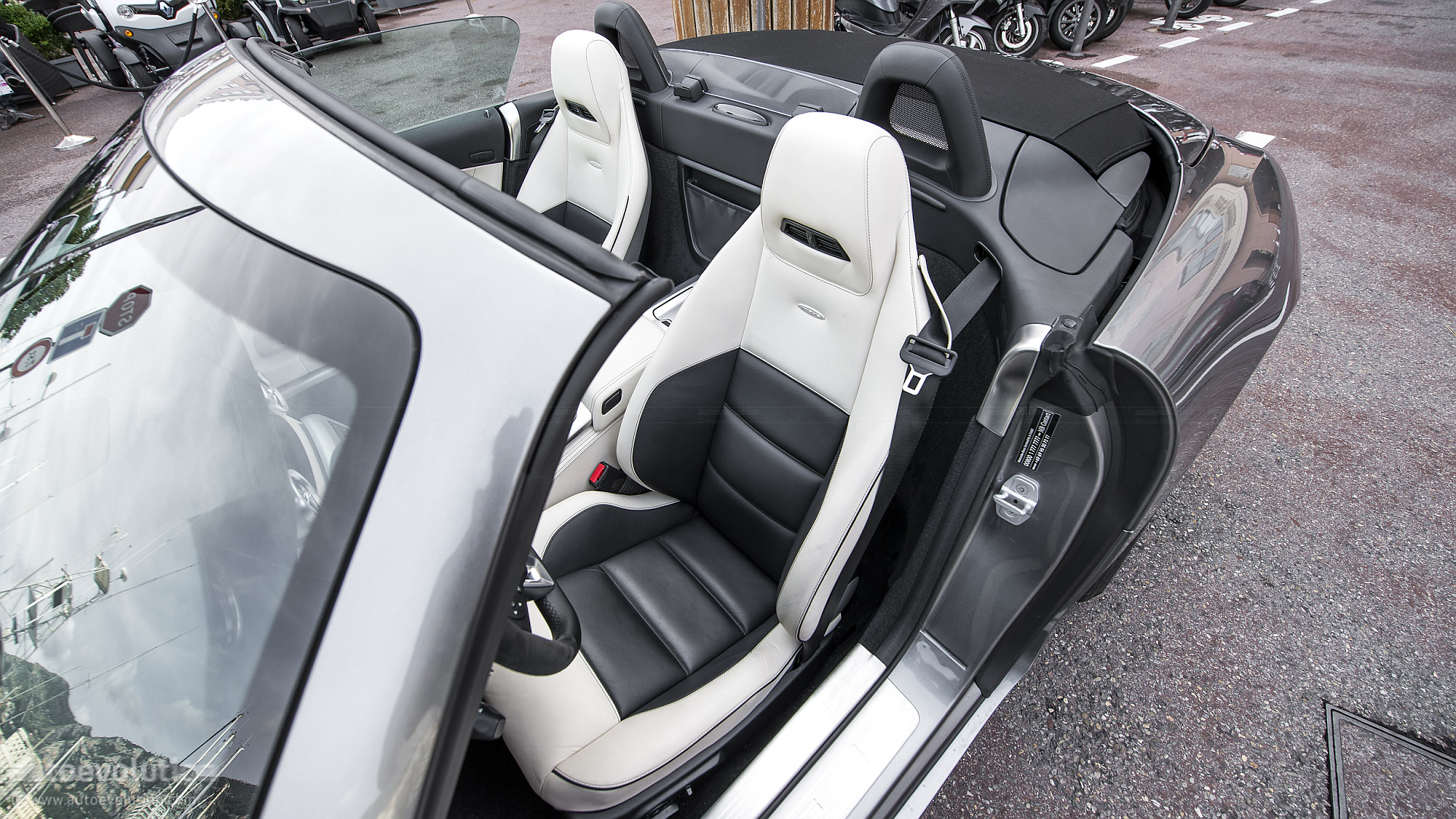
Once you've closed the doors of the Roadster, you'll notice that there's also more interior space than in the Coupe. But don't think that the generous size of the car is translated into a generous cabin. The interior offers just enough space for two adults of any size, but that's it, no extra room - this is the price you have to pay for the perfect-looking proportions of the car.
If somebod had come to us before the test drive to tell us that carbon fiber is better than magnesium in terms of... comfort, our reply would've been nothing more than some raised eyebrows, but now we understand.
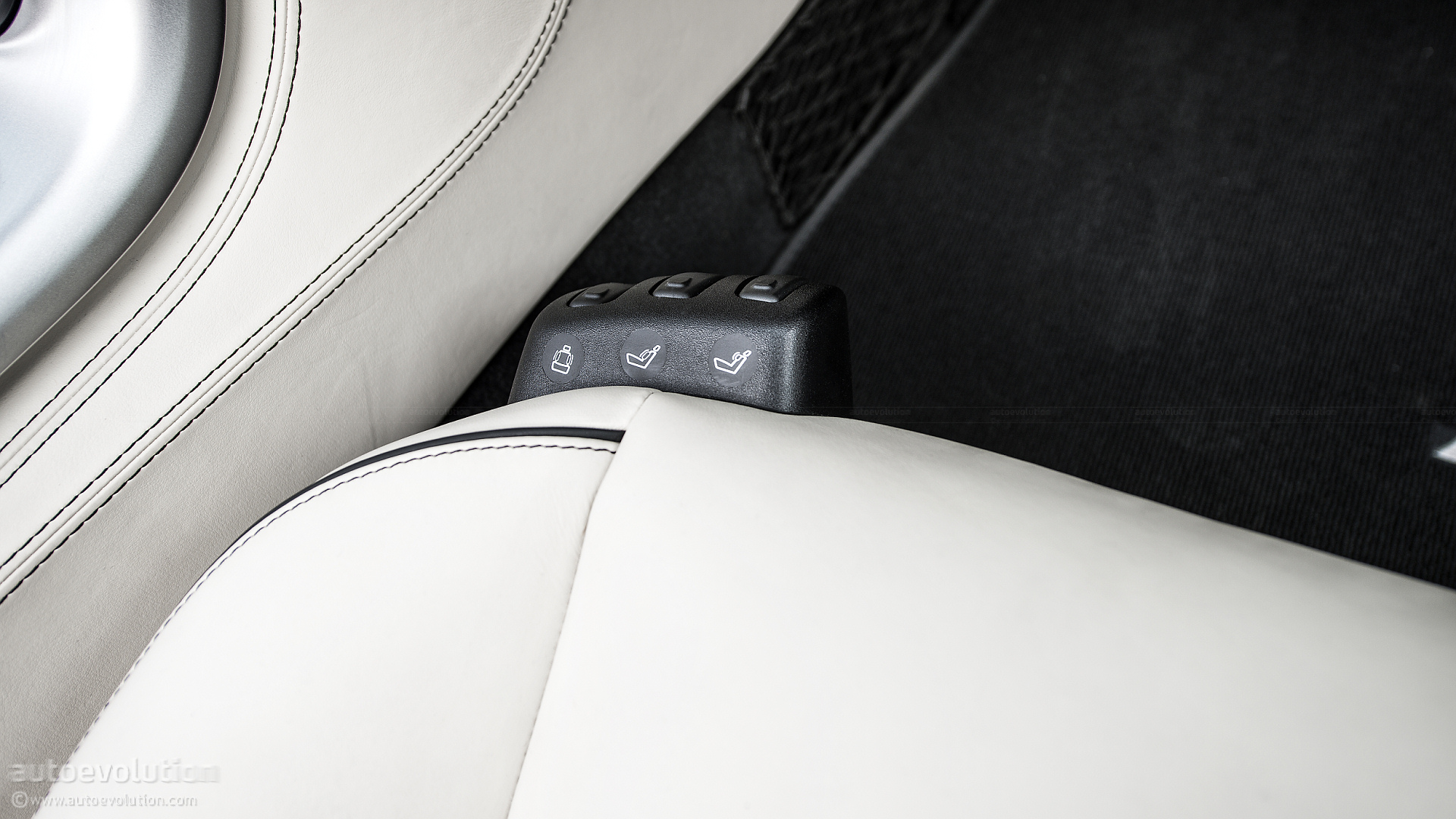
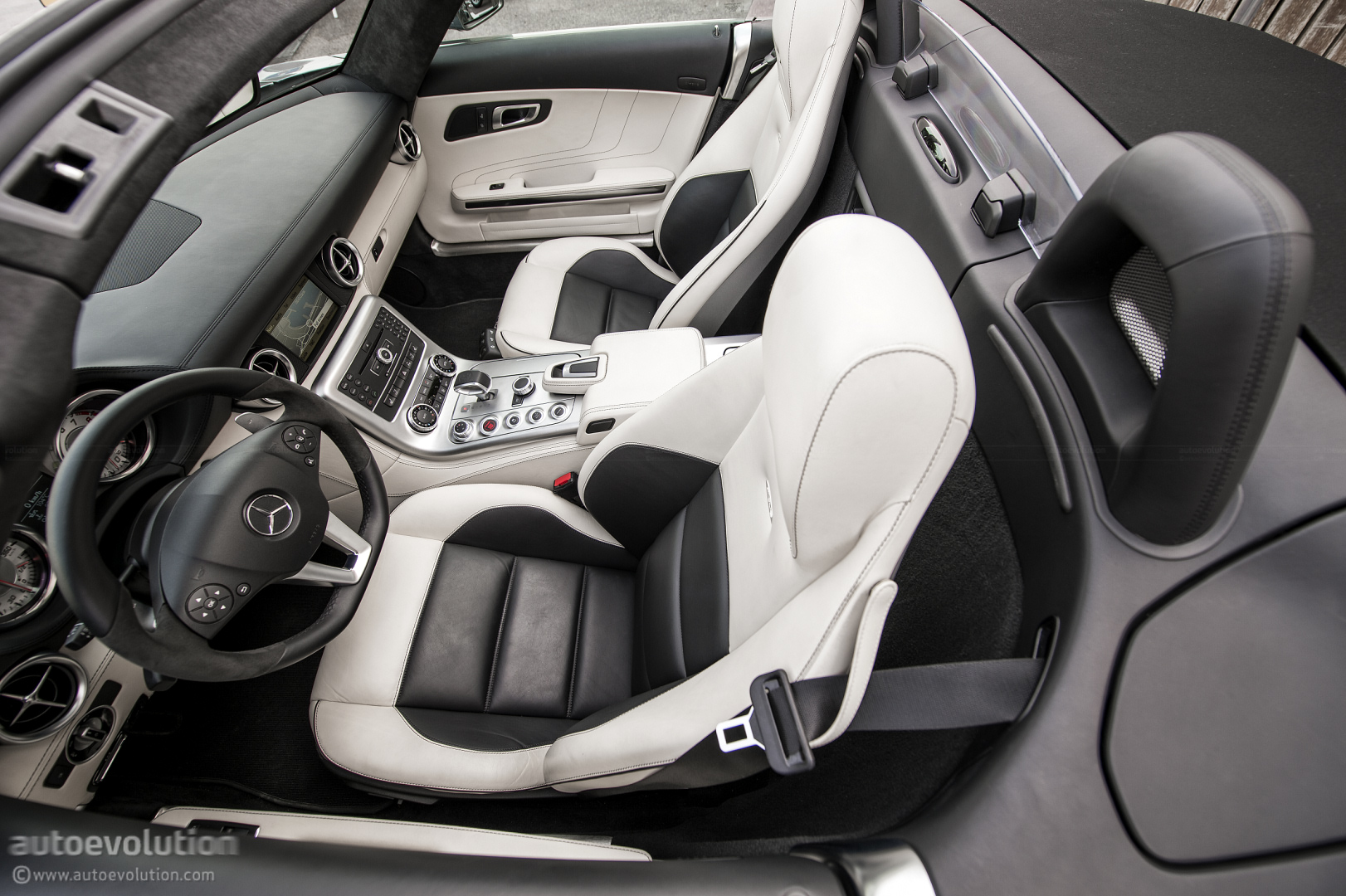
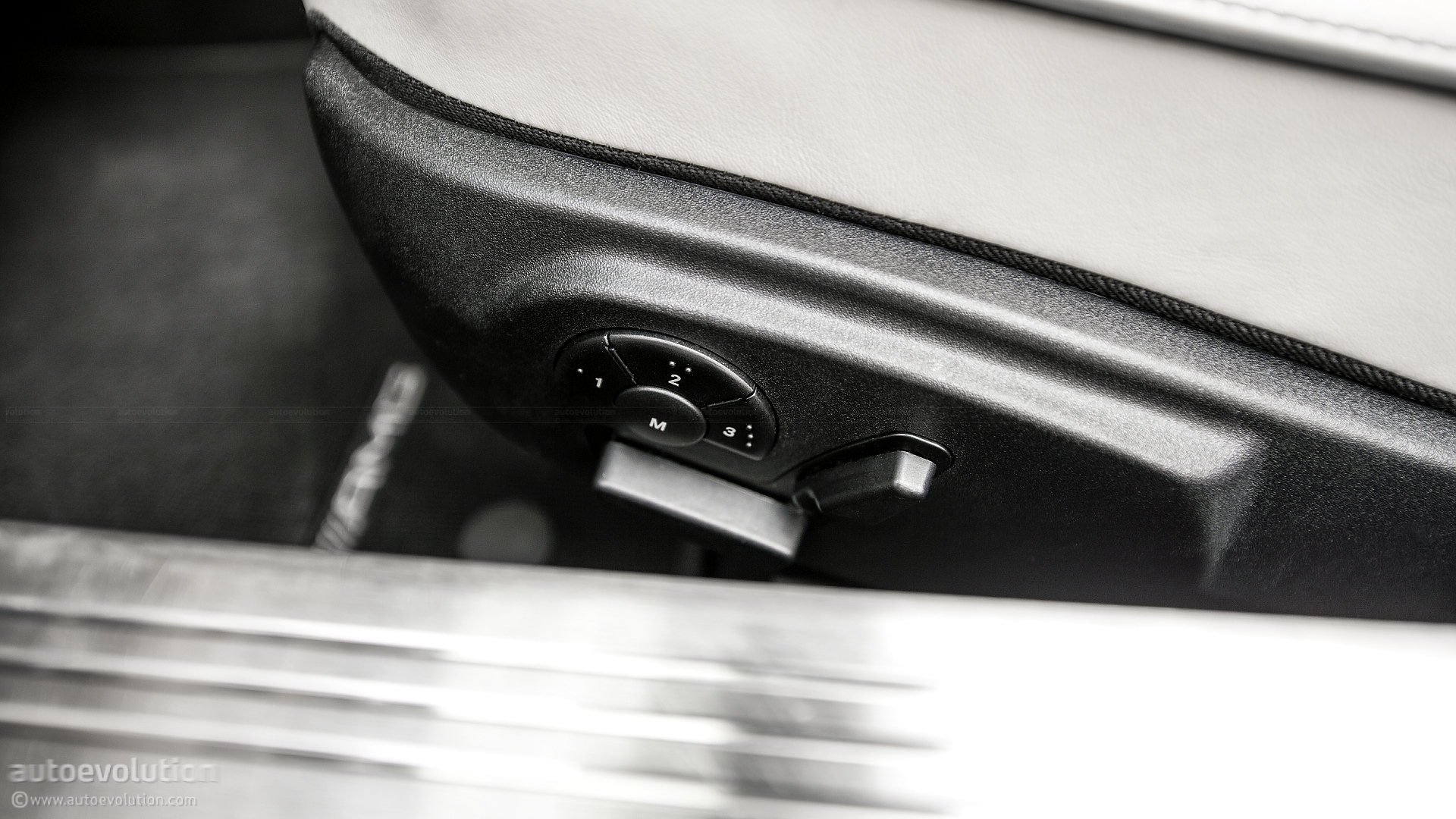
The standard seats use a magnesium backrest, which does make them strong and light, but their design, which includes power assistance for all areas, brings the headroom very close to the limit. However, if you go for the optional carbon fiber-reinforced sport seats, their manual adjustment system allows them to be mounted closer to the floor and thus headroom is increased. We have to add that the control unit for the power seats is placed in a way that allows it to come in contact with your popliteal area, which may become a bit bothering at times.
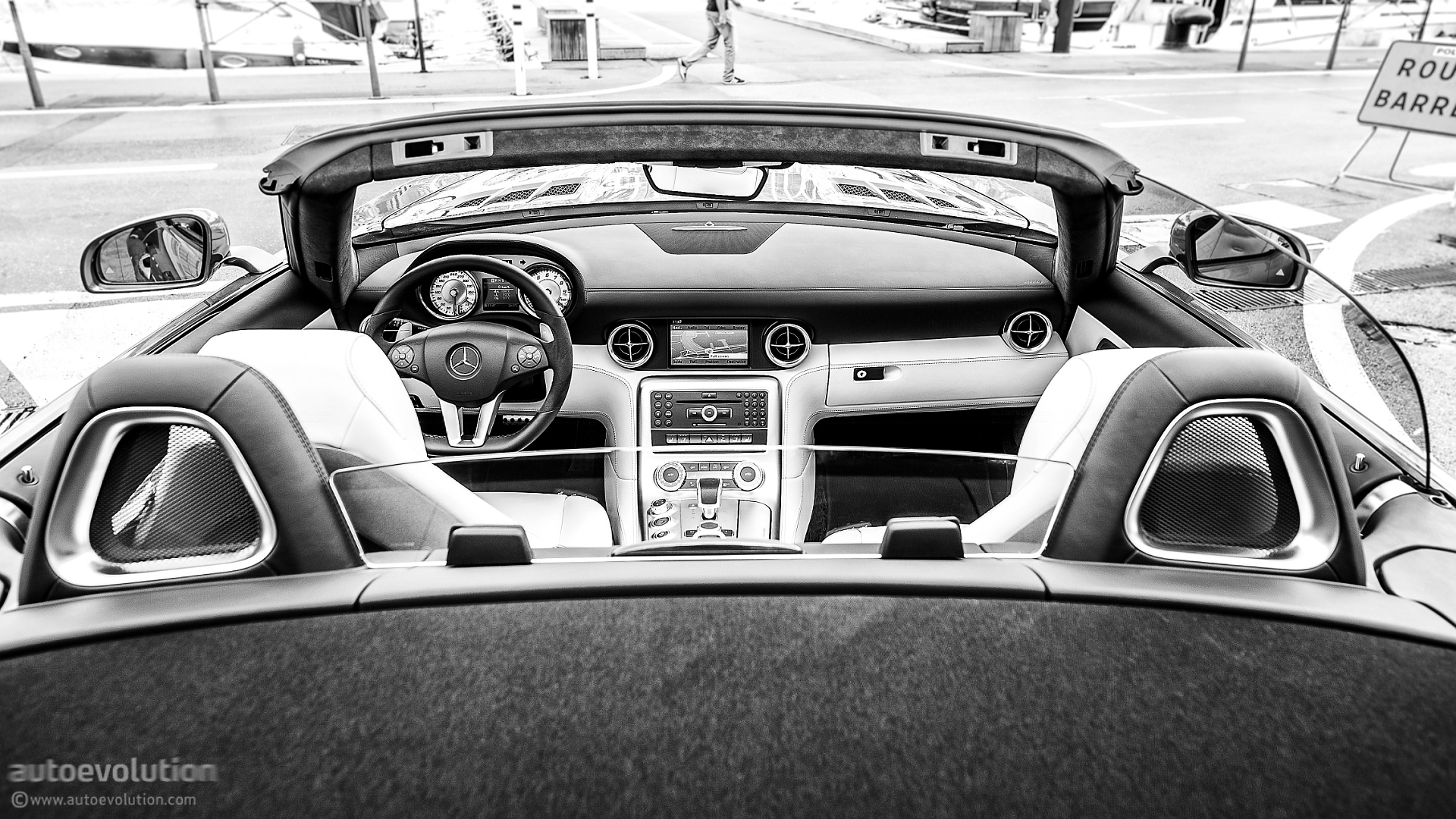
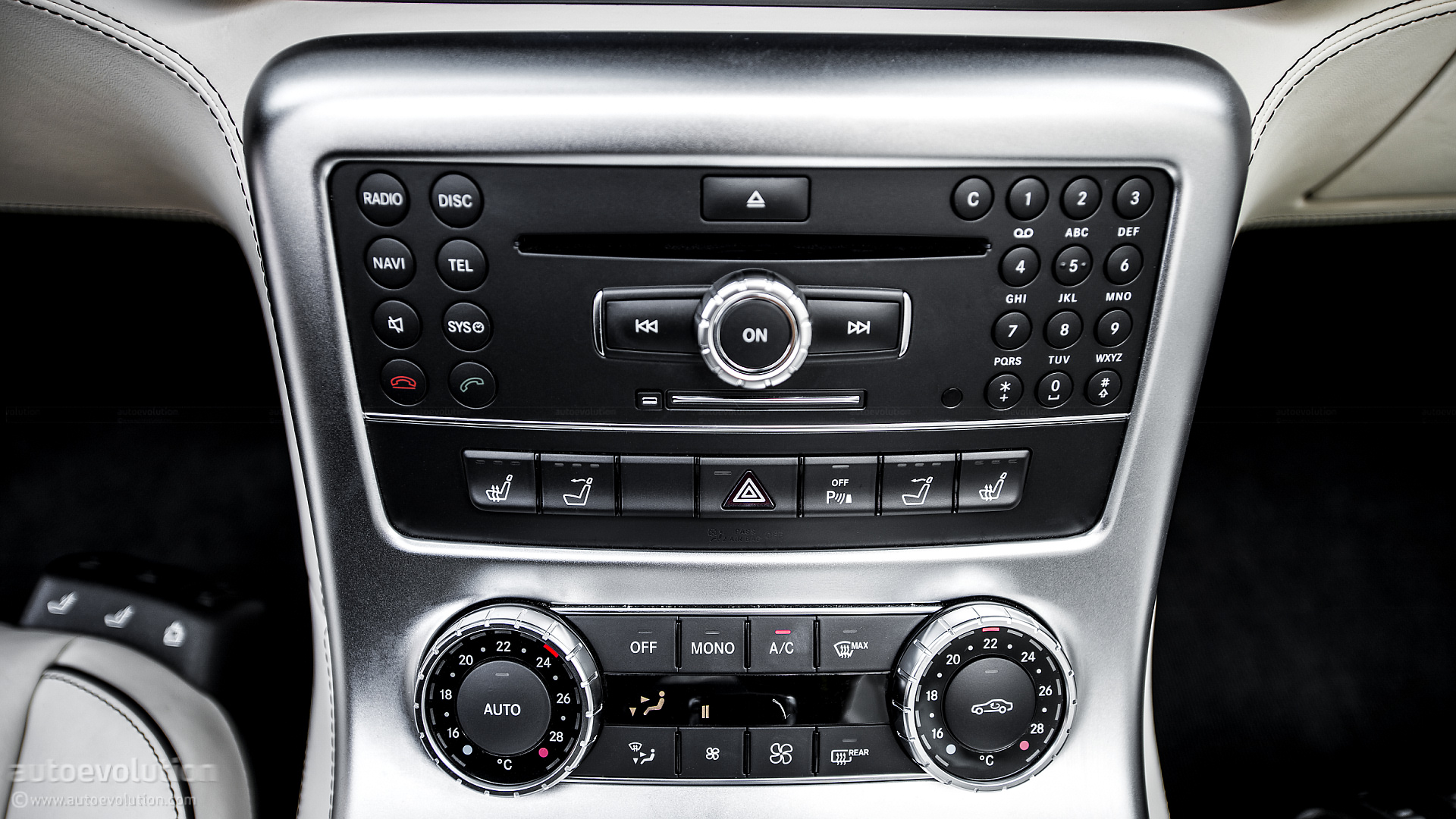
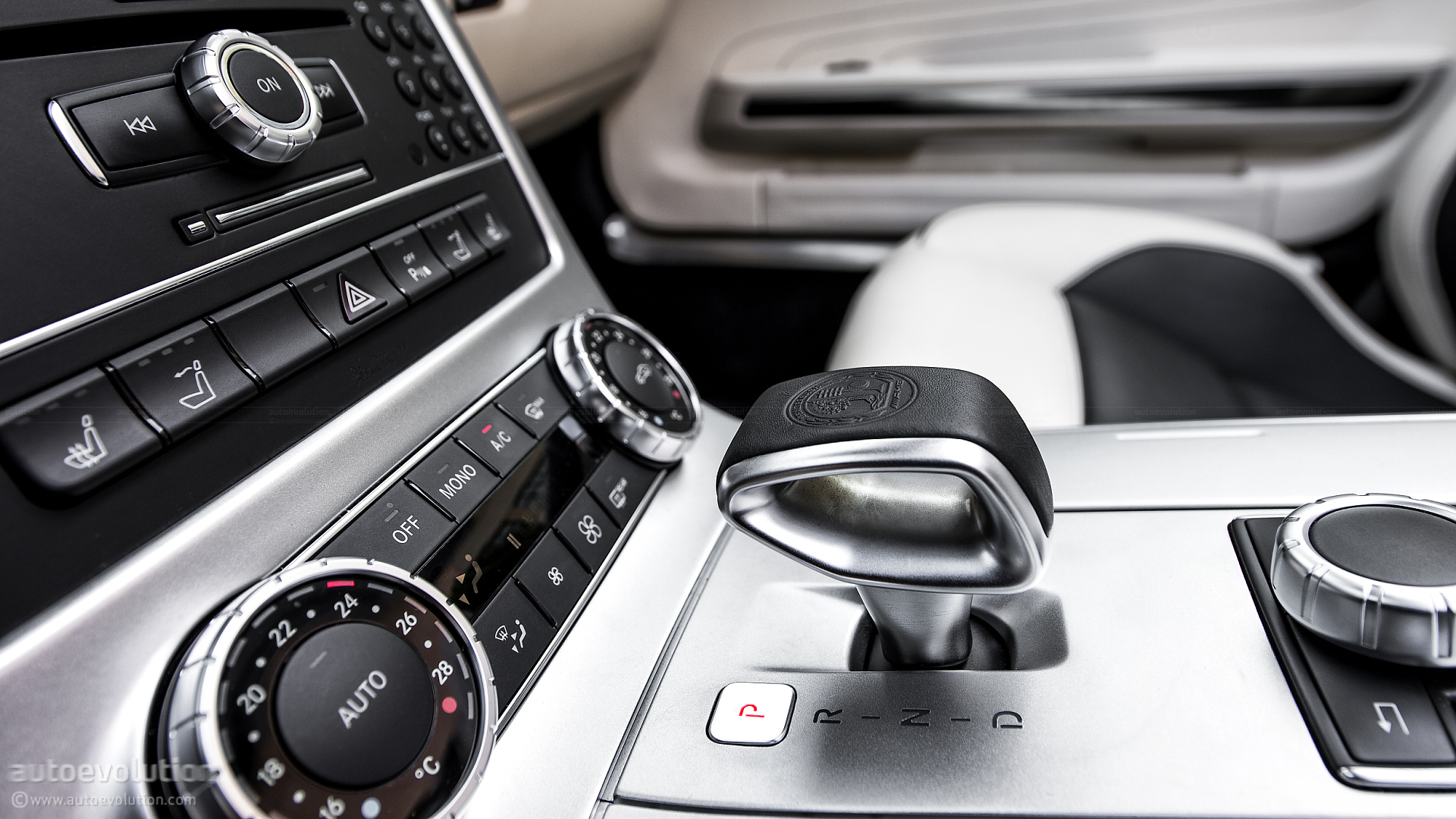
The long bonnet that lies ahead of you once you're seated pleases you, but it also brings a feeling of familiarity if you've ever driven other Mercedes models. And if you add this with some other elements that remind you of civilian Three-Pointed for Star models, such as the buttons and knobs for the sound system and climate control system, you get the impression that the cabin could've been more special.
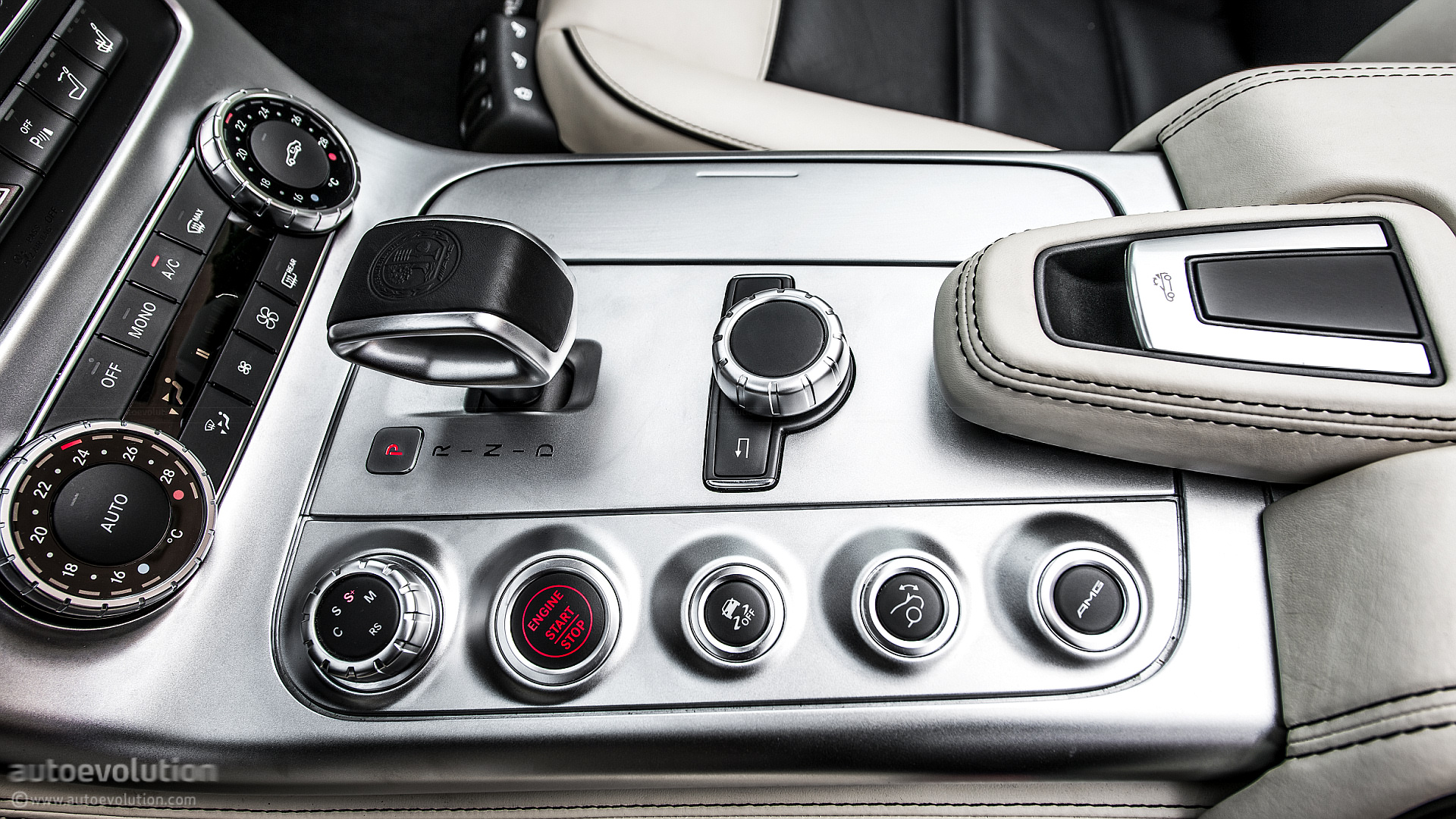
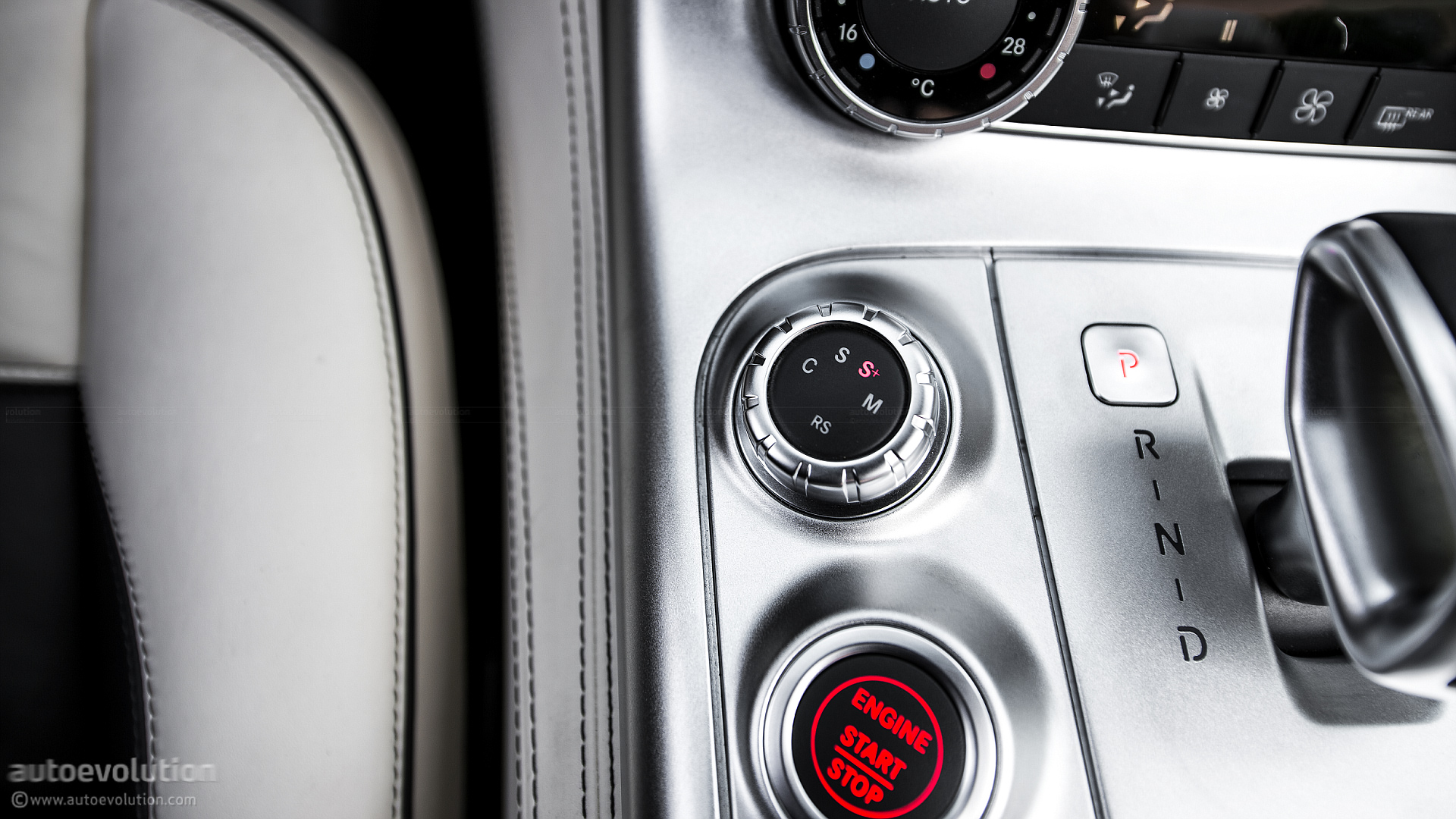
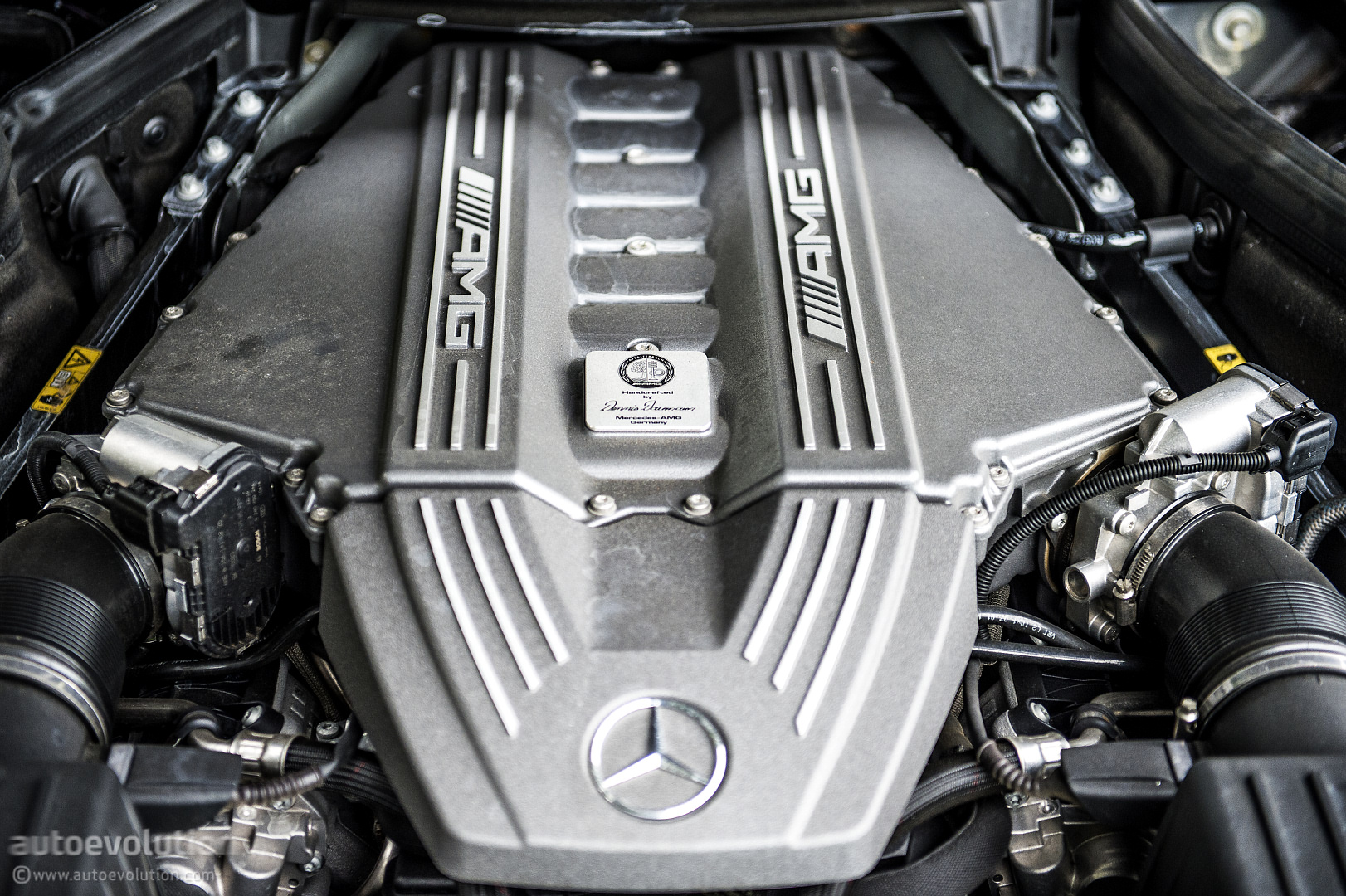
Don't get us wrong, the interior of the SLS is spectacular, but there is room for more. Speaking of impressive, we'll mention the AMG Drive Unit, the part of the center console that includes the gearshift lever, which comes with a nice leather-embossed AMG emblem, as well as the controls for the driving modes, adjustable suspension (if you've ticked this box when ordering the car), ESP, as well as the button that holds the right of life and death over the 6.2 liters of engine under that long bonnet.
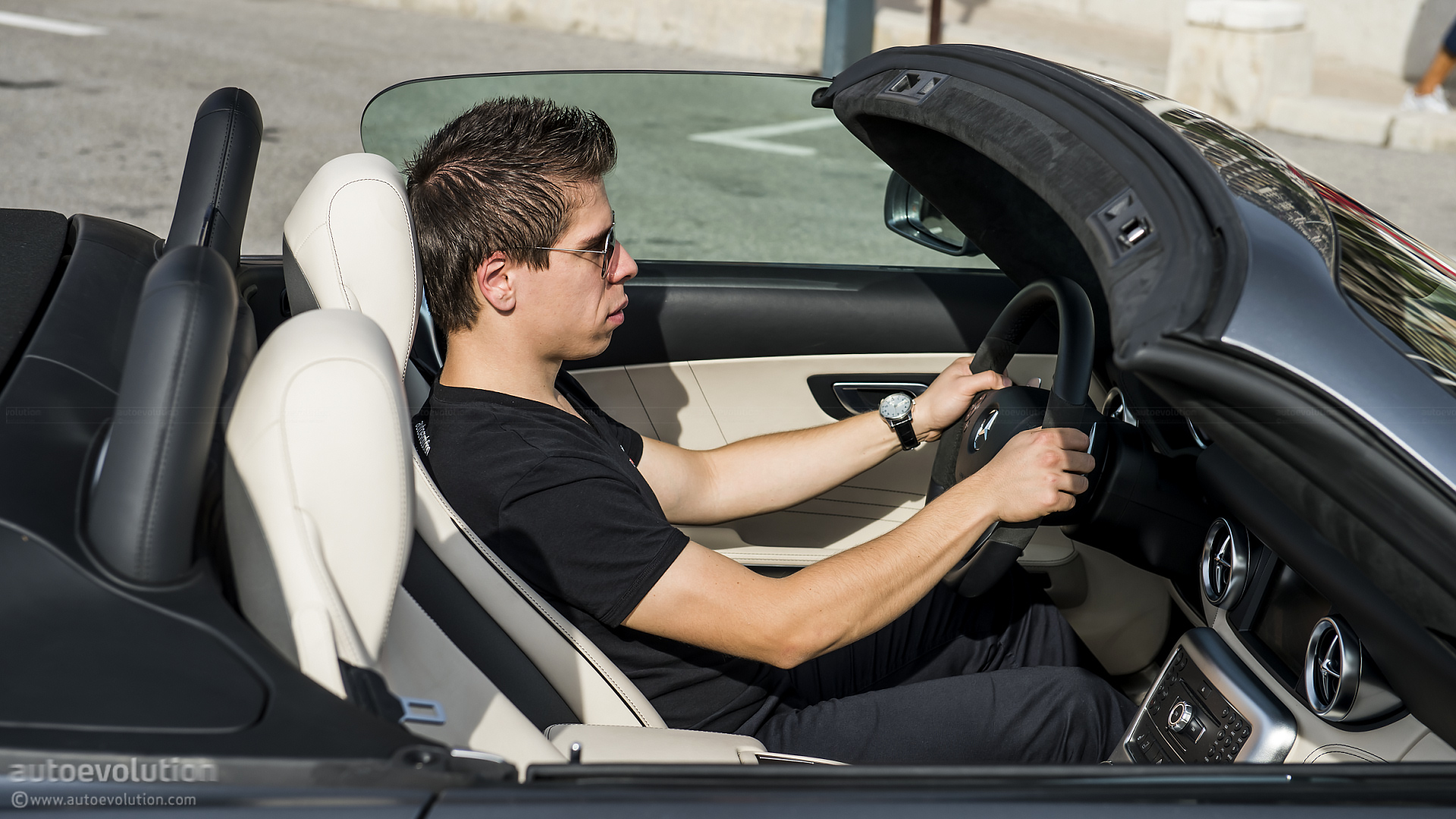
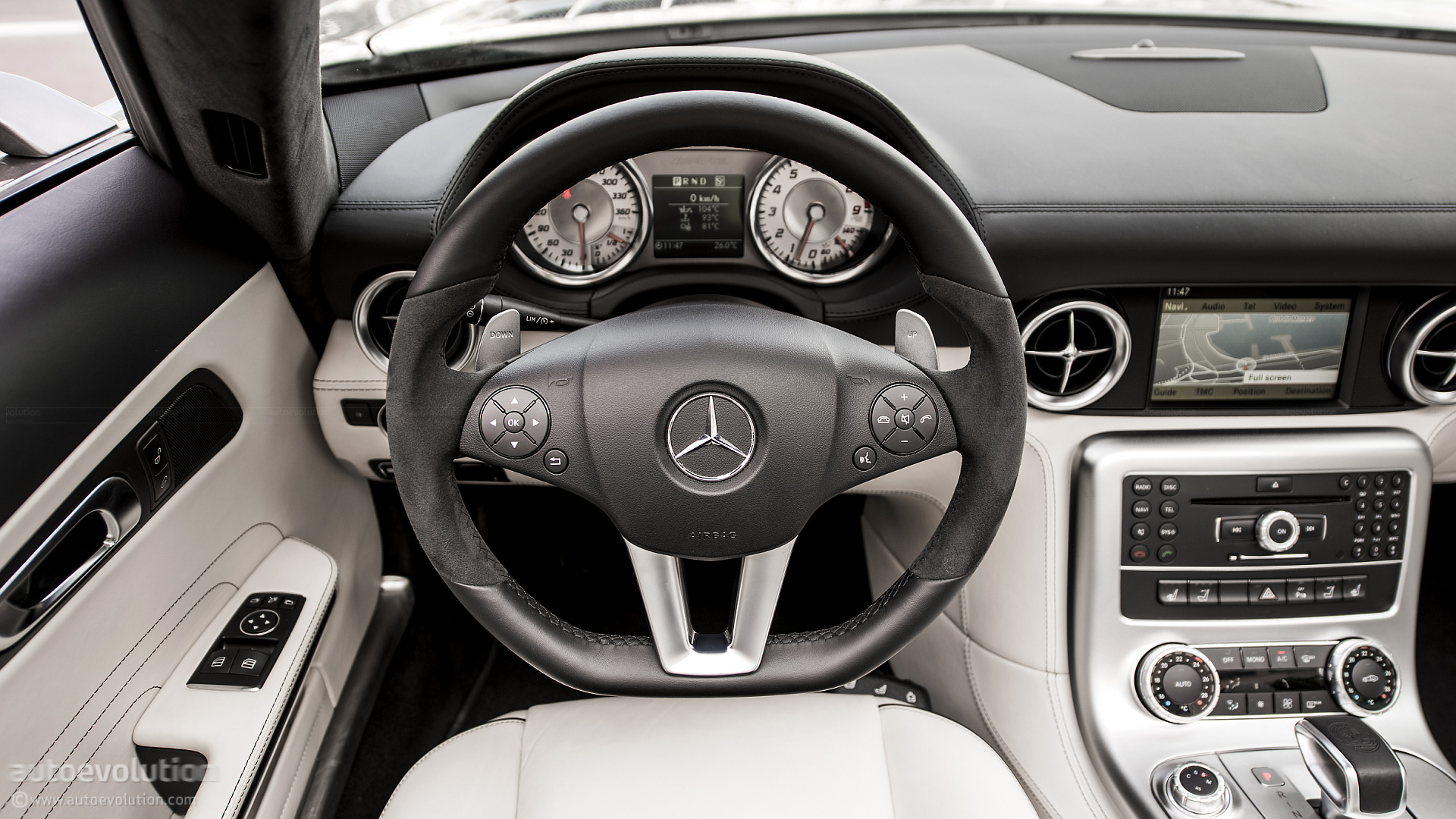
The flat-bottomed steering wheel offers exceptional ergonomics - for example, the metallic paddles that rotate together with the wheel seem to always be at reach when you need them and give you a feeling of rifle-precision when you operate them.
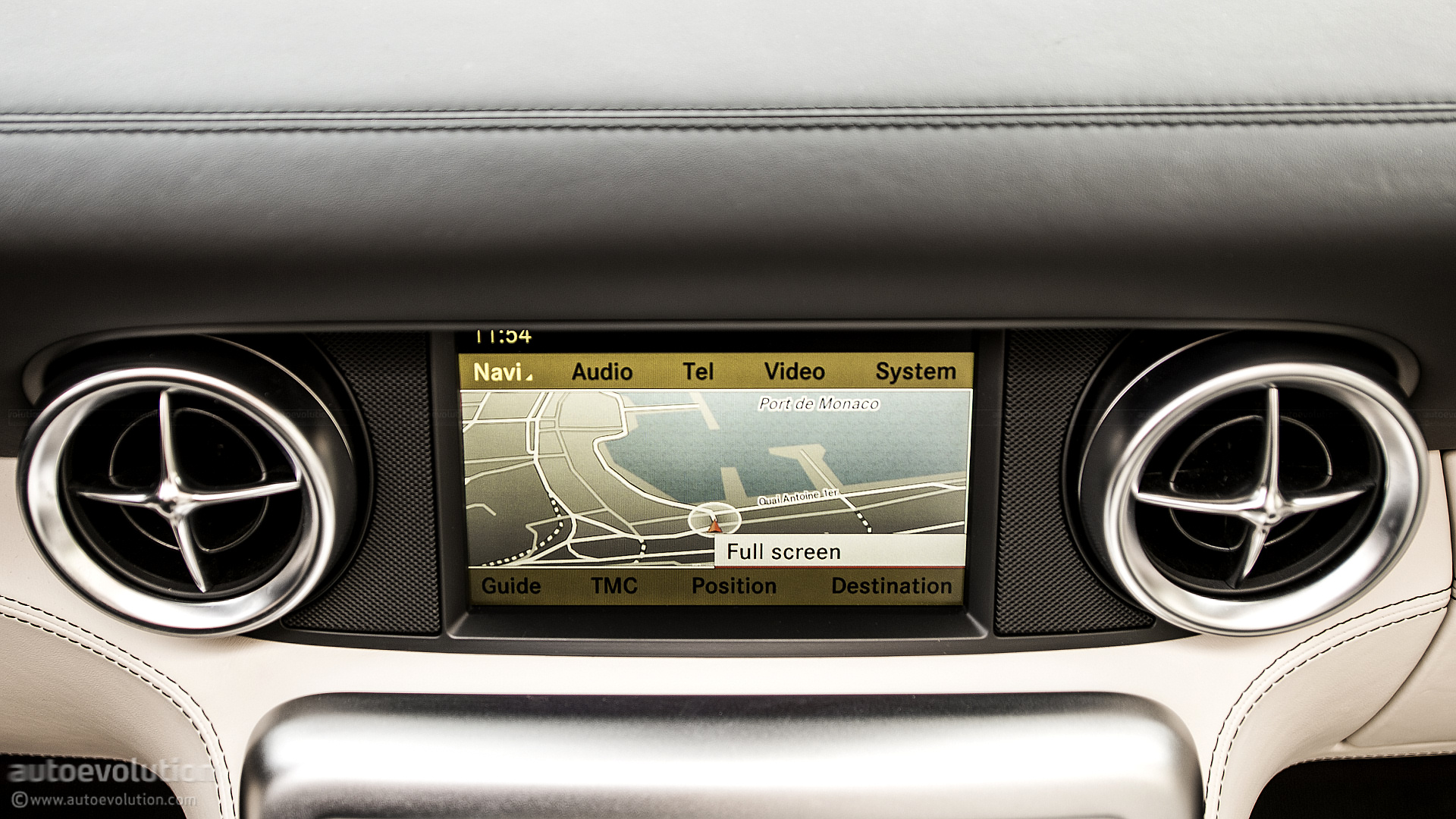
Another elements that's there for the show but also works efficiently is the set of aircraft design-inspired air vents. But to feel that the cabin is truly dressed for the occasion, it's best if you go for the special Designo leather and carbon fiber trimming, which covers the entire center console.
Above all, sits a canvas roof that uses three layers of material sustained by solid parts made of magnesium, steel and aluminum, which includes a heated rear glass. While it still doesn't feel like it offers the same level of isolation as the structure in the coupe, it won't give you any reason to complain, being superior to conventional soft tops. And when you want the sky to be the limit, all you need to do is to keep the speed below 50 km/h (31 mph) and have 11 seconds of patience. Once it's hidden, you'll be protected against turbulence by a detachable glass element placed between the fixed rollover protection elements.
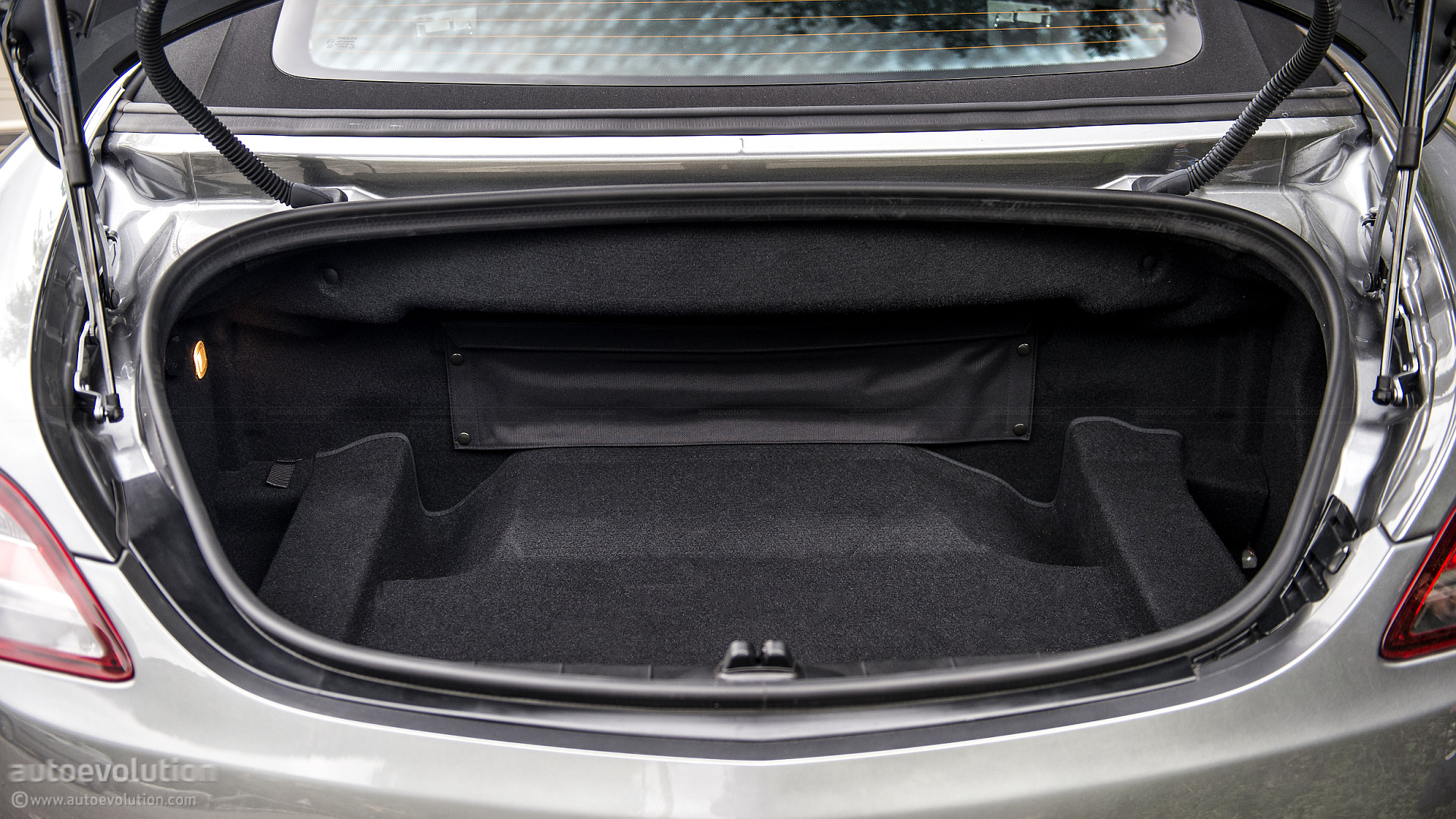
The Z-configuration of the roof (when it's folded) means that you get the same amount of luggage space regardless of its state: 173 liters (6.1 cu. ft), a value that's almost equal to the 175.5 liters (6.2 cu. ft.) of the coupe.
The sales person will tell you that you can have the soft top in either black, red or beige and it will be you job to match this wit he nine exterior and eight interior shades available. Roof up or down while finding your way through the boulevards? We really can't answer that in one phrase, we'll need an entire chapter for that.
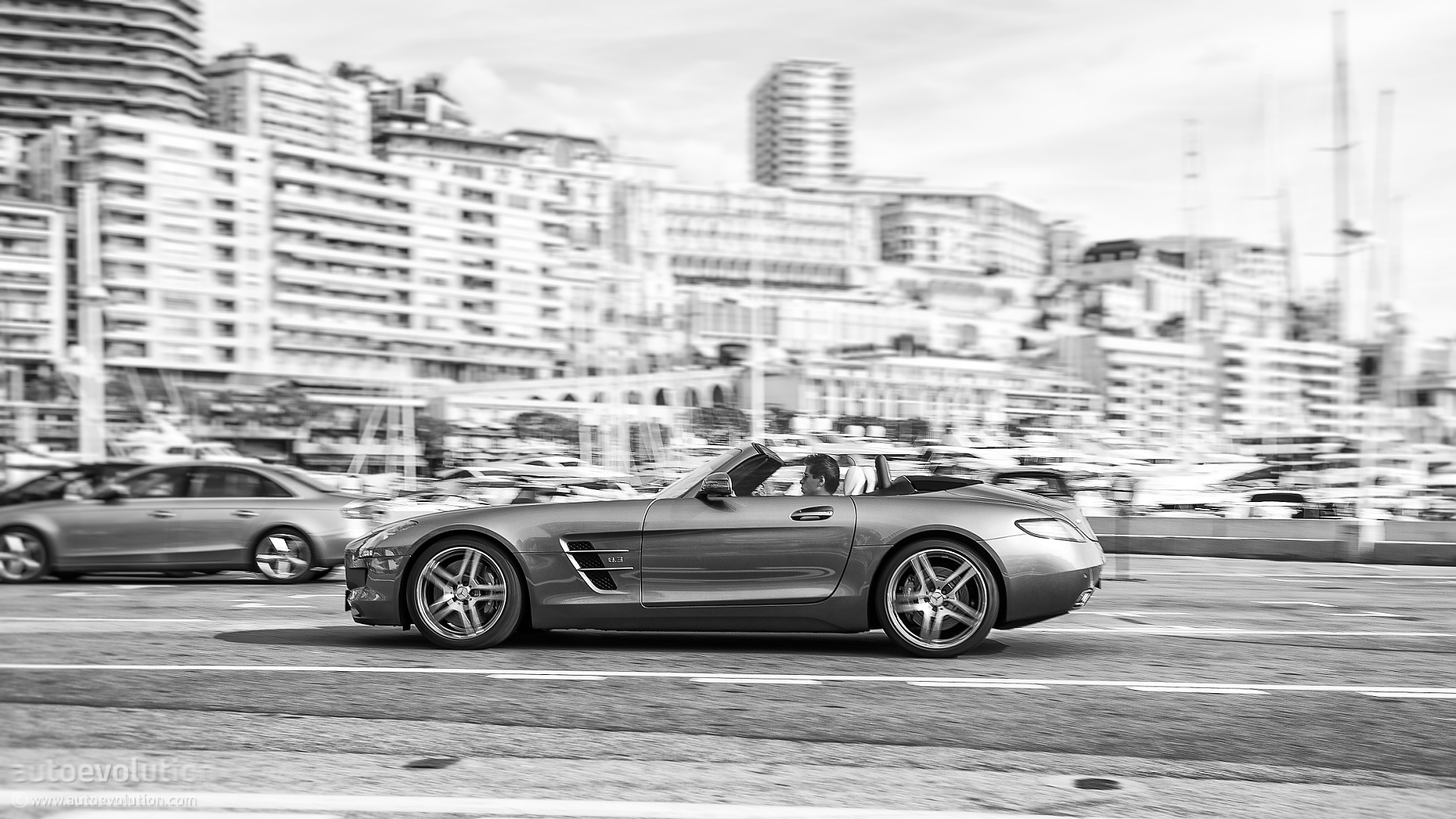
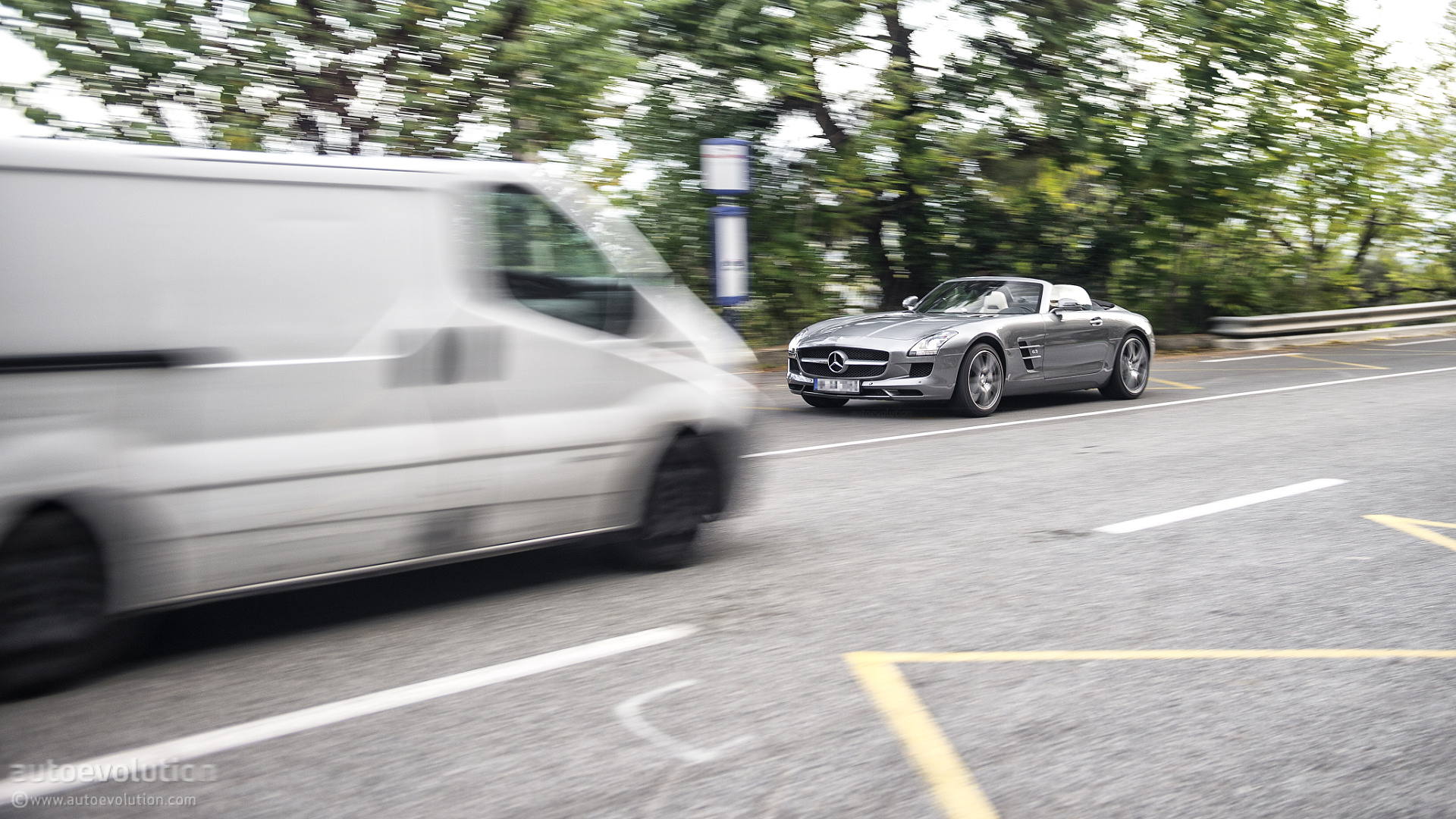
Since you're considering a Roadster, you're an extrovert and this makes the SLS Roadster an appropriate car for you more than in the case of other open air cars of this kind. That's because the agility of the vehicle will spare of the moments when only thin air separates you from the sarcastic looks of passers-by as your forehead becomes sweaty due to the struggle to squeeze your expensive machine through the urban obstacles.
The Roadster seems to be a tad less rigid during slow speed maneuvers compared to the Coupe, which makes it more flexible around town. It also comes with mechanical assets that support you while inside the city, such as the steering, which, unlike in most Mercedes models, is swift, needing only 2.5 turns from one lock to another and, just as important, offering the car a pretty convenient turning radius of 11.9 meters (468.5 inches).
All these assets, coupled with the suspension that doesn't charge too much for keeping the car on the road at high speeds, not even in the non-adaptive form we tested, allow you to quickly familiarize yourself with the car. Then there's the linearity and torque abundance of the naturally-aspirated 6.2-liter engine, which offers thrills even during moderate driving.
What do all these facts mean in the end? You don't have to look like an anti-social person or wait for the darkness to fall in order to get what you paid for: a good time behind that flat-bottomed steering wheel.
Once you go past this point and start using the car to reach certain destinations without too much time to pay attention to it, you'll notice that, with the roof up, the rear visibility is within the class limits, which means that you'd be frustrated without the rear-view camera. The engineers placed their bet on the fact that an SLS owner won't keep his car dirty, so they positioned this as low as the rear apron allowed them to. The move may expose it to dirt, but it totaly pays out, as it offers an excellent view.
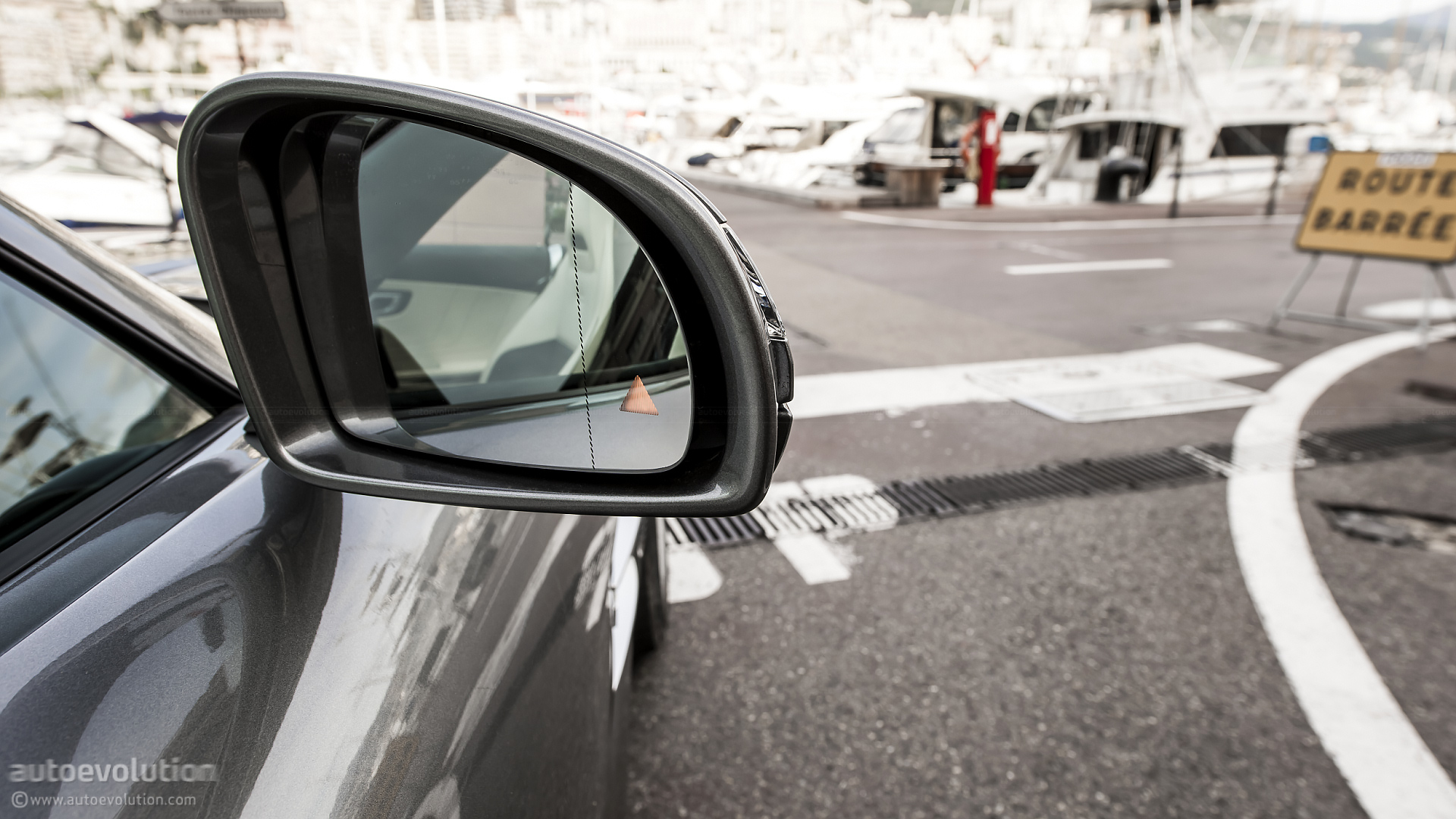
There are parts of the car that will take quite a hefty amount of time to get used to, such as the bonnet, which seems like it's there to cover a small car, not just an engine, but here is where you'll be thankful for the Mercedes badge, as the all-round sensors with visual and aural alerts are perfectly implemented.
However, Mercedes-Benz did run out of engineering at a certain point, as they didn't fit the car with a nose lift system. We didn't really feel the need for such a feature during most of the situation encountered while we drove it, but there were a few occasions on which it would have been extremely useful. A quick check online will reveal the presence of aftermarket solutions for this problem.
While between the walls of the urban fortress, the Roadster seems more suitable than the Coupe, mainly thanks to the slightly smaller rigidity during slow speed driving, as well as the presence of normal doors that make the entry/exit a quicker and less attention-grabbing process. Of course, there's also the boulevard cruise, which really isn't the same if you're not driving under the open sky.
When this car was conceived, Mercedes wanted people who drove it to know that it means business from the very first moment they get in contact with it, so AMG engineers had a clear task: make it sound like it was running on hot mountain lava.
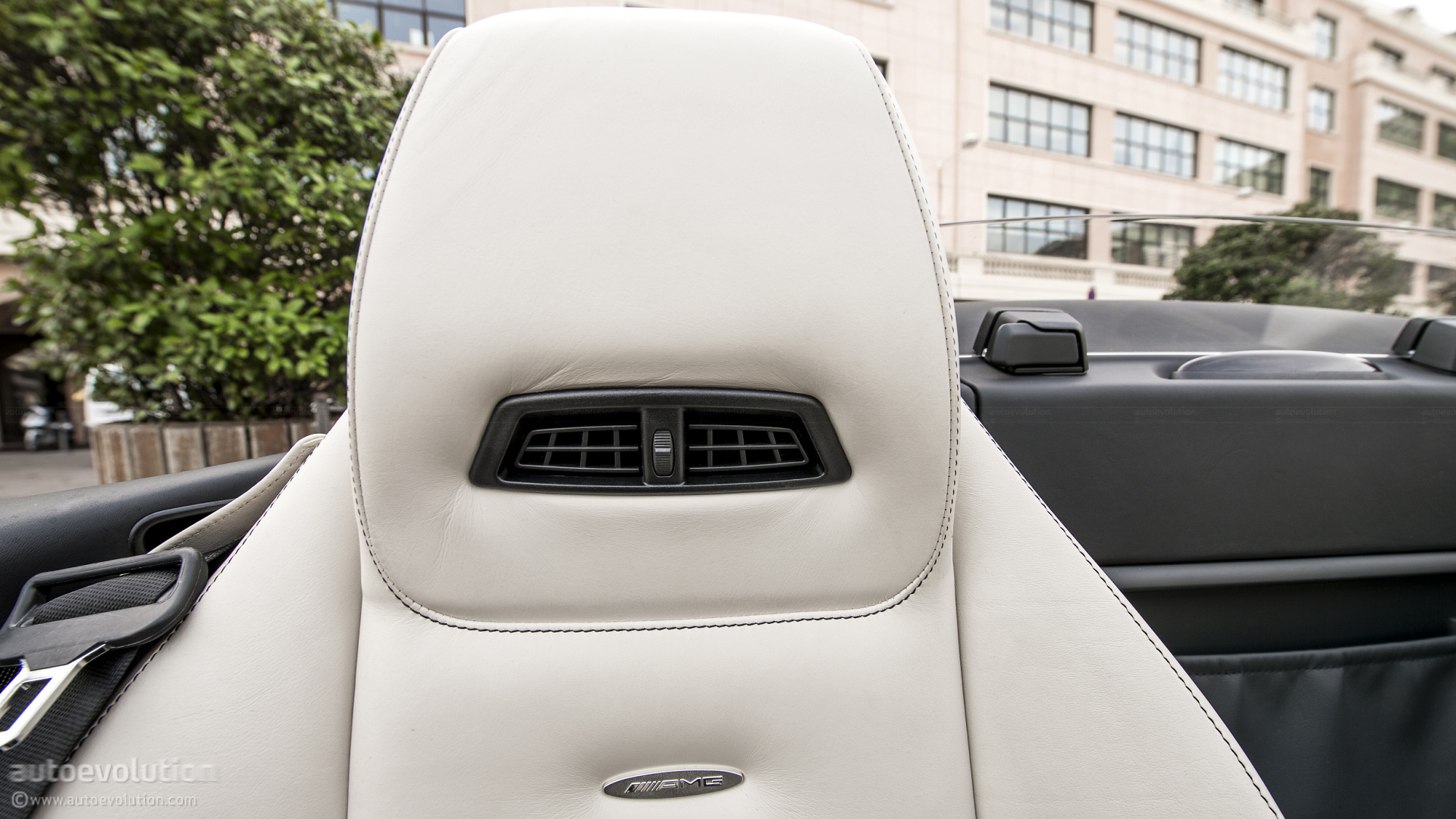
Completing the task was a pleasure, so once you touch what we now call the “magic button” that awakens the engine, not just the car becomes alive, you also do. While this means that the SLS isn’t the kind of vehicle that needs an open top to let you enjoy its voice(s), the Roadster determined us to use the Airscarf for as long as we could. You simply don’t want to raise that top, no matter what you body is telling you, not even when you finally overcome the limits of the excellent wind protection.
The “Roadster” in the designation of the SLS adds valuable points to its Grand Tourer nature, as you can cover impressive amounts of distance at thrilling speeds in this car, but you can also enjoy the feel of the nature once you’re done playing with the exhaust.
Speaking of the devil, our drive allowed us to discover that you can actually use the gas pedal as a musical instrument. There are other cars that have inspired us to try do to that, but neither one of them came close. When you want to do this, it’s best to use the Controlled Efficiency, the softest of the powertrain's four modes.
It won’t be long until you’ll be curious to see what the remaining ones do. As you turn the knob to use the Sport or the Sport+ settings, the whole powertrain, not just the transmission, gets sharper and then, with or without our gentleman racer gloves on, you’ll start riding the torque tsunami of the V8 engine. And while an actual tsunami needs a certain amount of time to be formed, the natural aspiration in the eight cylinders of the engine mean that you can unleash the aforementioned torque whenever you want without having to think about the revs or the gear you’re in.
The ESP is controlled via a separate button, so you don’t necessarily need to turn a fast ride into a dangerous one. When you start developing a friendship between the accelerator pedal and the floor mat, if you’ve got the ESP fully on and you’re using a dry road, you can push the car has hard as you like without any hint of oversteer. In this mode, the car is easy to drive fast, just like it should be.
Once you past this stage and really take the SLS to its limit, you’ll find that you have to focus strongly, as the car isn’t 100 percent razor blade-like. The steering offers enough feedback for a driving style of up to 9 tenths, but when you switch to 10 out of 10 you’ll be wishing for a bit more communication. Mercedes quotes 100 ms gearshifts and these do feel fast, but it seems that the car simply wasn’t set up in a way that sends a lighting bolt through your body when it shifts at full throttle in the Sport+ mode.
The manual mode comes to save the day, as the perfectly shaped and positioned metallic paddles and the lights that show you when to shift really add to the driving experience.
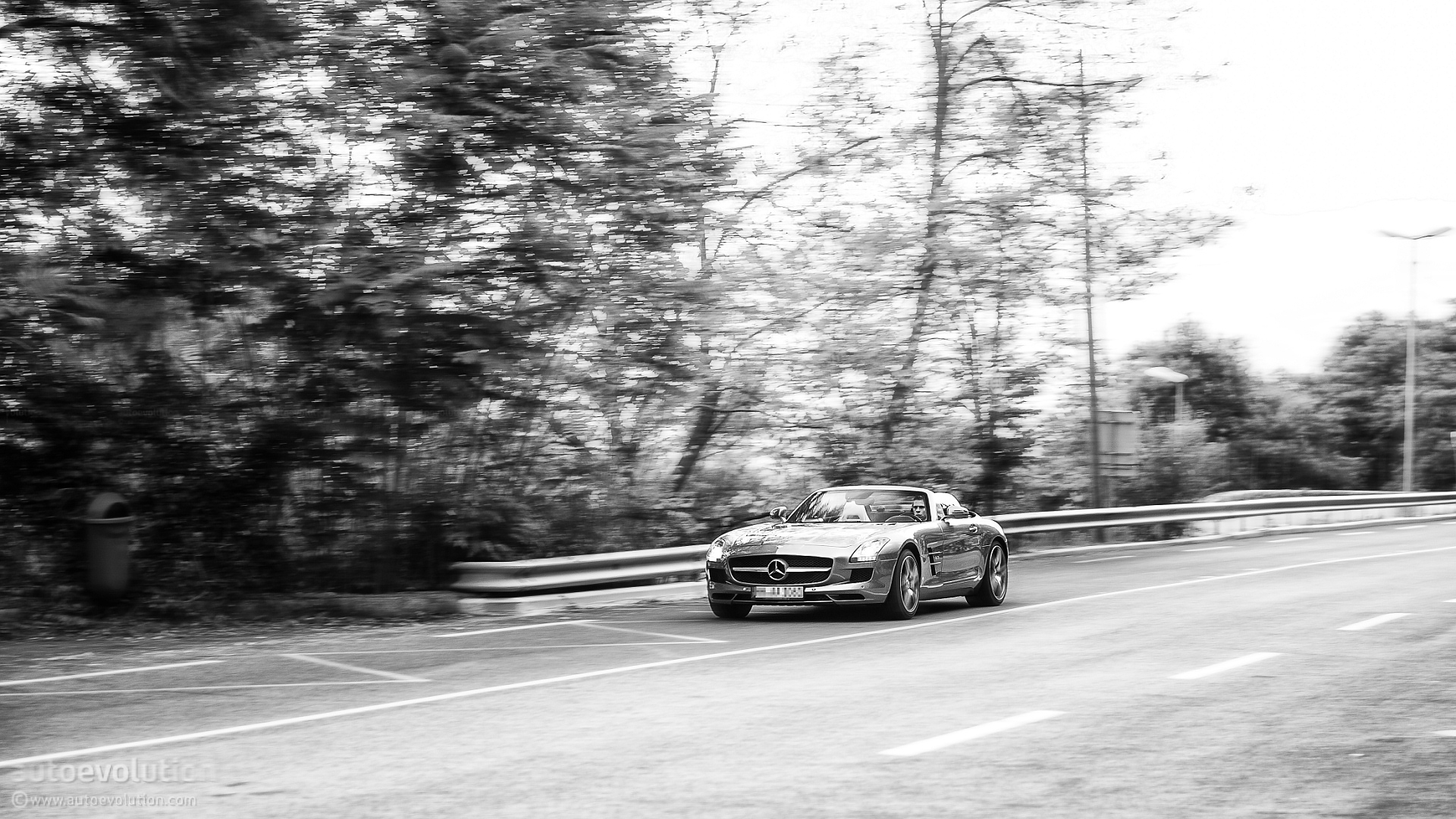
However, the SLS knows its way around being a speed demon and, if you want to carve your path through the canyons it will repay you for doing so. We found ourselves pushing it harder and harder on tight mountain roads, at an altitude that should've’ multiplied our instinct for individual preservation, but, thanks to the car, didn’t.
While the SLS feels a lot like a muscle car on the straights, with the torque and the exhaust sound being the dominant figures, once you get to the bends it shows that it’s just as capable here. The same suspension that didn’t put a gun to our spine inside the city manages to keep the car on track with remarkable accuracy, even though we tested the standard, non-adaptive setup.
The conclusion is also true for the brakes. We had six-piston calipers for the front axle and four-piston one for the rear axle and, despite the fact that these worked with the standard discs, not the ceramic one, the repeated hard braking sessions made us dizzy, not the car.
The official figures place the Roadster on the same level with the Coupe in terms of straight line performance, with both cars needing 3.8 seconds to deal with the 0 to 62 mph (100 km/h) sprint and offering a top speed of 197 mph (317 km/h).
Now back to the more relaxed, but still high-speed, cruising again... - you see? this is the beauty of a Grand Tourer, it can be both your wife and your mistress and the SLS is an exceptional GT, it’s far more than just the tons of engineering that went into making it, it’s character with a soft top.
12
Our MERCEDES BENZ Testdrives:
Photo gallery (92)
![Mercedes-Benz SLS AMG Roadster rear details]()
![Mercedes-Benz SLS AMG Roadster]()
![Mercedes-Benz SLS AMG Roadster in city]()
![Mercedes-Benz SLS AMG Roadster in detail]()
![Mercedes-Benz SLS AMG Roadster]()
![Mercedes-Benz SLS AMG Roadster nose]()
![Mercedes-Benz SLS AMG Roadster front grille]()
![Mercedes-Benz SLS AMG Roadster - Mercedes logo]()
![Mercedes-Benz SLS AMG Roadster hood air vents]()
![Mercedes-Benz SLS AMG Roadster in urban environment]()
![Mercedes-Benz SLS AMG Roadster - AMG logo]()
![Mercedes-Benz SLS AMG Roadster driving position]()
![Mercedes-Benz SLS AMG Roadster profile]()
![Mercedes SLS AMG Roadster]()
![Mercedes-Benz SLS AMG Roadster urban driving]()
![Mercedes-Benz SLS AMG Roadster in city]()
![Mercedes SLS AMG Roadster]()
![Mercedes-Benz SLS AMG Roadster with door open]()
![Mercedes-Benz SLS AMG Roadster door entry sills]()
![Mercedes-Benz SLS AMG Roadster interior]()
![Mercedes-Benz SLS AMG Roadster seats with Airscarf]()
![Mercedes-Benz SLS AMG Roadster Airscarf]()
![Mercedes-Benz SLS AMG Roadster power seat control]()
![Mercedes-Benz SLS AMG Roadster center console]()
![Mercedes-Benz SLS AMG Roadster door mirror]()
![Mercedes SLS AMG Roadster]()
![Mercedes-Benz SLS AMG Roadster cabin]()
![Mercedes-Benz SLS AMG Roadster dashboard]()
![Mercedes-Benz SLS AMG Roadster seats]()
![Mercedes-Benz SLS AMG Roadster power seat control]()
![Mercedes-Benz SLS AMG Roadster light control]()
![Mercedes-Benz SLS AMG Roadster interior]()
![Mercedes-Benz SLS AMG Roadster standard seats]()
![Mercedes-Benz SLS AMG Roadster interior]()
![Mercedes-Benz SLS AMG Roadster steering wheel]()
![Mercedes-Benz SLS AMG Roadster center console]()
![Mercedes-Benz SLS AMG Roadster COMMAND]()
![Mercedes-Benz SLS AMG Roadster navigation]()
![Mercedes-Benz SLS AMG Roadster gear selector with AMG logo]()
![Mercedes-Benz SLS AMG Roadster powertrain control modes]()
![Mercedes-Benz SLS AMG Roadster gear selector]()
![Mercedes-Benz SLS AMG Roadster speedometer and rev counter]()
![Mercedes-Benz SLS AMG Roadster dials]()
![Mercedes-Benz SLS AMG Roadster front details]()
![Mercedes-Benz SLS AMG Roadster low front end]()
![Mercedes-Benz SLS AMG Roadster]()
![Mercedes-Benz SLS AMG Roadster wheels]()
![Mercedes-Benz SLS AMG Roadster rear]()
![Mercedes-Benz SLS AMG Roadster in harbor]()
![Mercedes-Benz SLS AMG Roadster soft-top]()
![Mercedes-Benz SLS AMG Roadster profile with soft-top up]()
![Mercedes-Benz SLS AMG Roadster on cliff]()
![Mercedes SLS AMG Roadster]()
![Mercedes-Benz SLS AMG Roadster headlight]()
![Mercedes-Benz SLS AMG Roadster]()
![Mercedes-Benz SLS AMG Roadster in city]()
![Mercedes-Benz SLS AMG Roadster with top up]()
![Mercedes-Benz SLS AMG Roadster rear wing]()
![Mercedes-Benz SLS AMG Roadster rear wing]()
![Mercedes-Benz SLS AMG Roadster]()
![Mercedes-Benz SLS AMG Roadster]()
![Mercedes-Benz SLS AMG Roadster braking]()
![Mercedes-Benz SLS AMG Roadster open road driving]()
![Mercedes-Benz SLS AMG Roadster handling]()
![Mercedes-Benz SLS AMG Roadster in nature]()
![Mercedes-Benz SLS AMG Roadster]()
![Mercedes-Benz SLS AMG Roadster with top down]()
![Mercedes-Benz SLS AMG Roadster open top driving]()
![Mercedes-Benz SLS AMG Roadster engine compartment]()
![Mercedes-Benz SLS AMG Roadster engine signature plaque]()
![Mercedes-Benz SLS AMG Roadster M169 engine]()
![Mercedes-Benz SLS AMG Roadster boot]()
![Mercedes-Benz SLS AMG Roadster]()
![Mercedes-Benz SLS AMG Roadster Race Start]()
![Mercedes SLS AMG Roadster]()
![Mercedes-Benz SLS AMG Roadster braking distance]()
![Mercedes-Benz SLS AMG Roadster handling at the limit]()
![Mercedes-Benz SLS AMG Roadster speeding]()
![Mercedes-Benz SLS AMG Roadster in traffic]()
![Mercedes SLS AMG Roadster]()
![Mercedes-Benz SLS AMG Roadster dashboard at night]()
![Mercedes-Benz SLS AMG Roadster instruments at night]()
![Mercedes SLS AMG Roadster]()