DACIA Logan Review
OUR TEST CAR: DACIA Logan 0.9 TCe Laureate
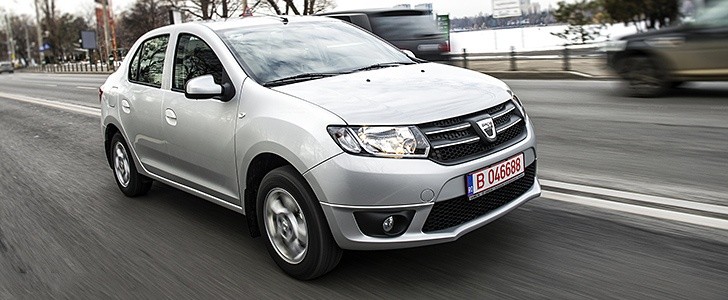
Dacia has gained international awareness and the Logan is known to be a trusty partner for any A to B transportation situation. This robustness and reliability of the car has snowballed into a reputation and now the second generation must come with the same assets. What’s more, the market has evolved and the lumberjack exterior and interior styling of the first Logan won’t do anymore. Customers will take the aforementioned dependability for granted and also want a bit of refinement.
Renault are well aware of this and while they’ve kept an important part of the platform, they’ve made serious upgrades to the engine range, body and cabin of the vehicle.
The Logan was born as a dream, with people being amazed by the idea of being able to buy a new car for half the usual price of an usual cheap model. First of all, Renault promised that it would gift the Dacia brand with a vehicle that would cost €5,000 ($6,700) on its home market, Romania. This target was not met, but the end result was far more affordable than the closest competitor, so the vehicle became a hit. This is also what persuaded people to overlook the countless flaws brought by the cost-cutting.
This incredible price for a new car, coupled with the aforementioned assets, turned it into a success that spread far beyond the borders of Romania. The Logan ended up being manufactured in nine facilities located on multiple continents and enjoyed hefty sales on markets ranging from Germany to Brazil.
In this process, the car was not only sold as a Dacia, but also as a Renault, Nissan, Mahindra and Lada. It was even imported to the US, where an electrified version was sold in limited numbers.
The Logan was also a dream for Dacia, as it brought the brand back in the headlines. The company had been created in partnership with Renault in the mid 60s’, but the French carmaker pulled out of the deal after a decade or so. During this time, Dacia built its own, trimmed down versions of the Renault 8 and 12. The Romanian brand continued to sell the rebadged Renault 12, with multiple facelifts, up to 2006. During this entire period, it developed one single model on its own, the Nova.
Fitting the Nova with a Renault engine and gearbox in the year 2000 was the first step towards reestablishing the connection with the French carmaker and this lead to the birth of the Logan in 2004. Dacia was once again Renault’s child and, as we said, it has returned impressive results. You can find an in-depth history of the Romanian brand here, while our guest editor Lou Cheeka is eager to give you some Dacia folk tales of his own.
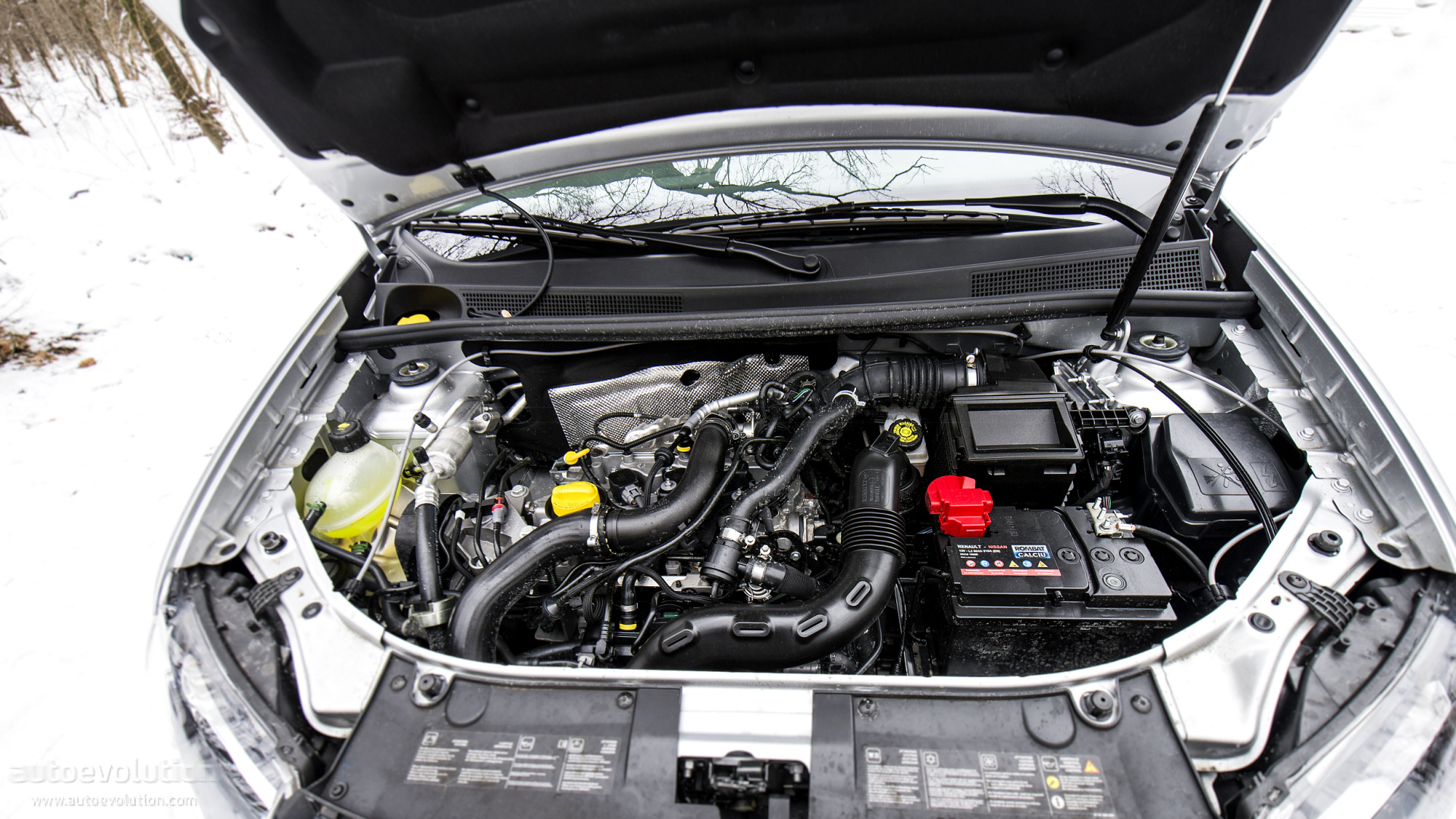
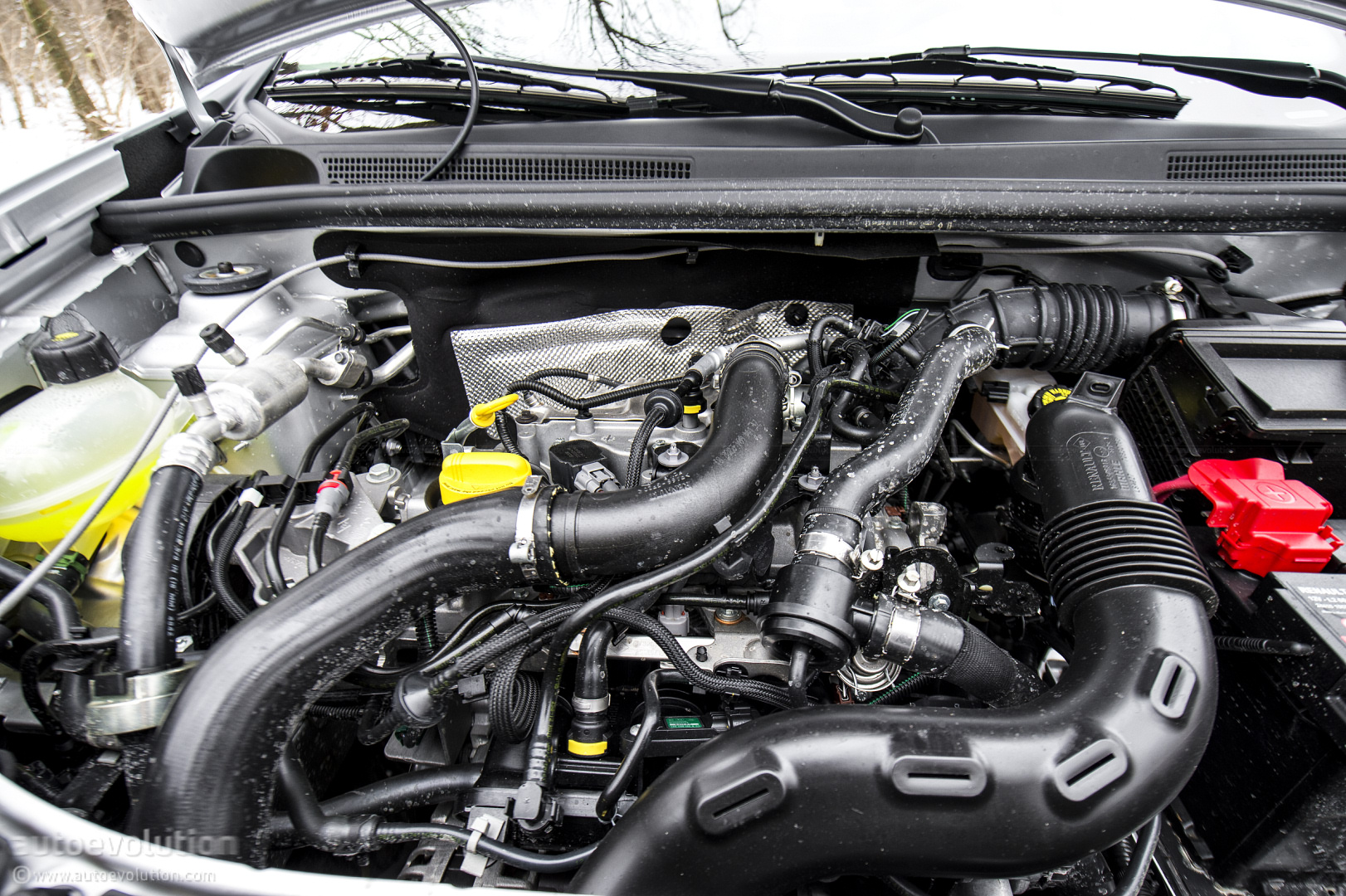
Now the Logan show must go on and we recently invited the second generation to perform a test drive. The star of the new engine range is the downsized 0.9-liter turbocharged TCe petrol engine, so it took our center stage. It was accompanied by the almost complete list of features one can order on the Logan, as this is an area that has also received significant updates.
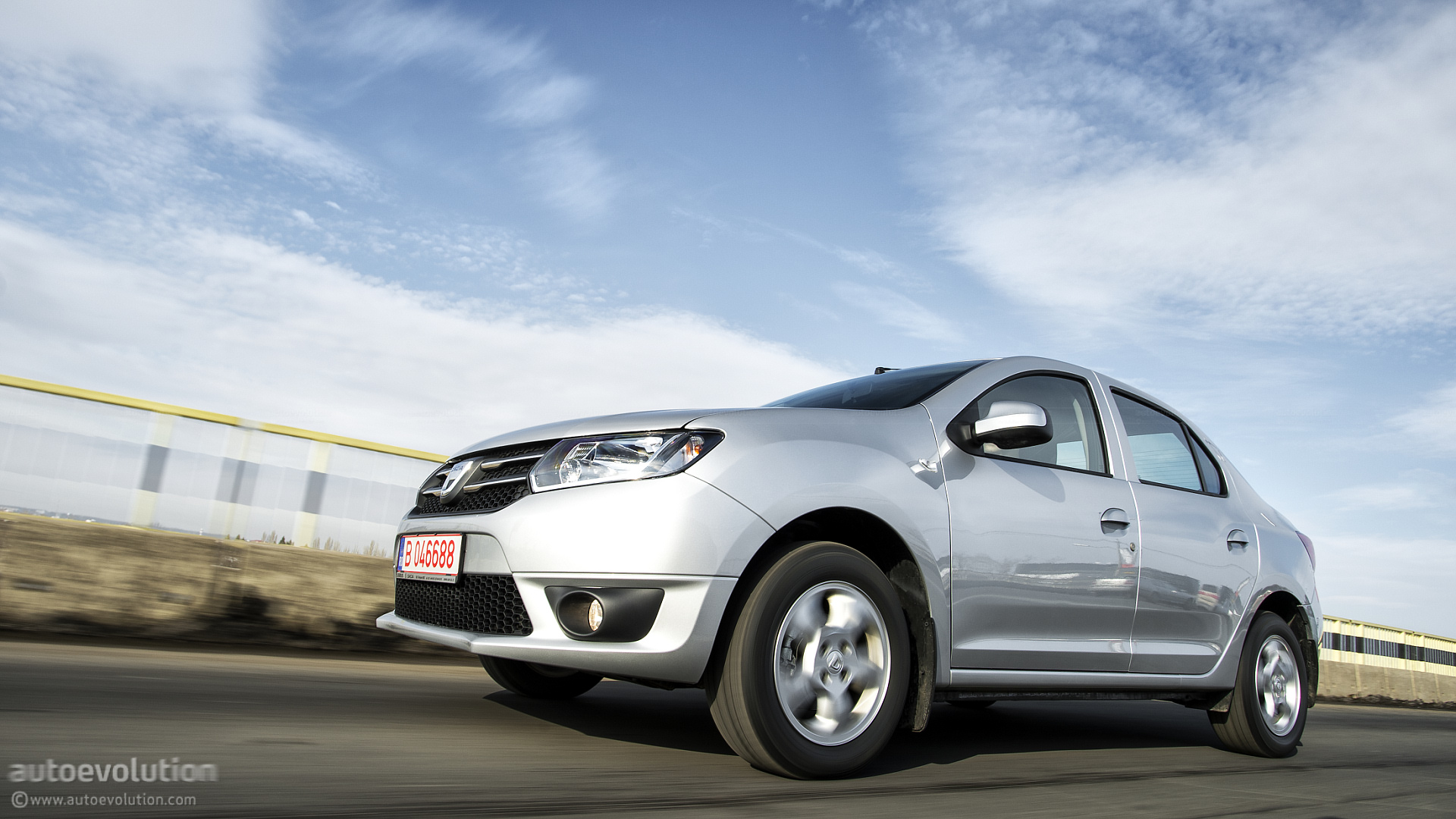
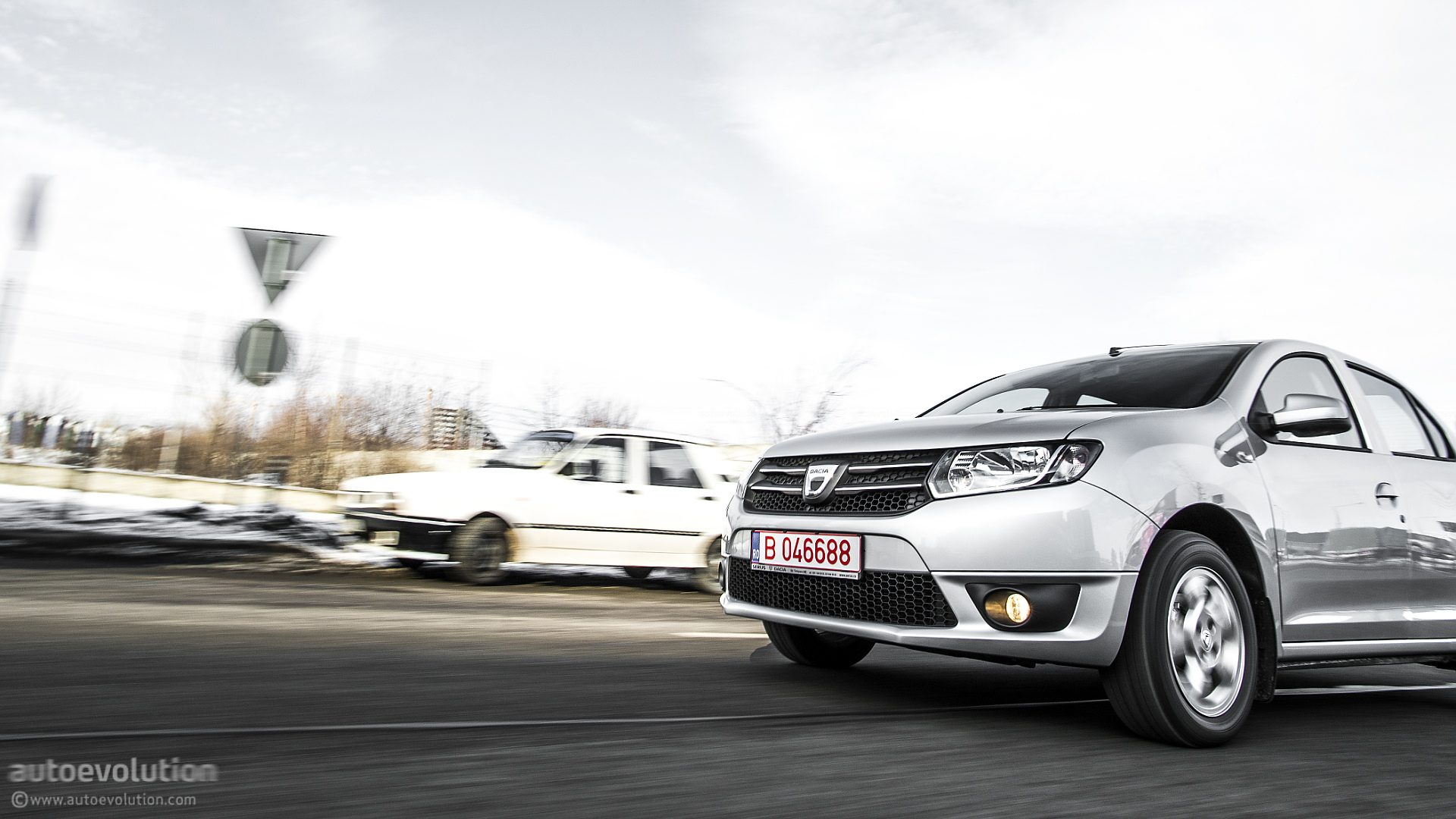
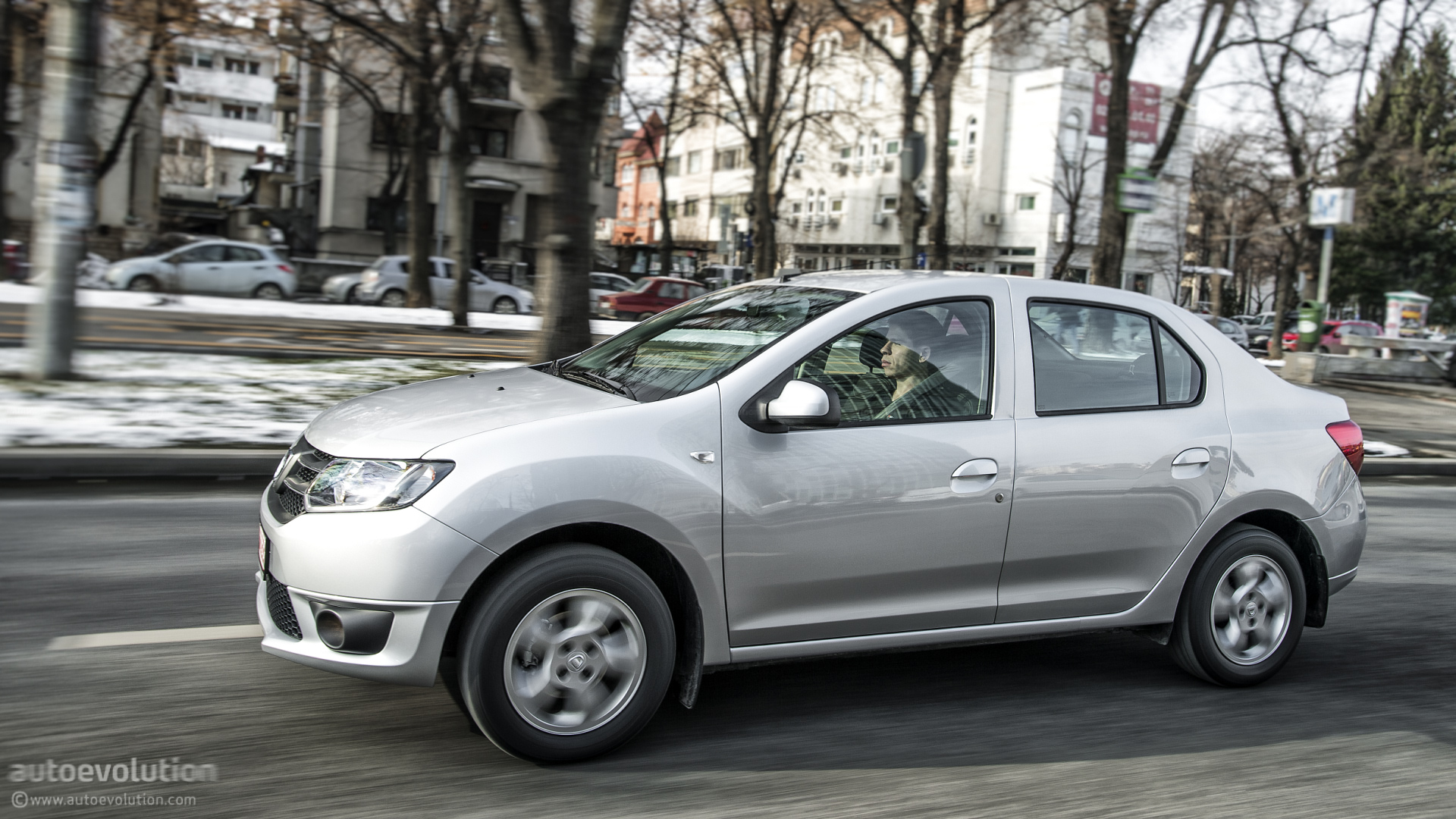
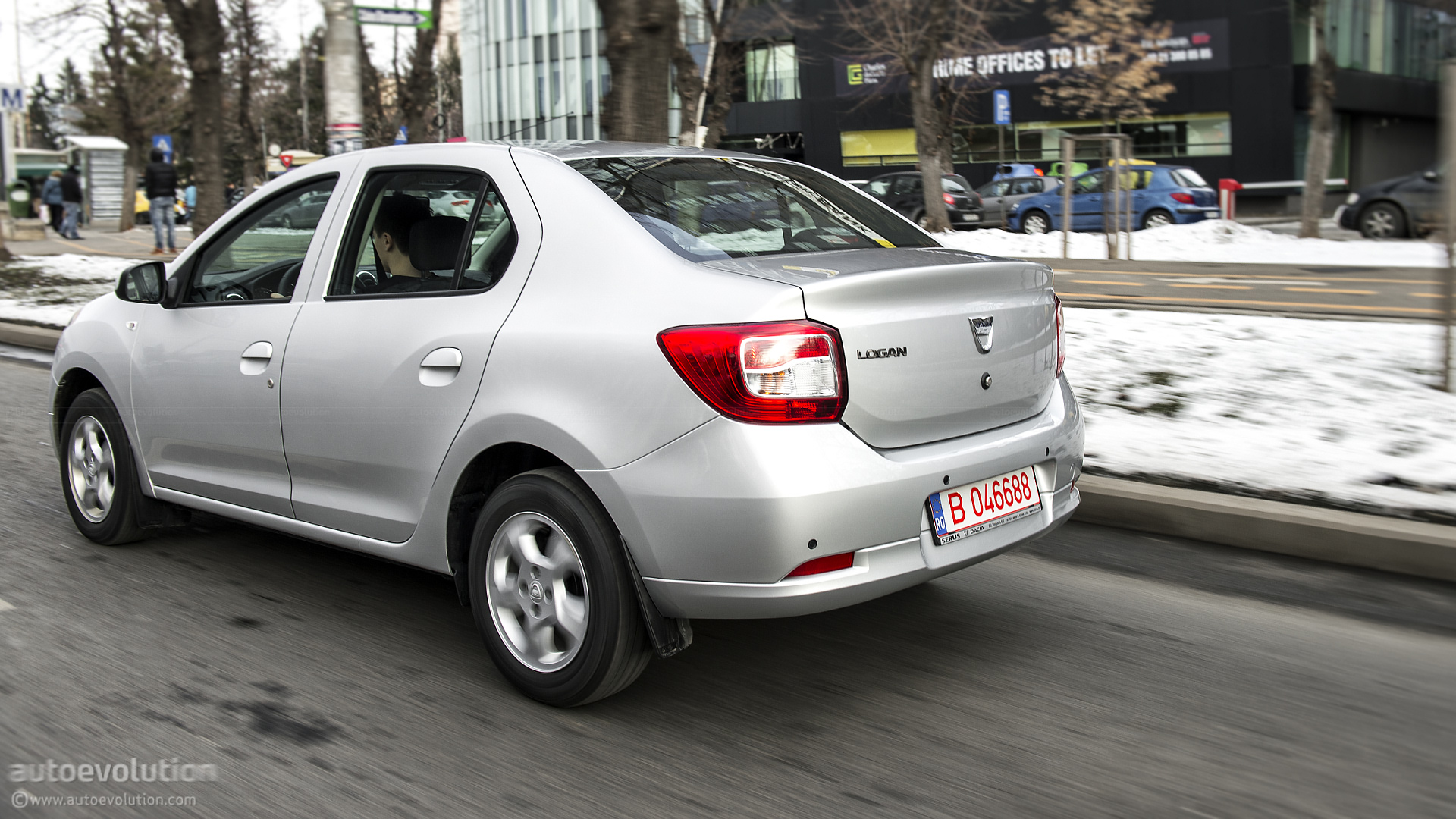
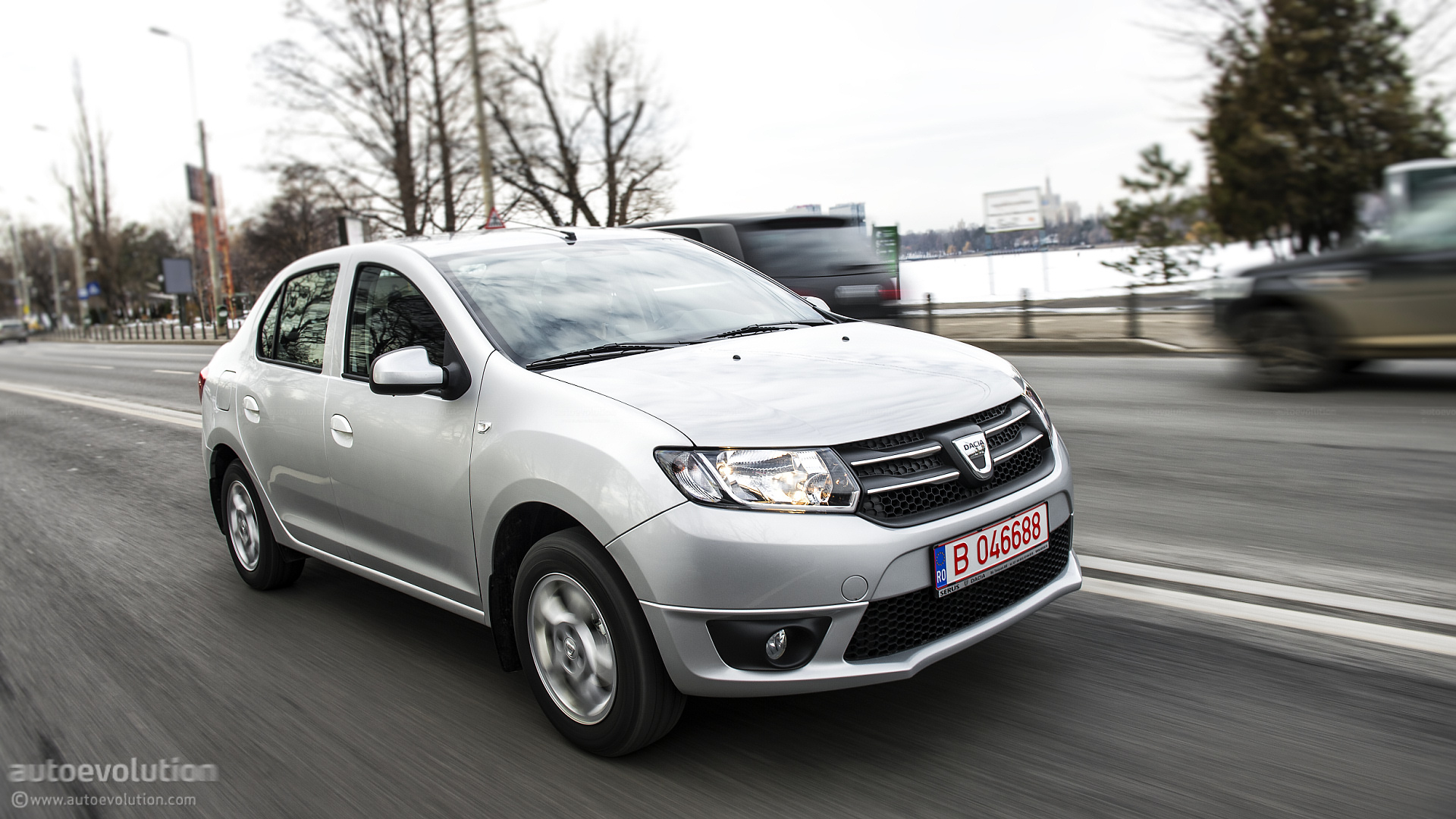
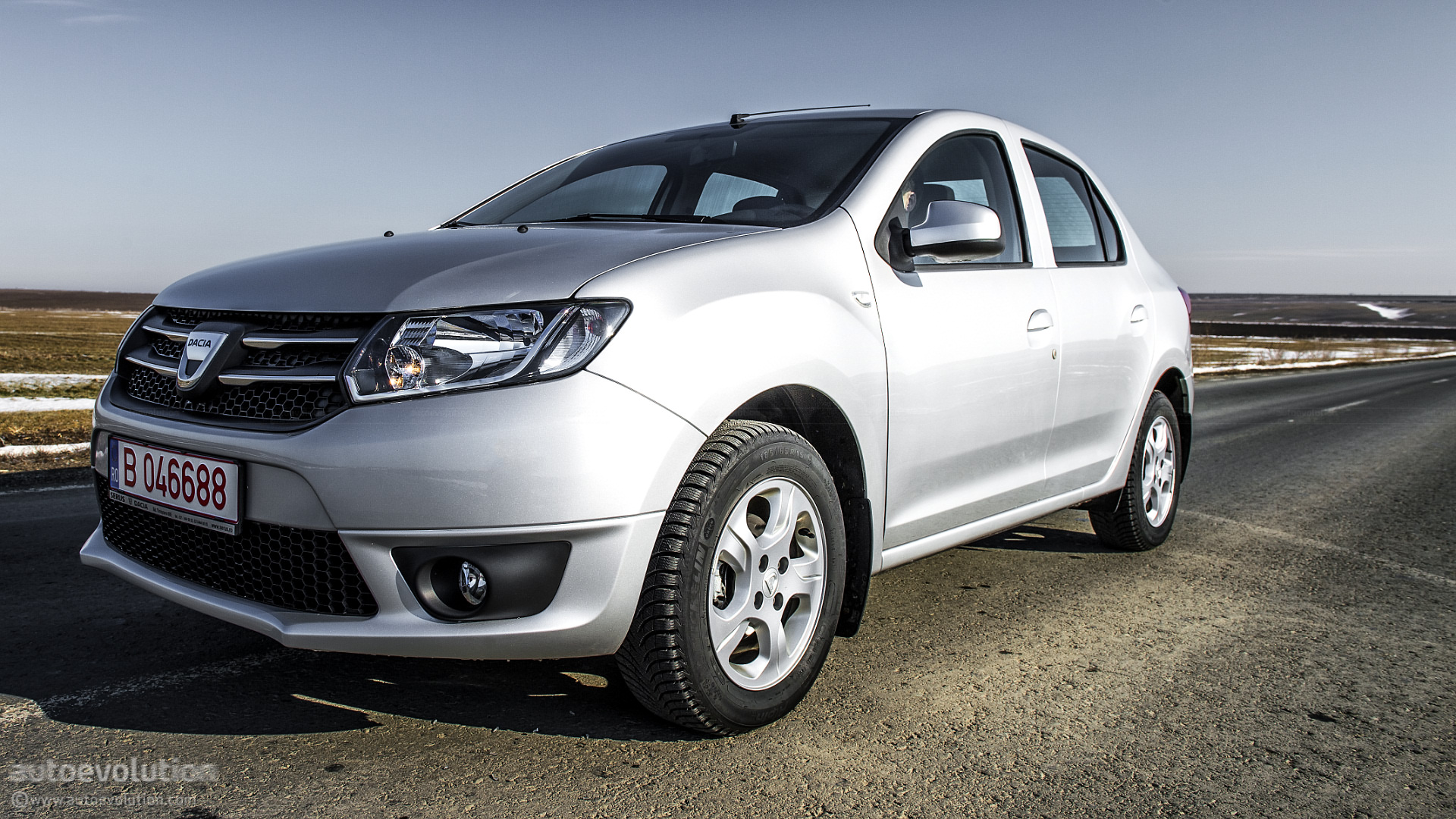
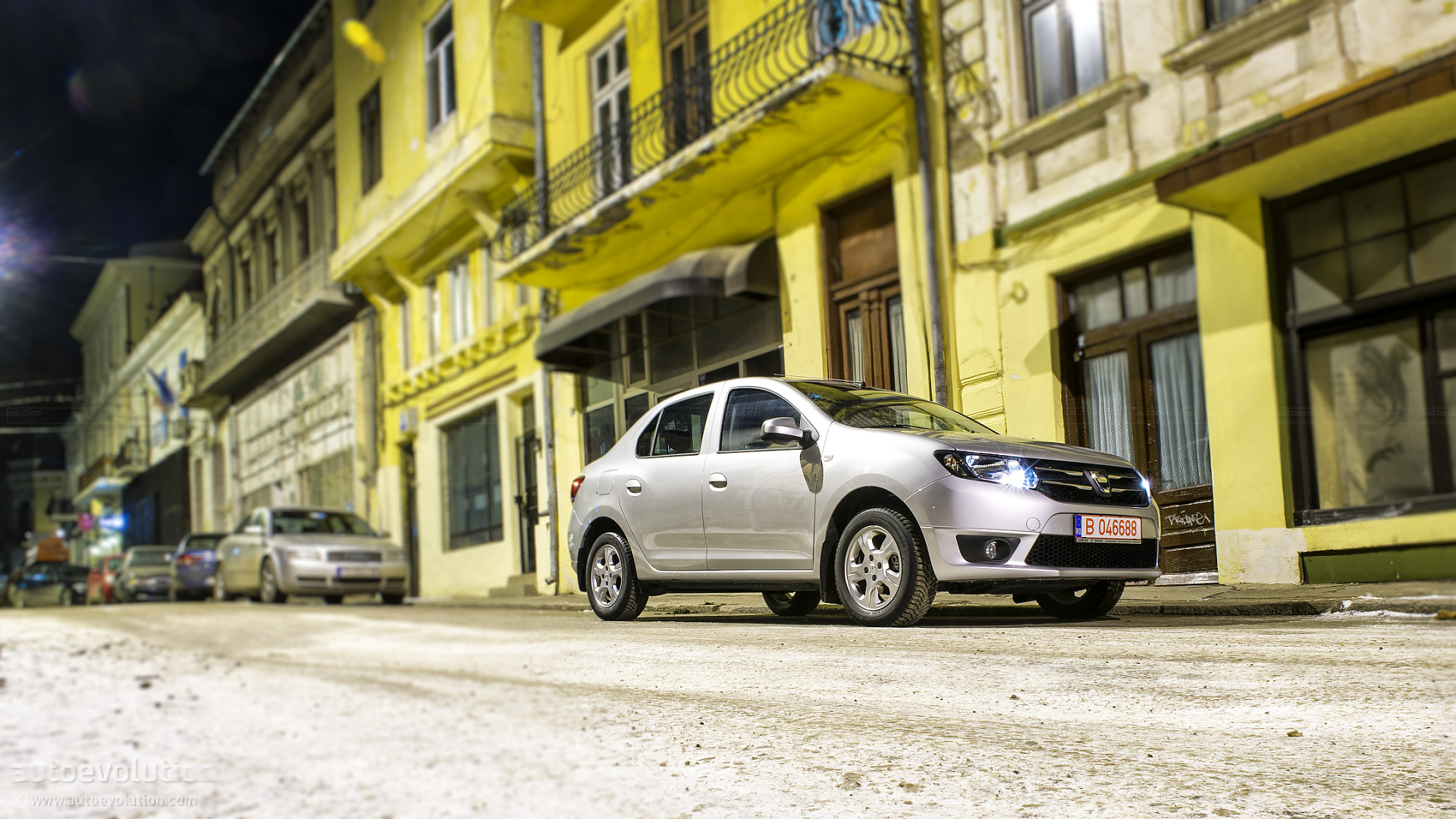
The appearance of the new Logan can be used as a definition of the word “trade-off”. The car has replaced the boxy shapes of the first generation with modern styling cues that place it well within the limits of contemporary car design. Alas, it has lost the originality of the first Logan, you can now easily mistake it for a model that belongs to other brands.
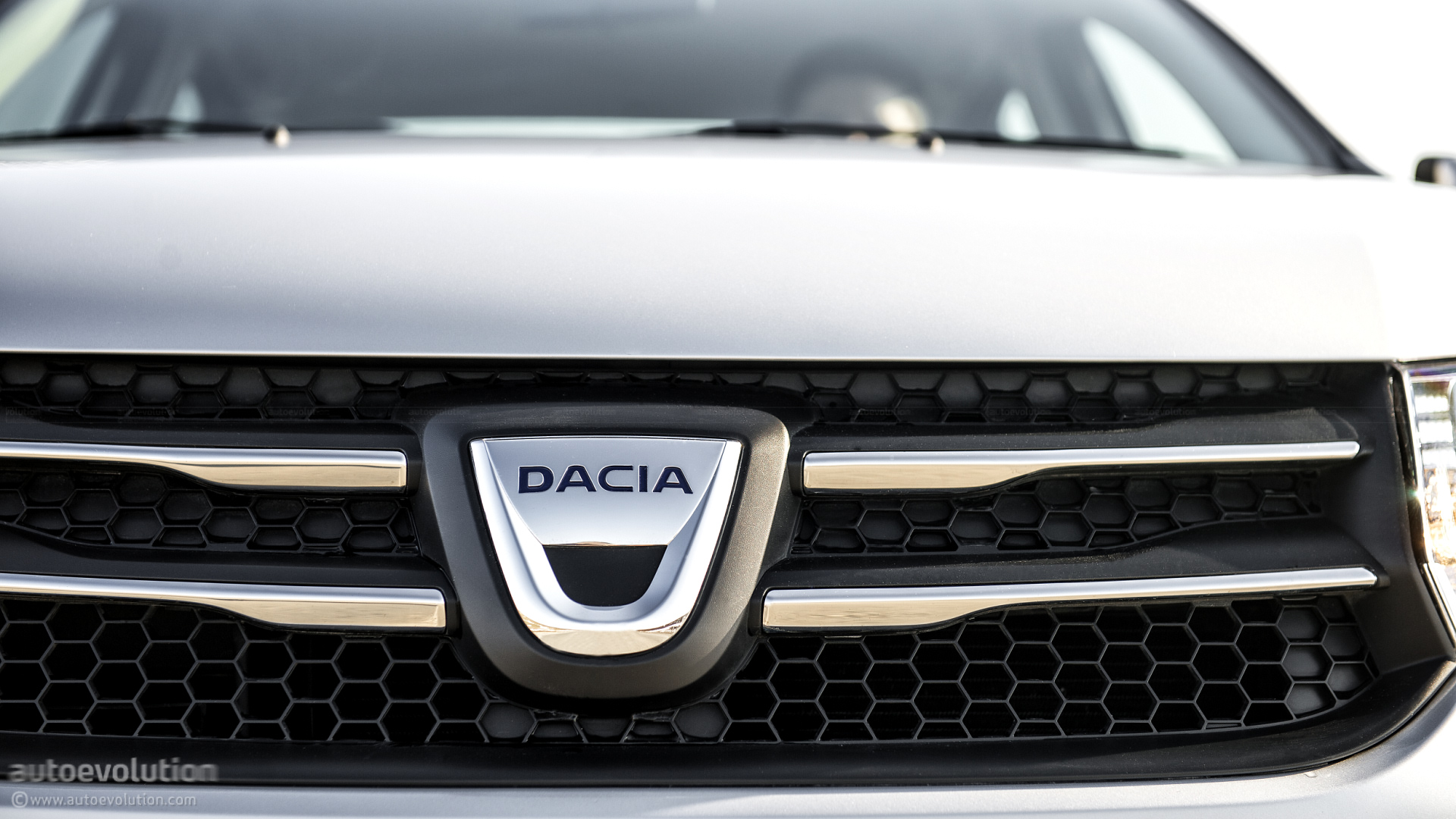
Dacia didn’t have a brand image, but it had the chance to build one and it doesn’t seem like the company is taking advantage of this opportunity. The best example that illustrates the aforementioned downside of the new design is the front fascia.
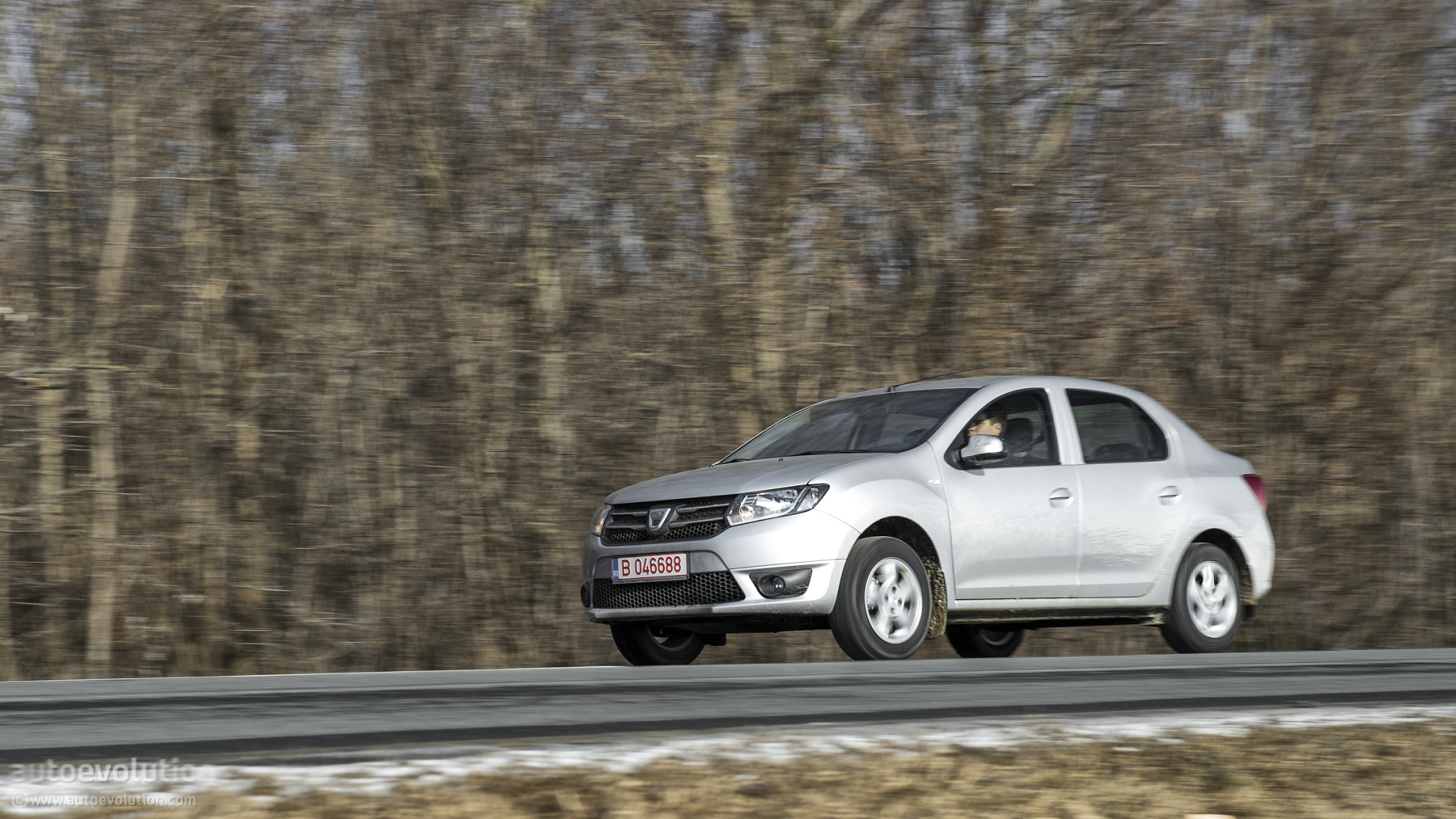
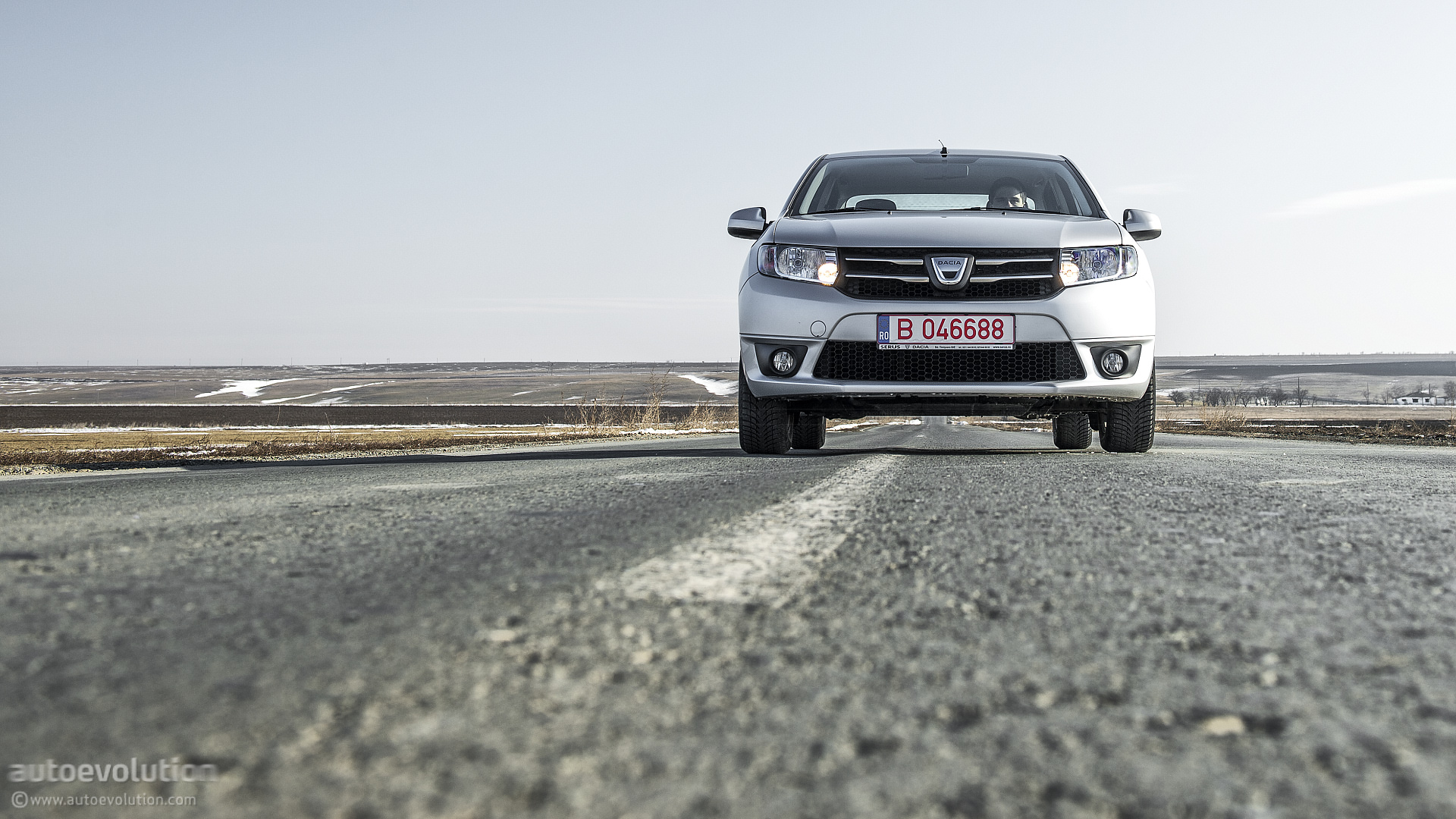
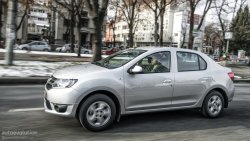
The lower area of the bumper comes with a pronounced chin that looks like it’s borrowed straight from a VW model, such as the current-generation Polo - this is the car that introduced the feature to the Volkswagen range.
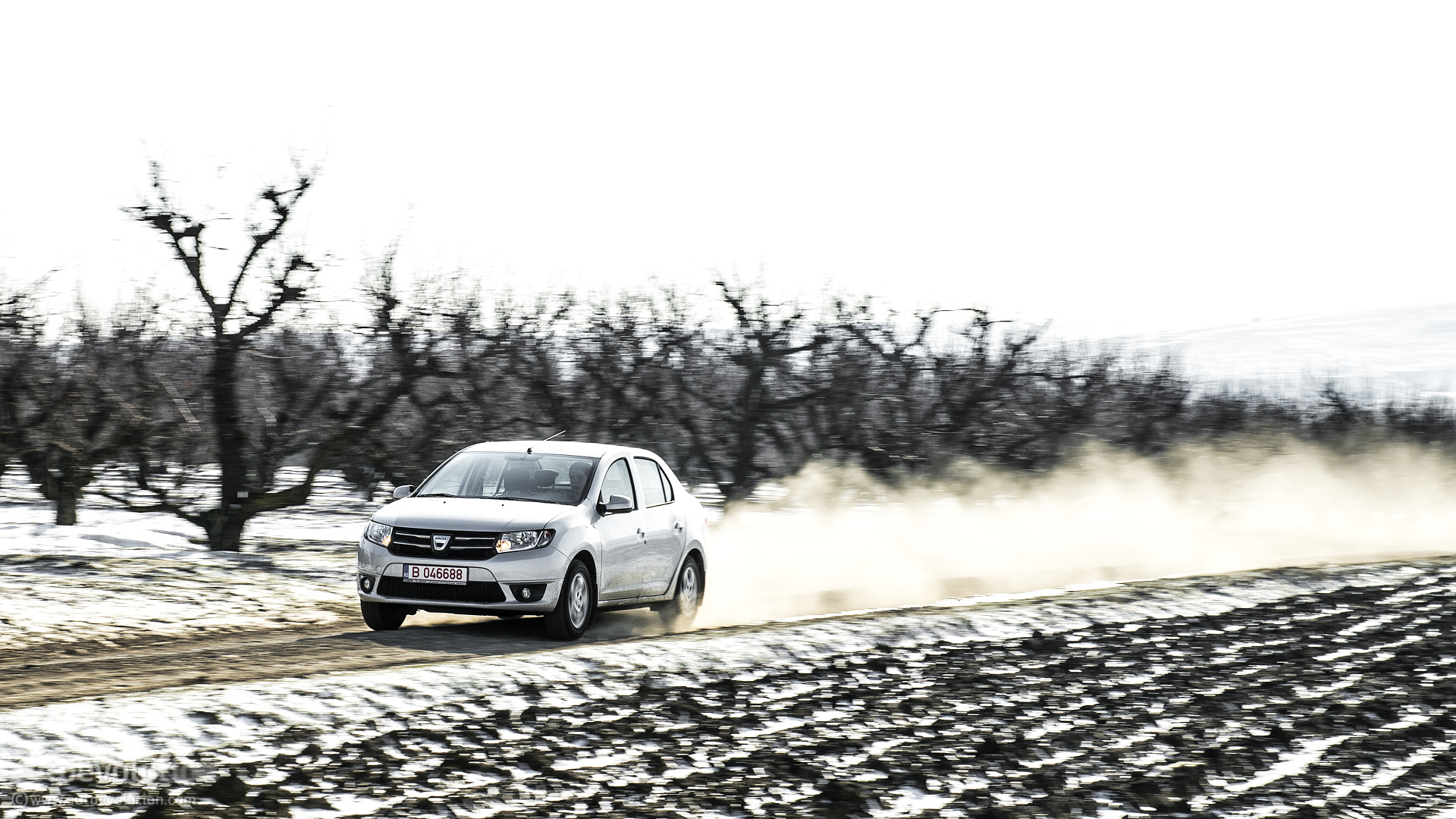
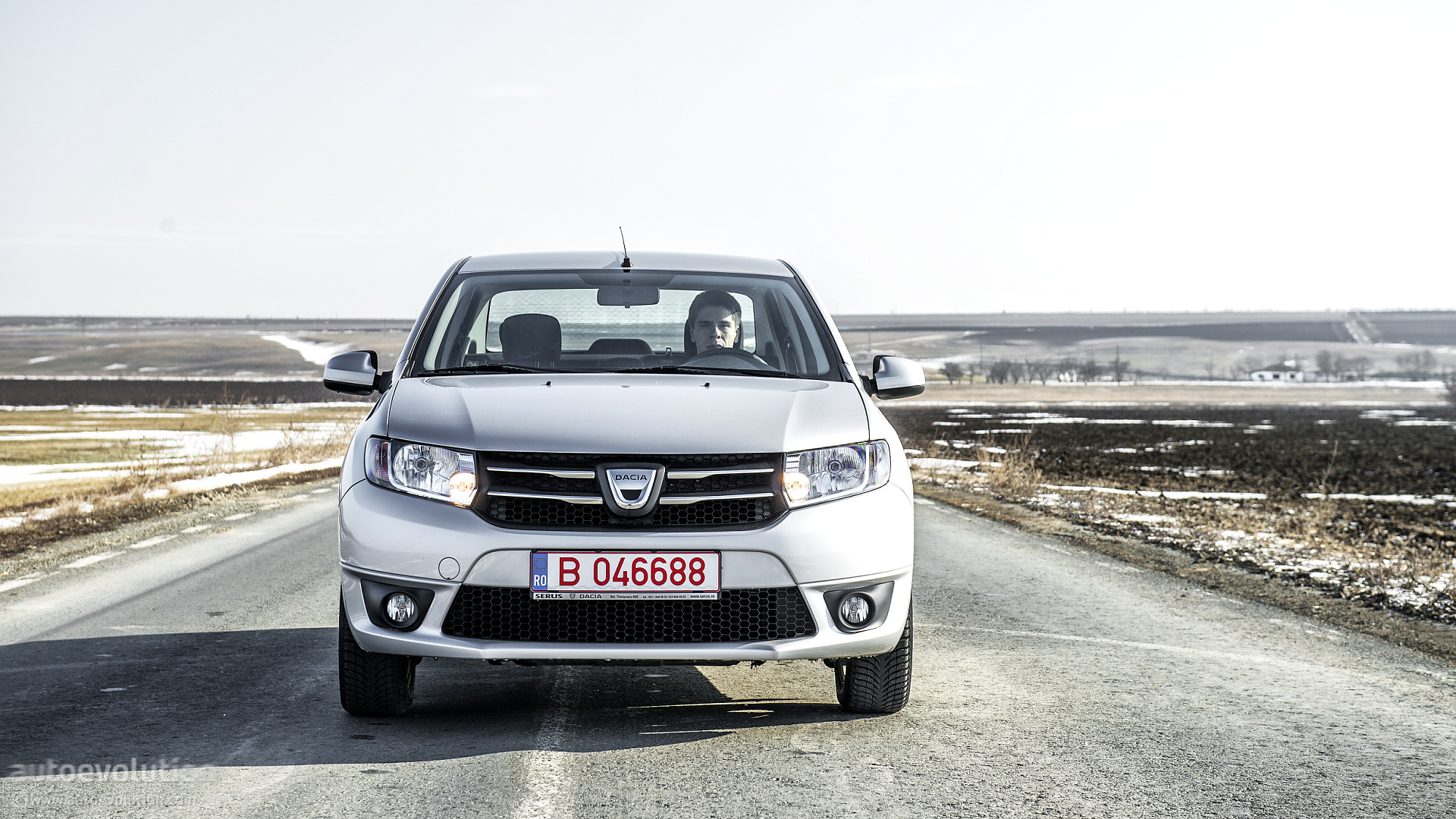
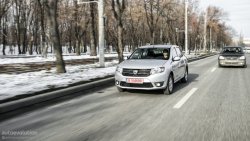
The rest of the car’s face is much more refined compared to the old generation and it’s safe to say that the front fascia is the most attractive part of the new Logan.
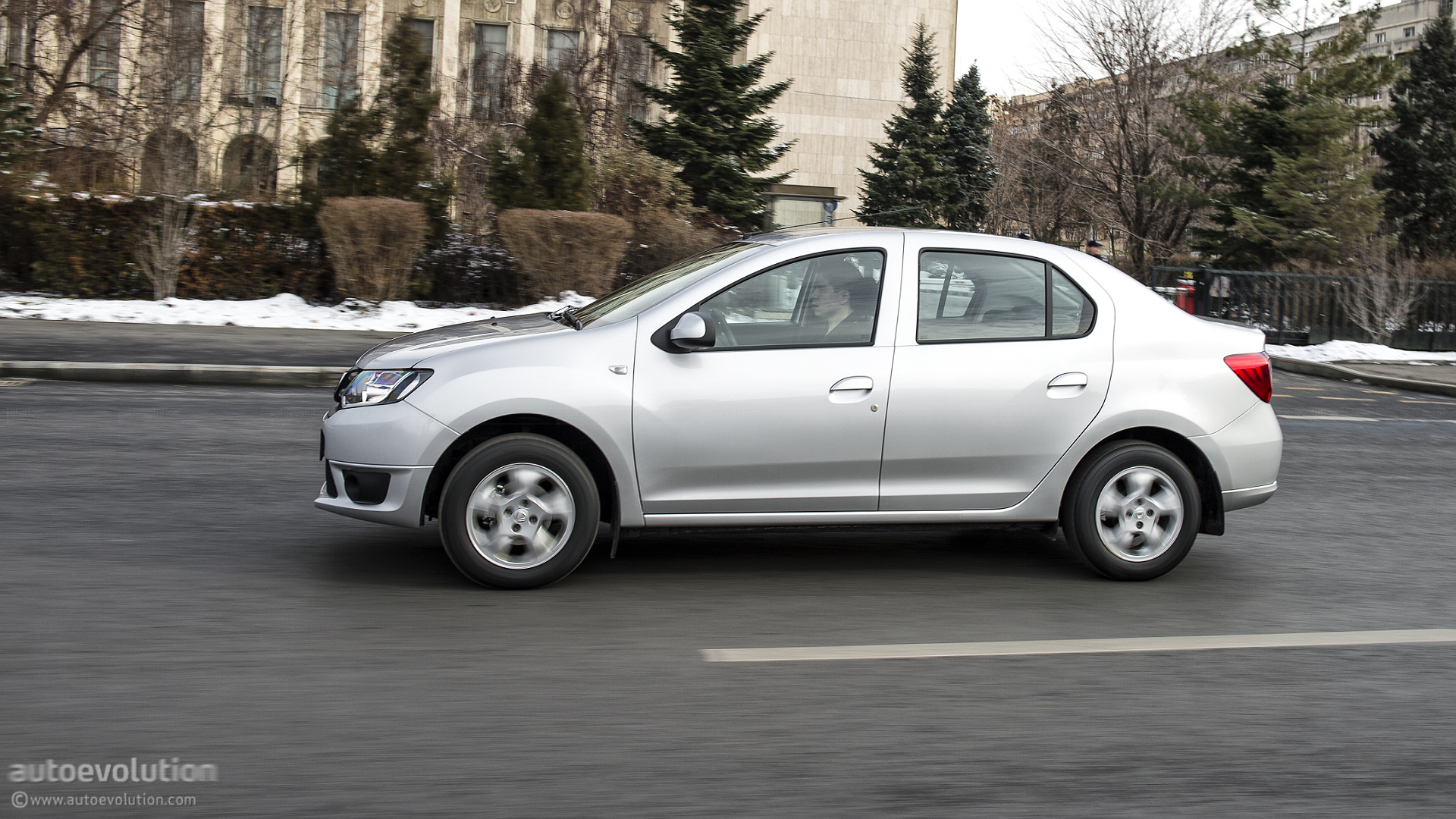
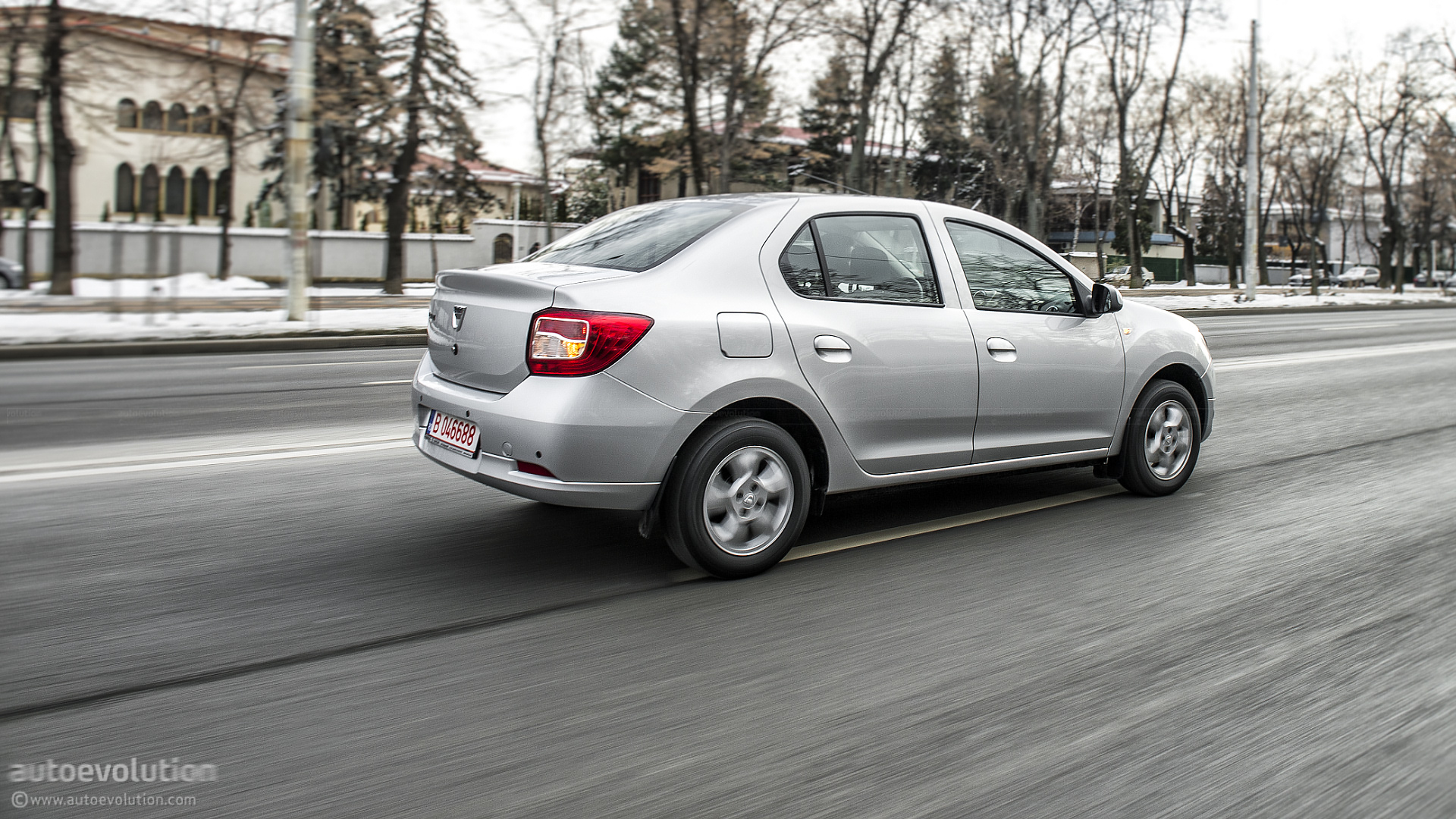
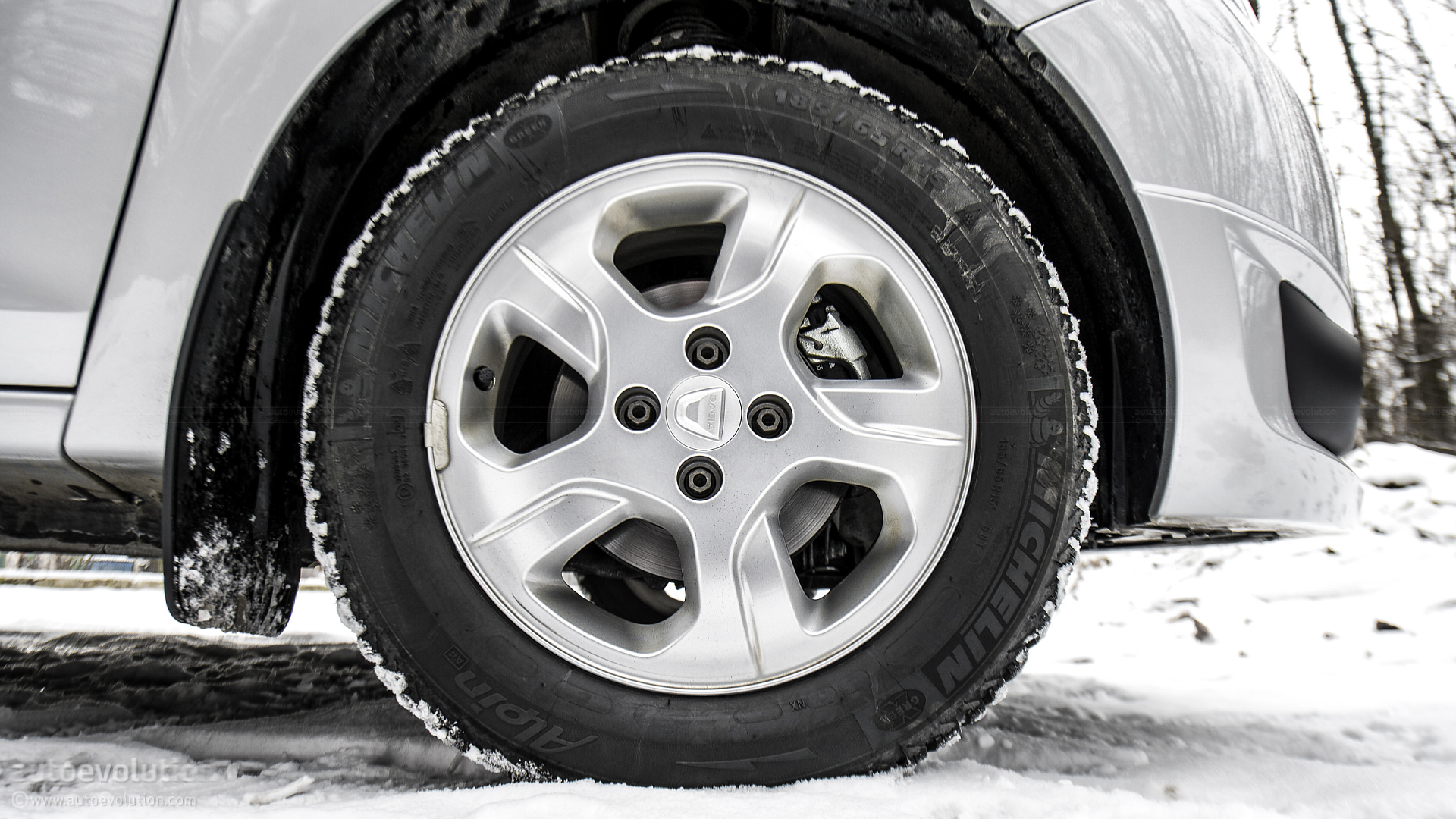
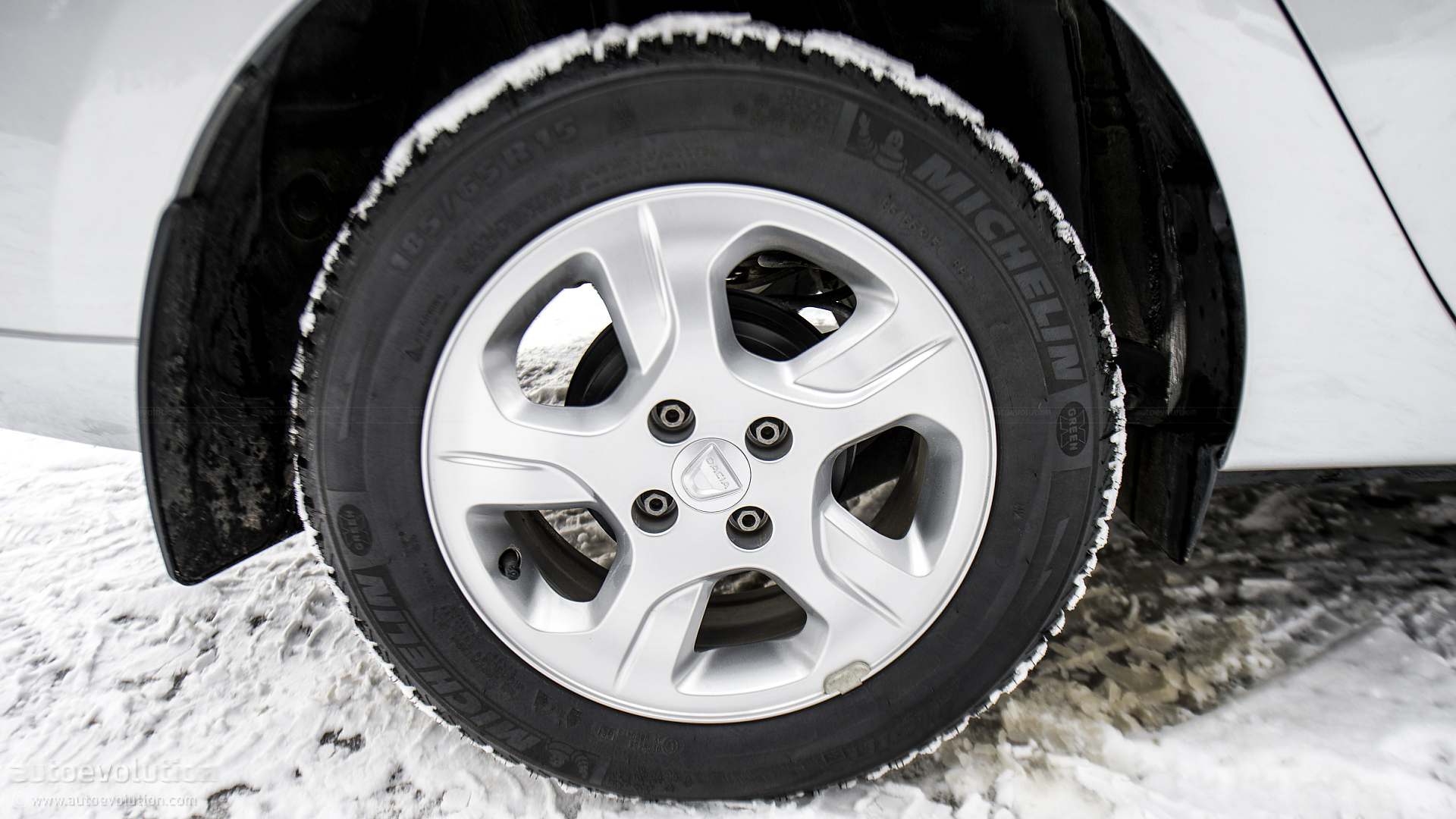
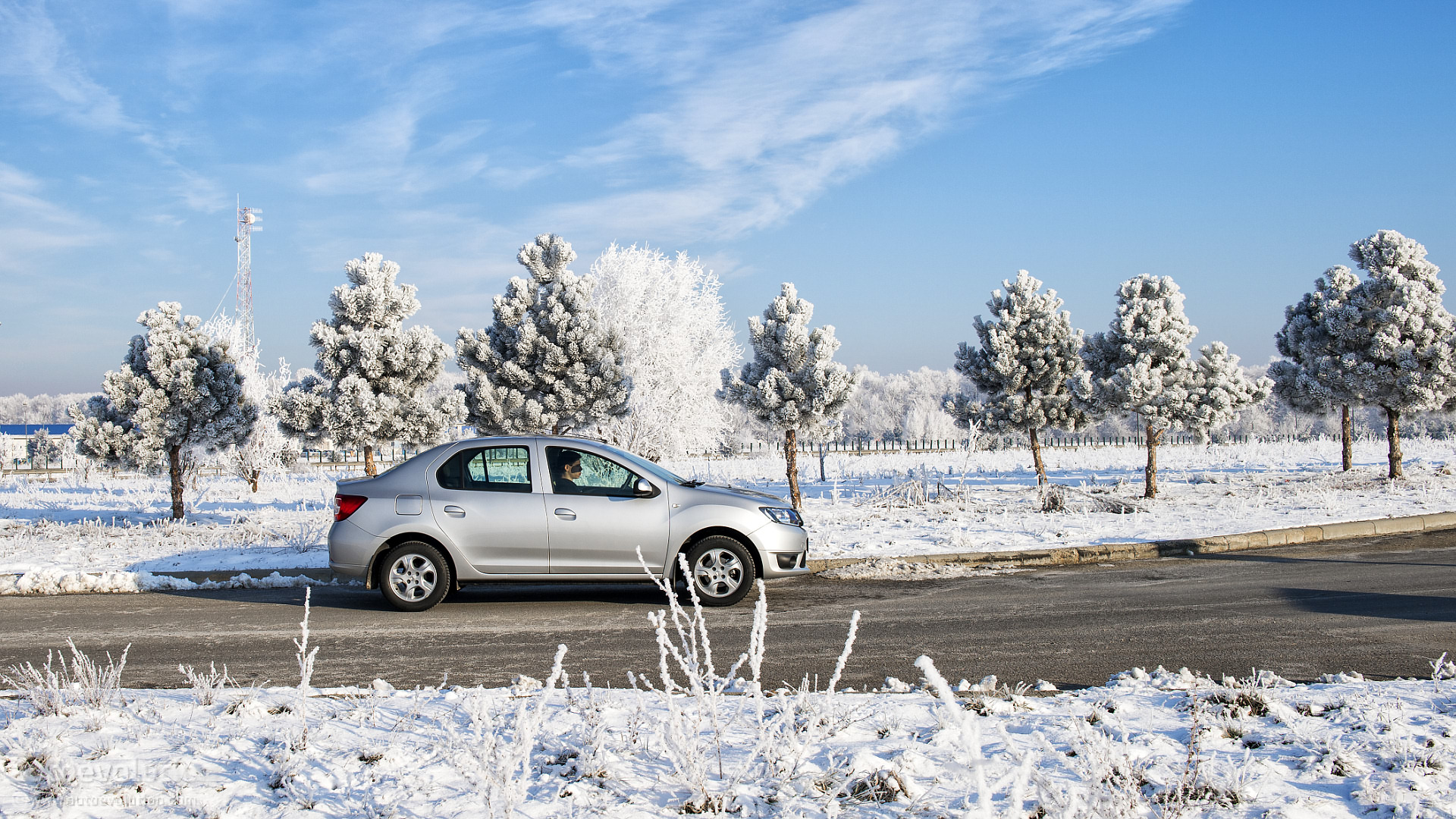
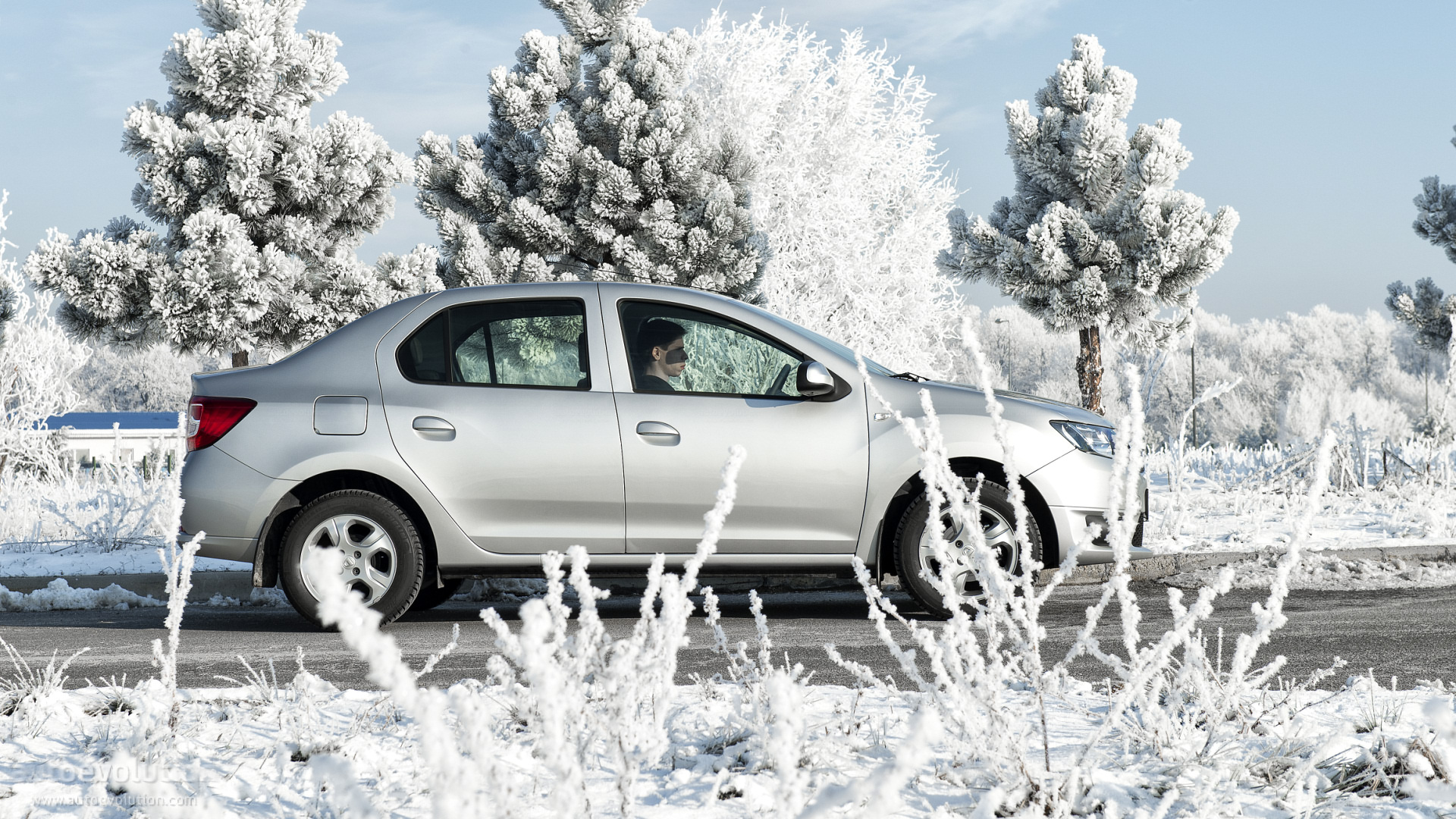
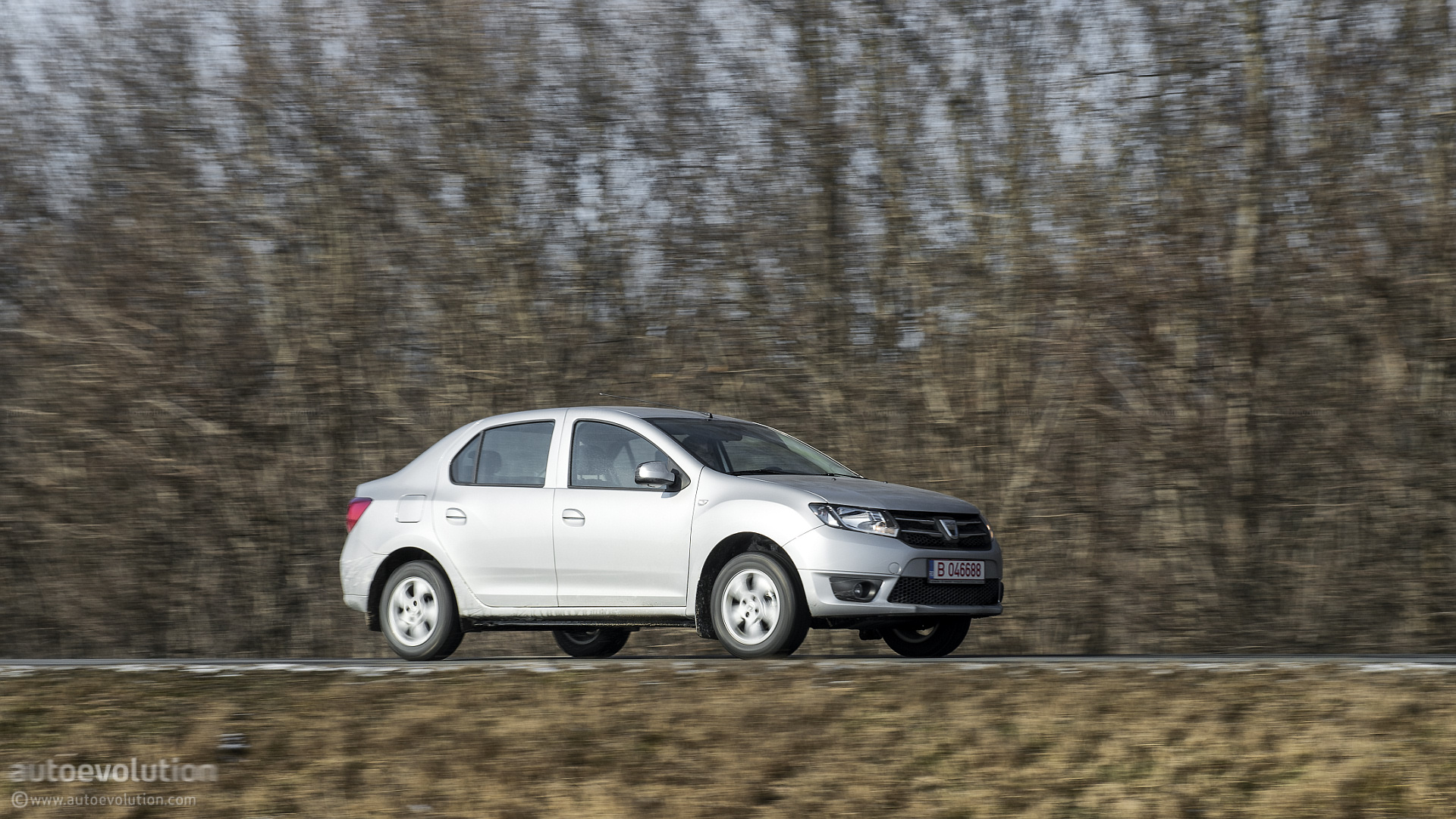
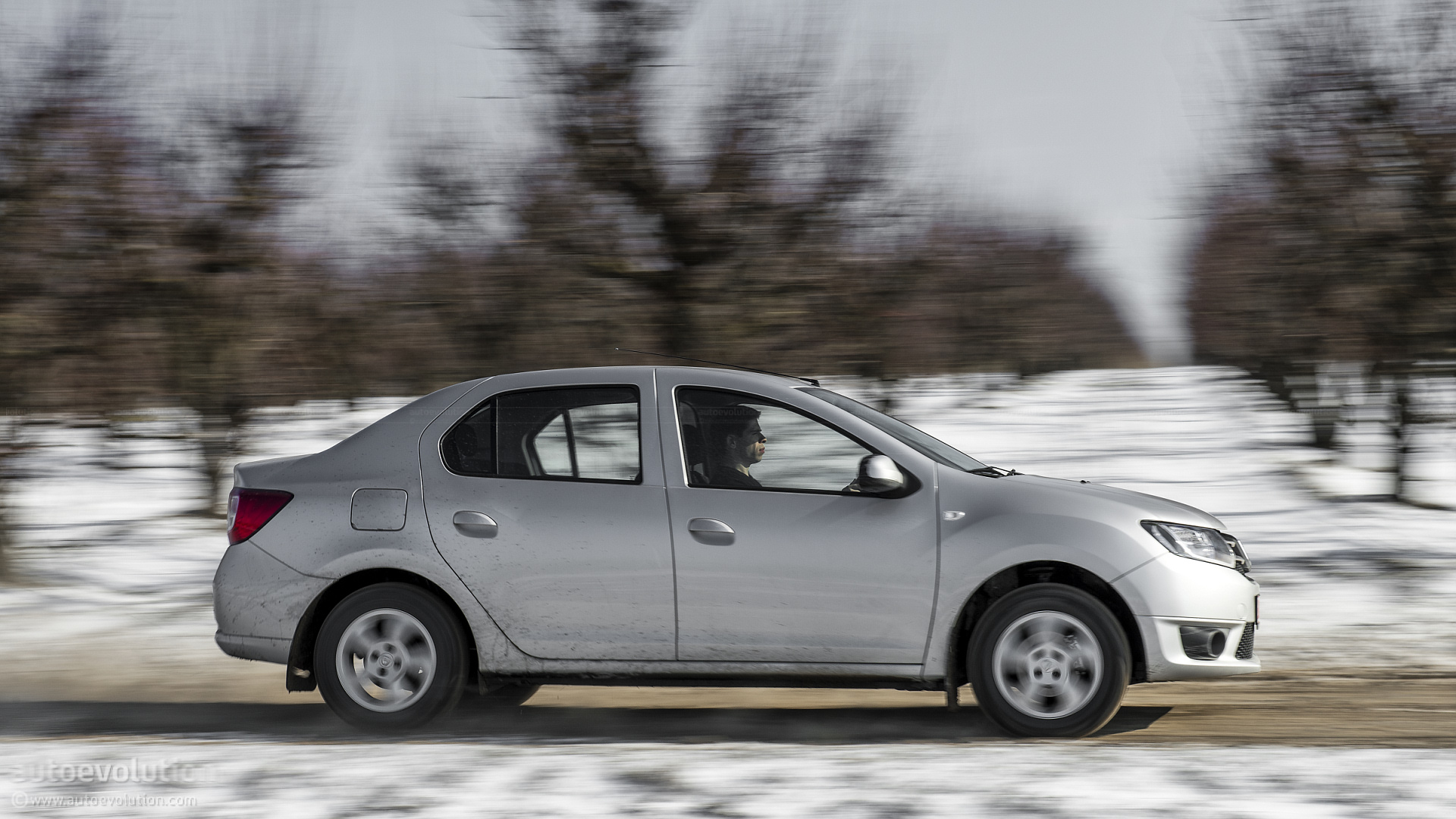
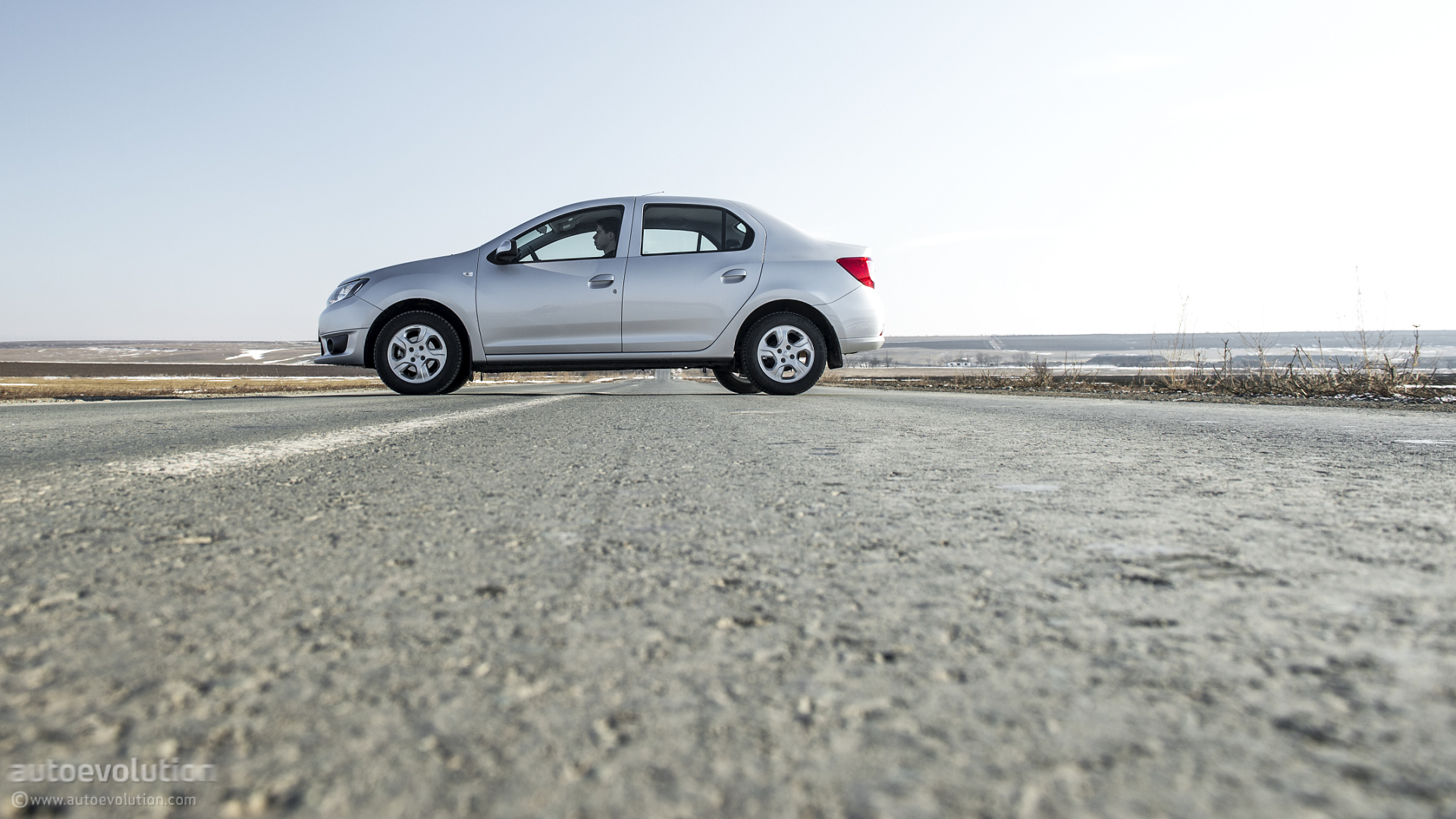
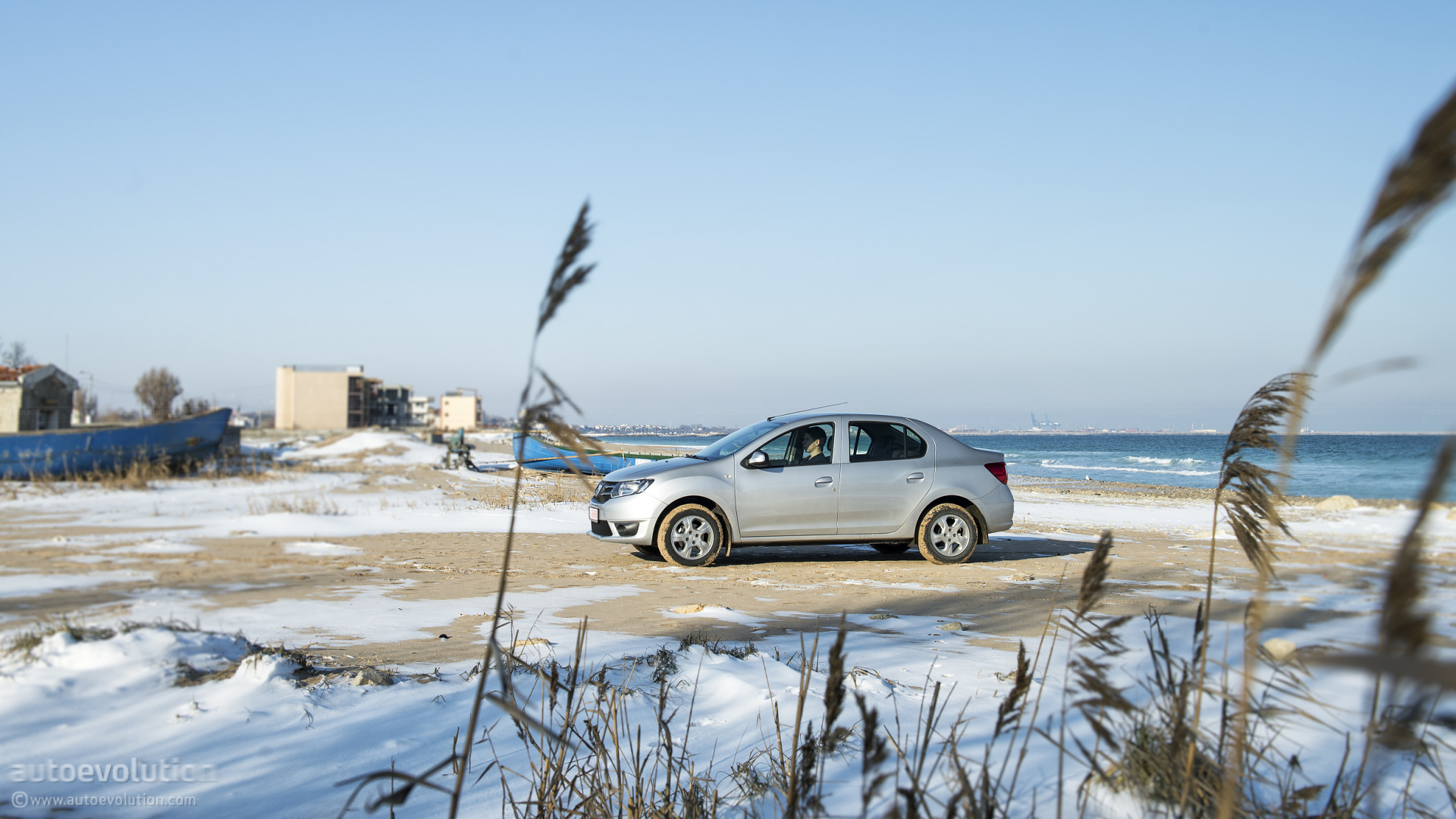
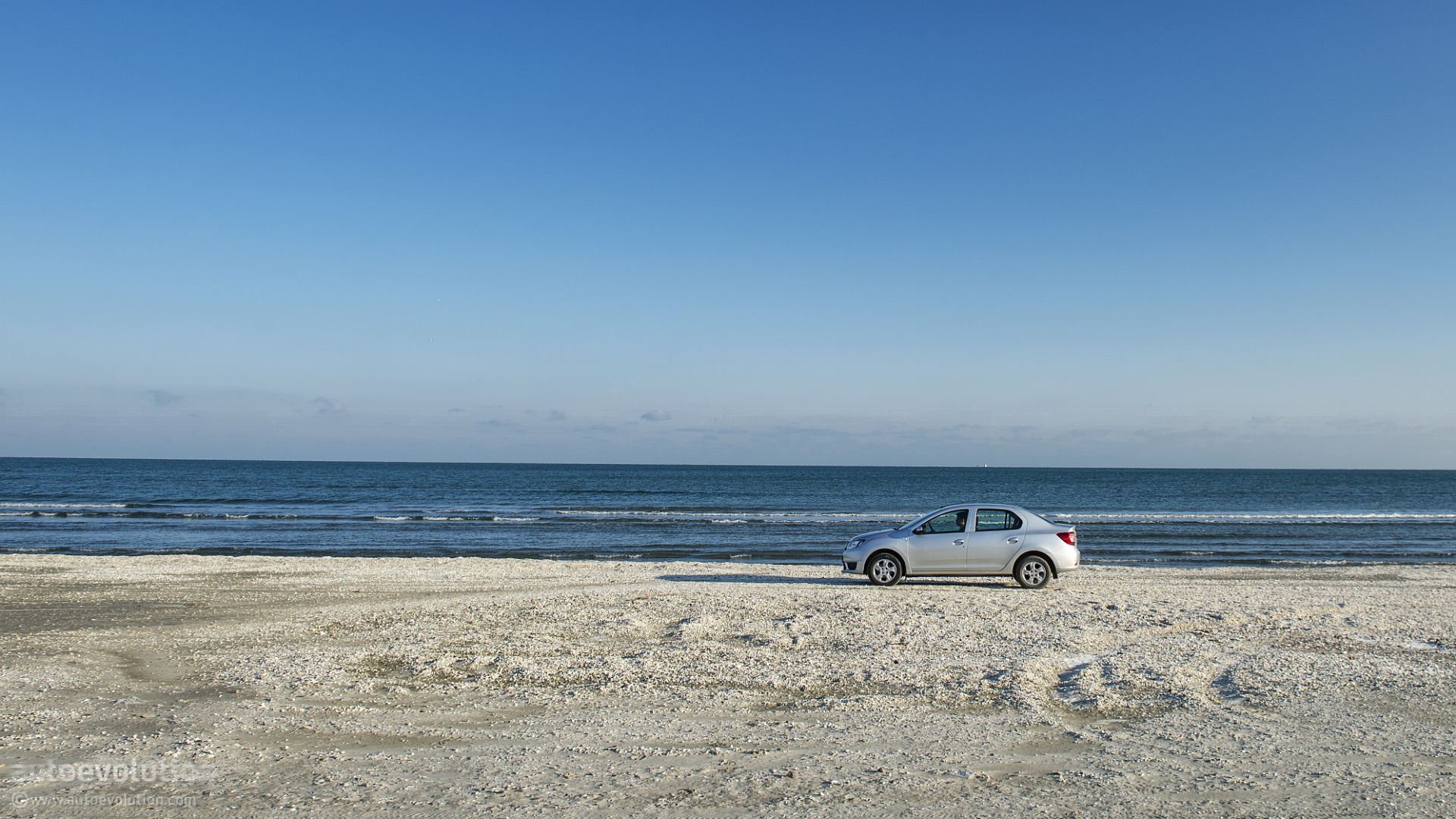
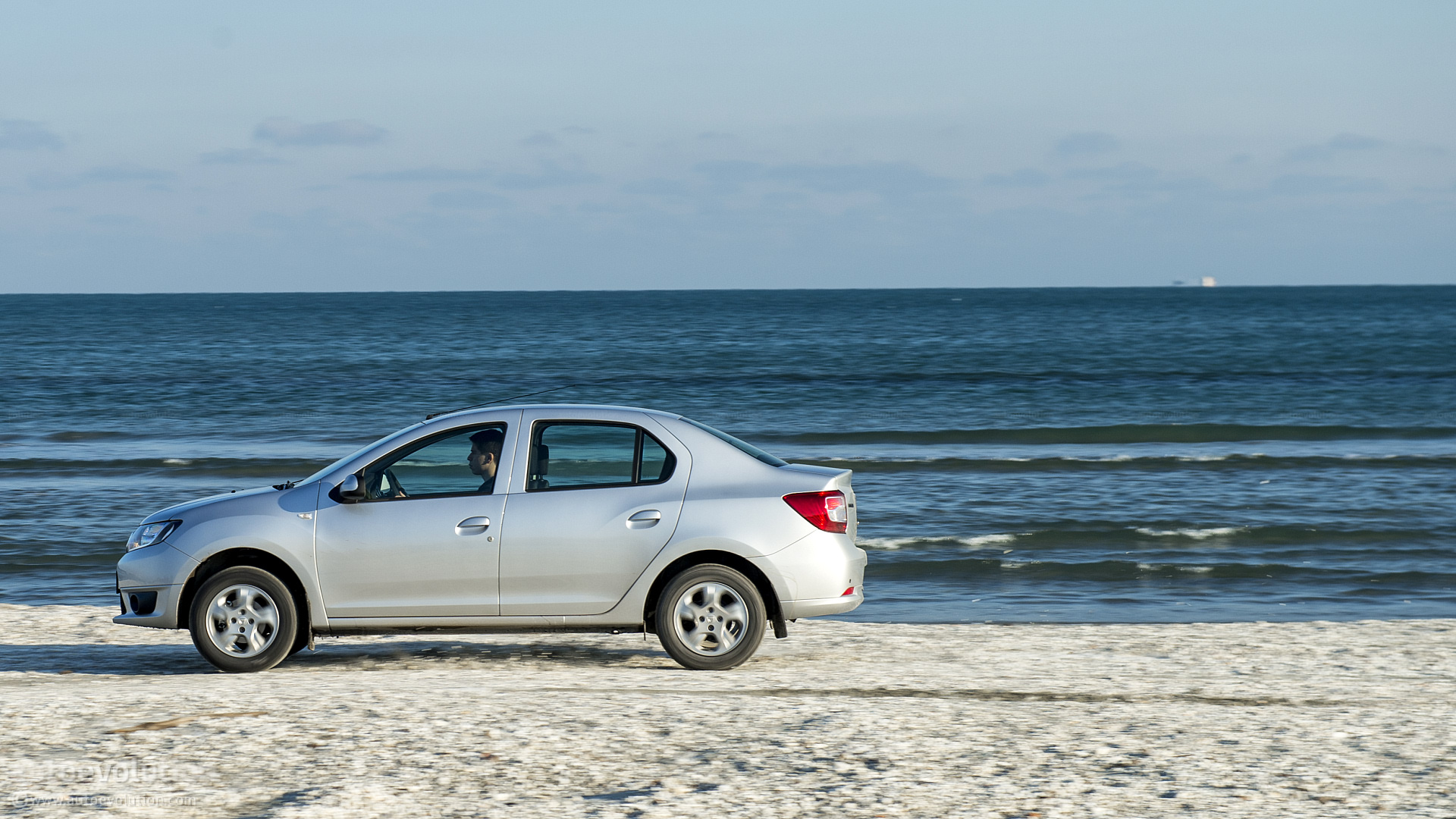
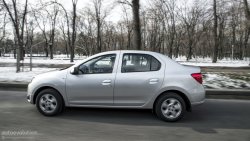
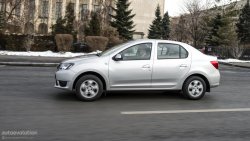
Moving on to the profile of the vehicle, we notice the short overhangs, which were dictated by the need for interior space. The body features a few styling tricks aimed at making it more attractive, but these can’t compensate for the negative visual effects of elements such as the high ground clearance.
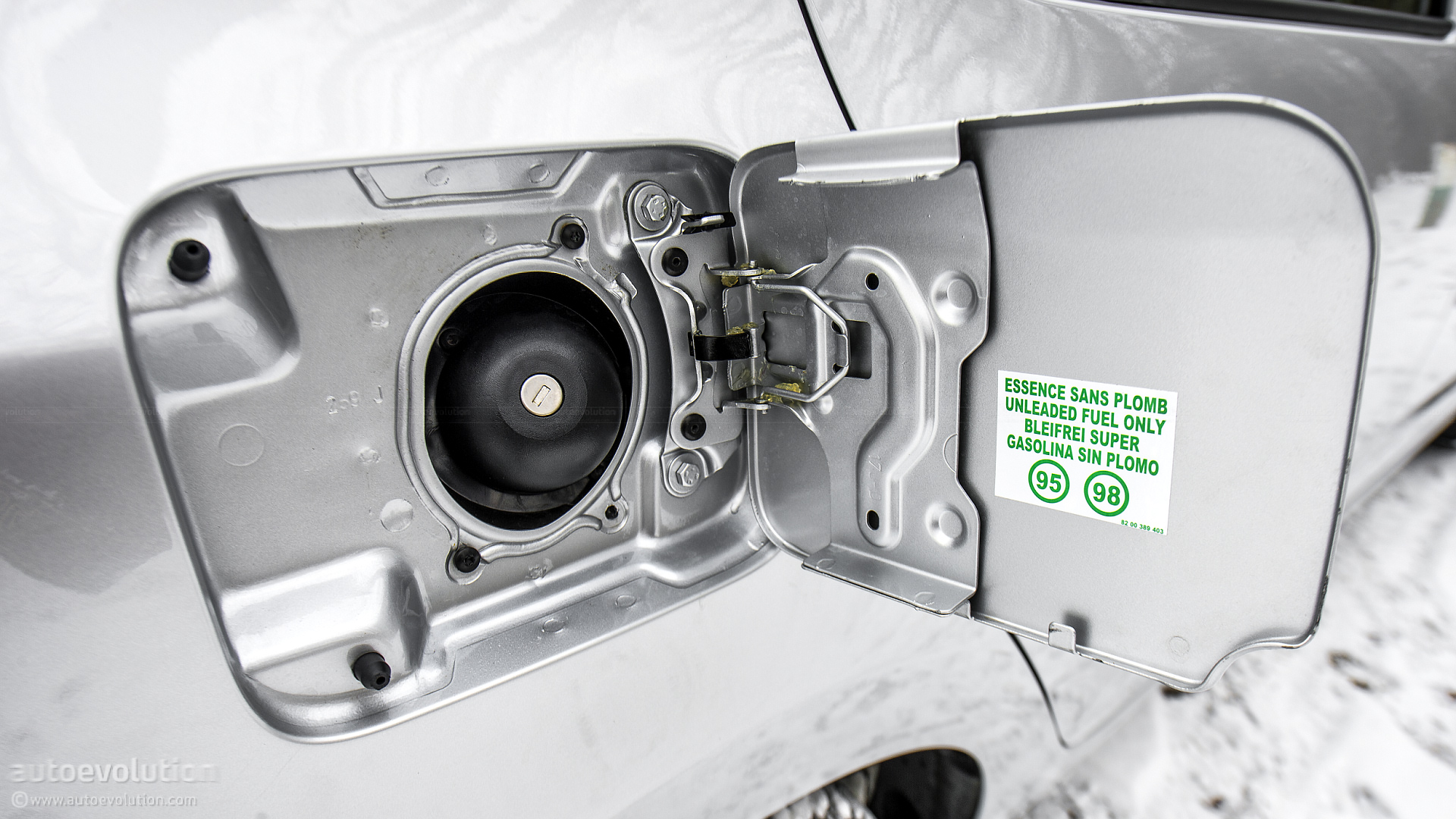
And there’s one particular elements that stands out in a bad way - the fuel filler cap. This is so large that it could easily be fitted to a commercial vehicle and it looks even bigger when it’s open.
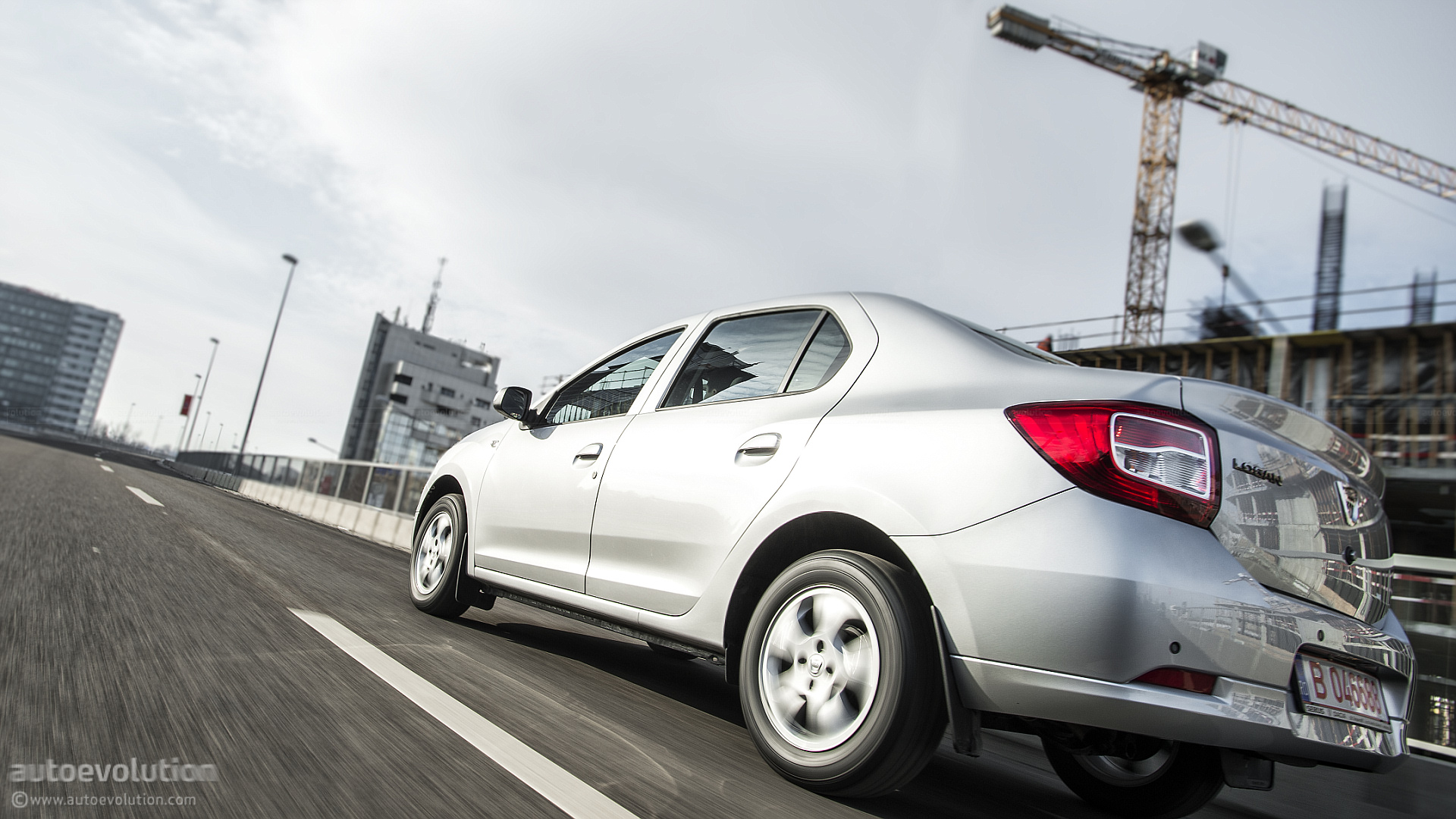
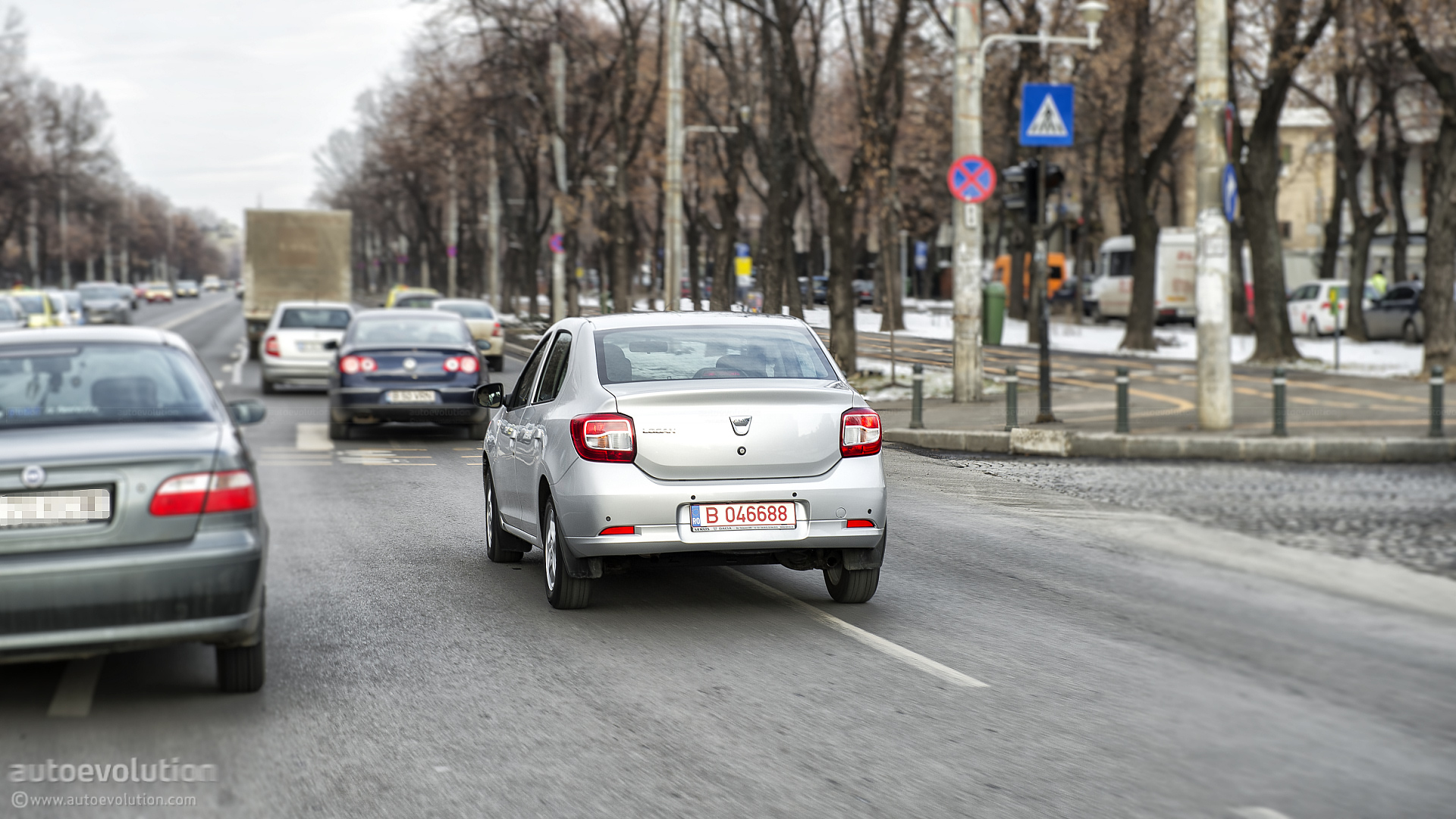
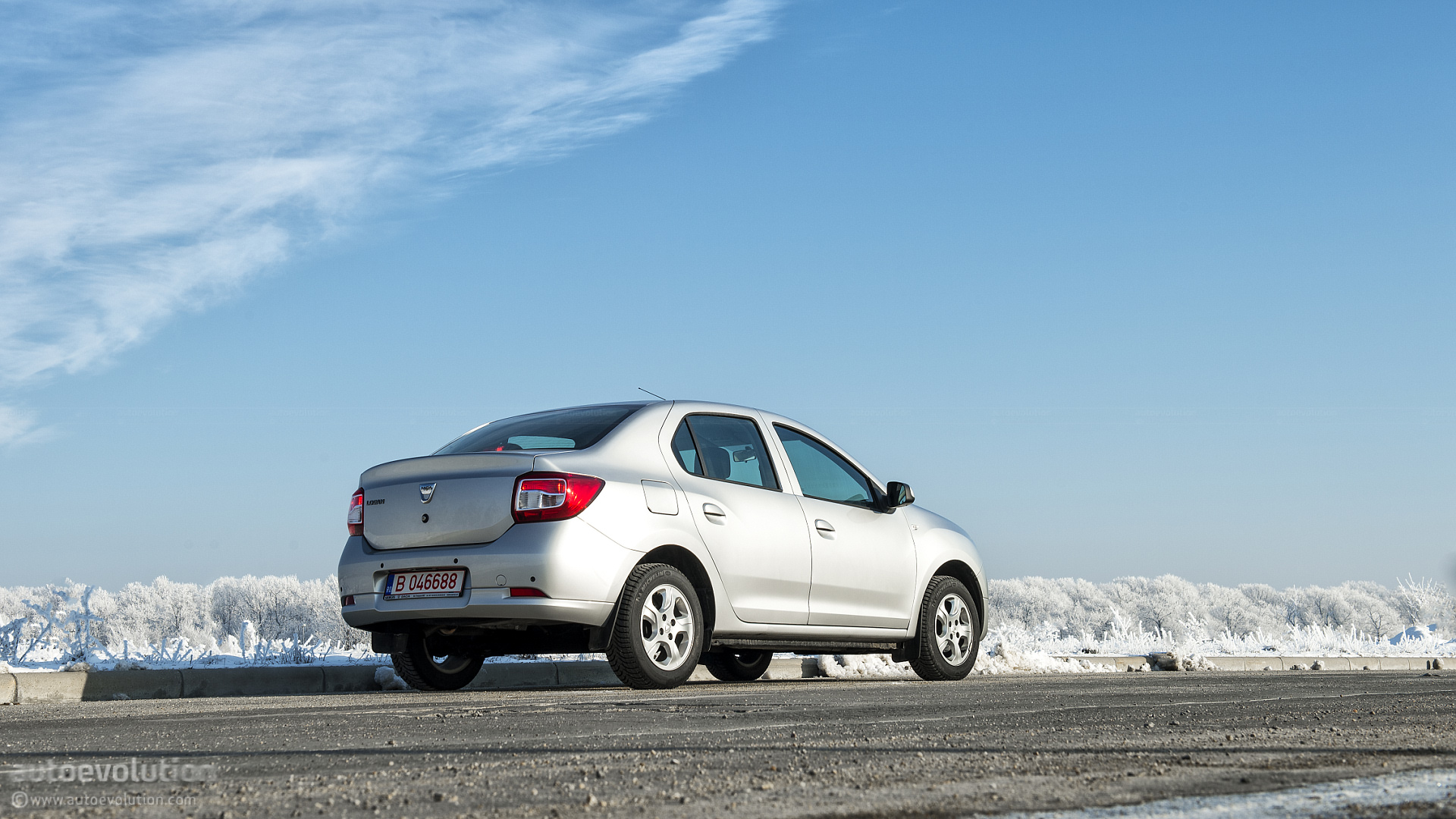
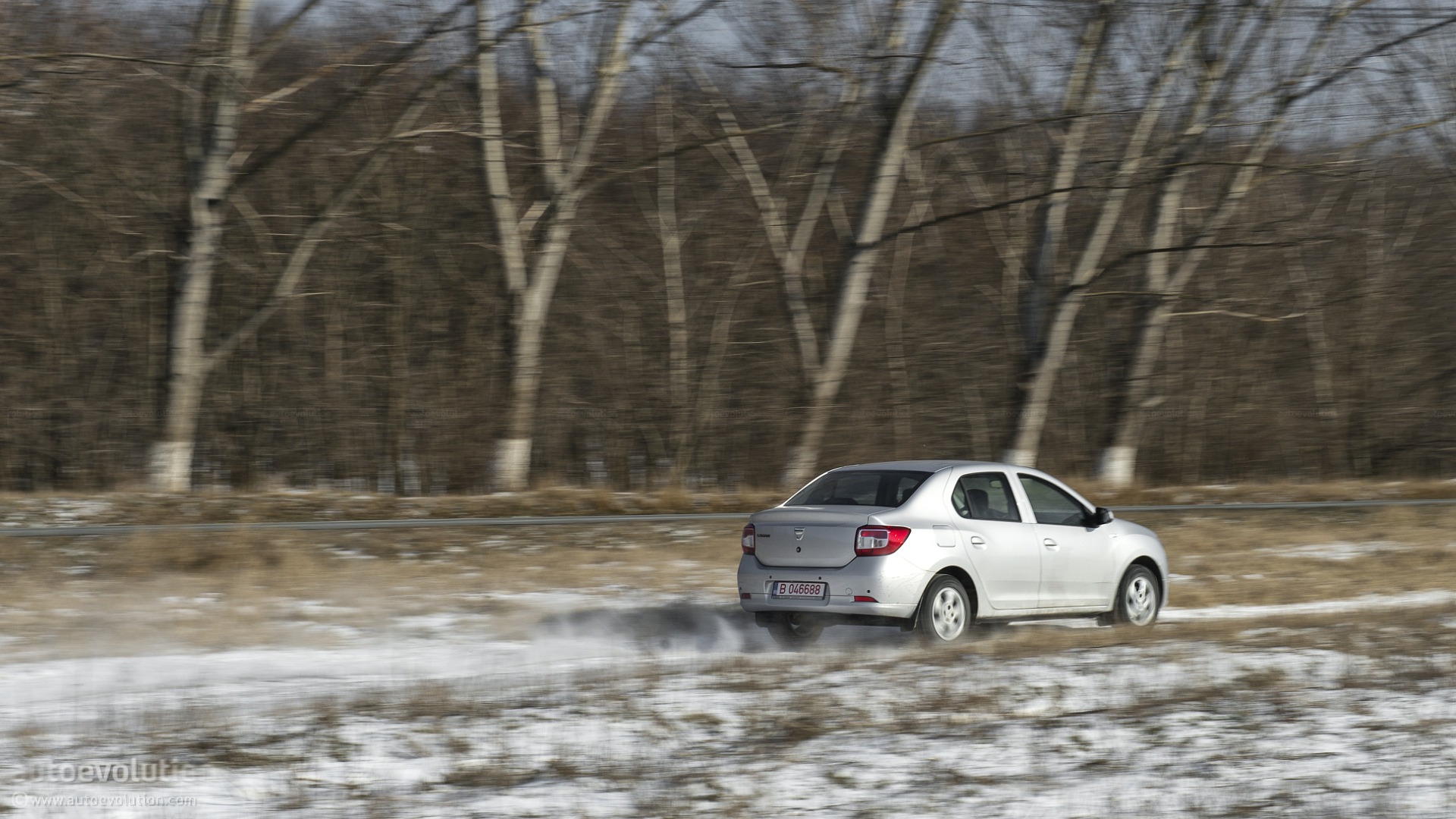
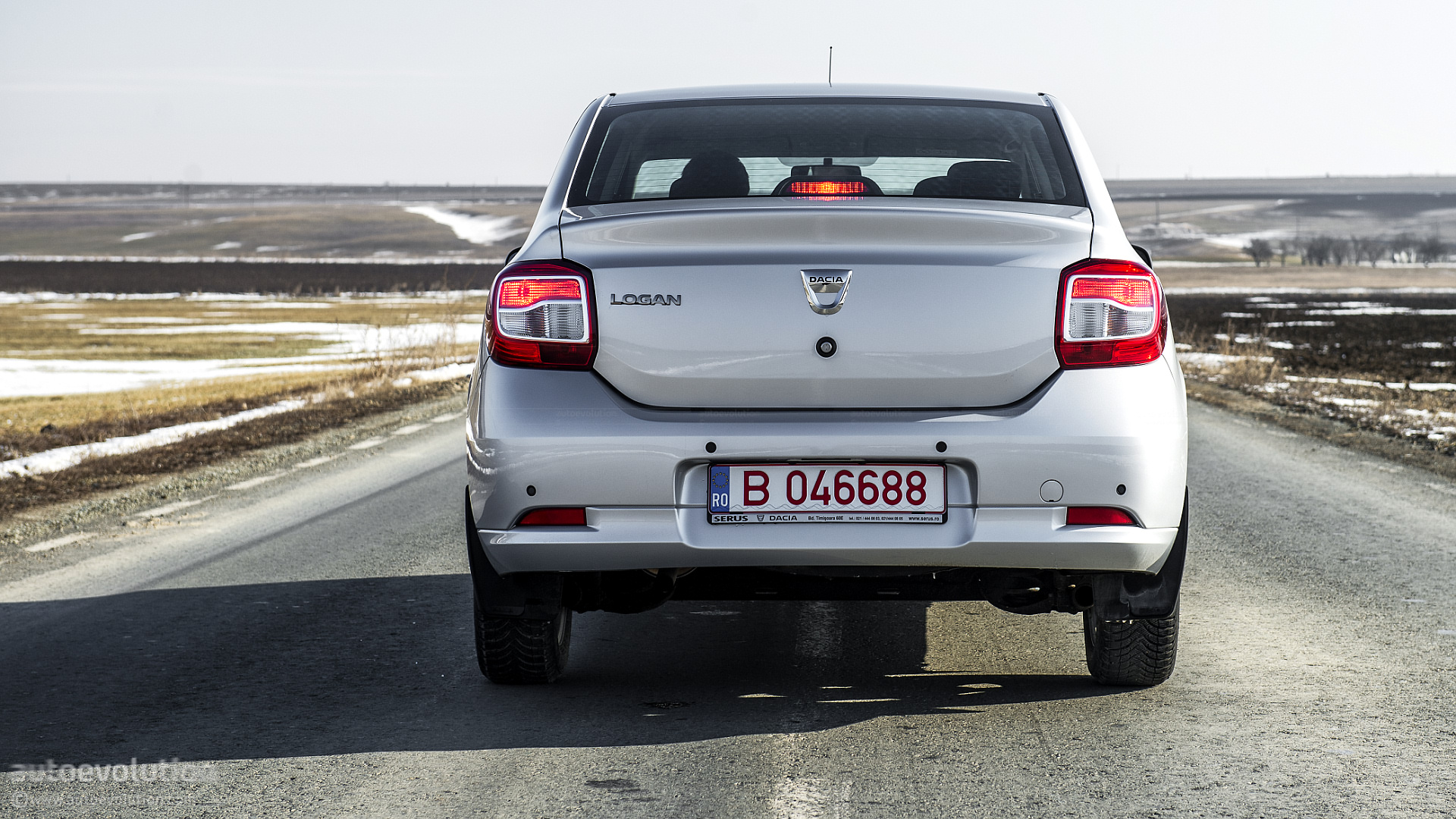
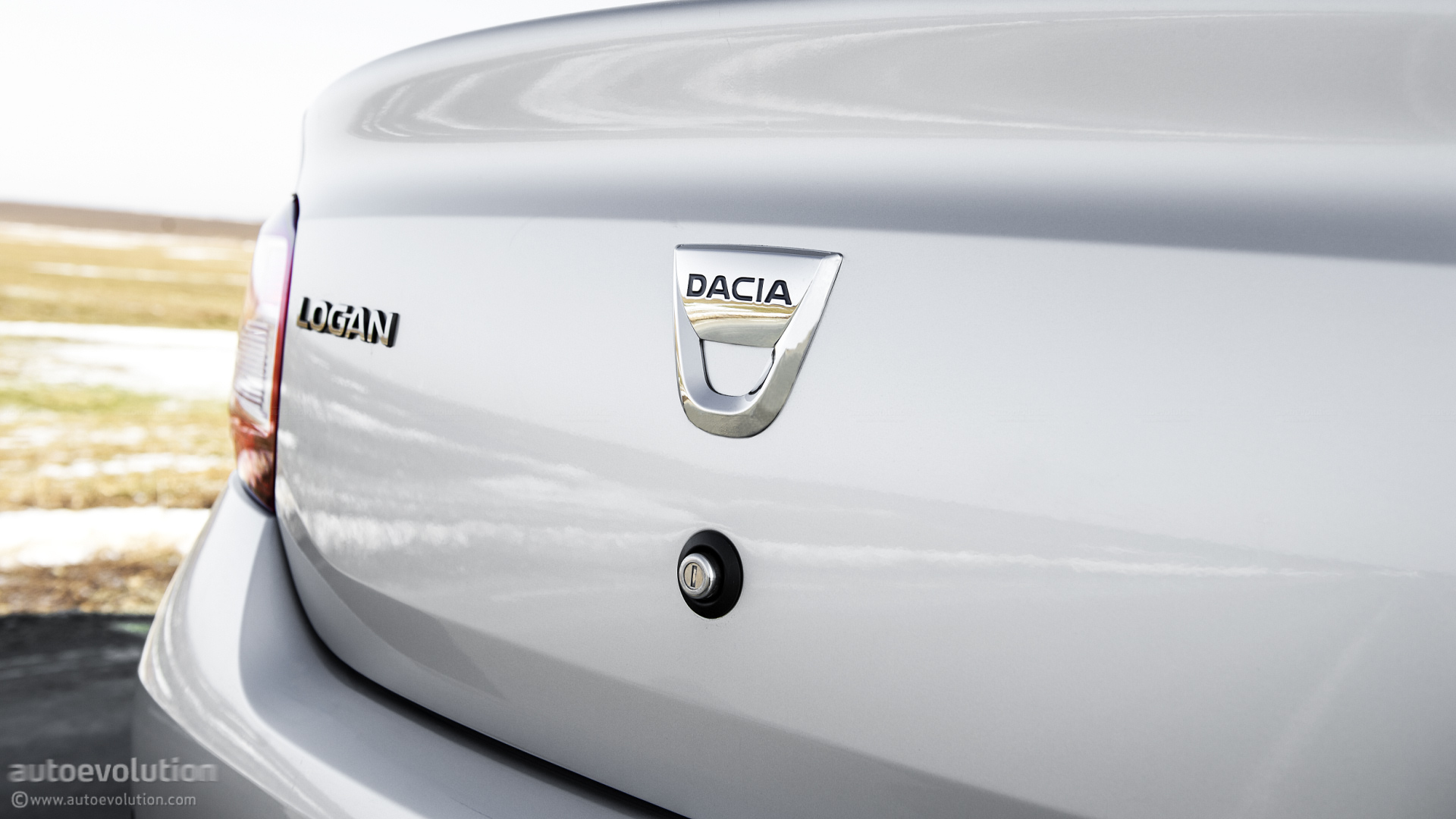
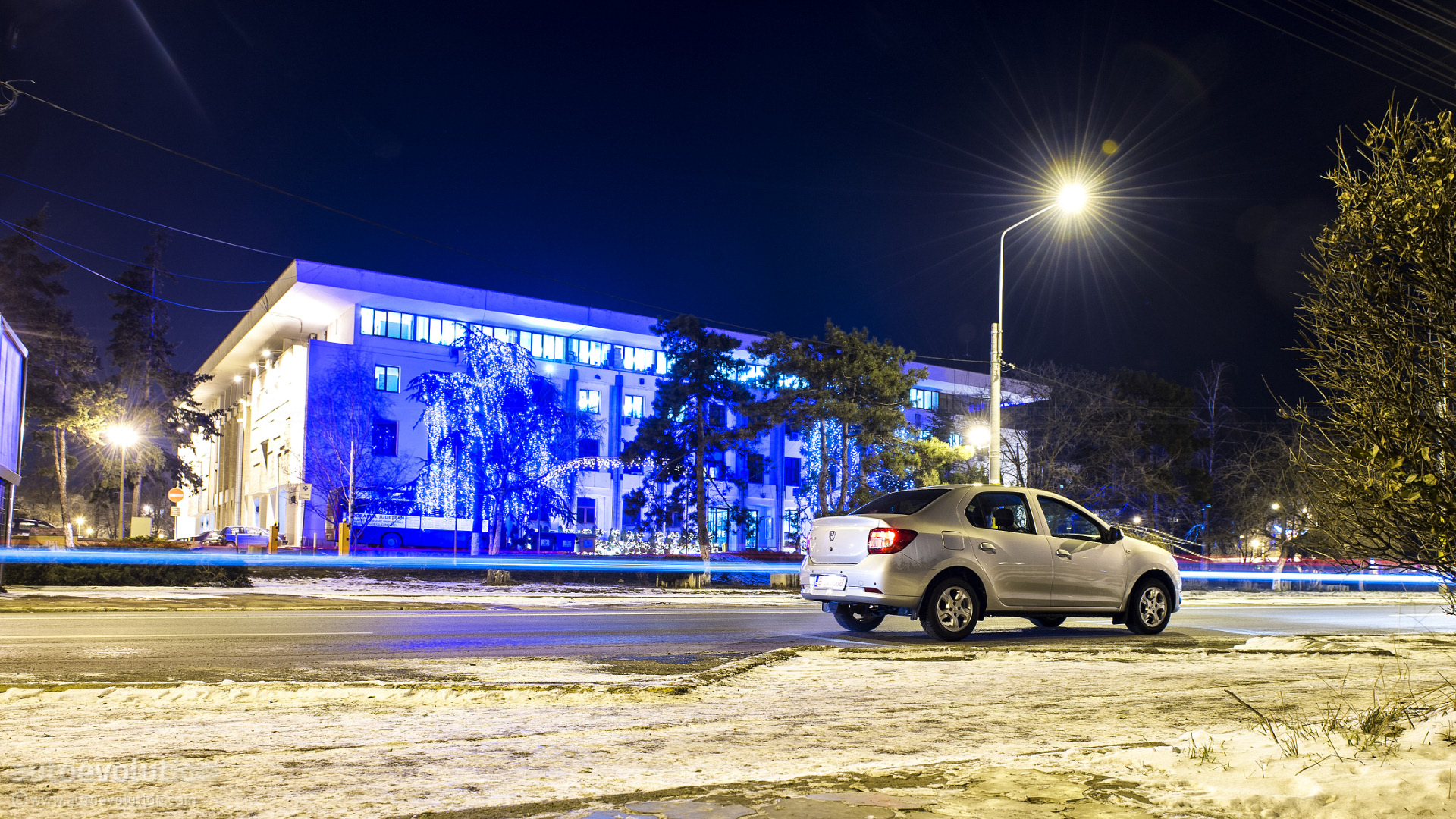
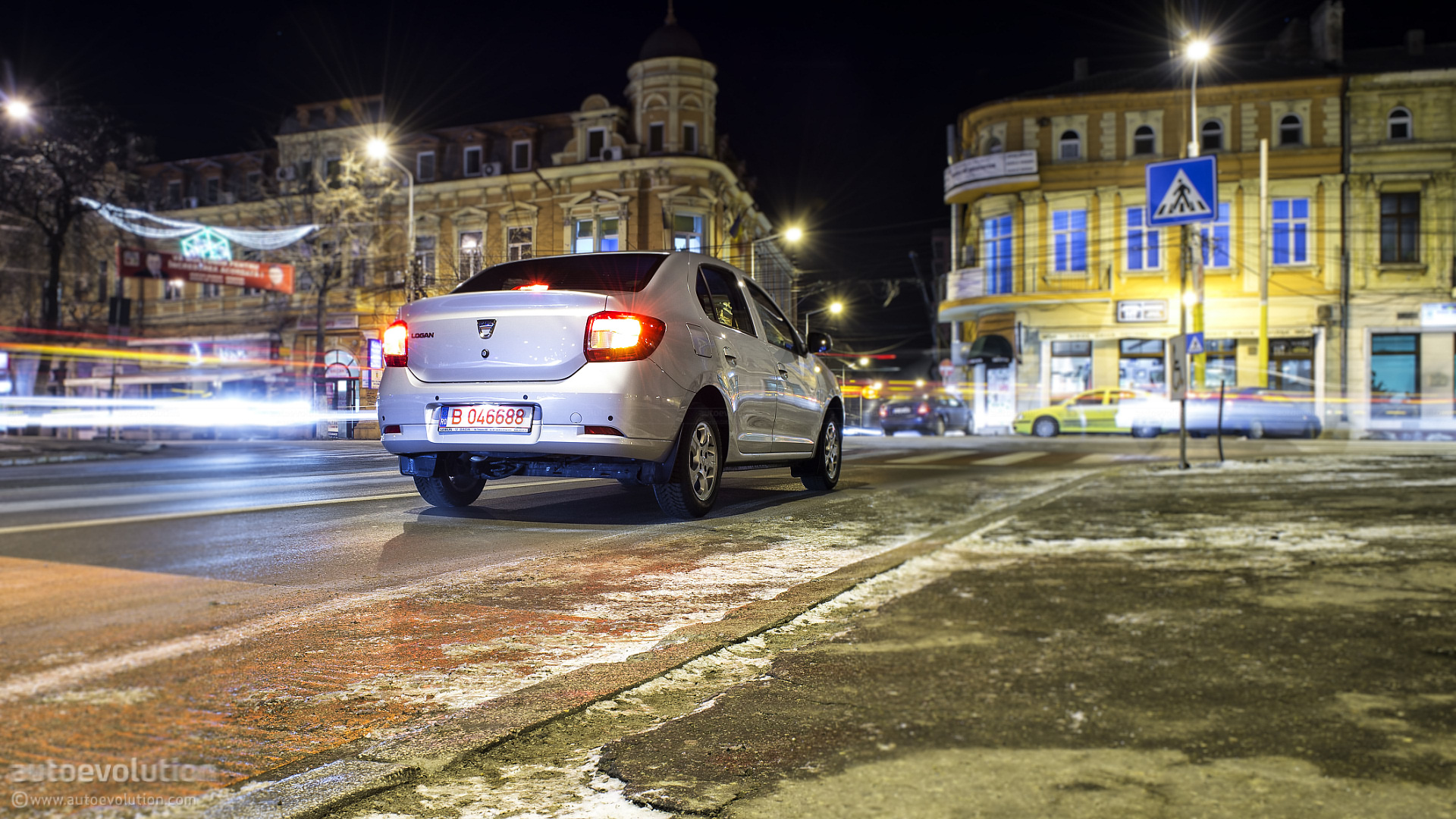
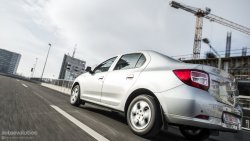
The rear styling of the Logan isn’t as nicely sorted out as the front one, but the lines are decent. The biggest achievement compared to the first generation is the better integration of the taillights into the body. Here’s where you’ll also notice one of the car’s new features, the parking sensors. We have to warn you that the layout of the bootlid lock causes this to easily get stuck due to freezing during the winter. This can happen frequently and the best way to deal with it is to use the car key to set the lock free.
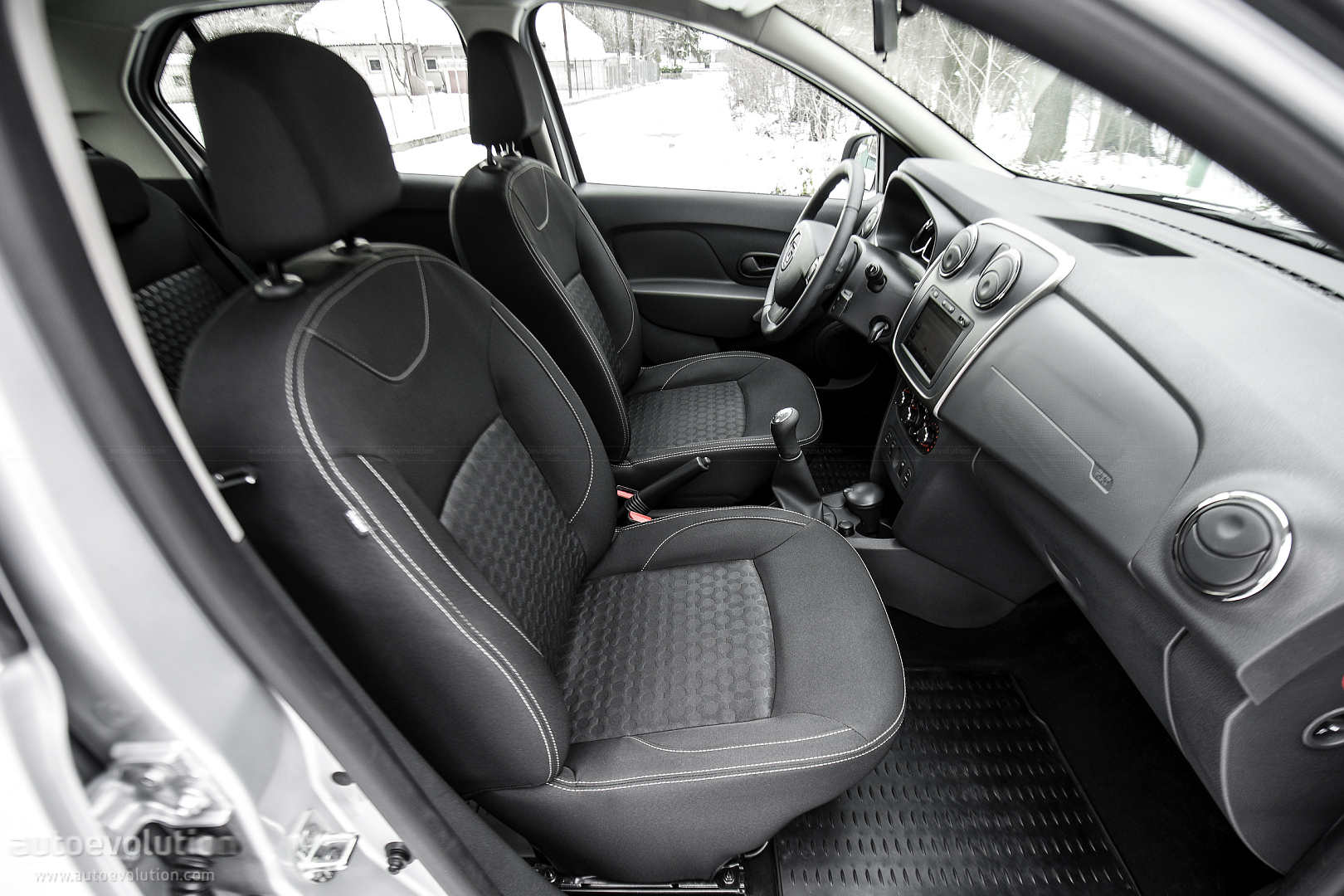
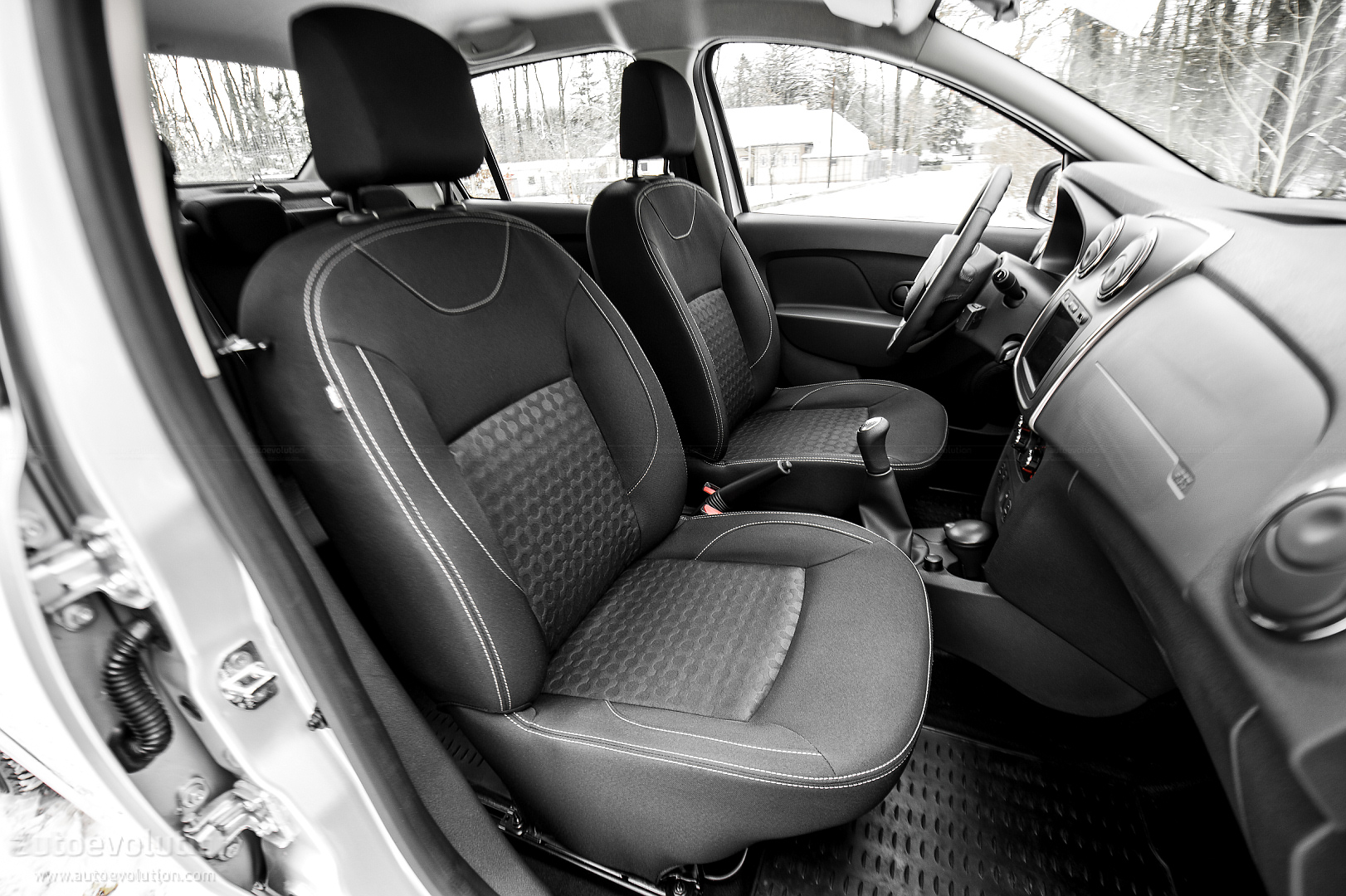
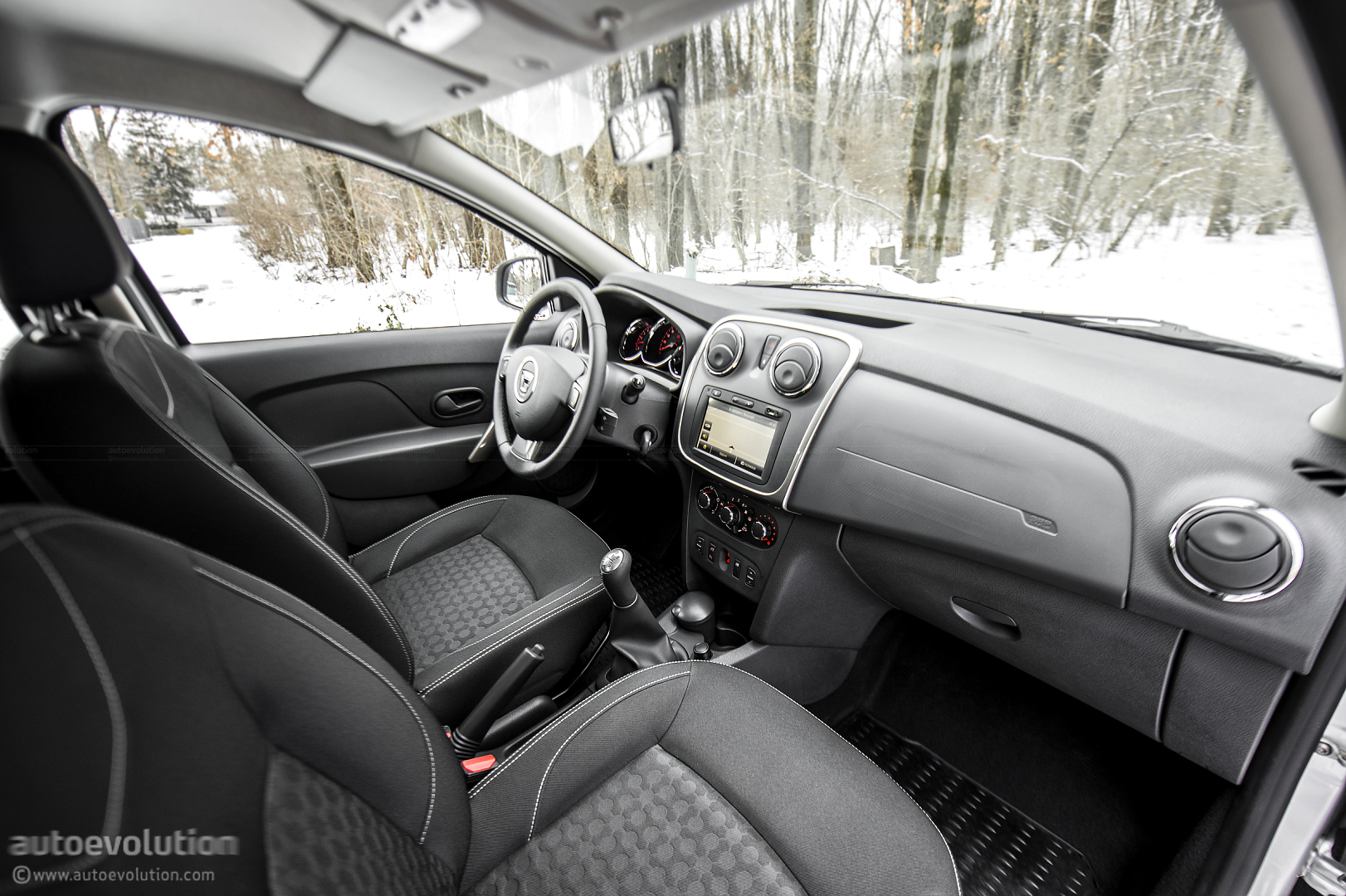
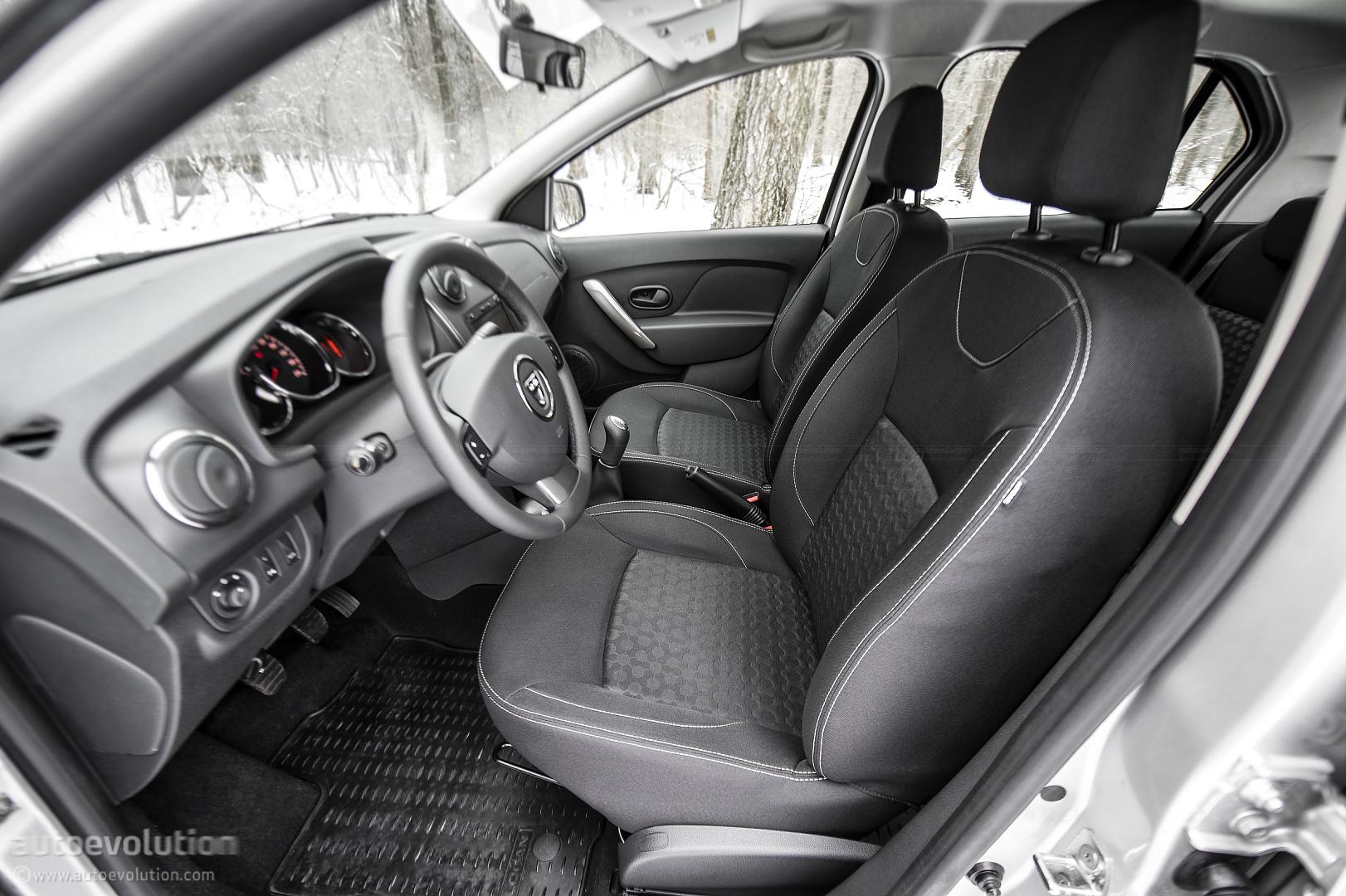
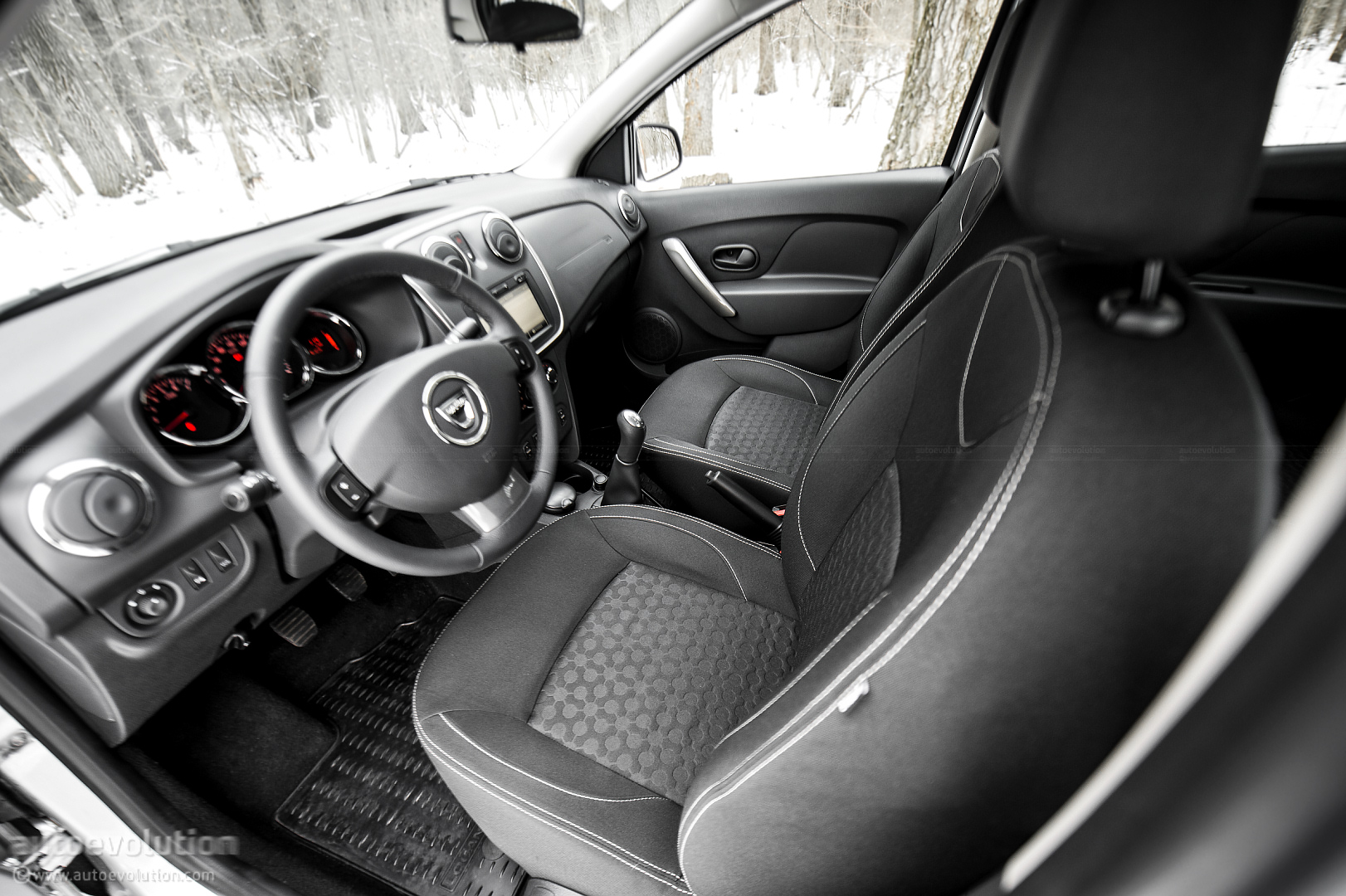
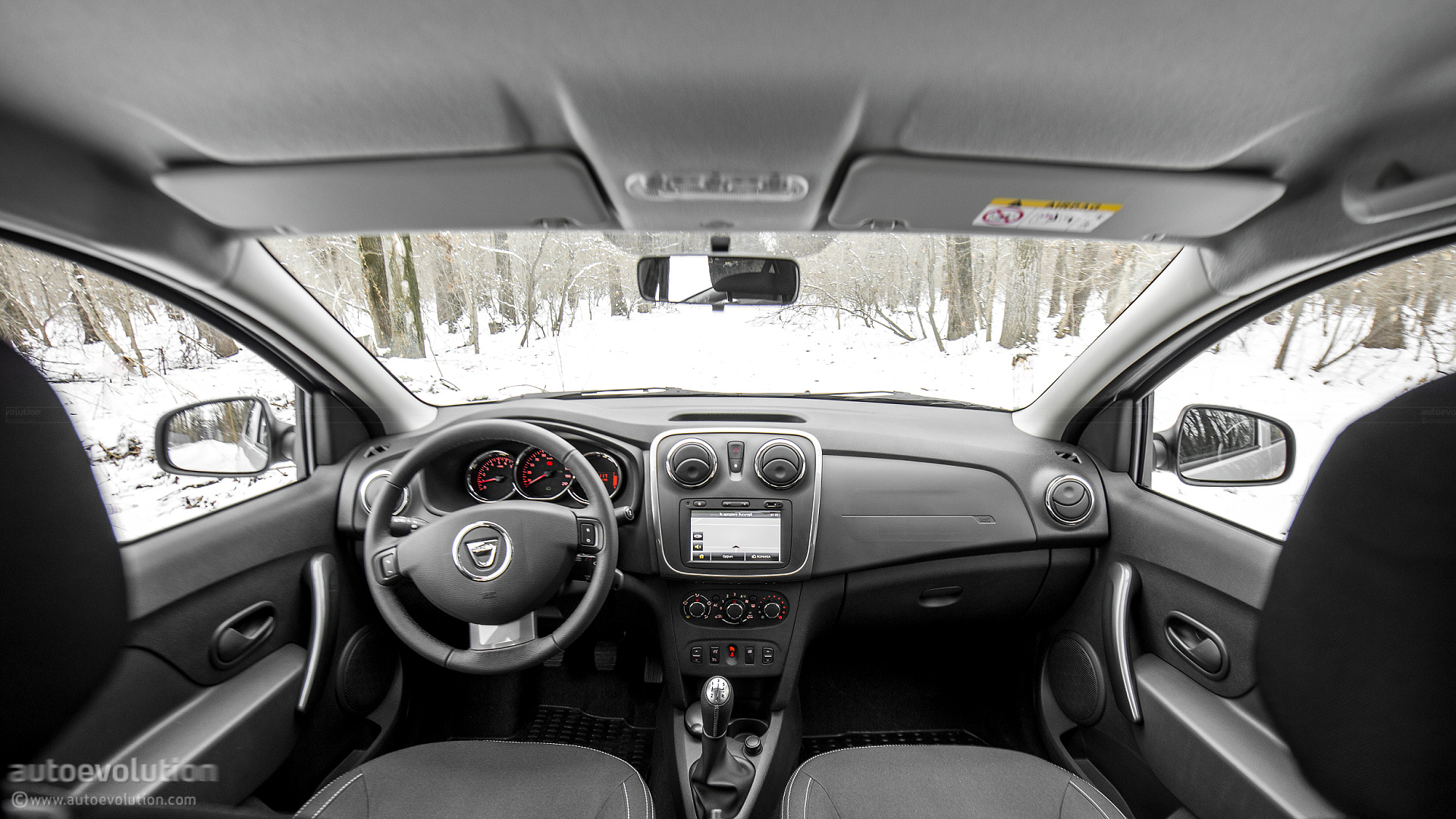
Just like the exterior styling of the new Logan, the cabin has left behind the shapes of the first generation, which seemed to have been drawn by a barbarian using an axe. The design is not radically different, it’s actually more of a pleasant evolution.
Don’t expect to find too many elements that are there just for the visual impact though. This title only goes to a horizontal line that runs the entire length of the dashboard, as well as to the trimming on the superior trim levels. The rest of the cabin is just there to handle cater to certain basic needs. For example, you can only have the interior in charcoal black or mixed with grey accents.
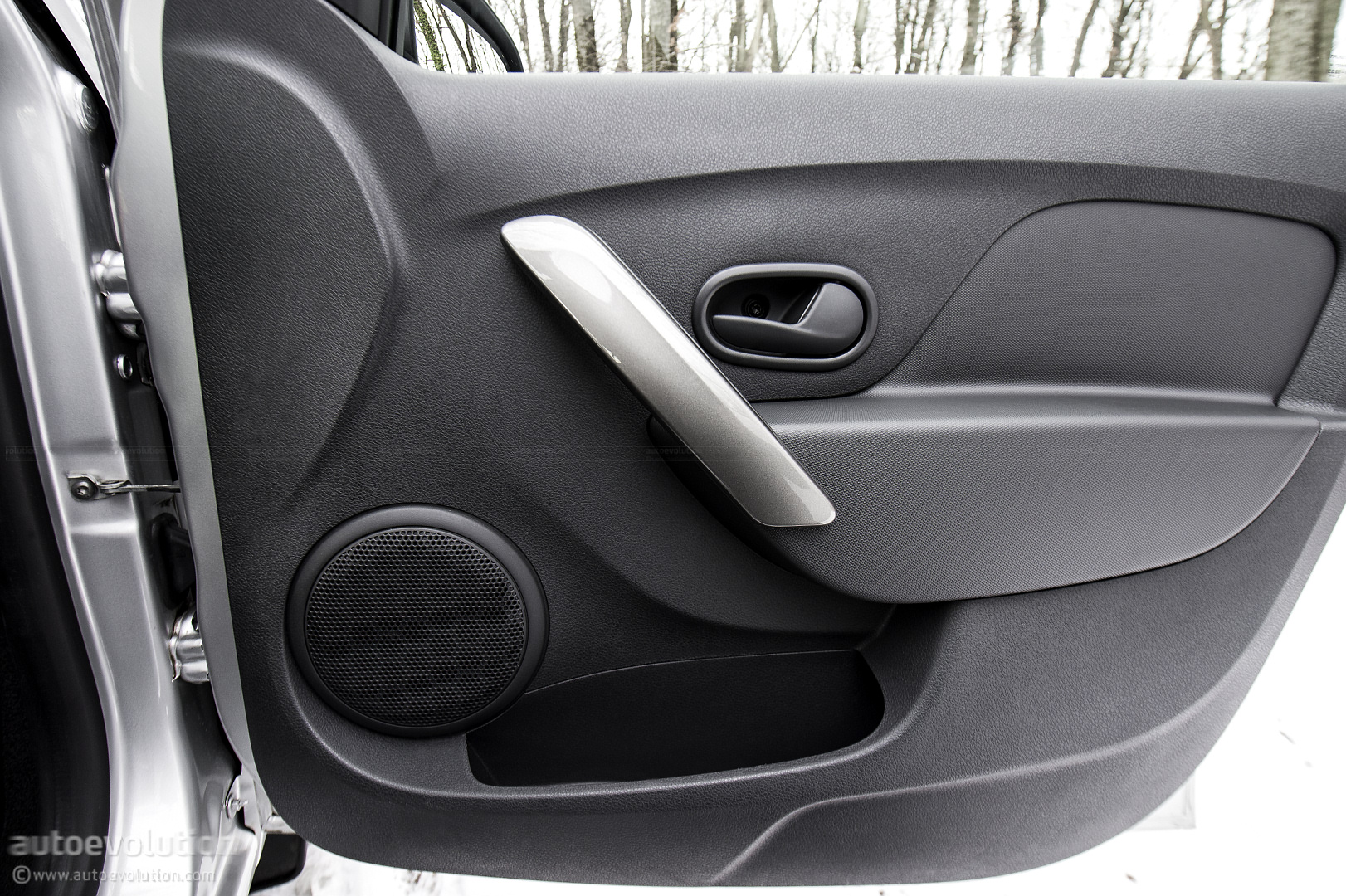
Even though the fit and finish leaves many things to be desired, the materials are solid and not all that unpleasant to touch. For example, the textile headliner meets a plastic finish at highest point of the A pillars. The aforementioned areas are solid and won’t brake Mary’s nails, but they look unpleasant.
The area that’s been improved the most is that of the ergonomics - It’s obvious that the designers have paid attention to a part of the feedback coming from owners of the first-generation model.
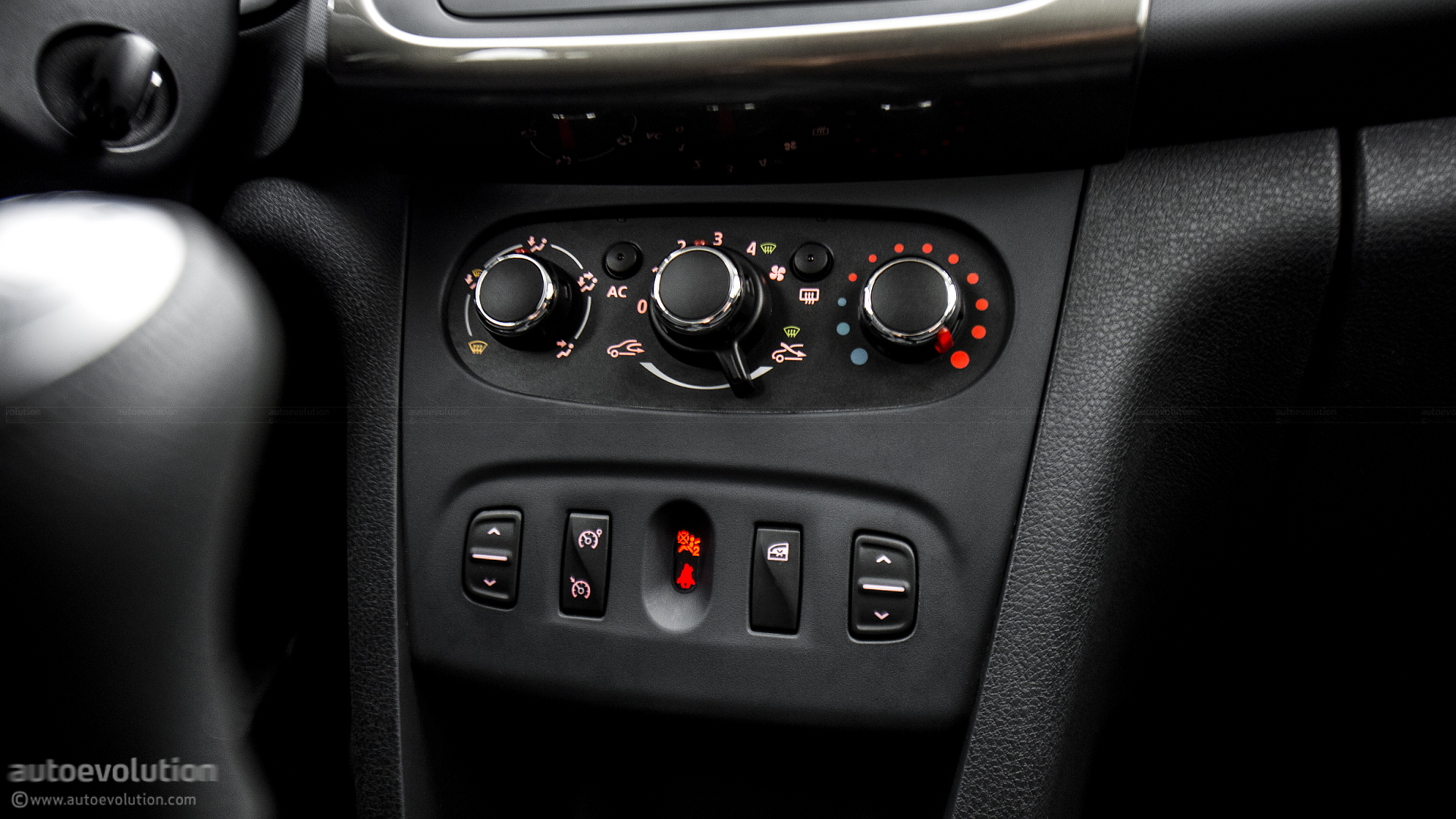
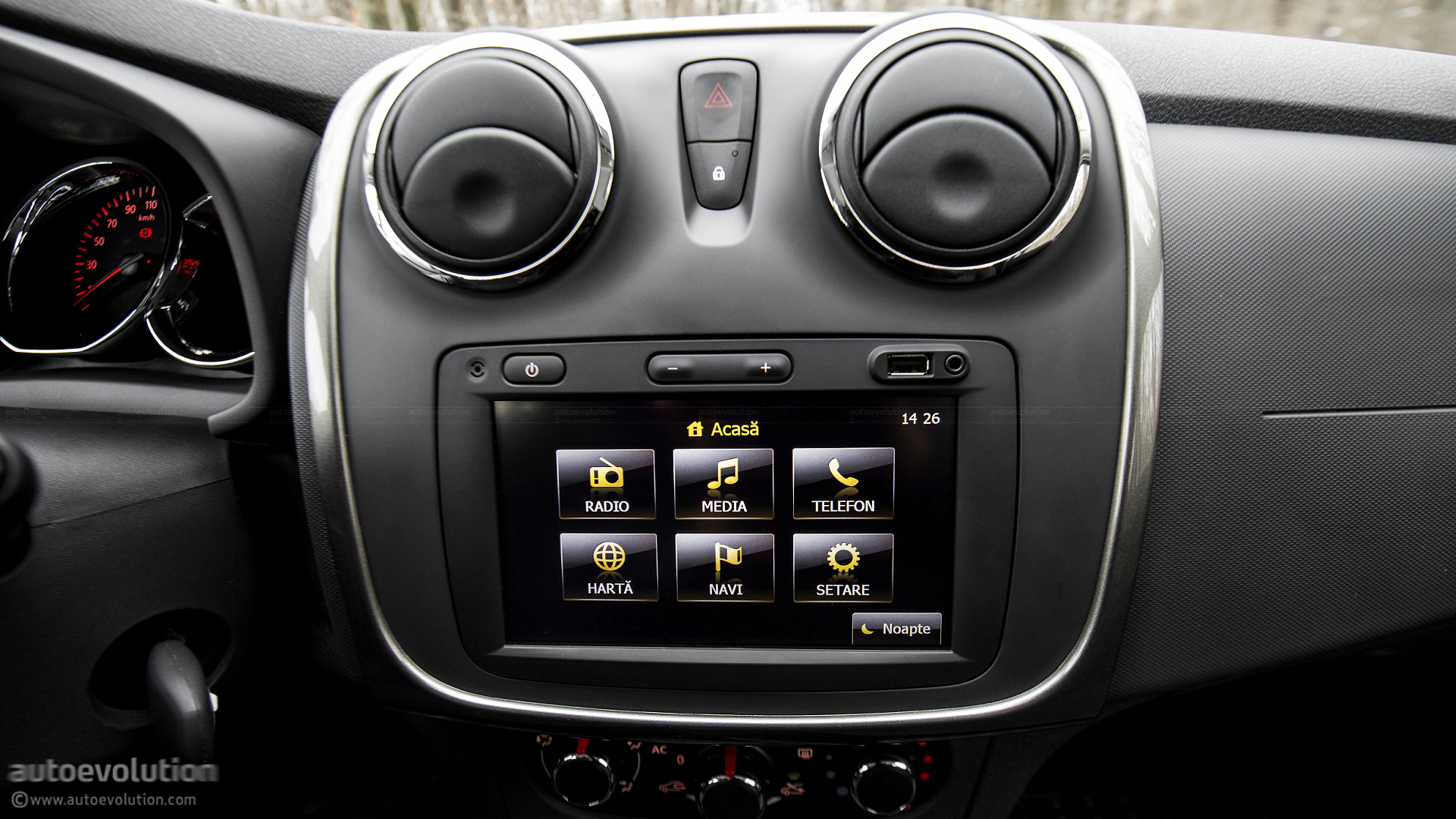
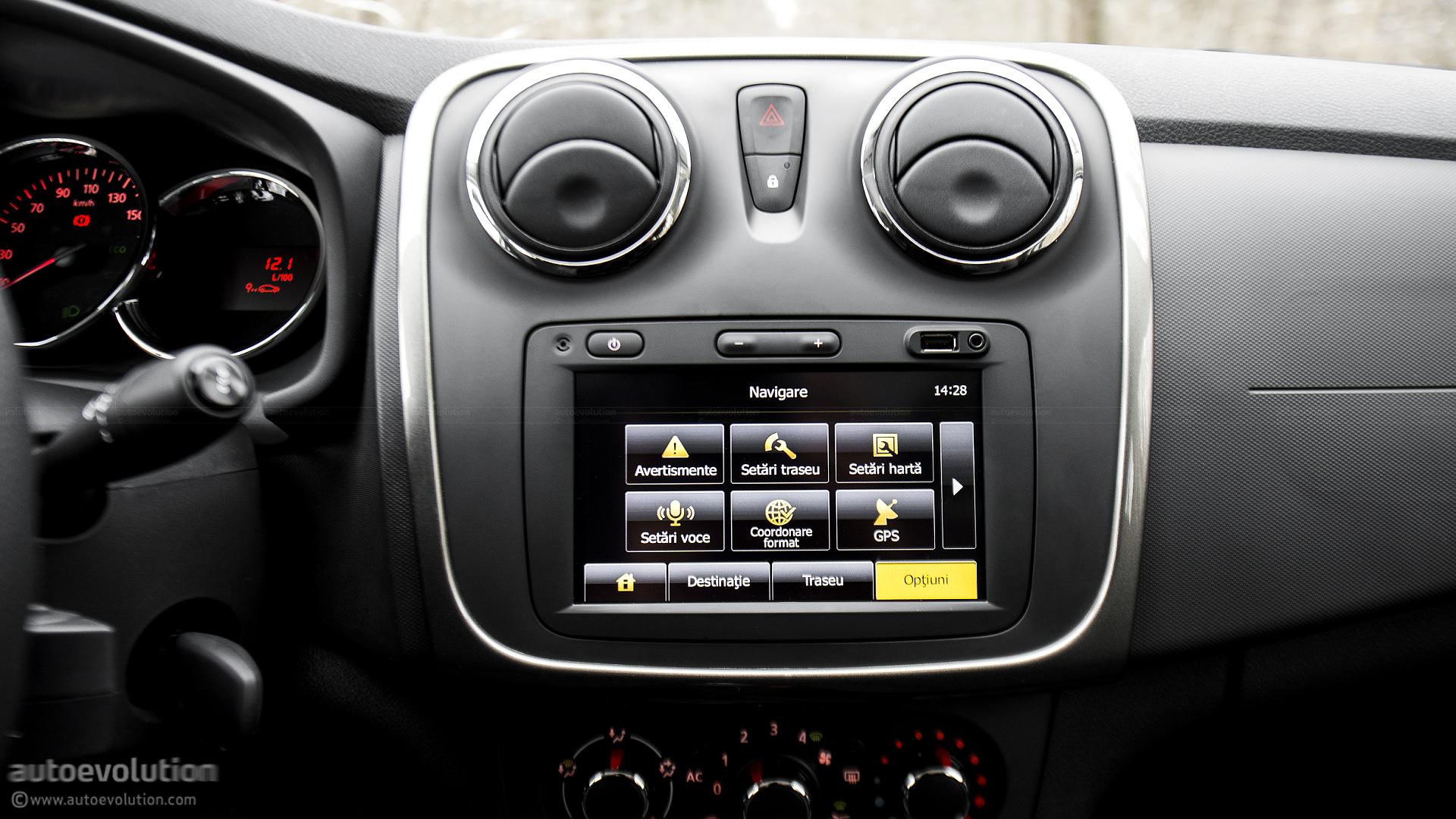
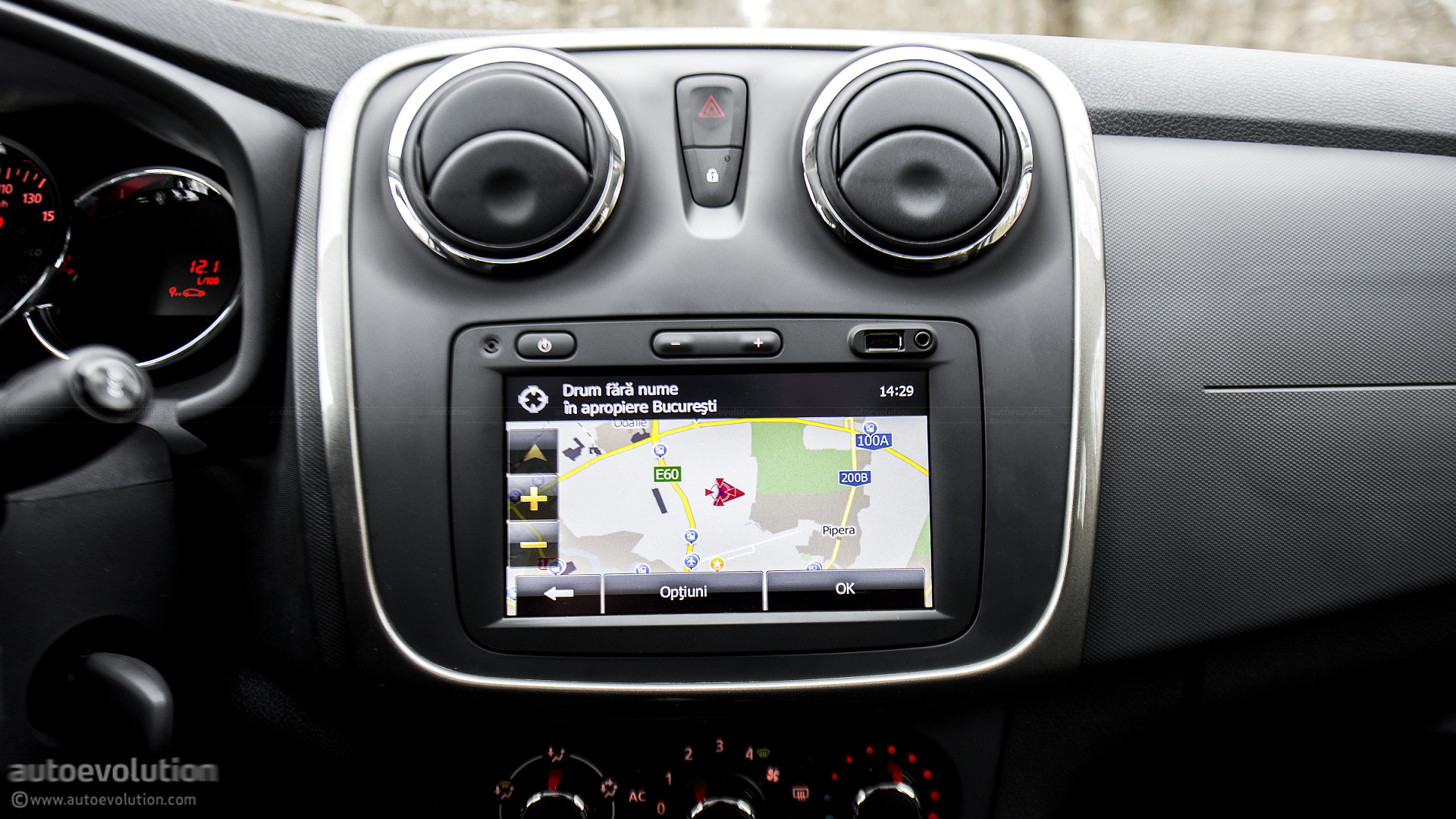
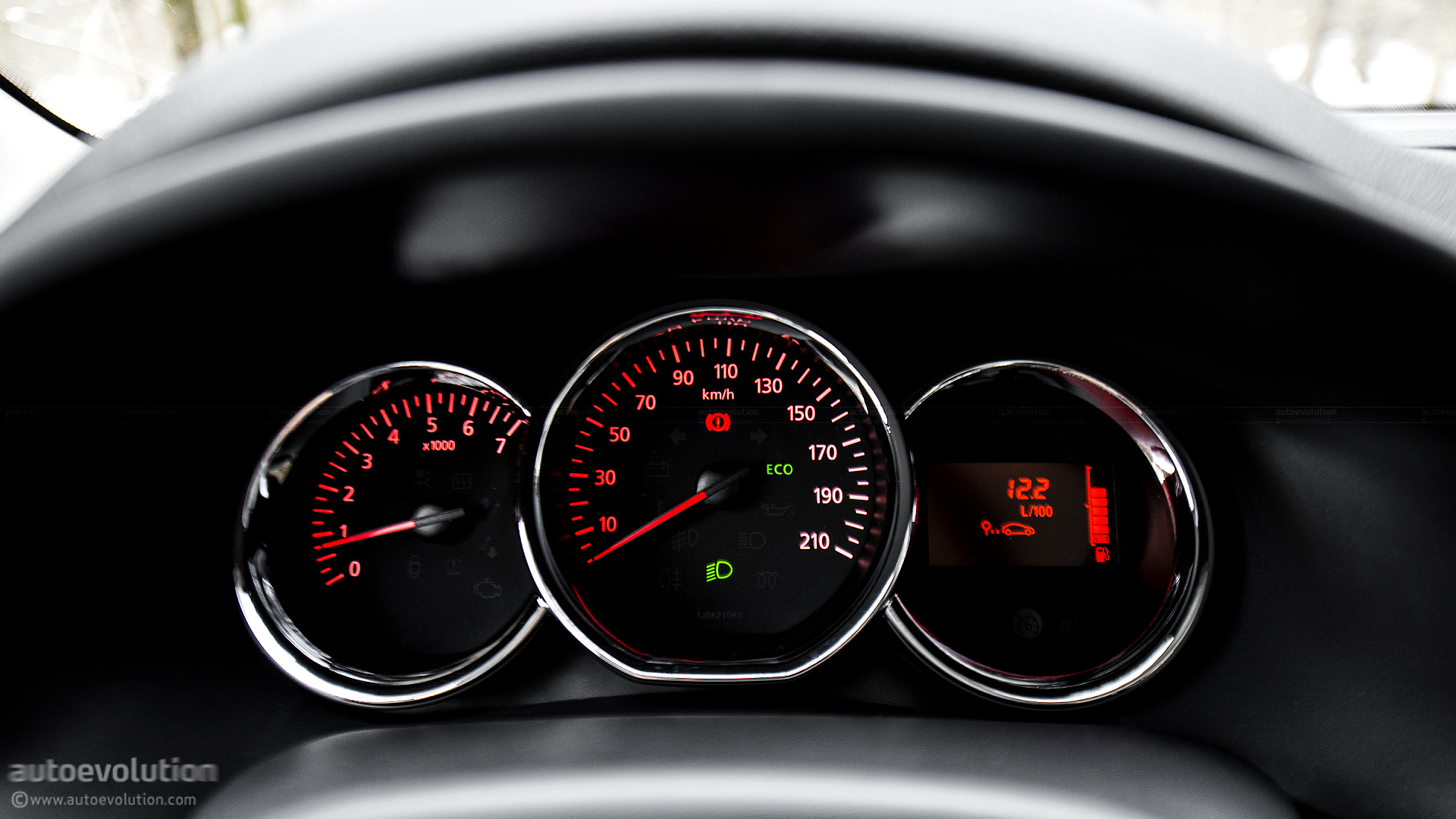
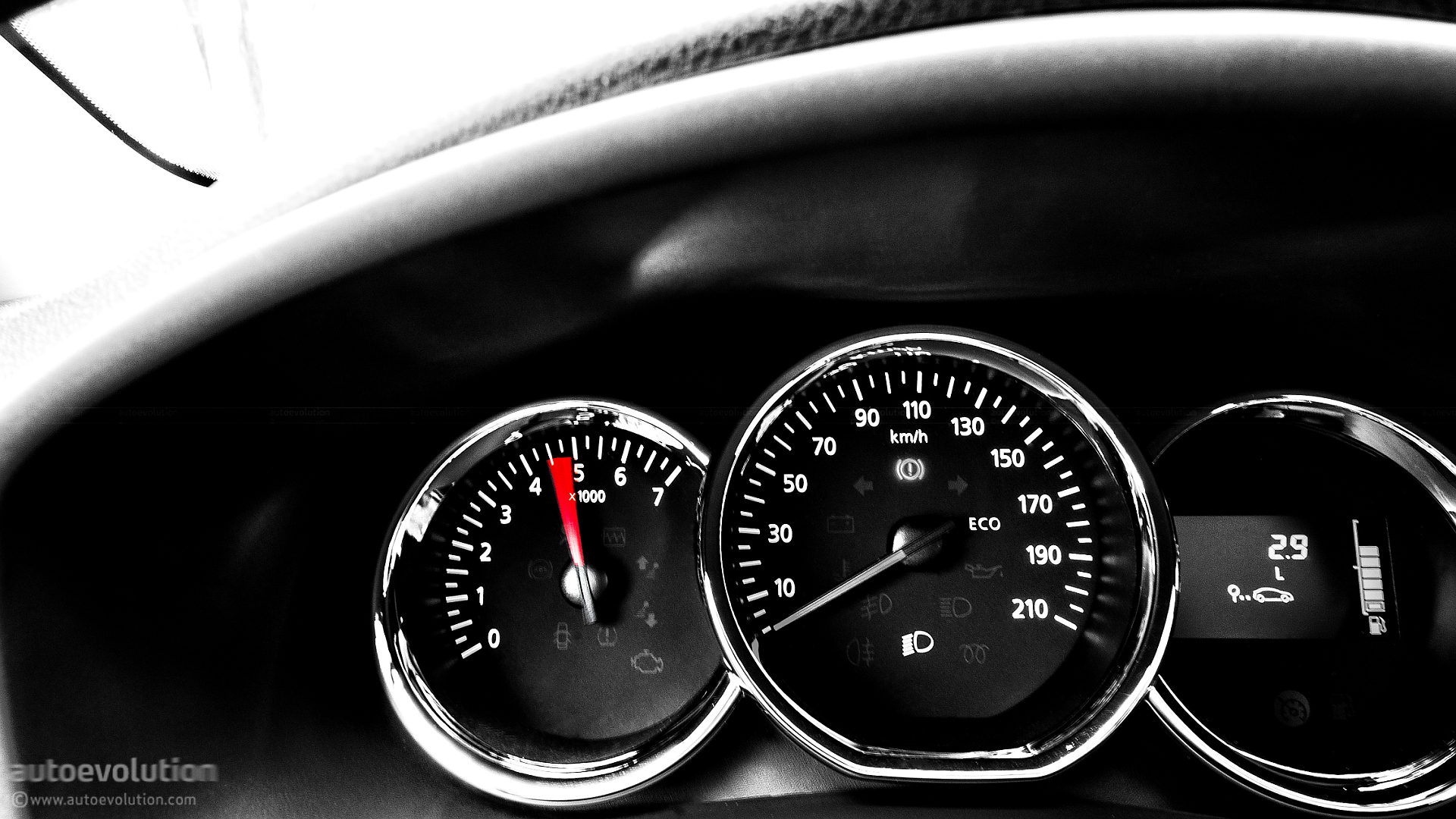
The climate control area has now been brought to the upper side of the dashboard and the buttons are easier to operate. In addition to that, the speedometer now uses uneven values, which is perfect, since many of these match the speed limits of both city and open roads. The layout of the instruments is now better looking, as well as easier to read, be it during the day or the night.
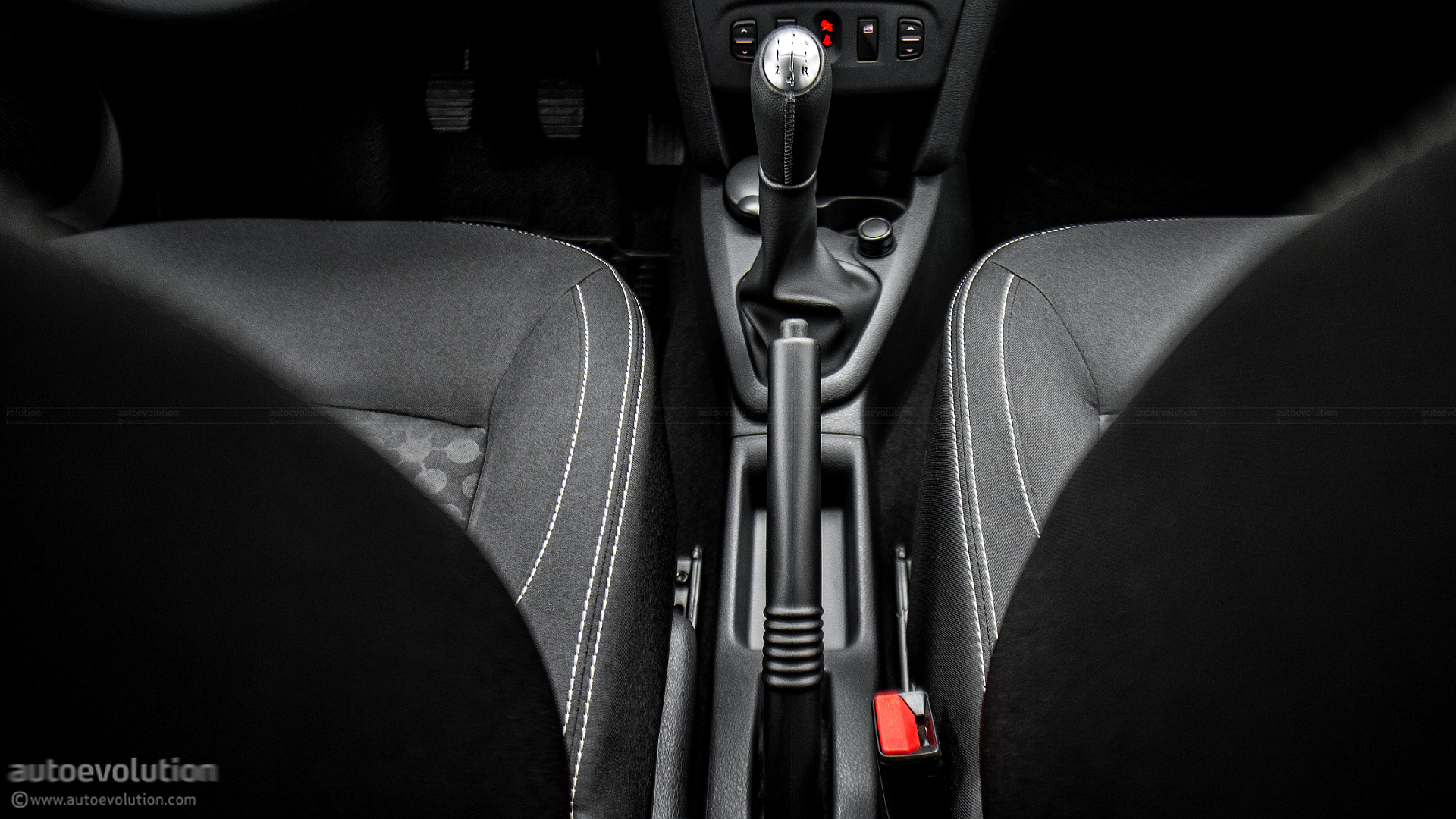
On the other hand, the electric window controls have the same annoying cost-cutting layout. Those for the front windows are on the center console, while those for the rear windows are located behind the handbrake, so that both the driver and the rear passengers can use them.
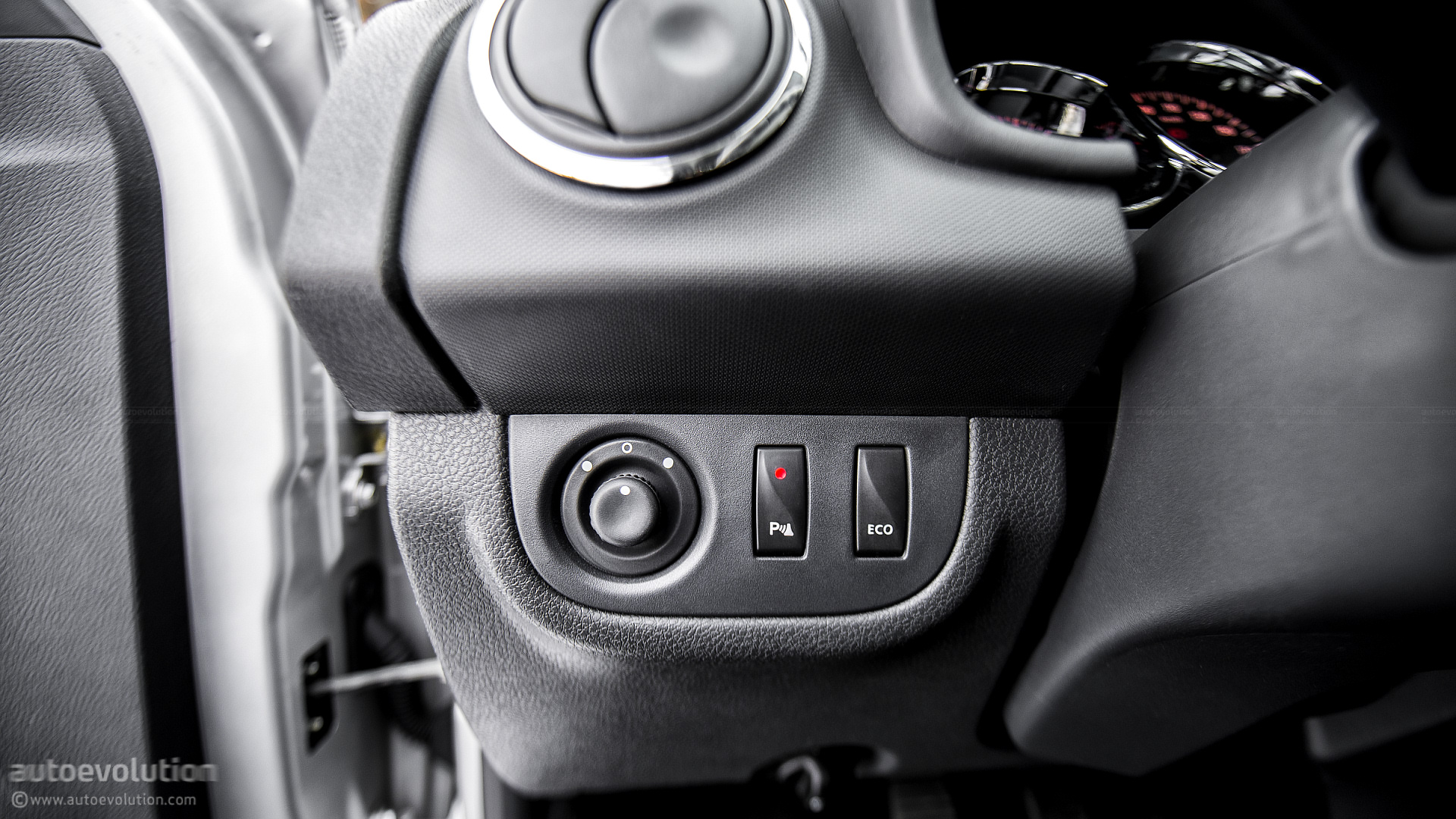
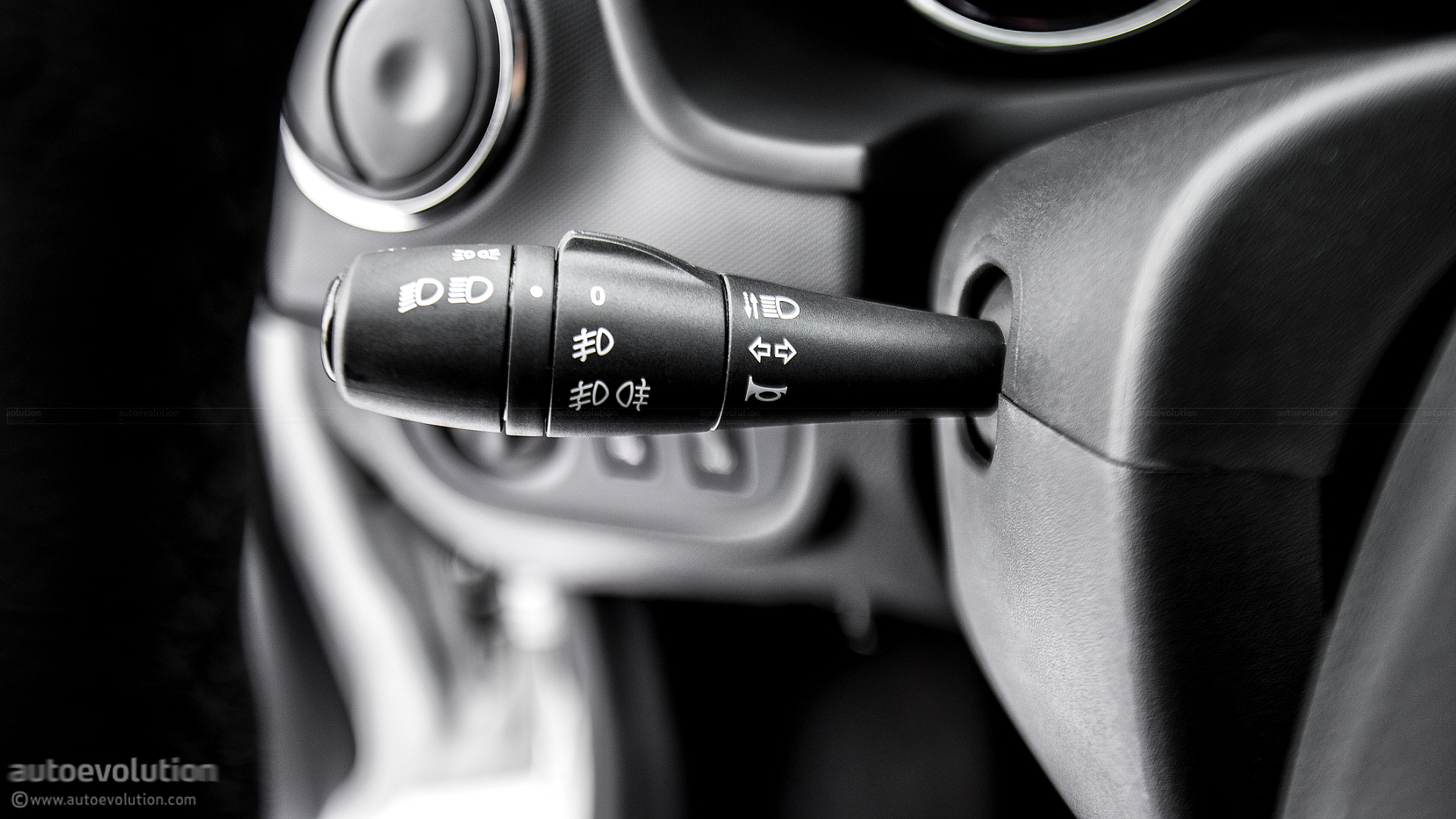
And there are other problems too: the electric mirror control isn’t illuminated and since it’s placed on the lower left side of the dash you can’t see it at night and, just like on certain Renault models, the horn button is still on the turn signal control.
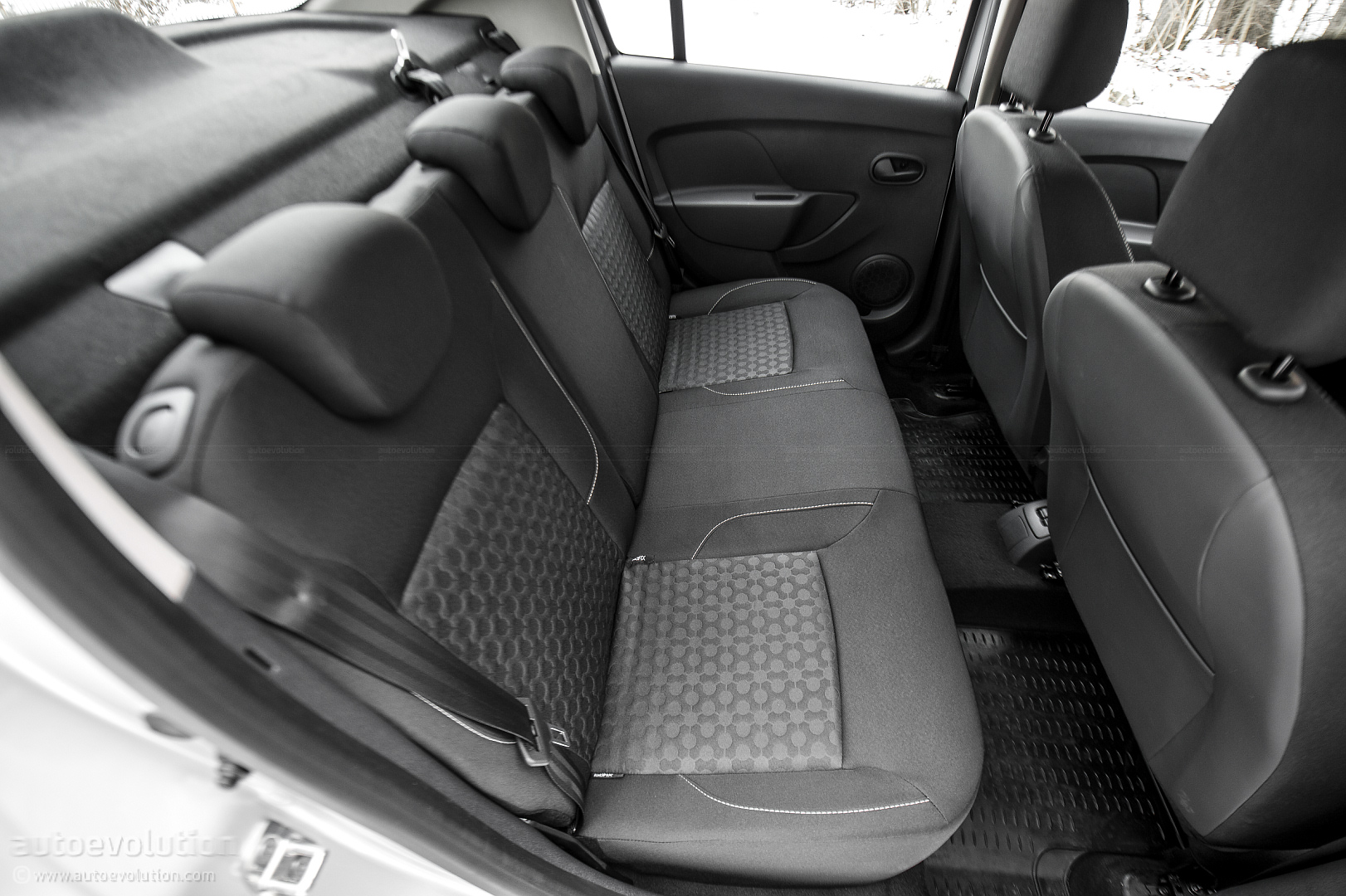
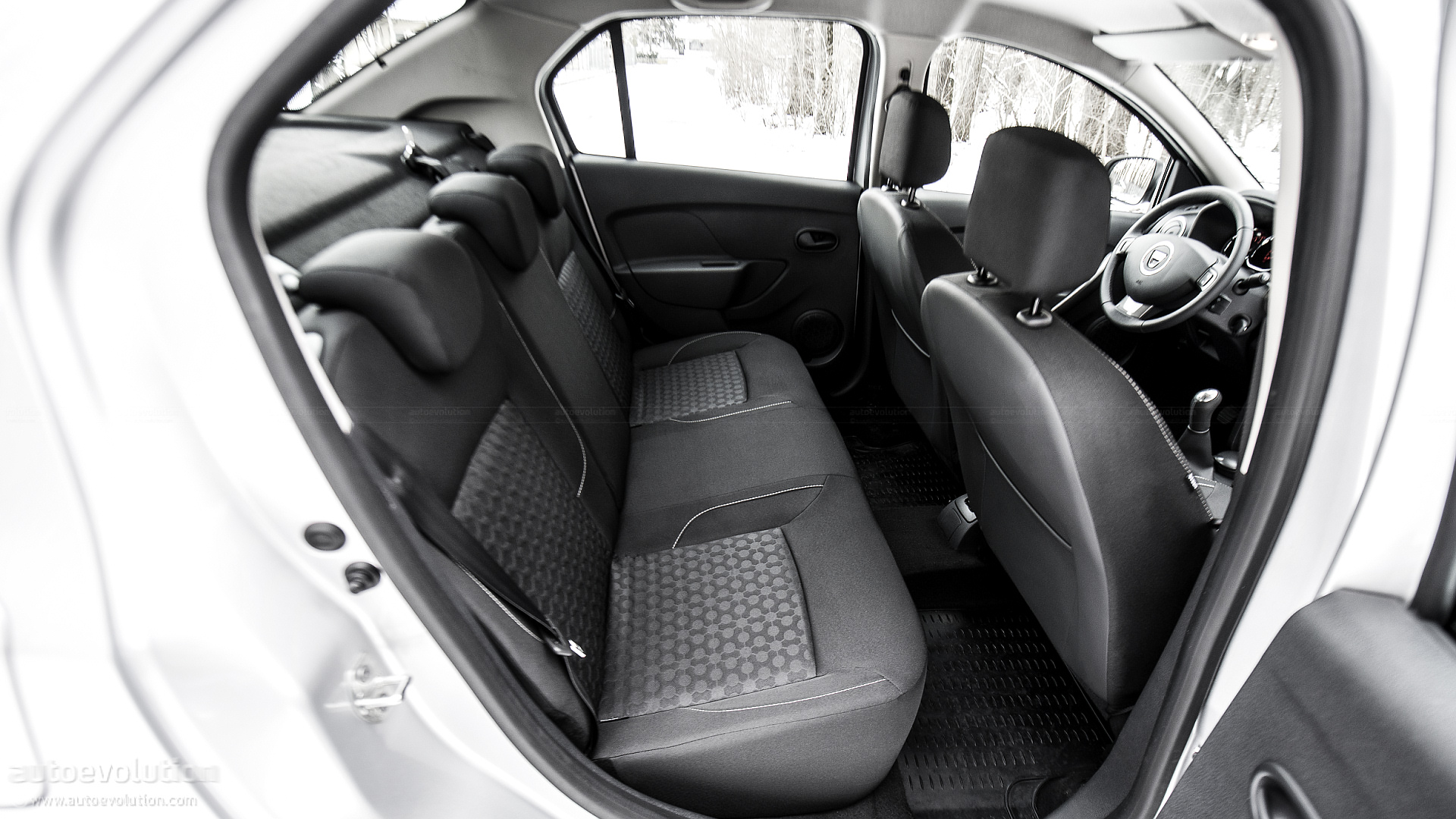
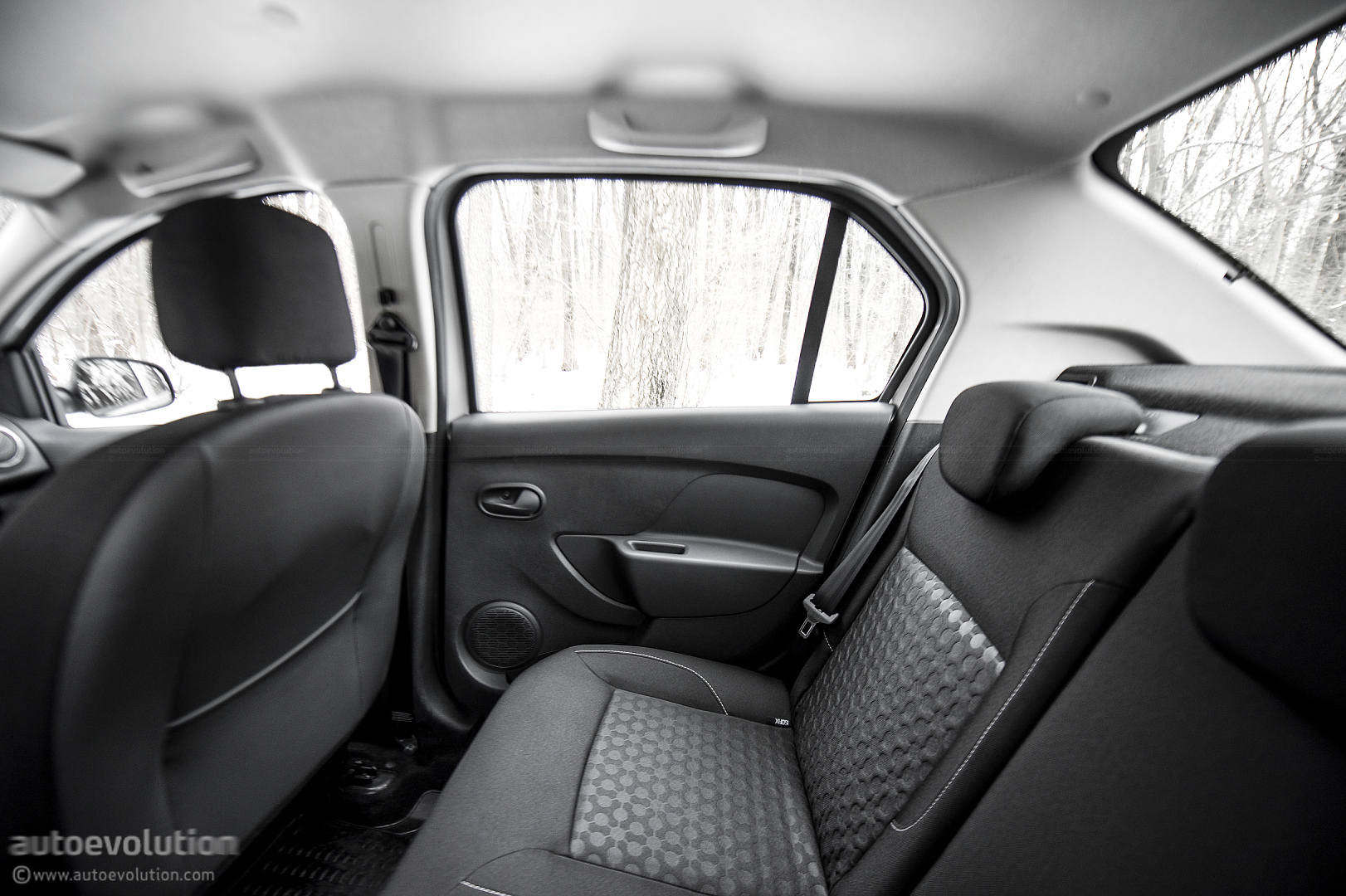
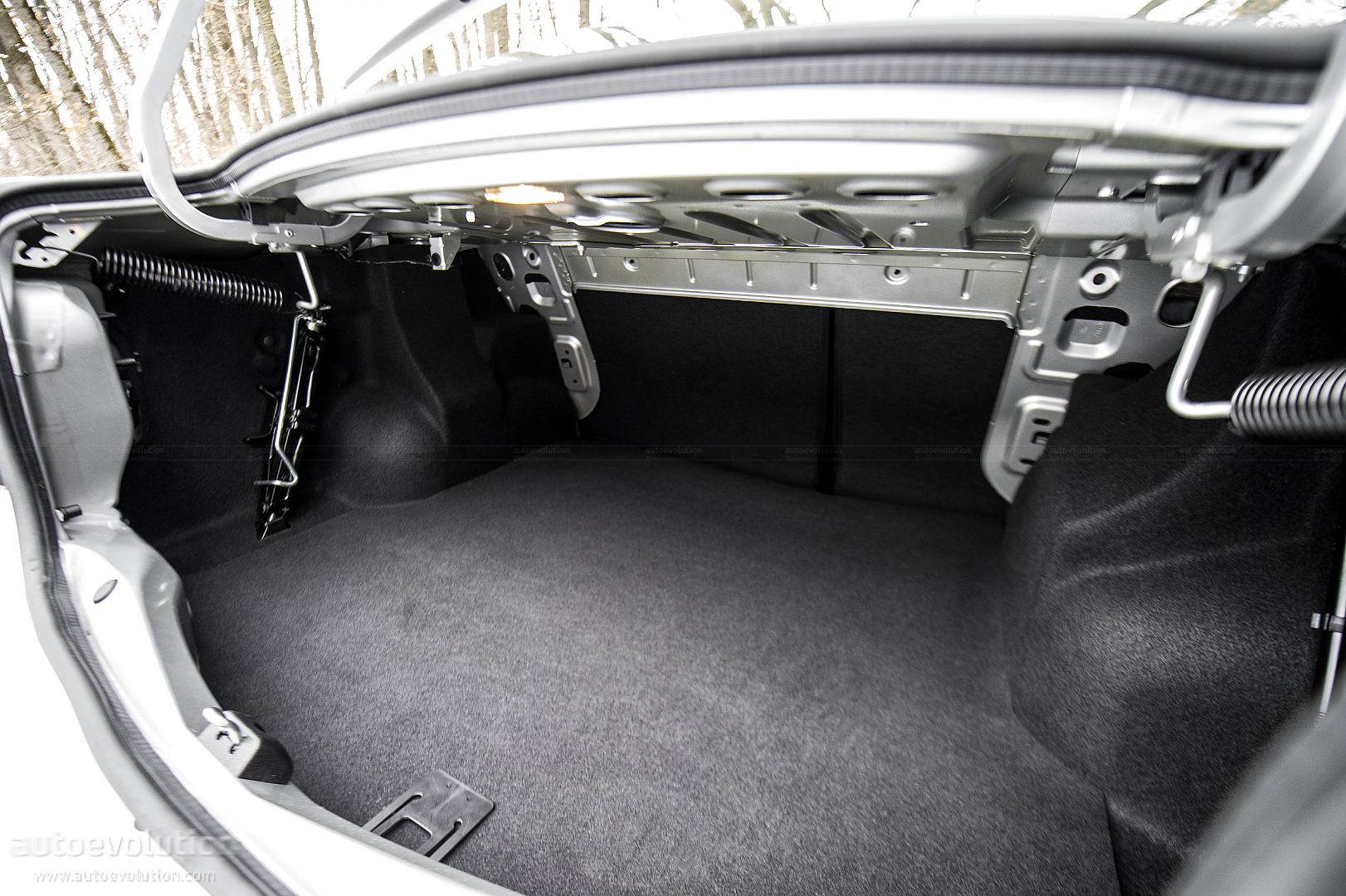
The Logan tries to compensate by offering an interior that’s even more spacious than before, thanks to the increased width of the car. The luggage compartment has kept its 510 L (18 cu. ft.) capacity, but the versatility has been boosted through the use of a 60/40 foldable rear bench. Unfortunately, you get a weird sensation everytime you open the bootlid, because the hinges slam against the base of the rear window frame pretty hard.
The Logan’s interior has kept the solid feel offered by the first-generation model, adding a bit of extra space to an already roomy cabin and increasing the refinement a bit.
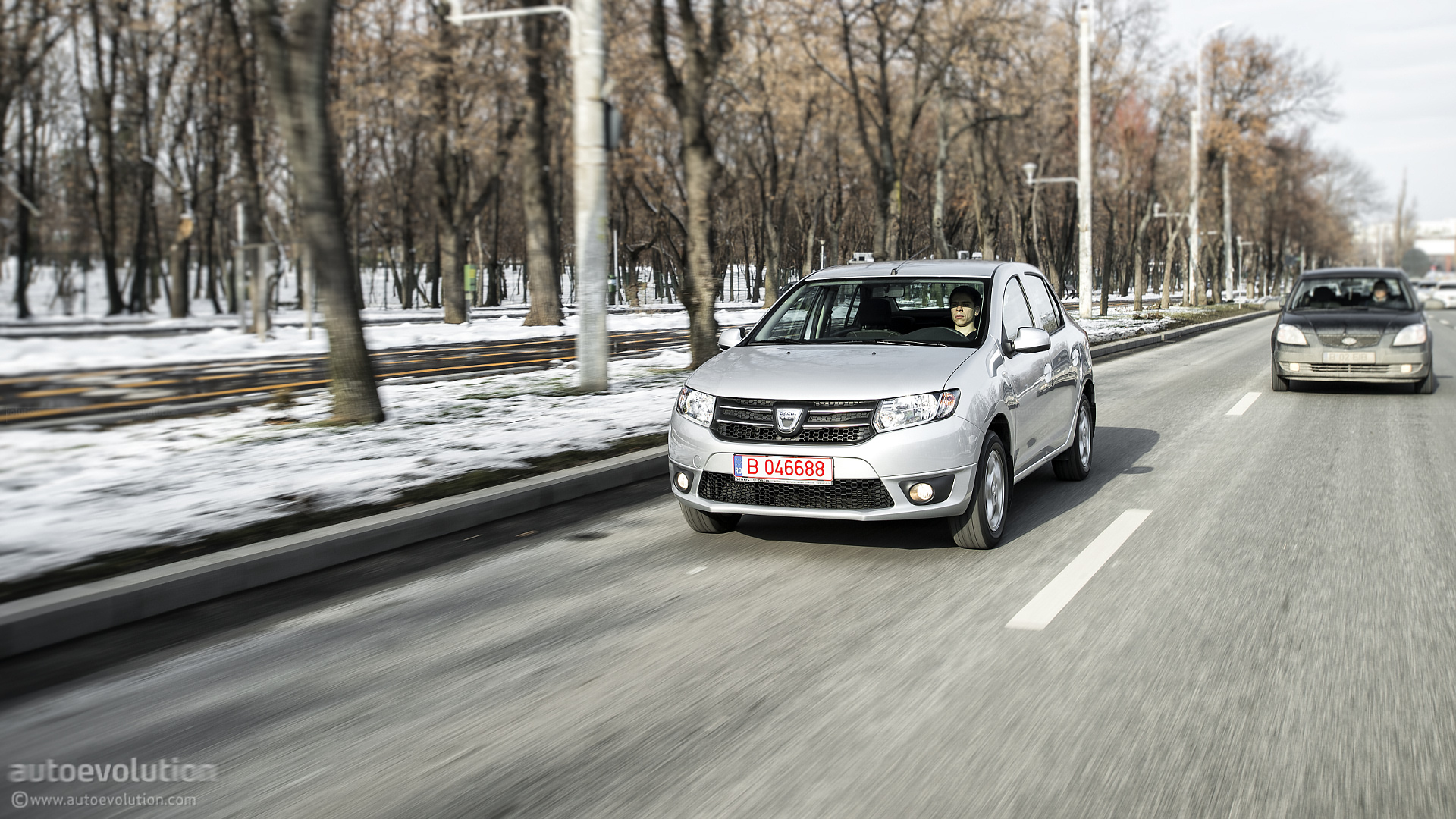
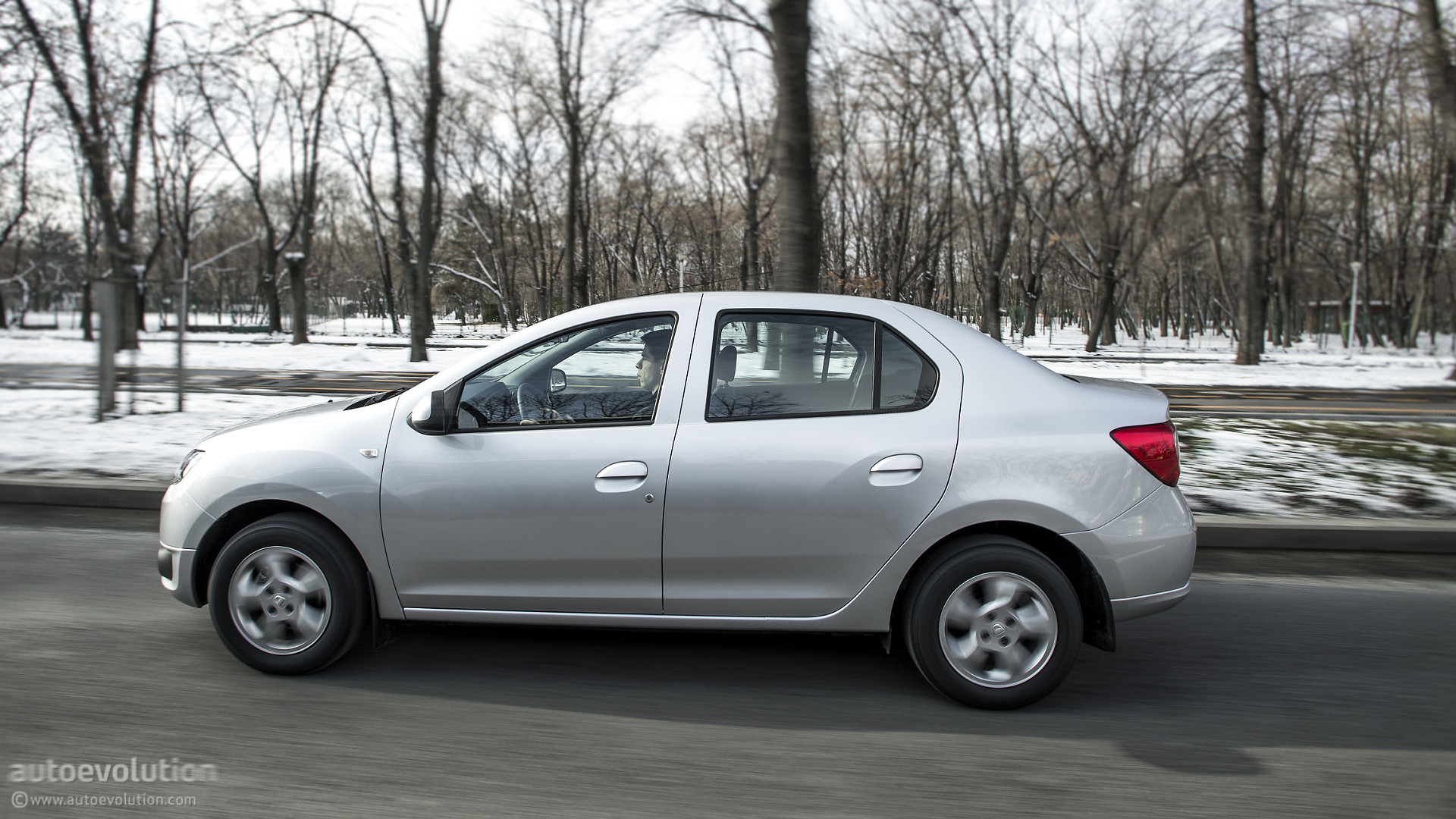
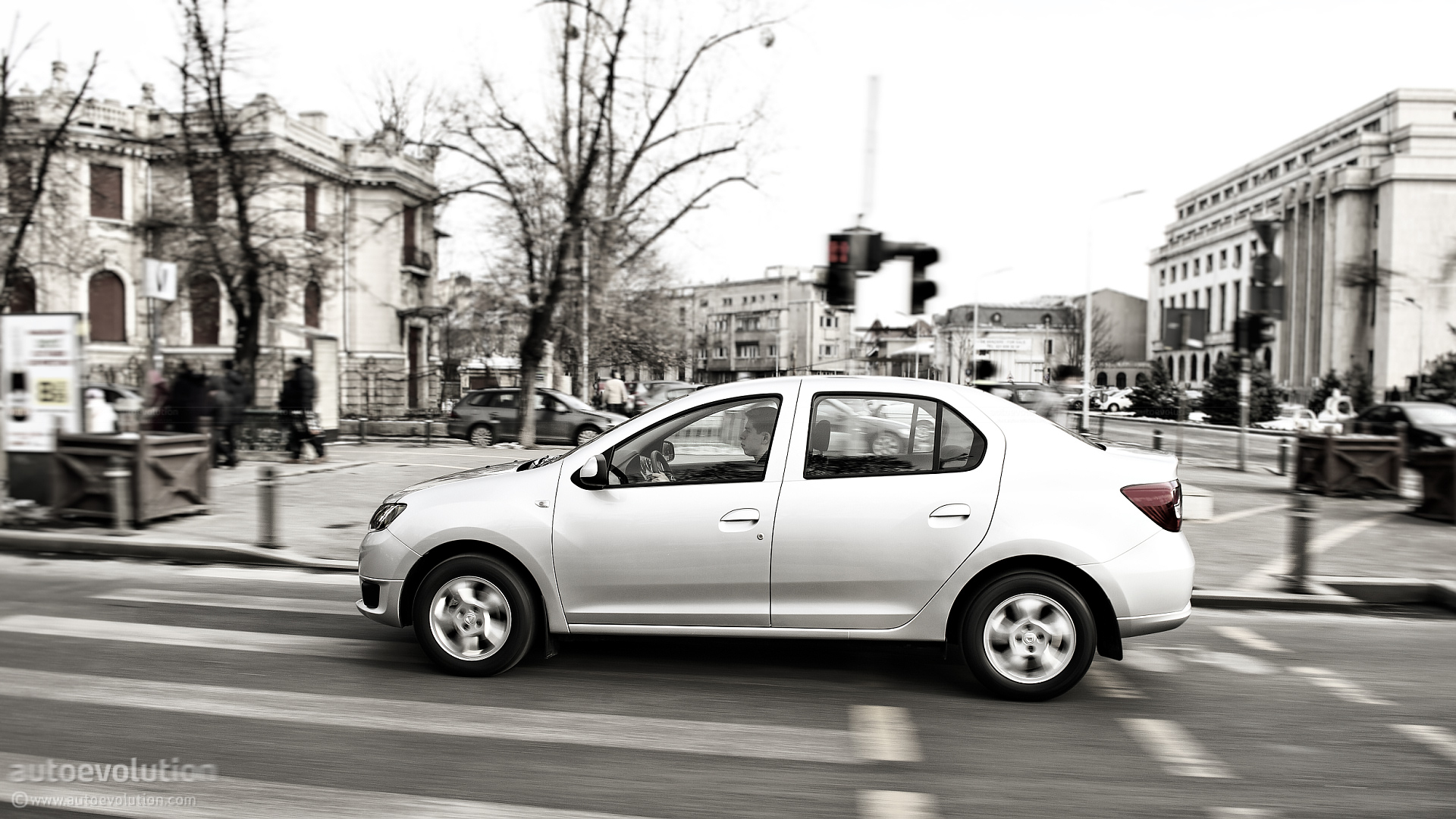
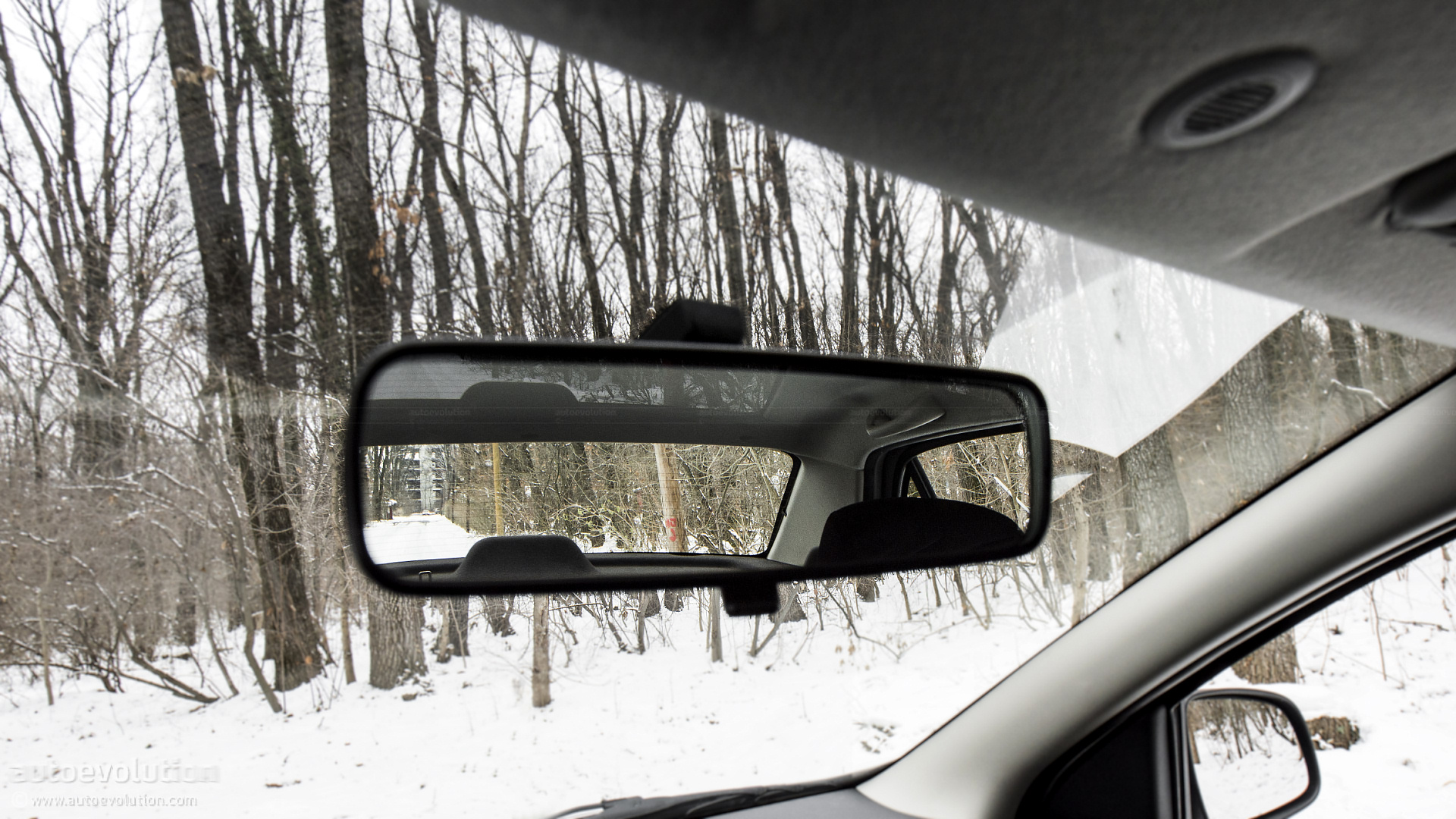
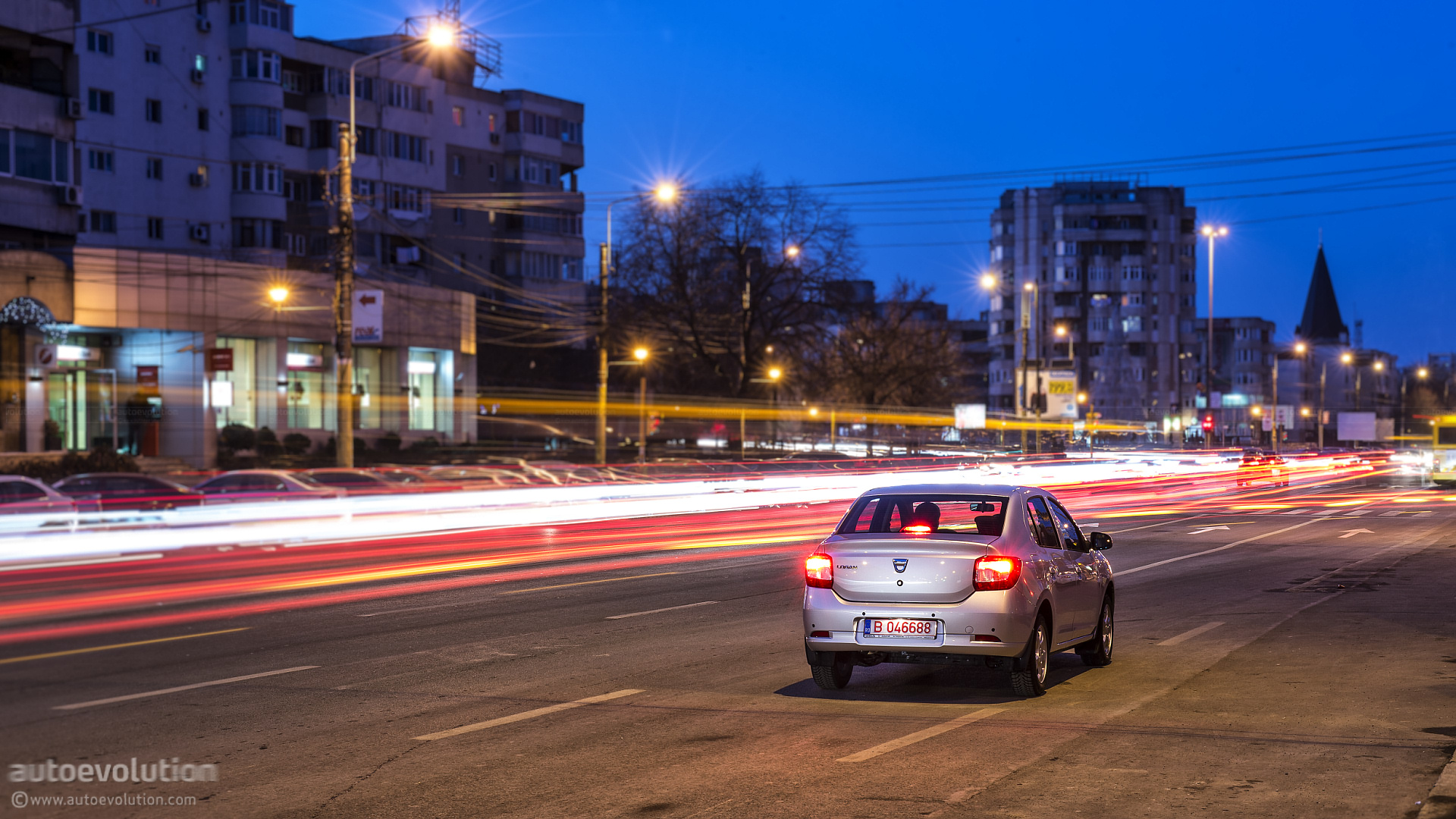
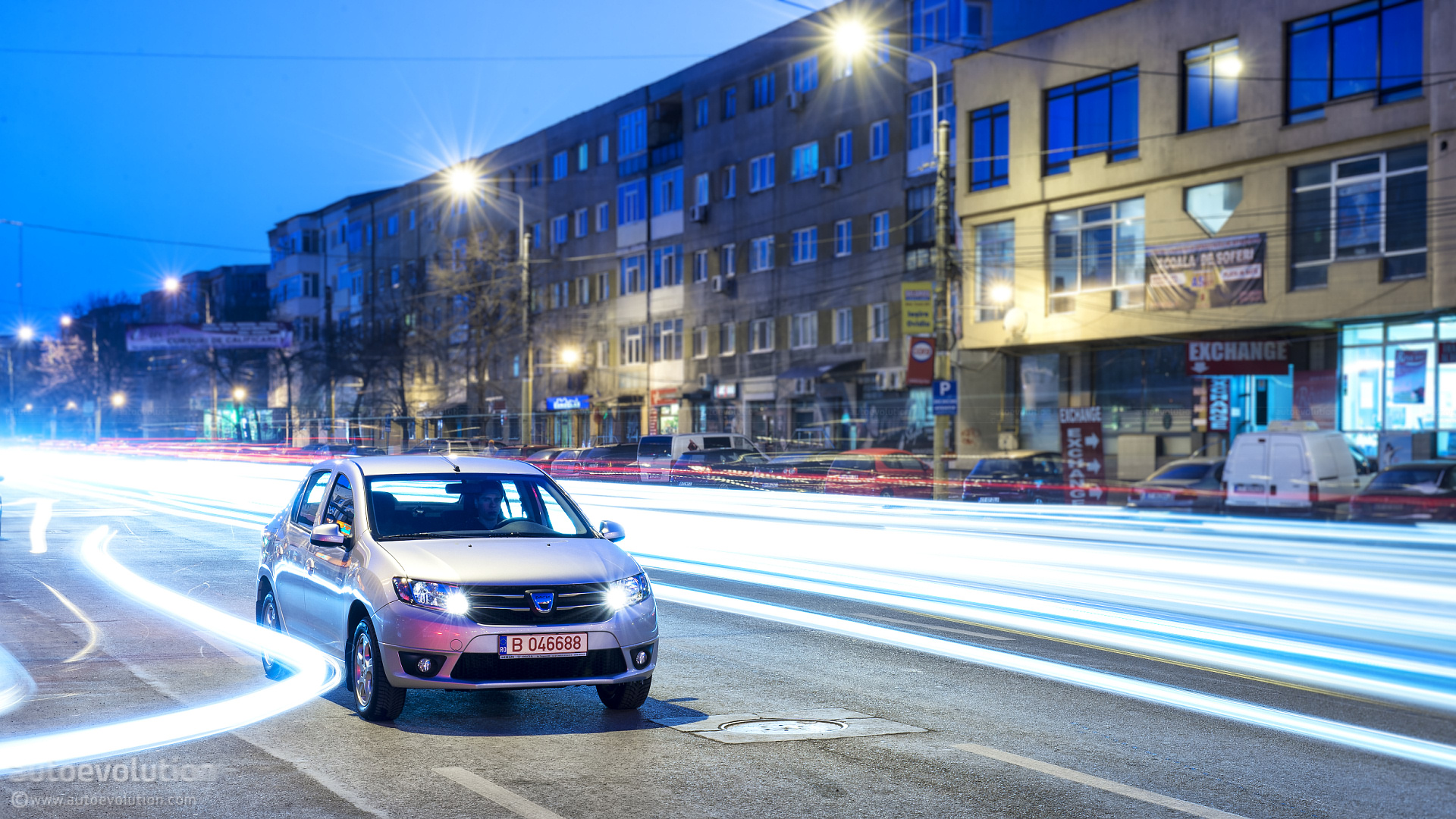
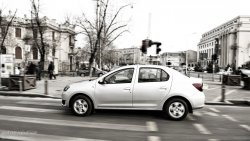
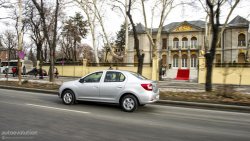
The Logan feels at home on the urban playground as it has all the right assets for it. The list starts with the exterior dimensions and goes on with the low weight and good all-round visibility.
The respectable ride height also proves handy in certain areas with broken asphalt and the suspension also isolates you from most of the noise and vibration resulting from pothole encounters.
The new TCe engine is perfect for city driving. The unit makes the vehicle feel poky and you really obtain an unexpected level of driving freedom for this kind of car, as you can always enjoy the mid-range torque of the turbocharged engine.
The fact that it’s a downsized three-cylinder unit brings serious fuel efficiency benefits, which means that you no longer have to turn to an oil burner to achieve a decent fuel consumption. Dacia tells us that the car need 6.5 liters to cover 100 km inside the city (36 mpg). During the urban part of our test drive, the car returned a figure of 8.2 l / 100 km (28.7 mpg), using a balanced driving style.
The drawback brought by the tree-cylinder layout are present, but they’re limited. The engine does lack refinement at idle speeds, but the problem goes away once you move past this stage. You also have to be more careful when the powerplant is cold, as it doesn’t like early shifts.
The new Logan has also received certain features that multiply its city-friendly personality. The power steering now offers better assistance and you can also order rear parking sensors.
The final touch is brought by the appeal for shopping. This comes thanks to the impressive luggage compartment capacity (510L or 18 cu. ft.), and rear bench that can now be folded using an asymmetric layout. The doors and the bootlid have wide openings, so handling large objects won’t be a problem.
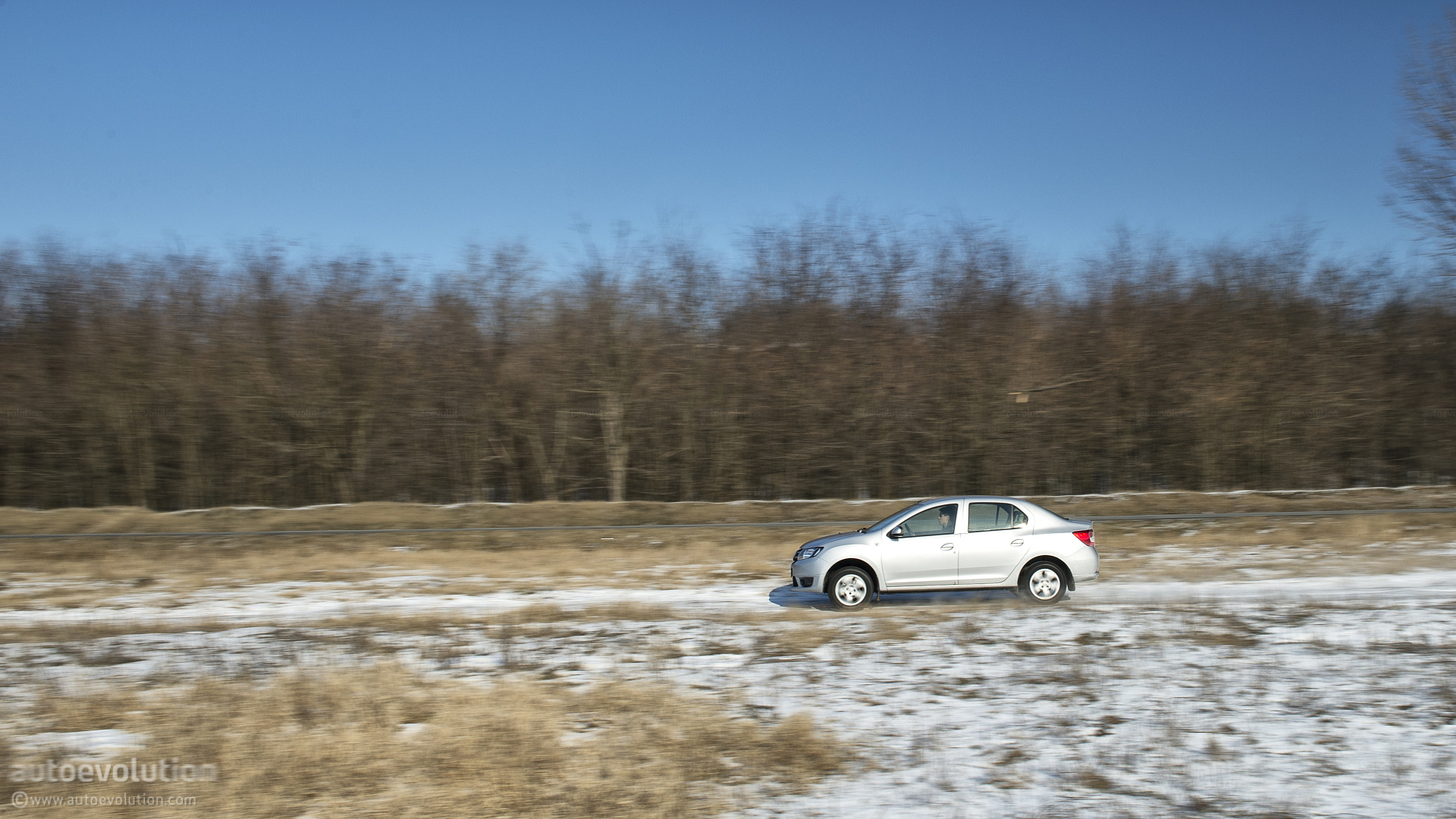
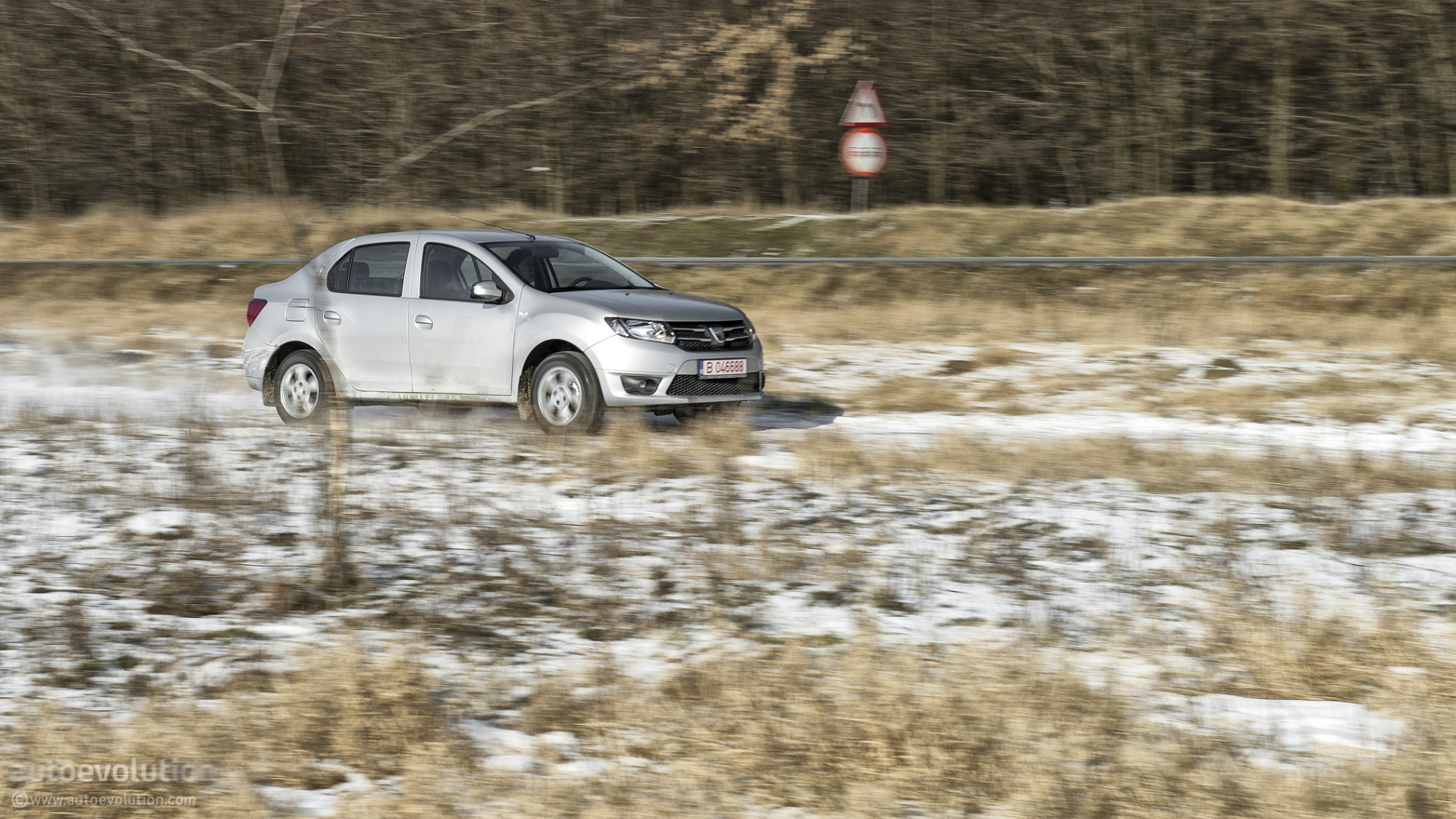
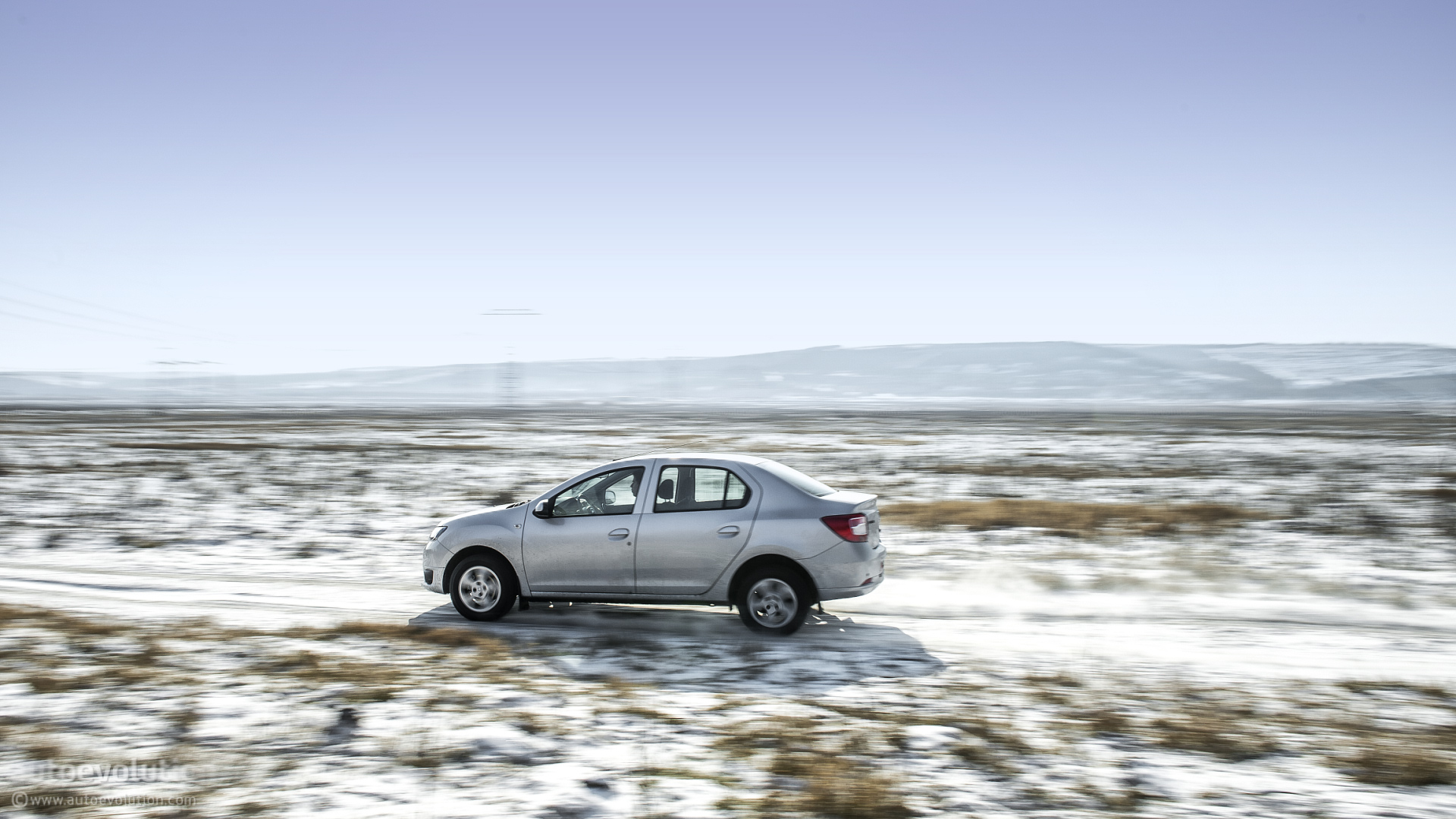
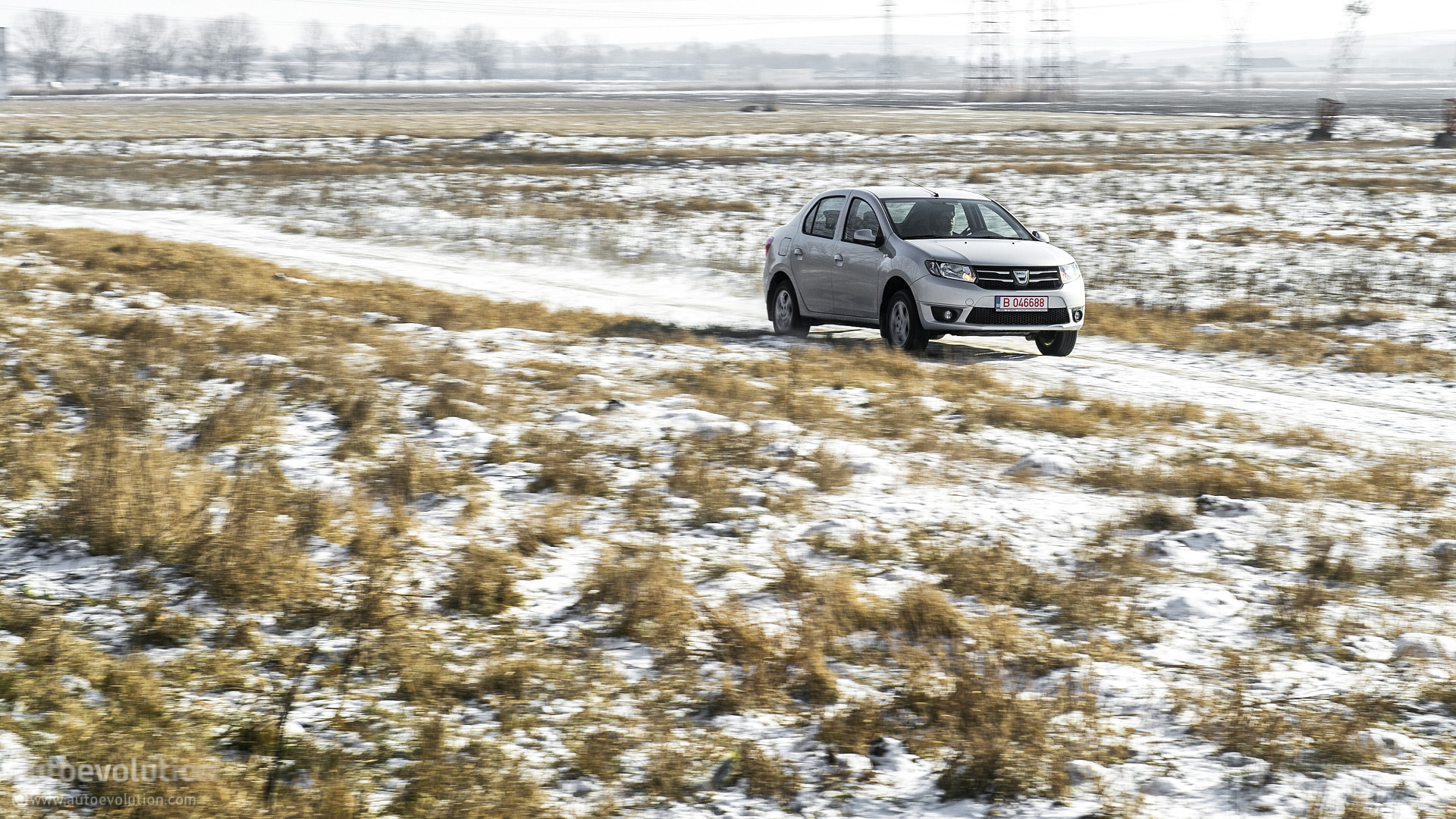
A vehicle such as the Logan has to serve more than just one purpose once it goes past the city’s limits. It has to provide a decent driving experience, as well as prove to be a trusty partner for activities that involve poor roads and / or high loads. Our test car managed to cater to both these needs, also showing a great improvement in terms of the open road part compared to its predecessor.
The 0.9-liter three-cylinder TCe turbocharged petrol unit feels lively. The three-cylinder architecture’s lack or refinement can only be felt at idle speeds or when the engine is cold, but this goes away in the rest of the situations. The unit even sounds nice during more serious throttle application, an unexpected feature for a vehicle of this kind.
There’s a slight turbo lag under 2,000 rpm, but once you go past this value the unit pulls well and offers a relatively linear power delivery up to 6,000 rpm. The unit can be taken about 500 rpm higher, but there’s no use in doing so, as from this point on you’ll feel no extra muscle.
The Logan tips the scales at just 1,073 kg (2,366 lbs) and you can clearly feel this in the driving dynamics. The 11.1s 0 to 100 km/h (62 mph) sprint places the 0.9 TCe in between the 8- and the 16-valve versions of the old generation’s 1.6-liter unit. Nevertheless, this also partially affects the vehicle’s safety. That’s because the reduced weight partially comes from of a lack of certain superior-strength body structures.
The engine’s mid-range torque can really be felt in the first three gears. The fourth one can also be used for overtaking, while fifth should be strictly dedicated to reducing fuel consumption. The car climbs up to 150 km/h (93 mph) in a decent manner. However, if you go past this value aiming to to reach its 170 km/h (105 mph) top speed, you’ll be disappointed.
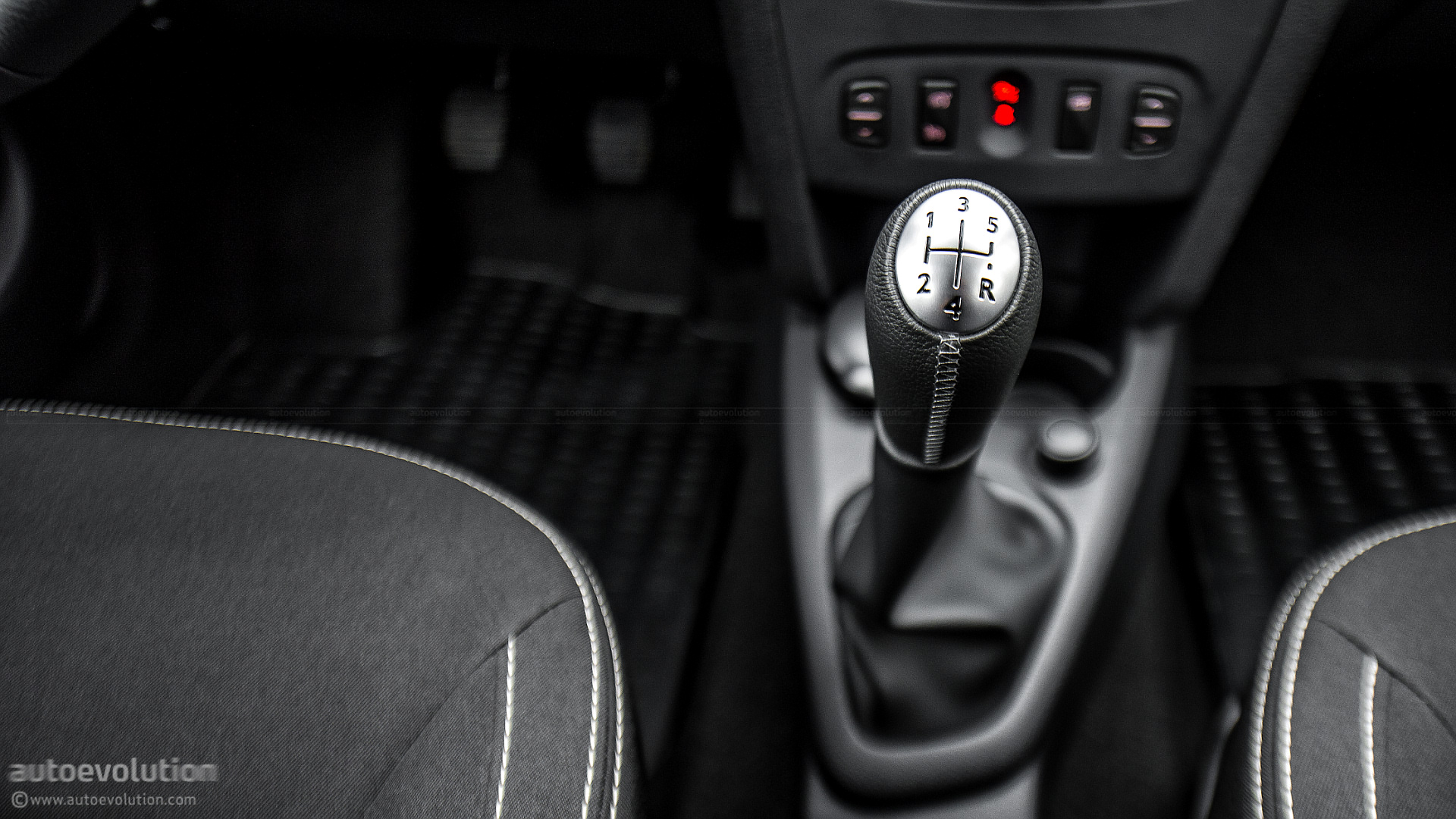
As for the five-speed manual gearbox, this doesn’t match the engine. The ratios are well-balanced, but the changes are unpleasant even if you try to adapt to the hardware.
We have to start the handling part of this chapter with the electro-hydraulic steering. The system doesn’t do anything out of the ordinary, with the exception of being a tad too sensitive at high speeds. This can be dangerous if the driver is not aware of the setup and wants to perform an emergency maneuver.
The suspension is perfectly adapted to the nature of the car, doing an excellent job at filtering road imperfections. It also keeps the body roll under control much better than that of the previous model. The brakes are also on par with the overall dynamics level of the vehicle.
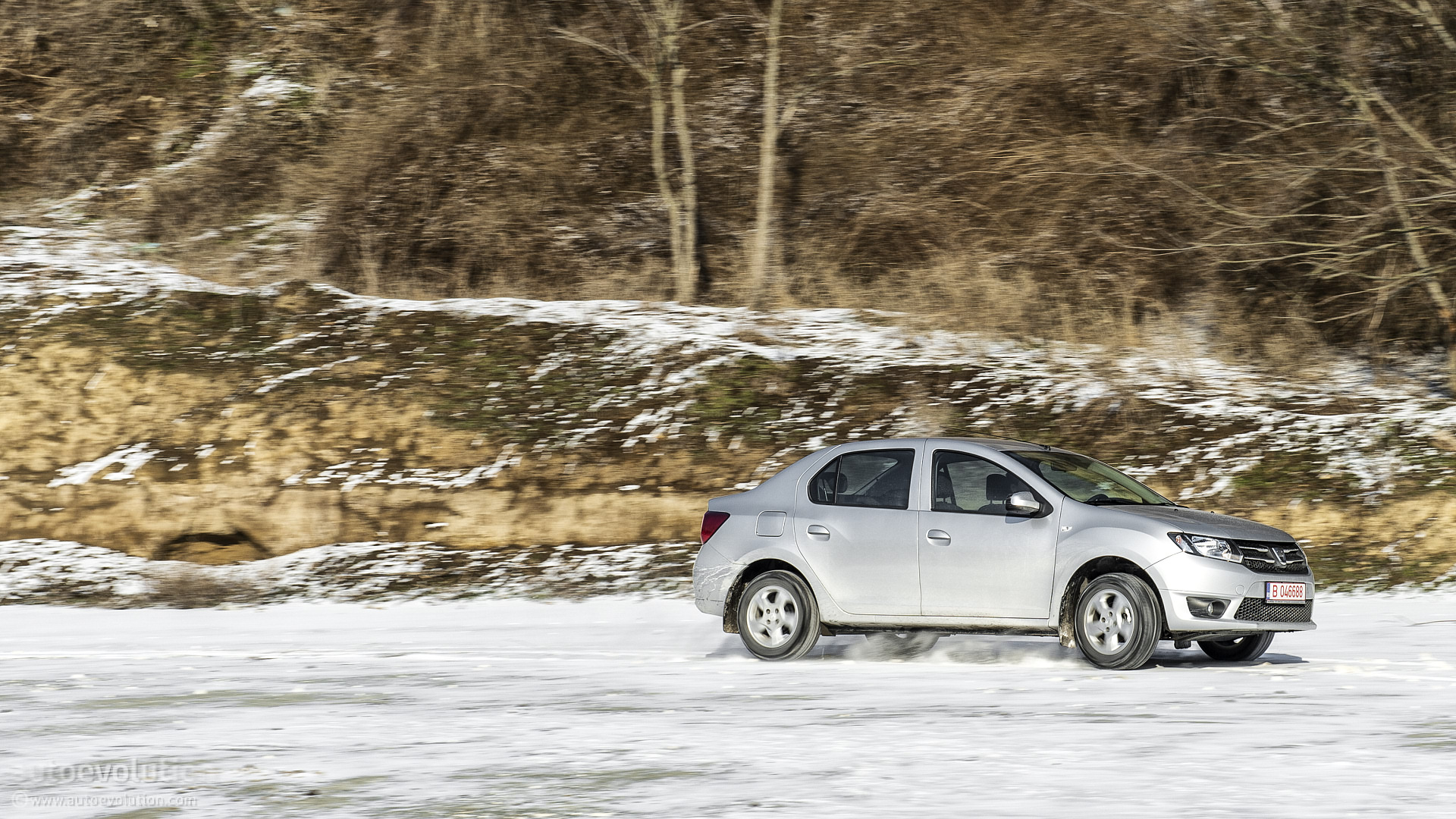
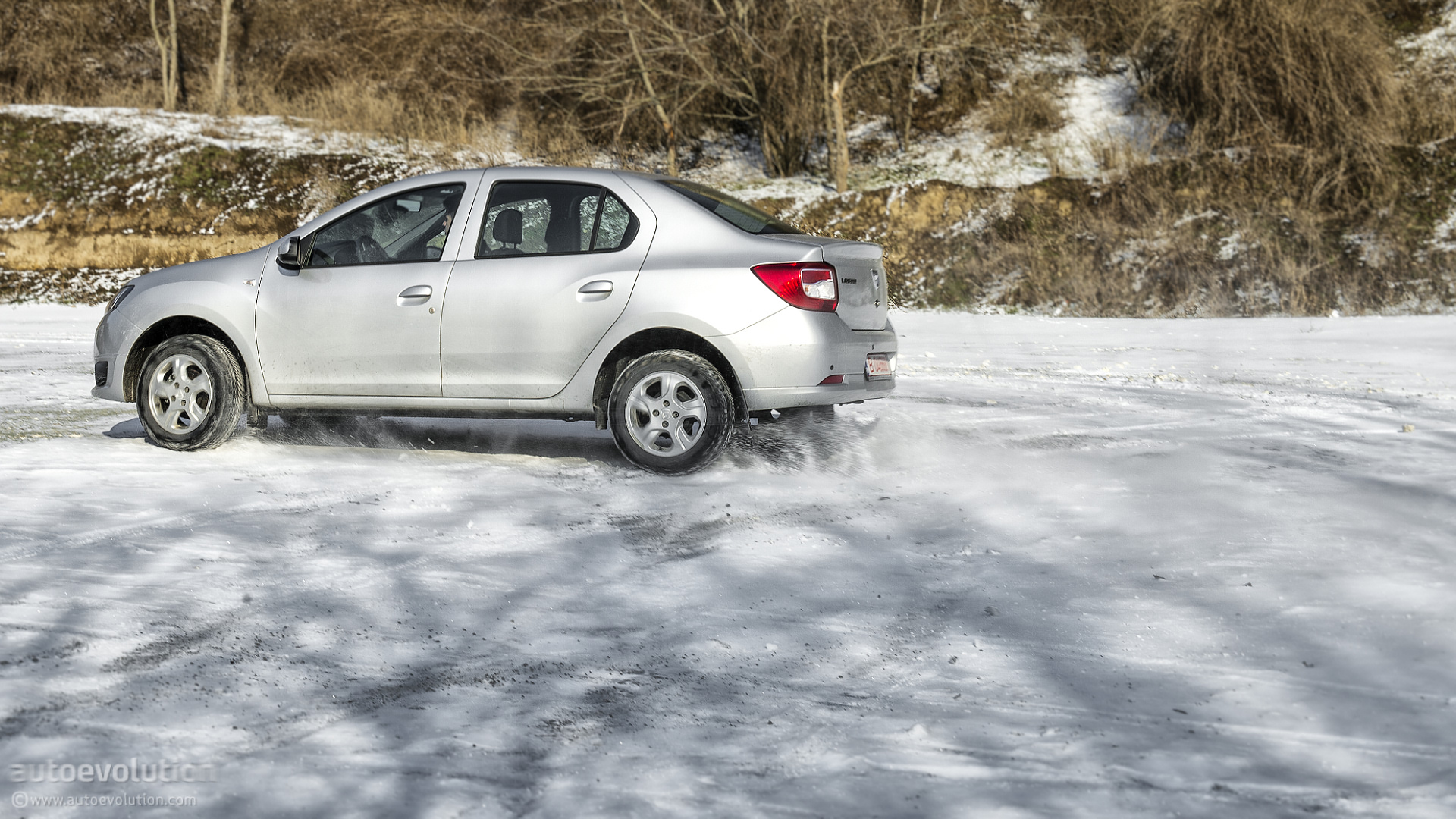
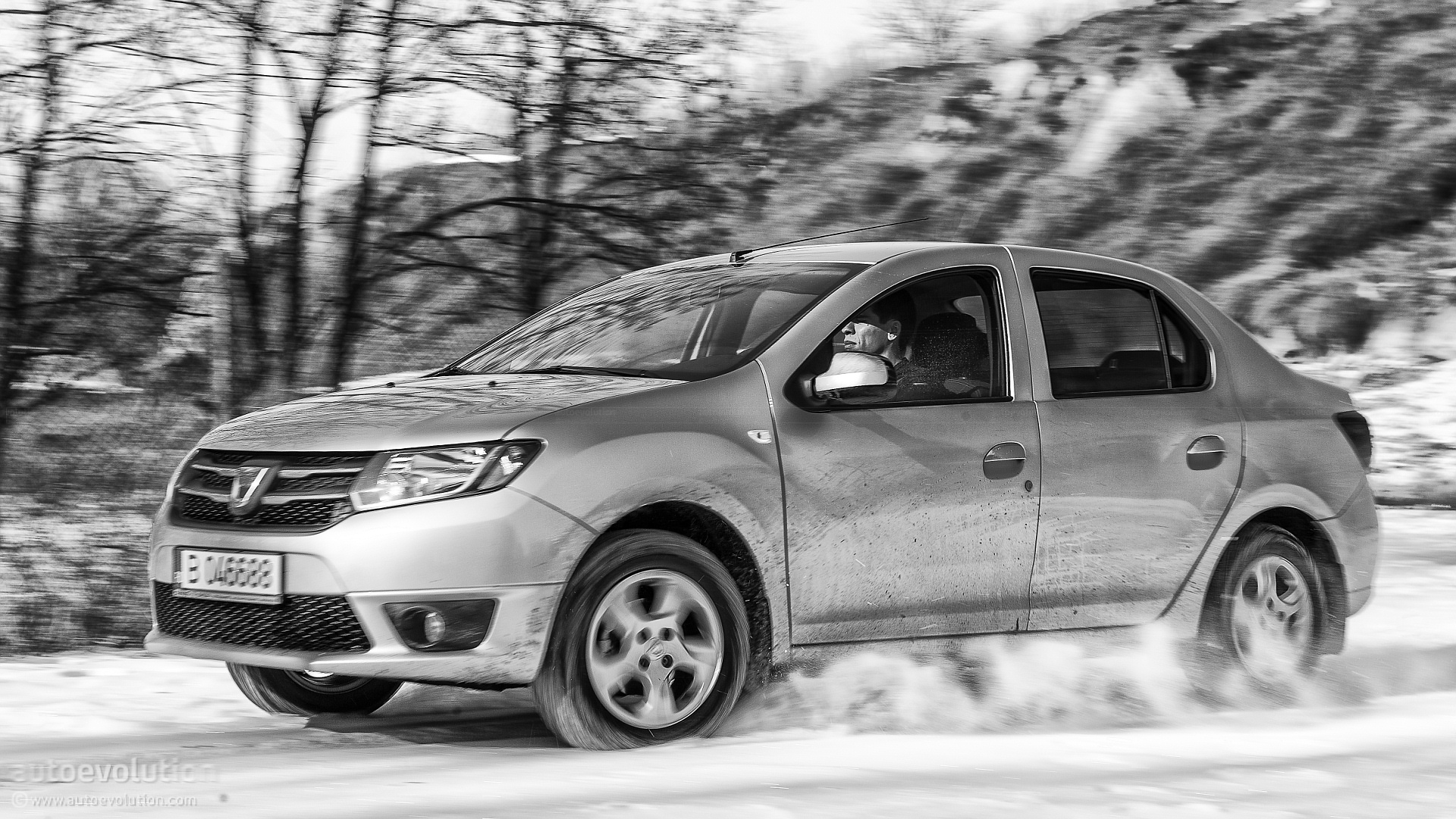
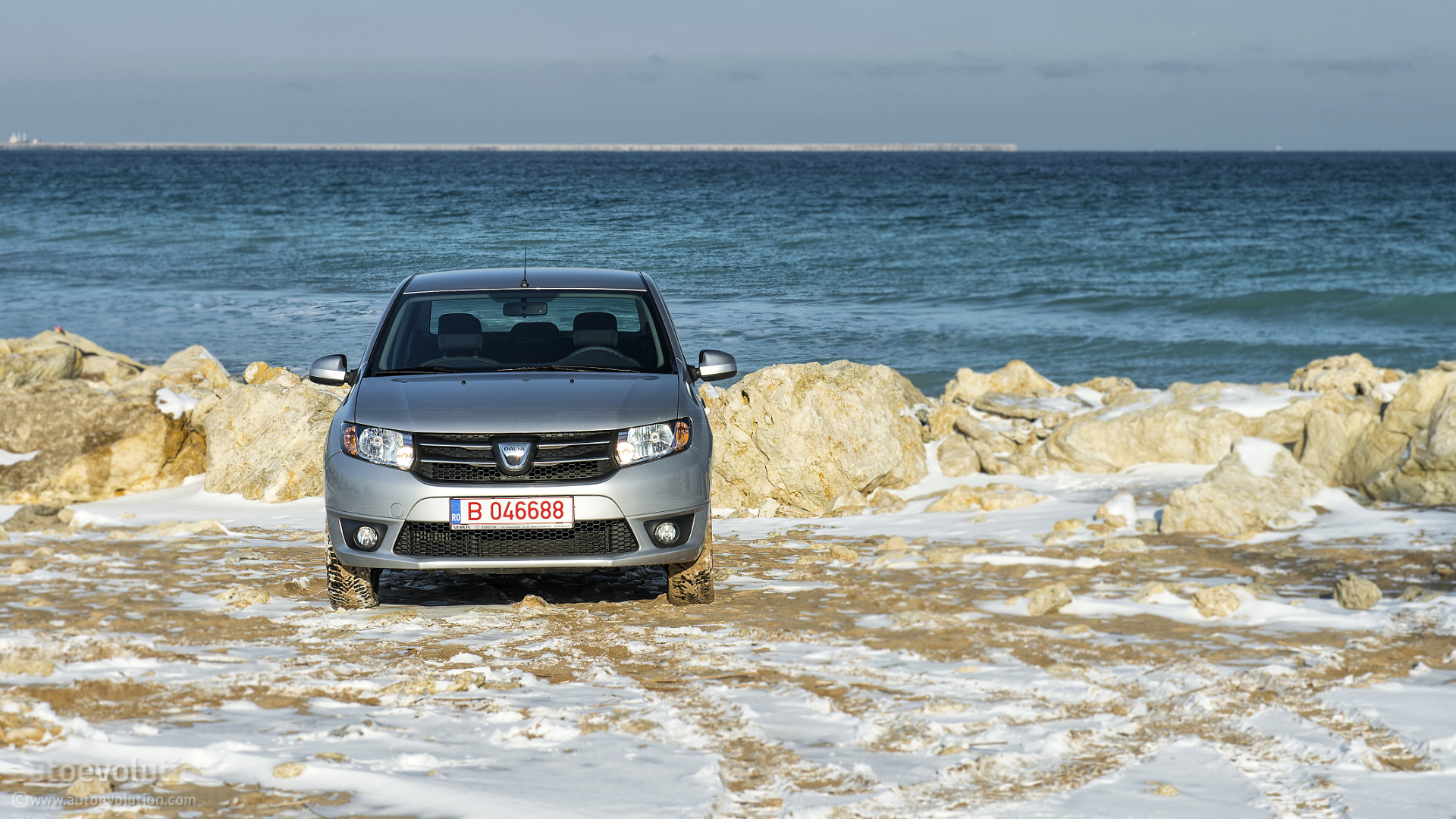
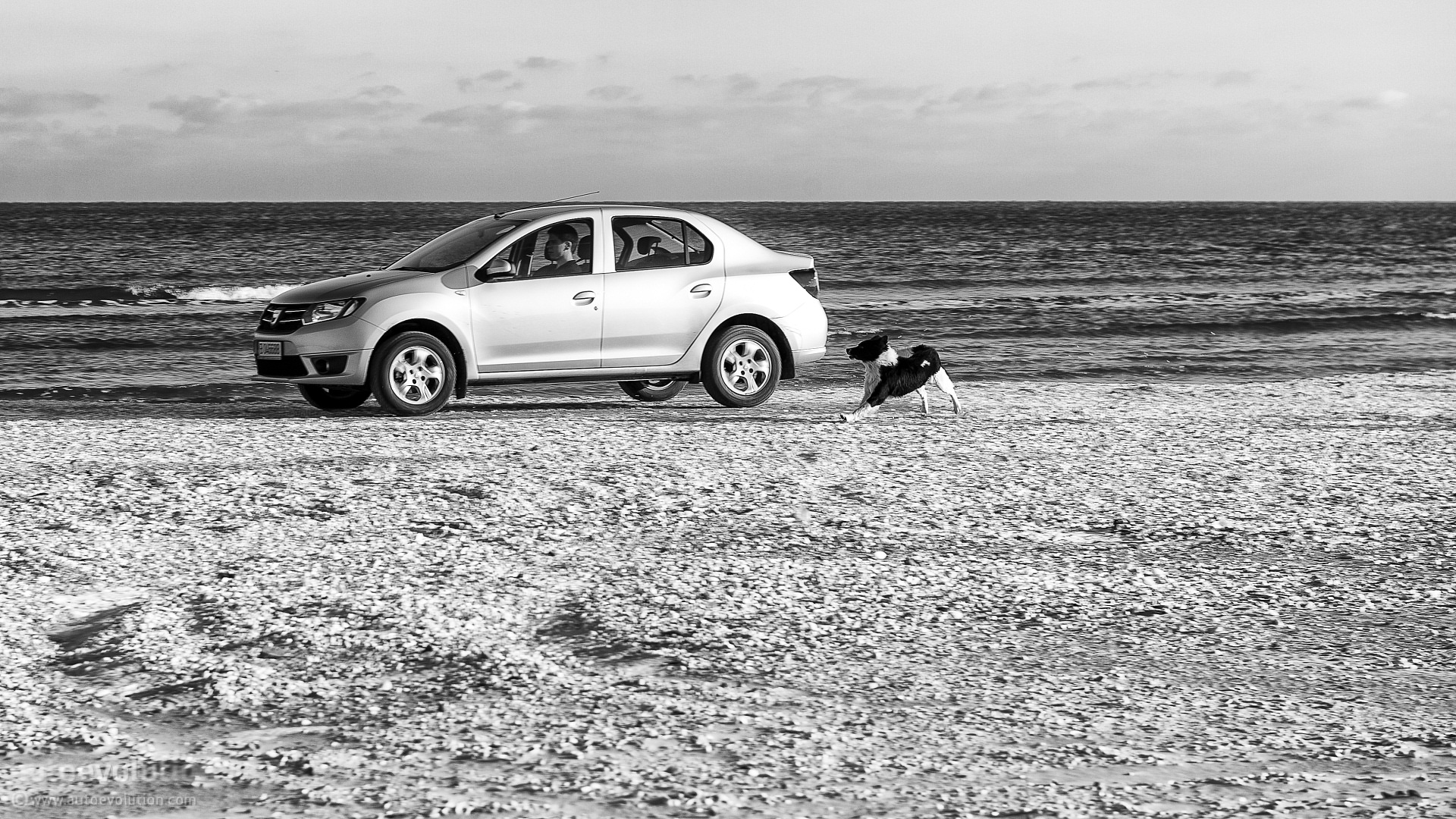
At high speeds everything seems to run smoothly, as the ESP, which can’t be put to sleep, is intrusive - a brilliant setup for such a vehicle. On sand or snow the system does allow a certain freedom of movement, but its ever-present nature can bring trouble when you’re stuck and trying to free the car.
The Logan can be used for long trips, thanks to the comfortable suspension and extra-generous interior space. The soundproofing is not the best, allowing some of the road and wind noise to enter the cabin, but this doesn’t become disturbing.
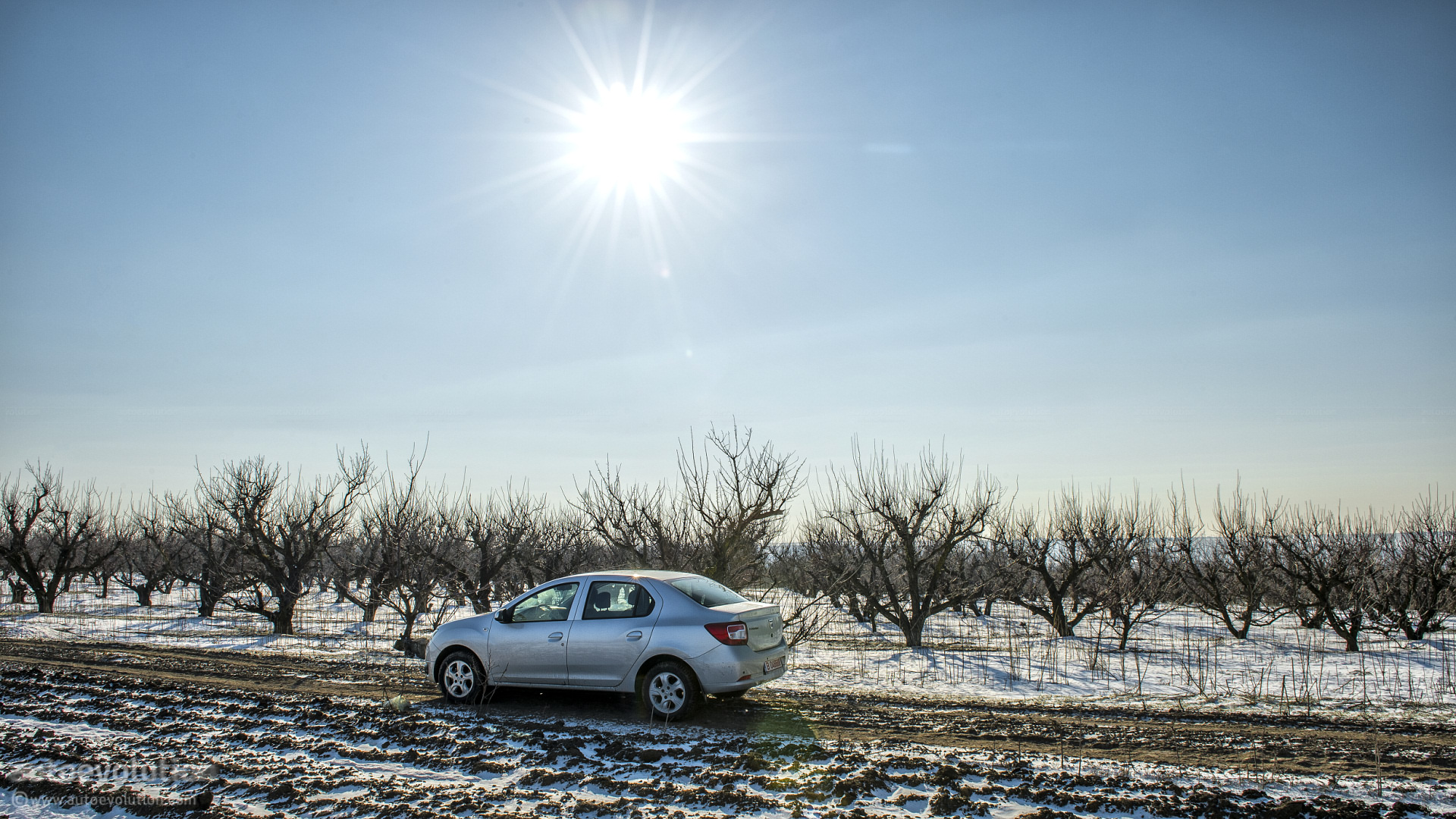
One of the most important assets of the first Logan was its robustness. The new one offers the same solid feeling on difficult roads, which can be easily tackled thanks to the 155 mm (6.1-inch) ground clearance. The same can’t be said about the TCe engine, which has lost some of the durability feel in this kind of situations. This is an inevitable trade-off and comes due to its technical complexity compared to the naturally-aspirated units of the previous model.
12
Our DACIA Testdrives:
Photo gallery (98)
![DACIA Logan]()
![DACIA Logan TCe fuel efficiency run in city]()
![DACIA Logan]()
![DACIA Logan TCe city driving]()
![DACIA Logan 0.9 TCe city driving]()
![DACIA Logan 0.9 TCe in city]()
![DACIA Logan TCe in city]()
![DACIA Logan city driving]()
![DACIA Logan alloy wheels - front]()
![DACIA Logan 15-inch alloy wheels]()
![DACIA Logan fuel filler cap]()
![DACIA Logan front door panel]()
![DACIA Logan door entry sill]()
![DACIA Logan interior space]()
![DACIA Logan interior - rear]()
![DACIA Logan rear seats]()
![DACIA Logan front passenger seat]()
![DACIA Logan]()
![DACIA Logan interior]()
![DACIA Logan height-adjustable driver's seat]()
![DACIA Logan front seats]()
![DACIA Logan side airbag]()
![DACIA Logan electric mirror control]()
![DACIA Logan turn signal control]()
![DACIA Logan passenger front airbag]()
![DACIA Logan interior space - rear]()
![DACIA Logan interior space]()
![DACIA Logan interior]()
![DACIA Logan center console - satnav]()
![DACIA Logan air conditioning controls]()
![DACIA Logan gear shifter]()
![DACIA Logan handbrake]()
![DACIA Logan steering wheel]()
![DACIA Logan dashboard]()
![DACIA Logan rear bench]()
![DACIA Logan navi]()
![DACIA Logan touchscreen navigation system]()
![DACIA Logan Media Nav]()
![DACIA Logan dashboard instruments]()
![DACIA Logan audi system control on steering wheel column]()
![DACIA Logan TCe revving]()
![DACIA Logan interior rear-view mirror]()
![DACIA Logan sun visor]()
![DACIA Logan TCe engine]()
![DACIA Logan 0.9 TCe engine]()
![DACIA Logan door mirror]()
![DACIA Logan luggage compartment]()
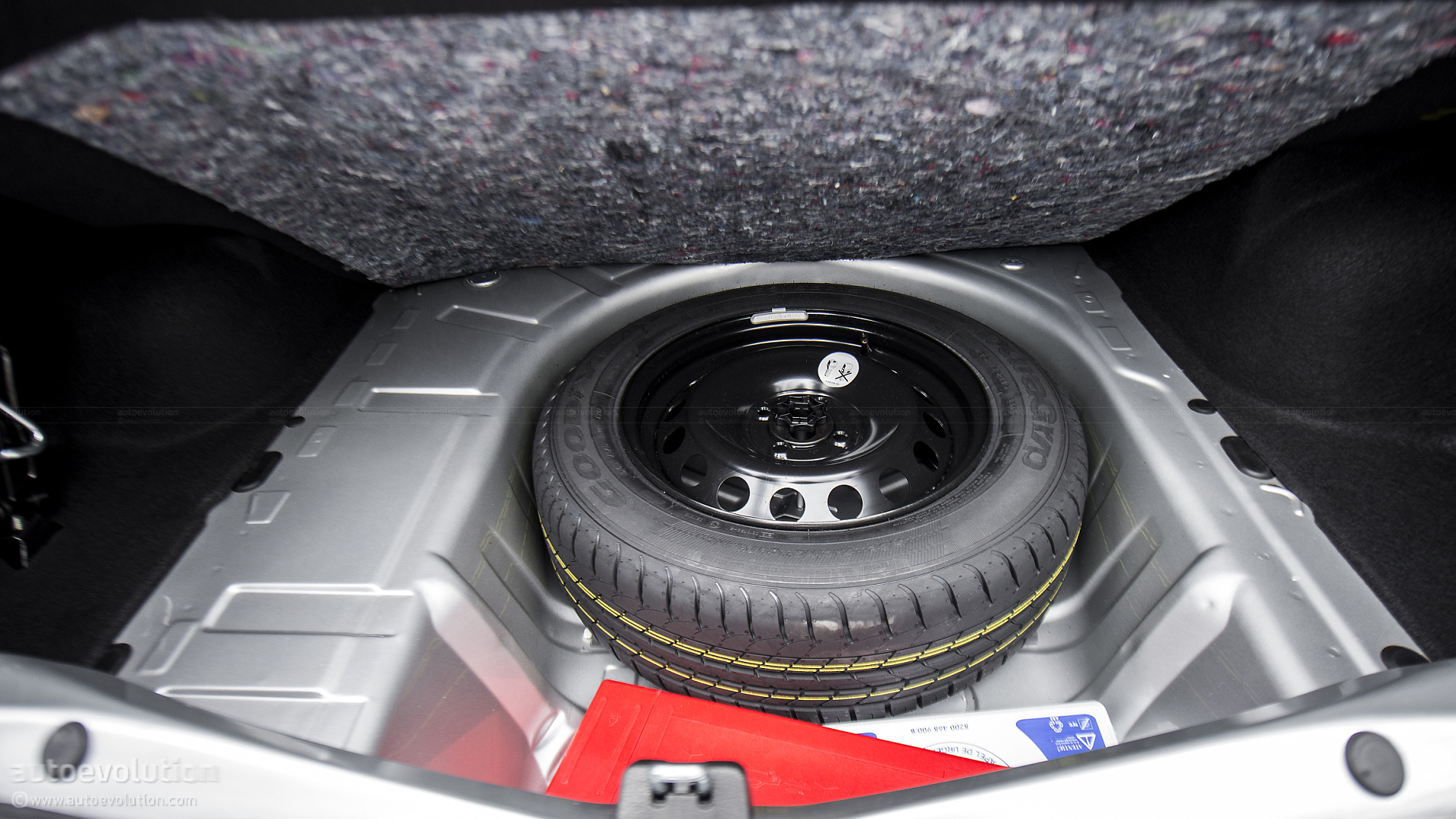
![DACIA Logan spare wheel]()
![DACIA Logan]()
![DACIA Logan]()
![DACIA Logan]()
![DACIA Logan]()
![DACIA Logan ESP demo]()
![DACIA Logan driving on snow]()
![DACIA Logan handbrake turn]()
![DACIA Logan ESP on snow]()
![DACIA Logan with ESP understeer]()
![DACIA Logan]()
![DACIA Logan 2 offroading]()
![DACIA Logan]()
![DACIA Logan driving on snow and ice]()
![DACIA Logan offroad driving]()
![DACIA Logan on the open road]()
![DACIA Logan TCe open road driving]()
![DACIA Logan at work]()
![DACIA Logan]()
![DACIA Logan rally style driving]()
![DACIA Logan rear details]()
![DACIA Logan bootlid lock]()
![DACIA Logan profile]()
![DACIA Logan front details]()
![DACIA Logan]()
![DACIA Logan - dacia badge]()
![DACIA Logan closeup]()
![DACIA Logan on sand]()
![DACIA Logan]()
![DACIA Logan at the seaside]()
![DACIA Logan on the beach]()
![DACIA Logan ESP in action]()
![DACIA Logan]()
![DACIA Logan in city traffic at night]()
![DACIA Logan 2 in city traffic at night]()
![DACIA Logan 2 at night]()
![DACIA Logan in city - night time photography]()
![DACIA Logan]()
![DACIA Logan headlights in action]()
![DACIA Logan 2 at night]()
![DACIA Logan profile at night]()
![DACIA Logan]()