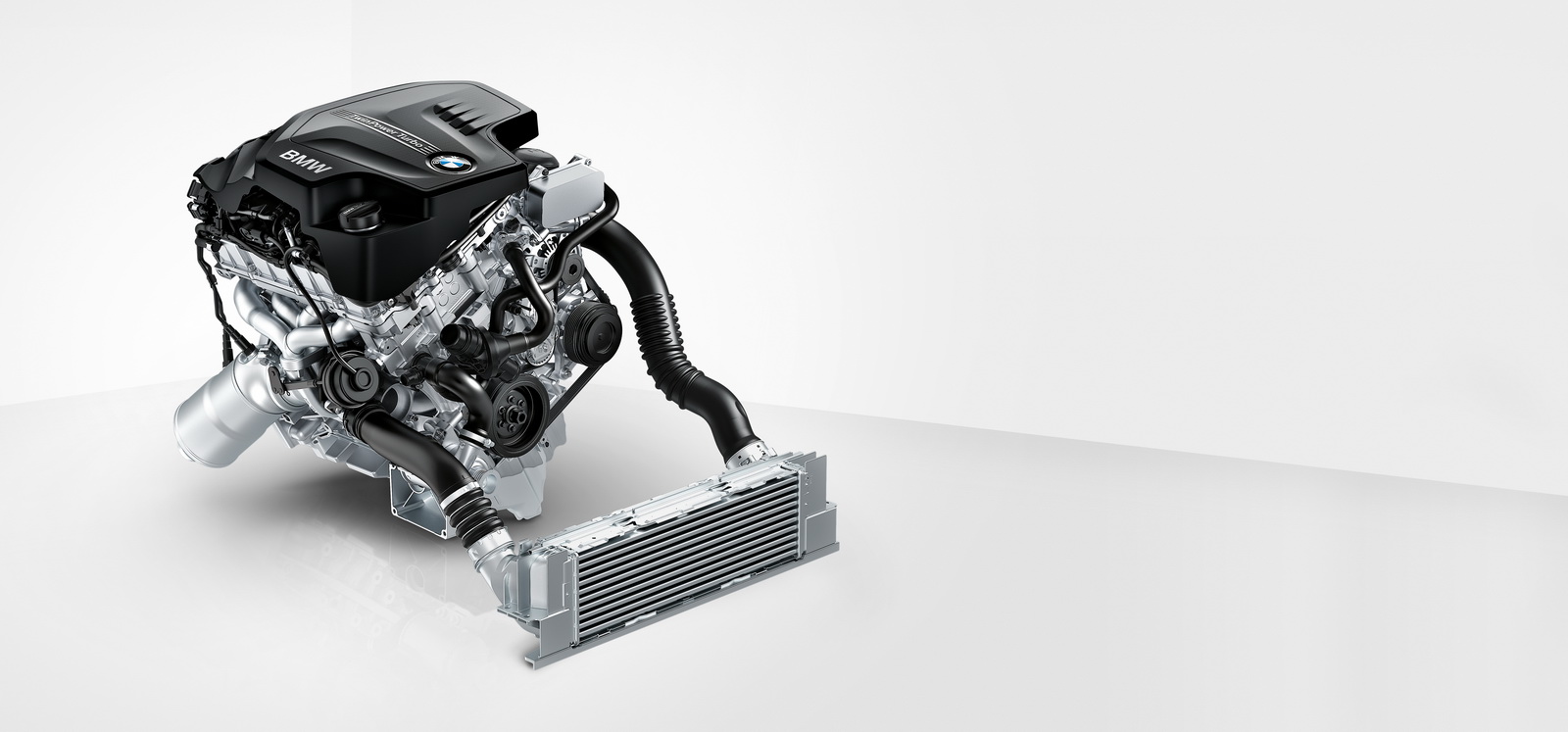
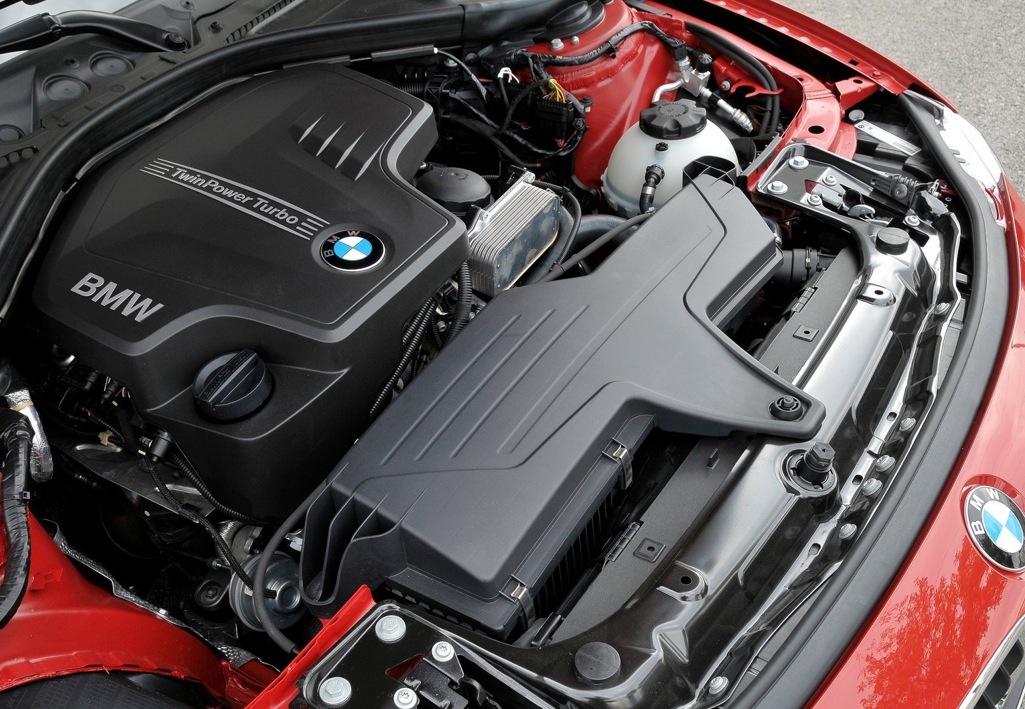
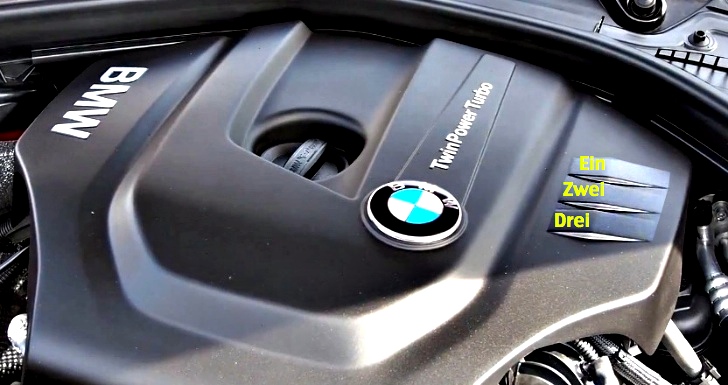
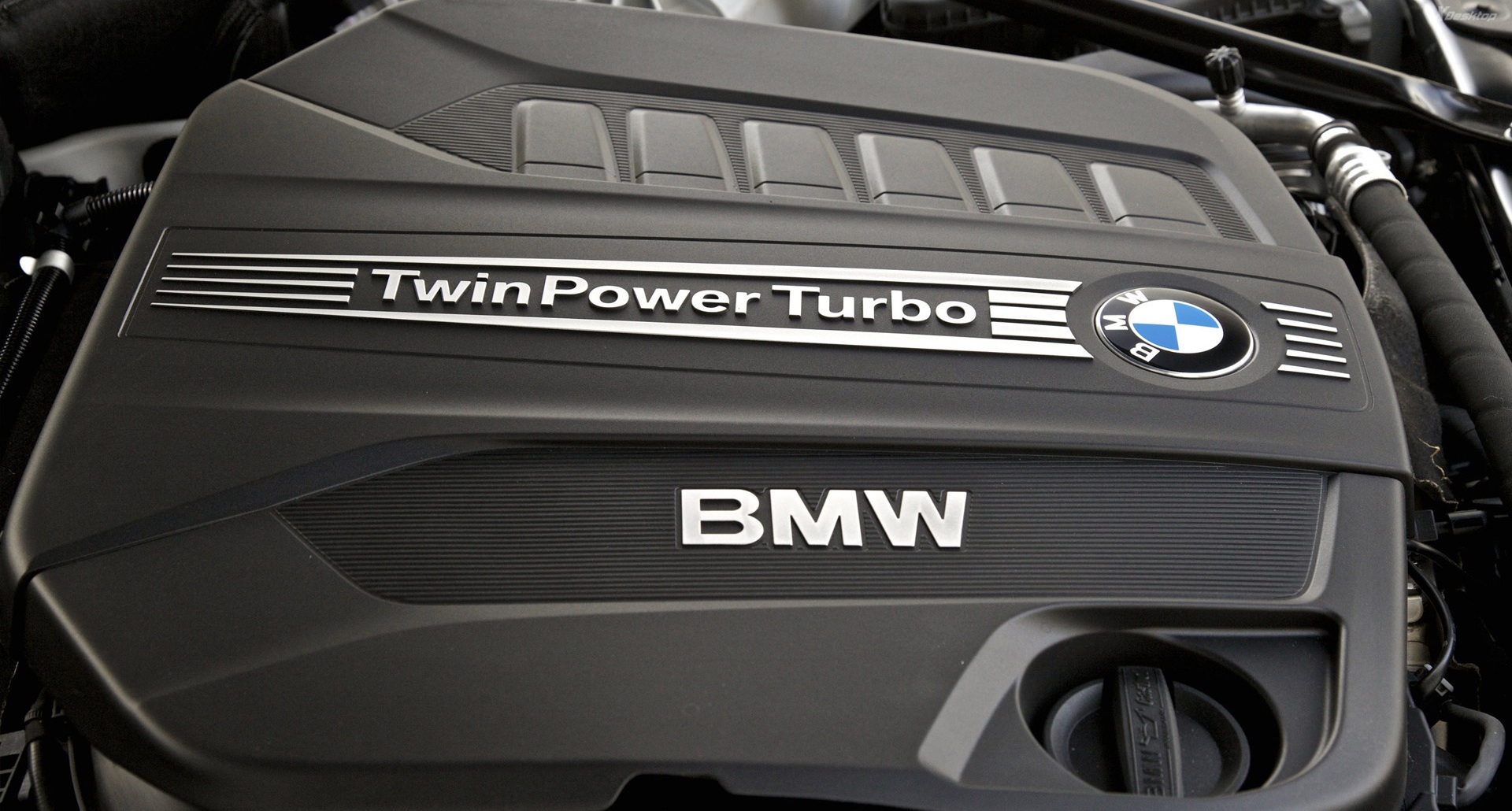
From the base 1 Series to the supercar-fast M5 sports sedan, BMW always seems to defy the laws of the automotive logic, with cars that are faster (at least on paper) than people would expect is possible with a particular output. Many if not all those BMW engines seem to run on witchcraft, yet when you open the hood there aren’t any ancient Germanic black magic runes, as you’re instead greeted by the message “TwinPower Turbo”.
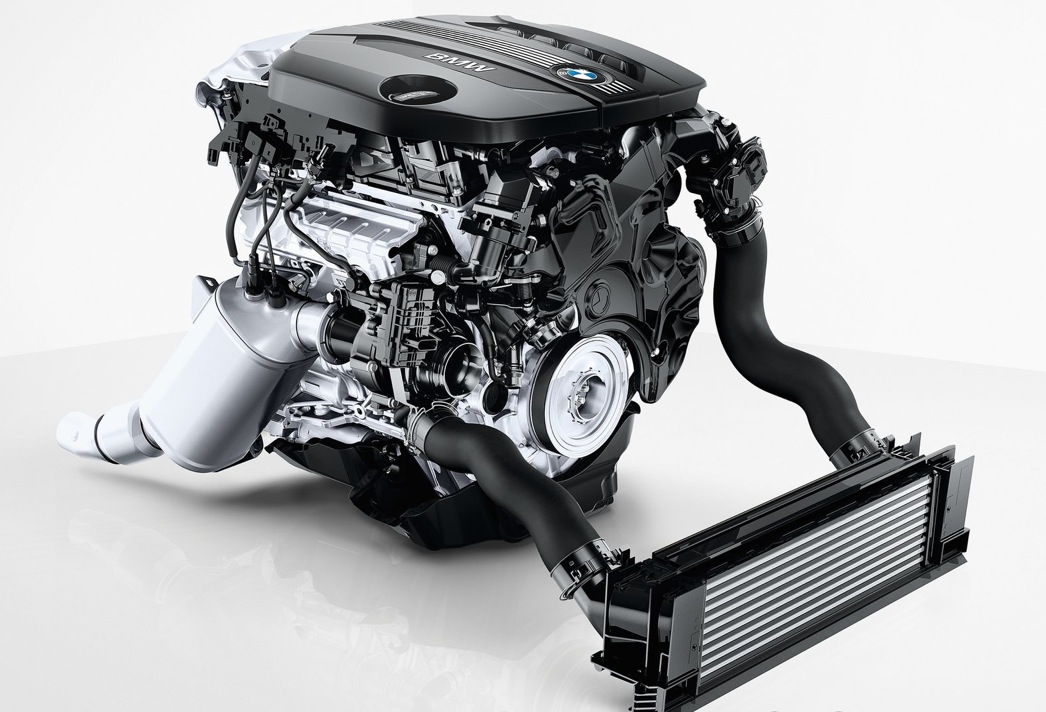
BWM used to be the archenemy of turbocharging (and front-wheel-drive) but today, there really isn’t a Bavarian-engineered motor worth our time that doesn’t come with at least one turbo, though they also opened the way for performance diesels with their “M” tri-turbo and quad-turbo setups.
TwinPower plays an important role when it comes to efficient and dynamic BMW gasoline and diesel engines. But what is TwinPower Turbo in reality and what does it have to offer to the automotive world?
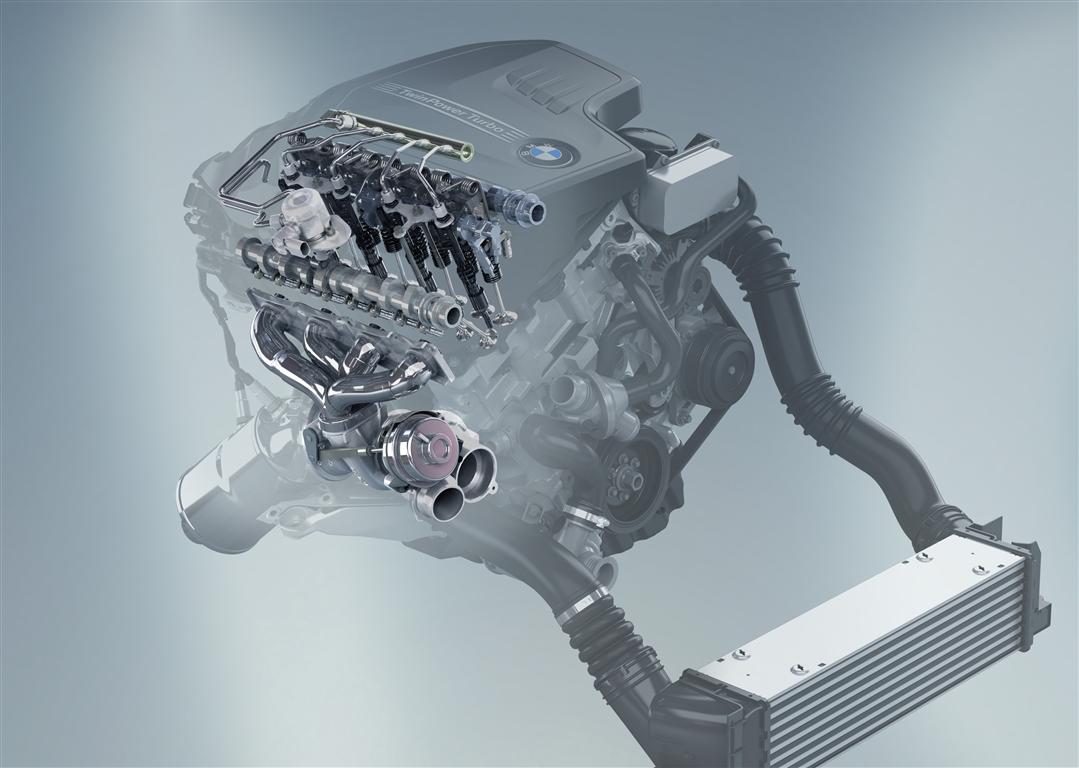
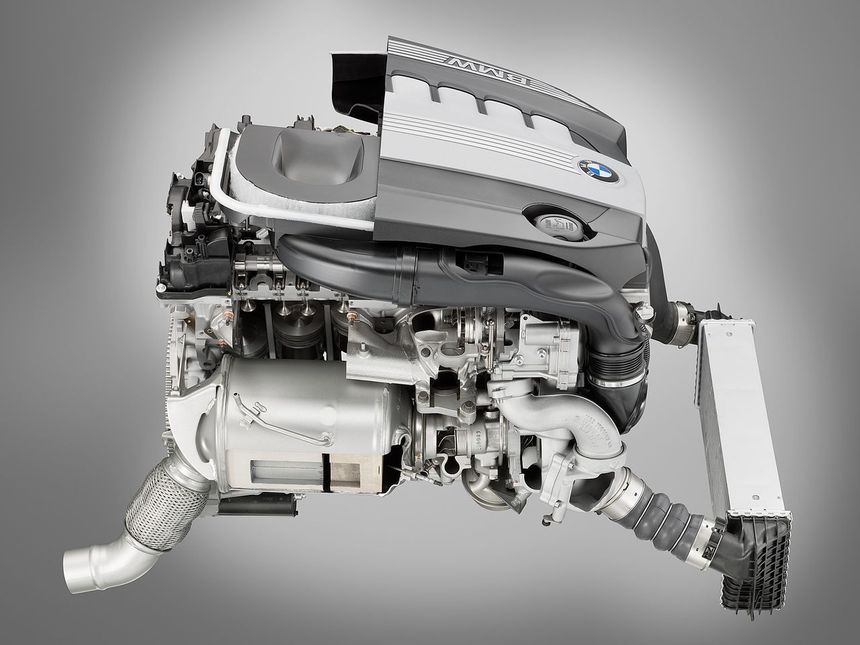
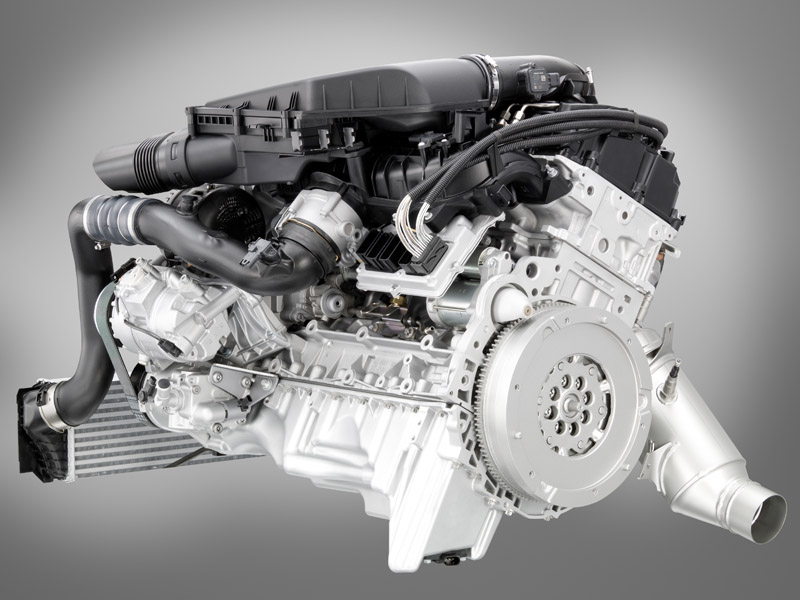
When it comes to gasoline engines, TwinPower Turbo has three components that apply to anything from three- to twelve-cylinder engines: valvetronic, direct fuel injection and turbocharging. Meanwhile, turbodiesels use common rail injection.
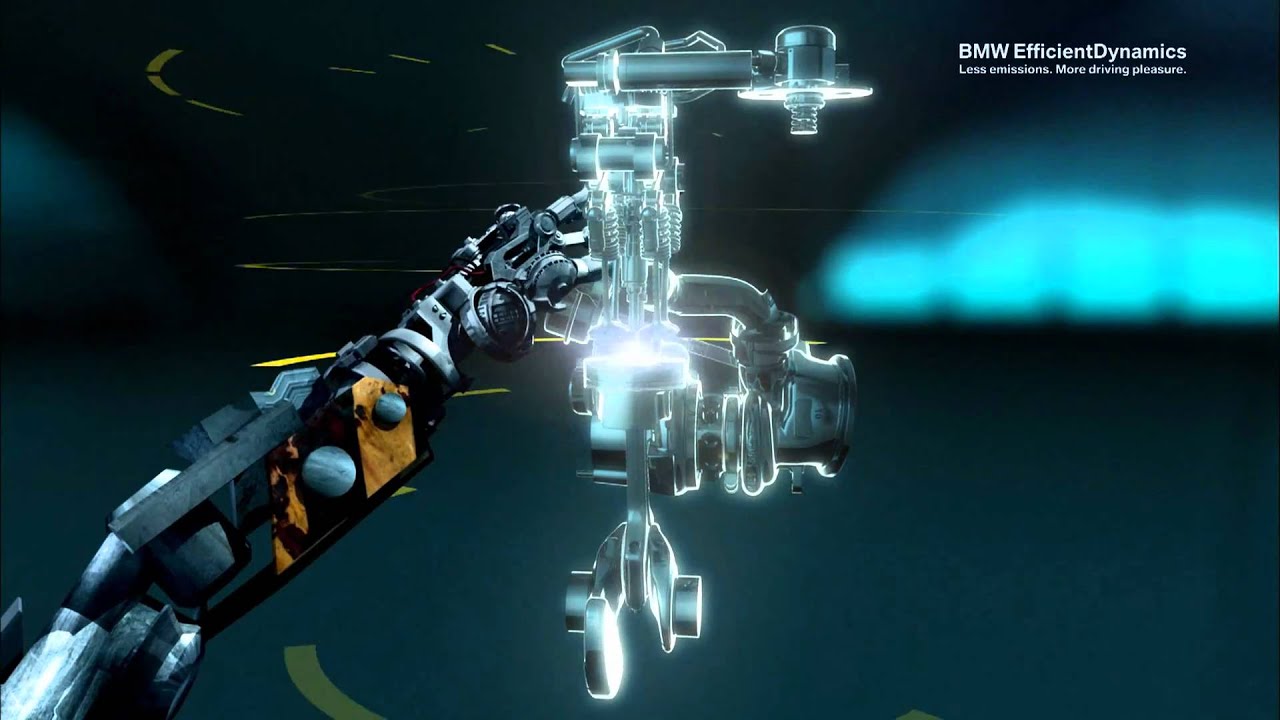
Valvetronic, which stands for variable valve and electronic, is a BMW developed technology that allows to optimize consumption by adjusting the valve lift. The automaker says this technology will singlehandedly reduce fuel consumption by 10 percent while also offering better response.
This mainstream name that people associate with BMWs actually hides behind it a potent technology. The engine’s computers offer continuous and precise control over variable intake valve lift. This key system means that when you press the gas pedal, the software system control how much the valves open instead of a regular intake system’s throttle plate.
The system uses another set of rockers that are controlled by an electronically operated camshaft. Because this system can adjust the valves from fully opened to almost closed, the engine doesn’t need to rev as much to increase the load.
Valvetronic was first introduced in 2001 on the 316ti 3 Series model and was primarily used on mass market naturally aspirated motors, like the N42 straight-4 and N52 straight-6. However, it was not used on the twin-turbo N54 straight-6. Instead, the single turbo N55 straight-6 that replaced it it in 2009 offering the same output and the N74 twin-turbo V12 in the top 7-Series were made the switch to Valvetronic. After that, the technology was of course not only in BMW’s big cars, but also in the smaller turbo engines offered on the 1 Series.
BMW uses the name High Precision Injection for its direct injection system with central multi-hole injectors, which gradually replaced port injection systems in the 2000s. Both naturally aspirated and turbocharged BMW engines used piezo injectors. However, BMW’s new N55 six-cylinder turbo engine that has been in use since 2010 in models like the 335i, 535i, X3, X5 and X5 use a solenoid-type injection system developed by Bosch. This system was most likely chosen in order to keep the cars competitively priced (cheap) in the U.S.
The name “TwinPower Turbo” has confused many people as to what lies under the hoods of their BMWs. That’s because the name describes both single and twin-turbo engines, despite of what the name might suggest.
There was even a class-action lawsuit against BMW for confusing so many people. Calling the TwinPower Turbo a "false twin," the BMW lawsuit said that the Bavarians are guilty of false advertising in attempting to use the word "twin" in the name when the engines only use a single turbo.
TwinPower Turbo originally appeared on twin-scroll, single turbo (launched on the 5 Series Gran Turismo in 2009, followed by E90 335i, 135i, X3 and X5 in 2010) engines starting with the N55 (six-cylinder single turbo replacement for twin-turbo N54) and N74 (6-liter V12 twin-turbo in the 760i and 750Li) in 2009. Twin-scroll turbocharging is basically the core technology for TwinPower Turbo BMWs, but not all them have it nowadays.
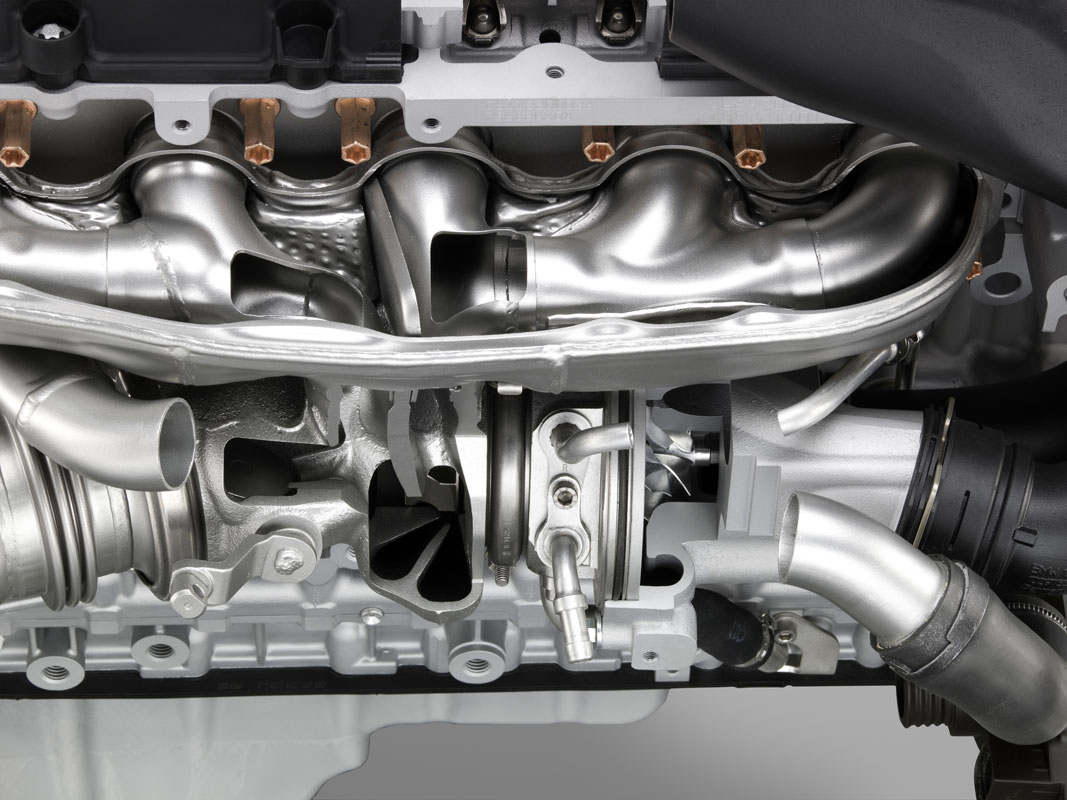
The twin-scroll design starts with an exhaust manifold that separates the exhaust gasses that can interfere with one another, as the gasses flow two through different spirals called “scrolls”. The turbo has two nozzles with different nozzles, one smaller and sharper for better low-end response and another larger and less angled one that comes in at high output requirements. BMW calls its special exhaust manifold Cylinder-bank Comprehensive Manifold or CCM for short.
As we mentioned above, modern BMW TwinPower engines don't necessarily use twin-scroll turbochargers, but they do have a distinct exhaust manifold that catches more exhaust pulses to feed the turbo and thus create more power with less lag.
Three-Cylinder Revolution: B37 and B38 TwinPower Turbo Gasoline and Diesel
A revolution is coming our way from BMW: three-cylinder engines, both gasoline and diesel that can rival much bigger ones. These are built under the modular engine strategy all using the same 500cc cylinders and offer TwinPower Turbo technology in outputs from 120 to 220 horsepower.
Right now, we know that the diesel was codenamed B37 and the gasoline B38, though what their variants and specific outputs are we don’t really know yet. Their first applications are in the i8 hybrid sportscar and more importantly the FWD 1 Series and the MINI family. They are already used by the RWD 1 Series and 3 Series in the lower part of the range.
The Best Four-Banger Turbos in the World
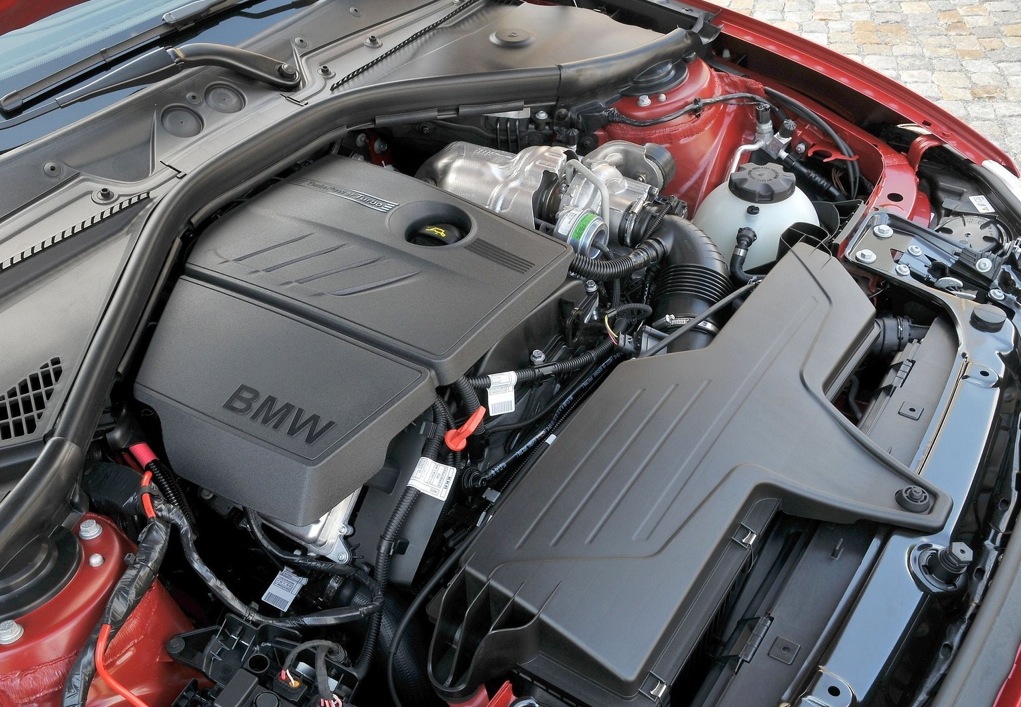
Let’s start things off small, shall we? In 2004, production started for the a straight-4 engine, co-developed with PSA Peugeot Citroen. As a MINI, we know this turbo motor from the Cooper S and JCW, but in 2011, BMW had need of its abilities and came up with the N13 design, which had a different oil filter housing that allowed it to be fitted longitudinally in the RWD 1 Series. The engine was fitted to models like the 101 hp 114i, the 134 hp 116i or the 170 hp 118i model.
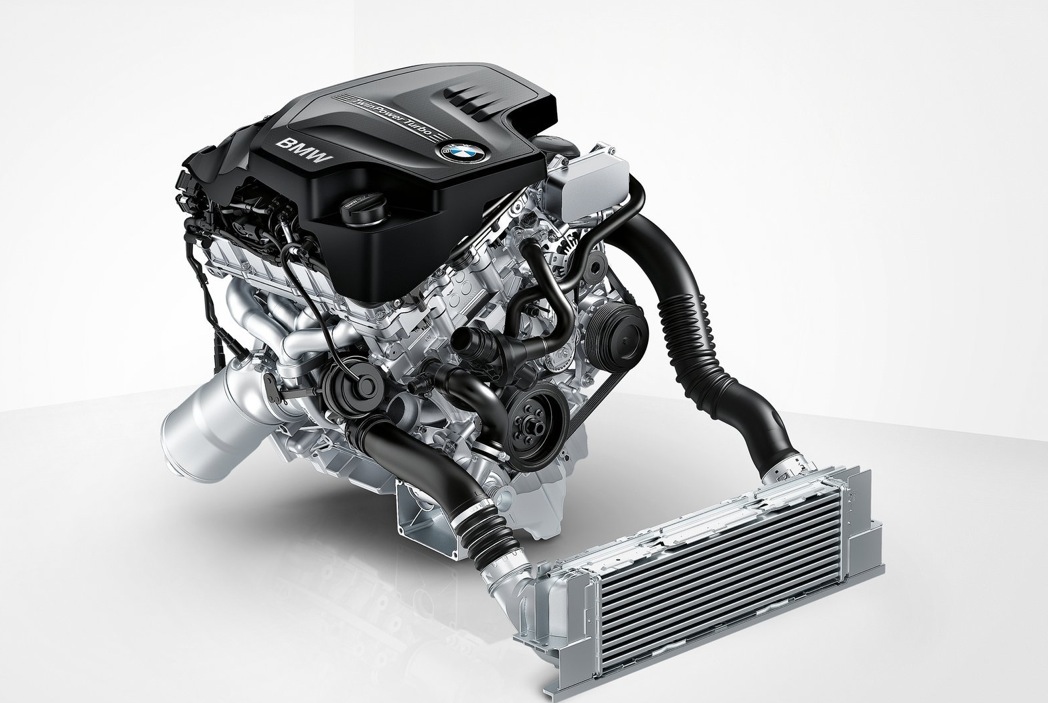
Perhaps the most important engine for BMW right now is the so-called N20, a 2.0-liter turbocharged straight-four that also has “TwinPower Turbo” written on its engine cover. This motor has replaced the naturally aspirated straight-6 in “20i” and “28i” BMWs, and is a viable and very efficient alternative.
The N20 displaces 1,997cc and has two stages of output, depending on the model you buy. The 184 PS version is the least powerful and is available on the current X1 and xDrive20i, the F30 320i, 520i and base Z4 sDrive20i. Meanwhile, the top version of this 2.0-liter TwinPower engine makes 245 PS and is used by the F30 328i, 528i as well as the X1, X3 and Z4 models with similar sounding names.
Straight-6 TwinPower Turbo: N55
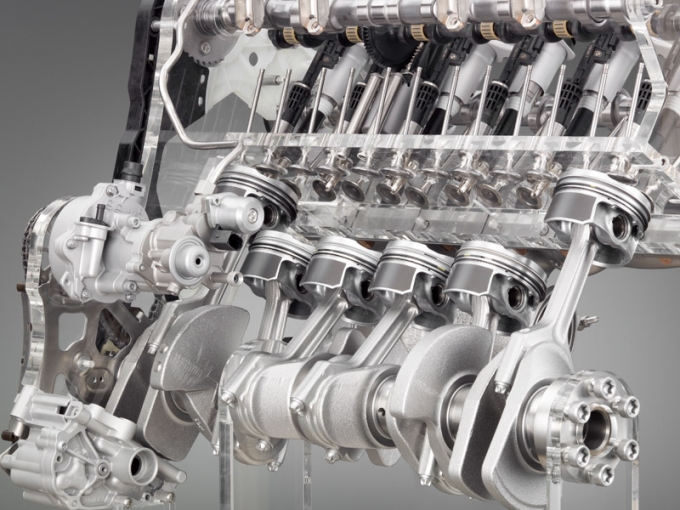
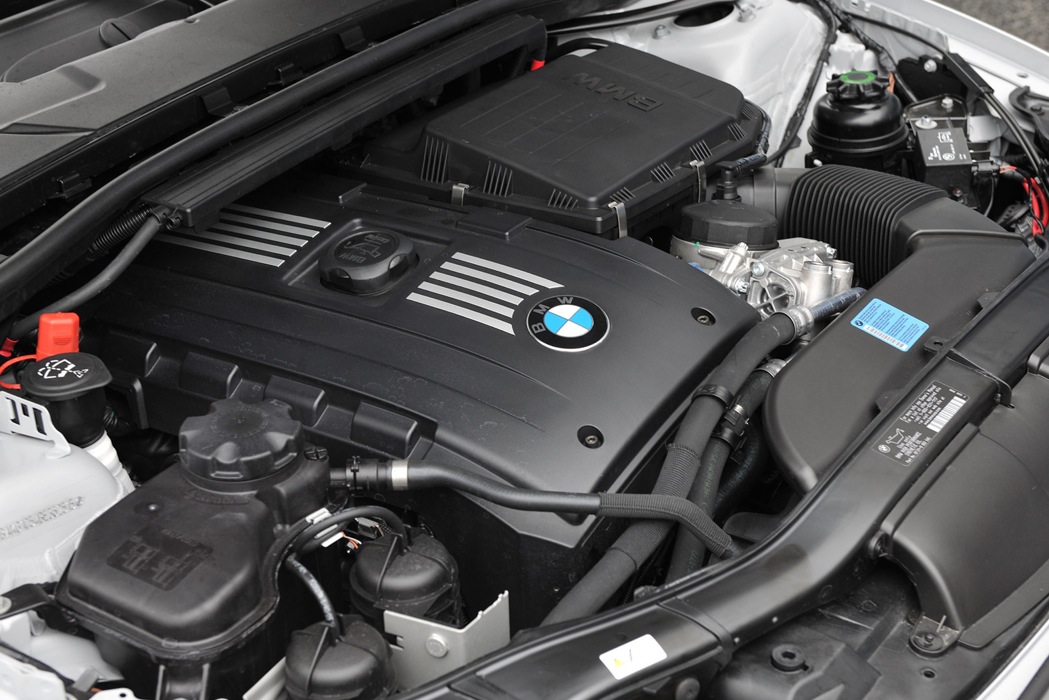
When you add TwinPower Turbo technology to a straight-six engine, the advantages really become obvious. The N55 twin-scroll engine replaced the more expensive twin-turbo setup of the N54 back in 2009. But both engines pretty much offer the same sort of advantages. Comparable output to BMW’s own 4.0-liter V8 is achieved, with a lighter block and more low-end torque, even more tan that found in the E92 M3’s high-powered S65 V8.
The basic N55 makes 302 hp (305 PS) and 300 lb-ft (400 Nm) of torque. It’s available in cars like the 335i, 135i and all the SUV models. There’s an even more power version called the N55HP, which makes 315 hp (320 PS) and 330 lb-ft (450 Nm) of torque, used by high-end models like the 640i, 740i and even the sporty M140i hyper hatchback.
The engine made its debut with the 5 Series GT in 2009. Equipped with this upgraded version of the six-cylinder, the BMW 535i Gran Turismo is said to be able to accelerate from a standstill to 100 km/h (62 mh) in 6.3 seconds, with a top speed limited to 250 km/h (155 mph). In terms of fuel economy/autonomy, BMW's 535i GT sits at 8.9 liters/100 kilometers or 31.7 mpg, while CO2 ratings climb at 209 grams per kilometer.
Mihnea's favorite cars have already been built, the so-called modern classics from the '80s and '90s. He also loves local car culture from all over the world, so don't be surprised to see him getting excited about weird Japanese imports, low-rider VWs out of Germany, replicas from Russia or LS swaps down in Florida. Full profile
Would you like AUTOEVOLUTION to send you notifications?





 Google News