VOLKSWAGEN Caddy Review
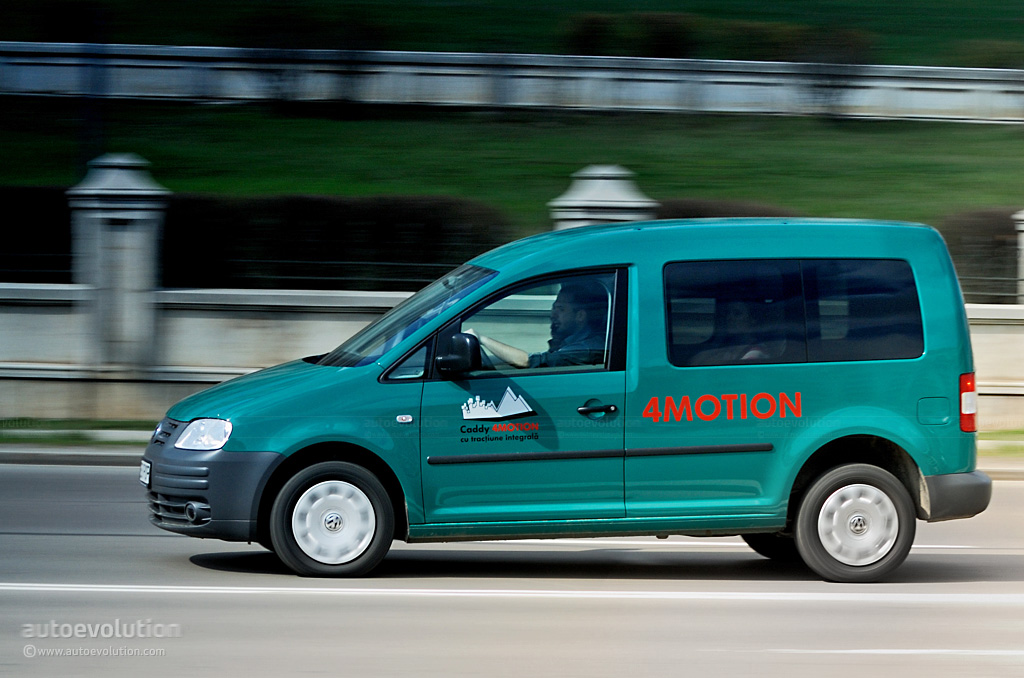
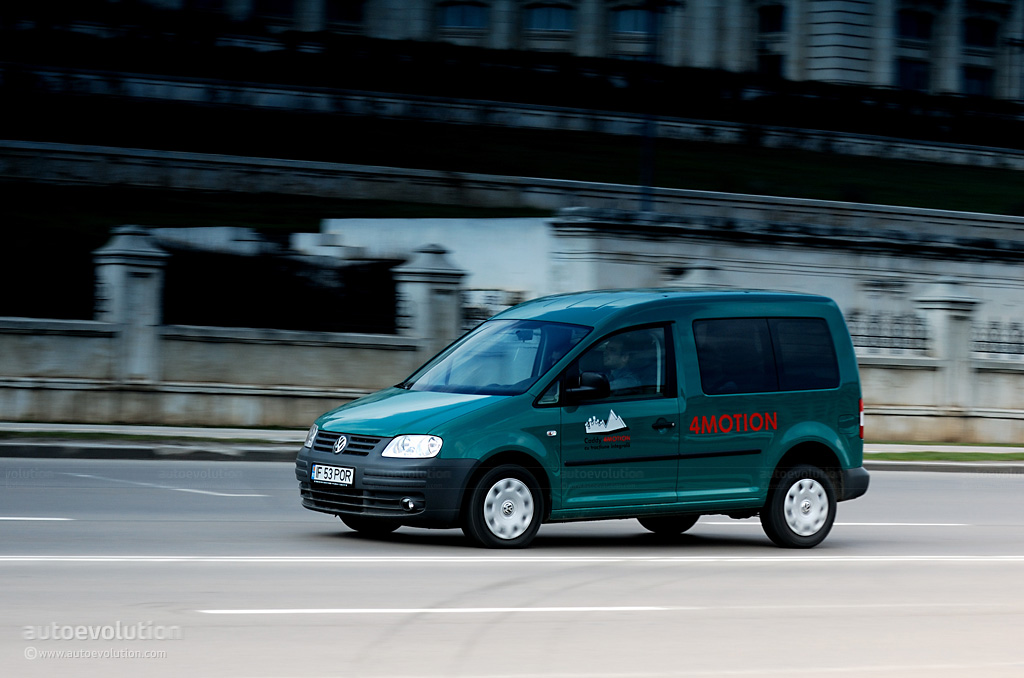
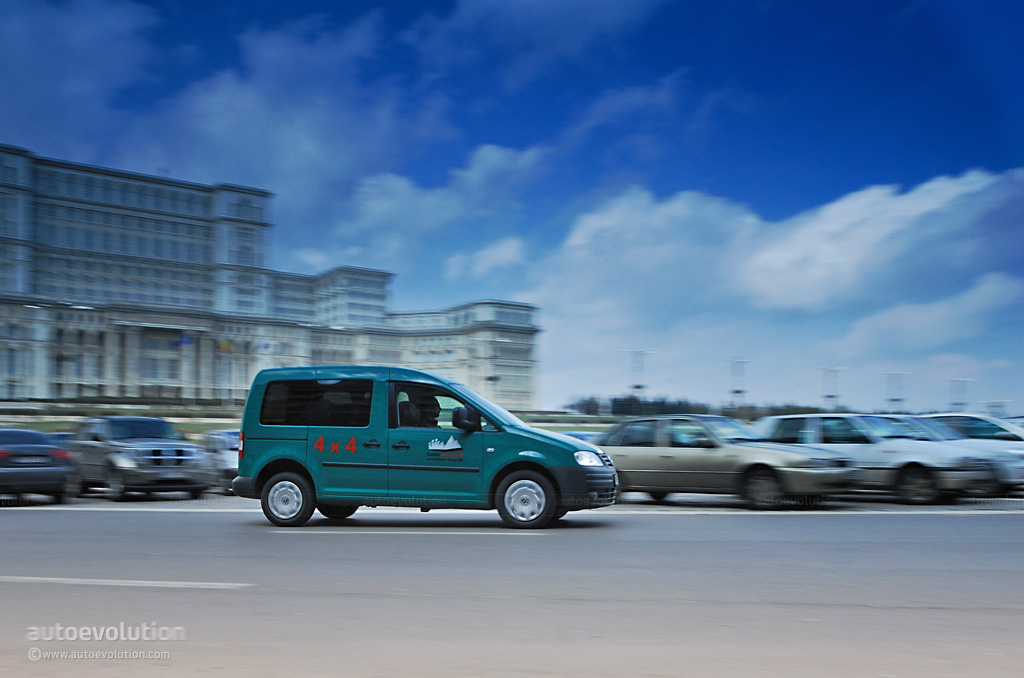
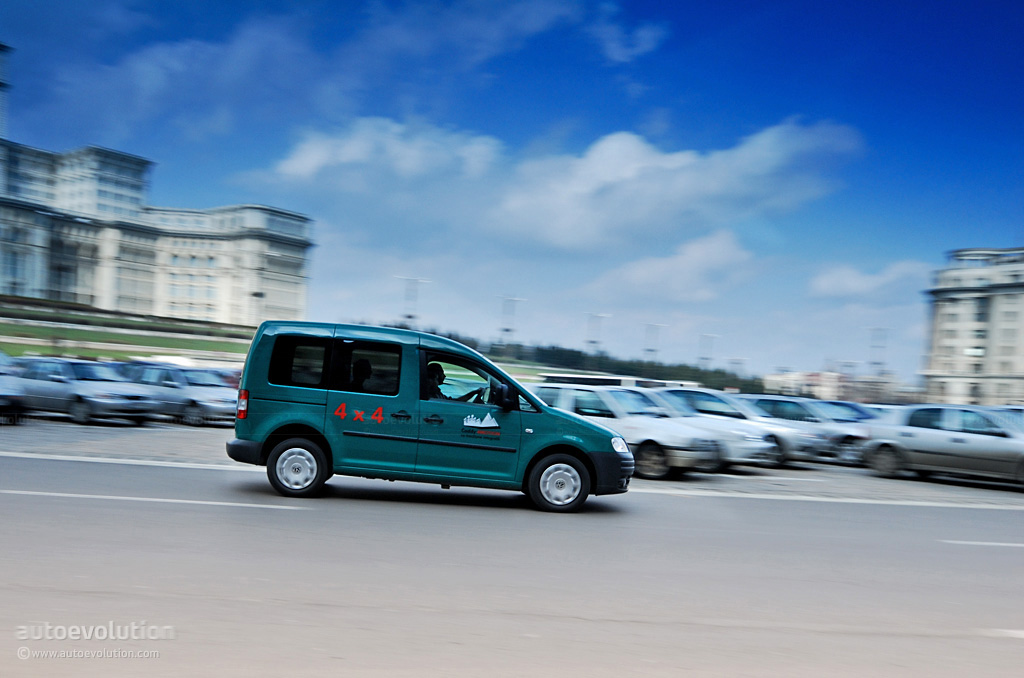
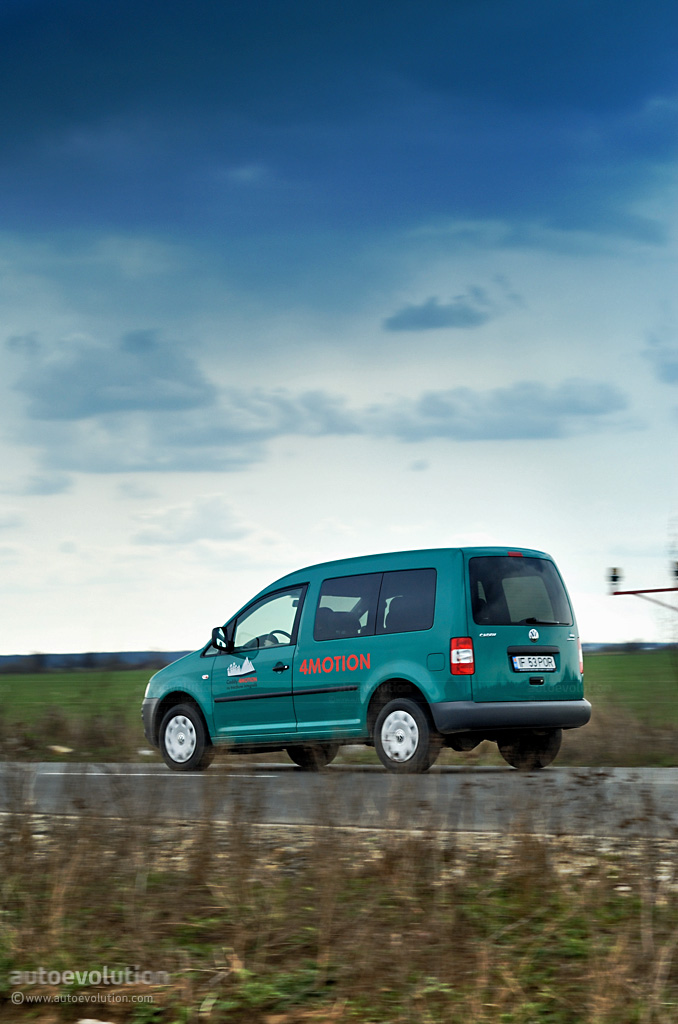
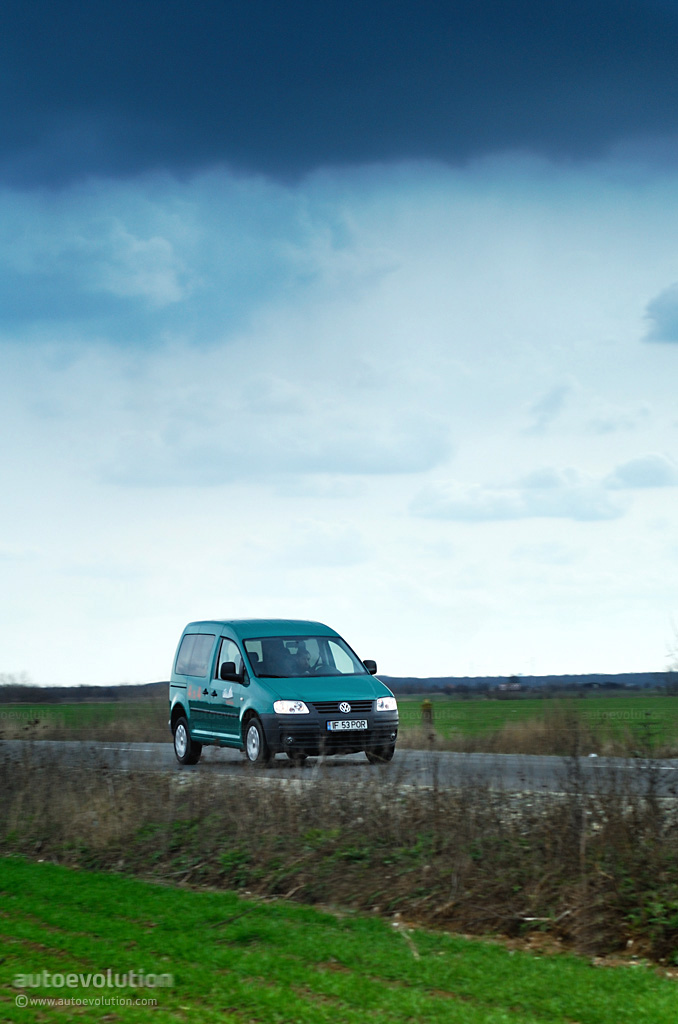
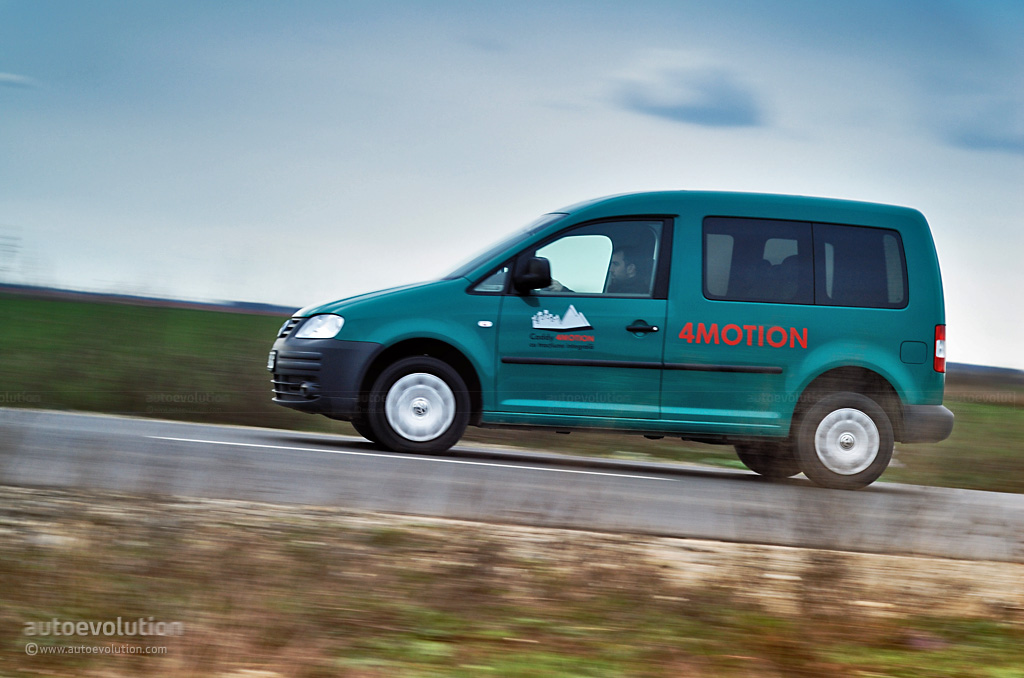
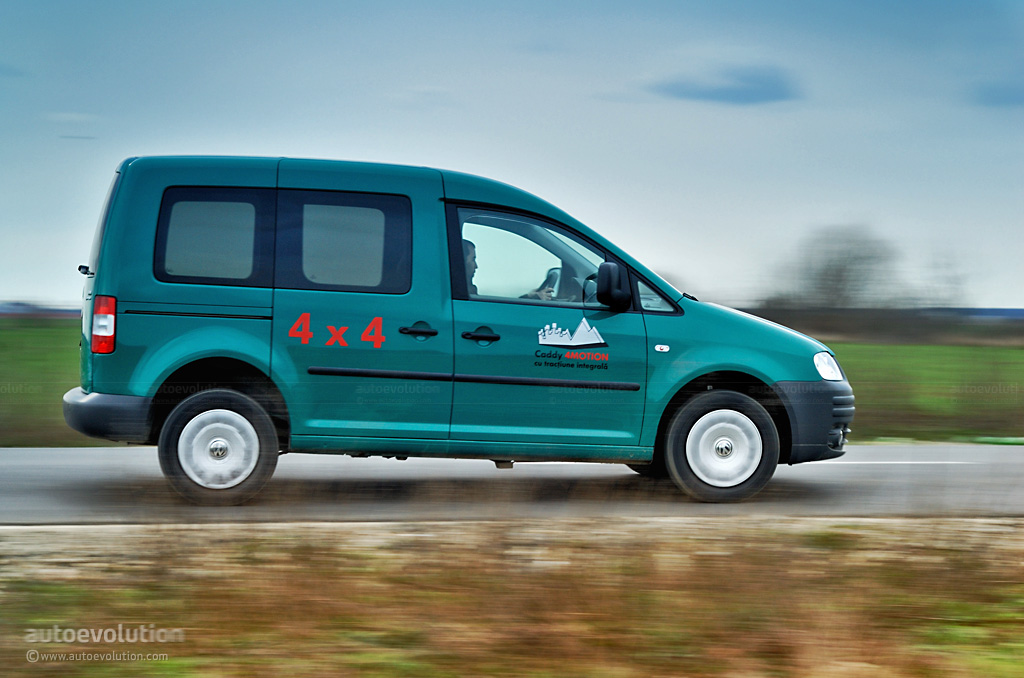
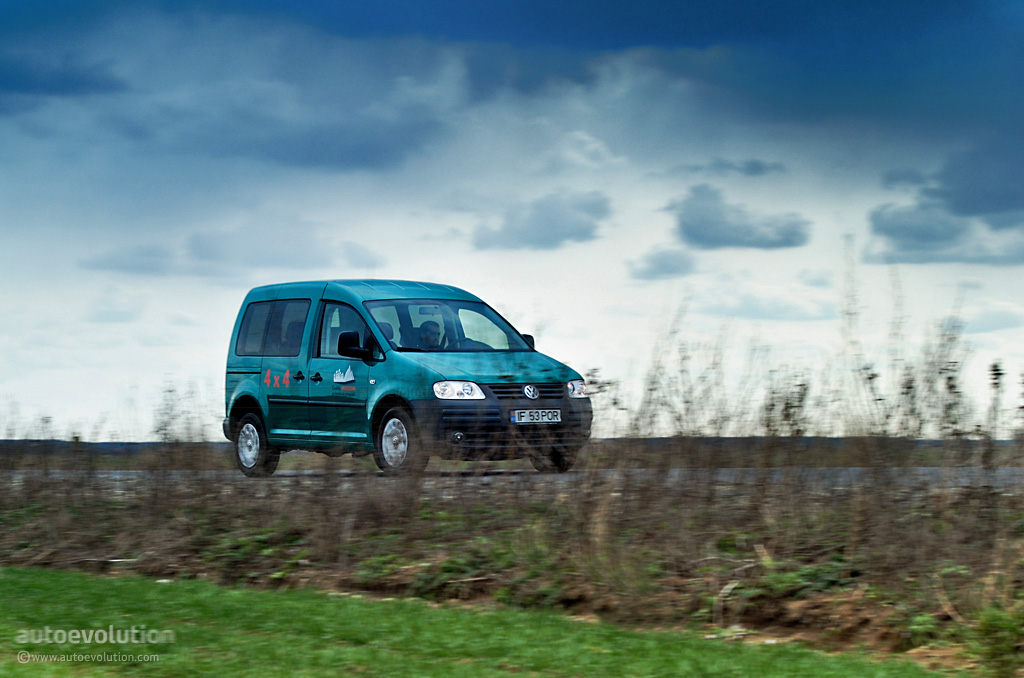
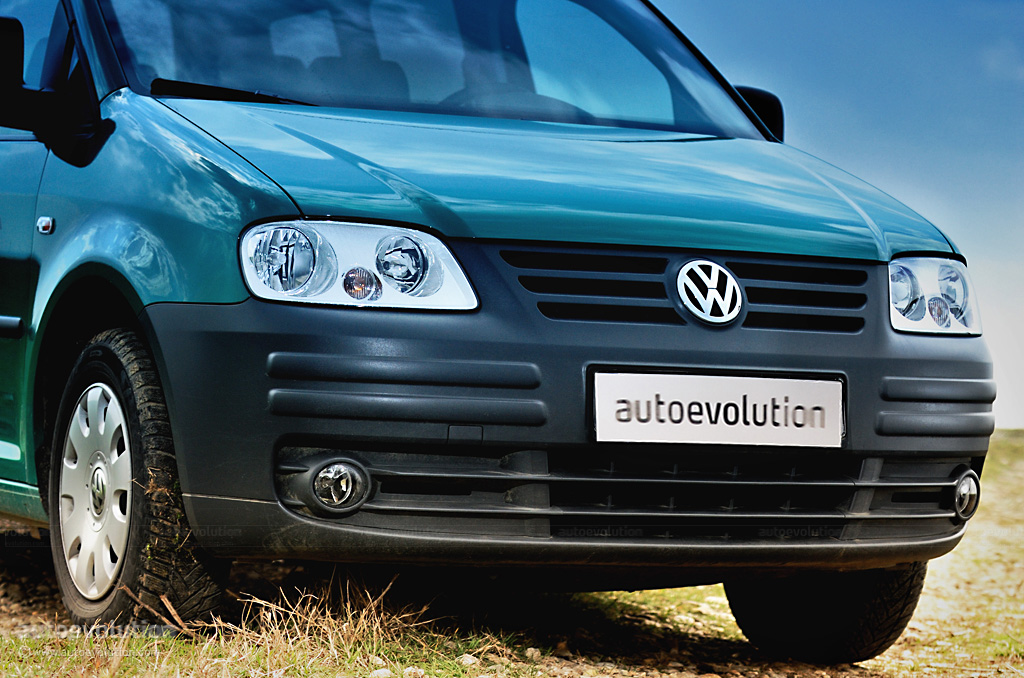
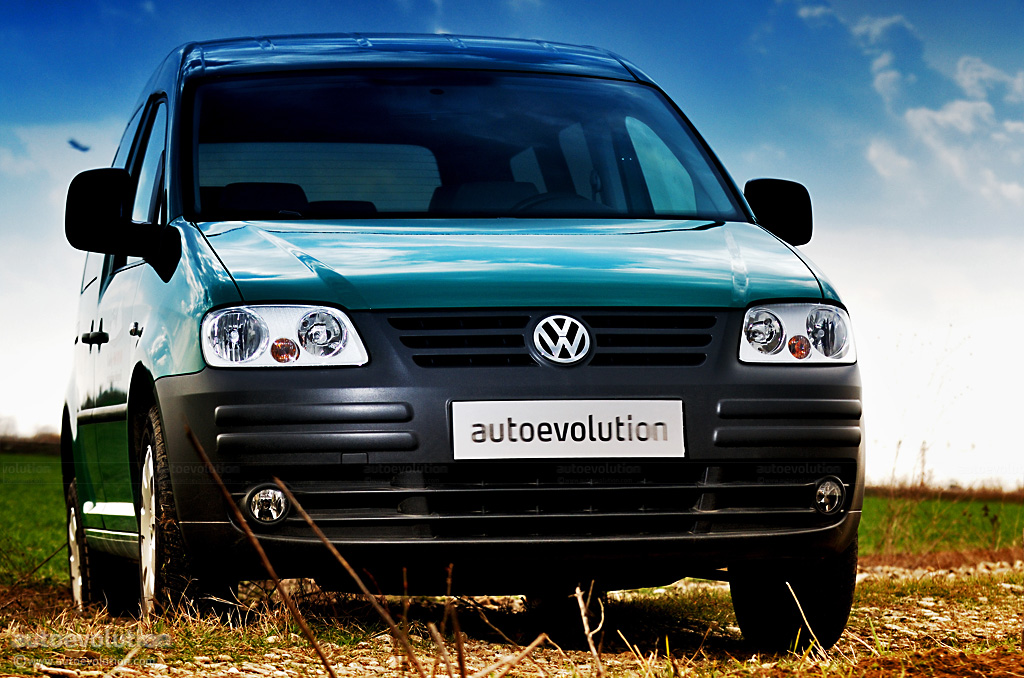
OUR TEST CAR: VOLKSWAGEN Caddy Kombi 1.9 TDI 4Motion

Enfolding on the US public’s needs, the New Stanton plant in Pennsylvania introduced the pick-up truck variant of the Rabbit two years later. The new model was based on the same A1 platform as the MK1 Rabbit and would be later known in Europe as the Volkswagen Caddy. The first 3 years of production – in the US – were not controversy free, as the North American factory chose to use cheap materials for interior trims and decided to soften the suspensions in an effort to both reduce production costs and bring the pick-up truck to American-like demands.
The German representatives of Volkswagen decided to intervene immediately in the production process and the situation was rectified starting with the 1983 year model. It was in the same 1982 year that the Rabbit pickup made its debut on the European market, as the new Volkswagen Caddy. It continued to be produced and sold in the US as the Rabbit Pick-up, as the term “Caddy” could have been mistaken by the American public for the slang terms for Cadillac motor car division.
In Europe, the Caddy was based at Volkswagen’s plant TAS in Sarajevo, the capital of Bosnia & Herzegovina, until 1992. Of course, this was only the first of the four models that were to retain the Caddy badge through the upcoming decades. Following Volkswagen's taking over of Skoda and Seat in the upcoming decade, the Caddy was built on the platforms of Skoda Felicity Utility and Seat Ibiza, although the latter was mostly sold in Latin America.
Finally, the model appeared with a much-improved exterior and interior design during the 2003 RAI Commercial Vehicle Show in Amsterdam. The new generation Caddy, borrowing several modules from the Golf MK5 and Touran models, was introduced with an initial panel van body style. One year later, Volkswagem Comercial Vehicles decided to add a new body to its Caddy range, a 7-seat passenger version called Life (which later featured a Maxi version, presented during the 2007 Frankfurt Motor Show, benefiting from a longer wheelbase).
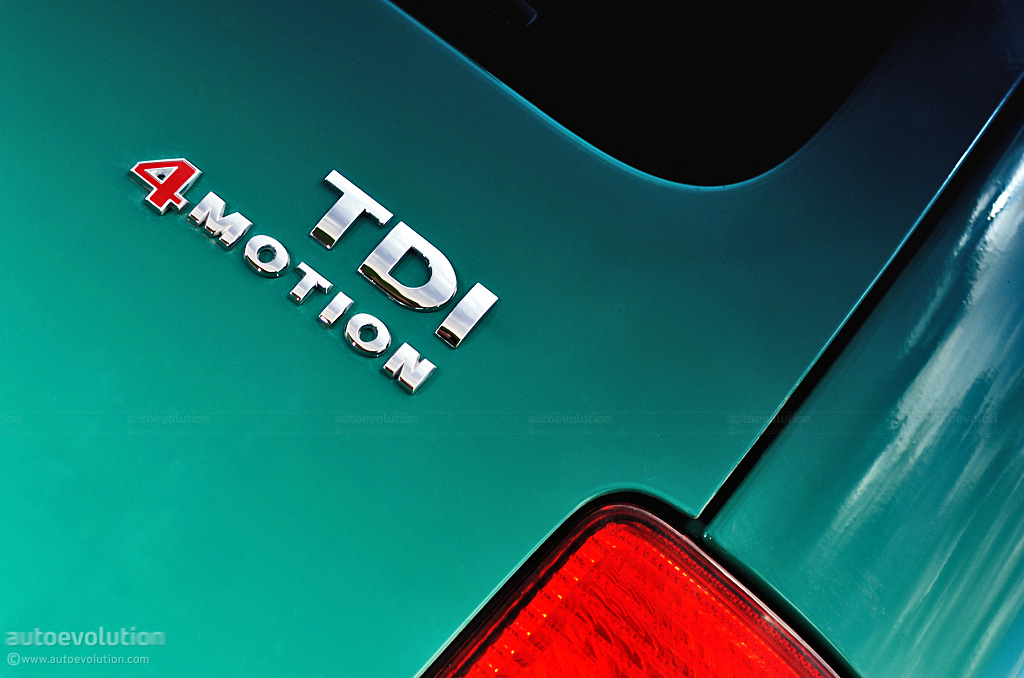
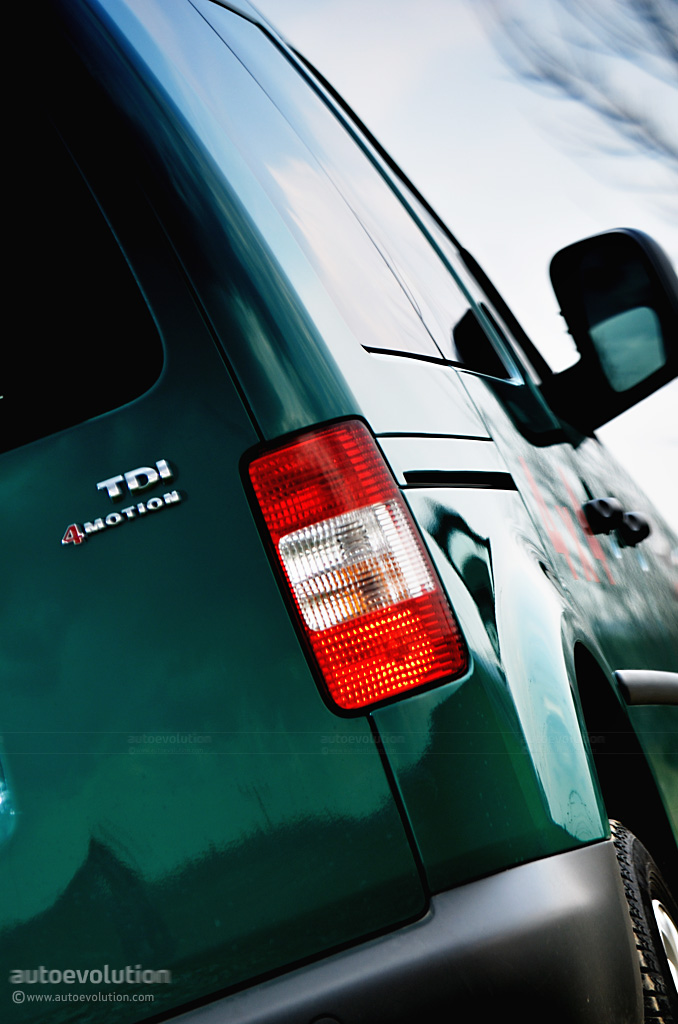
As far as our tested model is concerned, the new Caddy 4Motion was introduced by Volkswagen at the 2008 IAA Commercial Vehicle Show in Hannover. The revised Caddy now featured Haldex four-wheel-drive for the first time, available for Van, Kombi and Life configurations. The model's high points, as announced by the German manufacturer, were the better stability at high speed, improved maneuverability in difficult terrain conditions and lower fuel consumption.
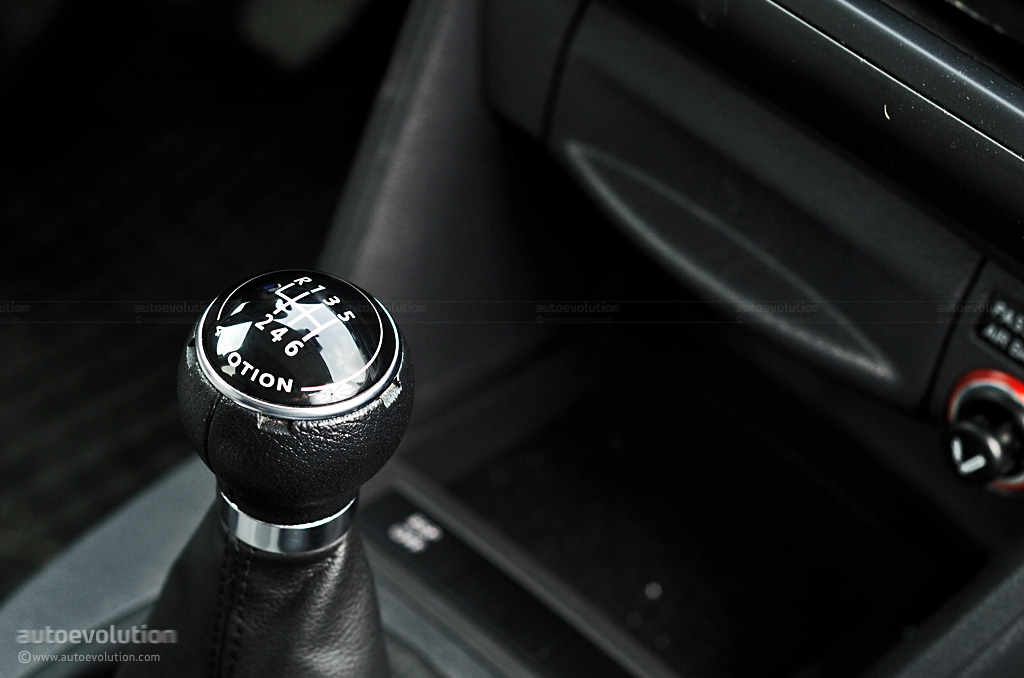
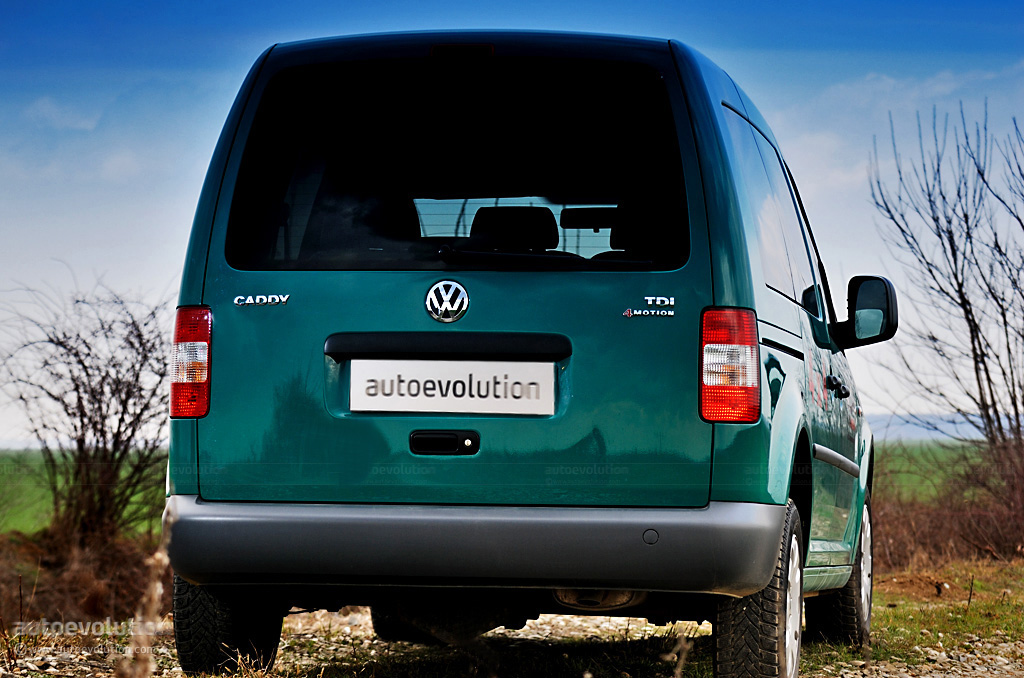
The Caddy we've decided to test was a Kombi 4Motion, benefiting from the proven 105 PS-worth 1.9 TDI engine, coupled to a 6-speed manual gearbox.
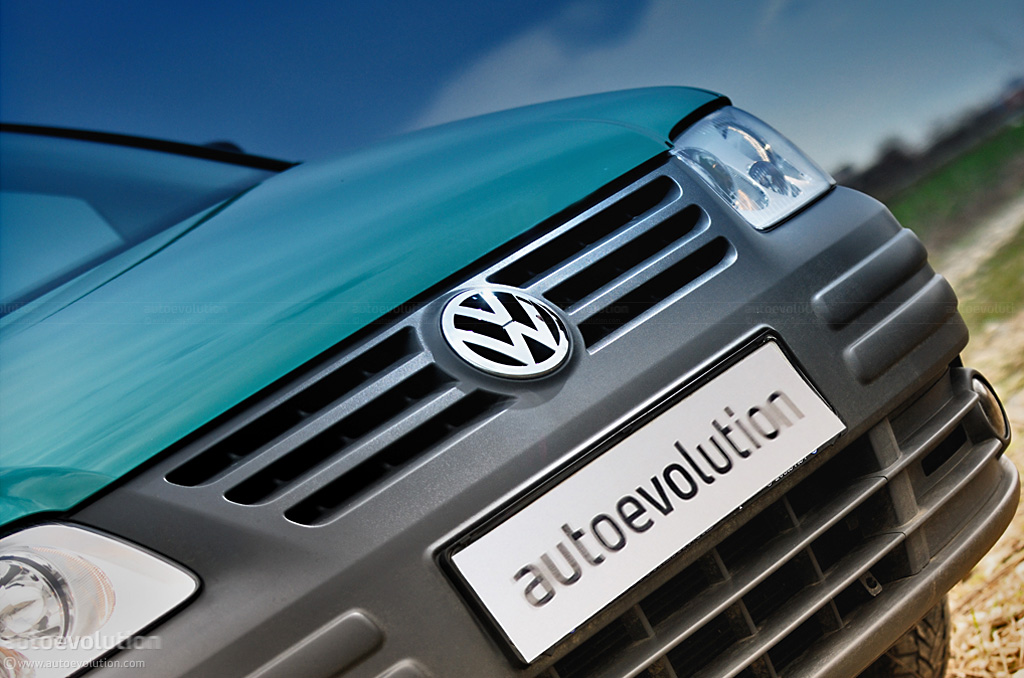
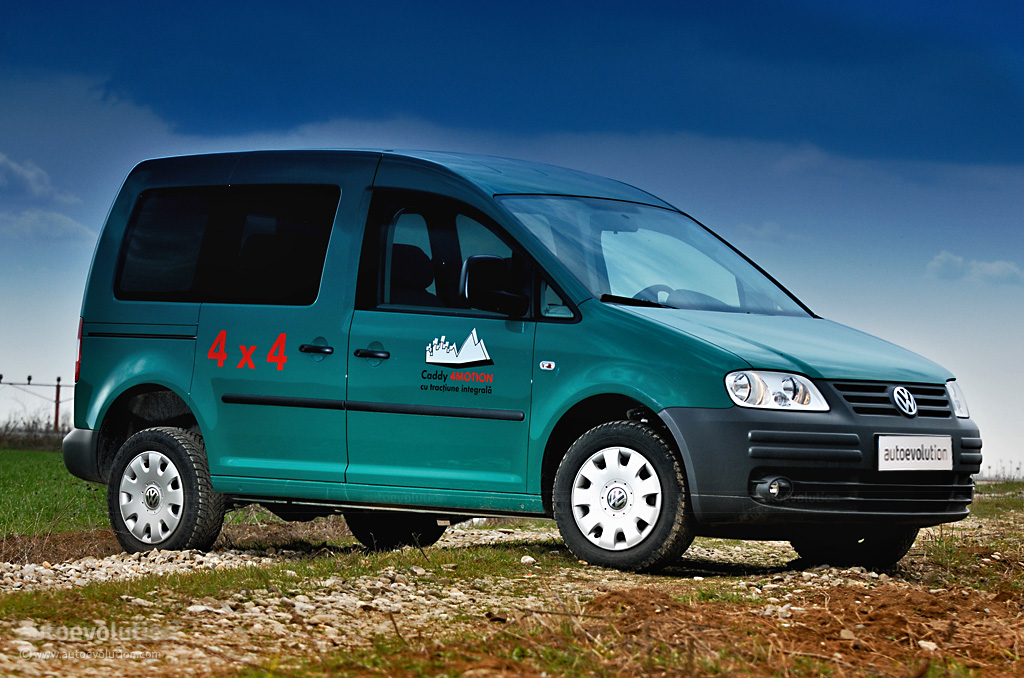
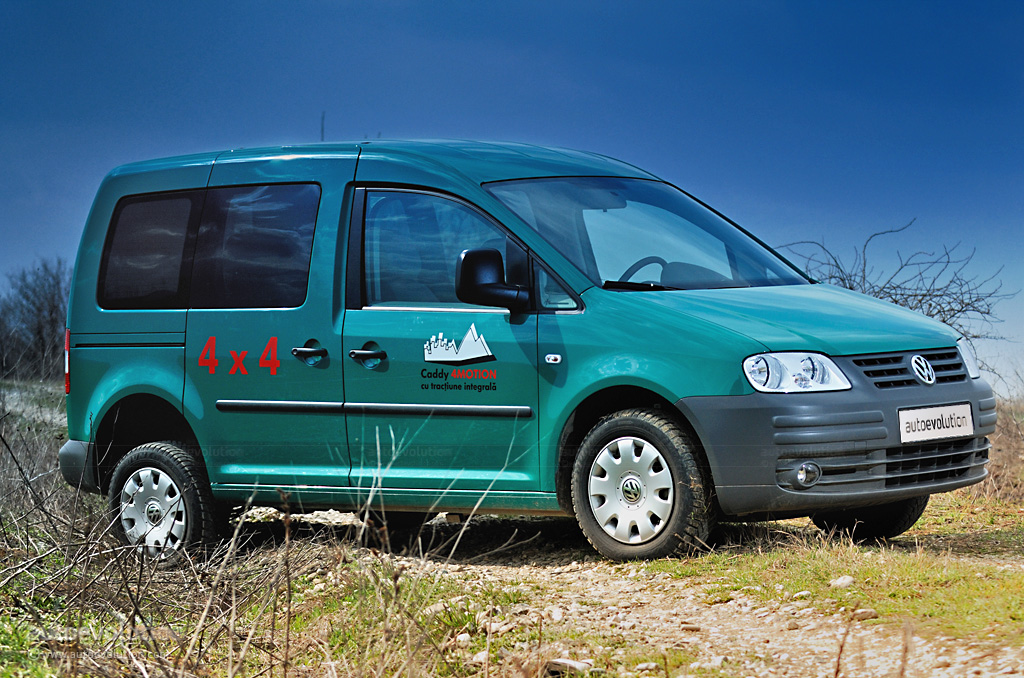
In terms of exterior look, the Caddy 4Motion doesn't show that many changes as compared to the 2005-launched model. It's still a combination of styling cues between the Volkswagen Golf Mk5 and Volkswagen Touran (to which it resembles the most), featuring several aerodynamic elements.
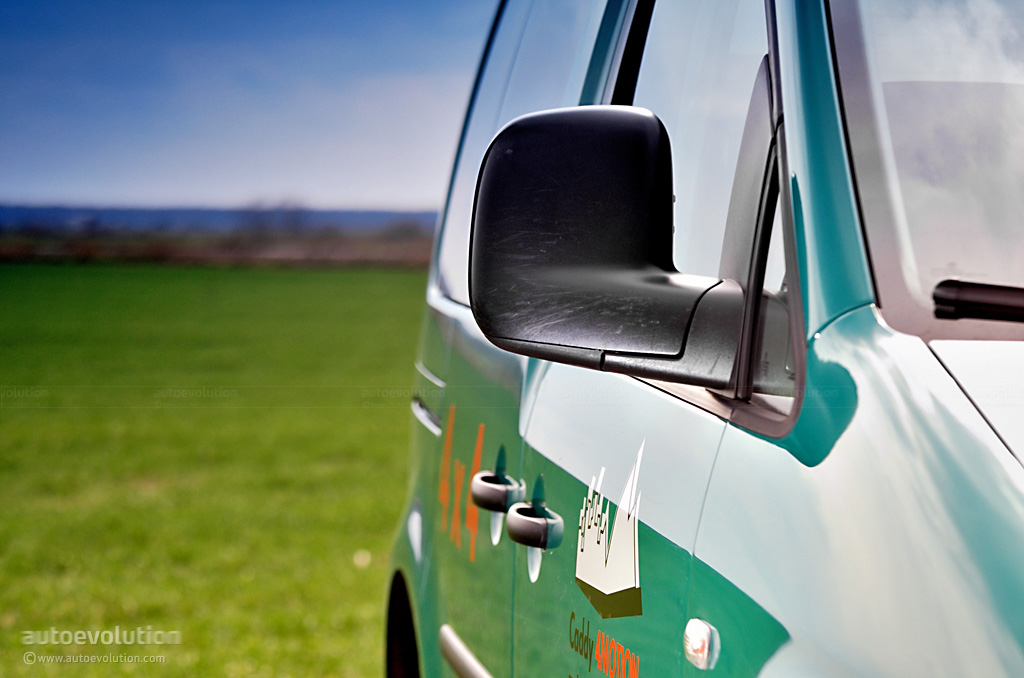
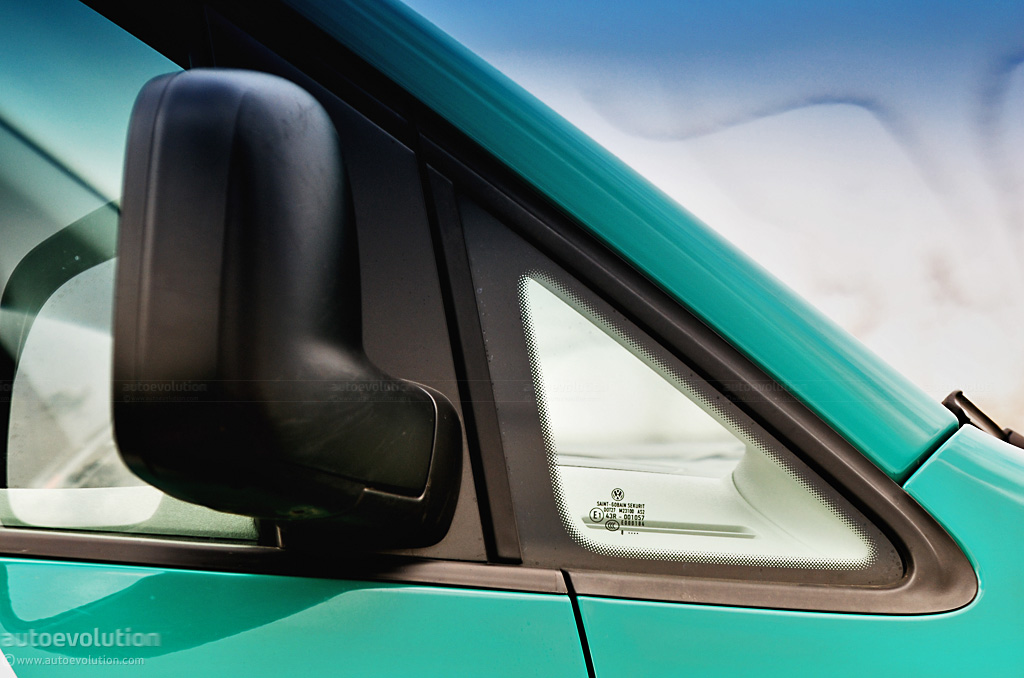
As before, the windshield of the car is more horizontal, aiming to improve visibility. The side windows between the A and the B pillars are comprised of two parts: a small section linking the A-pillar to the side mirrors and the second part, your regular side windows. What this does is both help the driver feel like he's not being robbed of a significant part of his visibility angle and make the car look nicer, more visual-correspondent to the outside world.
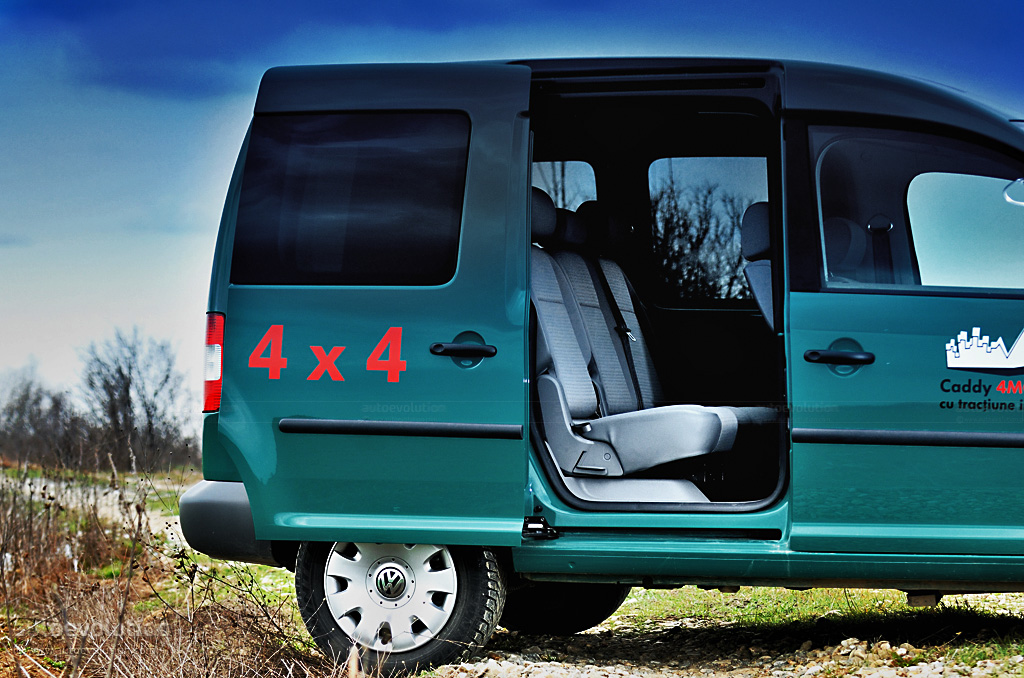
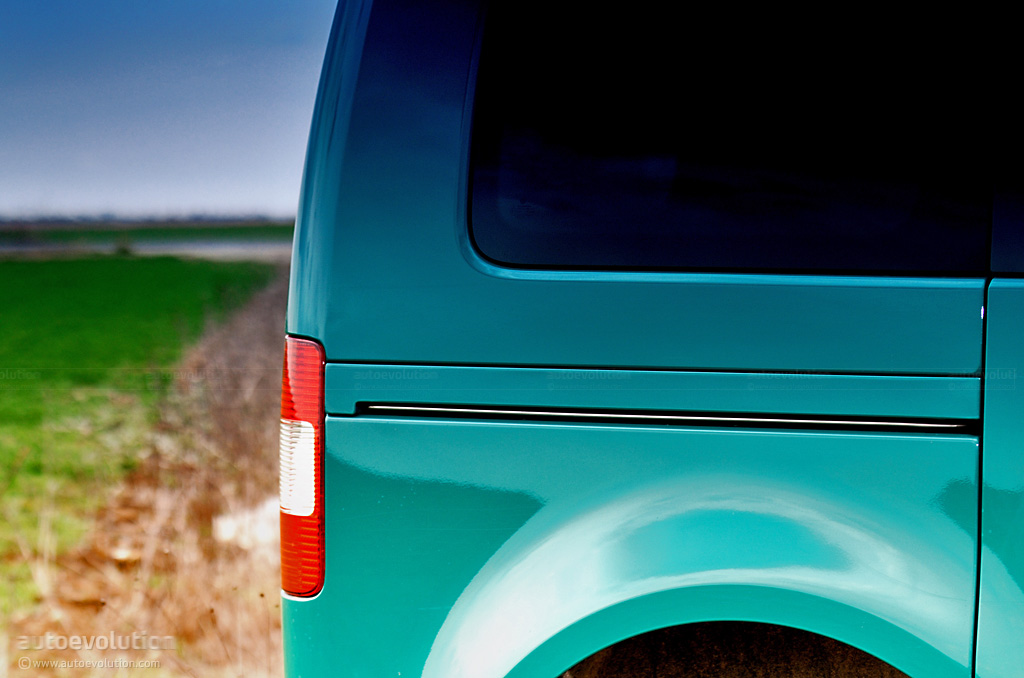
The single sliding door, on the passenger side of the car, doesn't bring many clues on what is the particular target of the Caddy Kombi. If it was a people carrier, it was supposed to have sliding doors on both sides of the car. On the other hand, a load-carrier Caddy 4Motion wouldn't have necessitated rear-side and rear windows (which, by the way, make for a good visual effect while slightly tinted).
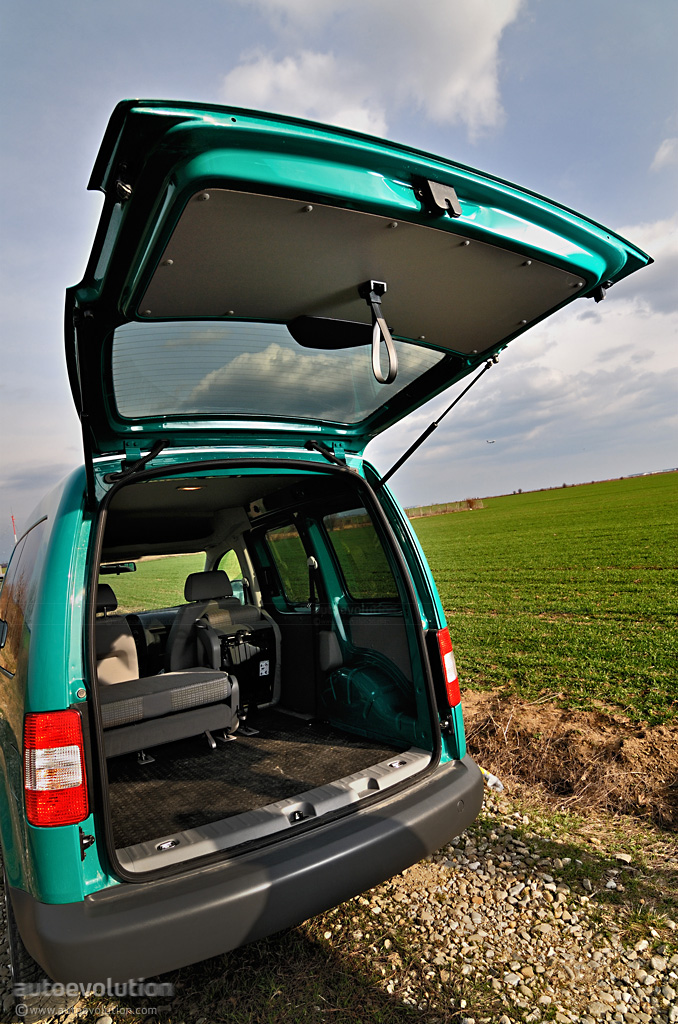
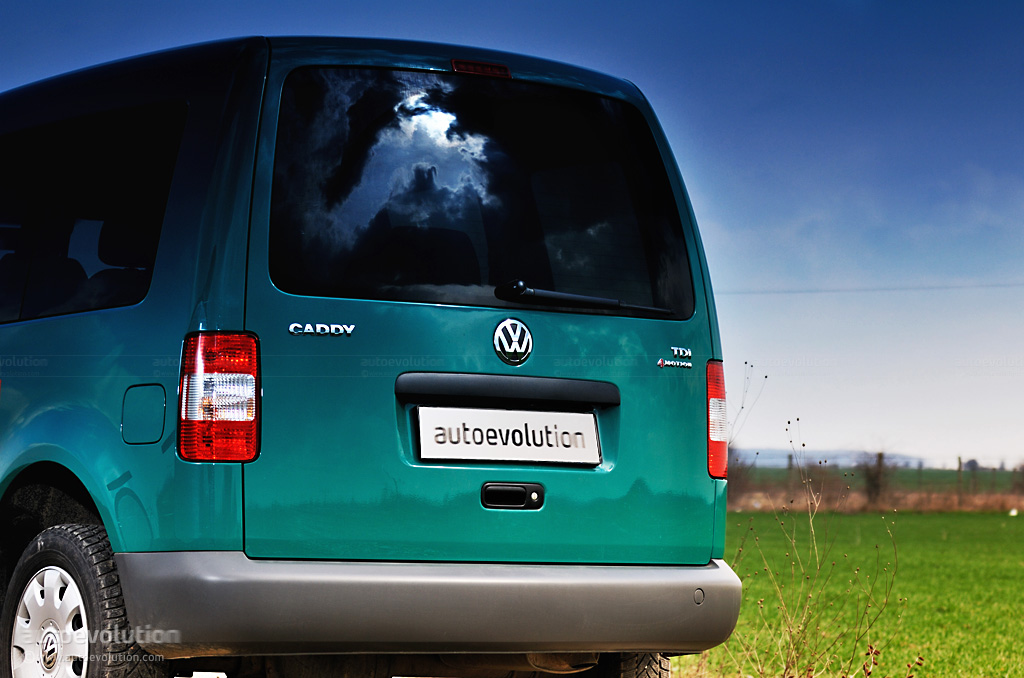
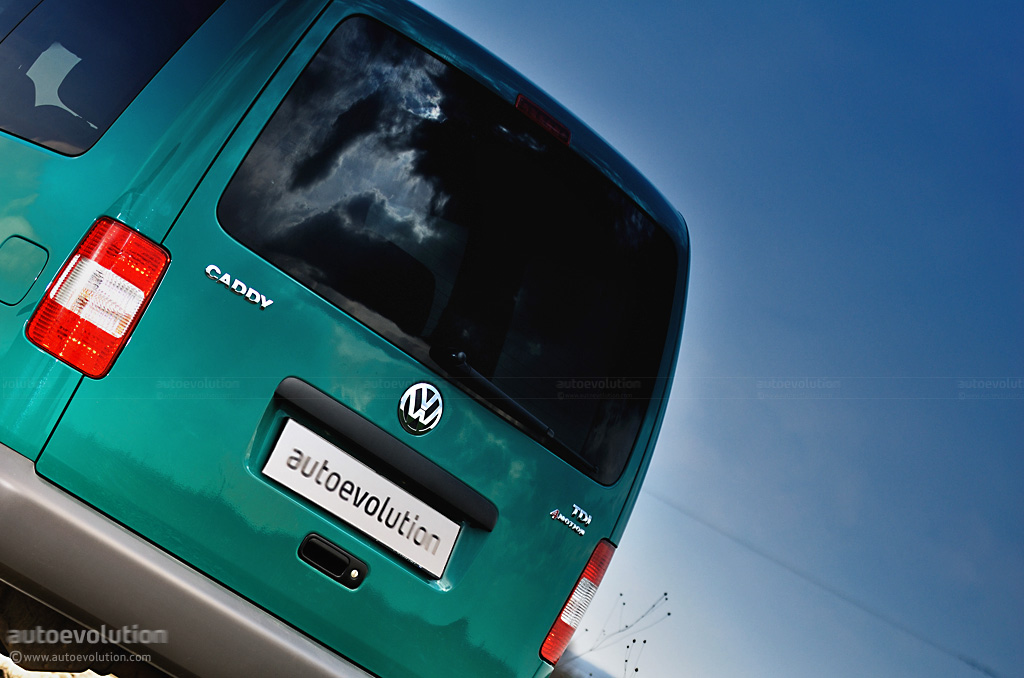
As compared to the panel van configuration of the Caddy, the rear door is hatch-style, a common feature for family-orientated MPVs.
To be honest, the car's exterior styling didn't gave us many discussion topics, as it's rather unattractive and boring. But then again, despite the slight modifications targeting the creation of a properly-designed people-carrier, the Caddy Kombi 4Motion is, in fact, a van. Us calling it a beautifully-curved piece of machinery would simply be nonsense.
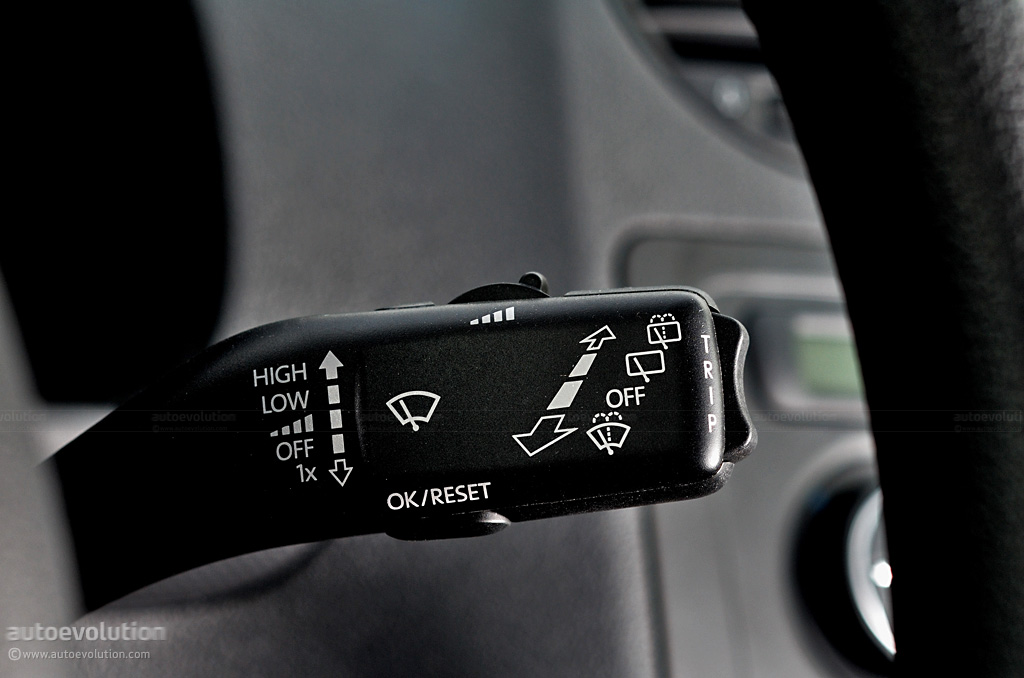
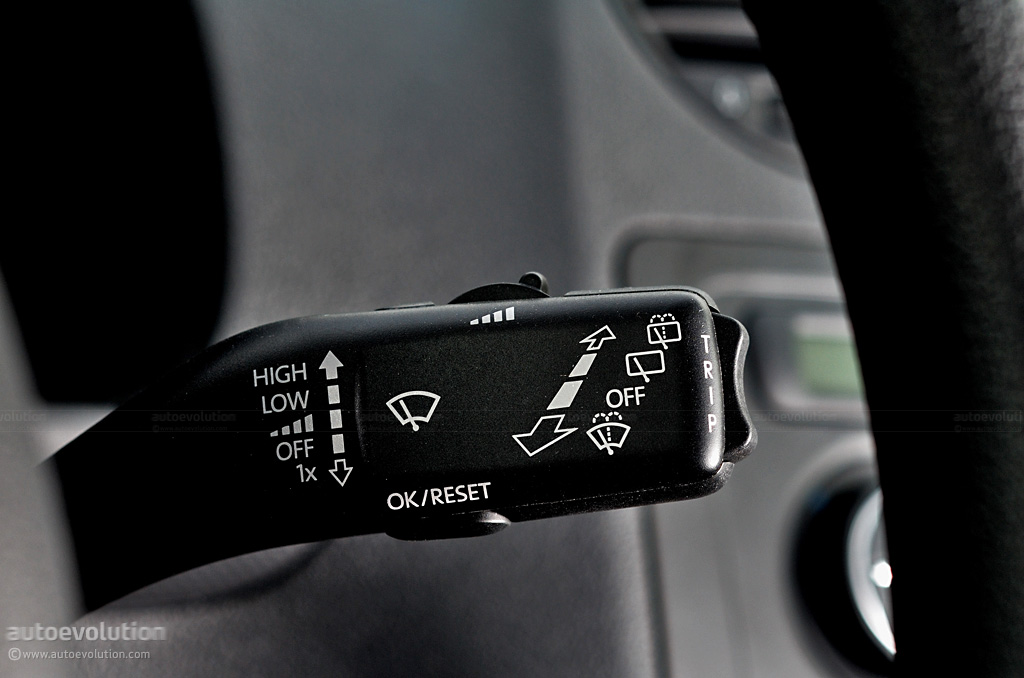
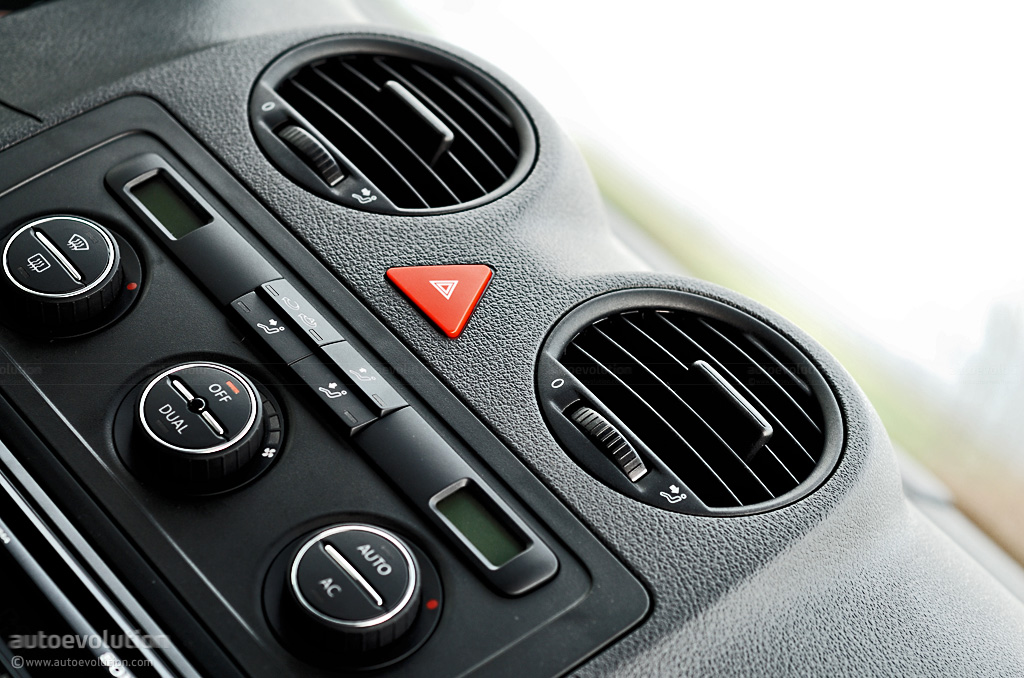
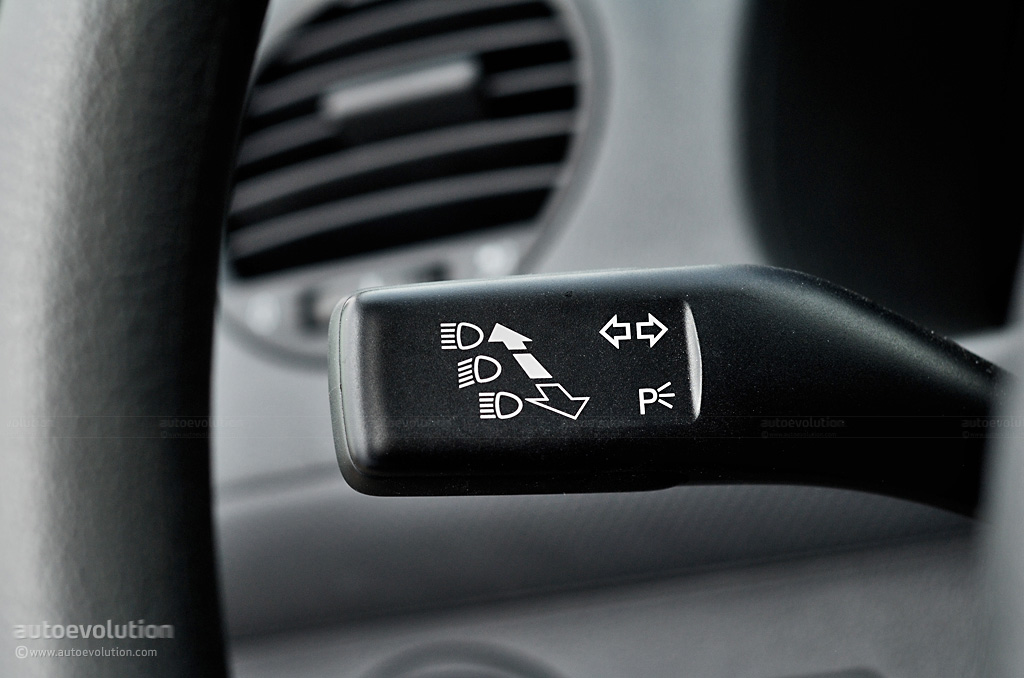
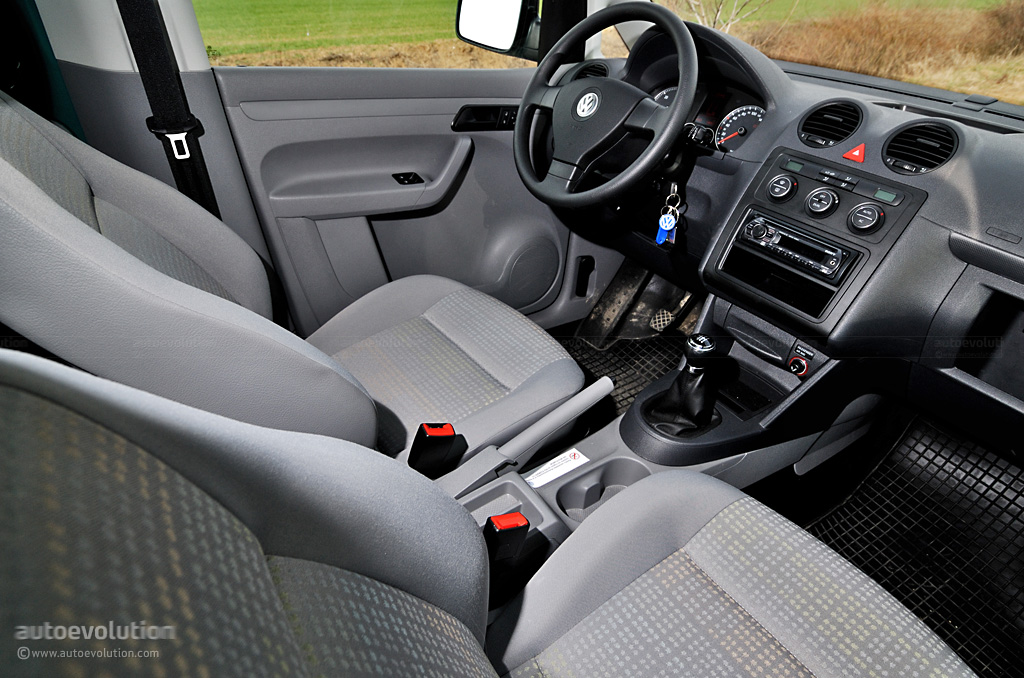
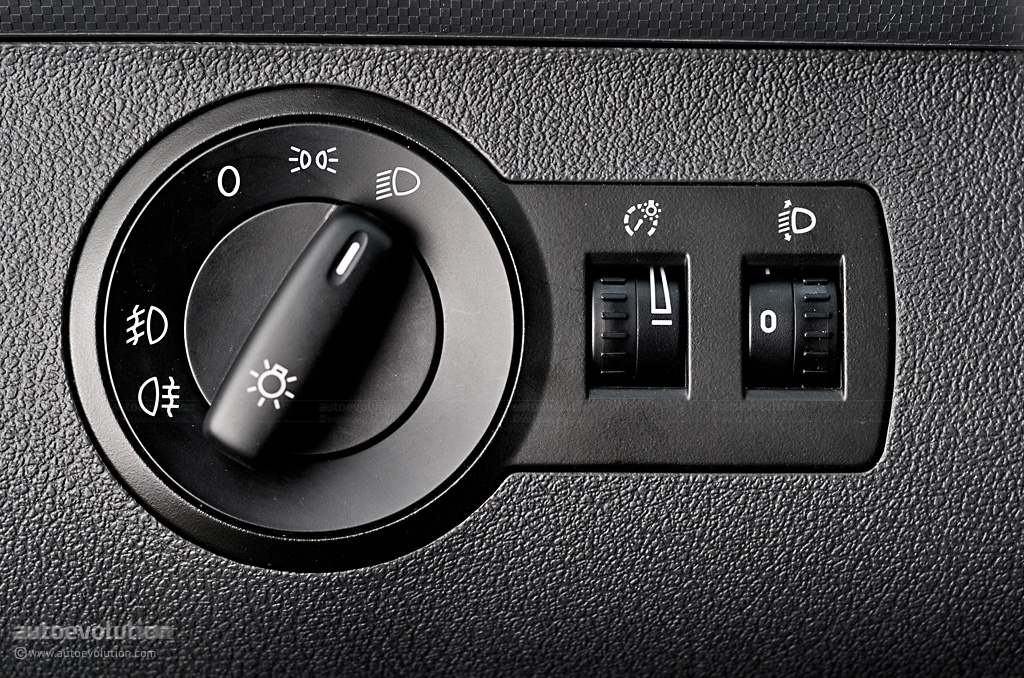
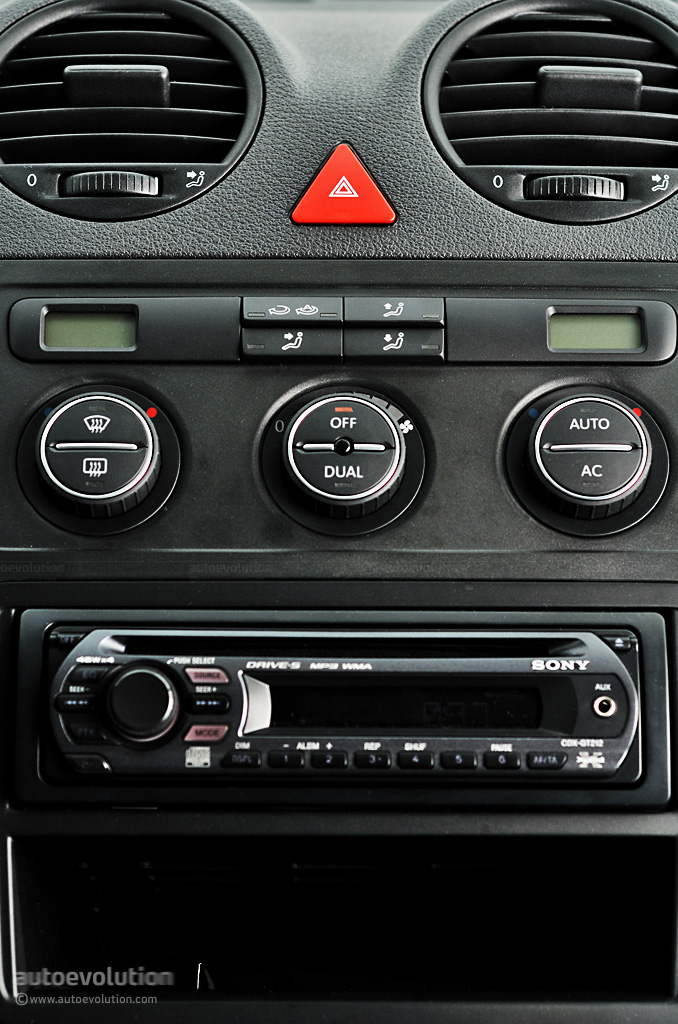
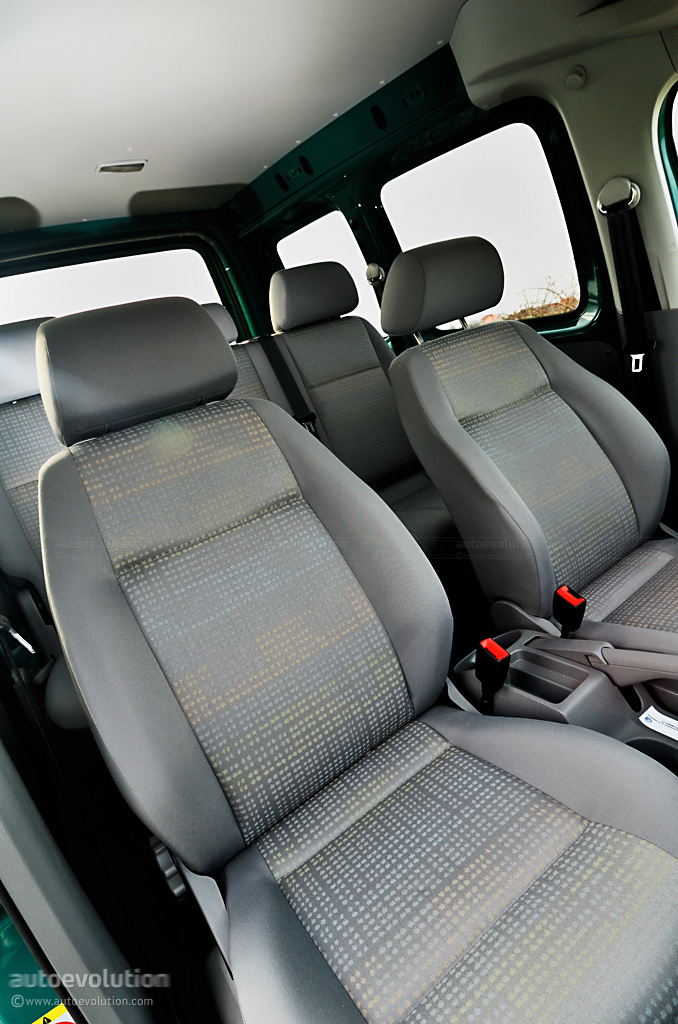
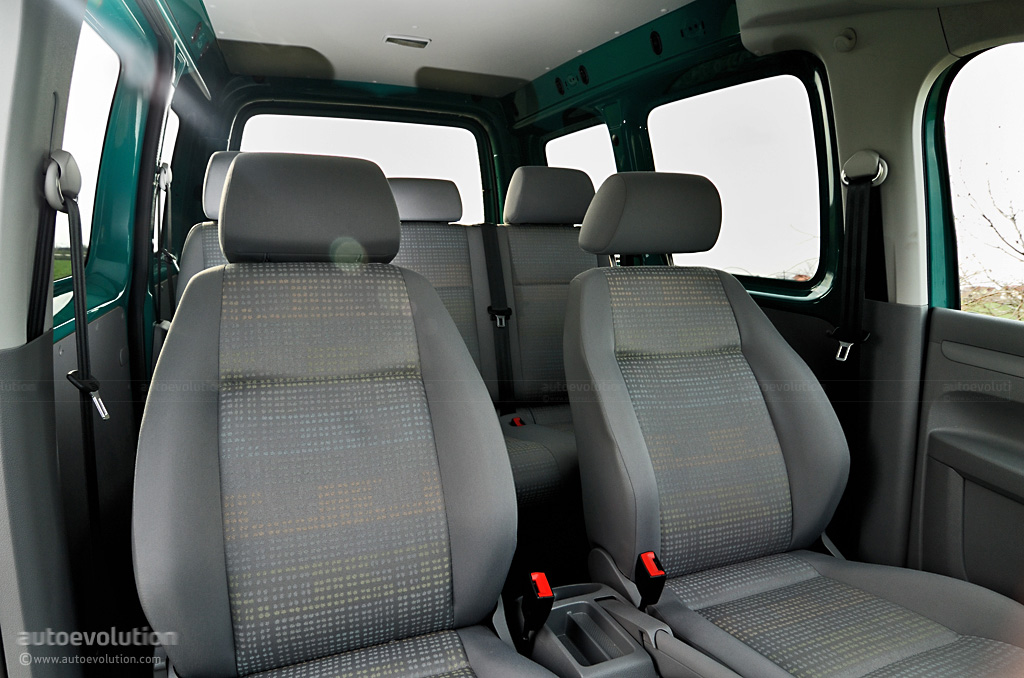
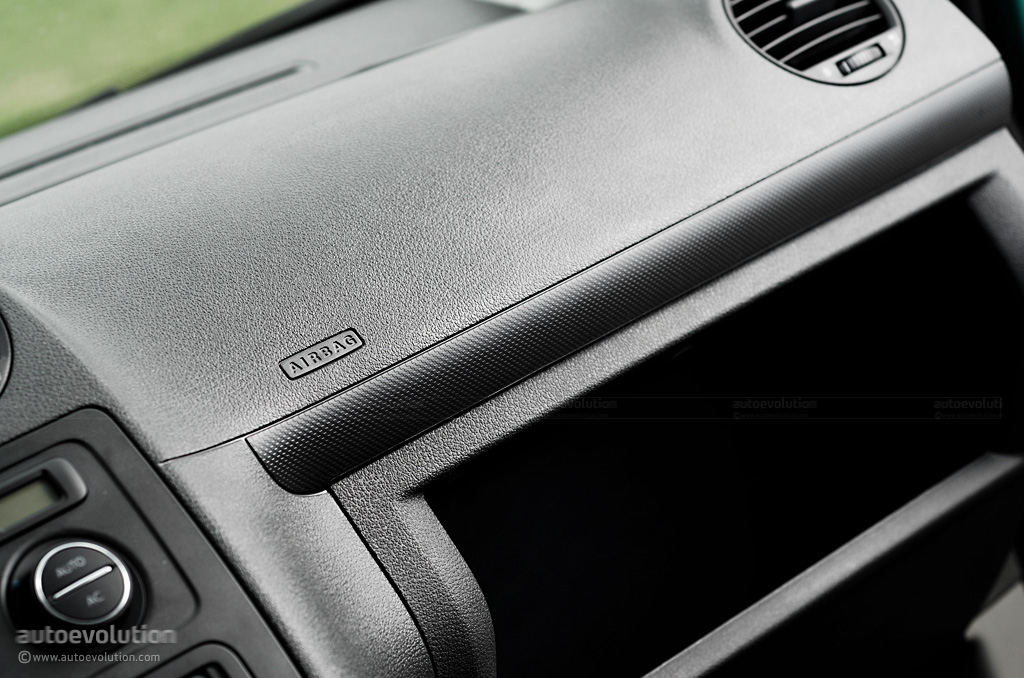
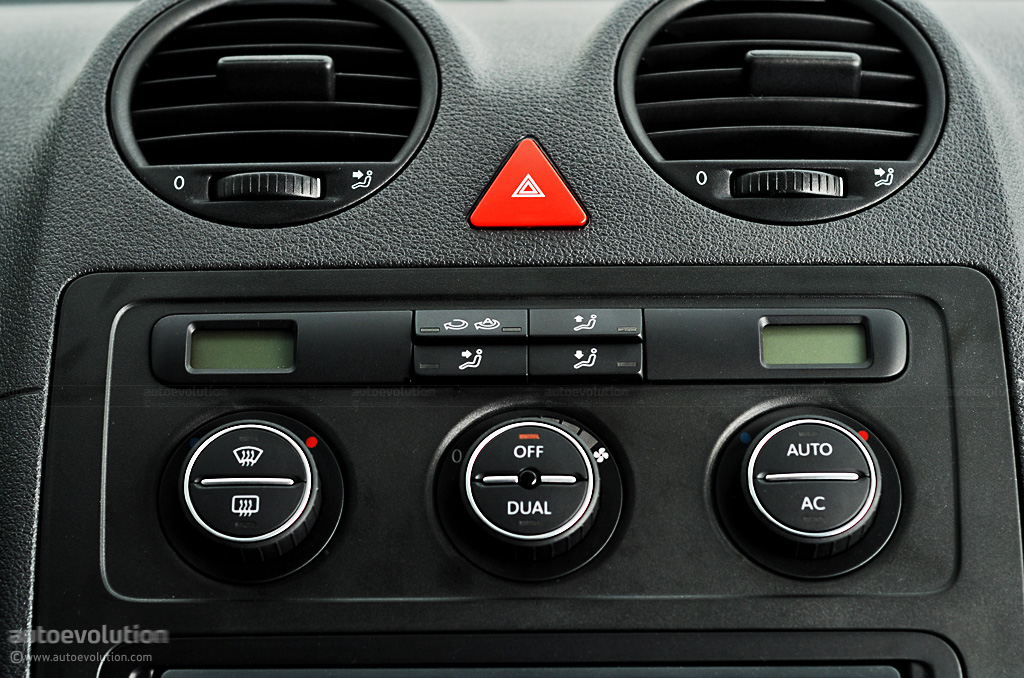
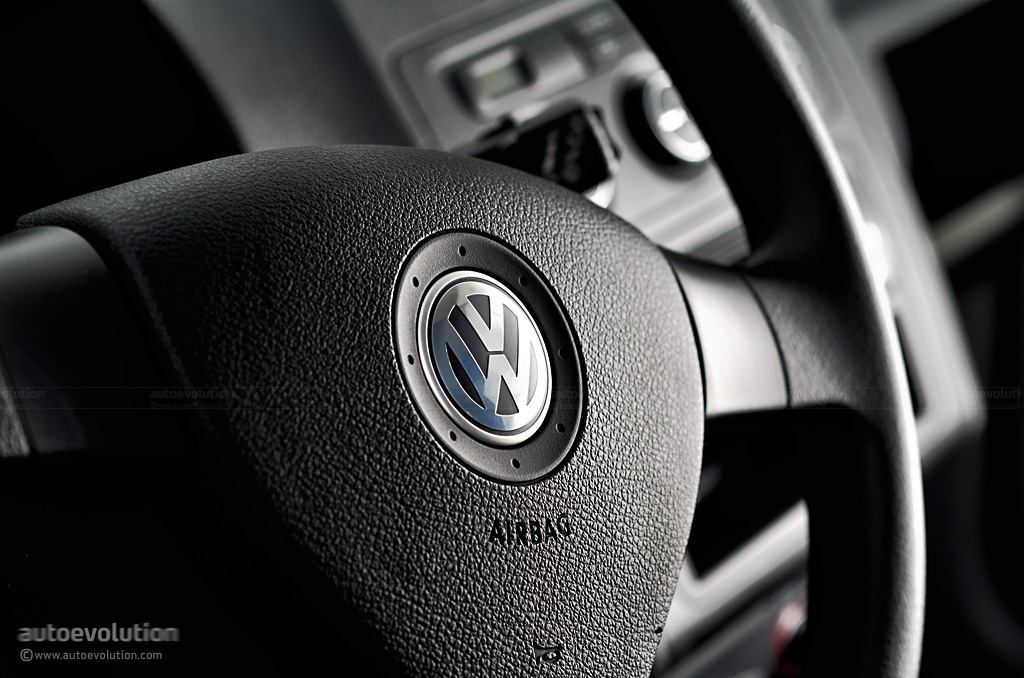
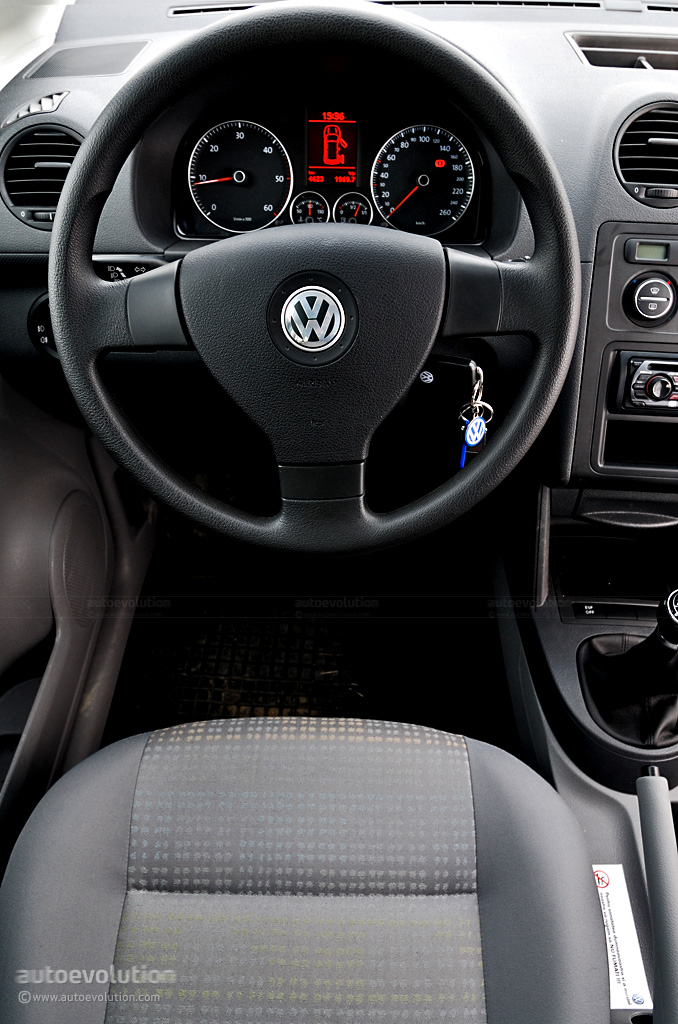
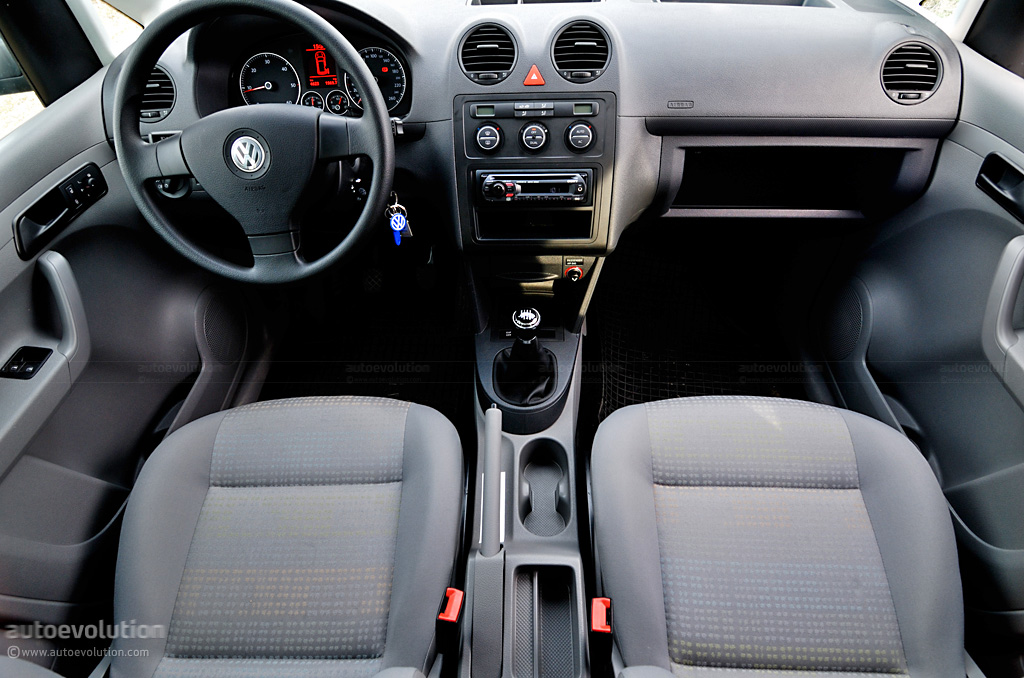
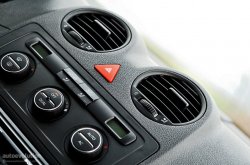
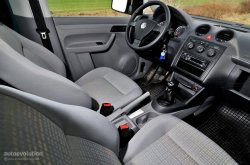
There are plenty of things to talk about in terms of the car's interior. First of all, there is the slightly-common and rather classic dashboard, featuring only the basic buttons: semi-automatic duel climate control, radio/CD player (which, by the way, was aftermarket in our case) and... well, that's practically it. Nonetheless, it makes for some decent ergonomics from the driver's point of view, as all placed at plain sight and quite easy to reach.
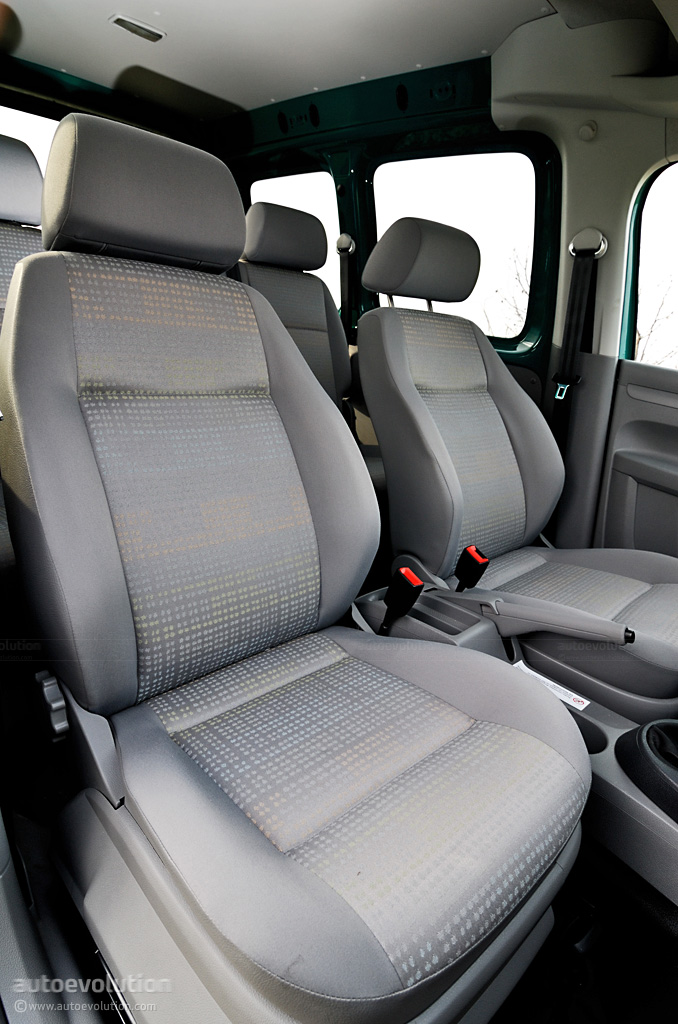
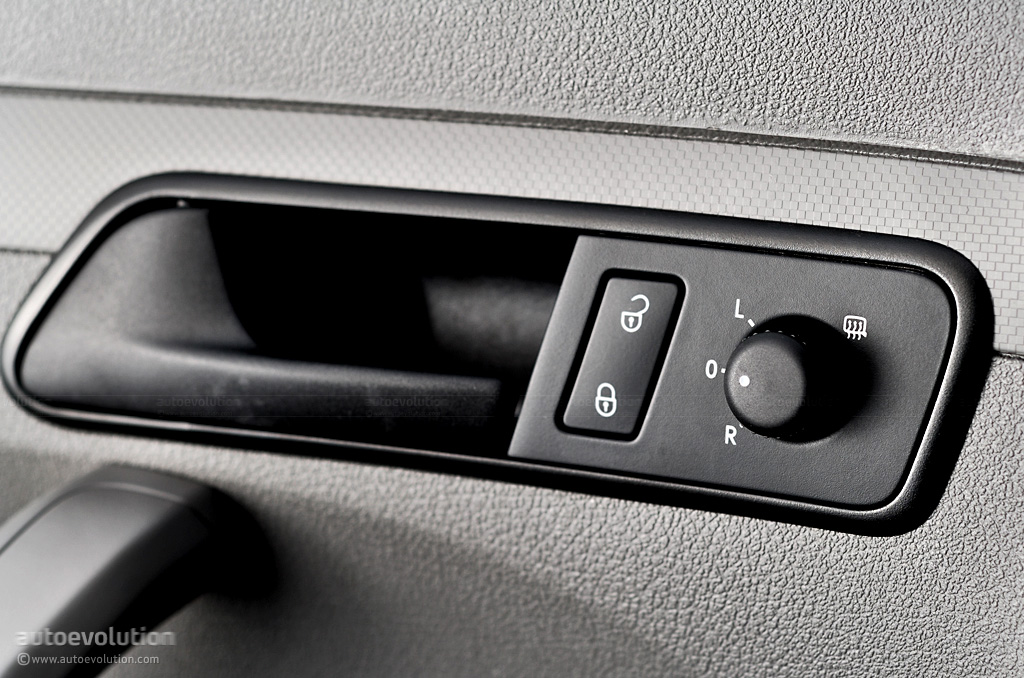
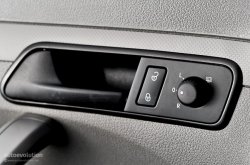
The driver's seat positioning is higher than expected, which is always good for improved visibility. The adjustable steering wheel is also a nice feature, as the adjustable exterior side mirrors. It certainly gives the driver a more control-like feeling of the car, while also scoring some valuable points for comfort. In addition, the small window section between the A-pillar and the side exterior mirrors might not mean very much in terms of visibility, but is sure creates the idea of being in control of the driving angle while in traffic.
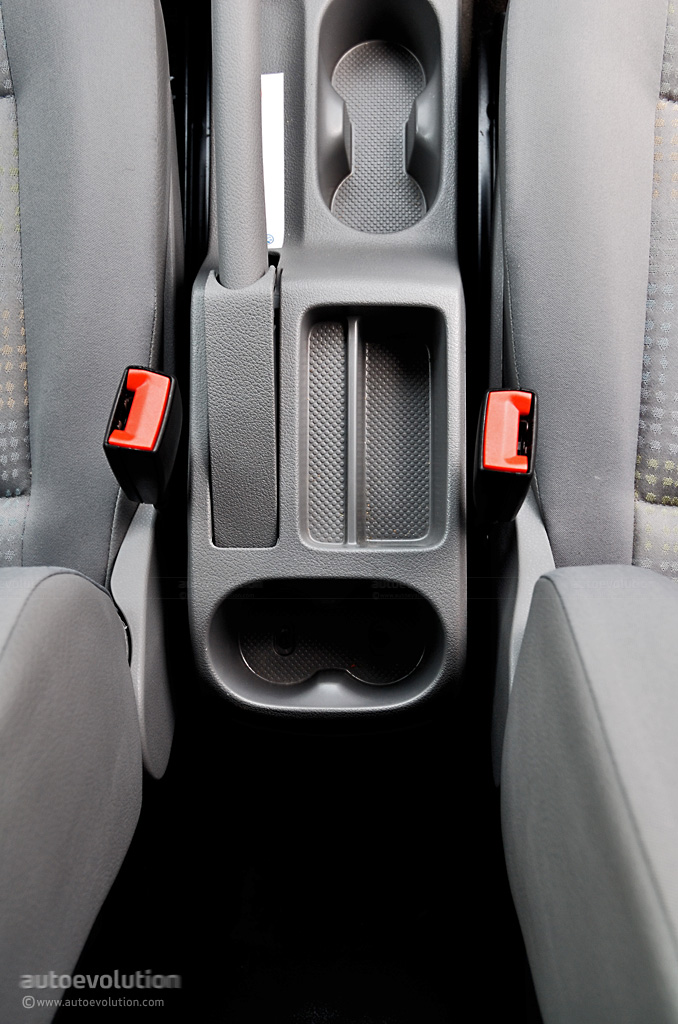
Secondly, there are the storage units, a chapter at which we might call the Caddy a front-runner for its segment. The dashboard offers a small storage section just beneath the radio/CD player unit, aimed at providing enough storage space for documents (or similar stuff). The centre console also benefits from a decent storage compartment, featuring two cup holders in the front and one for the rear passengers. An armrest is also optional for the mid-section, which we unfortunately were not able to test (but that's bad for your back anyway).
Both the driver's and the front passenger's door featured some spacious compartments, which could easily fit one-liter bottles (we've tested it for ourselves). On the downside, the sliding right-hand door did not have any incorporated storage units. Combined with the lack of pockets in the back of the front seats, this translates into some poor storage for the rear passengers.
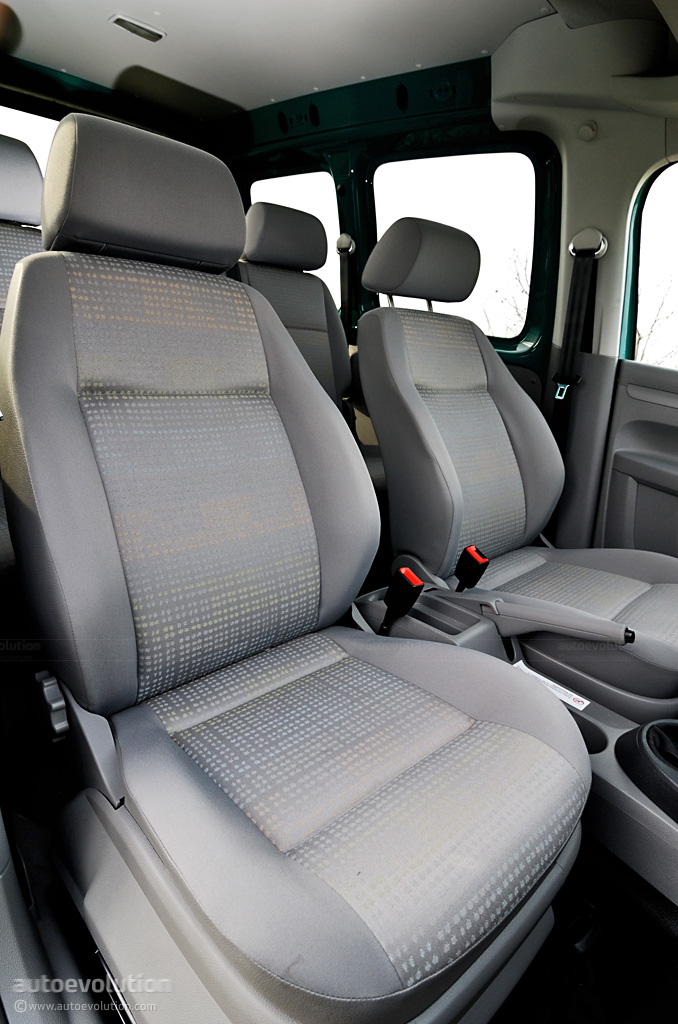
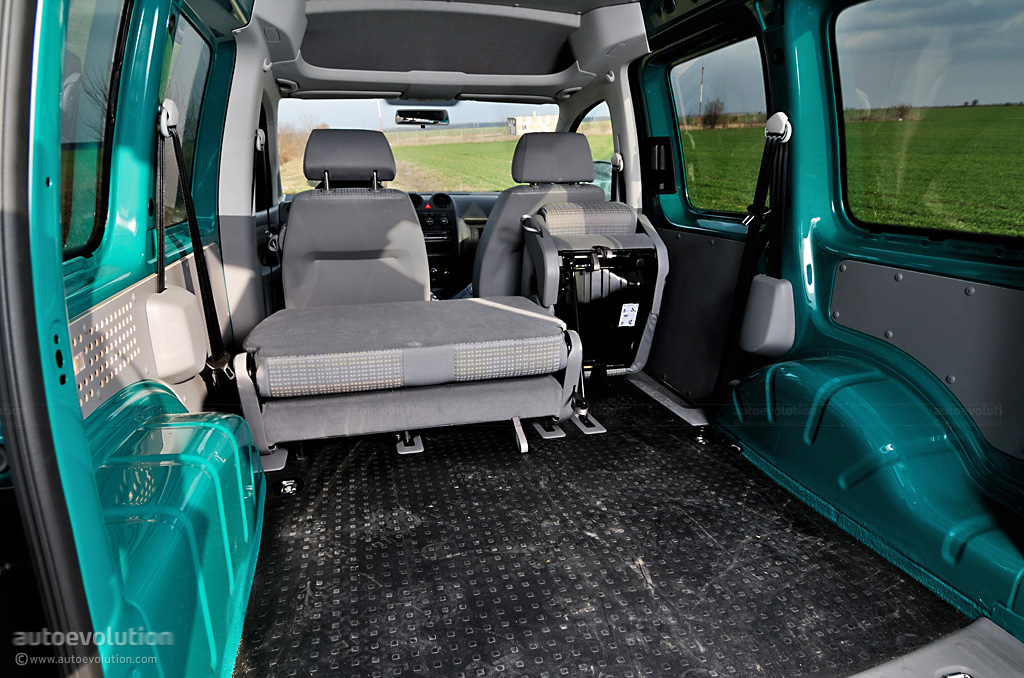
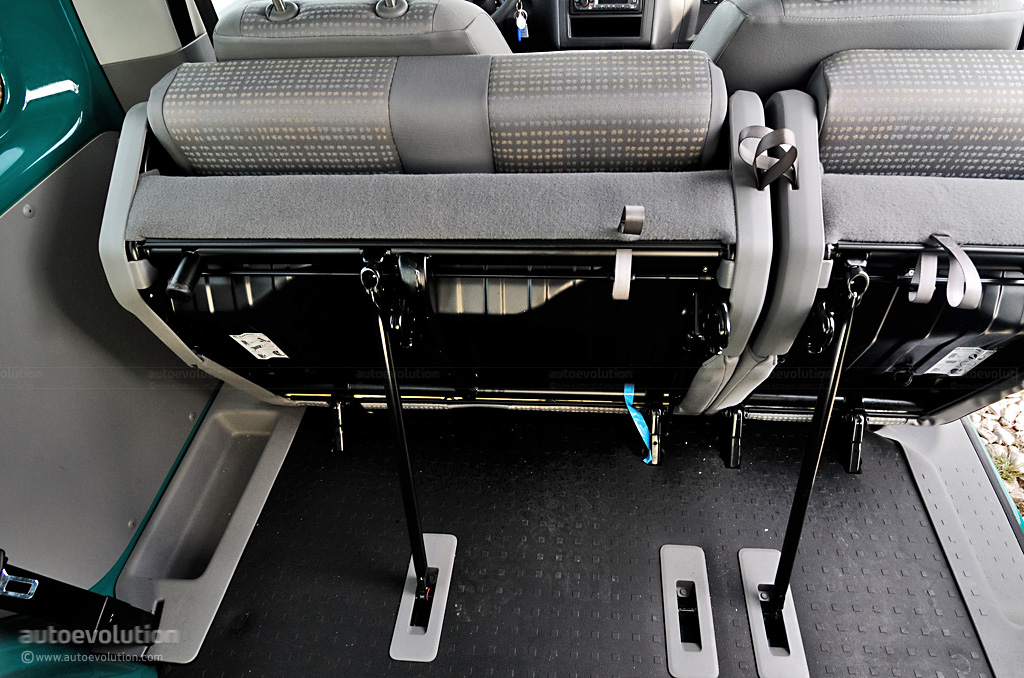
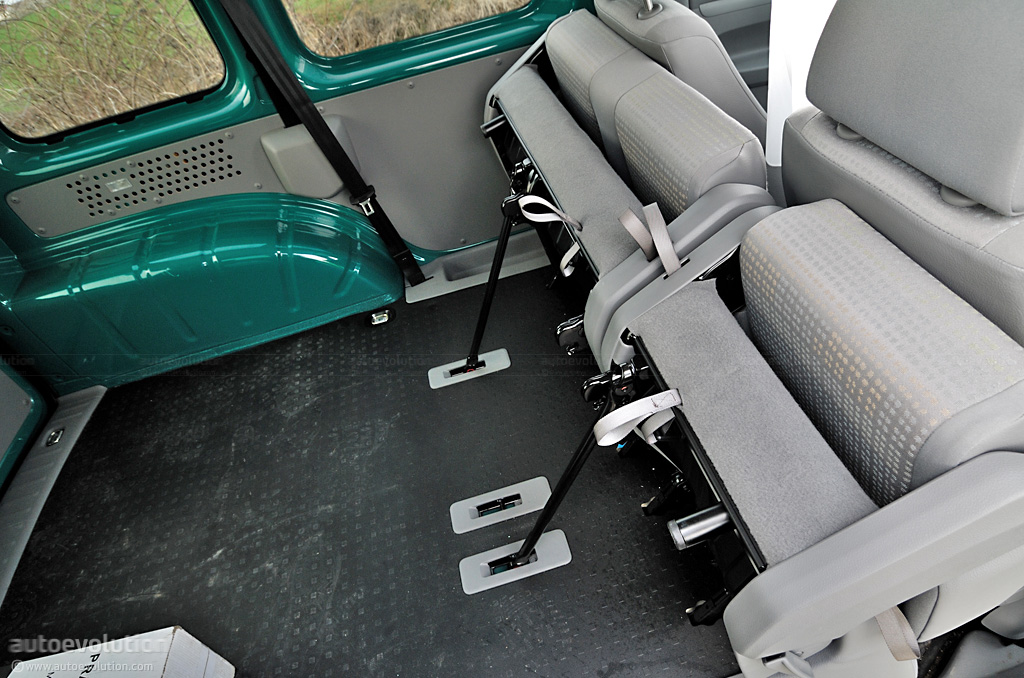
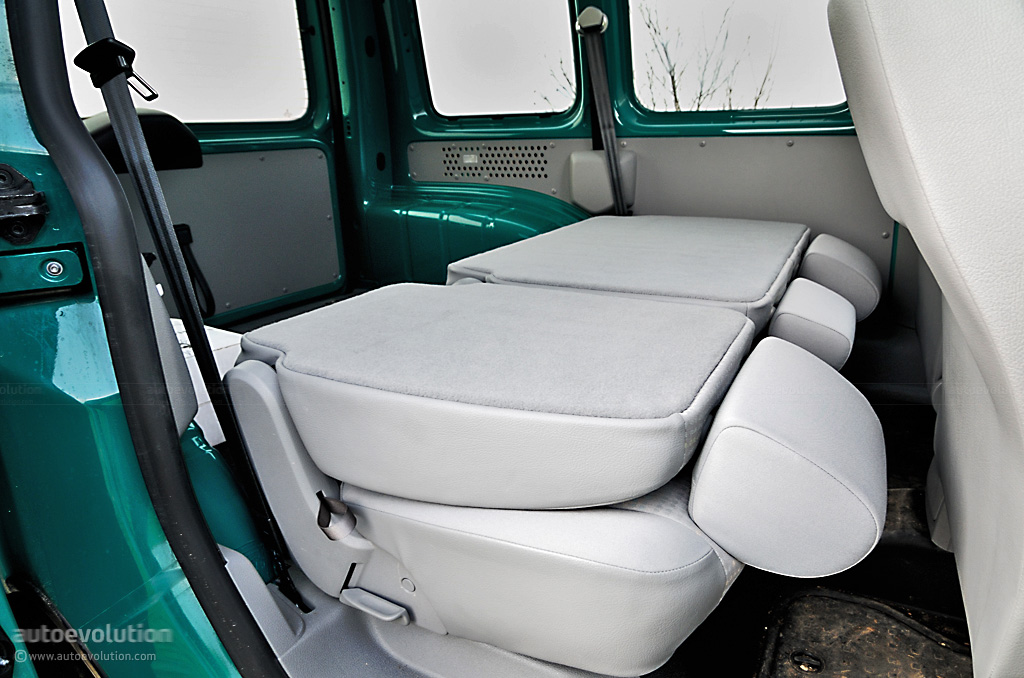
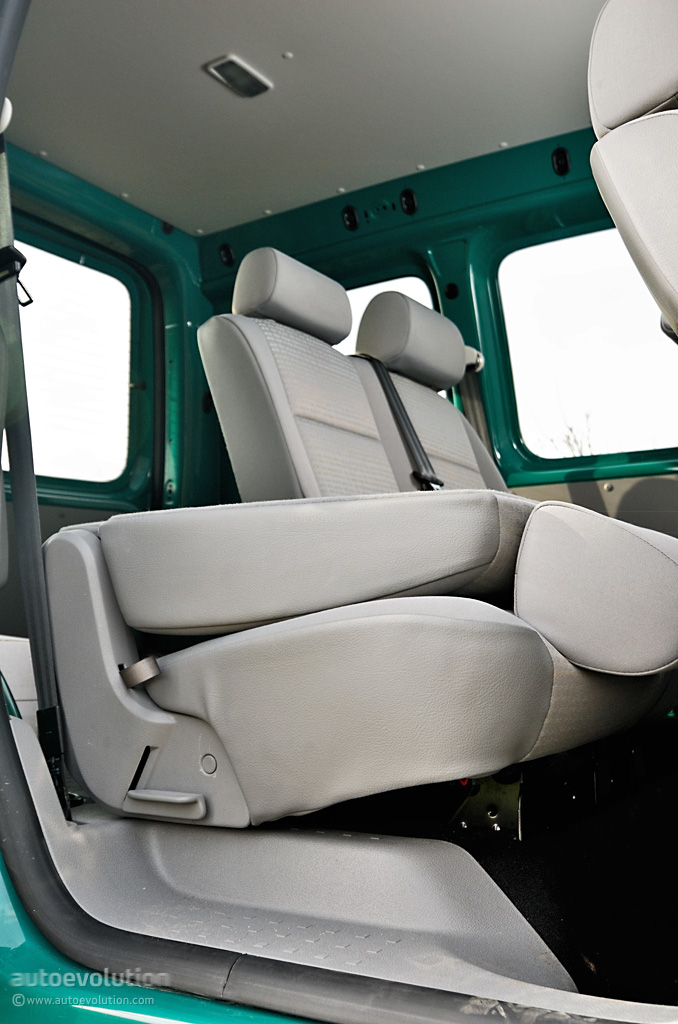
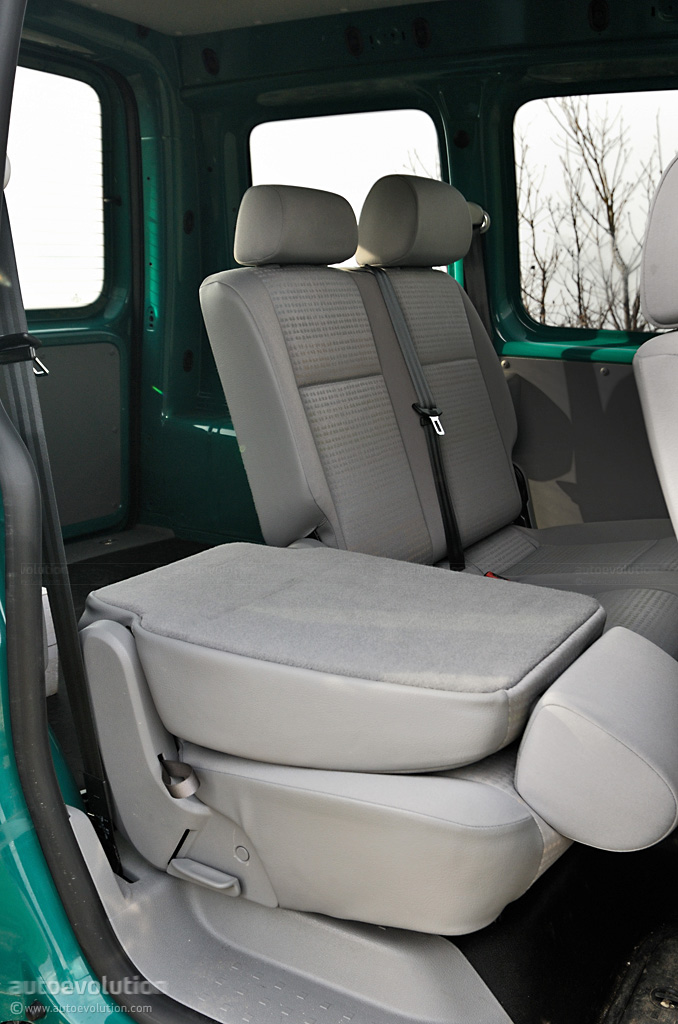
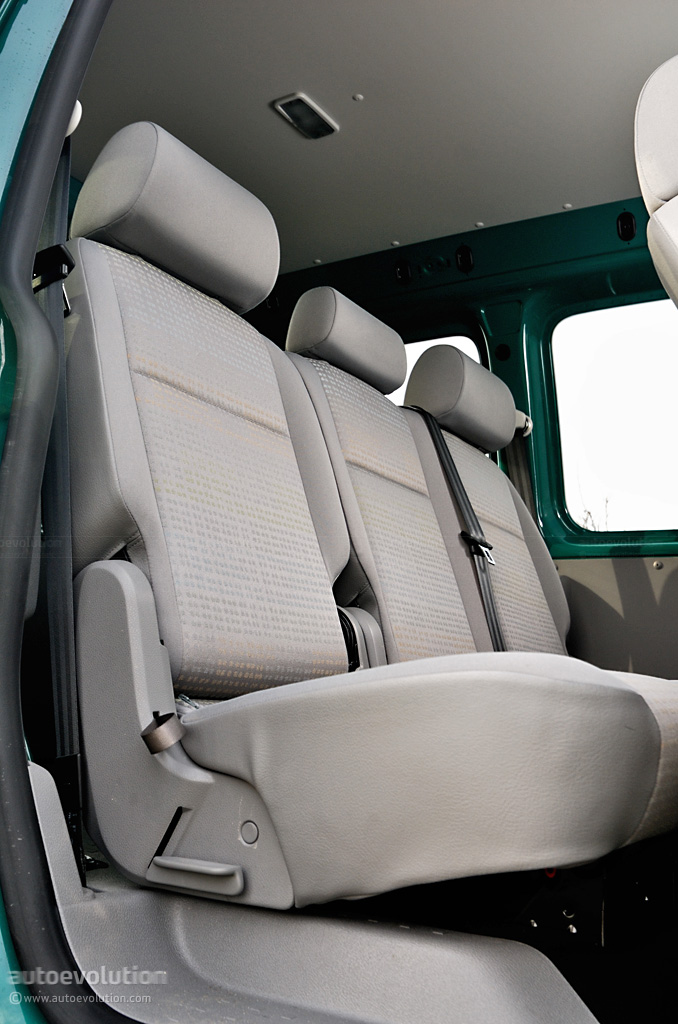
The overall rear storage capacity of the Caddy 4Motion – for the 4+1 model we've tested – was 750 liters, but that could easily be turned into a massive 2850 liters with the reclining of the 3 rear seats (retractable under several configurations).
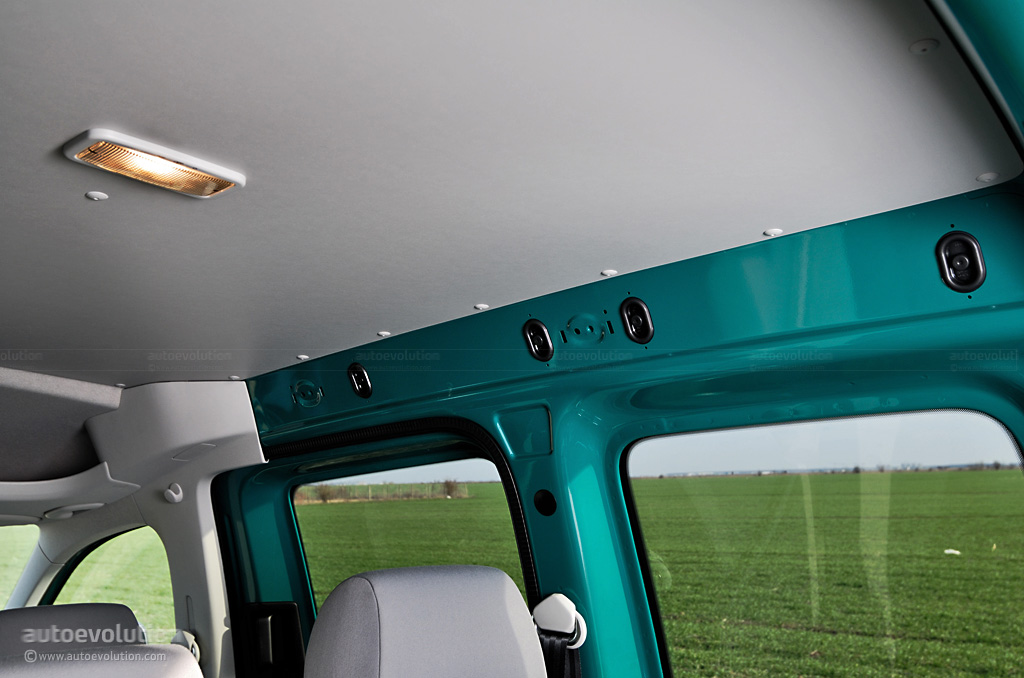
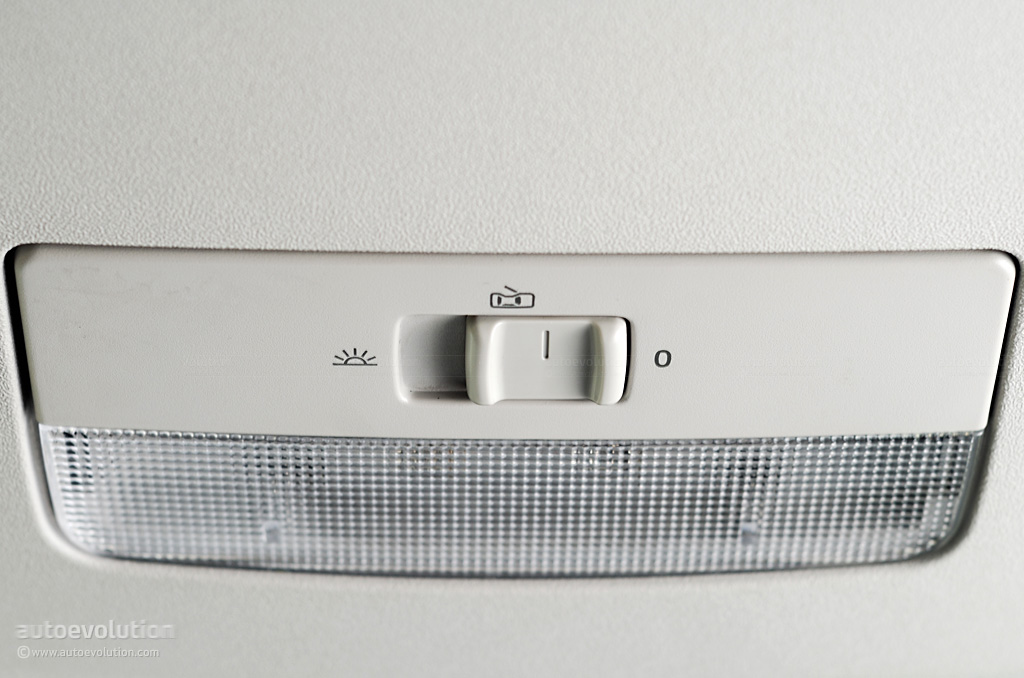
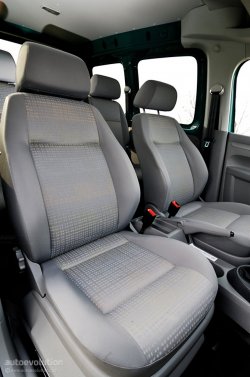
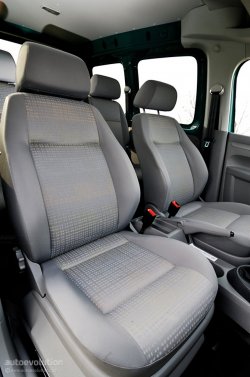
Now that we're done talking about the storage units, let's focus on the interior trim. Which, if we're to be honest, lacks some serious class. Starting from the storage unit located above the driver's head, the car's bodywork is completely exposed. And that's really not a healthy visual you'd expect even in a van-alike vehicle. I mean, OK, the rear storage section of the car doesn't really need some impressive trim, as it only has cargo to accommodate on a day-to-day basis. However, should one actually use the rear seats to carry a group of people, the upper panorama of the car's rear section will certainly not make them feel very welcomed.
In terms of fuel consumption, the new Caddy doesn't have a much improved economy in the city. Although is now features the 4th generation 4Motion all-wheel-drive system, the car continues to behave as a front-wheel-drive vehicle in the city, where difficult terrain and bad road conditions (to trigger the function of the all-wheel-drive system) are hardly the case.
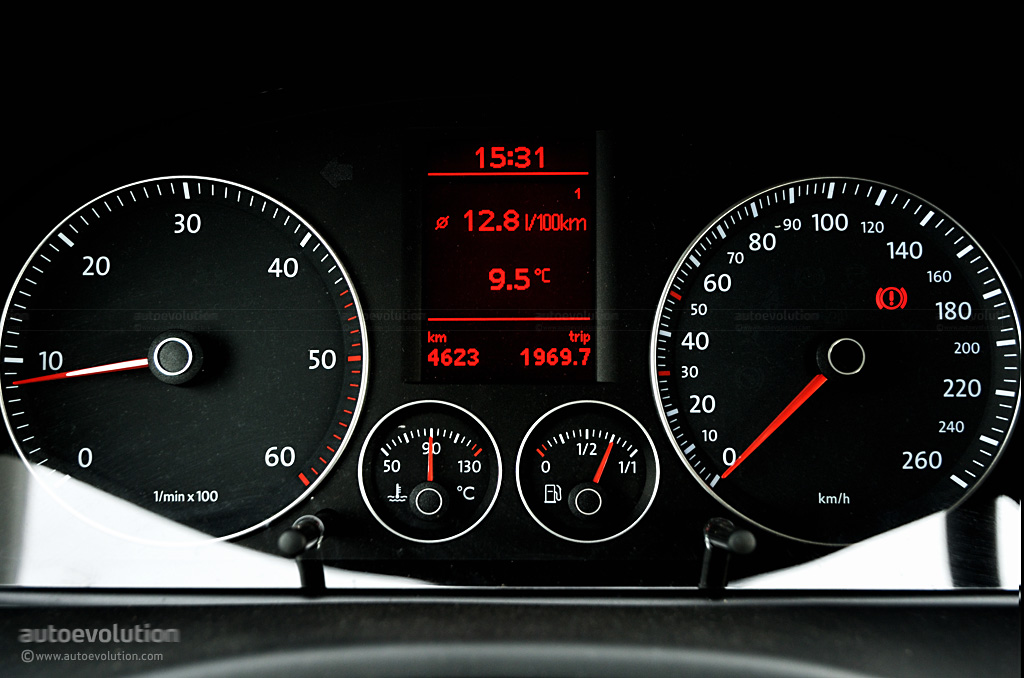
In heavy traffic conditions – and we do mean heavy – the Caddy recorded a fuel consumption of somewhere around 11.5 liters at 100 kilometers (approximately US 20.45 mpg). The numbers might vary from case to case, if we take under consideration that our Caddy was only carrying 3 people (driver included) and a not very significant amount of payload in the back.
What was really disturbing in traffic was the sound of the engine at high revs. Considering the car is powered by a 1.9 TDI unit – which functions at its best between 2000 and 2300 rpm – that leads to a very noisy adventure in and out of the city, a chapter where the Caddy failed to improve as compared to its precedent model.
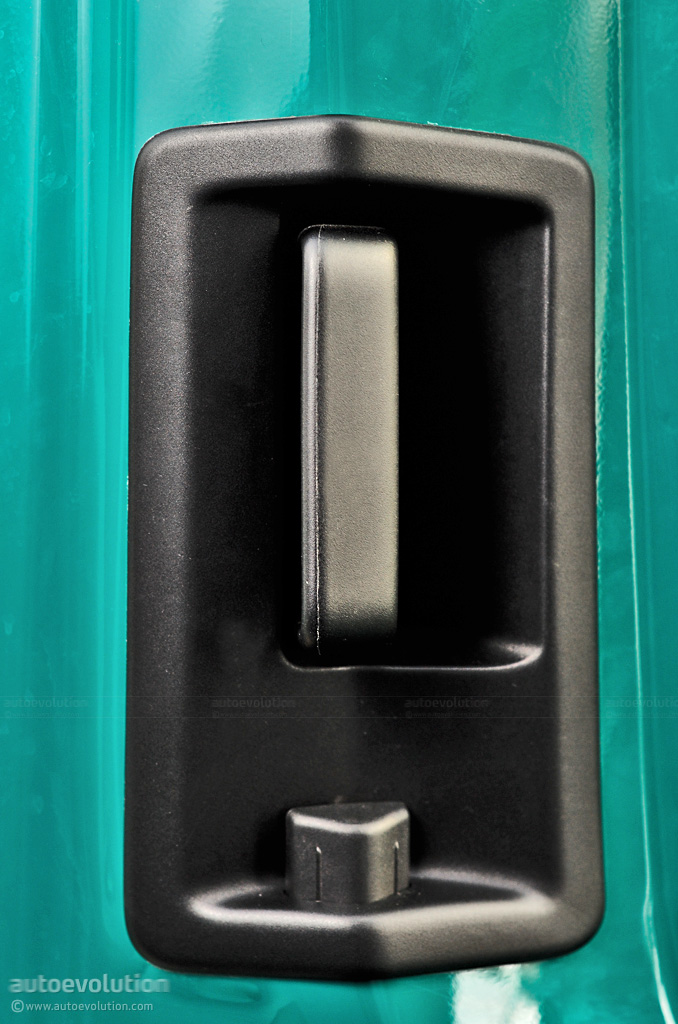
Last, but not the least, the doors of the Caddy Kombi can both help and prove a pain in the butt sometimes. The front doors and the sliding right-handed one certainly fall under the first category, as they give the driver & passengers plenty of space to open them while in crowded city roads (thanks to their considerable short dimensions). As far as the hatch rear door is concerned, one might have some hard time opening it while flanked by two cars in a parking lot.
Also, the car we've tested was not fitted with parking sensors, which led to some pretty difficult parking considering the overall length of the car and the poor visibility rearwards.
The 4Motion also fails to come into effect (in the city, that is) when talking about the car's maneuverability. As the power continues to be distributed to the front wheels, the Caddy's behavior doesn't change much. But then again, the introduction of the all-wheel-drive system was not aimed at improving the model's in-the-city drives, but to ensure cornering and high speed maneuverability, as well as improved off-road capabilities.
The first indicator telling us that the Caddy 4Motion wasn't built for the open road was its overall petite size. The second indicator, which was also the dead giveaway, is the car's shape. Or should we say aerodynamics. We don't possess any official drag coefficient numbers, bust considering the amount of wind noise it creates at speeds exceeding 80-100 km/h (50-60 mph), it shouldn't be a very slippery vehicle.
We would have expected the “antique” 1.9 TDI four-banger under the hood to create most of the interior noise on the road, but instead it was the ginormous windshield and the overall “curved Lego car” shape. Of course, we didn't exactly expect a van-like vehicle to be completely wind noise-free on the highway, but the Volkswagen engineers also didn't try very much to change our expectations. Speaking of the good old TDI oil-burner, this isn't exactly the best partner on which you can saddle up for a long journey unless you have plenty of patience and an at least above-average sound system. The main reasons are of course its lack of high-end grunt (it's a diesel, duh!) and a tractor-like sound at cruising speeds.
Since the 105 horsepower provided by the 1.9-liter engine aren't exactly tire-scorching, we didn't expect any high-speed passing capabilities either. And we were right. Young and dynamic families (the Caddy 4Motion's key market) shouldn't rely on the car's standard six-speed manual transmission to transform the powerplant into a point-and-shoot type of vehicle. In other words, they should prepare passing another car from advance, because you never know when a semi will appear from nowhere in front of you and you can't even complete the pass.
Sure, the engine is not exactly a slouch, but care should be taken when passing nonetheless. On the good side, the fuel economy appears to be top-notch, and the addition of all-wheel-drive hasn't made it worse apparently. We can provide an accurate measurement since we “drove it like we stole it” on some occasions without resetting the on-board computer, but 5-6 liters per 100 kilometers ( (US 40-47 mpg) during cruising speeds should be expected.
Another topic of discussion during our test drive on the open road was the Caddy's ride. As we mentioned before, we didn't expect this car to handle like a normal car-like people-carrier, but since Volkswagen provided it with seats, we will treat it accordingly. To make it short, the Caddy's leaf rear-suspension isn't exactly a provider of a “serene ride”, especially when filled with only one or two non-fat passengers. In other words, if you expect a Caddy 4Motion to be comfortable you should fill it with at least 3-4 fatties and a handful of heavy luggage, since the rear suspension will behave better this way.
12
Our VOLKSWAGEN Testdrives:
Photo gallery (67)
![VOLKSWAGEN Caddy photo #58]()
![VOLKSWAGEN Caddy photo #57]()
![VOLKSWAGEN Caddy photo #56]()
![VOLKSWAGEN Caddy photo #55]()
![VOLKSWAGEN Caddy photo #54]()
![VOLKSWAGEN Caddy photo #53]()
![VOLKSWAGEN Caddy photo #52]()
![VOLKSWAGEN Caddy photo #51]()
![VOLKSWAGEN Caddy photo #50]()
![VOLKSWAGEN Caddy photo #49]()
![VOLKSWAGEN Caddy photo #48]()
![VOLKSWAGEN Caddy photo #47]()
![VOLKSWAGEN Caddy photo #46]()
![VOLKSWAGEN Caddy photo #45]()
![VOLKSWAGEN Caddy photo #44]()
![VOLKSWAGEN Caddy photo #43]()
![VOLKSWAGEN Caddy photo #42]()
![VOLKSWAGEN Caddy photo #41]()
![VOLKSWAGEN Caddy photo #40]()
![VOLKSWAGEN Caddy photo #39]()
![VOLKSWAGEN Caddy photo #38]()
![VOLKSWAGEN Caddy photo #37]()
![VOLKSWAGEN Caddy photo #36]()
![VOLKSWAGEN Caddy photo #35]()
![VOLKSWAGEN Caddy photo #34]()
![VOLKSWAGEN Caddy photo #33]()
![VOLKSWAGEN Caddy photo #32]()
![VOLKSWAGEN Caddy photo #31]()
![VOLKSWAGEN Caddy photo #30]()
![VOLKSWAGEN Caddy photo #29]()
![VOLKSWAGEN Caddy photo #28]()
![VOLKSWAGEN Caddy photo #27]()
![VOLKSWAGEN Caddy photo #26]()
![VOLKSWAGEN Caddy photo #25]()
![VOLKSWAGEN Caddy photo #24]()
![VOLKSWAGEN Caddy photo #23]()
![VOLKSWAGEN Caddy photo #22]()
![VOLKSWAGEN Caddy photo #21]()
![VOLKSWAGEN Caddy photo #20]()
![VOLKSWAGEN Caddy photo #19]()
![VOLKSWAGEN Caddy photo #18]()
![VOLKSWAGEN Caddy photo #17]()
![VOLKSWAGEN Caddy photo #16]()
![VOLKSWAGEN Caddy photo #15]()
![VOLKSWAGEN Caddy photo #14]()
![VOLKSWAGEN Caddy photo #13]()
![VOLKSWAGEN Caddy photo #12]()
![VOLKSWAGEN Caddy photo #11]()
![VOLKSWAGEN Caddy photo #10]()
![VOLKSWAGEN Caddy photo #9]()
![VOLKSWAGEN Caddy photo #8]()
![VOLKSWAGEN Caddy photo #7]()
![VOLKSWAGEN Caddy photo #6]()
![VOLKSWAGEN Caddy photo #5]()
![VOLKSWAGEN Caddy photo #4]()
![VOLKSWAGEN Caddy photo #3]()
![VOLKSWAGEN Caddy photo #2]()
![VOLKSWAGEN Caddy photo #1]()