INFINITI G37 Sedan Review
OUR TEST CAR: INFINITI G37 Sedan
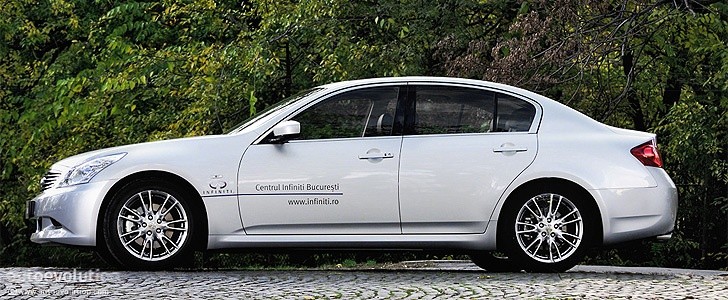
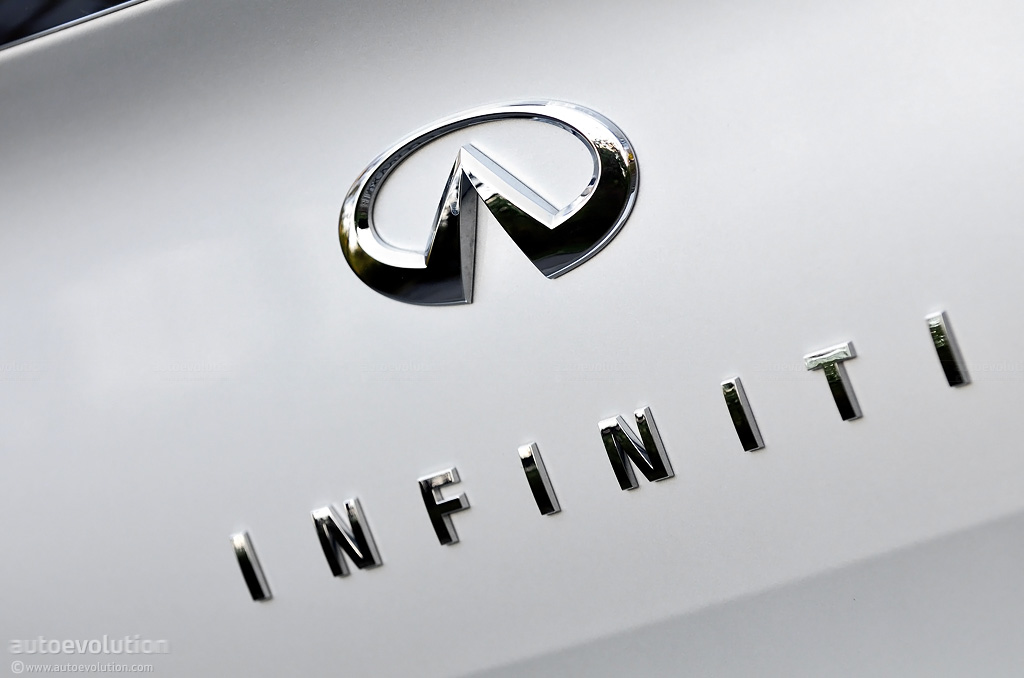
Curiously, the Infiniti brand was launched at around the same time as two other Asian premium manufacturers, namely Acura and Lexus, which came from Honda's and Toyota's stables. While Lexus got on with a great start and kept its momentum high enough for the two following decades, both Acura and Infiniti were somewhat left in the dust. Infiniti went on to follow a rather confusing way of marketing their models up until the early 2000s, when a spark of enlightenment hit the Japanese premium manufacturer.
Since sales were refusing to catch up with their German, British and even Japanese counterparts, Nissan took a peek at their competitors and finally settled their gun sight on BMW. So, from that time on, Infiniti marketing would only consist of furiously taking cheap shots at BMW. It didn't quite seem to work at first but after the whole car line-up was revamped to suit the new "Japanese Bimmer" philosophy sales began to pick up.
Today, the so-called Nissan FM platform underpins every single Infiniti model except for the humongous QX fulls-size SUV. Every model from the G line of sedans and coupes to the EX and FX crossover/SUVs shares the same FM modular architecture. The "FM" bit comes from the "front midship" location of the engine. In other words, almost every Infiniti engine's center of mass sits behind the front axle, therefore the cars' weight distribution is very close to 50:50 no matter if it's a G37 Coupe or an FX50 crossover/SUV.
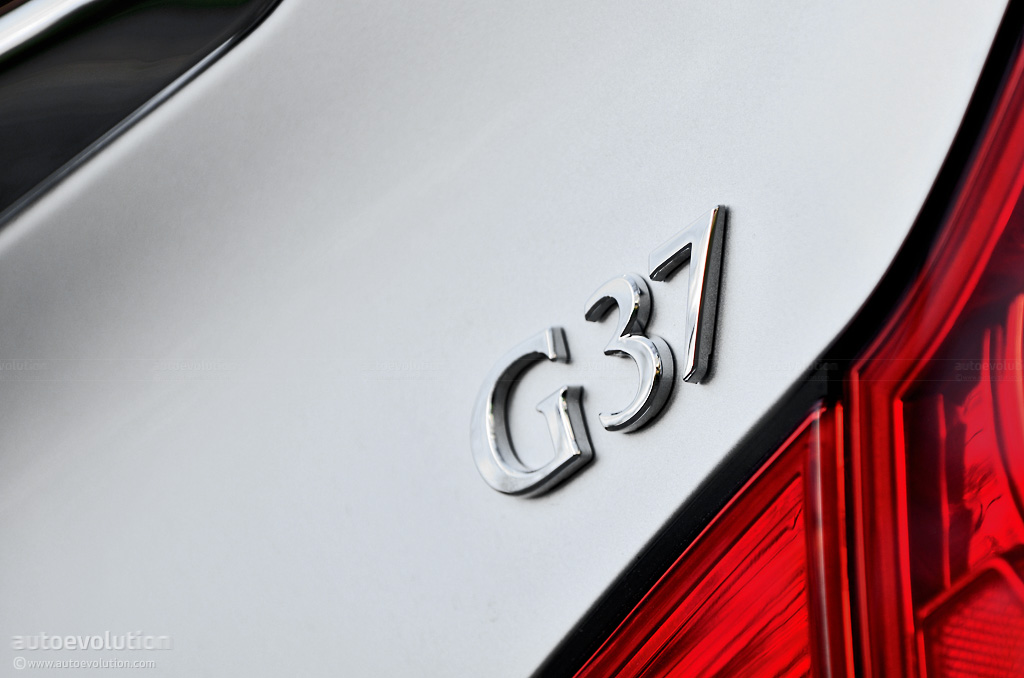
Since the end of 2008, the Infiniti brand has also started its invasion of Europe. This is how we got the chance to drive what is probably their best-selling sedan – the G37. Available with a single engine option (but what an engine, some might say!), the G37 sedan managed to win some of us over, but some of its downsides kept it from scoring full marks in every one of our test drive chapters. Read on to find out more.
Unlike the "tuck me in, I'm getting sleepy" designs of the 1990s, Infiniti has jumped quite a few steps in automotive design over the past decade. They now have a brand image which is well connected with the sporty and premium genes found under the metal skin.
This is all mainly thanks to a single man. His name is Shiro Nakamura and he has taken care of Infiniti's design since the early 2000s. The Infiniti G37 Sedan we drove benefits extensively from the brand's design cues made famous by the G37 Coupe facelift, the M sedan and the EX and FX crossover SUVs.
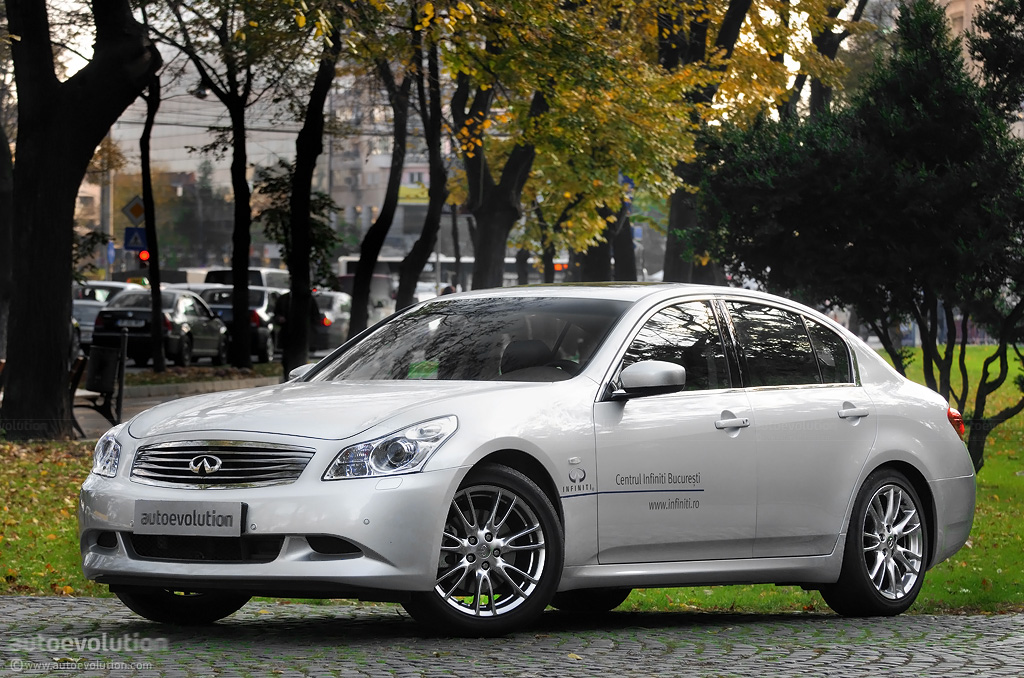
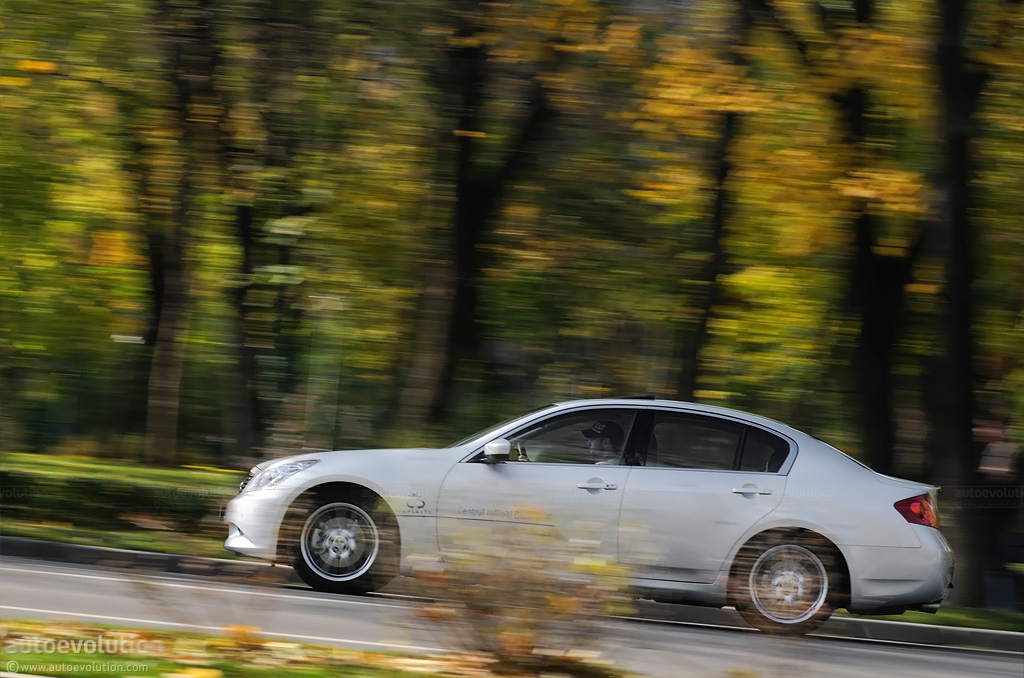
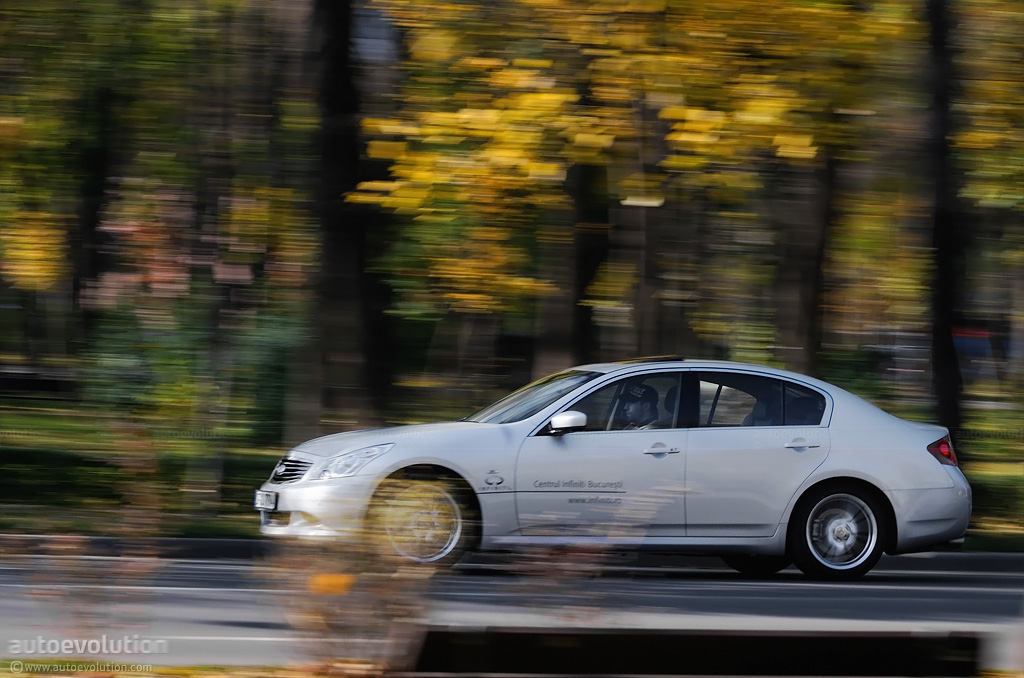
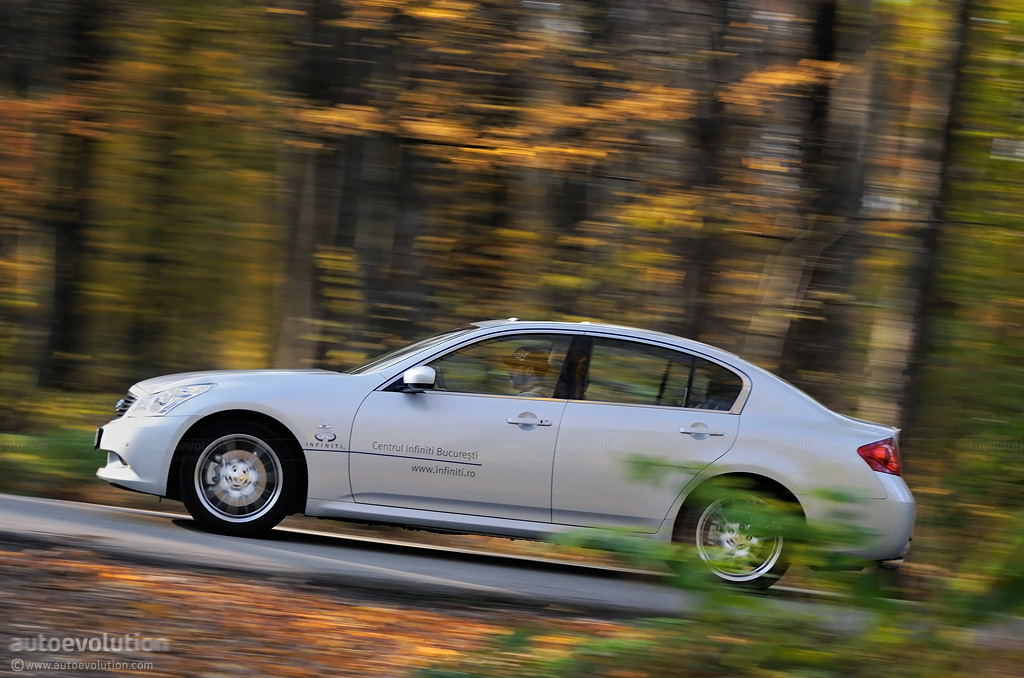
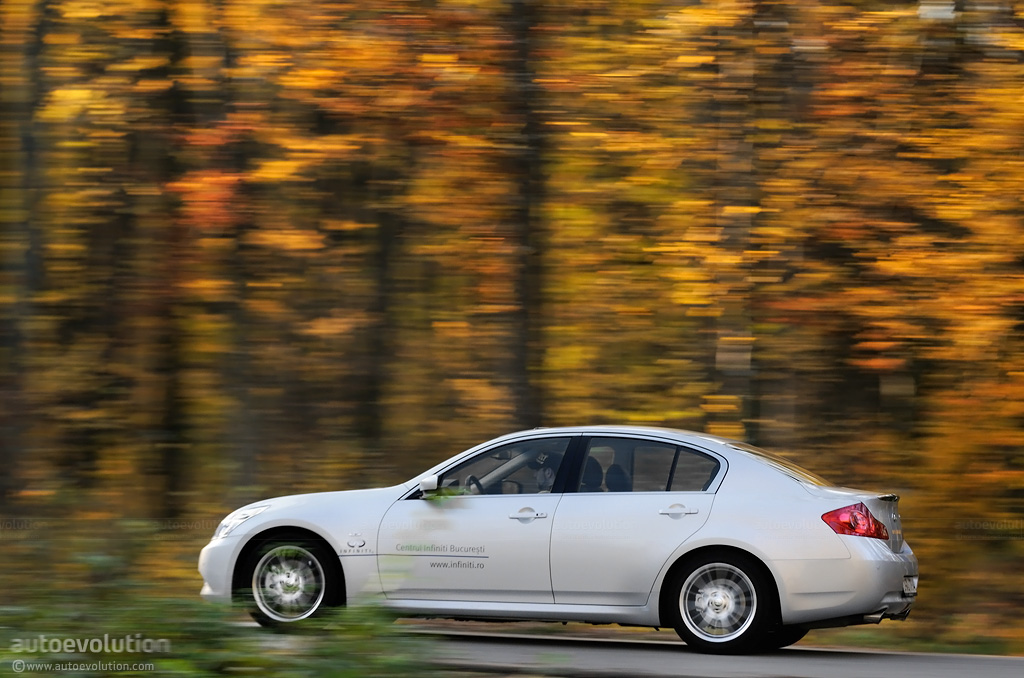
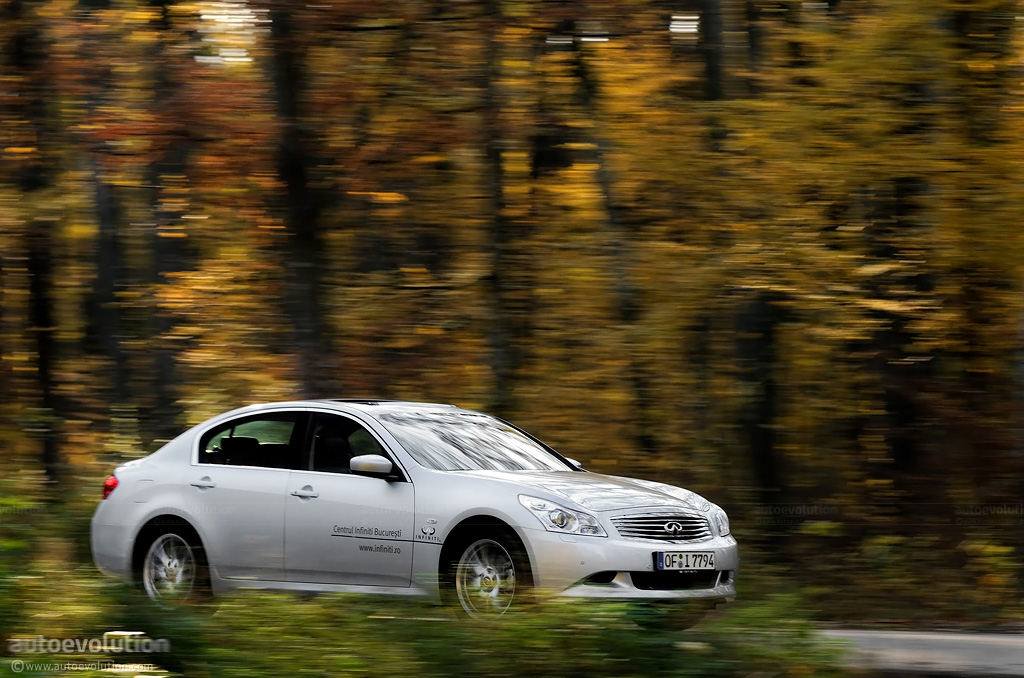
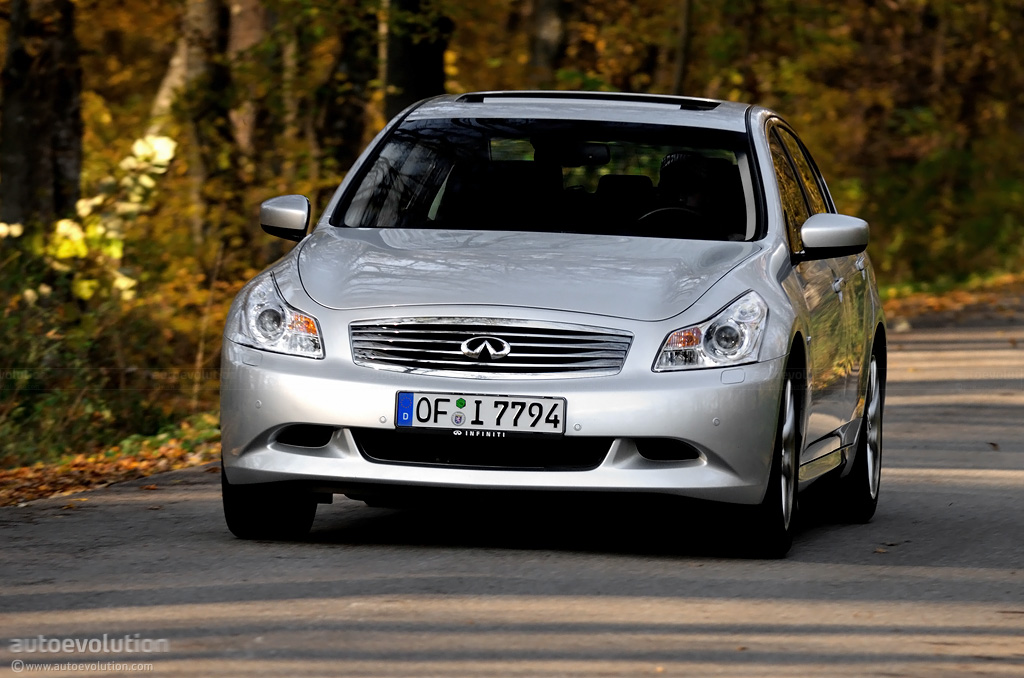
Elegant with a touch of sportiness, from every angle should you set your eyes on this medium premium sedan it provides you with the same Japanese "banzai" look. It practically screams "I'm a four-door coupe-ish looking vehicle which is both comfortable and sporty".
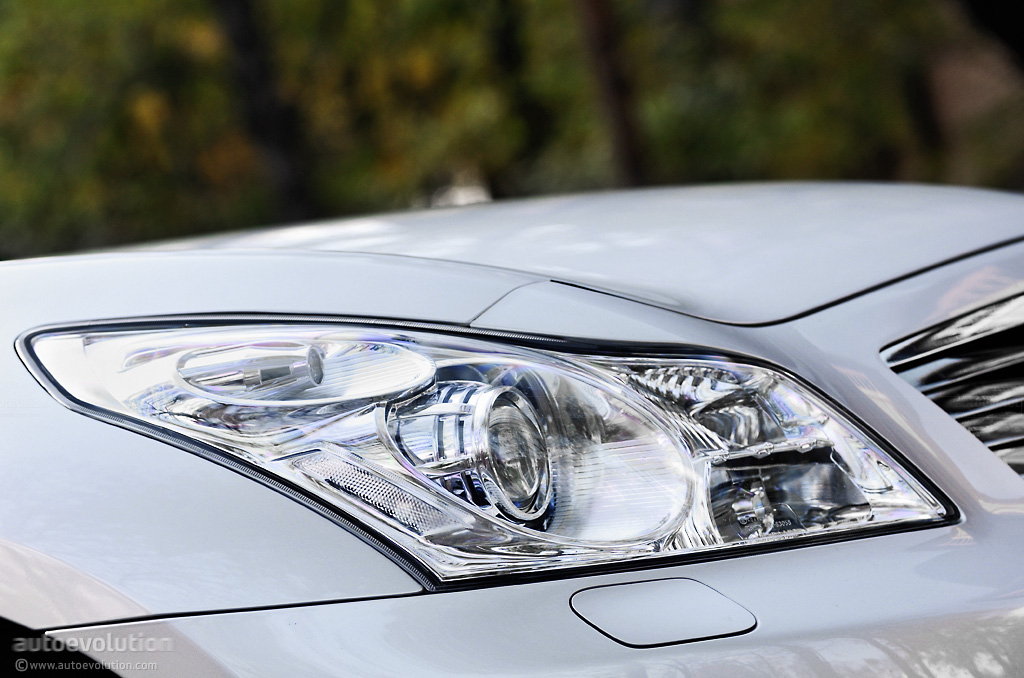
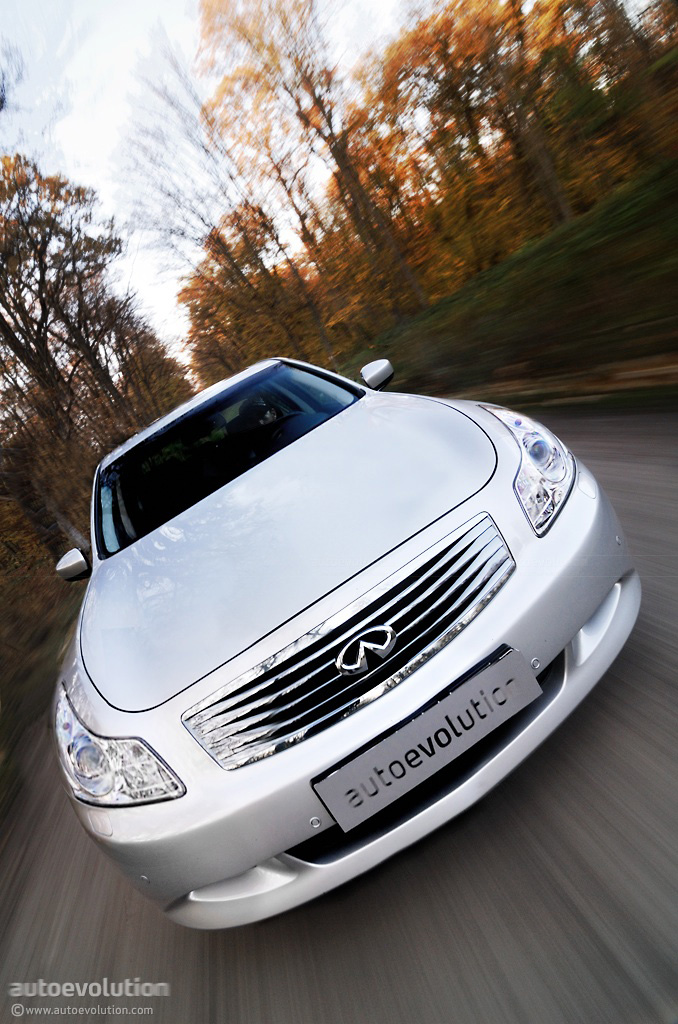
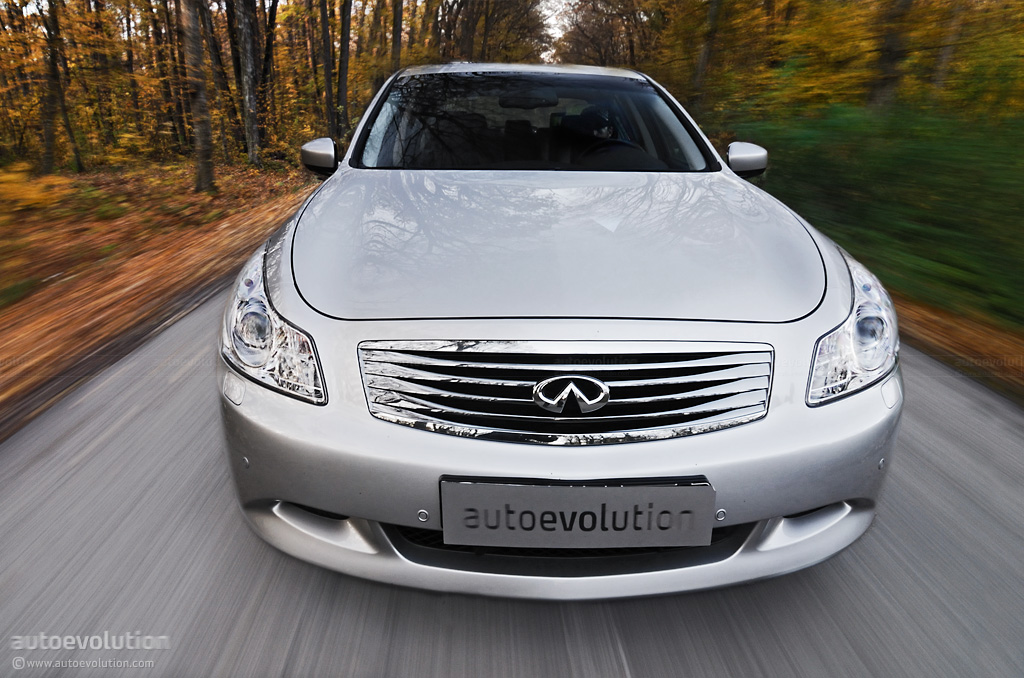
It all starts at the front, with the L-shaped headlights that make the car look much angrier than its somewhat bland predecessors. The Origami-like chrome grille is one of the least ostentatious in the premium sedan world, but it manages to both catch the eye and give a preview of the performance residing under the hood.
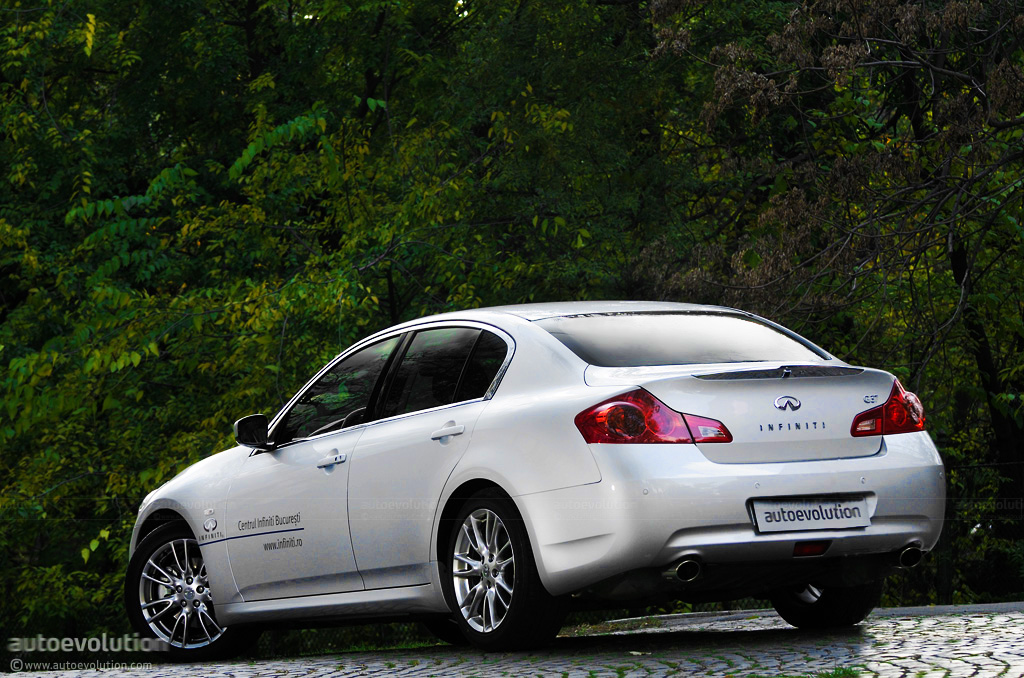
The side view is typically New-Age-Infiniti with a swooping line that is abruptly cut at the rear, in a Kammback-like tail which comes as a little bit peculiar for a sedan. The short front overhang echoes the front-mid positioning of the engine and the overall low roofline harks back to 1970 GT cars, improving on the perception that this is a sports sedan, not your grandma's Buick.
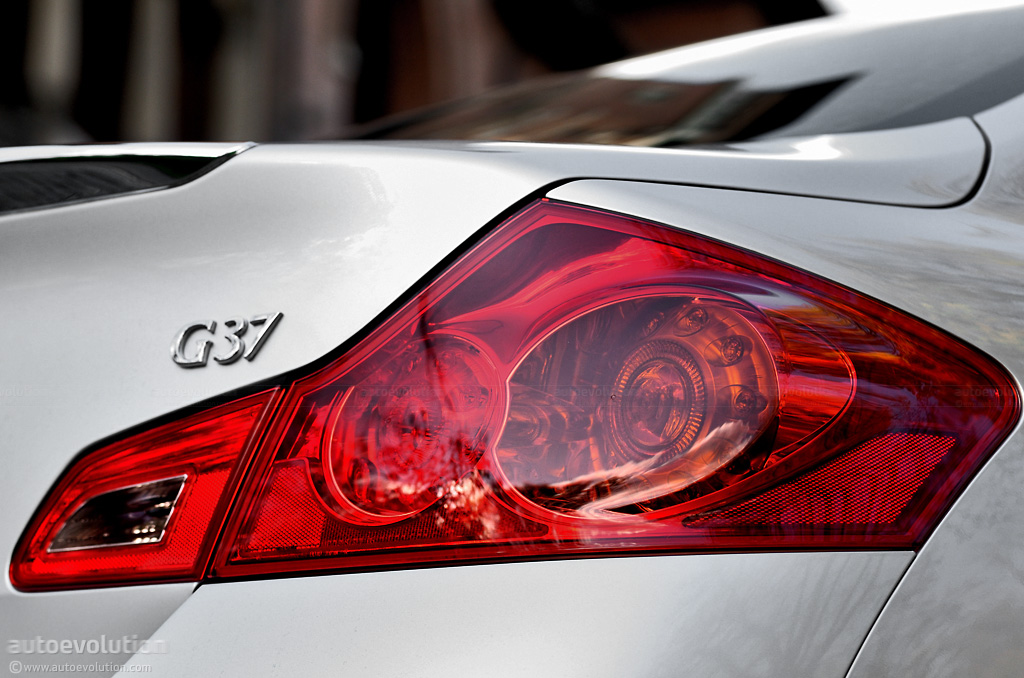
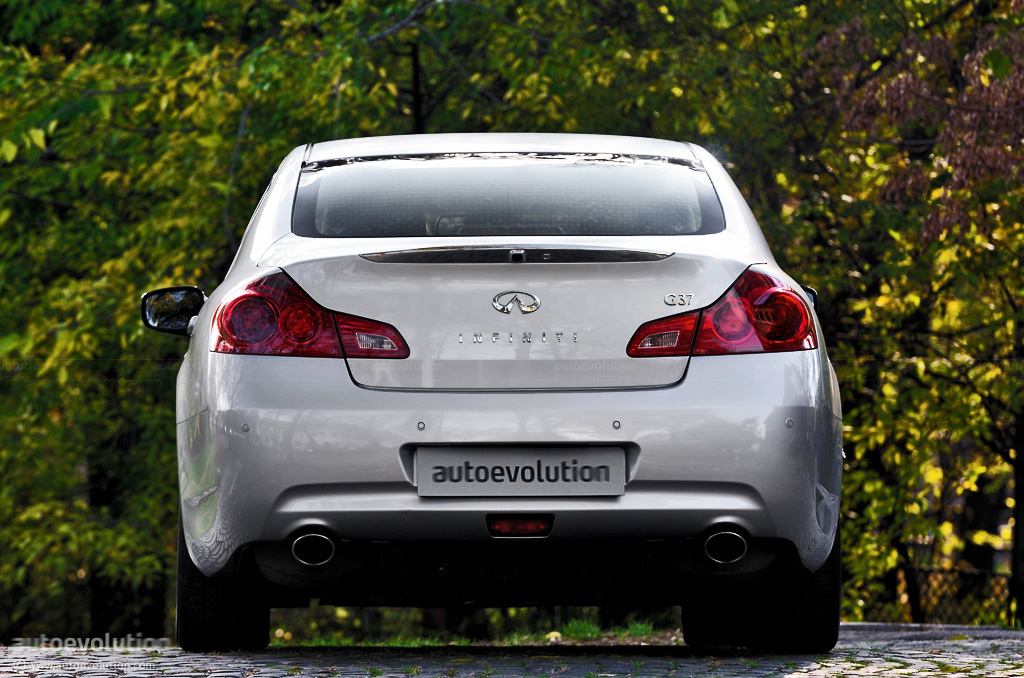
The rear comes as a reverted take on the front, since the stoplights have a somewhat similar L-shape as the headlights. The major difference comes in the fact that the G37's rear is concave instead of convex – that and the missing grille at the rear, naturally. All in all, we can say that, despite its age, the Infiniti G37 Sedan is a very good-looking sedan.
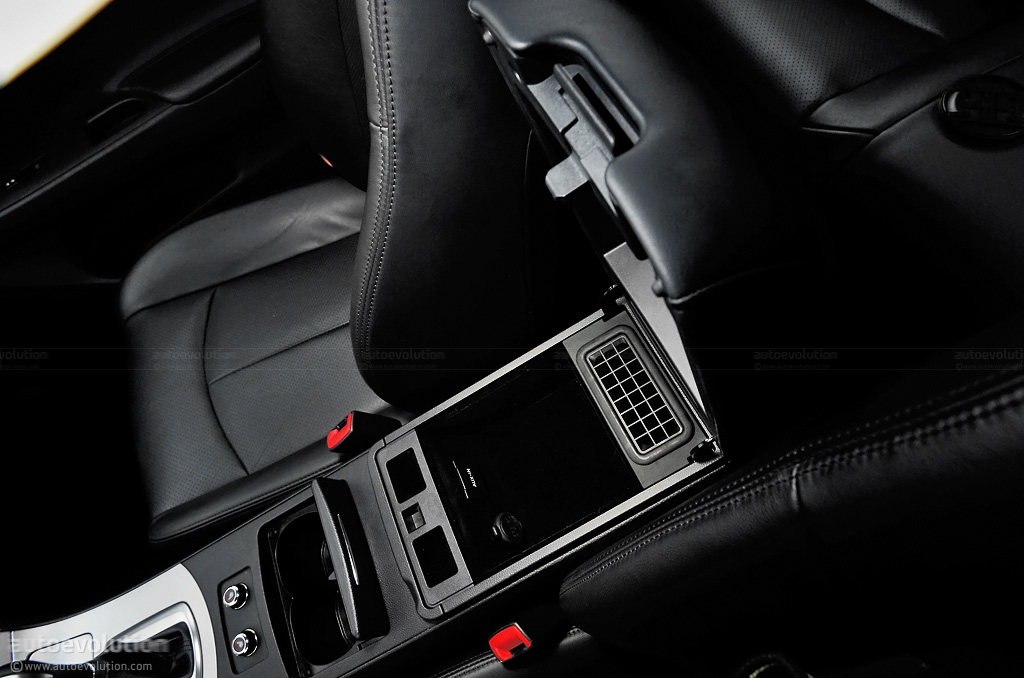
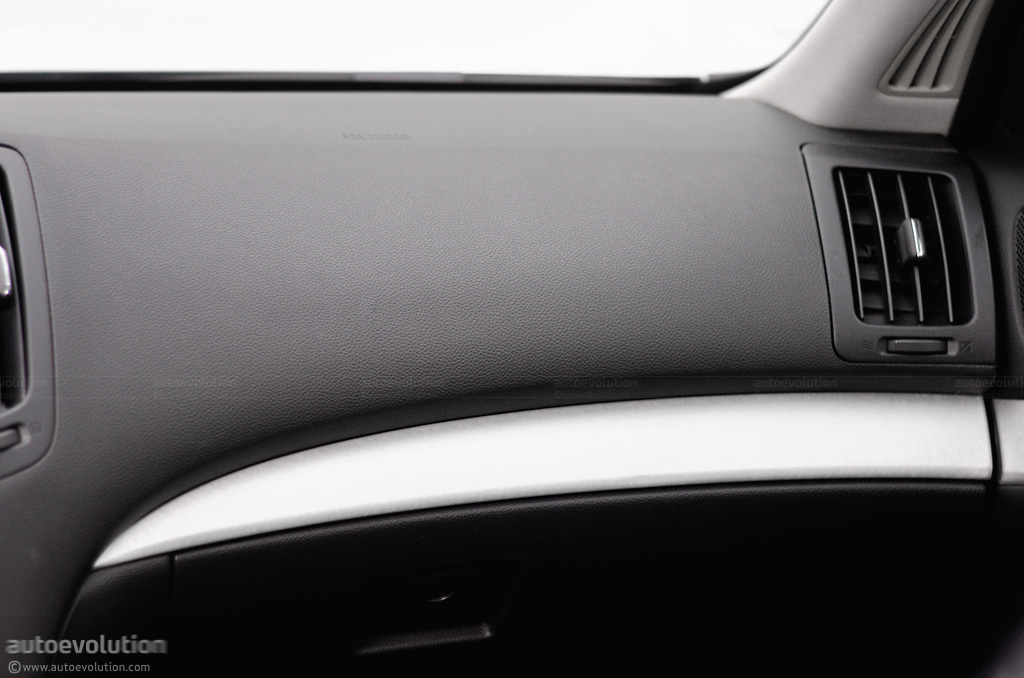
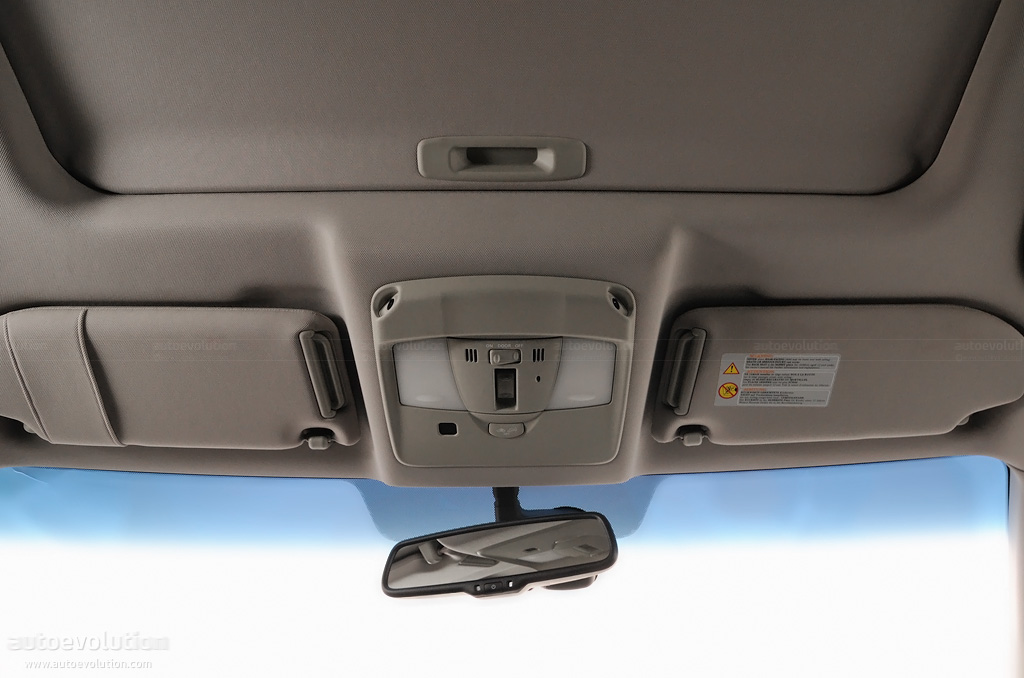
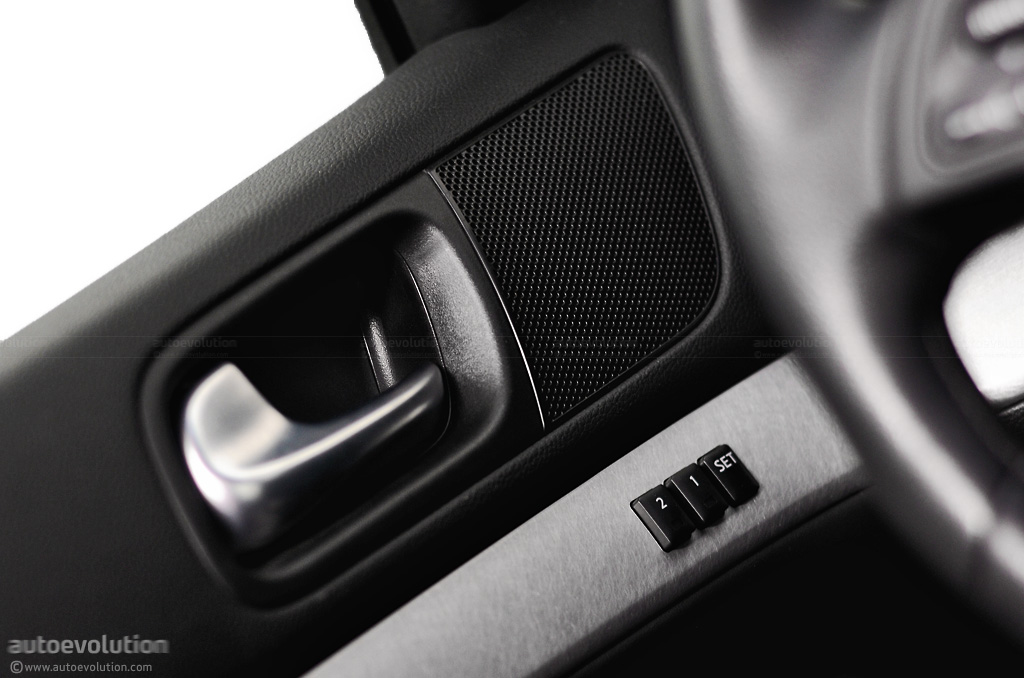
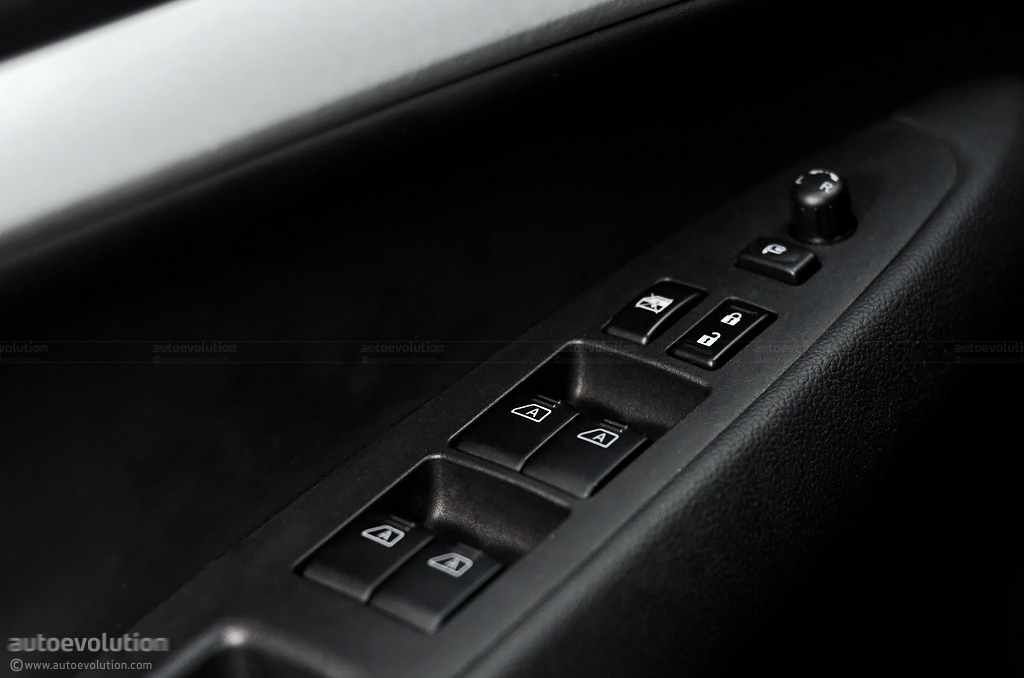
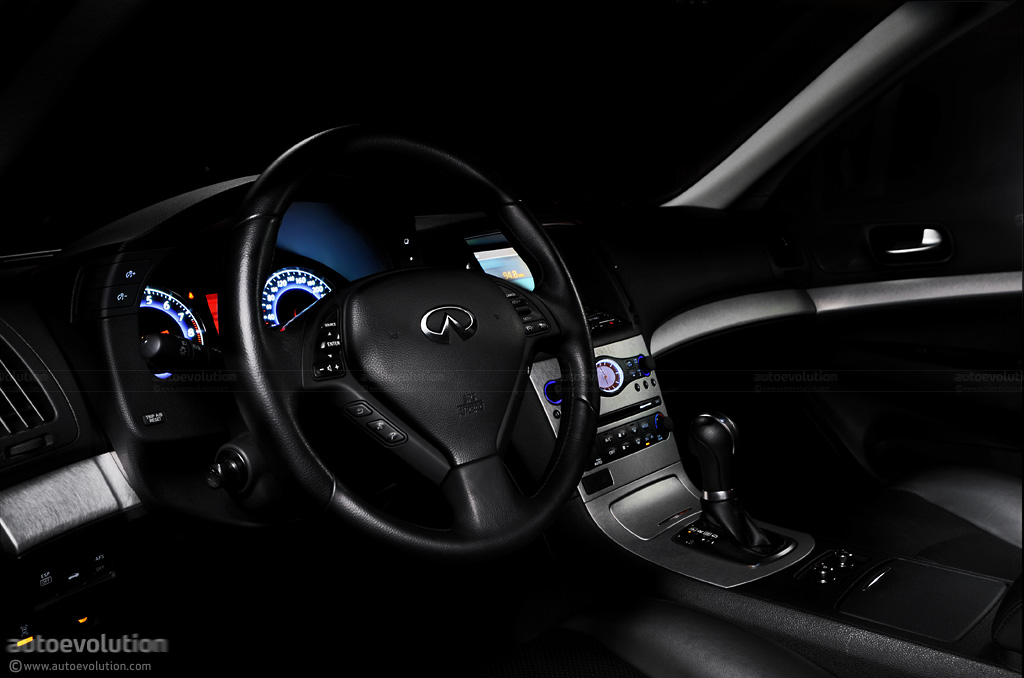
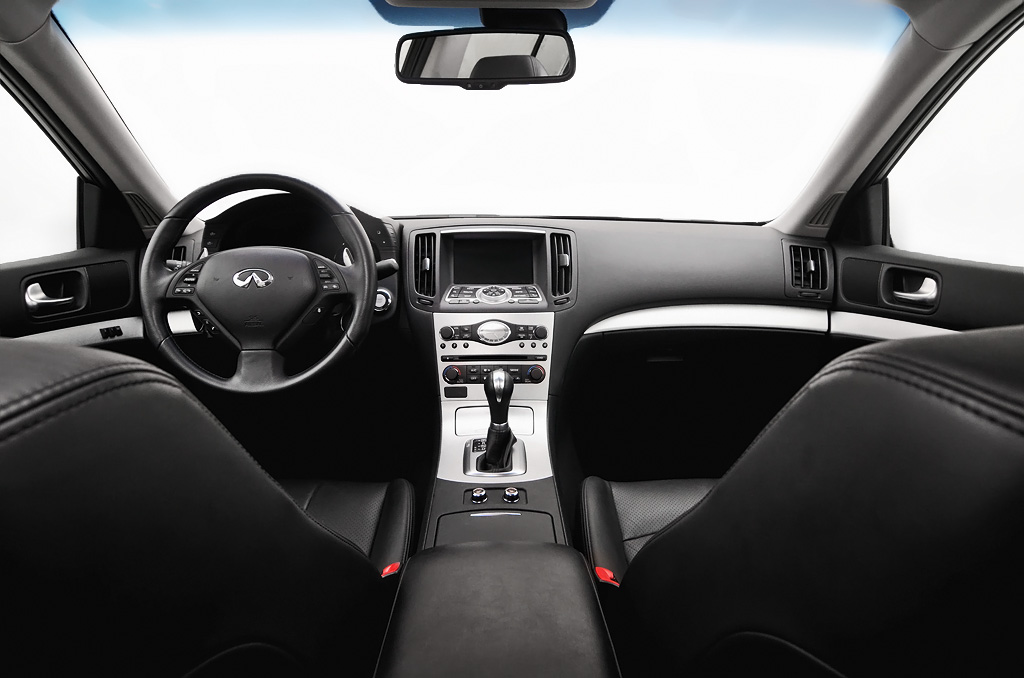
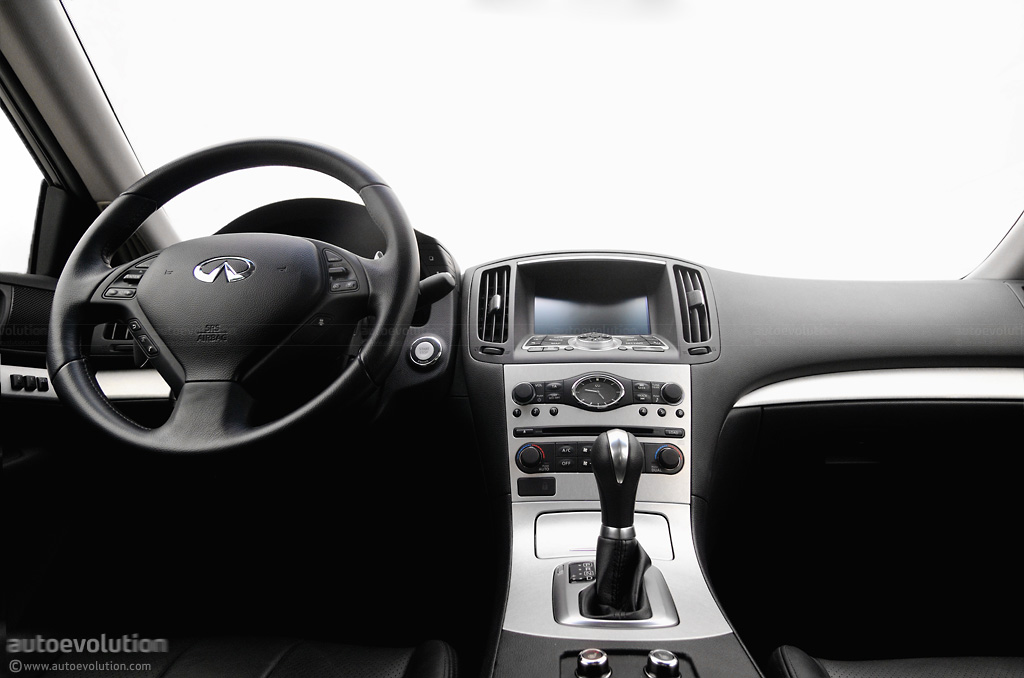
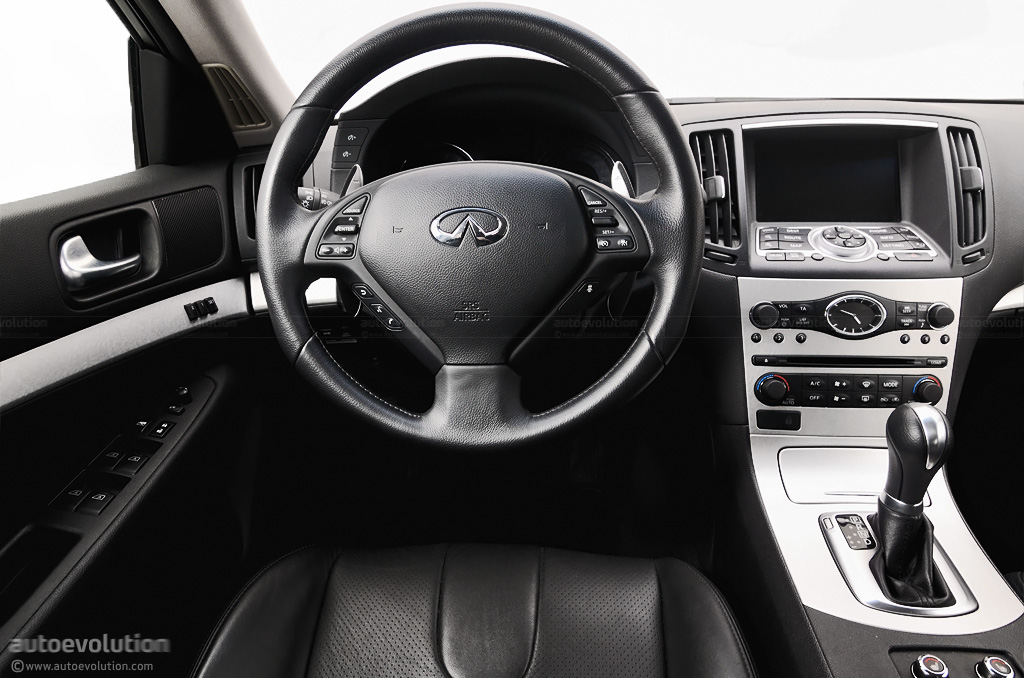
The 2009 facelift suffered by the Infiniti G Sedan brought very few visual differences to be acknowledged by the naked eye, since most of them happened under the hood, but the interior has been revised nonetheless. From what we heard, the doors received softer side-panels, albeit they didn't exactly managed to impress us that much.
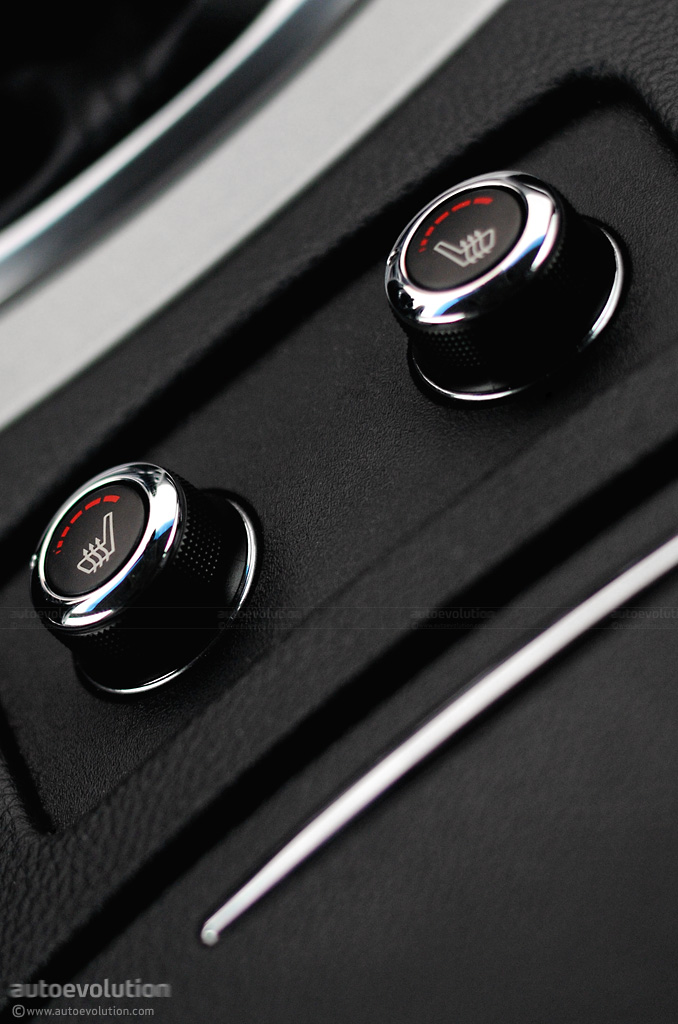
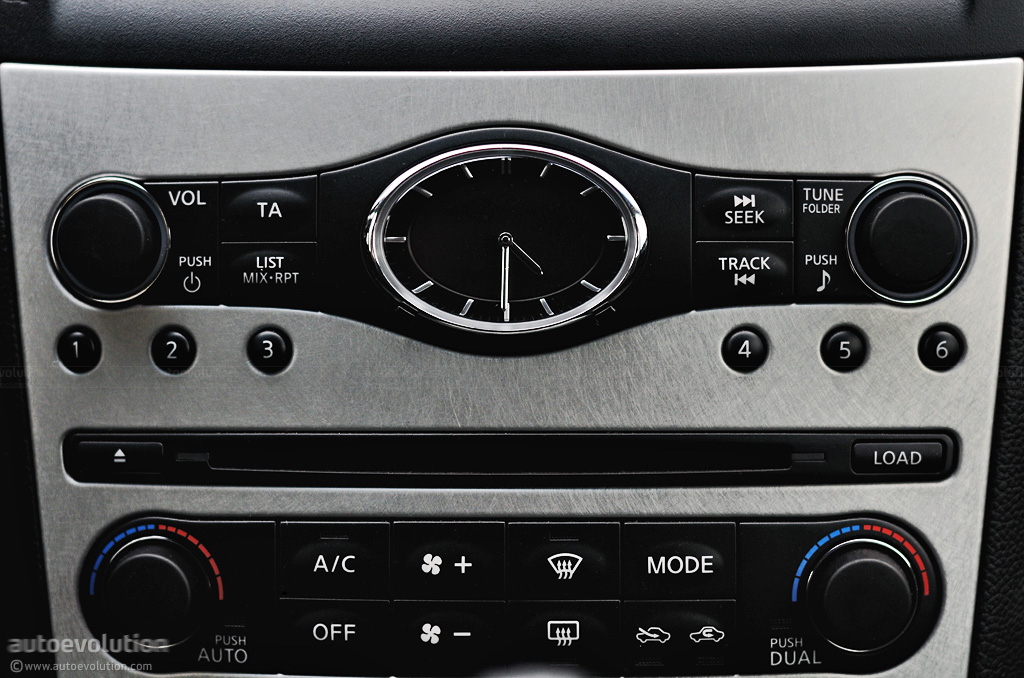
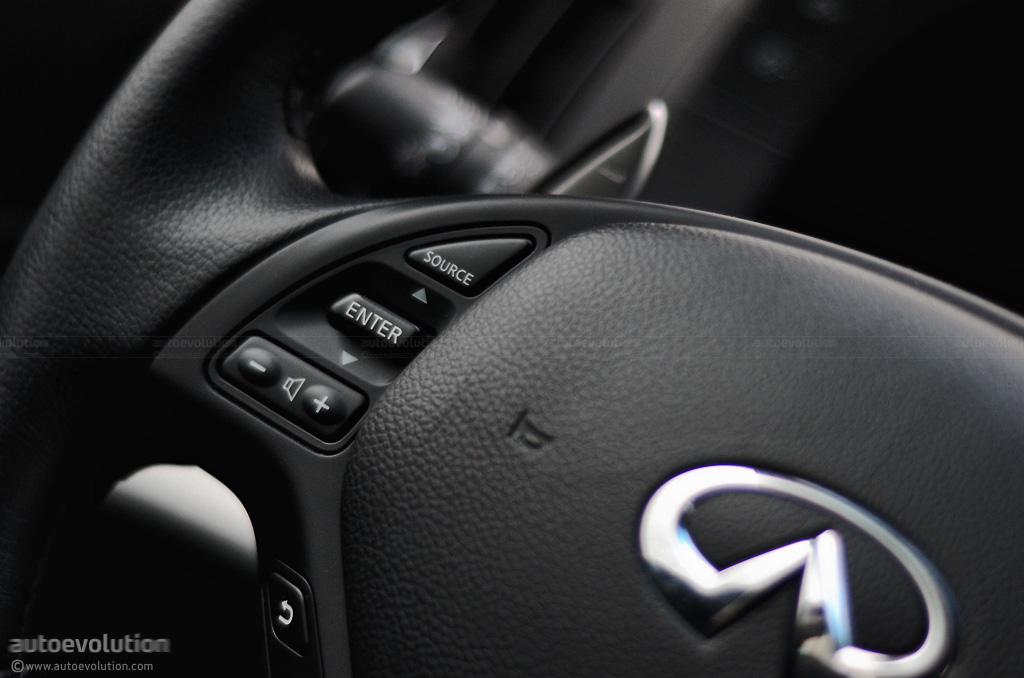
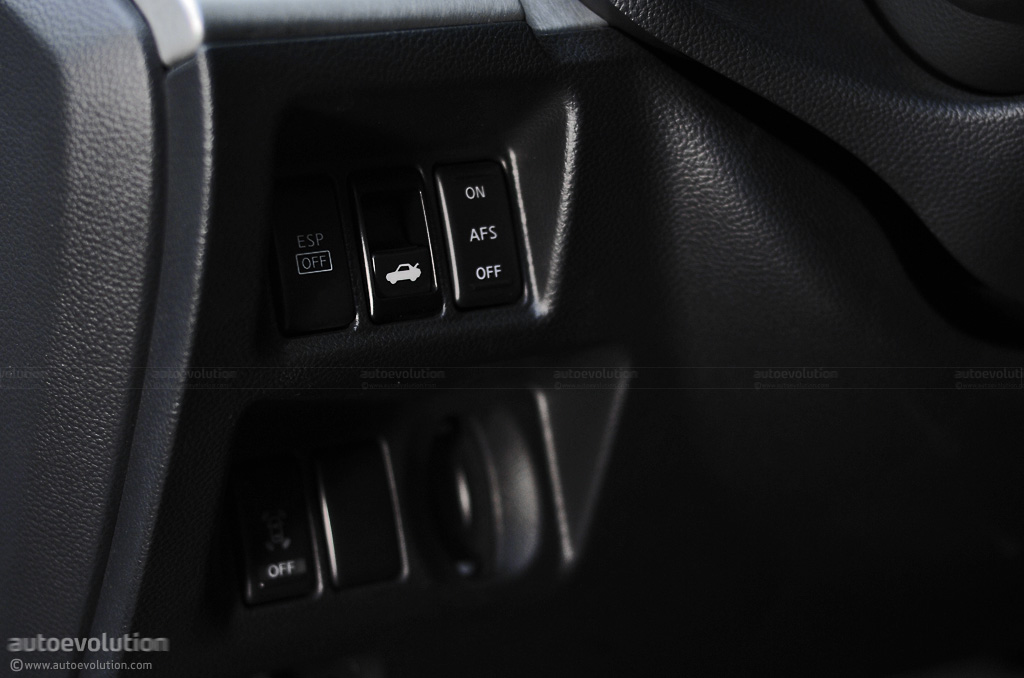
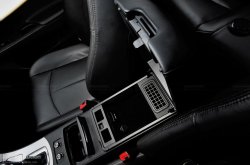
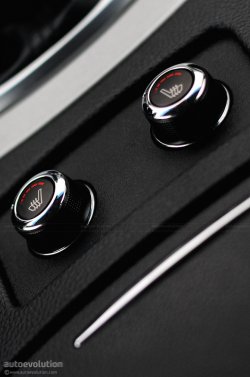
Also, some of the old-school switches have transformed into rotary dials - take the front seat-heating knobs, for example, which now have no less than five different heating stages for your tooshie. Other than that, the interior looks quasi-identical to the non-facelift version, making use of the same quirky arrangement.
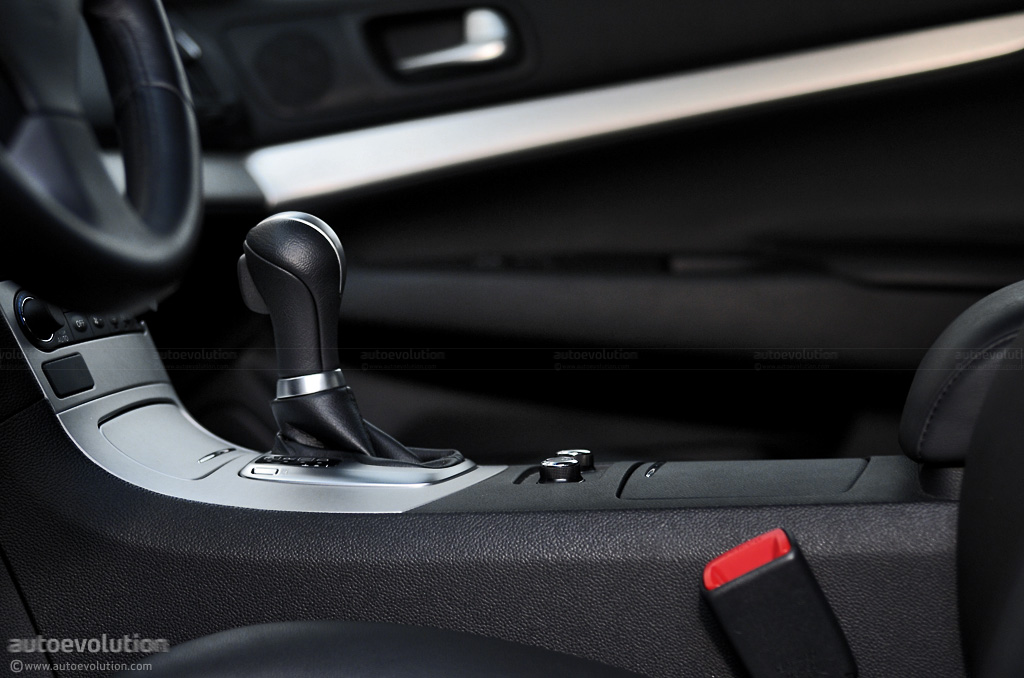
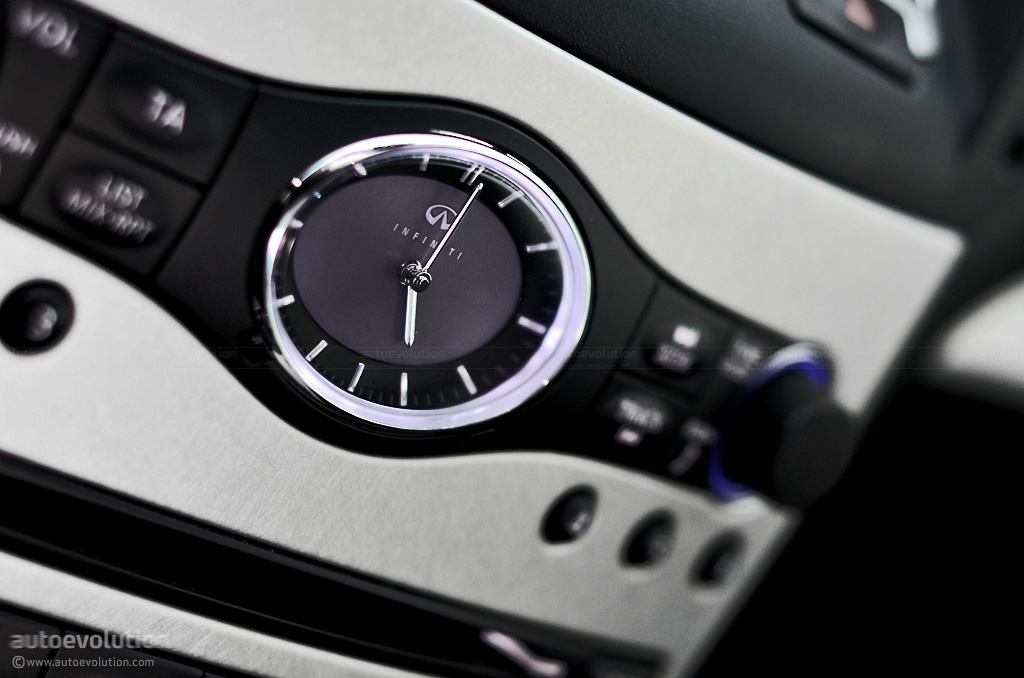
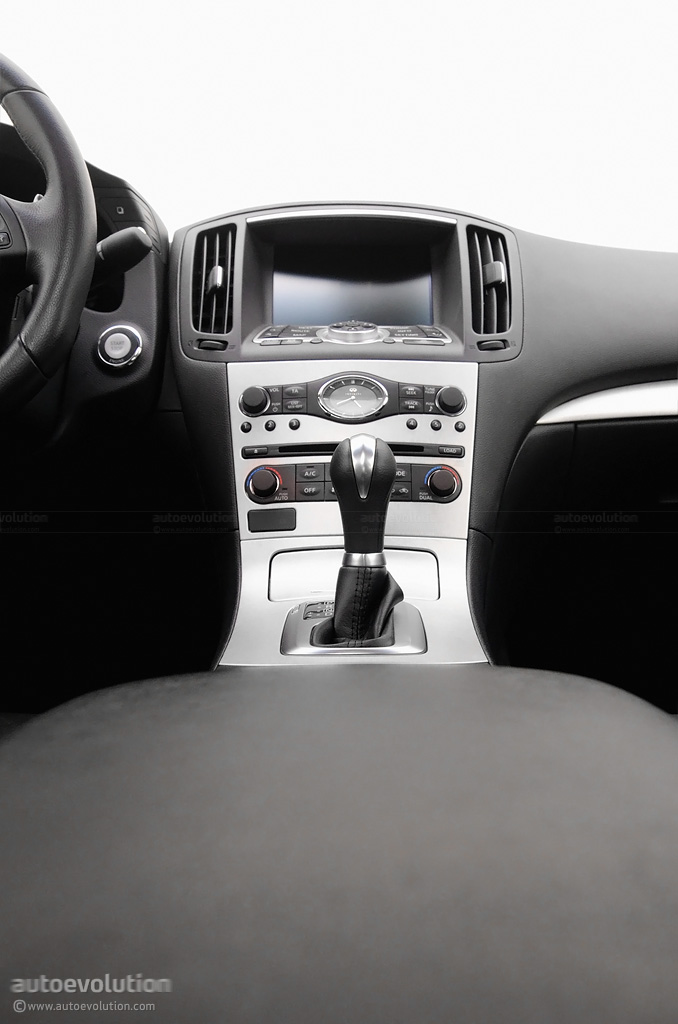
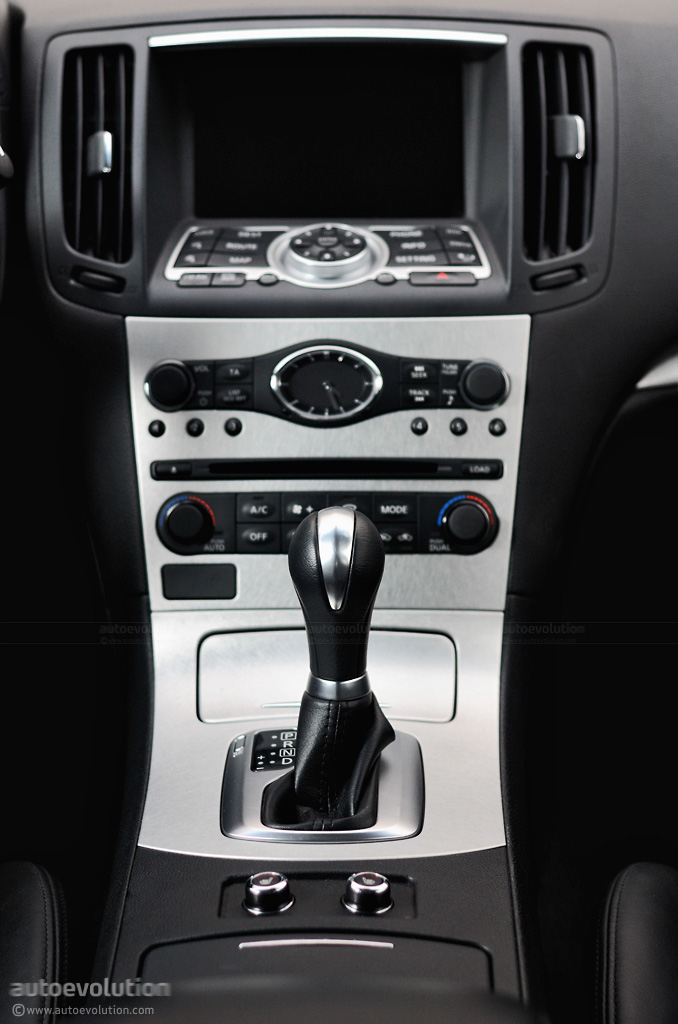
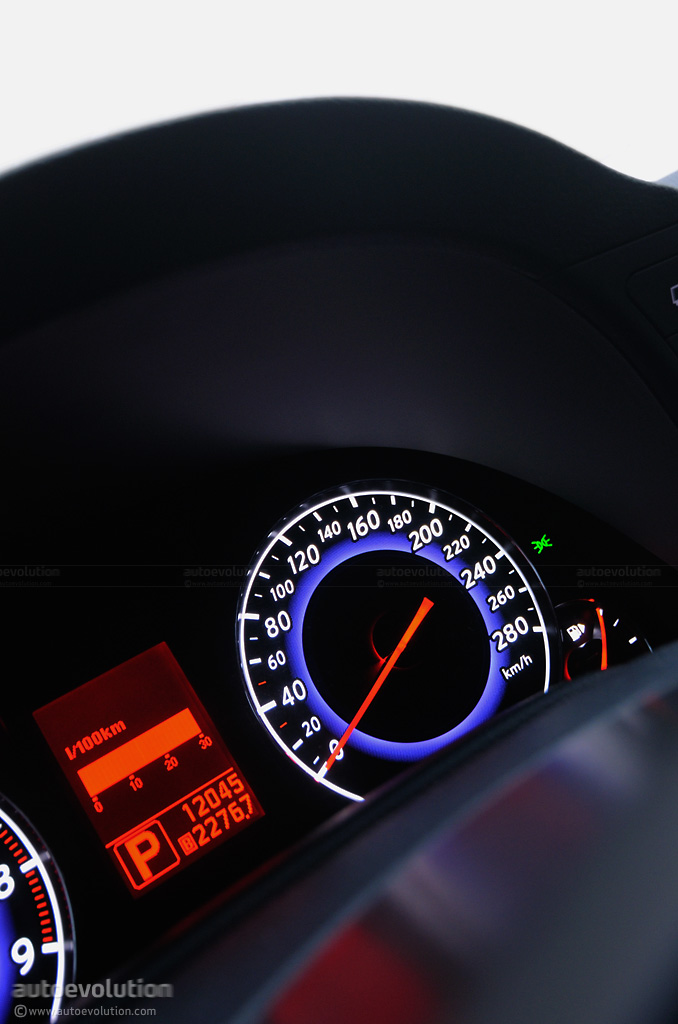
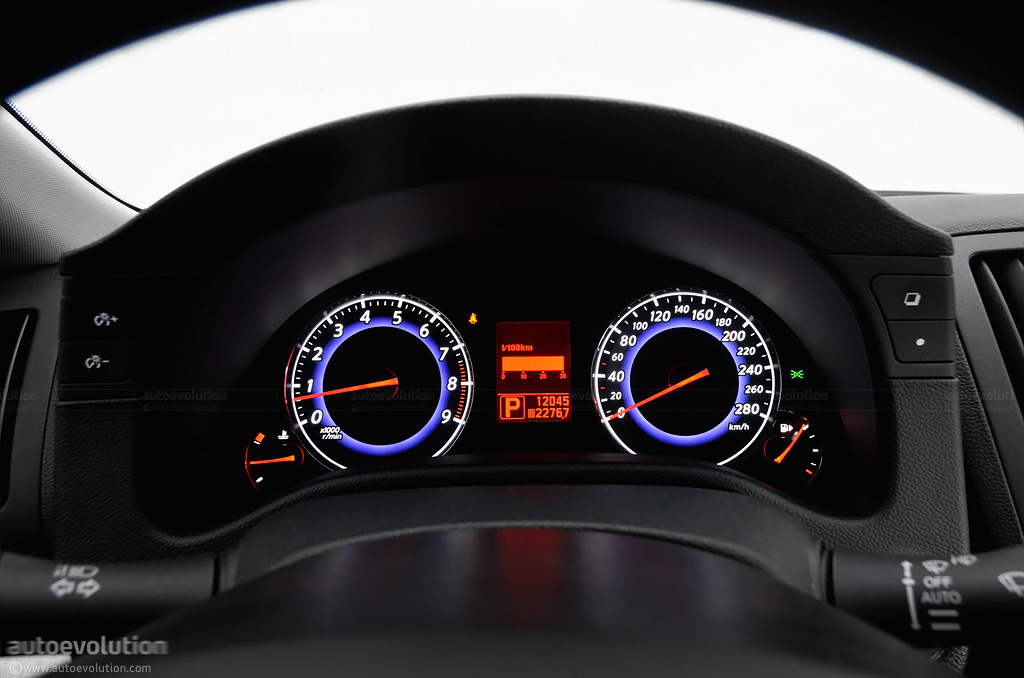
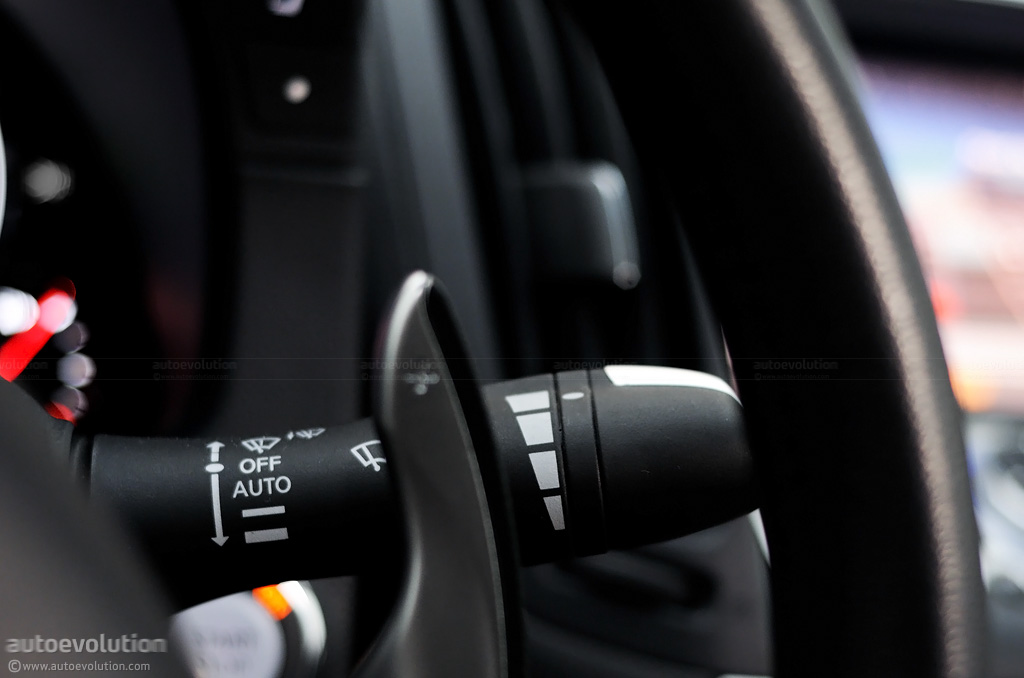
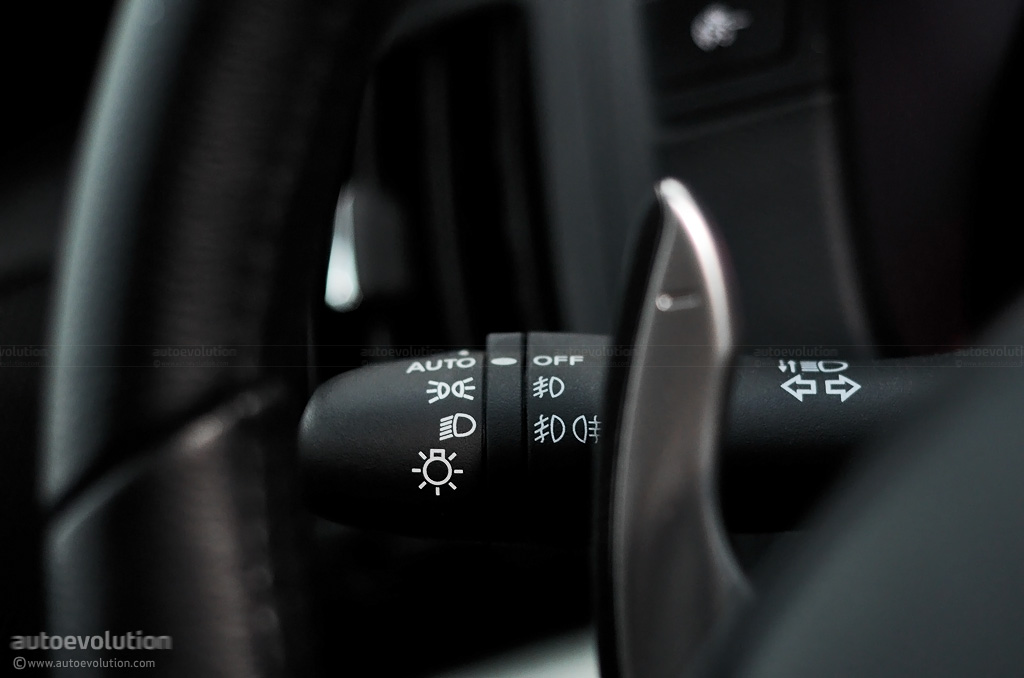
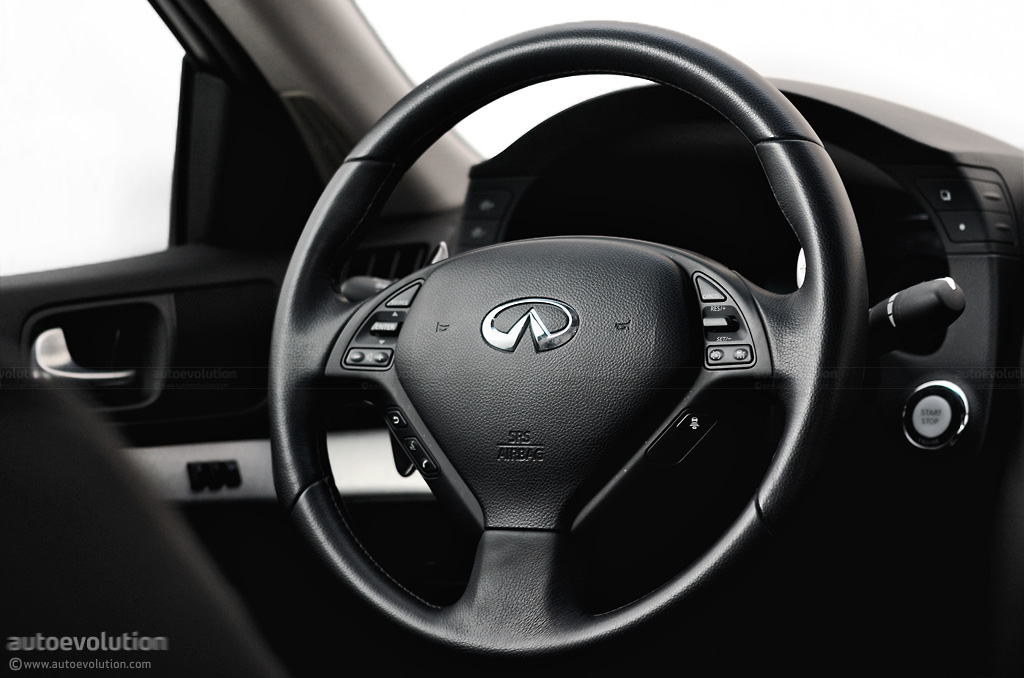
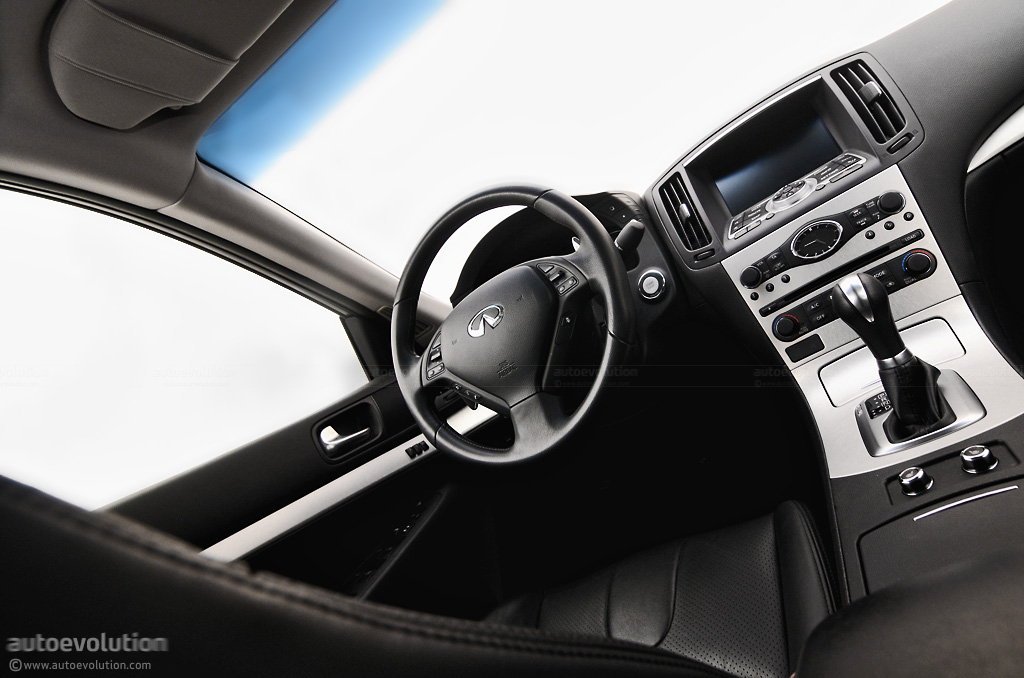
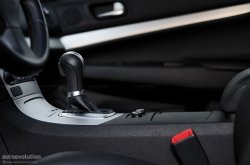
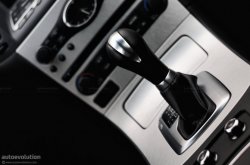
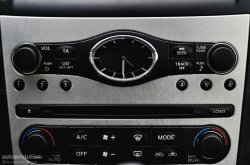
In typical Nissan 350/370 Z fashion, the dashboard dials are connected with the steering column, therefore moving in the same direction whenever you adjust the steering wheel position – which is two-way adjustable. The matte aluminum trim section on the center console is a bit brighter now but looks as good as ever.
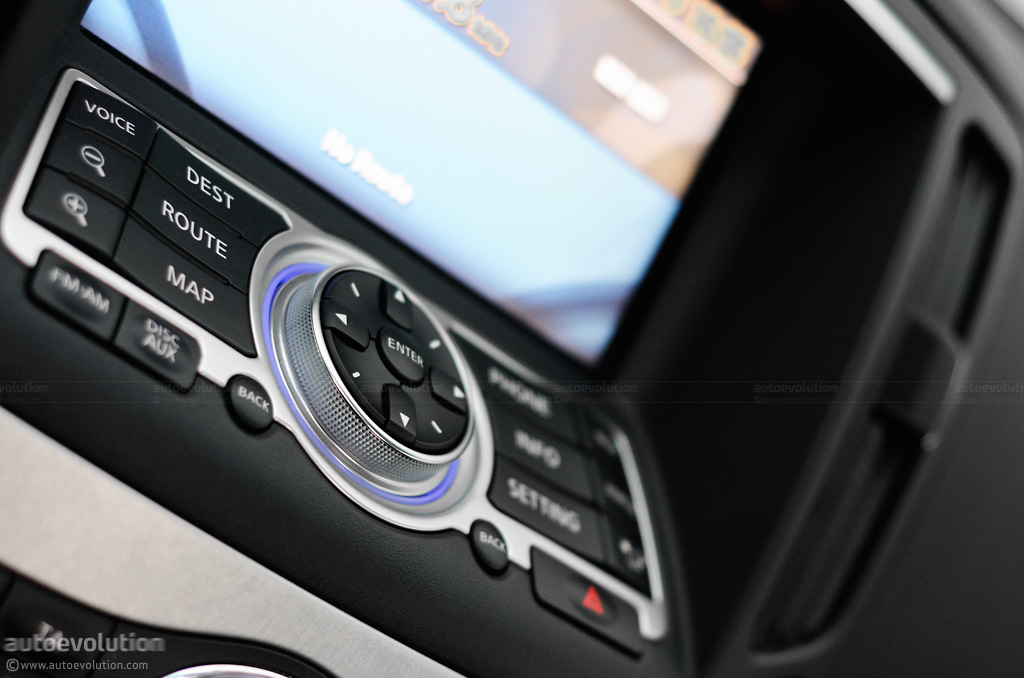
Also, the optional navigation system's controllers sit at the same height on the dashboard, thus extracting all the "ergonomics out of cool." The center LCD provides the same 1990s Sega graphics, which look a bit obsolete in a car that competes with head-up display and night vision-equipped vehicles.
The leather seats are near-perfect and the overall space is OK(ish) if you're traveling with just three of your friends, since the transmission tunnel somewhat turns the G37 into a four-seater. The Infiniti-exclusive reclining rear seats are still there, providing quite a pleasant experience for the rear passenger on longer trips, or if they're suffering from narcolepsy.
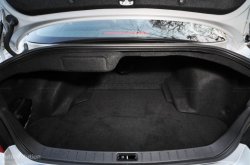
On the whole, the interior fit and finish is much better than average, but the overall space isn't as large as you would expect judging from the exterior size. It's not cramped but it's not extremely large either - especially in the rear, mostly because of the rather low roofline. The luggage compartment isn't either the biggest ever, nor is it perfectly shaped. All in all, apart from the driver's position, which is almost perfect no matter what your height is, we were more impressed with the G37's exterior than with its interior.
A car whose official fuel consumption figures in the city are stated at 15.3 liters per 100 kilometers (US 15.4 mpg) couldn't exactly be nicknamed a... city car, could it? As a matter of fact, during our stint in busy city driving we achieved even worse figures. How do approximately 17-18 liters per 100 kilometers (US 13.1-13.8 mpg) sound? Of course, having 320 horsepower under our hindquarters naturally meant we didn't exactly went "green" with the pedal from the right, so we suspect a lower fuel consumption can be achieved.
Even so, the G37 Sedan is no fuel sipper, and having a naturally aspirated and somewhat large engine coupled with an automatic transmission can't possibly help its fuel economy in busy traffic. For example, on a highly congested part of our test drive in the city, the onboard computer was showing 23 liters per 100 km (US 10.2 mpg). As far as visibility goes, we can't give it top marks either, but the truth is it's better than you would expect just by looking at it.
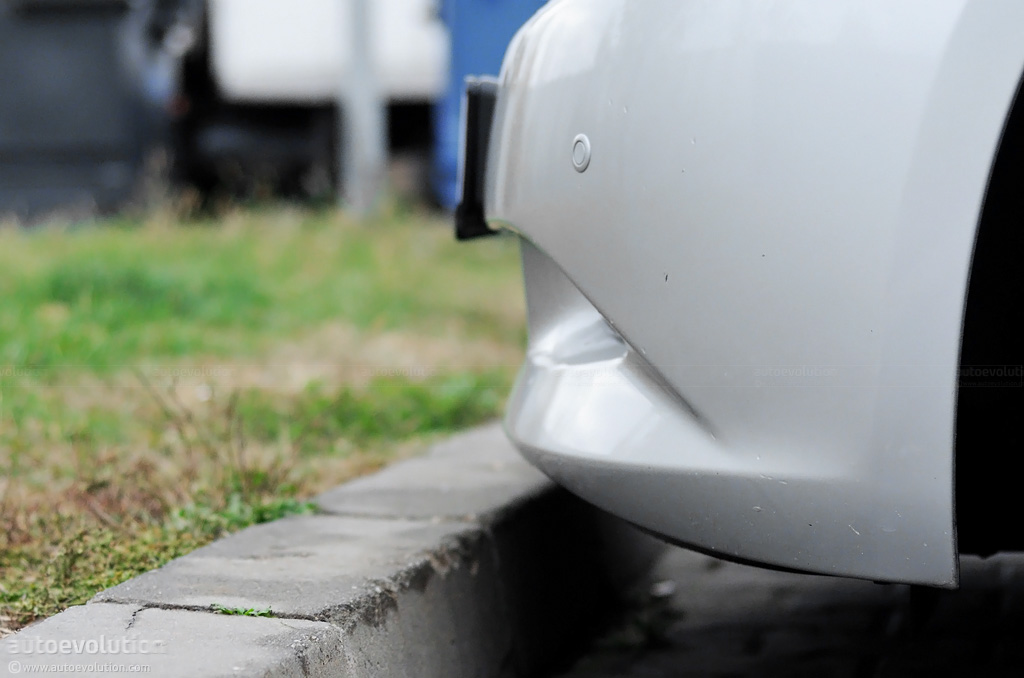
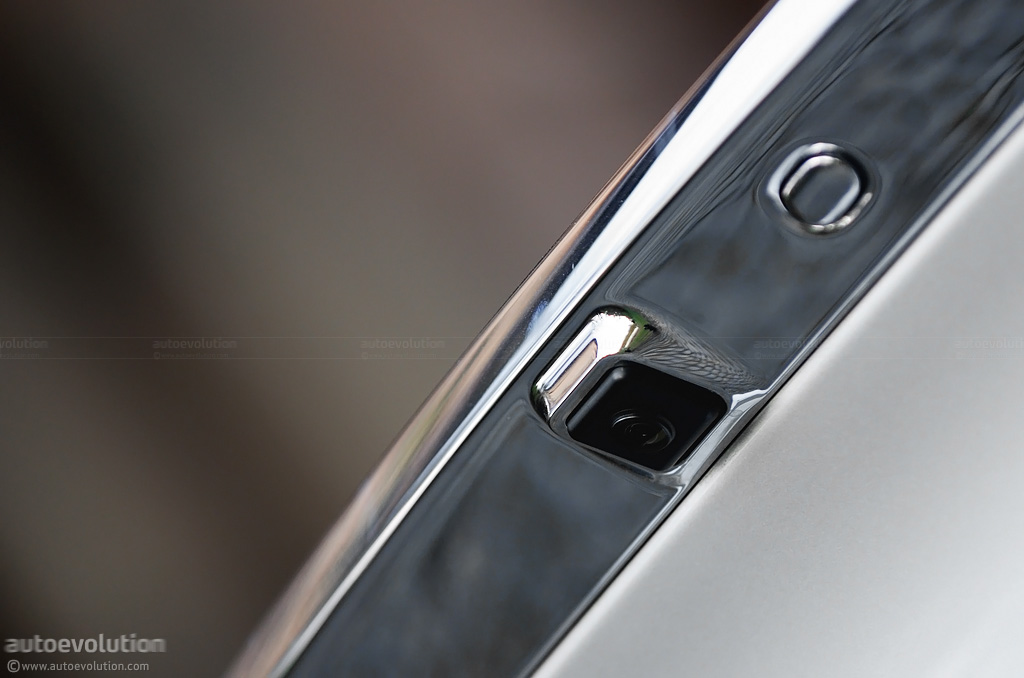
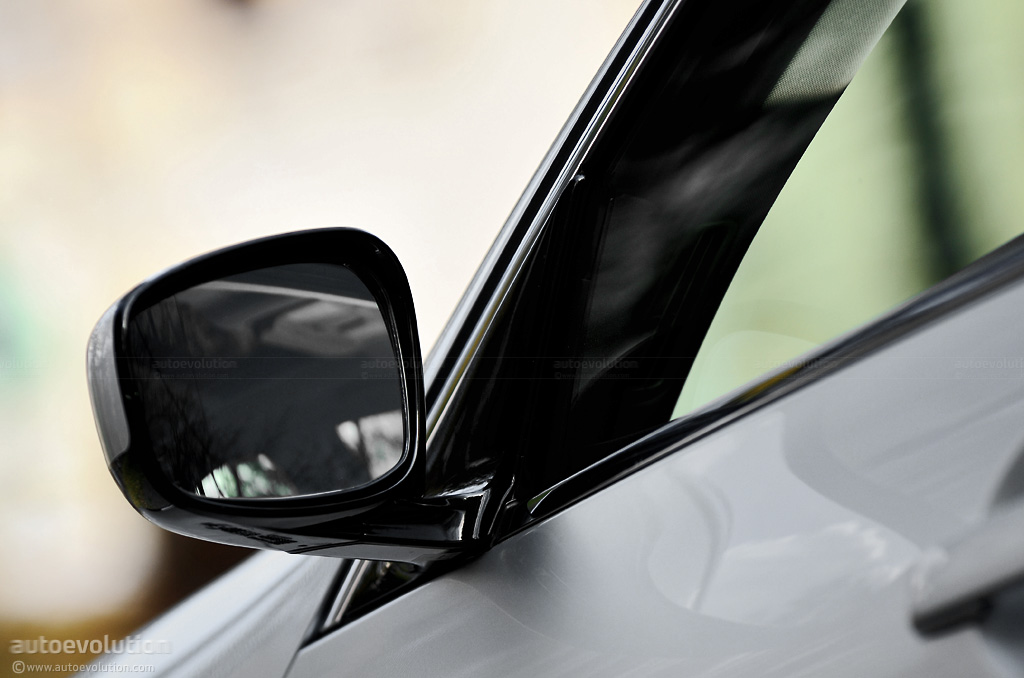
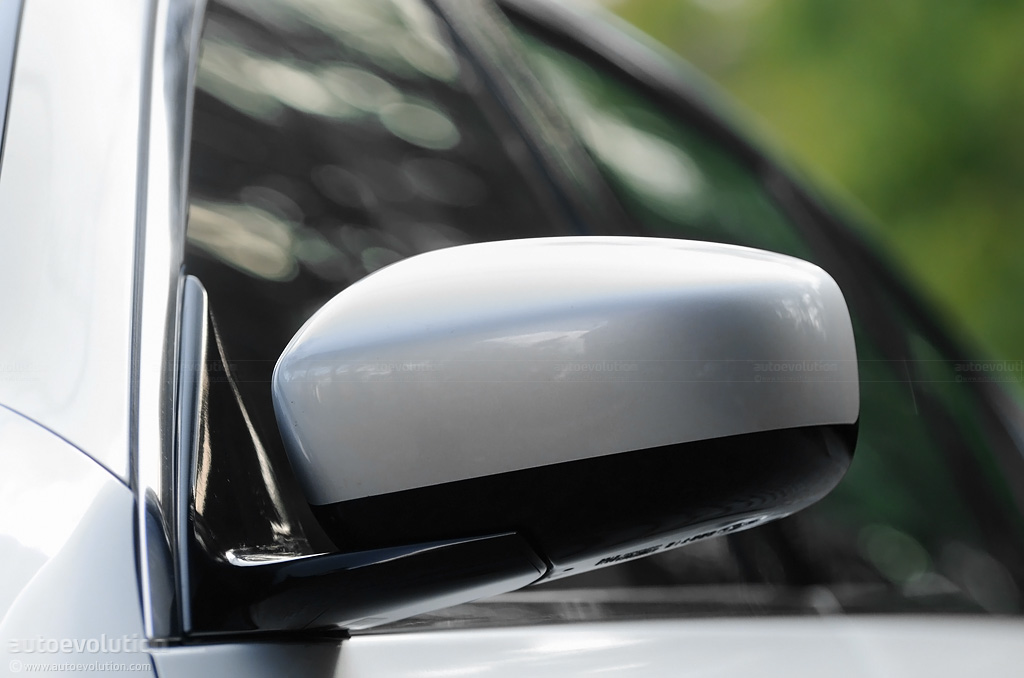
The rear view mirrors are decently-sized and you also get enough parking aids. There are front and rear parking sensors and a pretty helpful rear view camera with graphics telling you were the steering wheels are heading you. Pretty cool and highly helpful if you're a bit of a parking fanatic.
Moreover, the sport-tuned suspension isn't as hard on your kidneys as you would expect, so speed bumps and tram lines aren't much of a problem. We should also mention the fact that, despite its rather poor fuel economy, the Infiniti G37 has a pretty good mileage, since the fuel tank can host up to 80 liters (21.1 gallons).
Either way, if we were to choose between driving this car exclusively in the city or on the open road, well... you can pretty much guess our answer. The G37 Sedan is simply not made for strolling around in the city doing errands or shopping, this is a wolf in sheep's clothing.
In case you haven't noticed by now, we kind of dig the Infiniti G37 Sedan. We didn't exactly appreciate it in the city, nor we were extremely enthused by its rather "conservative" approach to its passenger space, but you can really comprehend its true qualities once you get outside the city and let it stretch its muscles.
With a naught to 100 kilometers per hour (0-62 mph) time of 5.9 seconds and a maximum speed of 250 km/h (155.4 mph) to keep you from flying, this is not exactly a family-friendly sedan. The 3.7-liter V6 under the hood can rev through the roof and has enough torque to catapult you every time you "kick it" on the highway, almost not-depending on you speed.
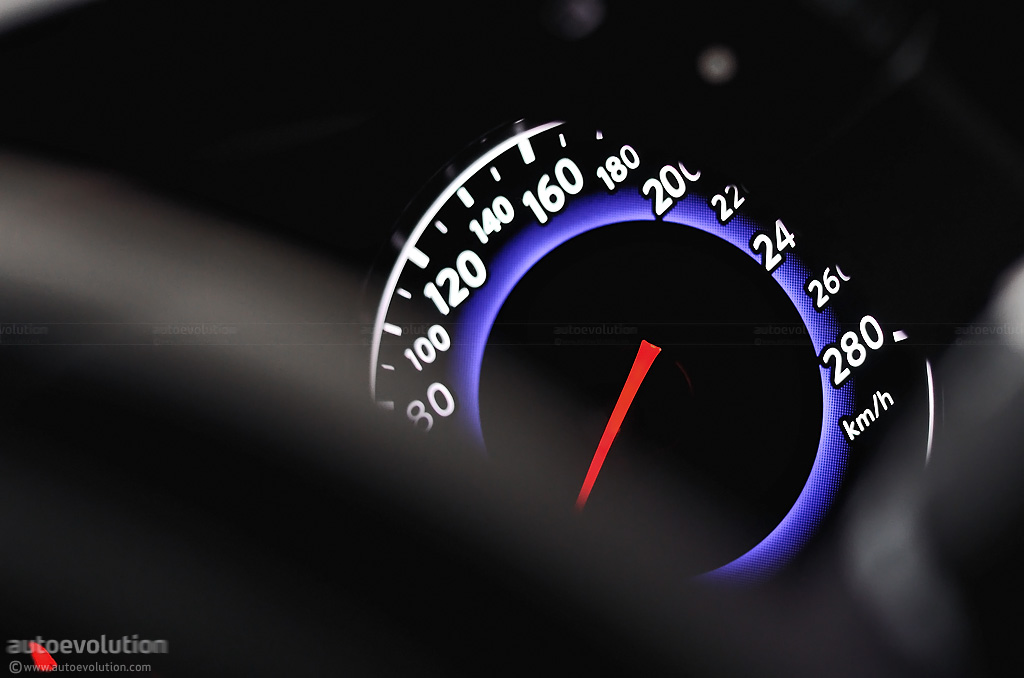
Speaking of which, just like the German triumvirate of premium car makers (Mercedes-Benz, BMW and Audi), Infiniti decided to electronically limit the car's top speed to 250 km/h (155.4 mph). This is just another reason to believe that Infiniti is gunning straight for BMW in the premium sedan market.
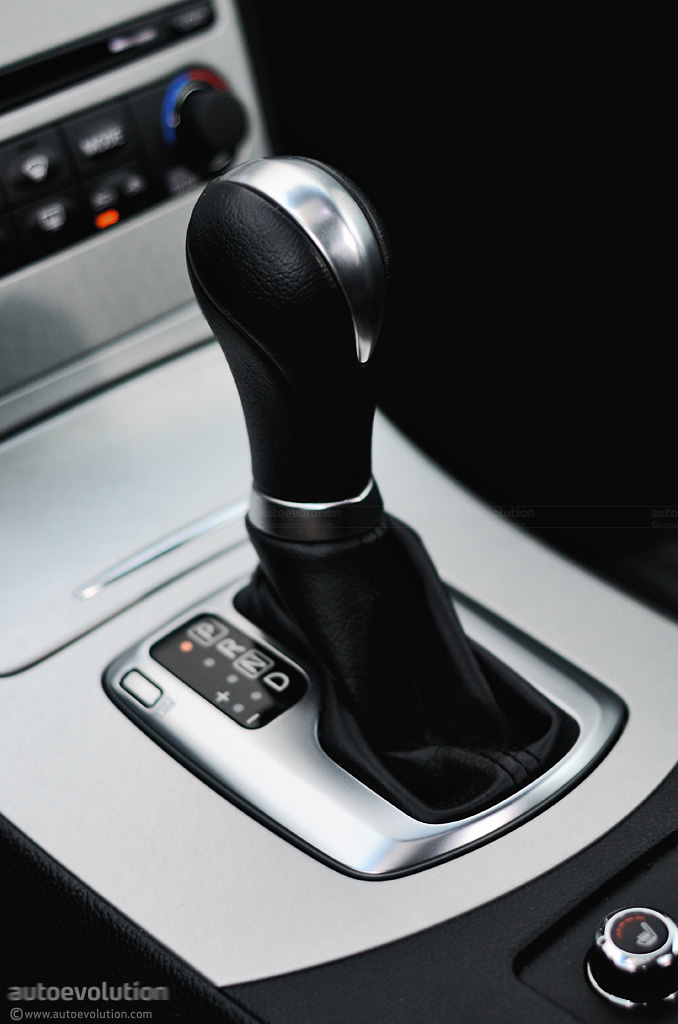
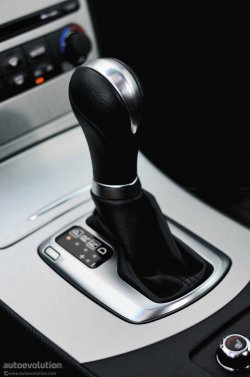
So, what about handling? To put it simply, it's exquisite. Although our test car wasn't equipped with the optional all-wheel steering system, nor all-wheel drive, we can vouch for the fact that it simply flies around corners. Flick the shifter into Sport mode and you can feel what a true sports sedan should drive like. The steering is as accurate as an Einstein formula and the suspension setup is great for both autobahn cruising and joyride through the mountains.
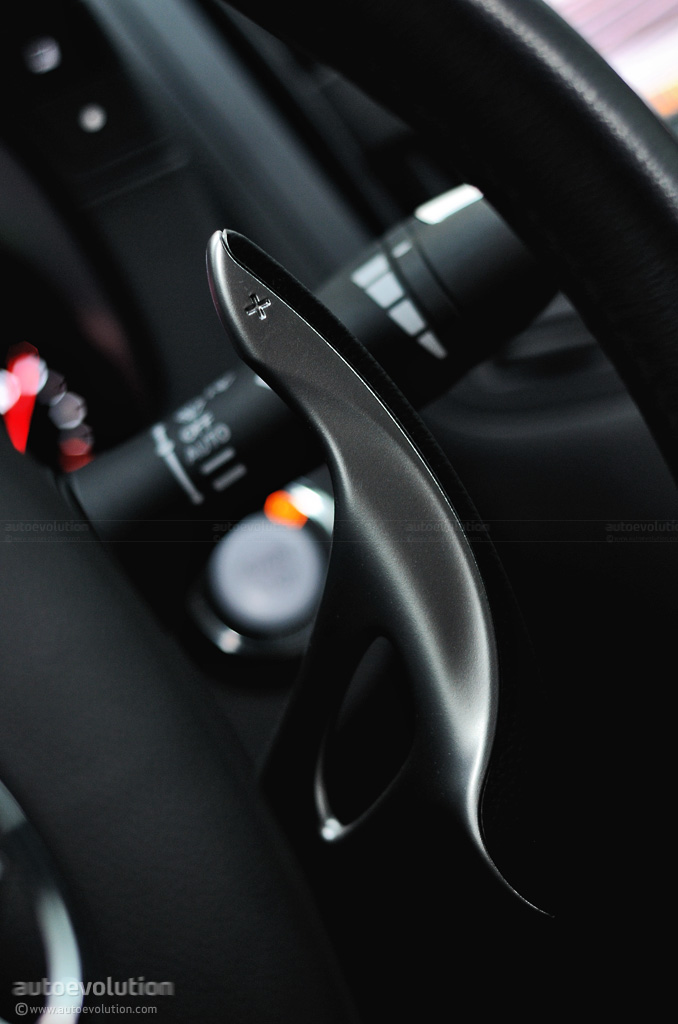
The seven speed gearbox is one of the best automatic transmission we've ever experienced, with a feeling somewhat close to a dual-clutch sequential. Sure, it doesn't get anywhere Volkswagen's DSG/Porsche's PDK when it comes to responsiveness or ferocious redline shifts, but it does offer something most automatics don't: a rev-matching feature. This alone can transform you into a crazy driver who accelerates and then immediately brakes just to hear the revs go up by themselves, exactly like in a manual while engine braking. Neat stuff!
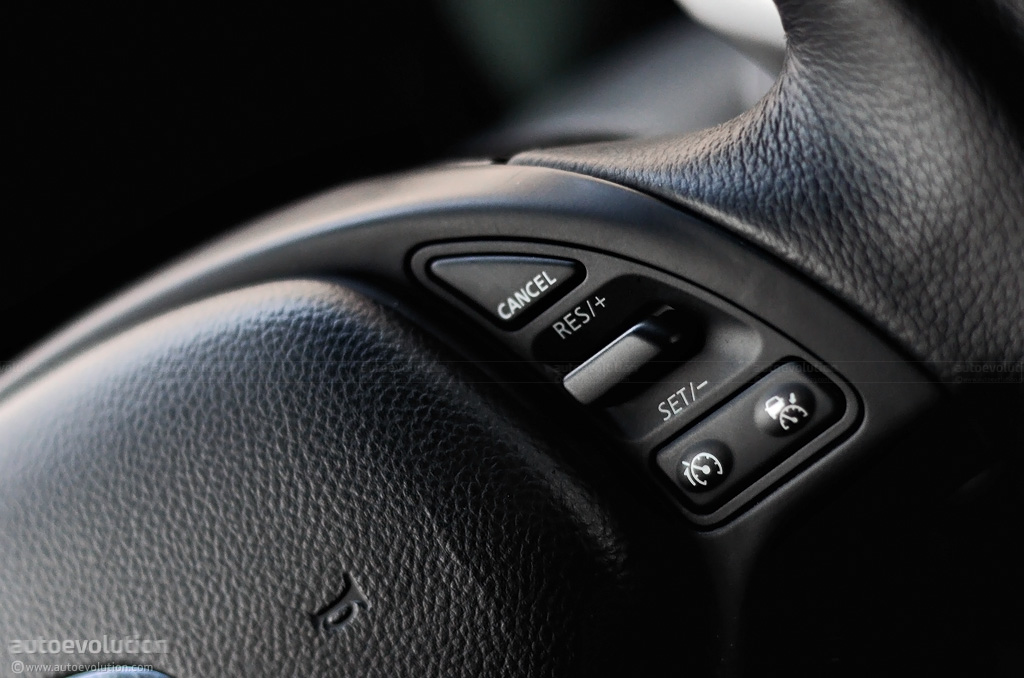
As far as the fuel consumption goes, we managed two highly antithetic figures, and both are depending on whether the driver has a lead right foot or he's just cruising on the highway. Well, so it turns out that if you're actively trying to be the fastest person on the road the fuel consumption will be at least 14-15 liters per 100 kilometers (US 15.7-16.8 mpg), especially on serpentine mountain roads. On the other hand, using the (highly intelligent) cruise control system on the highway will get you in the ballpark of around 8-9 liters per 100 kilometers (US 26.1-29.4 mpg).
12
Our INFINITI Testdrives:
Photo gallery (68)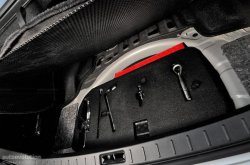
![INFINITI G37 Sedan photo #59]()
![INFINITI G37 Sedan photo #58]()
![INFINITI G37 Sedan photo #57]()
![INFINITI G37 Sedan photo #56]()
![INFINITI G37 Sedan photo #55]()
![INFINITI G37 Sedan photo #54]()
![INFINITI G37 Sedan photo #53]()
![INFINITI G37 Sedan photo #52]()
![INFINITI G37 Sedan photo #51]()
![INFINITI G37 Sedan photo #50]()
![INFINITI G37 Sedan photo #49]()
![INFINITI G37 Sedan photo #48]()
![INFINITI G37 Sedan photo #47]()
![INFINITI G37 Sedan photo #46]()
![INFINITI G37 Sedan photo #45]()
![INFINITI G37 Sedan photo #44]()
![INFINITI G37 Sedan photo #43]()
![INFINITI G37 Sedan photo #42]()
![INFINITI G37 Sedan photo #41]()
![INFINITI G37 Sedan photo #40]()
![INFINITI G37 Sedan photo #39]()
![INFINITI G37 Sedan photo #38]()
![INFINITI G37 Sedan photo #37]()
![INFINITI G37 Sedan photo #36]()
![INFINITI G37 Sedan photo #35]()
![INFINITI G37 Sedan photo #34]()
![INFINITI G37 Sedan photo #33]()
![INFINITI G37 Sedan photo #32]()
![INFINITI G37 Sedan photo #31]()
![INFINITI G37 Sedan photo #30]()
![INFINITI G37 Sedan photo #29]()
![INFINITI G37 Sedan photo #28]()
![INFINITI G37 Sedan photo #27]()
![INFINITI G37 Sedan photo #26]()
![INFINITI G37 Sedan photo #25]()
![INFINITI G37 Sedan photo #24]()
![INFINITI G37 Sedan photo #23]()
![INFINITI G37 Sedan photo #22]()
![INFINITI G37 Sedan photo #21]()
![INFINITI G37 Sedan photo #20]()
![INFINITI G37 Sedan photo #19]()
![INFINITI G37 Sedan photo #18]()
![INFINITI G37 Sedan photo #17]()
![INFINITI G37 Sedan photo #16]()
![INFINITI G37 Sedan photo #15]()
![INFINITI G37 Sedan photo #14]()
![INFINITI G37 Sedan photo #13]()
![INFINITI G37 Sedan photo #12]()
![INFINITI G37 Sedan photo #11]()
![INFINITI G37 Sedan photo #10]()
![INFINITI G37 Sedan photo #9]()
![INFINITI G37 Sedan photo #8]()
![INFINITI G37 Sedan photo #7]()
![INFINITI G37 Sedan photo #6]()
![INFINITI G37 Sedan photo #5]()
![INFINITI G37 Sedan photo #4]()
![INFINITI G37 Sedan photo #3]()
![INFINITI G37 Sedan photo #2]()
![INFINITI G37 Sedan photo #1]()