
In the times we are living, no single car buyer purchases a car thinking he/she will keep it for the rest of his/her life. With the car exchange time now standing at around three or four years, consumers have begun paying much more attention to what is called the depreciation rate of the vehicle.
As you all know by now, almost never a car bought, let's say today, will be sold again in the future, no matter how distant, at the same price. The difference between the price paid at the purchase and the money received after selling the car is called the depreciation rate.
There are countless factors which influence the depreciation rate of a vehicle, each relating to a specific attribute of the car. Factors like the geographic region where the car is being sold/bought, the state of the economy and even the season in which the purchasing process takes place influences the final price of the car. With that in mind, it is nearly impossible to accurately predict how much one would lose on a car.
Still, there are several criteria used mostly by insurance companies to evaluate the depreciation rate which pretty much reveal the extent of the loss.
The better regarded the car you are buying, the better the chance you will have to sell it again without losing too much money on it. Famous, reliable, well positioned brands will always have a smaller depreciation rate than other vehicles.
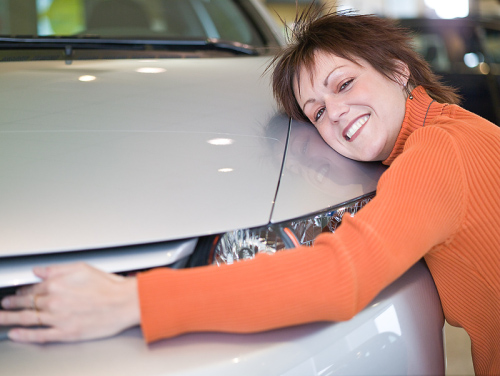
Even more, the better equipped the vehicle is, regardless of the nature of the features, the more the chances of selling it at a fair price. Let's combine the factors mentioned so far to give you a set of examples.
One of the most severe depreciations of a new vehicle takes place when the car is bought. As soon as the papers are filled and the happy new owner turns the key in the ignition, the car loses up to 20 percent of its value. While the owner has to pay the dealer what is called the retail price of the car, he/she is left with the wholesale value of the vehicle, meaning that if he/she were to sell it back to the dealer instantly, they would have to do so at the wholesale price. Usually, the difference between the two is of in between 15 and 20 percent.
Example 1 – you buy a low-cost vehicle, with front airbags, CD player and ABS as the only standard features. The price which you will pay when buying it new is, let's assume, 8,000 euros (or dollars, if you like). As soon as you drive the car off the dealer's parking lot, the car will lose the aforementioned 15 to 20 percent of its value. This means that five minutes ago you paid 8,000 euros for a car which is now worth only 6,400 euros.

Example 2 – You buy the same type of car, but packed with features like alarm systems, GPS or whatever. Of course, you will pay a little extra for it, let's say 10,000 euros. Once you start the engine, thanks to the fact that the car comes equipped with features which will serve it well in the years to come, you will no longer lose 20 percent of its value, but let's say 15 percent.
This means you lose 1,500 euros on the spot. Over the year you own it, the depreciation rate will be 15 percent as well, meaning you will lose an extra 1,274 euros. At the end of the period, the car will be worth 8,223 euros, which means you lost only 2,774 euros. Nearly 100 euros less, although you paid 2,000 more when you bought it.
WHY THIS HAPPENS
As we have already explained why a car losses some of its worth instantly after purchase, let's see why it continues to do so over the years. The car depreciate in time because, basically, it gets old. Its looks may no longer suit the specific requirements of the time and its
Things become even worse if during the time you owned the car it suffered some sort of damage, or if you neglected to service it properly. Some of the biggest losses in value comes not from the age of the car, but from the events it went through until the moment it is sold.
As you have seen in the examples listed above, some vehicles depreciate less, while others more. Factors which influence the depreciation rate are the make of the car, the notoriety of the brand, the features it comes equipped with (including engines, safety and comfort features), its mileage, servicing intervals, warranty, accidents it was involved in and so on.
As you have seen in the example above, it is often better to pay more for a vehicle in the beginning, as you will lose less money in the long run.
EXCEPTIONS
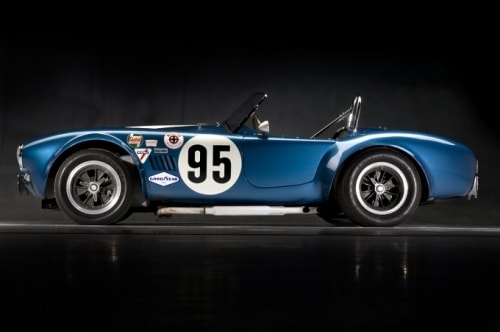
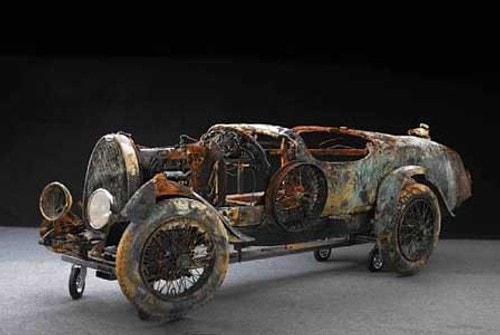
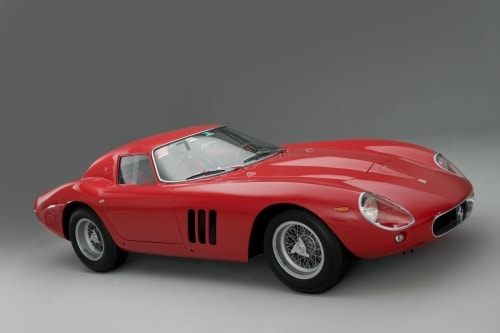
Still, not all cars follow the same rules. The rarer the car, the smaller the depreciation rate. In extreme cases, the rarer the car, the bigger the chances of even making a profit when reselling it.In very rare cases, vehicles become better by age. These types of cars are the so called collectibles and, whereas at the moment of their creation were worth only a few thousands, now are being sold for millions. They are usually pretty old, rare and at times have been owned by celebrities, so if you're thinking your grandchildren may sell your Logan MCV for hundreds of thousands in the future, forget it.
 Google News