We all heard various myths about motorcycles even before getting a license for riding on two wheels. But after that, as we gather miles and miles on saddles, we start to understand that some are misconceptions, some are truly amusing, while others sometimes are just unwanted results of our actions. Let's get into it!
They say not to judge a book by its cover, and yet, many people still have different ideas about how motorcycles are, even though they've never ridden one. In addition, they have their own opinions about how bikers are, even if they've never met one. Most likely, these kinds of people will tell you this and that. Just nod your head and move on. Unfortunately, many of these ideas are believed by some motorcyclists, especially those who just got their driving licenses.
Riding a motorcycle will end in severe injuries or death
If I could get a nickel every time I heard this, I'd have probably bought myself a Harley-Davidson Low Rider with all the bells and whistles attached. Sure, riding, driving, skating, skiing, and thousands of other things in life can get you hurt or even killed. But, heck! You can be hit by a truck just by crossing the street if you're not paying attention and walking with your headphones on and eyes on the phone, scrolling through some videos. So, yeah, there is some truth in these words.
Watching the news about motorcycle crashes is not a good idea to start or end your day. Usually, these types of accidents are the most gruesome ones. But you might get a different opinion if you're looking at statistics. Sure, there are 15.3 deaths per 100,000 cars and about 67 deaths per 100,000 motorcycles (2020 statistics). So riding a bike is four times more dangerous than driving a car. The states with the highest death rate in 2020 are Texas, Mississippi, Arkansas, and Florida. On the other hand, Alaska has the lowest motorcycle death rate. Maybe because there is cold, and most of the time, bikes are locked in storage?
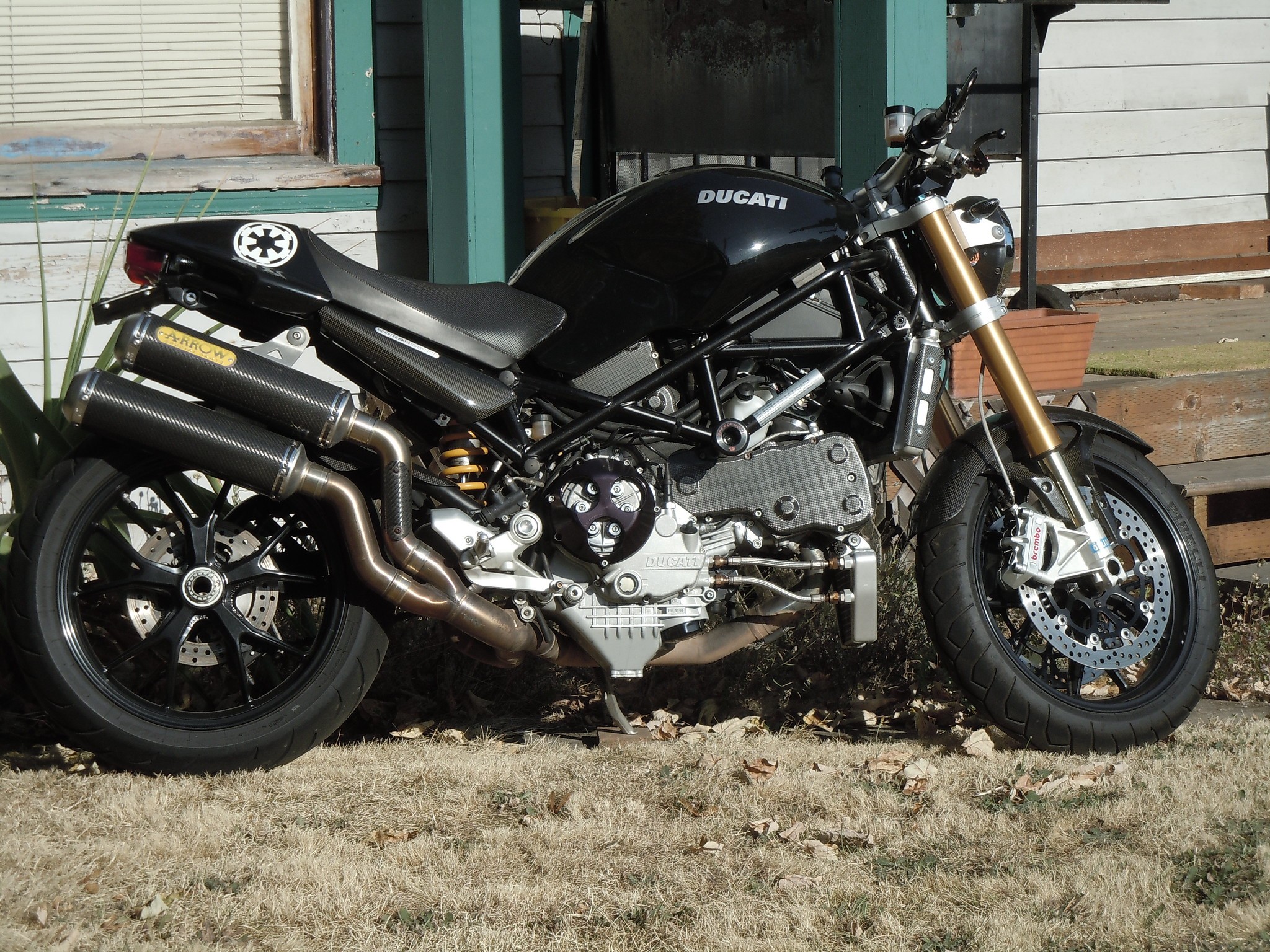
Photo: Ethan/Flickr
If this will trigger an alarm for you, then bear in mind that 32% of these fatalities were linked to alcohol consumption. But wait, there's more! About 40% of those who lost their lives in motorcycle crashes didn't even wear helmets. Considering these factors, it seems right to say that if you don't ride after drinking a beer or two and by wearing proper gear, your chances of losing your life while riding greatly diminish.
But, the truth has to be told: it is much more dangerous to have a crash while riding a motorbike than to drive a vehicle. First, I found it more unlikely to fall from a car than from a bike. In addition, I never had a problem driving over a water puddle or in the rain. Meanwhile, on a motorcycle, a rider can get hurt easily when losing control due to an oil patch, sand and dirt on the road, excessive or insufficient leaning in a curve, and so on.
Even more, when a fellow driver fails to make way or notice the incoming bike, and it crashes into the car, the absence of a metal frame or similar body parts exposes the rider to the obstacles or road a lot more. In such situations, a helmet and protective gear would be highly essential. Nevertheless, even though a black outfit looks good, a bright yellow one will increase the chances of being visible on he road.
But no, bikes have no "cursed" tendency to crash, and that's a fact. Now, riders are more exposed to danger, and keeping in mind that many mistakes one can make while riding a motorbike are often not "forgiven" is a different story. However, learning how to ride safely, turn and brake properly, wear suitable gear, and pay a lot of attention can spare you a lot of fuss.
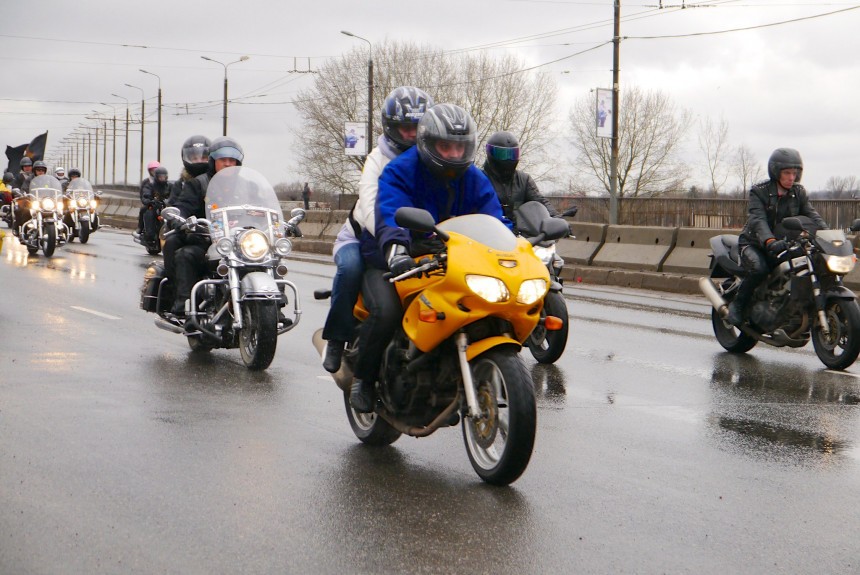
Photo: Karlis Dambranas/Flickr
Loud pipes save lives
This myth originated in the very biking world and has a lot of supporters among both riders and custom aftermarket exhaust pipe manufacturers. Those who claim that loud pipes save lives assume that the louder the noise a motorcycle makes on the road, the more chances they have of being noticed by other road colleagues and, thus, less likely the occurrence of an accident.
The truth behind such a claim disproves this myth on so many levels: simple, common physics, common sense, or plain reason can bring in countless reasons why this is no more than a myth. So let's tread the path of physics a bit and analyze what's happening strictly from a mechanical point of view.
Pipes openings are facing rearwards, and the exhaust gases, together with the noise, are sent in that direction. As a result, most of the drivers in the cars in front of the bike have little or no chance of hearing you. Moreover, if the driver has the windows closed and music on, not necessarily too loud, they will notice you only through the rearview mirrors. If you still need convincing, download any app on your phone that can measure sound levels and check the noise in front and rear of the bike.
In addition, when driving fast, the sound sent at the front will be diminished. So, please remember that the laws of physics cannot be beaten by the words on the street. What is true, though, is that when you're splitting lanes at a stop light and riding slowly, there are chances that your pipes might be heard. Thus, you have a bigger chance of avoiding a suddenly opened door or a cigarette butt being thrown out the window. Analyzing the crash reports, statistics indicate that around 77% of the hazards come in front of the biker, and only 3% approach from behind. So, what's next, front-facing exhausts?
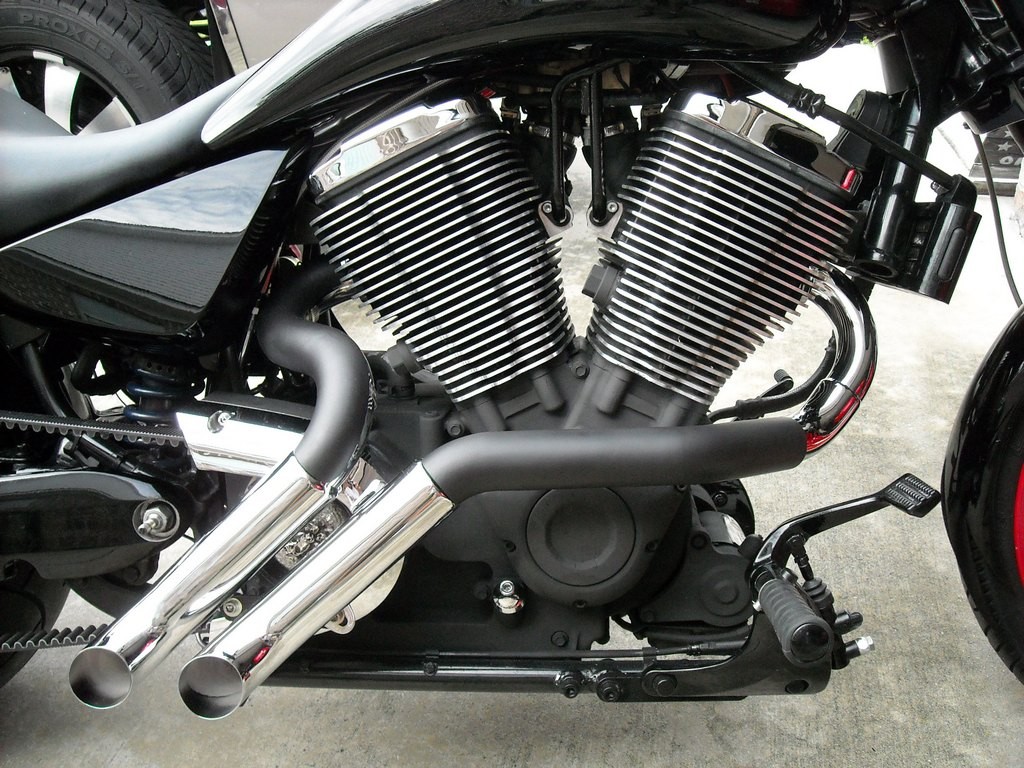
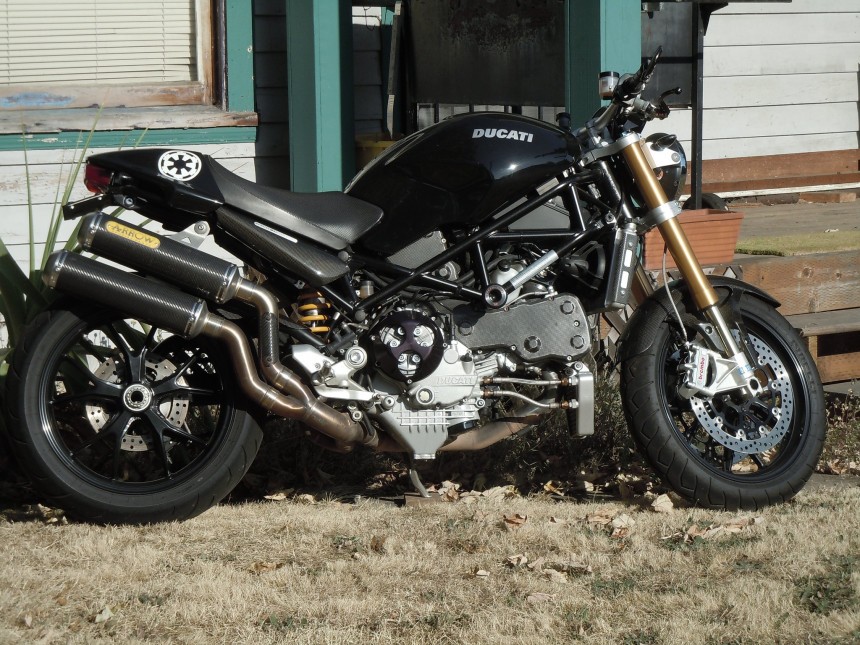
Photo: soulrider.222/Flickr
Having installed modified pipes on a bike may make it sound a lot different, with a more aggressive tone, and could, beyond any doubt, make the rider feel better about themselves and their machinery. Also, of course, cool pipes make any bike look better; there's too much truth in here to start a debate, but along with the mean looks come many other things.
Common sense urges us to think about noise pollution. While a rider might believe that the new sound of the bike is the most beautiful music in the world, many others might (and will) strongly disagree. Throttling the motorcycle at 11 PM and thundering down the alley will increase the prejudice most non-bikers have against us, the riders. For most people, this sound is as pleasant as a dumpster truck on a Sunday at 5 AM after returning from a party and getting one hour of sleep.
Adding "it's my bike, and I'll do as I see fit with it" is not helping; au contraire, it just makes a very lame excuse for making excessive noise. Owning a motorcycle does not come with the right to break noise regulations. Even though a racing exhaust might receive clearance for installation on standard bikes, this brings little comfort to the passers-by and traffic fellows. It's just a matter of being polite and caring for those around you.
Aftermarket exhausts will also increase the horsepower (both the loud and the properly muffled ones), but claiming this as the main reason for excessive noise doesn't cut it. With most of the motorcycles already being manufactured with more than enough power for any rider or road conditions these days, it's rather hard to believe that all that was missing was the 5 or 10-hp increase granted by a hollow exhaust.
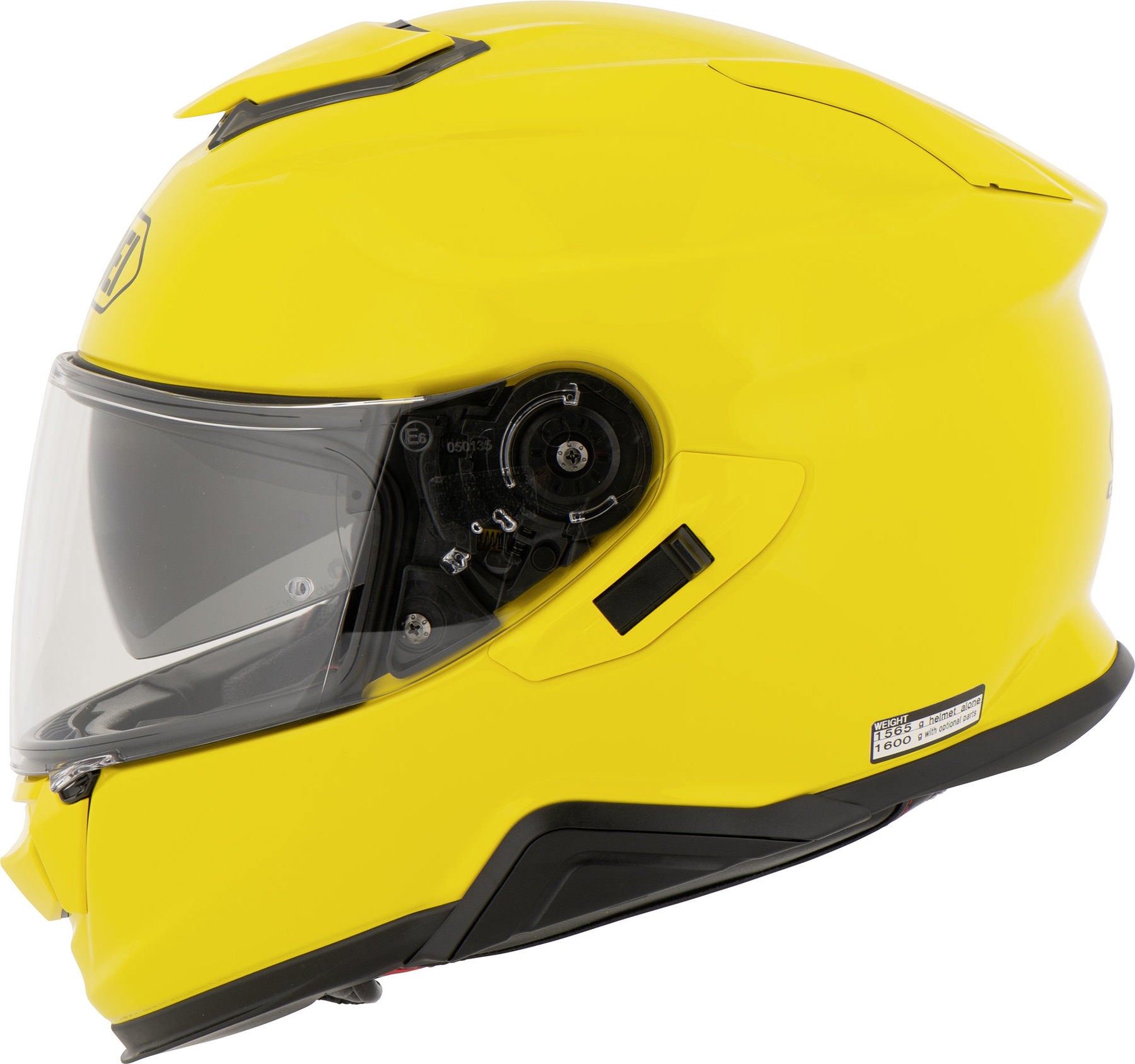
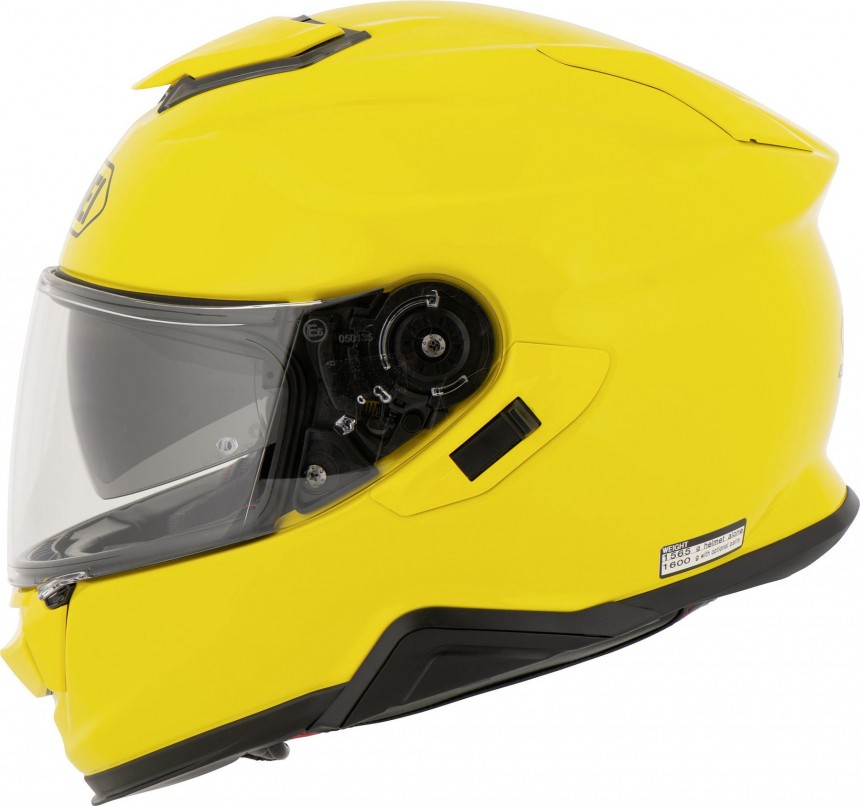
Photo: Schubert helmets
Finally, it's the simple fact that a louder pipe is by no means a proactive or primary safety measure, but a secondary one. So again, learning how to ride well (throttle, turn, brake, and so on) and keeping a close eye on the traffic around you are essential to making it home safely.
The first rule of avoiding a crash is not placing yourself in a critical traffic situation, which means riding carefully and detecting potential hazards early. It's always easier to avoid a nasty situation than to find a safe exit from one. This is one reason why those who had a drink or two are getting into trouble. Alcohol slows reflexes down and affects people's judgment.
Installing a better horn, wearing a bright color helmet or high-visibility gear are proven methods of making yourself noticed easier in traffic. Even more, these measures are likely not to offend anyone, and the roads will be safer by having less annoyed, aggressive drivers.
That's about it with the LPSL (loud pipes save lives) and the "you'll end up dead" myths; check back next week for part 2 of "Most Common Motorcycle Myths Debunked."





 Google News