Most of you know that hybrid vehicles have become a four-wheeled fashion accessory in recent years. Movie stars with not enough spotlight time started buying them by the dozens just to prove that they care about the planet (ergo, receiving more spotlight time).
Nowadays hybrids are almost the norm in every carmaker's lineup, especially as a stepping stone toward all-electric mobility. New York City has started converting its entire taxi fleet to hybrids in 2007, with around 500 of them already active as of 2008.
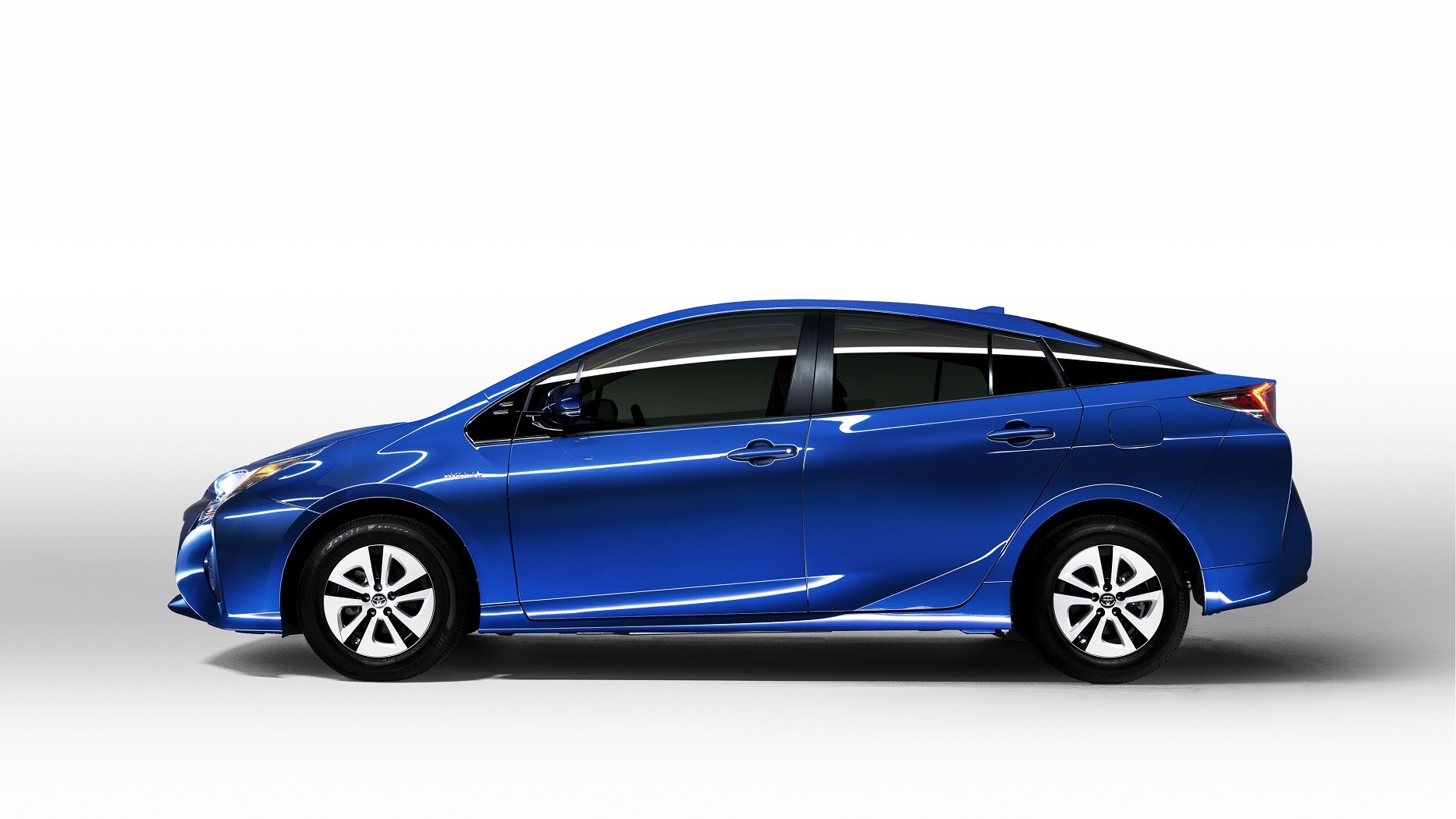
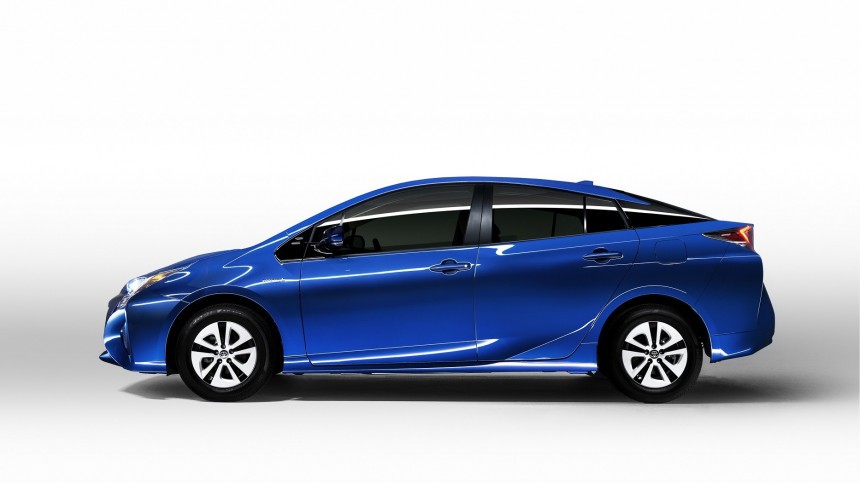
More and more car manufacturers are embracing this 100-year-old bridge-gap technology as their customers are still waiting for a revolution in transportation. Yes, you've read that right, the hybrid car is more than 100 years old, and the Toyota Prius is just ONE of the many vehicles where this technology has been reborn in.
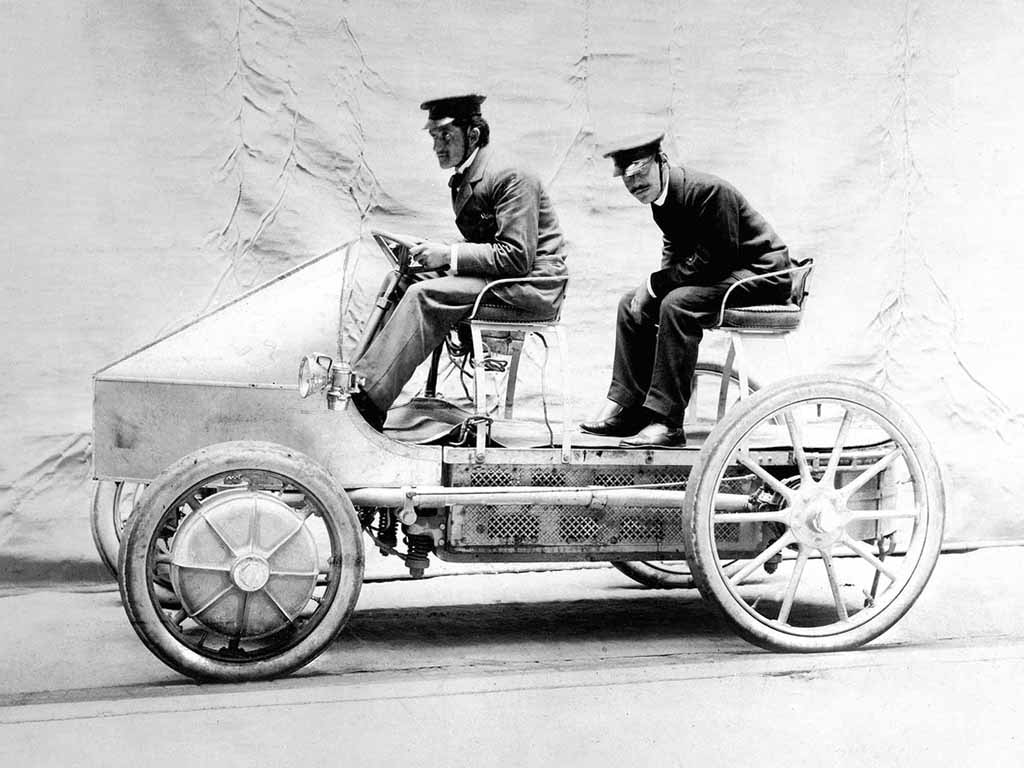
Most of the car buffs out there may have probably heard of the genius of Ferdinand Porsche. Well, one of his earliest car designs, apart from being the very first front-wheel-drive car in history was also the first hybrid vehicle in the world! In his early twenties, Porsche was working for Jakob Lohner at the Lohner Coach Factory in Vienna, Austria.
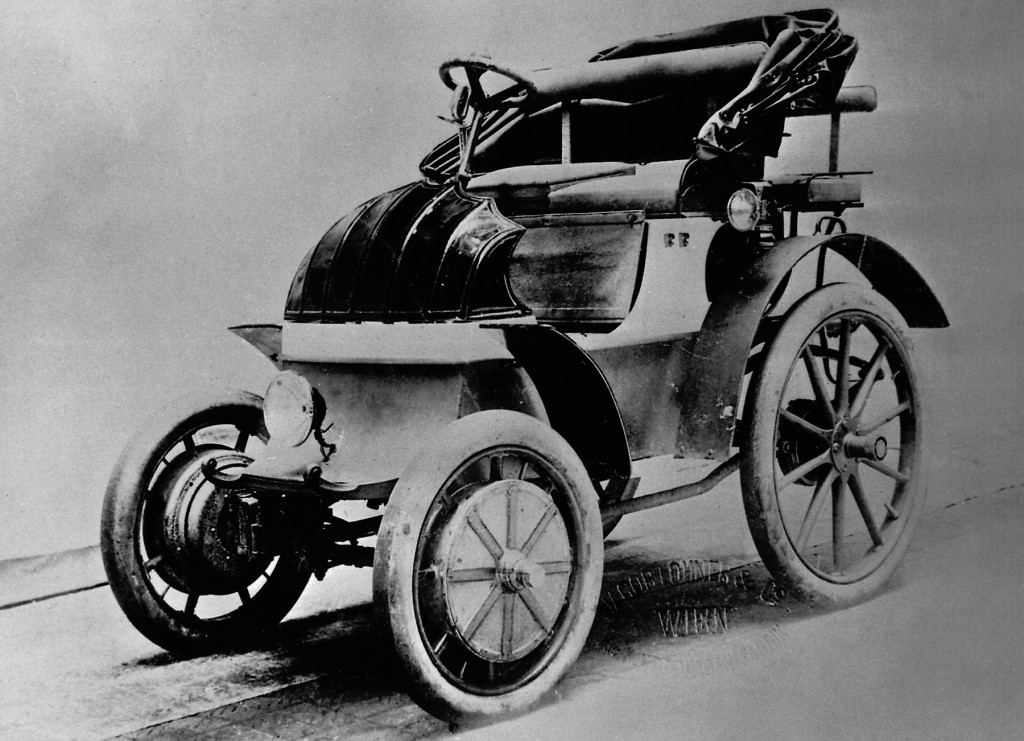
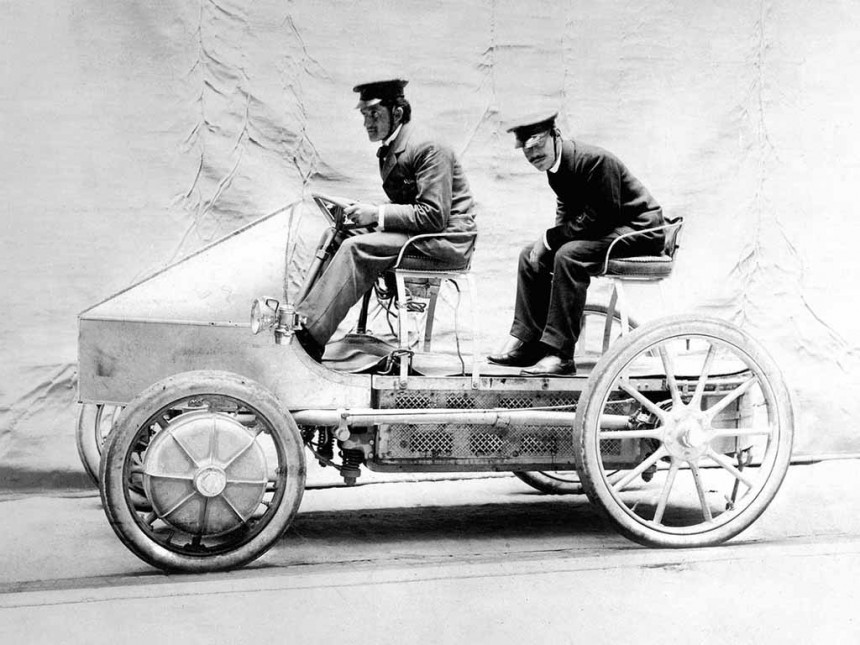
After a few years of apprenticeship, his natural mechanical skills helped him design more than a few ground-breaking automobiles. First, there was the System Lohner-Porsche, a front-wheel-drive all-electric car based on the Porsche-invented and also world's first motors positioned in the wheel hubs.
Photo: Porsche
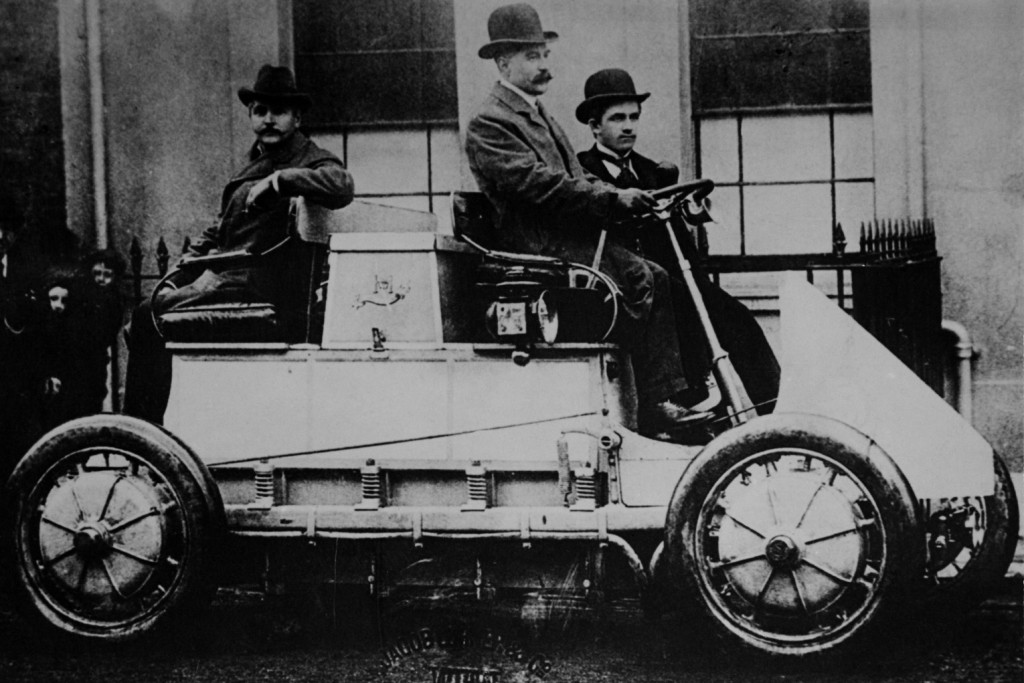
Exhibited at the Paris World Fair in 1900, the car created an absolute sensation, therefore laying the first brick in the young engineer's pathway for future work in the automotive realm. A year later, the second vehicle using wheel hub motors was called the System Lohner-Porsche Mixte, on which Porsche had added an internal combustion engine to provide power to a generator, which in turn was powering the electric motors. A battery pack was also included for increased reliability, but in simple words, this car was the world's first hybrid vehicle.
From then onwards, the System Lohner-Porsche design was included in more than 300 vehicles, from buses to fire trucks, and even the Archduke Ferdinand of Austria was buried in a Porsche-designed Lohner hearse. Almost at the same time as the world's first hybrid, a Belgian car company named Pieper was also experimenting with a hybrid design. The three and a half horsepower Belgian "voiturette" featured a small gasoline engine mated to an electric motor under the driver's seat.
While cruising, the electric motor was acting as a generator, recharging the batteries while giving a power boost when the car was climbing a hill or accelerating. A couple of years later the company's owner died, thus ending any plans to continue hybrid production. The Pieper patents were used by another Belgium firm, though, called Auto-Mixte. It manufactured hybrid commercial vehicles from 1906 to 1912.
Almost three years later, when Europe was being consumed by World War I, an American-based company also started manufacturing gas/battery-powered cars. After a short history of making electric-only vehicles, the Woods Motor Vehicle company introduced the Dual Power in 1915. The Dual Power was a hybrid vehicle powered by an electric engine as well as a four-cylinder internal combustion engine, achieving around 48 mpg. More than 600 units were built up to 1918.
Just thinking of the efficiency achieved by cars almost a century ago should make any all-hail-the-Prius-tree-hugger think again about his or her infatuation. By the way, these early examples of hybrid cars aren't the exception confirming the rule, even though they didn't exactly catch on, Henry Ford's success with the Model T being one of the main reasons for it. The rise of the gasoline-powered internal combustion engine braked the hybrid's evolution until the 1960s when various engineers from different car companies started working on dual-powered vehicles again.
Dr. Baruch Berman, Dr. George H. Gelb, and Dr. Neal A. Richardson, three engineers working for TRW Automotive, created a practical hybrid drive module. The powertrain was designated as an electro-mechanical transmission that provided similar vehicle performance with an engine smaller as a conventional car with a bigger engine. Most of the engineering concepts incorporated in that system are used in today's hybrids.
Photo: Toyota
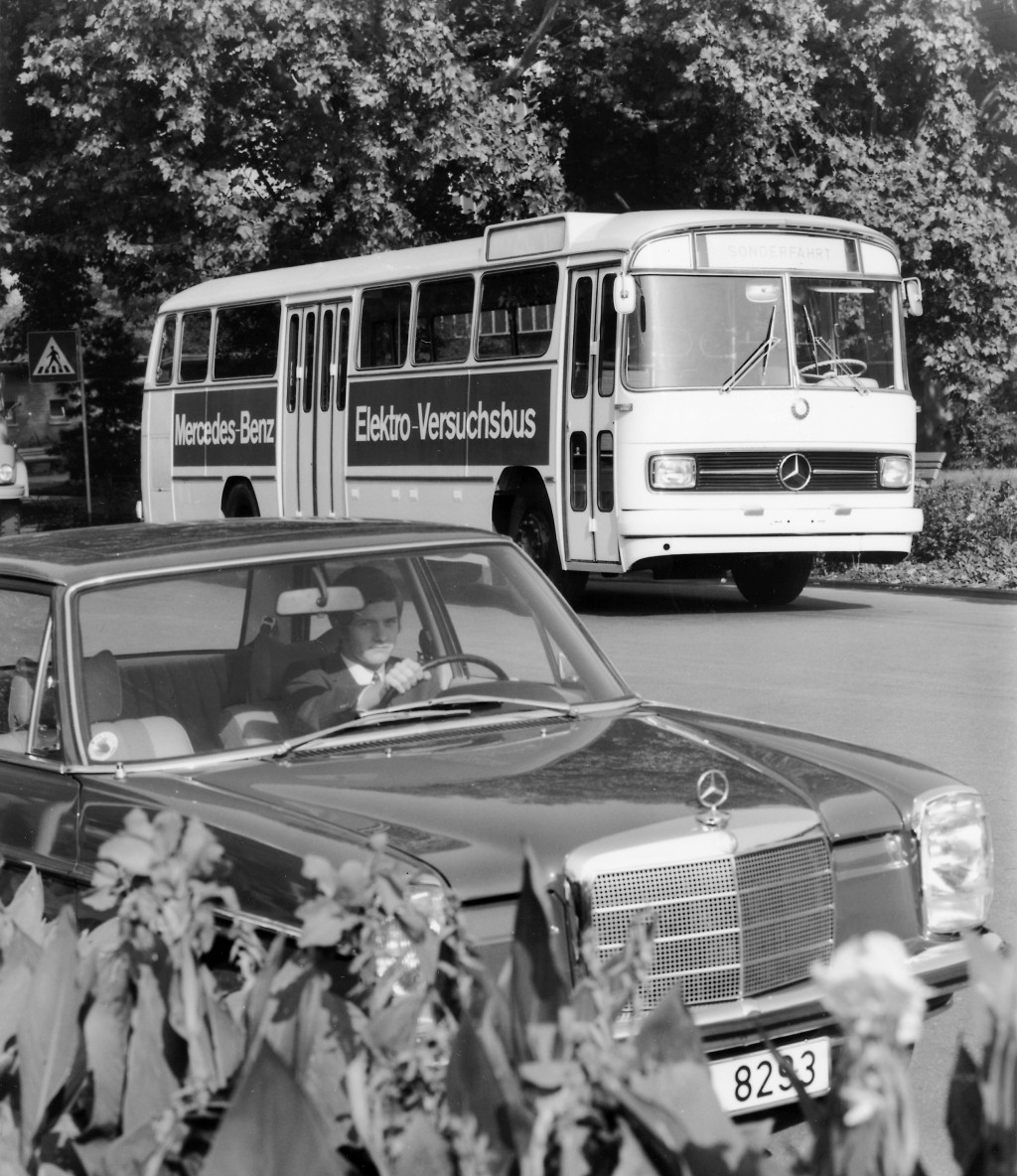
In the same years, General Motors introduced the GM 512, a hybrid study model that could run on a combination of battery power and a two-cylinder gasoline engine. Daimler-Benz was also working on dual-power technology, creating the world's first diesel-electric bus. The Mercedes-Benz OE 302 hybrid bus from 1969 had a peculiar powertrain arrangement for those days. It has a passenger car diesel engine, a generator and a DC shunt motor in the rear, while batteries were mounted between the axles.
When the Arab oil embargo came in 1973, gasoline prices soared, thus creating new interest in alternative means of propulsion, including hybrids. Long before Dieselgate happened, Volkswagen had begun running tests with a Bus van that used a parallel hybrid configuration, which allowed flexible switching between the internal combustion engine and the electric motor. Meanwhile, car manufacturers like Mercedes-Benz, General Motors and Toyota continued to improve the technology without reaching mass-production.
Toyota, for example, created its first hybrid concept in 1976 - a compact sports car that featured a gas-turbine generator that supplied current to an electric motor. General Motors, on the other hand, concentrated its “green” efforts on all-electric vehicles the following years, while Mercedes-Benz realized that diesel was a more cost-effective alternative to hybrids in Europe.
A great bunch of other car manufacturers has experimented with the hybrid powertrain throughout the years, including Audi with its Duo concepts (one of which was also produced in approximately 60 units in 1997). Since most Europeans embraced the modern Diesel engine as the real alternative to cheap commuting for so many years, the hybrid mostly caught on with Americans until recent times, but the tables have since been turned.
Nowadays, almost every single self-respecting carmaker has at least one hybrid car in its lineup, from econoboxes to hypercars. In the following decade, all new cars will probably be either full-electric or some type of hybrid.
Alex handled his first real steering wheel at the age of five (on a field) and started practicing "Scandinavian Flicks" at 14 (on non-public gravel roads). Following his time at the University of Journalism, he landed his first real job at the local franchise of Top Gear magazine a few years before Mircea (Panait). Not long after, Alex entered the New Media realm with the autoevolution.com project. Full profile
Would you like AUTOEVOLUTION to send you notifications?


 Google News