While the automotive industry is investing big in all kinds of innovative tech, the safety provided to all passengers of a vehicle continues to be the main focus for pretty much every company out there. And without a doubt, Mercedes is one of the leaders on this front.
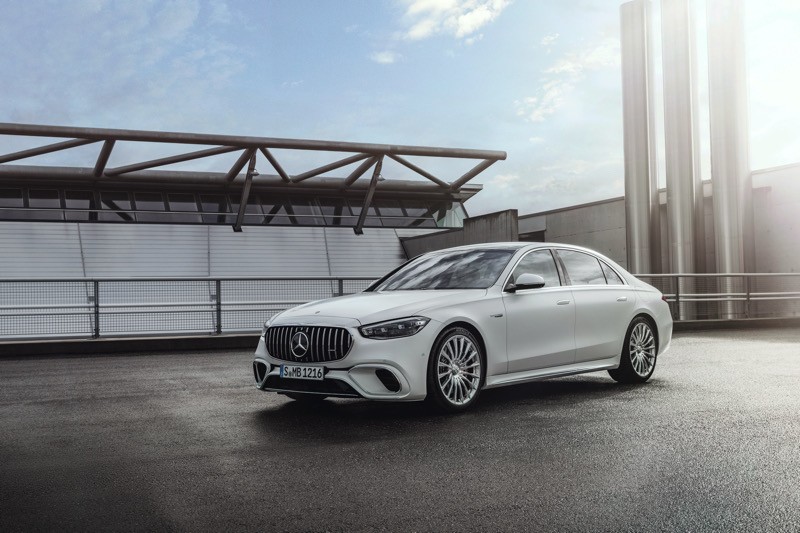
Although it was designed and released in 2003, the so-called PRE-SAFE system represented a turning point in terms of safety systems development. And the S-Klasse sedan was the first model in the world to benefit from this advanced feature, as its role was precisely to show how important it is for a vehicle and its passengers to be prepared for a collision.
Just like its name suggests, PRE-SAFE is not only a system supposed to minimize damages and protect passengers in case of accidents, but also to prevent crashes altogether. As a result, the feature relies on several sensors installed inside and outside the car that permanently send and receive data to and from the vehicle with the sole purpose of calculating the risk of an accident in real time.
In plain English, PRE-SAFE more or less turns a Mercedes into a car with reflexes, as it’d be capable of reacting accordingly whenever a collision is imminent. And here’s precisely how it does this.
The main focus during the development phase of this system was to determine the common causes of accidents and the most frequent types of accidents. Based on the analyzed data, PRE-SAFE could then be calibrated to respond according to different scenarios, therefore being able to handle everything from crashes that occurred because the driver was not paying attention to the road to skidding and rollovers.
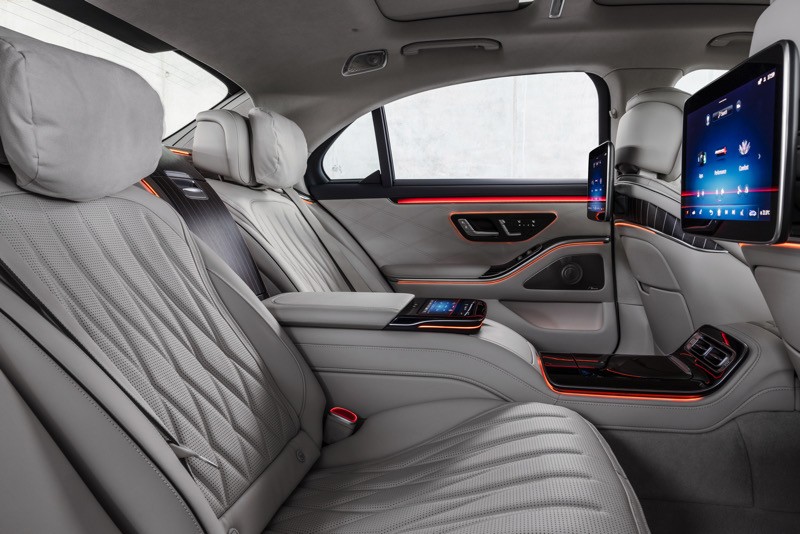
In essence, the sensors placed outside the car calculate the distance towards the front obstacle or vehicle and, in case it detects a risk of an accident, it automatically sends visual and audio warnings to the driver. If no input is detected, PRE-SAFE automatically tightens the seatbelt to keep the passengers secure if a frontal impact occurs. Additionally, if the power seats, front or rear, are reclined, the system rapidly moves them into an optimal position, usually at a vertical angle, to reduce the likelihood of severe injuries.
If the driver loses control of the car and the system detects the possibility of skidding or a rollover, PRE-SAFE closes the sunroof and the electric windows, both front and rear. This is specifically implemented to prevent injuries caused either by external objects or by the passengers of the vehicle falling through the windows or the roof. It sounds horrible, but at the end of the day, keeping everybody locked inside the vehicle is the best way to reduce the likelihood of severe injuries in case of a rollover.
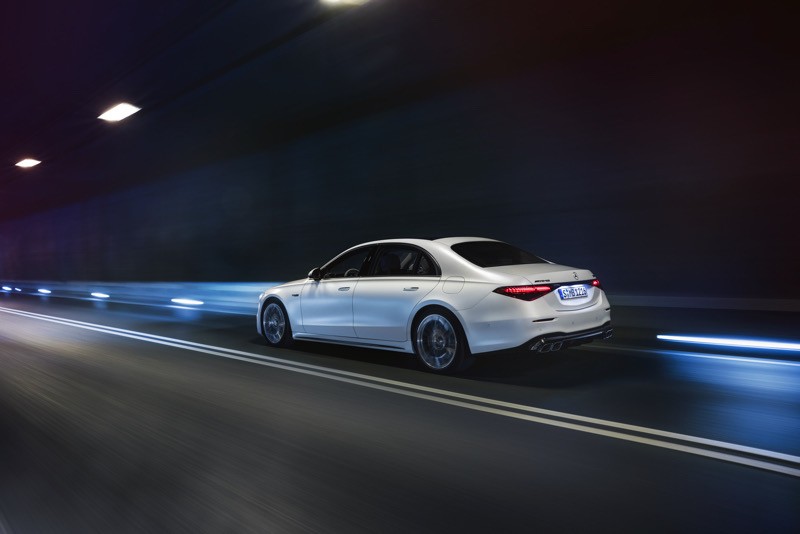
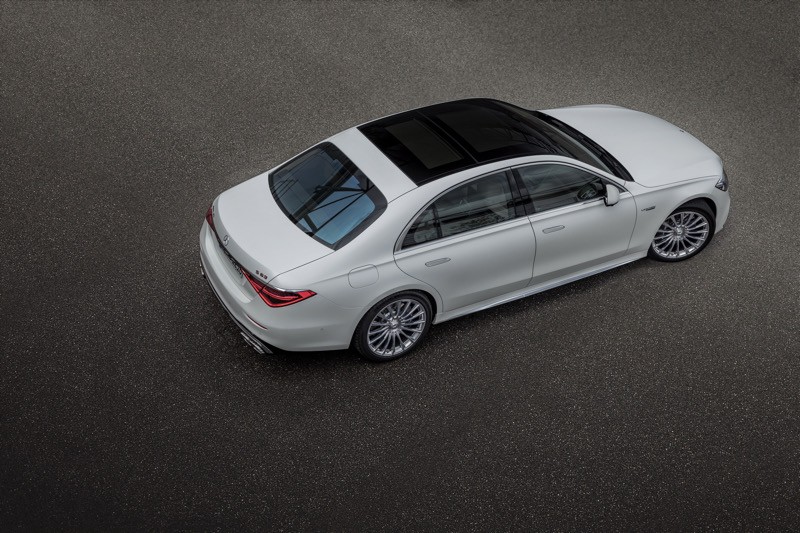
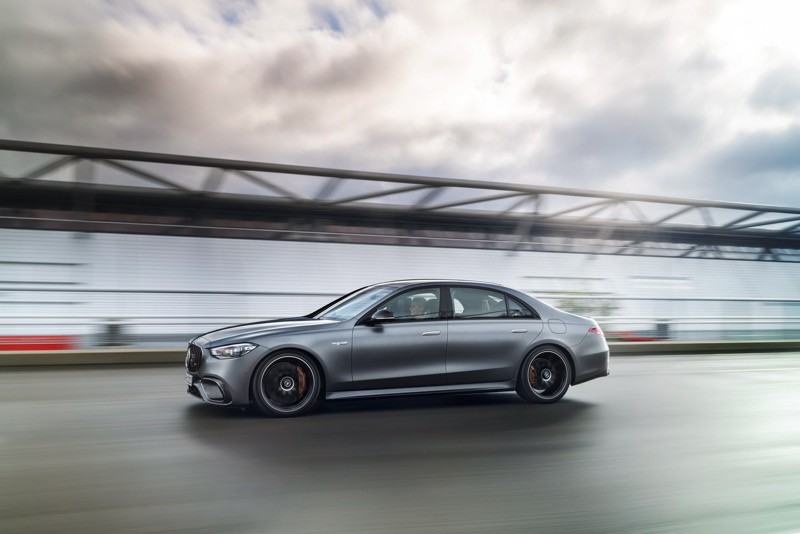
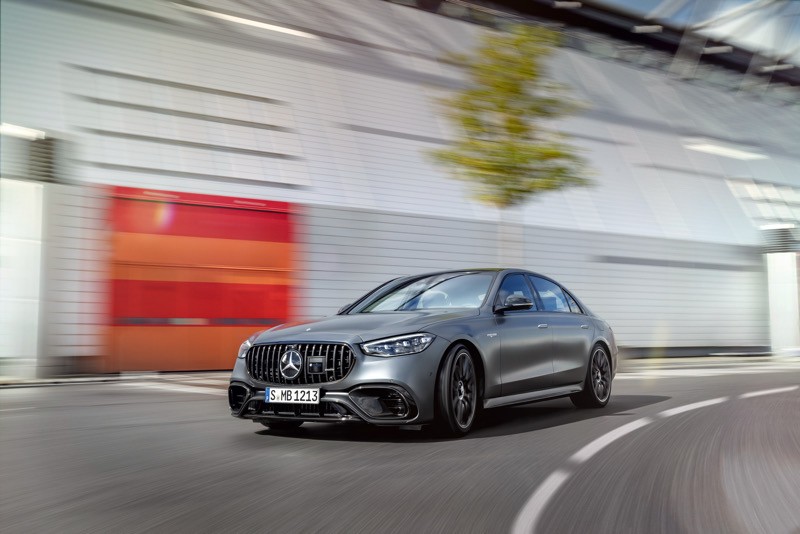
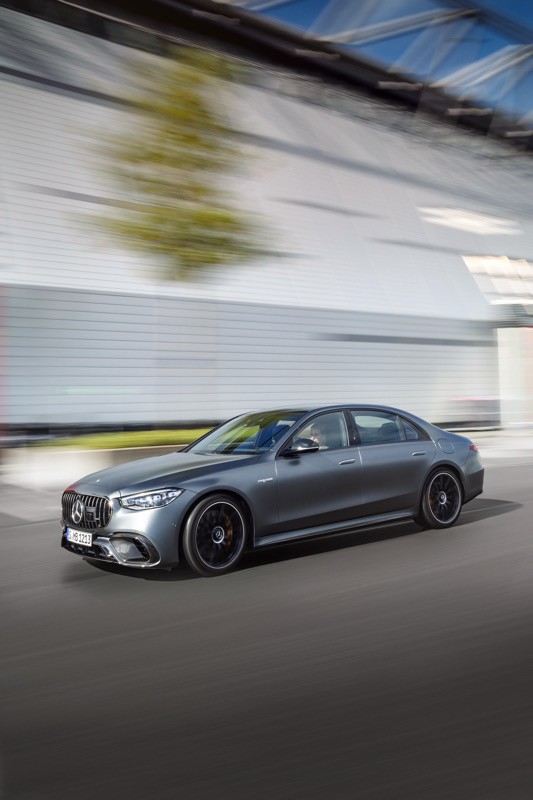
Photo: Mercedes
Oversteering and understeering are both controlled with the help of the existing sensors typically handling the Electronic Stability Program (ESP), with real-time data including the lateral acceleration, the steering angle, and the car yaw. Obviously, PRE-SAFE permanently communicates with the Brake Assist System too, therefore obtaining critical information related to the traction or the grip.
Meanwhile, airbags are fully prepared for deployment, with the occupants, therefore, benefitting from a faster response time if an accident eventually occurs.
It goes without saying that in 99 percent of the cases, drivers do manage to react in time and therefore take control of the car without the need for PRE-SAFE to do anything. As a result, Mercedes configured the system to cancel all preventive measures, so PRE-SAFE automatically restores the seatbelts to the initial position whenever the risk of collision has been eliminated. The same goes for all the other systems that have been pre-enabled, as PRE-SAFE can return to the normal driving mode if the likelihood of a crash is back to zero.
An upgraded version of the PRE-SAFE system was rolled out in 2005 on the redesigned version of S-Klasse, and it was further enhanced to connect to Brake Assist Plus for a more thorough analysis of the onboard sensors and a faster reaction in case of an imminent collision.
Models equipped with this system were now capable of taking proper action, but at the same time, PRE-SAFE now benefitted from upgraded features that sometimes involved just a simple slowdown, and not bringing the vehicle to a complete halt. Just like the previous version, the system relied on visual and audio warnings, and, in case the driver failed to react, it applied up to 0.4g to decelerate the car.
The third and last upgrade of PRE-SAFE was rolled out in 2009 at the North American International Auto Show in Detroit on the 2010 E-Klass. Thanks to the latest innovations in the tech world, the new sensors now allowed PRE-SAFE to detect the driver's fatigue level by monitoring their attention to the road. The function was offered as standard and was based on no less than 70 different readings in order to obtain a higher accuracy level. Besides visual and audio notifications, PRE-SAFE was now capable of correcting minor steering errors as well in order to keep the vehicle on the current lane.
At the end of the day, PRE-SAFE was specifically designed to protect occupants and, if possible, reduce vehicle damage following a collision. The development of the system took no less than six years, with Mercedes claiming that hundreds of drivers participated in tens of tests to determine the best way such a piece of technology should interact with the vehicle and offer preventive measures in case of an accident.
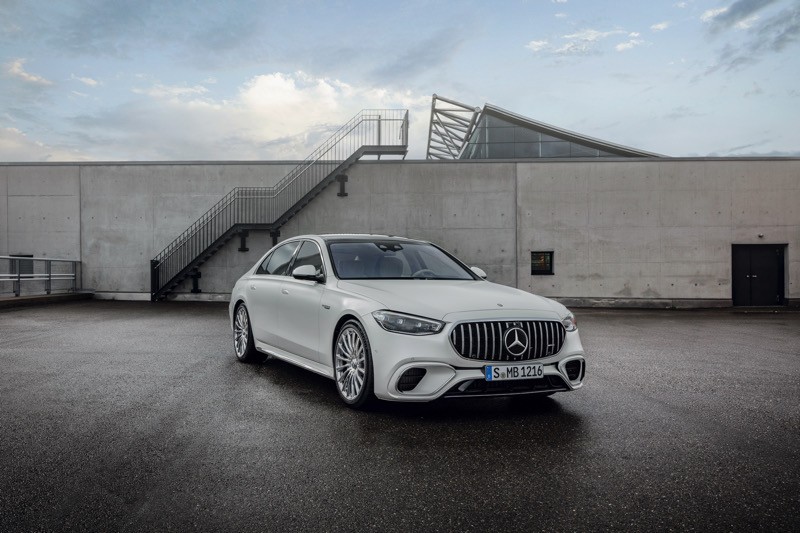
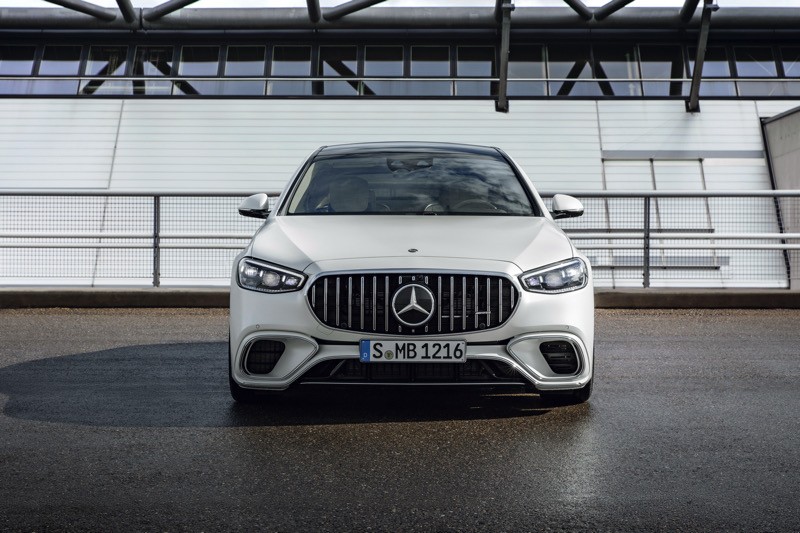
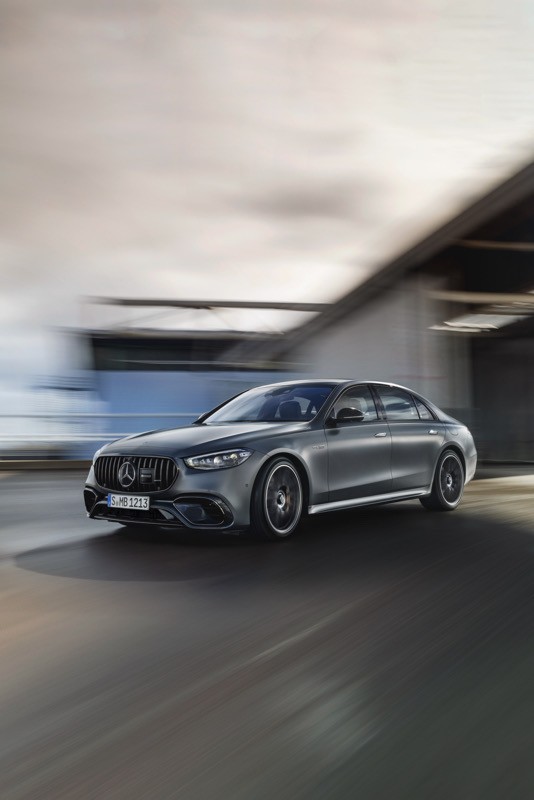
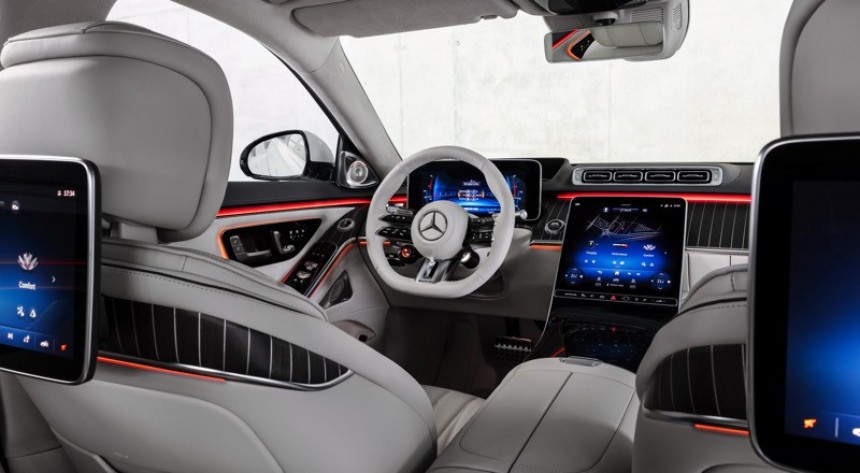
Photo: Mercedes-AMG
Also worth knowing is that PRE-SAFE is an “open-source” system. It allows Mercedes-Benz to expand its capabilities and add new safety features that could bring overall car safety to another milestone. For example, it can be easily customized with access to more sensors and vehicle data related to crumple zones, door trims, radars, and infrared or ultrasound technologies to monitor and track adjacent vehicles and obstacles, all with the purpose of detecting potential risks even faster.
Just for the sake of history, Mercedes' very early preventive safety technology saw daylight in 1989, when the German manufacturer equipped the SL roadster with an automatic rollbar that adjusted its position in 0.3 seconds if the system detected the risk of an accident. The PRE-SAFE system, however, was launched 13 years later, at the 2002 Paris Motor Show.
PRE-SAFE is currently available on a wide array of Mercedes-Benz models, including E-Klasse, M-Klasse, S-Klasse, CL-Klasse, SL-Klasse, CLS-Klasse, and others.
Bogdan keeps an eye on how technology is taking over the car world. His long-term goals are buying an 18-wheeler because he needs more space for his kid’s toys, and convincing Google and Apple that Android Auto and CarPlay deserve at least as much attention as their phones. Full profile
Would you like AUTOEVOLUTION to send you notifications?












 Google News