There is only one proper way to begin our journey and that is by telling, or rather warning you, that what we are about to describe here is not to be taken lightly. Drifting is illegal outside competitions and could be hazardous to your health if you don't know what you are doing.
We will not try to make you an overnight Keiichi Tsuchiya, but merely give you the chance to know what hides behind the sport/art and, even more, give you some tips on how to perform such moves.
Boring stuff aside, drifting if one of the most exhilarating experiences one can have behind the wheel of a car. The thrills given by the apparent lack of control, combined with the knowledge that you know what you are doing makes for a unique experience. Besides, chicks seem to love it...
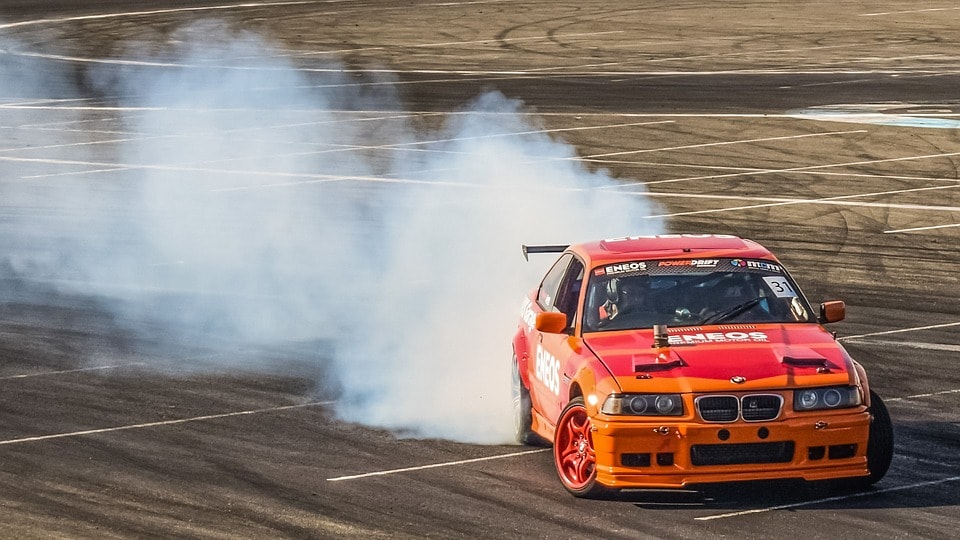
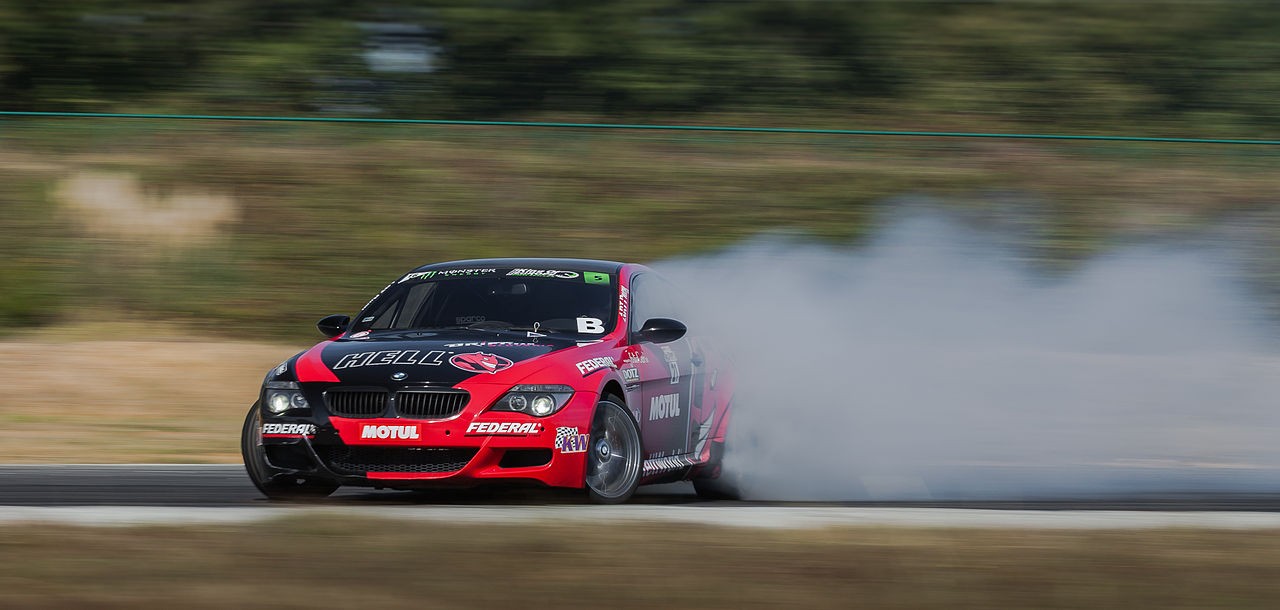
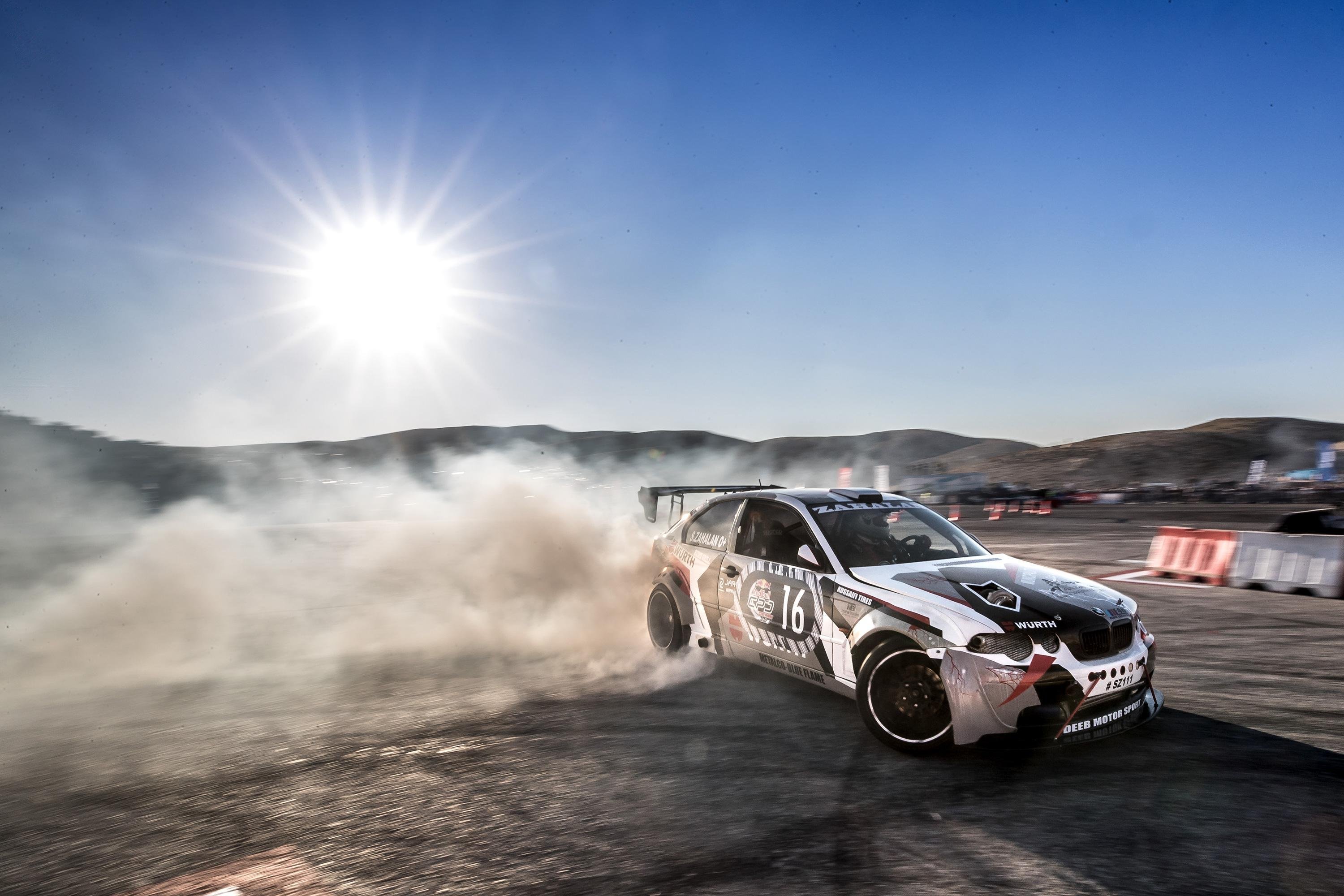
Drifting means intentionally oversteering the car and making it lose traction. If you need the scientific part, this means making the rear slip angle be greater than the front one. Whereas this is the easy part, maintaining control and exiting a curve at high speeds might be a bit tricky. WHAT YOU NEED
Obviously, the first steps into attempting drifting is having a driver's license, a car and an empty stretch of road, runway, field, whatever. Drifting can be done on all types of road surfaces, but we have an inherent disgust for those who do it on snow or grass. Drifting is about rubber and asphalt, so this is the only surface accepted in this guide. So, to recap: driver's license, car and asphalt road/track/runway.
Photo: Wiki
Another key aspect is that the car must be, in essence, a rear-wheel-drive (RWD) one. You may choose to go for a front-wheel-drive train, because drifting can be achieved with them as well. Still, competitions are largely the domain of RWD cars. As for the all-wheel-drive cars, they can be used (especially if they allow for a rear-wheel-drive mode), but only after making modifications to their suspension, engines or differential.
Engine wise, the sky is the limit. The amount of power is not that important, at least not for beginners. CAR SETUP
Since we consider you a beginner, we will not go into details on how to fit a locked slip differential, stiffened suspension, lightening the car or tuning the engine. What you have it's what you'll use, provided you meet the above mentioned requirements. What you must own, before you get started, is safety equipment. Aside for the obvious fire extinguisher, don't forget to get a helmet and a harness. A roll cage is also recommended.
GETTING STARTED
Ok, you have the rear-wheel-drive car, you're on the track, engine running... Accelerate as usual. Actually, a bit more than you usually do. You are getting near the first corner. Build up speed.
HAND BRAKE
That lever you regularly see in between the two front seats does more than holding the car in place when idled on a hill side. Using the hand brake to drift is one of the most basic and easiest techniques at your disposal. You should be warned that it is, at the same time, one of the most dangerous ones (for the car at least). It is the only proper way to make a front wheel drive car drift.
Photo: Mark Seymour
Applying the hand brake to drift will make the rear wheels lock in place. While applying the brake, lift your foot off the gas and steer the car into the corner. When you feel the car begins sliding, release the clutch, give the car more gas and release the hand brake. At the same time, turn the steering wheel in the opposite direction of the corner.
Done without due diligence, this method may severely damage your car. The most exposed are the axles and the wheels themselves.
You can use the car's own weight to start a drift. After you've reached a reasonable high speed, decelerate suddenly to throw the car's weight onto the front wheels. When you feel the rear of the car getting lighter, steer into the corner. This will throw the car's back wheels to the opposite side of the turn. You will need a decent amount of self control and acceleration bursts to come out of the drift unscathed.
Remember, this technique is only possible at high speeds, so if you mess it up...
Drifting can also be achieved by using the steering wheel. When a corner is approaching, let's say a left turn, you need to steer the car to the right. When the car's rear end moves to the opposite direction of the corner (this happens very fast, so pay attention) steer again, this time to the left. The rear wheels will begin losing traction and start to drift. At this time, you need to steer once again to the opposite direction (again right). Simply put, when the left turn approaches steer right, left, right.
This technique requires fast hand movements and a good feel of the car as it begins to sway. Try it only in large, open areas, with no obstacles around. If done improperly, it can roll over the car.
The method requires for the excessive use of the clutch. By repeated press-release moves, a shock-wave is sent through the drivetrain, making the rear wheel slip. When approaching a corner, make sure your speed is not too high and the car is in a higher gear than required by the engine's revs.
Photo: Mark Seymour
While exiting the corner, accelerate and give the clutch a tap. Keep tapping it, but don't let go of the gas. This will make the wheels pick up speed and lose traction. This technique can damage the clutch, the gears or the crank shaft. They are all very expensive to replace and require lots of work, so don't try it if you don't have a generous bank account. LIFT OFF (KANSEI)
This is a drift technique you might have involuntarily experienced while entering a road turn at higher than recommended speeds. Steer sharply into the corner and take your foot off the gas. This will make the wheels lose traction. When you feel that happening, press the gas again to make the car's rear enter a drift. Counter-steer in the opposite direction of the car's rear.
Do not press the brakes or lift your foot off the gas while in this final step. If you do, the car will steer out of control.
Daniel loves writing (or so he claims), and he uses this skill to offer readers a "behind the scenes" look at the automotive industry. He also enjoys talking about space exploration and robots, because in his view the only way forward for humanity is away from this planet, in metal bodies. Full profile
Would you like AUTOEVOLUTION to send you notifications?








 Google News